Top 8 Natural Monuments around Wohldorfer Wald
Best natural monuments around Wohldorfer Wald include Hamburg's oldest forest district and a significant nature reserve. This area features a diverse and ancient tree population, with riparian, ash, oak, maple, beech, and alder trees. The landscape is characterized by glacial moraines, resulting in gently hilly terrain from the Ice Age. It is recognized for its ecological value and preserved ecosystems.
Best natural monuments around Wohldorfer Wald
- The most popular natural monuments is Wohldorfer Wald Nature Reserve, a forest that…
Last updated: October 14, 2026
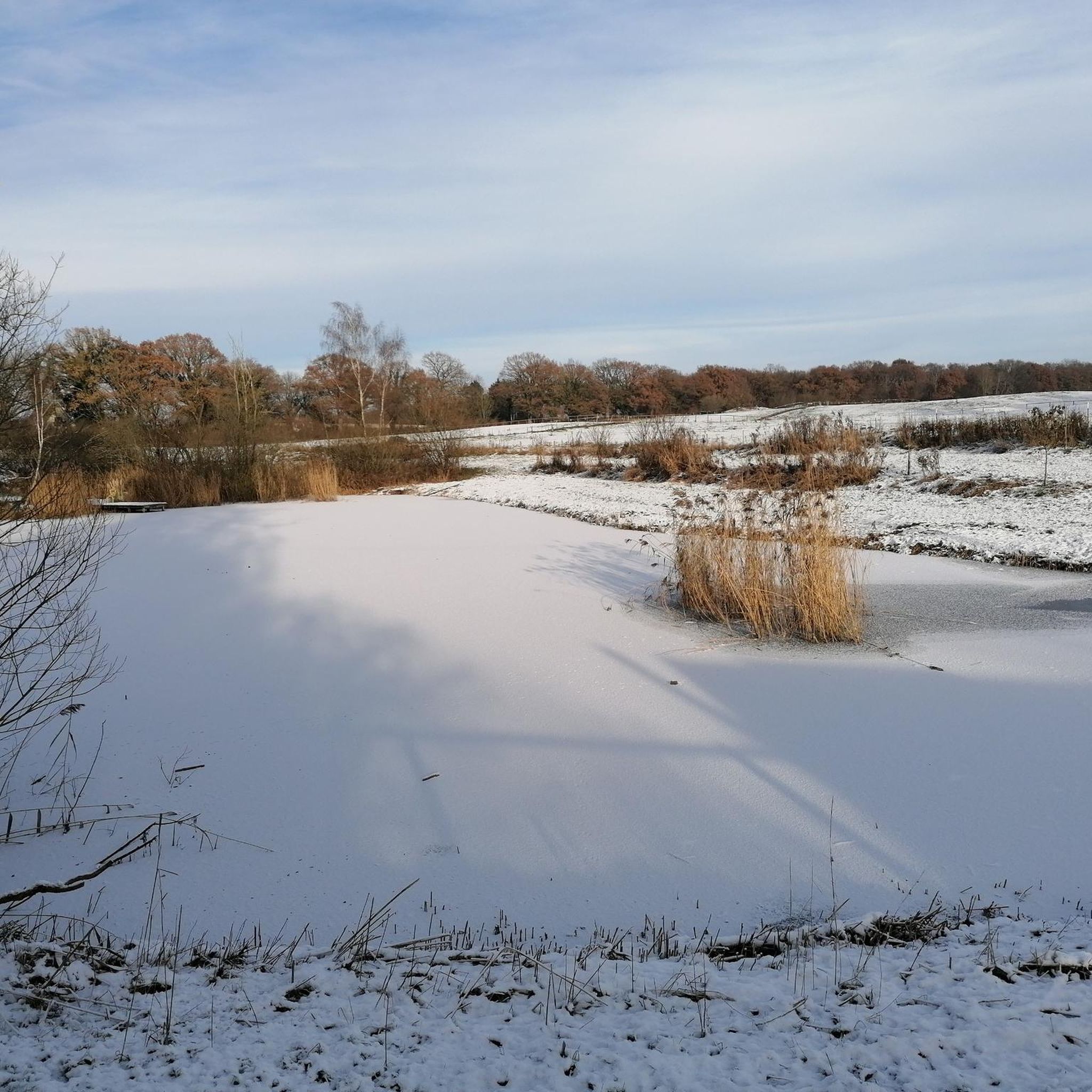
Fish ladder at the Mühlenteich Ammersbek
Highlight • Structure
Translated by Google •
Tip by

Wohldorfer Forest
Highlight (Segment) • Forest
Translated by Google •
Tip by

Sign up now to discover places like this
Get recommendations on the best single tracks, peaks, & plenty of other exciting outdoor places.
Wohldorfer Wald Nature Reserve
Highlight • Forest
The city acquired the area as early as the 13th century.
Translated by Google •
Tip by

Eiskeller Memorial Benches, Wohldorfer Wald
Highlight • Monument
Translated by Google •
Tip by

Lobet Ihn boulder in Wohldorfer Wald
Highlight • Natural Monument
Translated by Google •
Tip by

Sign up for free to discover even more natural monuments around Wohldorfer Wald.
Already have an account?
Start today with a free account
Your next adventure awaits.
Tips from the Community

People used to do this very often... They highlighted memorial plaques, wayside shrines, or other special signs and gave them a religious context. In Catholic regions, you can still find this type of wayside shrine in the forest and on the paths much more often. As a rule, these are then also consecrated.
1
0

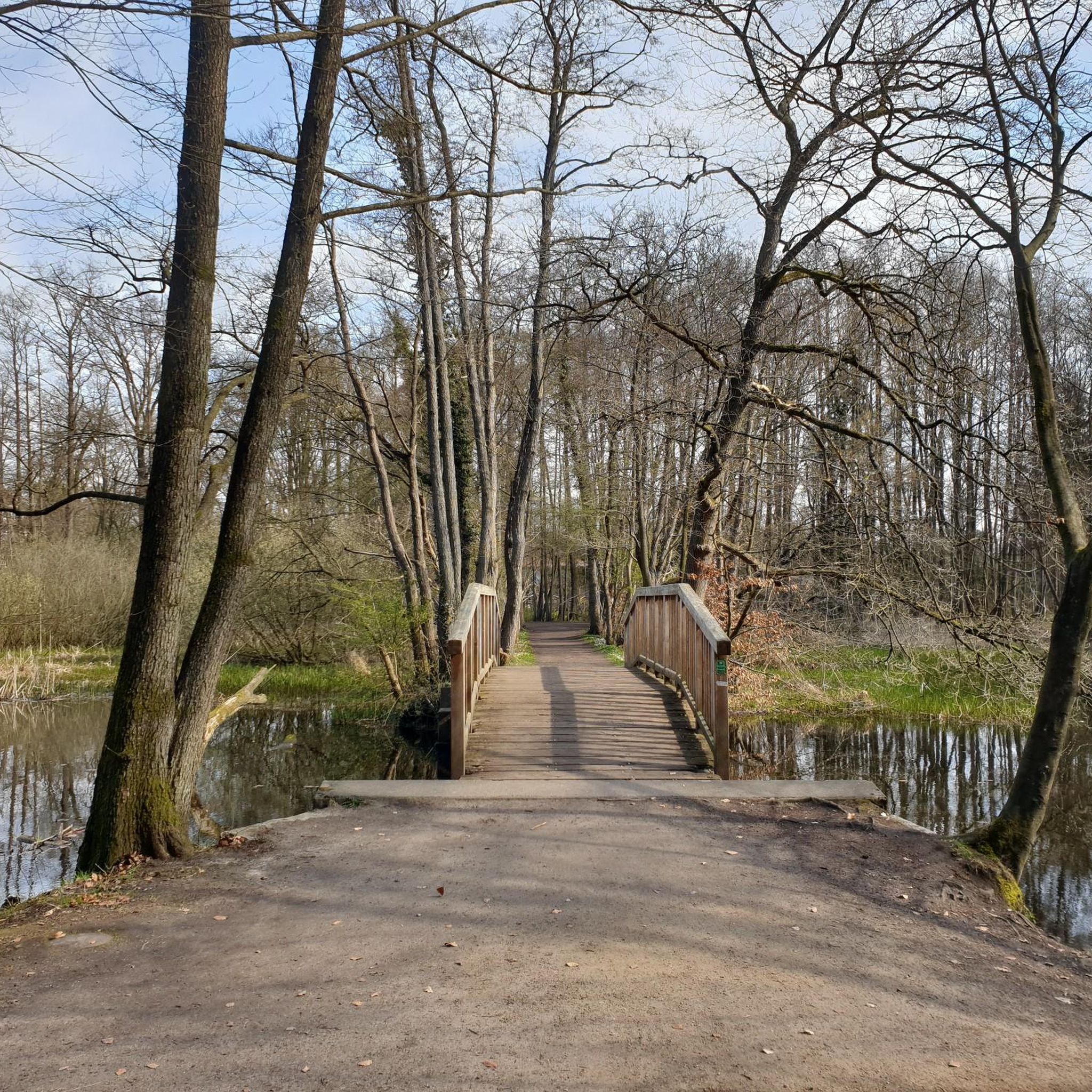
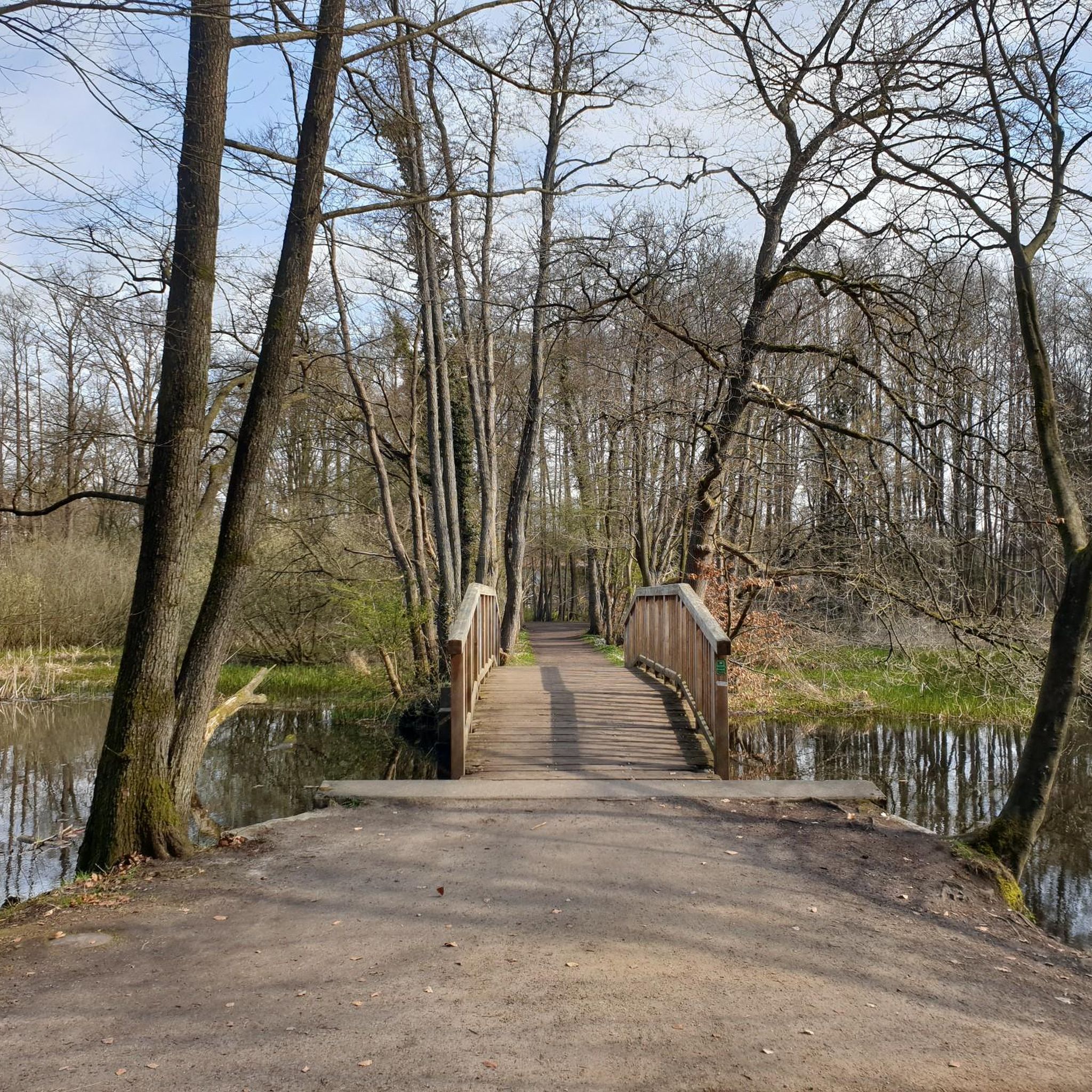
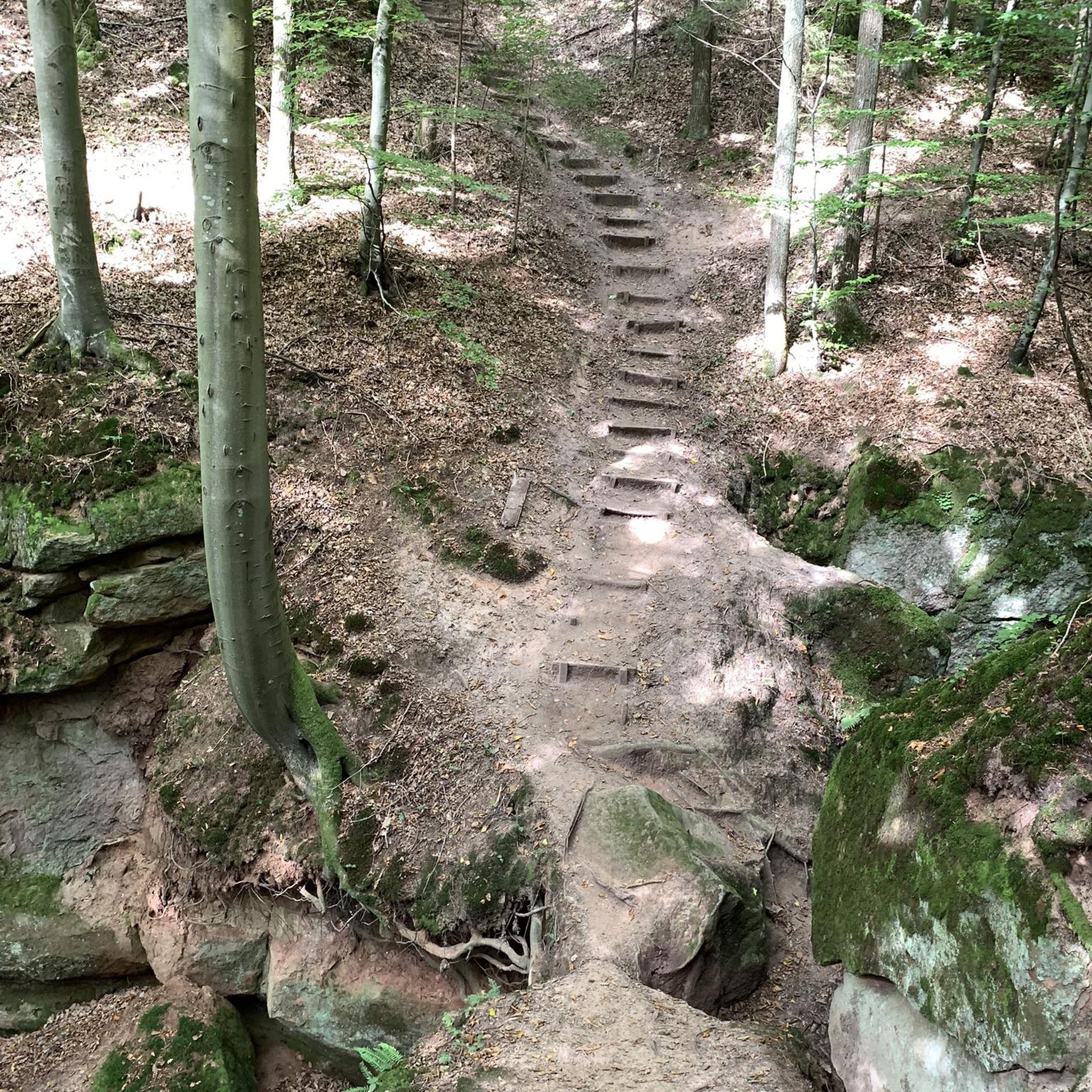
In the middle of Senatorweg you will find, among other things, the soil nature trail and the ice cellar on which the memorial for the fallen of the 1st WWI is located.
0
0
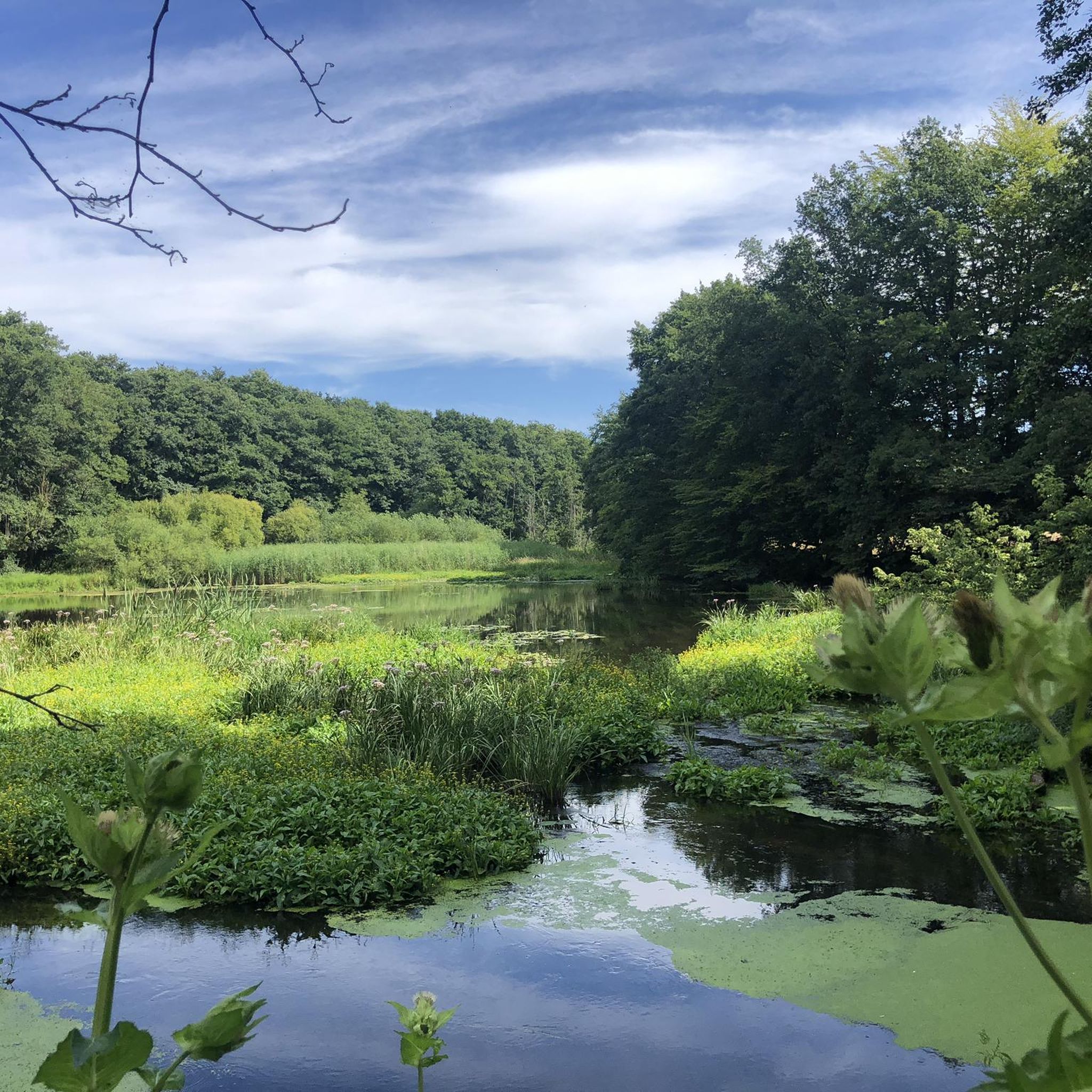
The Wohldorf Forest is the oldest forest district and has been a designated recreation area since 1770. The city acquired the area as early as the 13th century. In addition to riparian forests, there are ash, oak, maple, beech, and alder trees. The landscape is characterized by glacial moraines and is therefore hilly. Among the wildlife, 14 different bat species and 4 beetle species classified as "primeval forest relicts" have been discovered. These species are only found in particularly old forest stands. With a bit of luck, you might also spot otters, kingfishers, black woodpeckers, or woodcocks.
0
0

The Wohldorfer Forest is Hamburg's largest closed deciduous forest and impresses with its rich tree population. It is part of a biotope network covering a total of 1,800 hectares in the northeast of the city and is connected there with the Duvenstedter Brook, Hansdorfer Brook and Ammersbek-Niederung nature reserves.
0
1

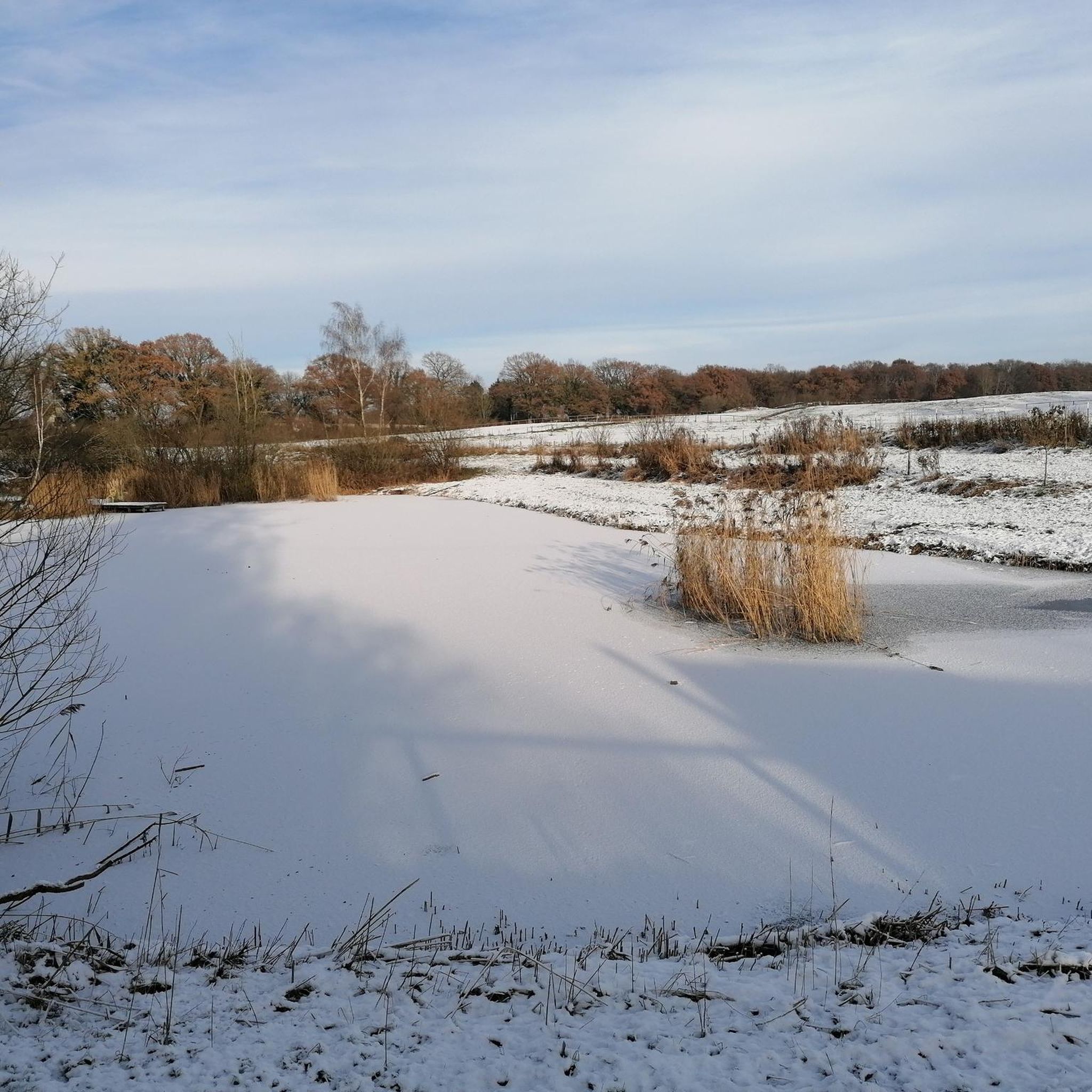
From pool to pool A fish ladder is not a normal staircase - fish don't have legs. It is a diversion, i.e. a small stream or canal that leads around an obstacle. It usually consists of several basins filled with water. These are arranged like the steps of a staircase. This allows the fish to swim or jump from tank to tank - ideally in both directions. Here is the information board about the fish ladder: https://www.hamburg.de/contentblob/425322/5c919571a457f99716f48bde985811df/data/infotafel-fischtreppe-ammersbek.pdf
0
0

Soil nature trail with information boards to explore.
0
0
Fish ladder for crossing height differences in bodies of water.
0
0
Fish ladder for crossing height differences.
0
0
Frequently Asked Questions
What unique natural features can I discover in Wohldorfer Wald?
The Wohldorfer Wald is Hamburg's oldest forest district and a significant nature reserve. You can explore an ancient and diverse forest ecosystem with riparian, ash, oak, maple, beech, and alder trees. The landscape also features fascinating glacial moraines, remnants from the Ice Age, which create a gently hilly terrain. Additionally, the area is rich in biodiversity, home to 14 different bat species and four beetle species classified as 'primeval forest relicts'.
Are there specific landmarks or viewpoints to look out for?
Yes, you can visit the Drosselbek River Bend in Wohldorfer Wald, which offers views of light deciduous forest and is considered a beautiful spot. Another unique landmark is the Tree Face of Wohldorf, an old, gnarled tree that many visitors find captivating.
What kind of wildlife can I expect to see in Wohldorfer Wald?
The Wohldorfer Wald is a habitat for numerous rare animal species. It is home to 14 different bat species and four beetle species classified as 'primeval forest relicts'. With a bit of luck, you might also spot otters, kingfishers, black woodpeckers, or woodcocks, highlighting the ecological importance of this preserved natural area.
Are the natural monuments in Wohldorfer Wald suitable for families?
Many of the natural monuments in Wohldorfer Wald are family-friendly. For instance, the Wohldorfer Wald Nature Reserve itself is great for families, as are the Fish ladder at the Mühlenteich Ammersbek and the Drosselbek River Bend in Wohldorfer Wald. There's also a Soil Information Board that can be an interesting stop for curious minds.
What is the best time of year to visit the natural monuments in Wohldorfer Wald?
The Wohldorfer Wald offers a beautiful, changing landscape throughout the seasons, making it worth visiting year-round. The diverse tree population ensures a rich natural experience, whether it's the fresh green of spring, the lush foliage of summer, the vibrant colors of autumn, or the quiet beauty of winter.
Are there hiking trails near the natural monuments in Wohldorfer Wald?
Yes, there are numerous hiking opportunities around the natural monuments. You can find a variety of routes, including easy options like the 'Wohldorfer Forest – Viewpoint at Mühlenteich loop from Wohldorf-Ohlstedt' (4.26 km) or the 'Lake in the Ammersbek-Niederung – View of the Ammersbek stream loop from Wohldorfer Wald' (4.43 km). For more options, explore the Hiking around Wohldorfer Wald guide.
What other outdoor activities can I do near these natural monuments?
Beyond hiking, the area around Wohldorfer Wald offers excellent opportunities for mountain biking and road cycling. You can find various MTB trails, such as the 'Brook Nature Trail – Jersbeker Park loop from Ohlstedt' (44.46 km), or road cycling routes like the 'Duvenstedt–Wulksfelde Road – Jersbeker Forest Scenic Road loop from Ohlstedt' (57.35 km). Check out the MTB Trails around Wohldorfer Wald guide and the Road Cycling Routes around Wohldorfer Wald guide for detailed routes.
What is the significance of the Fish ladder at the Mühlenteich Ammersbek?
The Fish ladder at the Mühlenteich Ammersbek is a crucial river feature designed to allow fish, such as roach and perch, to bypass the weir at the mill pond. It facilitates their migration by bridging a height difference of approximately 2.60 meters, ensuring continuity for aquatic life along the Ammersbek.
What is the historical context of Wohldorfer Wald as a natural monument?
The Wohldorfer Wald has a long history of recognition and protection. It was designated as a recreation area as early as 1770, and the city acquired the area in the 13th century. This long-standing preservation has allowed its ancient forest ecosystems to thrive, making it Hamburg's oldest forest district and a significant nature reserve.
What is the 'Soil Information Board' and what can I learn there?
The Soil Information Board in Wohldorfer Wald is part of a dedicated soil nature trail. It provides insights into the young moraine landscape, which was shaped by the Ice Age. Through accessible pits, visitors can see, smell, and feel the different soil layers, offering an educational experience about the geological history of the area.
What makes the Wohldorfer Wald Nature Reserve special?
The Wohldorfer Wald Nature Reserve is Hamburg's largest contiguous deciduous forest, known for its rich and diverse tree population. It's part of a larger 1800-hectare biotope network, connecting with other nature reserves like Duvenstedter Brook. This interconnectedness enhances its ecological value, supporting a wide array of plant and animal species, including rare bats and beetles.
Most popular routes around Wohldorfer Wald
Most popular attractions around Wohldorfer Wald

Get inspired with the komoot mobile app


Explore more
Extend your search for the best caves by checking out these guides of the top ones around Wohldorfer Wald:
