Park Krajobrazowy Beskidu Małego
Park Krajobrazowy Beskidu Małego
Top 20 Natural Monuments around Park Krajobrazowy Beskidu Małego
Best natural monuments around Park Krajobrazowy Beskidu Małego showcase a landscape shaped by sandstone and shale geology. This region features impressive rock formations, caves, and waterfalls, offering unique geological characteristics. These sites provide diverse natural features and scenic views for exploration. The park is home to 26 natural monuments, making it a destination for nature enthusiasts.
Best natural monuments around Park Krajobrazowy Beskidu Małego
- The most popular natural monuments is Czupel Peak (933 m), a summit that is the…
Last updated: October 13, 2026
Czupel Peak (933 m)
Highlight • Summit
Translated by Google •
Tip by

Potrójna
Highlight • Viewpoint
Translated by Google •
Tip by

Sign up now to discover places like this
Get recommendations on the best single tracks, peaks, & plenty of other exciting outdoor places.
Quarry in Kozy
Highlight • Structure
Translated by Google •
Tip by

John Paul II's Groń
Highlight • Summit
Translated by Google •
Tip by

Cross on Chrobacza Łąka
Highlight • Monument
Translated by Google •
Tip by

Sign up for free to discover even more natural monuments around Park Krajobrazowy Beskidu Małego.
Already have an account?
Start today with a free account
Your next adventure awaits.
Popular around Park Krajobrazowy Beskidu Małego
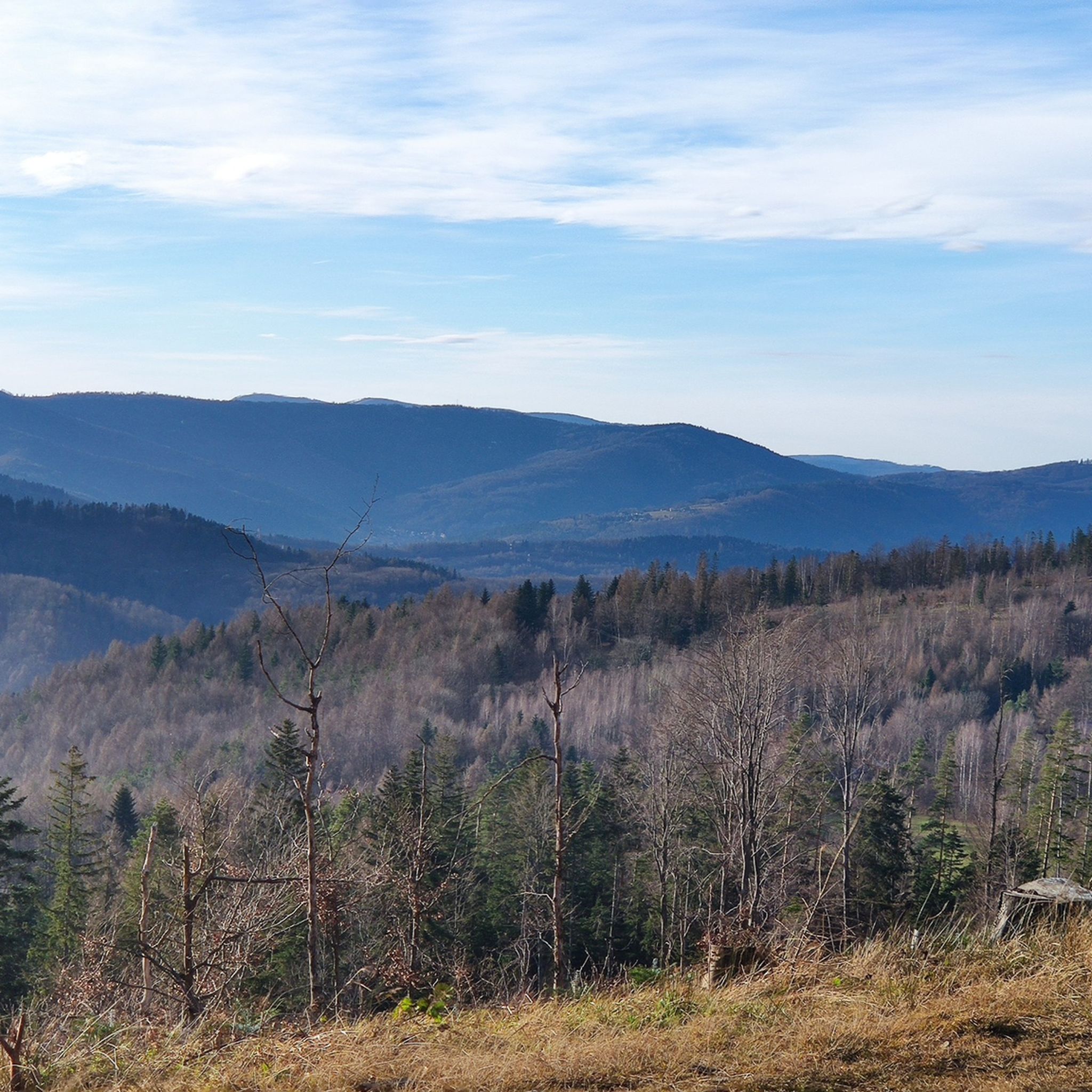
Hiking around Park Krajobrazowy Beskidu Małego
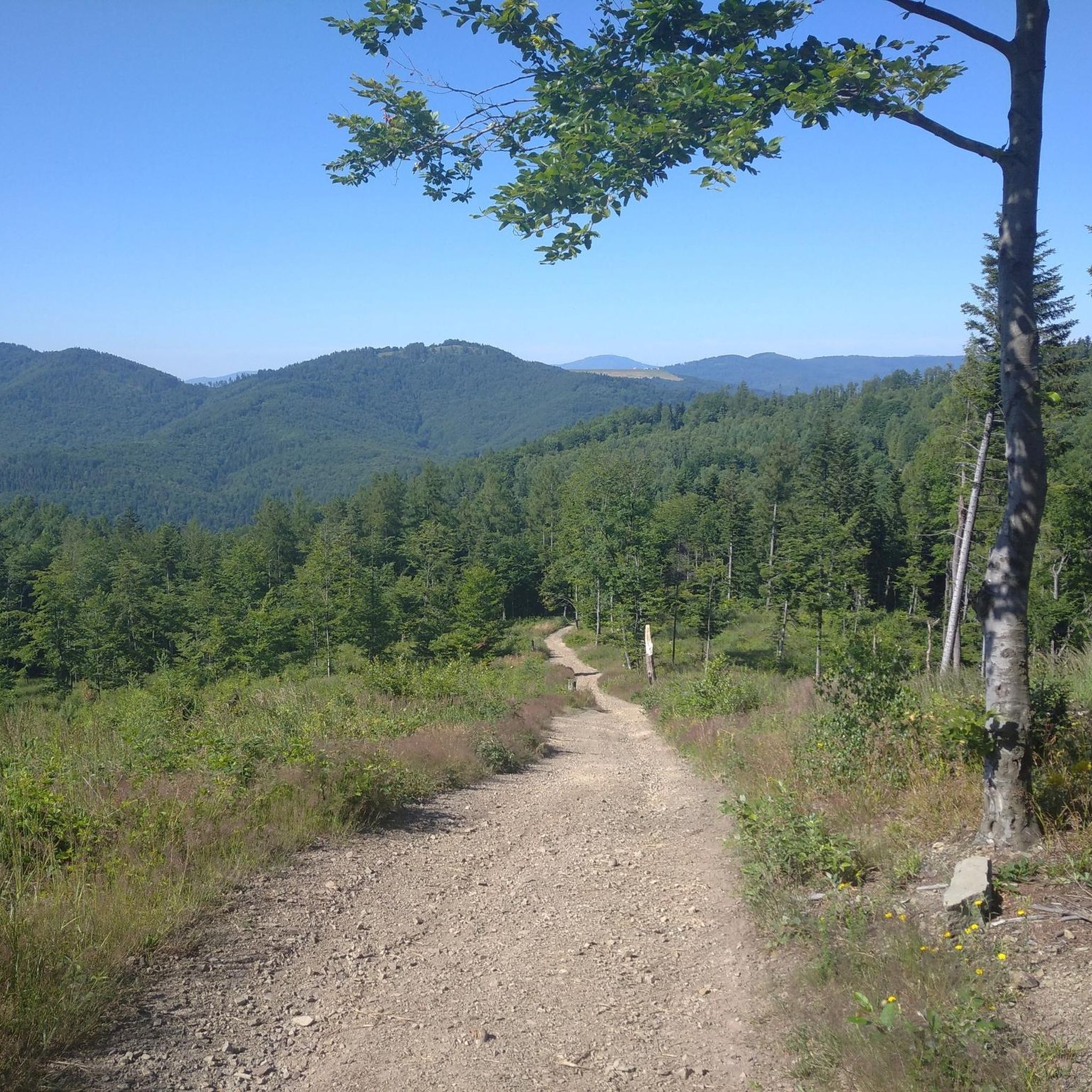
Running Trails around Park Krajobrazowy Beskidu Małego
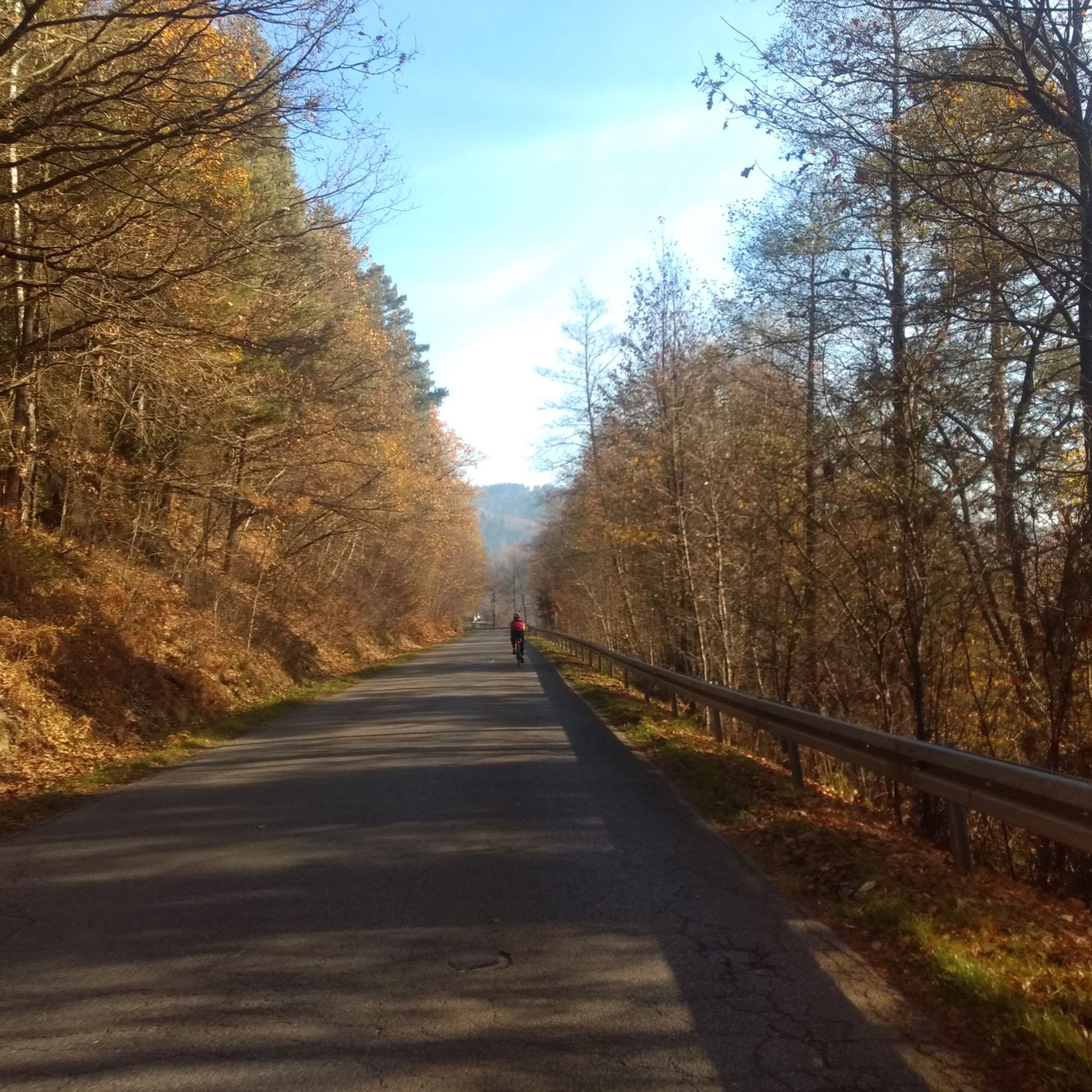
Road Cycling Routes around Park Krajobrazowy Beskidu Małego
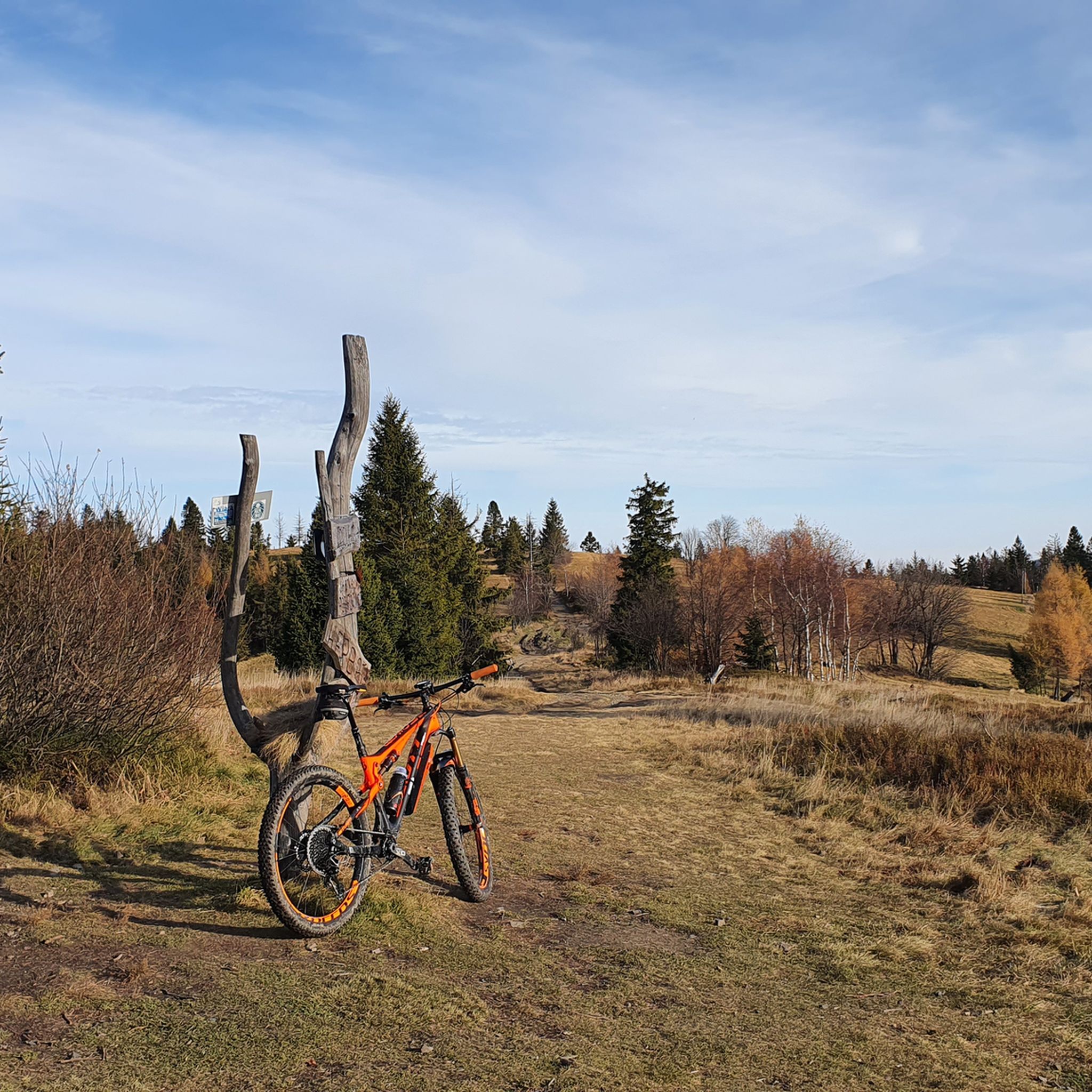
MTB Trails around Park Krajobrazowy Beskidu Małego
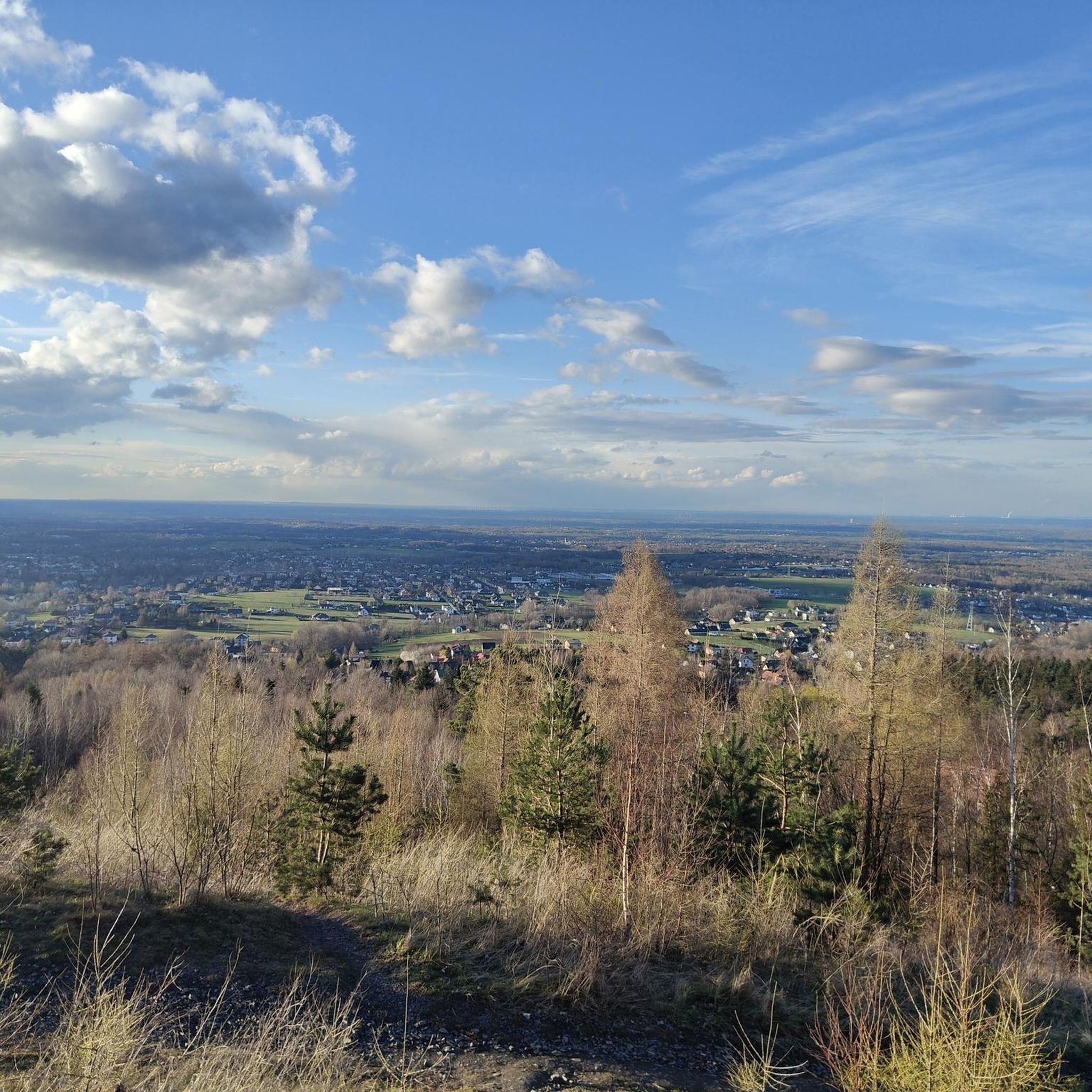
Cycling around Park Krajobrazowy Beskidu Małego
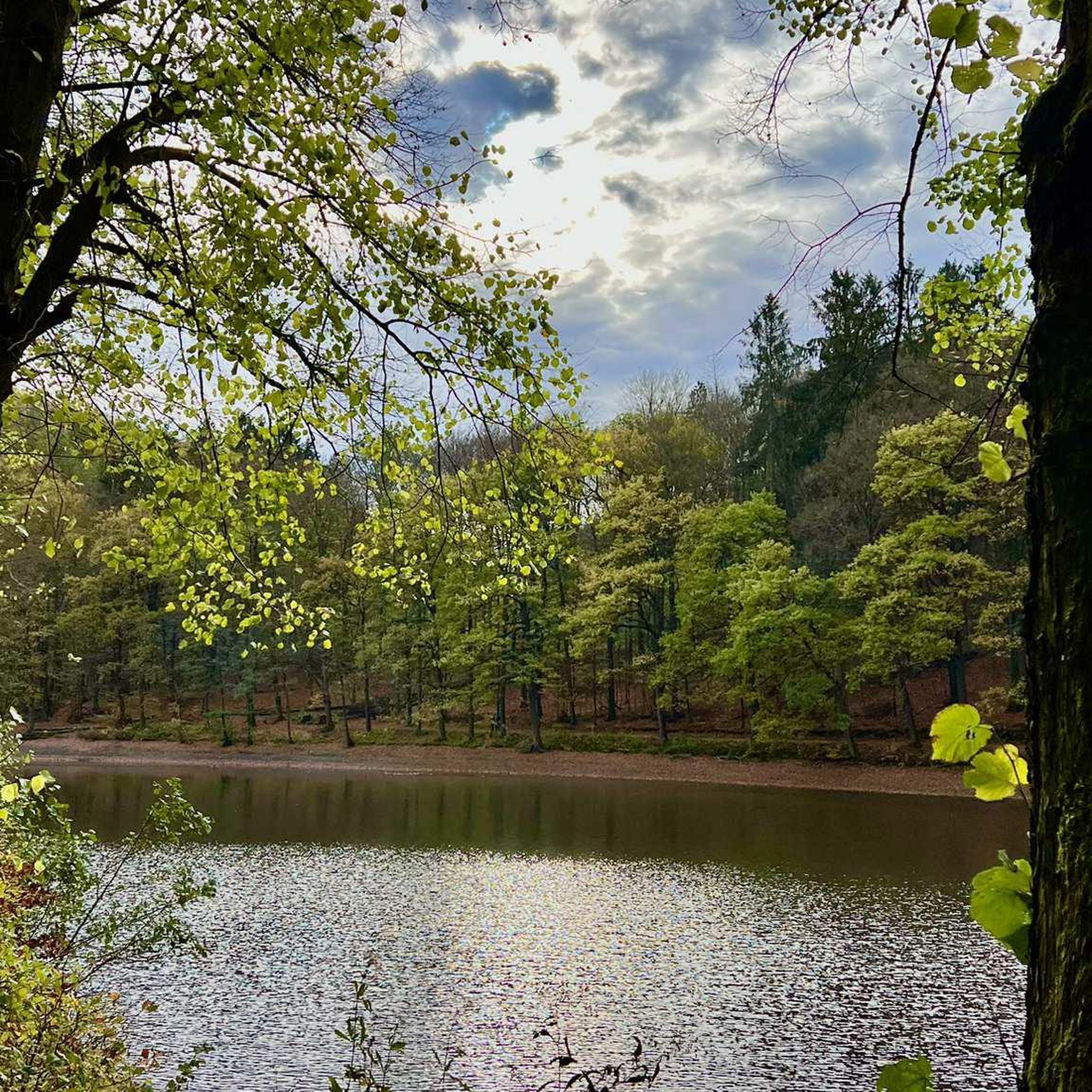
Mountain Hikes around Park Krajobrazowy Beskidu Małego

Gravel biking around Park Krajobrazowy Beskidu Małego
Tips from the Community

Unfortunately, poor visibility of the mountain ranges. Basically, everything is wooded :(
0
0

Very nice when you've made it. However, you have to see which route you choose. Otherwise, it's almost impossible to manage with an MTB❗
0
0

A beautiful viewpoint. Worth a visit.
1
0

Two-peaked peak in the Beskid Andrychowski (eastern part of the Beskid Mały) Potrójna is an excellent viewpoint. Both of its peaks and the entire ridge are treeless. There are extensive pastoral pastures and meadows here, the views from which are among the most extensive in the entire Beskid Mały. The panorama includes: the Silesian Foothills, the Bliźniaków Range, the Rzycka Valley, the main ridge of the Beskid Mały, the Gorce Mountains, the Polica Range, Babia Góra, the Jałowieckie Range, Pilsko, the Żywiec Basin, the Lipowski Wierch and Romanka Group, the Wielka Racza Range and the Silesian Beskid from Glinny to Skrzyczne. On the lower peak there is a former shepherd's chapel with figures of the Virgin Mary, on the higher one there are two boards with described panoramas
1
0

It is the highest peak of the Beskid Mały, at 931m. Although the entire Czupel ridge is covered with forest, there will be views, especially of Góra Żar, with the power plant building at the top, but not from the very top, only a few dozen meters from it.
1
0

Hrobacza Łąka (828 m above sea level) is one of the most popular peaks of the Beskid Mały, known for its characteristic metal cross visible from afar. The peak offers beautiful views of Bielsko-Biała, Lake Międzybrodzkie and the Silesian Beskids. You can get there by several trails, including from Kozy, Bielsko-Biała and Międzybrodzie Bialskie. There is a tourist shelter in the clearing below the peak, where you can rest and eat something. The trail is not demanding, but it is worth taking comfortable shoes, especially after rain, when the trails can be muddy.
1
0
The Kozy Quarry is a picturesque place at the foot of the Beskid Mały Mountains, which delights with its steep, rocky walls and interesting history. Sandstone was once mined here, and today it is a popular viewpoint, from where there is a panorama of the Oświęcim Basin and Bielsko-Biała. It is also a great place for a short trip, accessible both on foot and by bike. Due to the steep cliffs, it is worth being careful, especially with children. The quarry is also popular with climbers and photography enthusiasts.
2
0

A beautiful place with a panoramic view of Kozy and Silesia.
0
0
Frequently Asked Questions
What types of natural monuments can I expect to see in Park Krajobrazowy Beskidu Małego?
The Park Krajobrazowy Beskidu Małego is rich in diverse natural monuments, primarily showcasing impressive rock formations, caves, and waterfalls. These features are largely shaped by the region's sandstone and shale geology, offering unique geological characteristics and picturesque scenery. You'll find everything from towering rock formations like Zbójeckie Okno to the striking Wodospad Dusica waterfall.
Are there any unique geological formations among the natural monuments?
Yes, the region boasts several unique geological formations. One notable example is Zbójeckie Okno, an impressive 9-meter high rock tower with a distinctive 1-meter diameter 'window' or 'eye'. It clearly displays alternating layers of harder sandstones and less erosion-resistant conglomerates. Another interesting site is Zwalisko, a collection of rock outliers composed of Istebna sandstone on the ridge of Łamana Skała.
Which natural monuments offer the most scenic views or photographic opportunities?
For stunning views, Potrójna is an excellent choice, offering extensive panoramas of the surrounding area, including the Silesian Foothills and the Gorce Mountains. The Cross on Chrobacza Łąka also provides beautiful views of Bielsko-Biała and Lake Międzybrodzkie. Additionally, the Quarry in Kozy offers a wide panorama of the Oświęcim Basin and Bielsko-Biała, making it popular with photography enthusiasts.
Are there family-friendly natural monuments suitable for children?
Many natural monuments in the Park Krajobrazowy Beskidu Małego are suitable for families. For instance, the trail to Czupel Peak (933 m) is considered very easy and perfect for a trip with children, with a PTTK shelter along the way. Potrójna is also listed as family-friendly, and the Quarry in Kozy has wide, comfortable gravel slopes increasing accessibility for strollers and wheelchairs, though caution is advised near steep cliffs.
What is the best time of year to visit the natural monuments in Park Krajobrazowy Beskidu Małego?
The natural monuments can be enjoyed year-round. Autumn offers particularly picturesque scenery with vibrant colors, while winter transforms sites like Grota Komonieckiego and Wodospad Dusica with striking ice cascades and formations, creating a unique charm. Spring and summer are ideal for hiking and exploring the lush landscapes.
Are there any natural monuments with historical significance?
Yes, Grota Komonieckiego holds historical significance. This erosion-weathering cave was notably used as a refuge for partisans and a hiding place for valuables during wartime. Its unique past adds another layer of interest to its natural beauty.
What outdoor activities can I do near these natural monuments?
The area around the natural monuments offers a variety of outdoor activities. You can find numerous routes for mountain biking, hiking, and running. For example, there are MTB trails like the 'Potrójna – Chatka pod Potrójną loop' and hiking routes such as the 'Czupel (933 m) – Czupel Peak (933 m) loop'. You can explore more options on the MTB Trails, Mountain Hikes, and Running Trails guide pages for the region.
Are there any waterfalls to visit in the region?
Yes, the most prominent waterfall in the Beskid Mały is Wodospad Dusica. Located just a few dozen meters below Grota Komonieckiego, it cascades 3 to 5 meters over a stone slab. This area is particularly picturesque, especially in autumn and winter when ice formations enhance its beauty.
Which natural monuments are easily accessible from main trails?
Zbójeckie Okno is known for its easy accessibility, located just below the main ridge between Potrójna and Łamana Skała and directly alongside the yellow trail. Grota Komonieckiego and Wodospad Dusica are also accessible via a yellow trail from the village of Las. The Quarry in Kozy also offers good accessibility with a new large parking lot and comfortable gravel slopes.
What do visitors enjoy most about the natural monuments in Park Krajobrazowy Beskidu Małego?
Visitors frequently praise the beautiful views and the sense of tranquility found in the region. Many appreciate the well-maintained trails and the opportunity for both physical activity and spiritual rest, especially at places like John Paul II's Groń. The diverse geological features and the chance to explore unique rock formations and waterfalls are also highly valued.
Can I find rock formations suitable for climbing?
While the region is known for its rock formations, the Quarry in Kozy is specifically popular with climbers. Its steep, rocky walls provide a challenging environment for those interested in climbing, in addition to offering panoramic views.
Are there any natural monuments that are also popular viewpoints?
Absolutely. Potrójna is a two-peaked summit with extensive pastoral pastures and meadows, offering some of the most expansive views in the Beskid Mały. The Cross on Chrobacza Łąka is another popular viewpoint, providing clear vistas of Bielsko-Biała and Lake Międzybrodzkie. Even Czupel Peak (933 m), though mostly wooded, offers views of Góra Żar from certain spots along the trail.
What are the 'Rock thresholds on the Pracica stream'?
The Progi skalne na potoku Pracica are natural rock cascades located along the road leading to Rzyki-Praciaki. These are geological formations in the stream bed, created by the uneven erosion of bedrock, resulting in a stepped profile and sometimes forming small pools. They offer a unique natural sight along the stream.
Most popular routes around Park Krajobrazowy Beskidu Małego
Most popular attractions around Park Krajobrazowy Beskidu Małego

Get inspired with the komoot mobile app


Explore more
Extend your search for the best caves by checking out these guides of the top ones around Park Krajobrazowy Beskidu Małego:
