Parch Natural Pöz-Odles - Naturpark Puez-Geisler - Parco Naturale Puez-Odle
Parch Natural Pöz-Odles - Naturpark Puez-Geisler - Parco Naturale Puez-Odle
Top 20 Natural Monuments around Parch Natural Pöz-Odles - Naturpark Puez-Geisler - Parco Naturale Puez-Odle
Best natural monuments around Parch Natural Pöz-Odles - Naturpark Puez-Geisler - Parco Naturale Puez-Odle are situated within the Dolomites, a UNESCO World Heritage site recognized for its geological diversity. This region features a wide array of rock types, sedimentary layers, and distinctive weathering formations. The park's landscape includes alpine pastures, mountain meadows, and massive rock peaks, with an average elevation of about 2,500 meters. It serves as a significant destination for geological study and appreciation of natural beauty.
Best natural…
Last updated: August 20, 2026
Seceda Summit
Highlight • Summit
Translated by Google •
Tip by

View of the Puez and Odle groups
Highlight • Viewpoint
Translated by Google •
Tip by

Sign up now to discover places like this
Get recommendations on the best single tracks, peaks, & plenty of other exciting outdoor places.
Sign up for free
View of the Geisler (Odle) Group
Highlight (Segment) • Viewpoint
Translated by Google •
Tip by

Säbelzahn Rock Formation
Highlight • Natural Monument
Translated by Google •
Tip by

Forcella Cir / Cirjoch
Highlight • Mountain Pass
Translated by Google •
Tip by

Sign up for free to discover even more natural monuments around Parch Natural Pöz-Odles - Naturpark Puez-Geisler - Parco Naturale Puez-Odle.
Sign up for free
Already have an account?
Start today with a free account
Your next adventure awaits.
Login or Signup
Popular around Parch Natural Pöz-Odles - Naturpark Puez-Geisler - Parco Naturale Puez-Odle
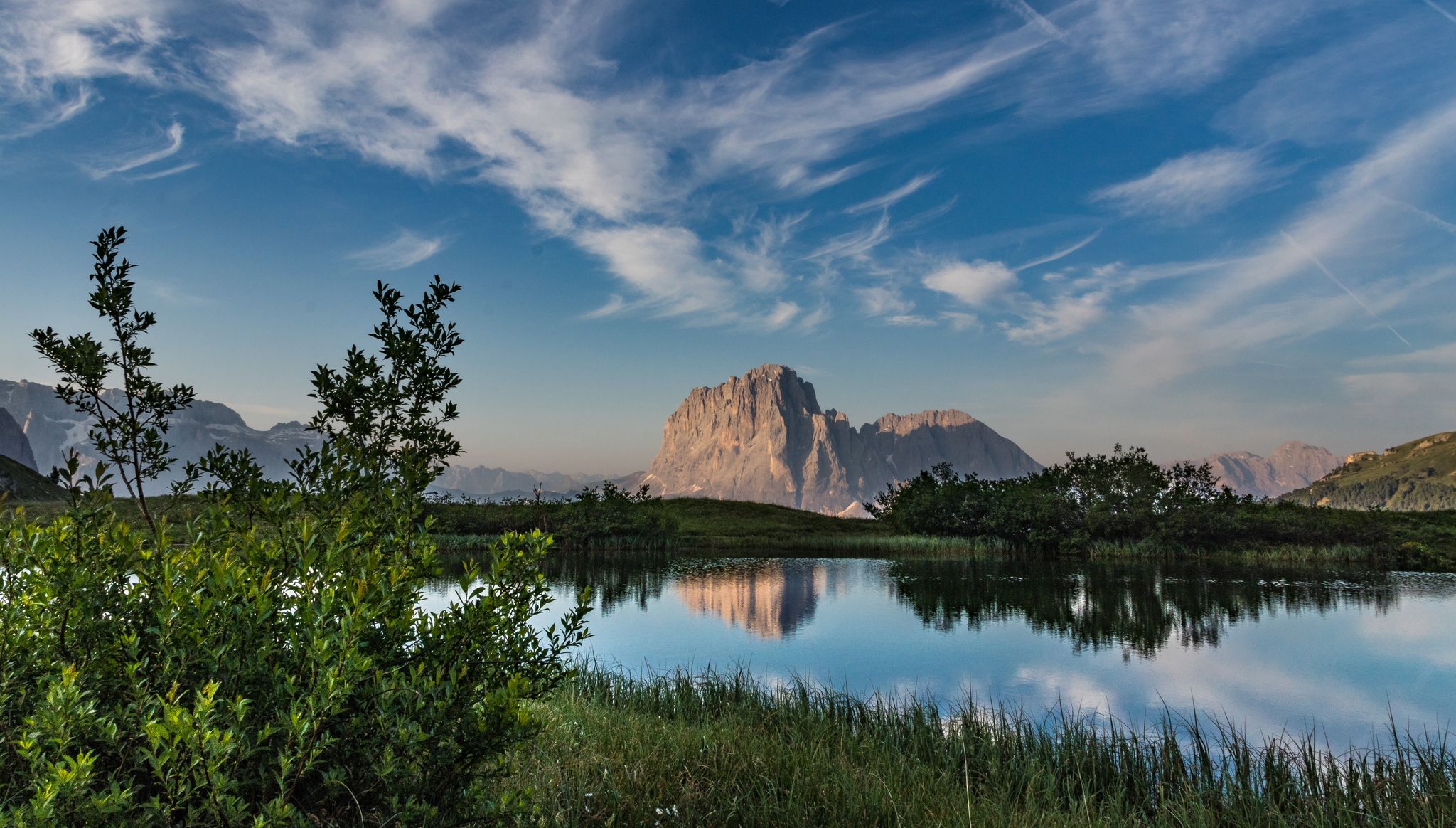
Secret Dolomites - beautiful spring in Val Gardena
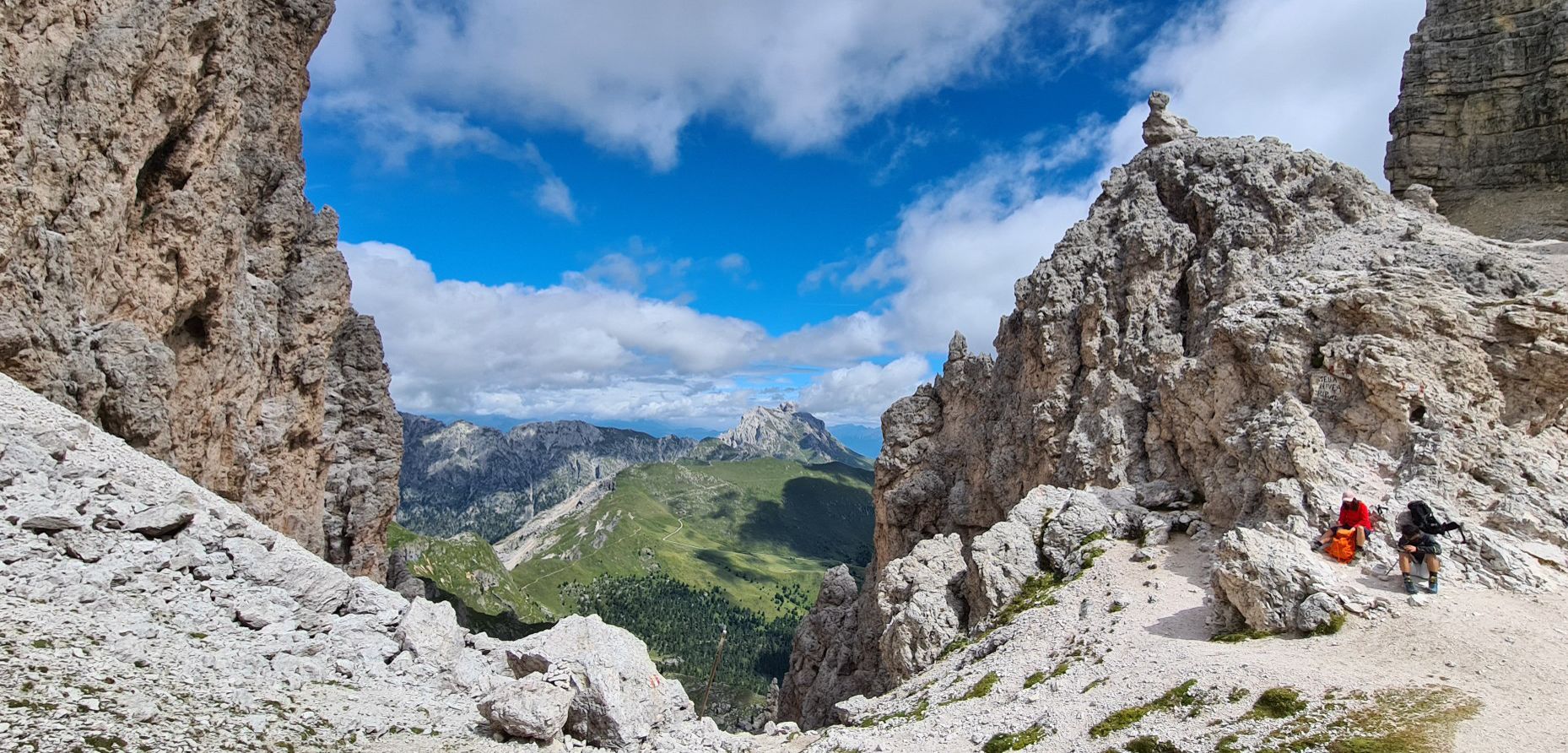
Puez-Odle Nature Park – Hike the Italian Dolomites
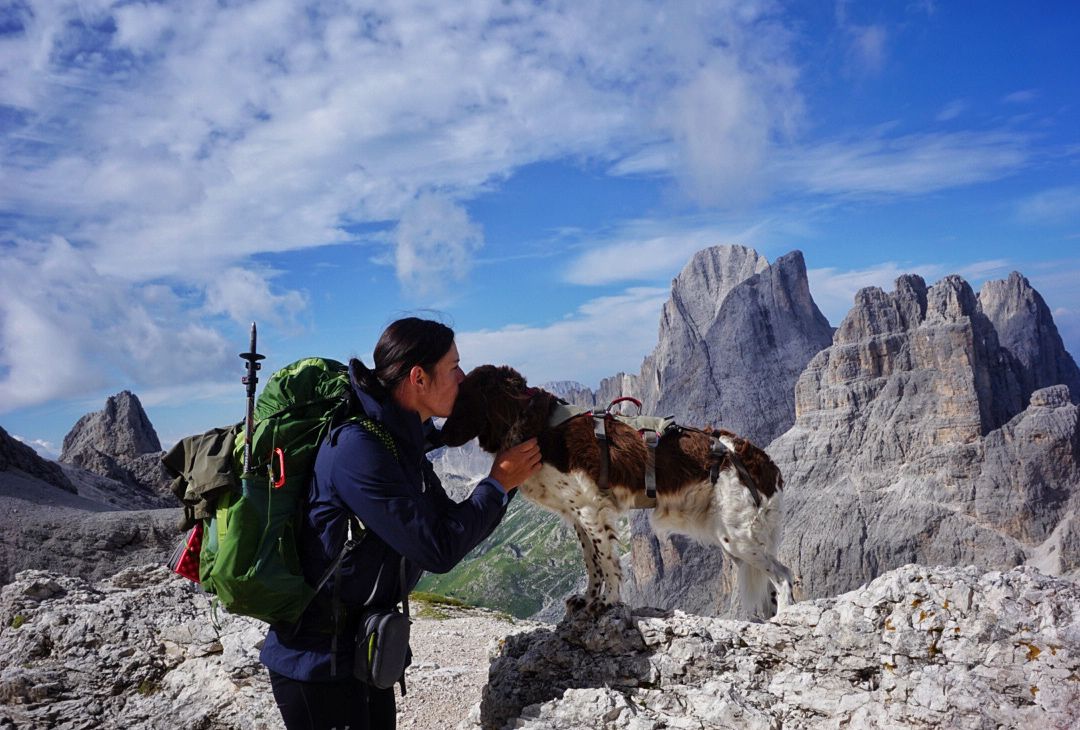
The extra-large Dolomites round – an out-of-this-world hiking adventure
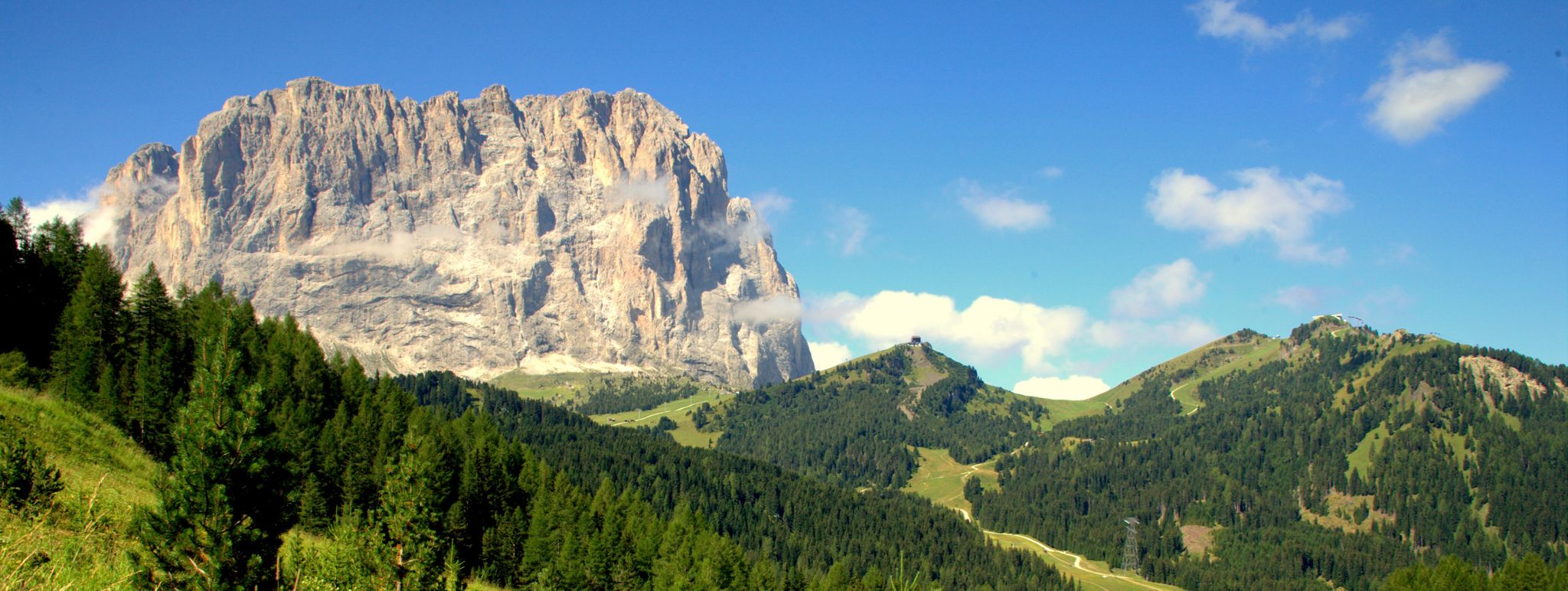
Via Venezia Alpina – hiking across the Alps to the Adriatic Sea
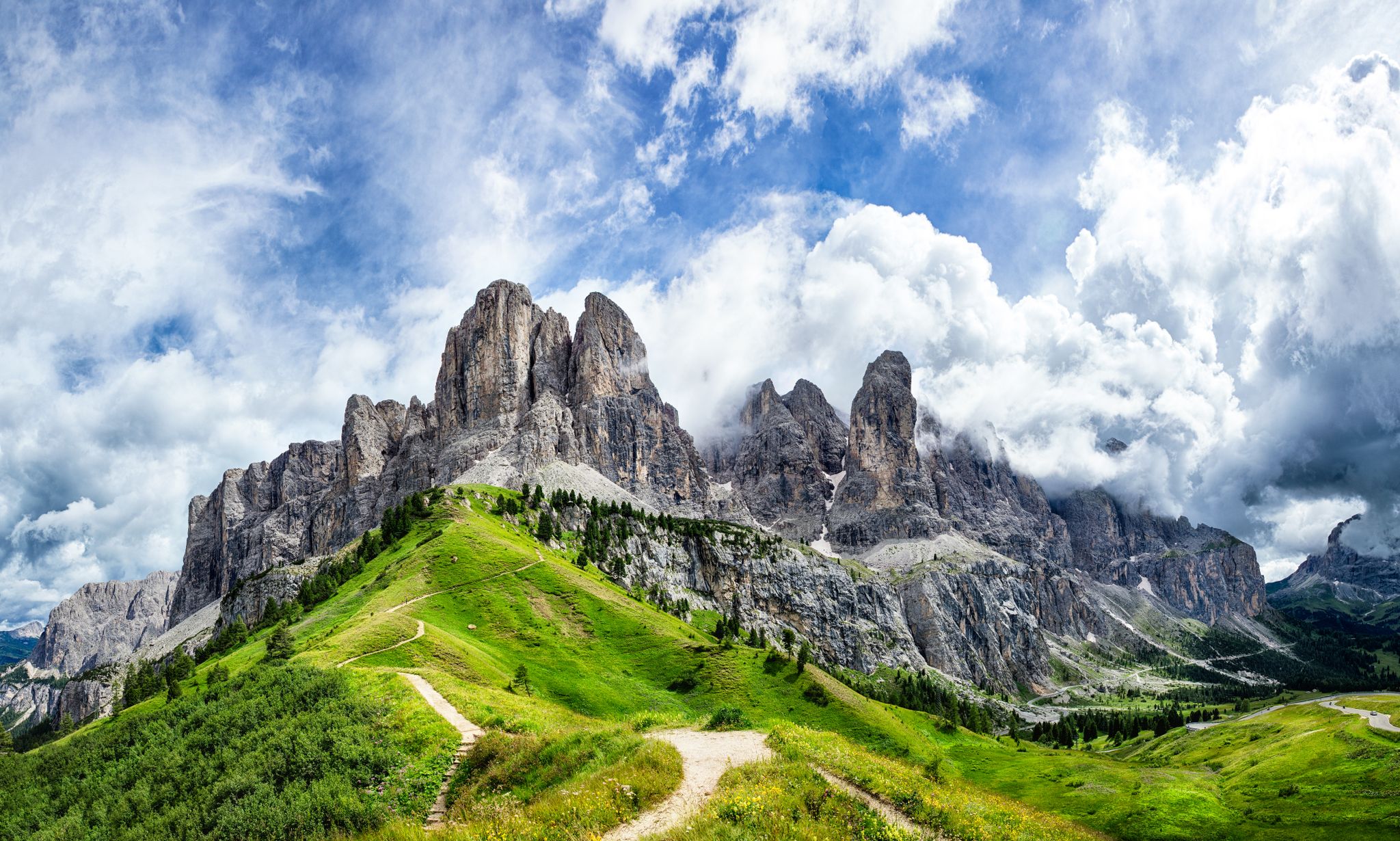
The "Dream Path" hiking trail – From Munich to Venice in 28 stages
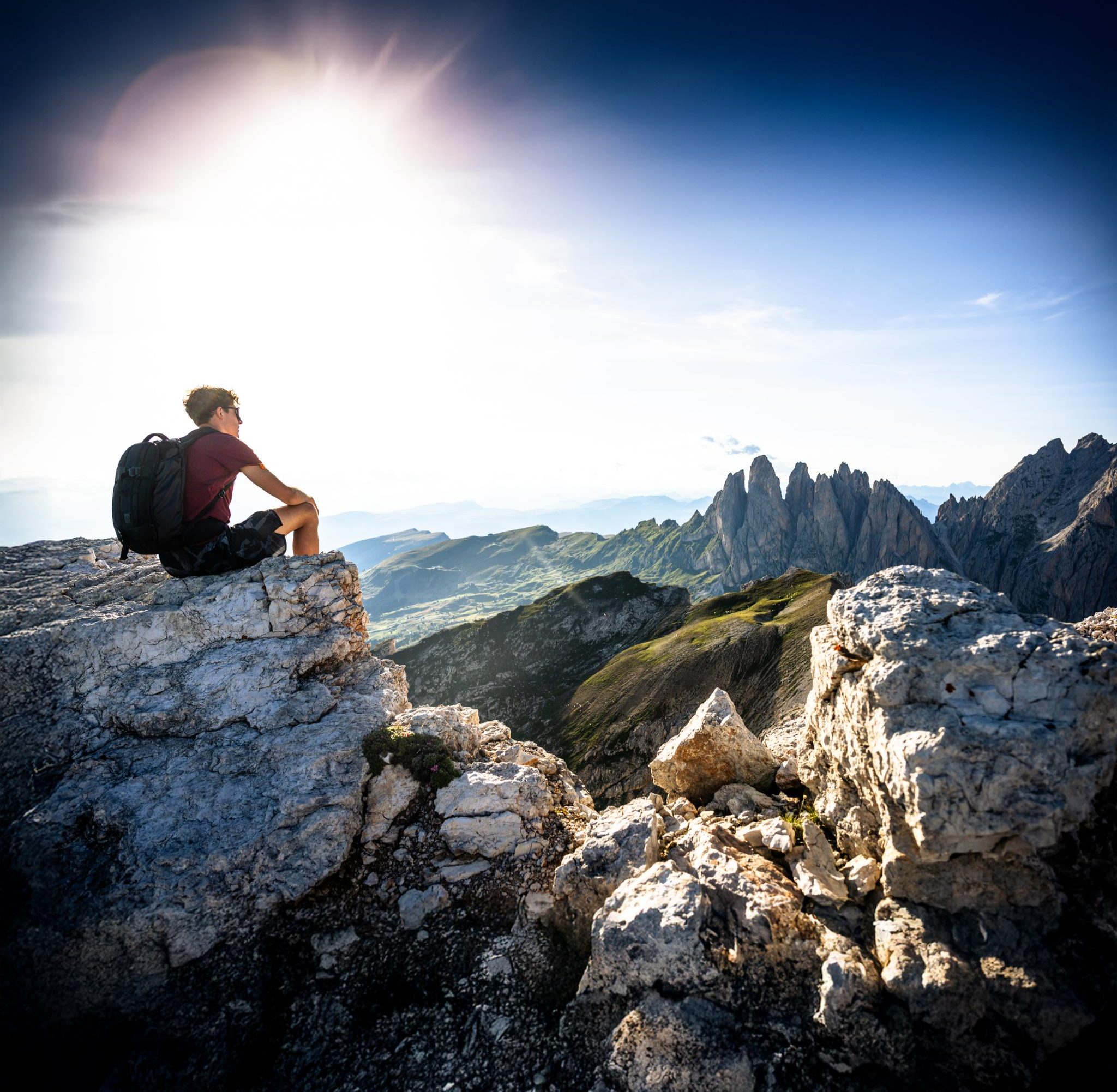
Secret Dolomites – spring hiking in Val Gardena
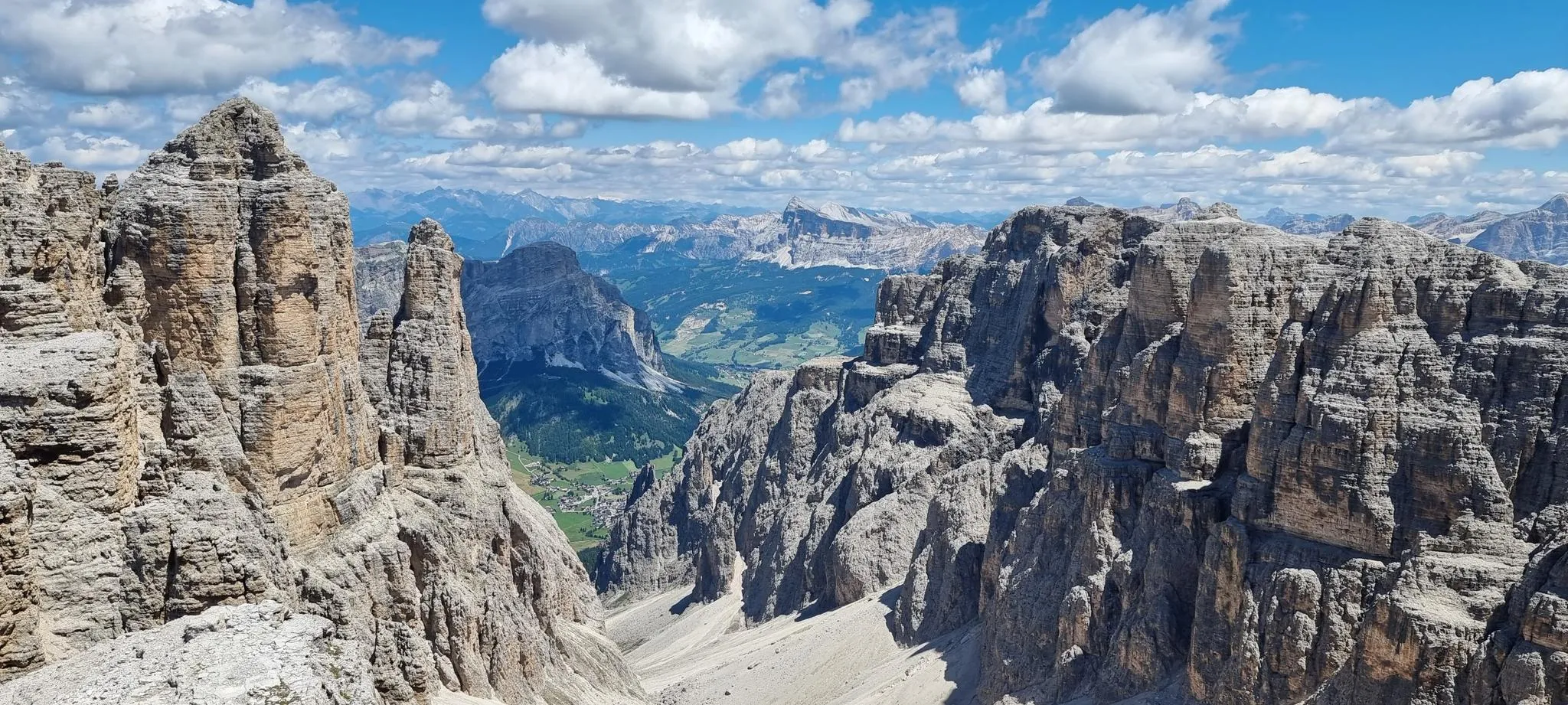
In the wake of legends – the Alta Via 2 of the Dolomites
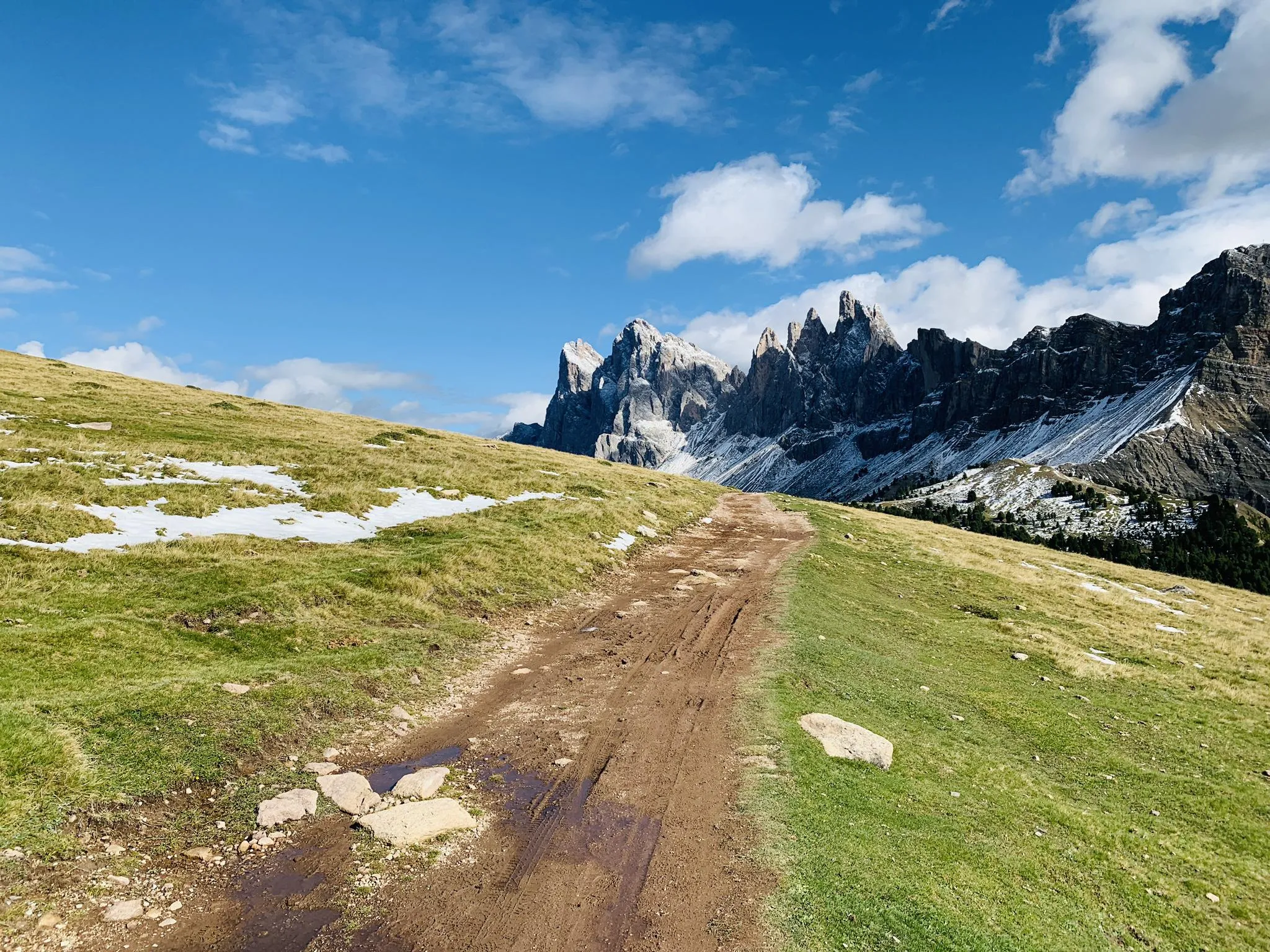
Between gorges and peaks – Dolomites UNESCO Geotrail
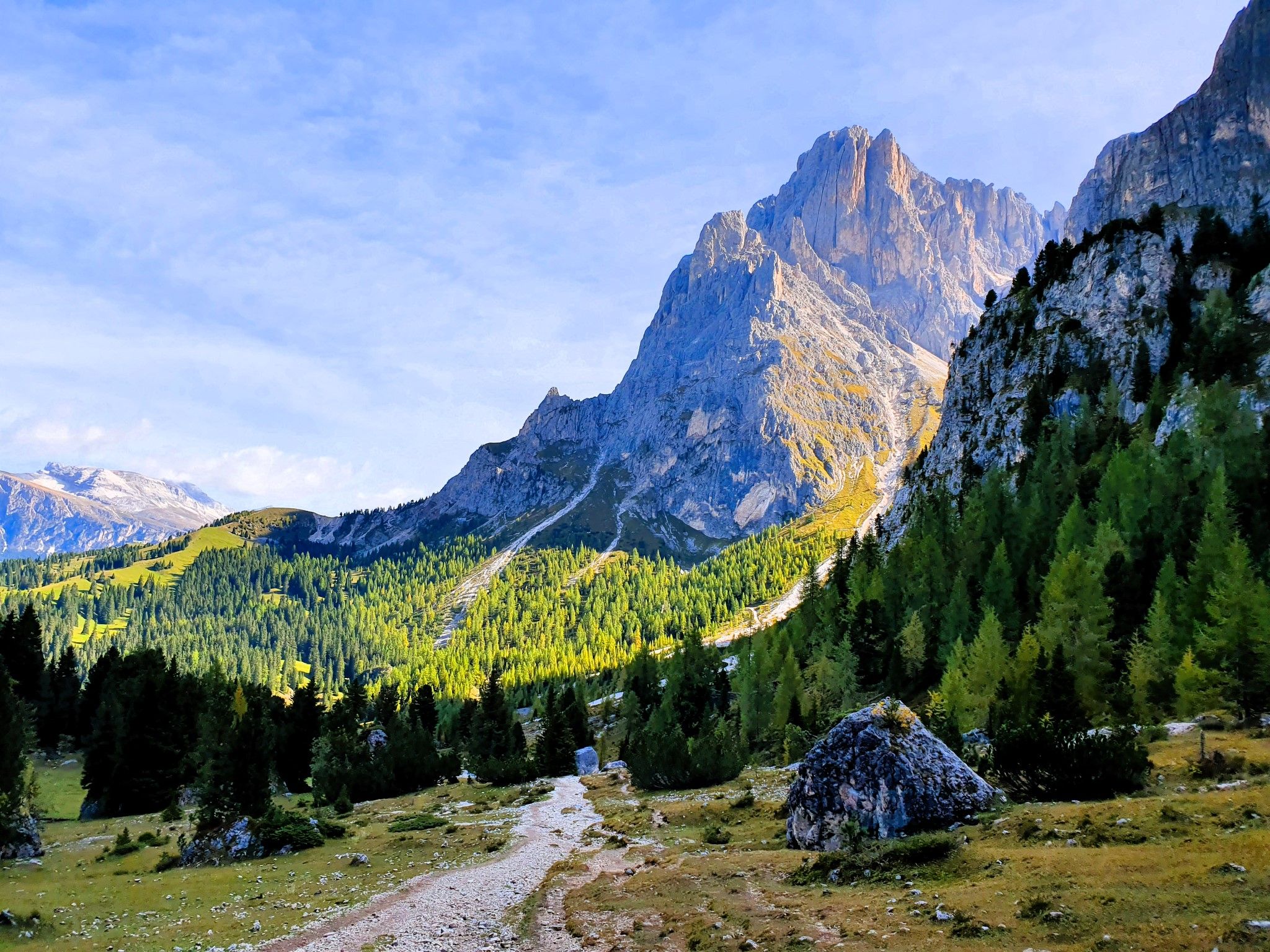
Trail running between the Sciliar and the Puez – Bolzano to Selva
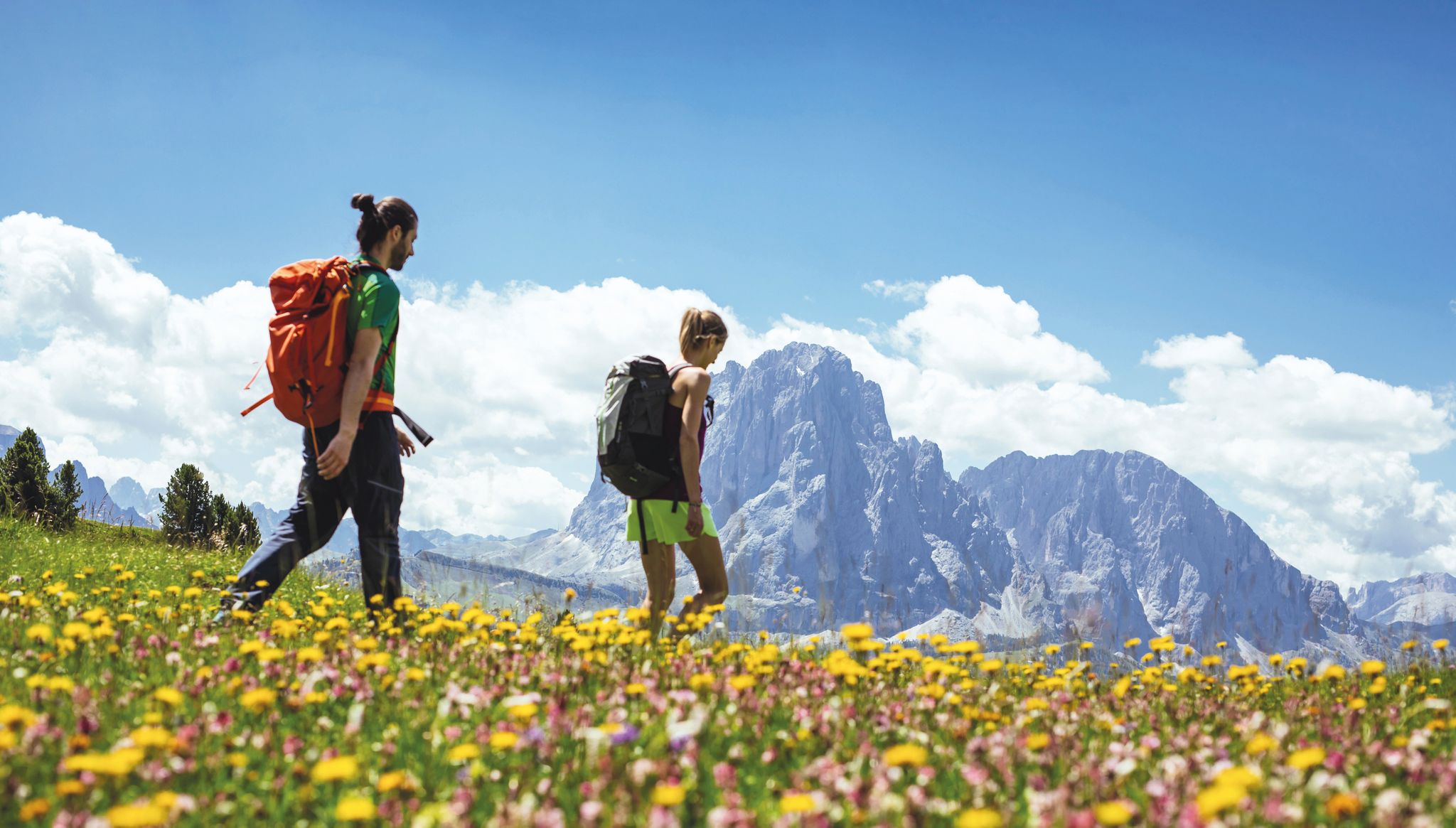
Hiking in Val Gardena – Dolomites
Other adventures around Parch Natural Pöz-Odles - Naturpark Puez-Geisler - Parco Naturale Puez-Odle


Tips from the Community

The Säbelzahn-Felsen Pieralongia are located southeast of the Seceda summit at an altitude of about 2,297 meters. The towers are made of hard dolomite rock. The slanted, "saber-like" shape was formed by centuries of weathering and erosion, during which softer rock was removed.
0
0

if only because of the alpine pasture that is there
0
0

The Seceda summit is probably the most crowded mountain in the Dolomites these days... You should arrive before 8 a.m., because the first cable car takes you up at 8:00 or 8:30 a.m. Before that, you'll have peace and quiet, but afterward, it gets very busy and crowded. Those arriving on foot are best advised to take the ascent from Selva or the Cristauta parking lot... Once you get to the top, most people aren't interested in the Seceda itself. Because everything revolves around the view from the Seceda to the Odle Group... Although the panoramic view from the Seceda summit itself is certainly not to be sniffed at: you get a fantastic panoramic view. As of September 2025, there's a turnstile at one of the entrances to the Seceda with a €5 entrance fee, but you can avoid this!
10
1

From here you have a wonderful view of the large stones. they look like rabbit ears. the closer you get to the stones, the more the impression disappears. On the left stone you can climb...
0
0

The mountain's name is derived from the Latin word siccus (dry). It refers to the arid and dry pastureland below the summit.
17
1
Seceda is the ideal place to take impressive pictures of the famous Geisler peaks.
16
1

Be careful if you undertake to climb it. The descent is very very steep and dangerous.
0
0

A hiking(!) trail leads over the Cirjoch!
3
0
Frequently Asked Questions
What are some of the most impressive natural monuments to visit in the Puez-Geisler Nature Park?
Beyond the well-known spots, you can experience the dramatic View of the Puez and Odle groups, offering breathtaking panoramas of the park's diverse rock formations. Another highlight is the Peitlerscharte (Forcella Sass Putia), which provides stunning views towards the Central Alps from directly below the mighty Sass de Putia.
Are there family-friendly natural monuments or trails in the Puez-Geisler Nature Park?
Yes, the park offers several options suitable for families. The Seceda Summit is accessible by cable car and provides impressive views of the Geisler peaks, making it a great spot for all ages. Additionally, the Zannes/Zans Nature Experience Trail in Val di Funes is designed to help families appreciate the local flora and fauna while enjoying the imposing mountains.
What kind of geological features can I expect to see in the Puez-Geisler Nature Park?
The Puez-Geisler Nature Park is a geological marvel, showcasing the Dolomites' exceptional diversity. You'll encounter a wide array of rock types, sedimentary layers, and distinctive weathering formations. Highlights include the jagged limestone formations of the Geisler Peaks, the karstic highlands and majestic rock faces of the Puez Group, and unique 'cleft mountain' structures like those found near the Cir Peaks. The park even contains rare Jurassic and Cretaceous era deposits.
What outdoor activities can I do near these natural monuments?
The region around the Puez-Geisler Nature Park is ideal for various outdoor activities. You can explore numerous hiking trails, from easy walks to challenging alpine routes. For cyclists, there are extensive gravel biking and mountain biking trails. Climbing and via ferratas are also popular, especially in areas like the Puez Group and Cir Peaks.
Are there easy hiking trails near the natural monuments in the Puez-Geisler Nature Park?
Yes, there are several easy hiking options available. For example, you can find easy hikes like the 'View of the Glatschalm Peaks – Dusler Hut / Malga Dusler loop' or the 'View of the Odle Group – Geisler Peaks loop'. These trails allow you to enjoy the stunning scenery without requiring advanced hiking experience.
What is the best time of year to visit the Puez-Geisler Nature Park?
The best time to visit largely depends on your preferred activities. For hiking and climbing, late spring (May/June) through early autumn (September/October) offers pleasant weather and accessible trails. During winter, the park transforms into a snowy landscape, popular for snowshoeing and winter hiking, especially in areas like Vallunga.
Can I bring my dog to the natural monuments and trails in the Puez-Geisler Nature Park?
Generally, dogs are welcome in the Puez-Geisler Nature Park, but it's important to keep them on a leash, especially in protected areas and near grazing animals. Always check specific trail regulations or nature reserve rules before heading out, as some areas might have restrictions to protect wildlife.
What makes the Puez-Geisler Nature Park a UNESCO World Heritage site?
The park is part of the Dolomites UNESCO World Heritage site due to its exceptional geological and geomorphological significance, as well as its outstanding natural beauty. It showcases a unique geological history spanning nearly 600 million years, with all the rock types and weathering forms typical of the Dolomites, including dramatic peaks, karstic plateaus, and glacially carved valleys.
Are there any mountain huts or places to eat near the natural monuments?
Yes, the park and surrounding areas have mountain huts (rifugi) that offer refreshments and sometimes overnight stays. For instance, the Puez refuge, situated at 2,475 meters, is a well-known base for exploring the Puez Group. Many trails also pass by smaller cafes or restaurants, especially in the valleys or at popular viewpoints.
What kind of wildlife can be observed in the Puez-Geisler Nature Park?
The park is home to diverse fauna, thriving in its varied landscapes of alpine pastures, forests, and rocky terrain. You might spot chamois, deer, and marmots. Birdwatchers can look out for eagles and other raptors. The park's rich flora also includes rare orchids and gentians.
What is the terrain and difficulty level like for exploring the natural monuments?
The terrain varies significantly within the park. You'll find everything from gentle paths through alpine pastures to challenging, rugged mountain trails, via ferratas, and steep climbs. Many areas, especially around the major peaks like the Geisler and Puez groups, require sure-footedness and sturdy footwear. Difficulty levels range from easy walks to very challenging alpine tours.
How can I get to the Puez-Geisler Nature Park and its natural monuments?
The park is accessible by car, with various parking areas available at trailheads, such as in Val di Funes for accessing the Geisler peaks. Public transport, including buses, also serves the villages surrounding the park, providing connections to popular starting points for hikes and visits to the natural monuments.
Most popular routes around Parch Natural Pöz-Odles - Naturpark Puez-Geisler - Parco Naturale Puez-Odle
Most popular attractions around Parch Natural Pöz-Odles - Naturpark Puez-Geisler - Parco Naturale Puez-Odle

Get inspired with the komoot mobile app


Explore more
Extend your search for the best caves by checking out these guides of the top ones around Parch Natural Pöz-Odles - Naturpark Puez-Geisler - Parco Naturale Puez-Odle:
