Réserve naturelle des Aiguilles rouges
Réserve naturelle des Aiguilles rouges
Top 11 Natural Monuments around Réserve naturelle des Aiguilles rouges
Best natural monuments around Réserve naturelle des Aiguilles rouges are found within a protected area in the French Prealps. This region features a crystalline mountainous massif with elevations ranging from 1,200 to over 2,900 meters. The reserve is characterized by its iron-rich gneiss mountains, which exhibit a distinctive reddish hue, forming dramatic alpine landscapes. It protects diverse ecosystems and offers numerous natural features for exploration.
Best natural monuments around Réserve naturelle des Aiguilles rouges
- The most popular natural monuments is…
Last updated: October 13, 2026
Lac Blanc
Highlight • Lake
Translated by Google •
Tip by

Lacs des Chéserys
Highlight • Lake
Translated by Google •
Tip by

Sign up now to discover places like this
Get recommendations on the best single tracks, peaks, & plenty of other exciting outdoor places.
Brévent Pass
Highlight • Mountain Pass
Translated by Google •
Tip by
Montets Pass
Highlight • Mountain Pass
Translated by Google •
Tip by
Aiguillette d'Argentière
Highlight • Climb
Translated by Google •
Tip by
Sign up for free to discover even more natural monuments around Réserve naturelle des Aiguilles rouges.
Already have an account?
Start today with a free account
Your next adventure awaits.
Popular around Réserve naturelle des Aiguilles rouges
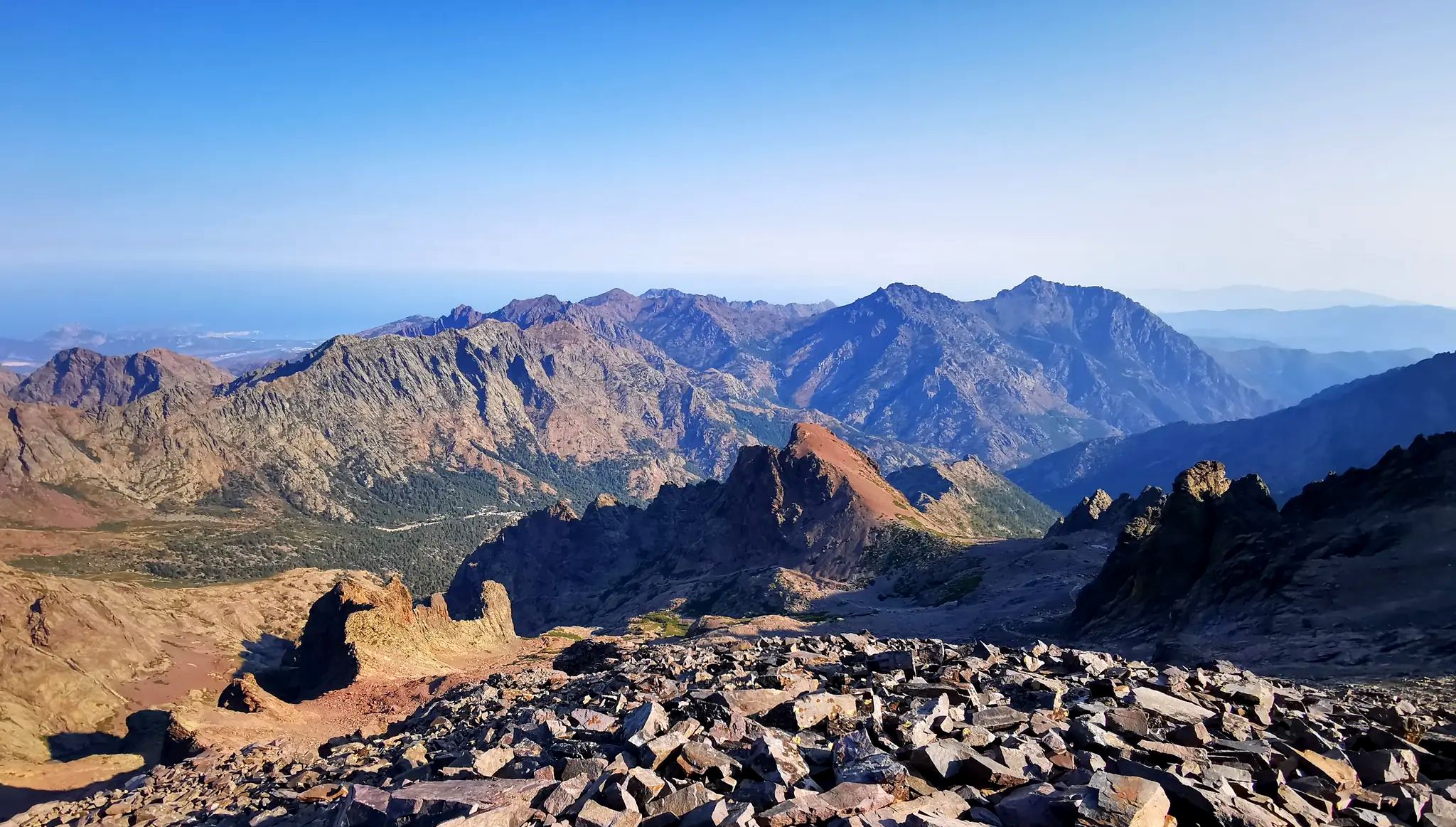
Hiking to the summits – France's highest points
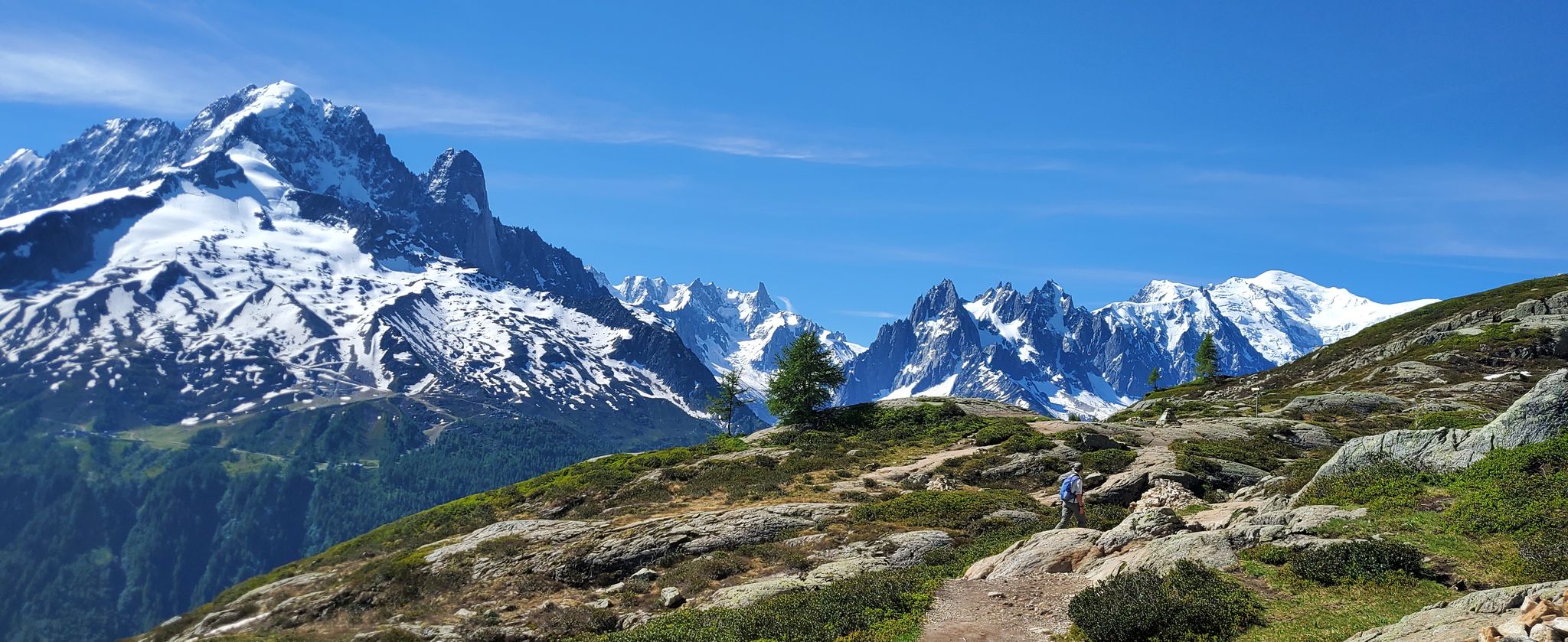
Hike from Savoie to Vanoise – Hexatrek in France’s Northern Alps
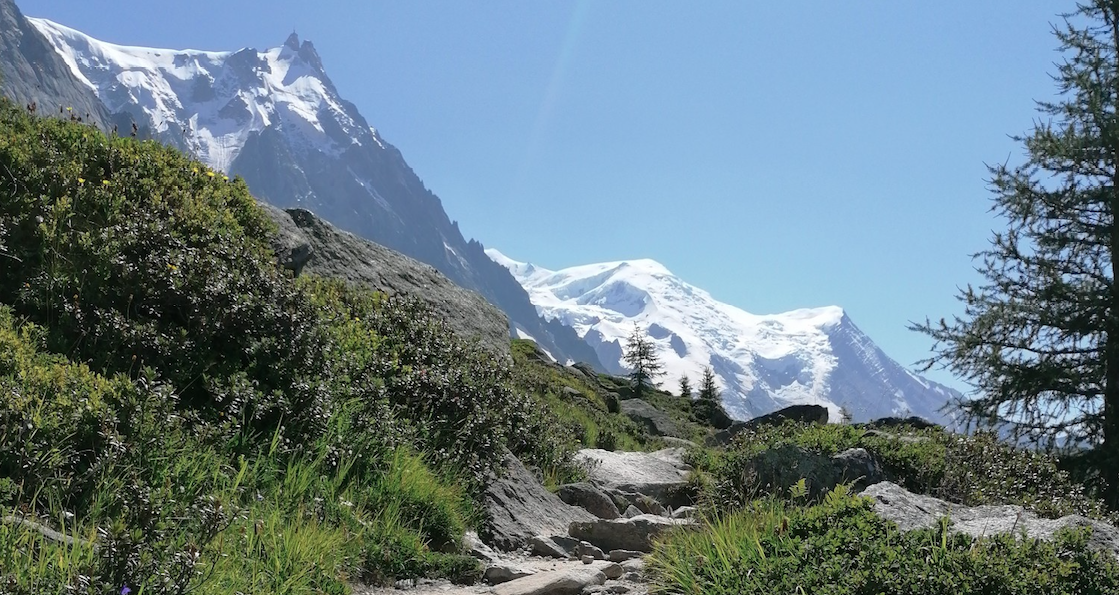
Running on ridges — 10 unforgettable trails near Chamonix
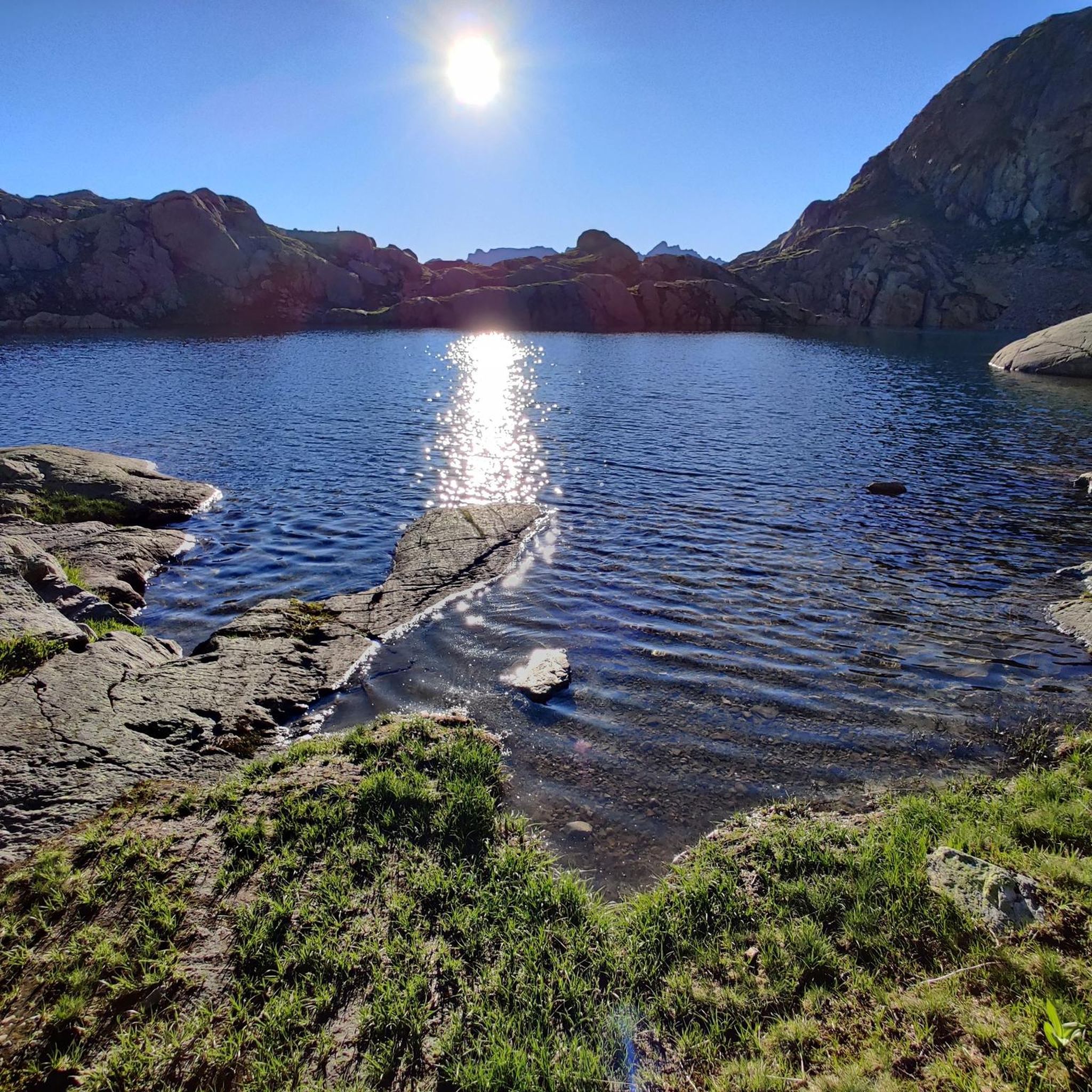
MTB Trails around Réserve naturelle des Aiguilles rouges
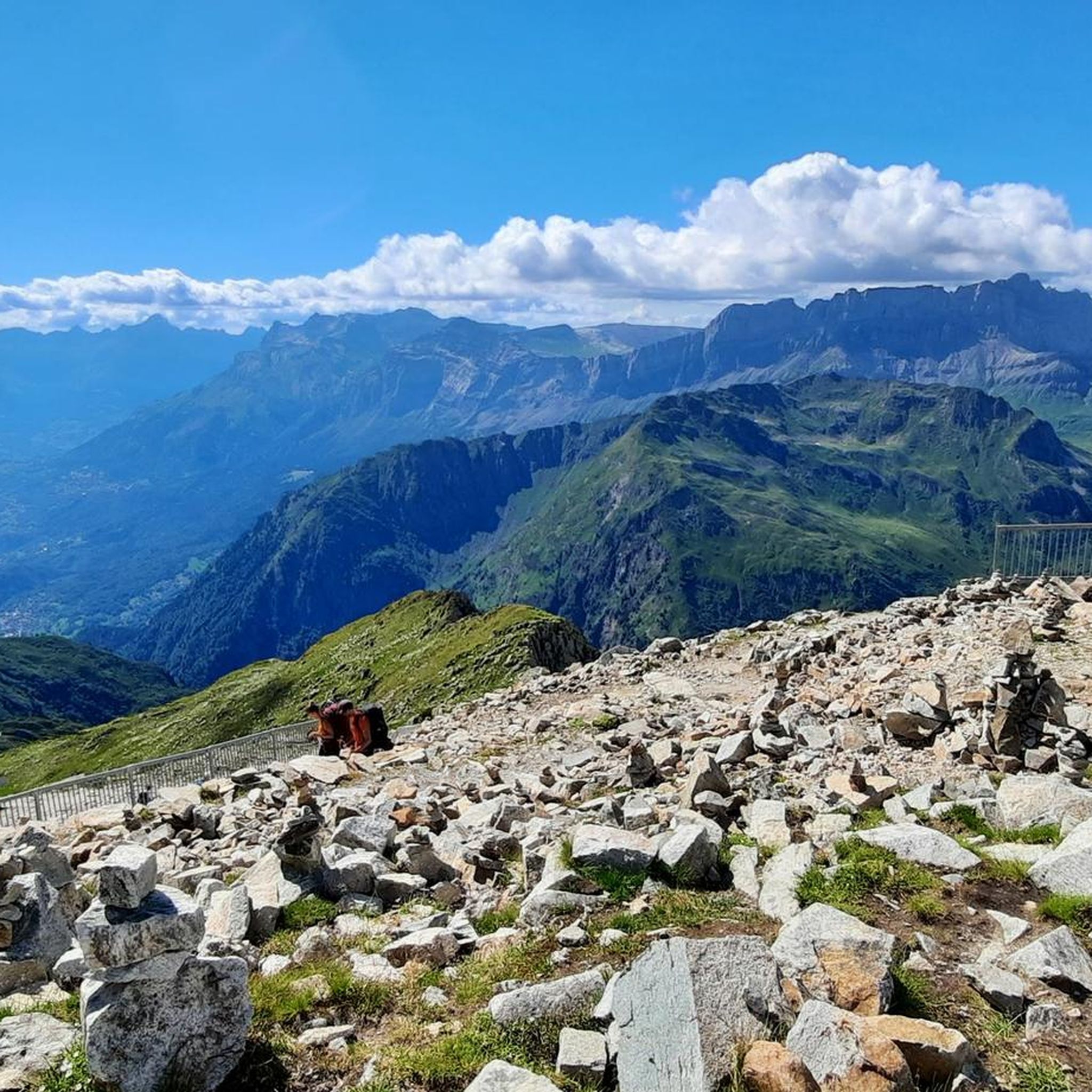
Running Trails around Réserve naturelle des Aiguilles rouges
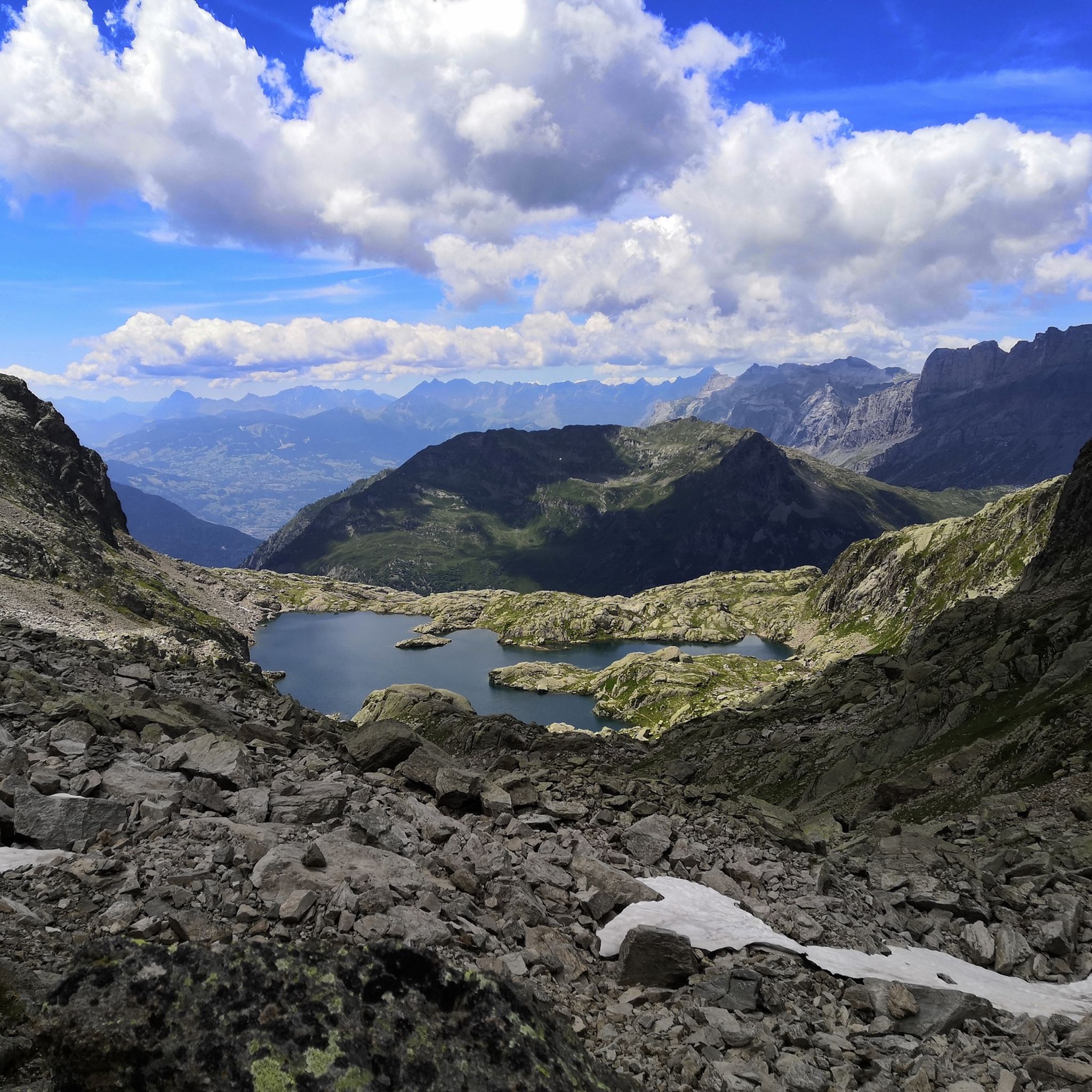
Hiking around Réserve naturelle des Aiguilles rouges
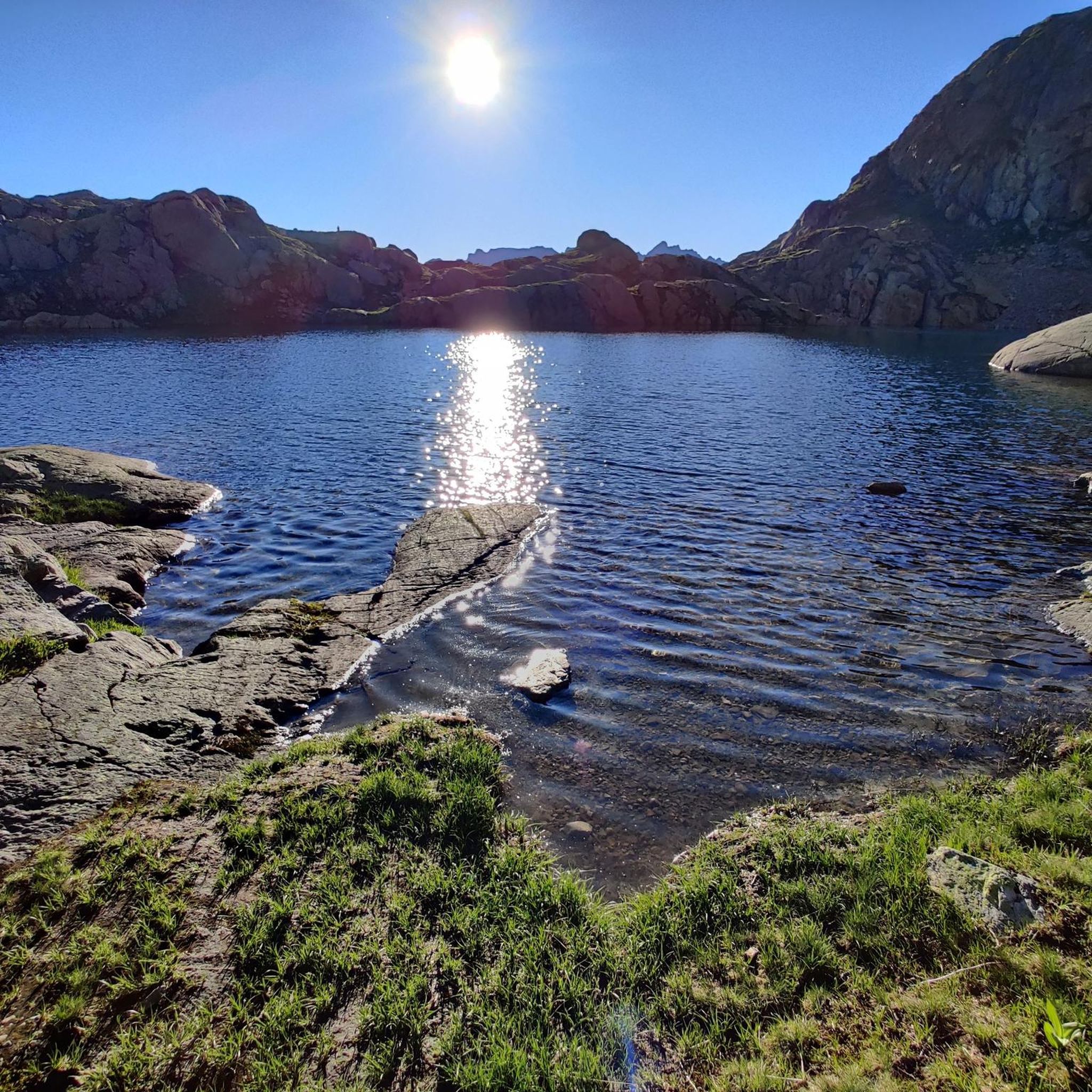
Road Cycling Routes around Réserve naturelle des Aiguilles rouges
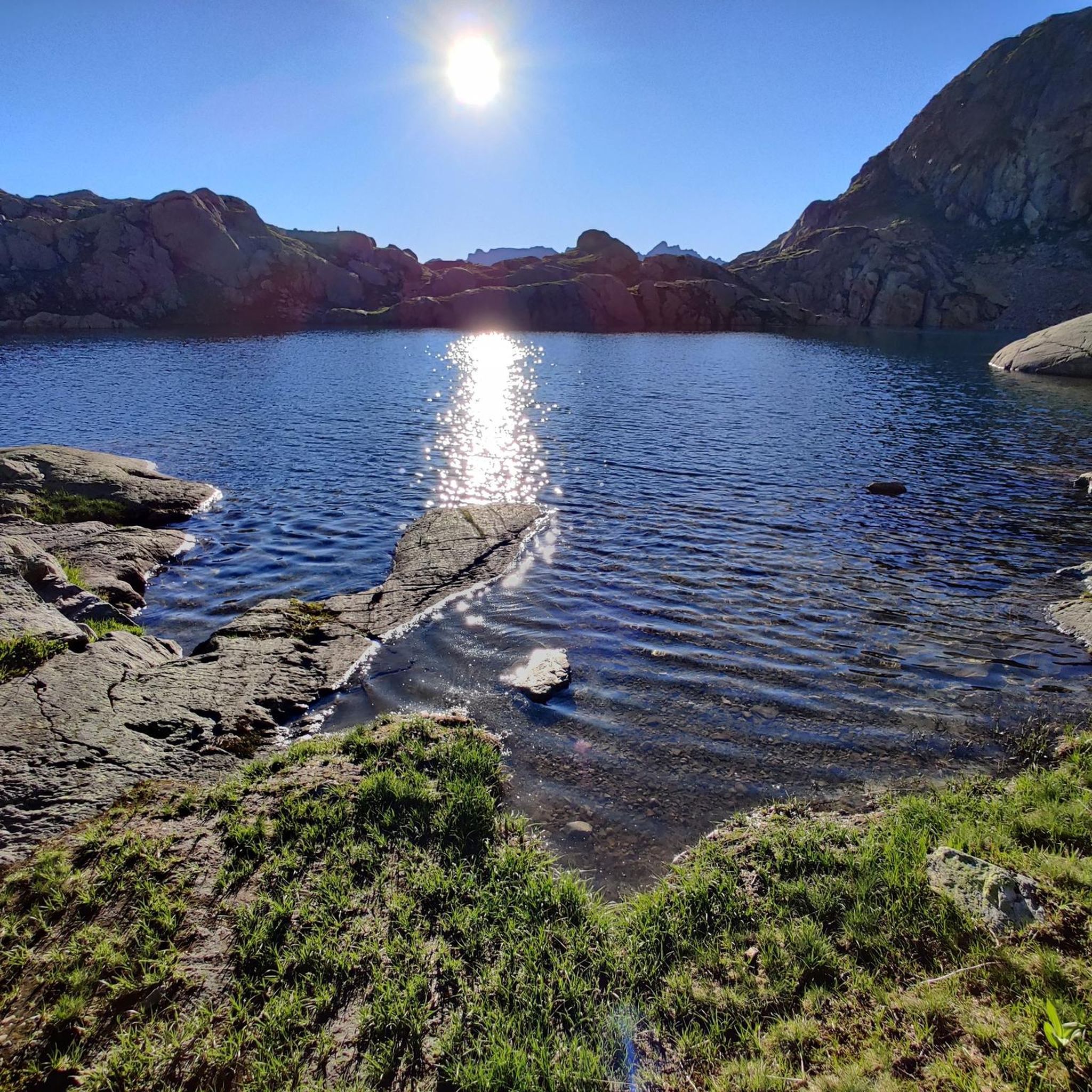
Cycling around Réserve naturelle des Aiguilles rouges

Mountain Hikes around Réserve naturelle des Aiguilles rouges

Gravel biking around Réserve naturelle des Aiguilles rouges
Other adventures around Réserve naturelle des Aiguilles rouges


Tips from the Community

Turning point and change from the north to the south slope, on the way down to Planpraz.
2
0
The first of the Cheserys lakes, a shame that transit through the other small ones was prohibited.
4
1

At the summit station of of the Brévent, at the cable-car station, there is a refreshment point (Bar) in addition, you can also take advantage of the large terraces for a moment of quiet and contemplation. From the summit of the Brévent, there is the steep and long path down to the Aiguillette des Houches, traveling the Tour du Mont Blanc (TMB). From Chamonix it is possible to reach the summit of the Brévent by cable-car which takes you up to Plan Praz at 2.000 m, and then a second cable-car up to the Brévent at 2.525 m (and vice versa of course)
2
0
This Aiguillette is the playground of many climbers. The Aiguillette d'Argentière are two large spires or spurs of rock characterized by their sharp and slender formation. They stand beside the start of the alpine path equipped with metal ladders to reach the Le Frégère hut (and cable car) on the Tour du Mont Blanc route.
0
0
Lac Blanc offers breathtaking views of the entire Mont Blanc massif and the Aiguilles Rouges, making it a worthwhile destination despite the mountain trekking and effort required to reach it. Situated 3 km uphill from the Tour du Mont Blanc (TMB) route, the Lac Blanc alpine lake and its adjacent refuge can be accessed from the La Flégère hut, which marks the end of one of the classic TMB stages. From the La Flégère hut, it takes approximately 1 to 1.5 hours on foot to reach Lac Blanc, with the entire route being uphill. Please note that camping with a tent, lighting fires, or engaging in similar activities is strictly prohibited. It is essential to respect the environment and ensure that you carry your garbage back with you to the valley. Once you arrive at Lac Blanc, you will be greeted with a splendid hike in a truly magical and spectacular landscape. It is not uncommon to encounter Ibexes and Marmots along the way, adding to the charm of the experience.
4
0

Perfect bivouac spot. To do absolutely out of season to avoid the crowds
2
0

Beautiful hiking trails, great views.
1
0

A great hill and digging there is even better. On the other side, a dangerous ladder and climb it.
5
0
Frequently Asked Questions
What are the most notable natural features in the Réserve naturelle des Aiguilles Rouges?
The reserve is renowned for its crystalline mountainous massif and distinctive iron-rich gneiss mountains, which give them a reddish hue, forming the dramatic 'Red Needles' formations. Key natural monuments include the highest summit, Aiguille du Belvédère, and the reflective waters of Lac Blanc. The area also boasts diverse ecosystems, from fir and spruce forests to rock and ice fields, protecting unique flora and fauna.
Where can I find the best panoramic views of Mont Blanc within the reserve?
For unparalleled views of the Mont Blanc Massif, head to the Aiguille du Belvédère, the highest summit, offering a 360° panorama. Brévent Pass also provides spectacular views of Mont Blanc and the Chamonix Valley. Additionally, the Lac Blanc is famous for its stunning reflections of the surrounding peaks, including Mont Blanc.
Are there hiking trails suitable for different difficulty levels near these natural monuments?
Yes, the Réserve naturelle des Aiguilles Rouges offers trails for various skill levels. For example, the path to Lac Blanc and Lacs des Chéserys are generally considered intermediate. More challenging routes can be found around the Aiguillette d'Argentière, which is a popular climbing spot. You can find more hiking options in the Waterfall hikes around Réserve naturelle des Aiguilles rouges guide.
What outdoor activities can I do near the natural monuments in the Réserve naturelle des Aiguilles Rouges?
Beyond exploring the natural monuments themselves, the area is excellent for various outdoor activities. Hiking is very popular, with trails leading to stunning viewpoints and lakes. Cycling and road cycling are also great ways to experience the landscape, with routes like those found in the Cycling around Réserve naturelle des Aiguilles rouges and Road Cycling Routes around Réserve naturelle des Aiguilles rouges guides. Mountaineering and climbing are also significant activities, especially around formations like the Aiguillette d'Argentière.
Are there family-friendly natural monuments or activities in the Réserve naturelle des Aiguilles Rouges?
While many trails are intermediate, some areas offer more accessible experiences. The Montets Pass, for instance, is accessible by trail or road and houses a museum with exhibitions on local fauna and flora, which can be engaging for families. The accessibility of Le Brévent by cable car also makes it a family-friendly option for enjoying spectacular views without extensive hiking.
What is the best time to visit the natural monuments in the Réserve naturelle des Aiguilles Rouges?
The best time to visit is generally during the warmer months, from late spring to early autumn (June to September), when trails are clear of snow and the weather is most favorable for hiking and outdoor activities. Autumn offers beautiful golden colors, especially around the lakes like Lac Blanc. Some areas might be accessible in winter for snowshoeing or ski touring, but require specific equipment and experience.
What unique geological features can be observed in the Aiguilles Rouges?
The massif is named for its 'Red Needles' formations, characterized by iron-rich gneiss mountains that exhibit a distinctive reddish hue. These dramatic alpine landscapes, with a series of broken 'needles' springing from the Col des Montets to Le Brévent, are a significant geological highlight. The mineral landscape around Brévent Pass also showcases the unique rock formations of the region.
What do visitors enjoy most about the natural monuments in the Réserve naturelle des Aiguilles Rouges?
Visitors frequently praise the incredible panoramic views, especially of the Mont Blanc massif, which can be seen from various points like the Aiguille du Belvédère and Brévent Pass. The tranquility and unique perspectives offered by less crowded spots like Lacs des Chéserys are also highly valued. The reflective waters of Lac Blanc are a favorite for photographers, particularly during early morning or late evening light.
Are there any specific mountain passes worth visiting for their views or accessibility?
Absolutely. Brévent Pass, at 2,368 meters, offers spectacular views over the Chamonix and Diosaz valleys and is easily accessible by cable car. The Montets Pass, at 1,461 meters, is another alpine pass within the heart of the Aiguilles Rouges National Park, known for its pleasant climb and descent towards the Swiss border, and features a museum.
What kind of wildlife and plant species can I expect to see in the reserve?
The Réserve naturelle des Aiguilles Rouges is a haven for biodiversity. You might spot typical mountainous animal species such as Alpine ibex, chamois, rock ptarmigan, and golden eagles. The varied biotopes support unique flora, including sundews, martagons, numerous orchid varieties, and rare species like edelweiss, blue thistle, and génépi, particularly on the southwest face and along paths like the one near Montets Pass.
Is it possible to access some of the natural monuments by public transport?
Yes, some natural monuments and trailheads are accessible via public transport. For example, Le Brévent is easily reached by cable car from Planpraz, which itself is accessible from Chamonix. The Montets Pass is also accessible by road, making it reachable by bus services in the region. It's advisable to check local bus and cable car schedules when planning your visit.
Are there any specific lakes that are particularly scenic or popular for photography?
The most renowned lake for its scenic beauty and photographic opportunities is Lac Blanc, famous for its reflective waters that perfectly mirror the surrounding peaks and Mont Blanc. For a quieter, yet equally stunning experience, the Lacs des Chéserys offer an incredible panorama of the Mont-Blanc massif with fewer crowds, making them ideal for tranquil photography.
Most popular routes around Réserve naturelle des Aiguilles rouges
Most popular attractions around Réserve naturelle des Aiguilles rouges

Get inspired with the komoot mobile app


Explore more
Extend your search for the best caves by checking out these guides of the top ones around Réserve naturelle des Aiguilles rouges:
