National Park Sierra de Huétor
National Park Sierra de Huétor
Top 10 Natural Monuments around National Park Sierra de Huétor
Best natural monuments around National Park Sierra de Huétor are found within a diverse landscape near Granada, Andalusia. This park features mountainous terrain with elevations ranging from 1,100 to almost 1,700 meters, characterized by significant geological formations like karst features, ravines, and steep cliffs. The area is also notable for its extensive pine, cedar, and fir forests, alongside native holm oak and gall oak woodlands. These natural features offer opportunities to explore the region's geological importance and ecological value.
Best…
Last updated: October 13, 2026
Sierra de Huétor
Highlight • Forest
This mountain range covered in …
Tip by

Cueva del Agua
Highlight • Cave
Translated by Google •
Tip by

Sign up now to discover places like this
Get recommendations on the best single tracks, peaks, & plenty of other exciting outdoor places.
La Teja Spring
Highlight • Natural
Translated by Google •
Tip by
Maúllo Trench
Highlight • Historical Site
Translated by Google •
Tip by

Cruz de Víznar
Highlight • Summit
Translated by Google •
Tip by
Sign up for free to discover even more natural monuments around National Park Sierra de Huétor.
Already have an account?
Start today with a free account
Your next adventure awaits.
Popular around National Park Sierra de Huétor
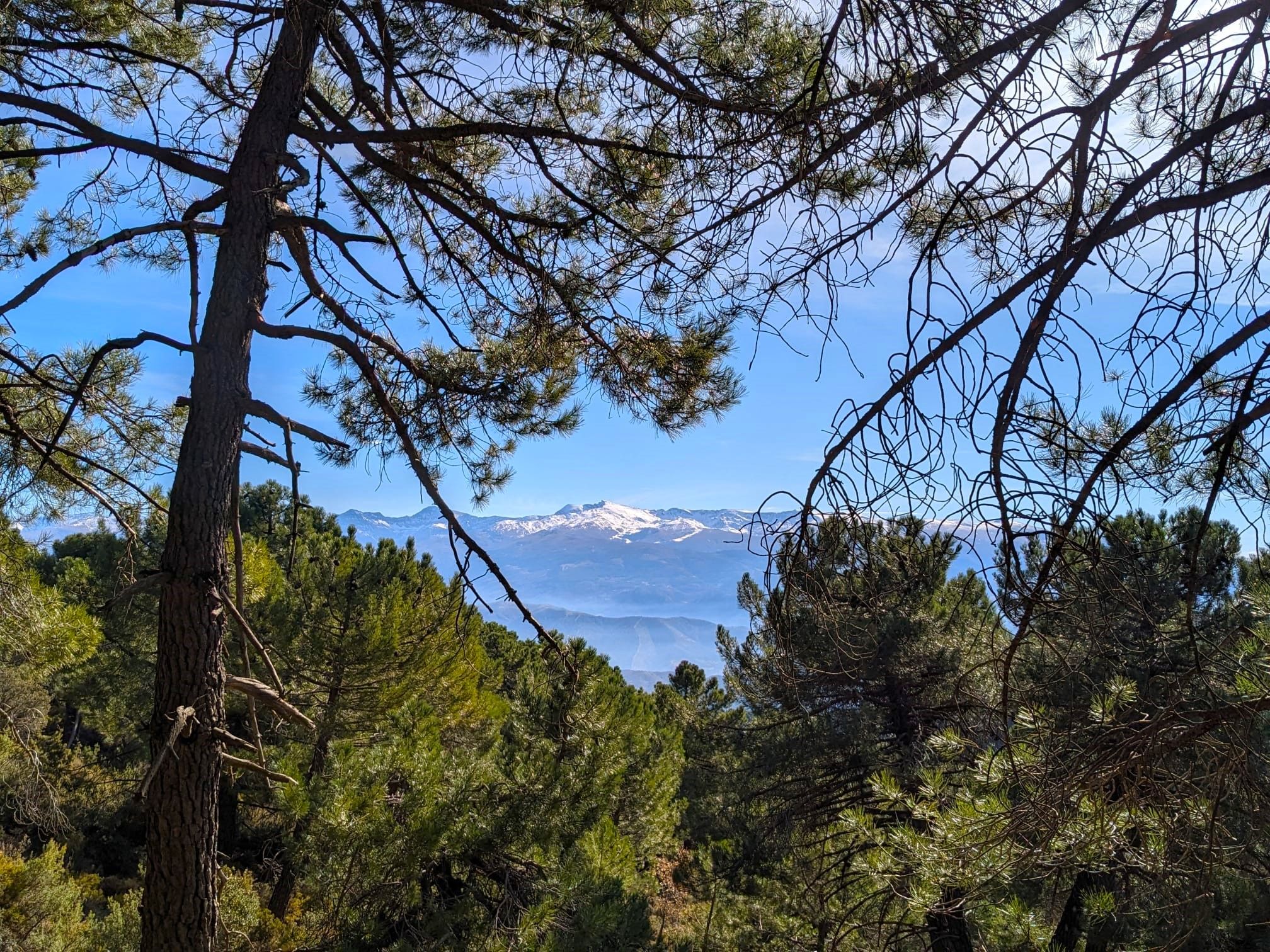
La Vega de Granada – walks a stone's throw from the city
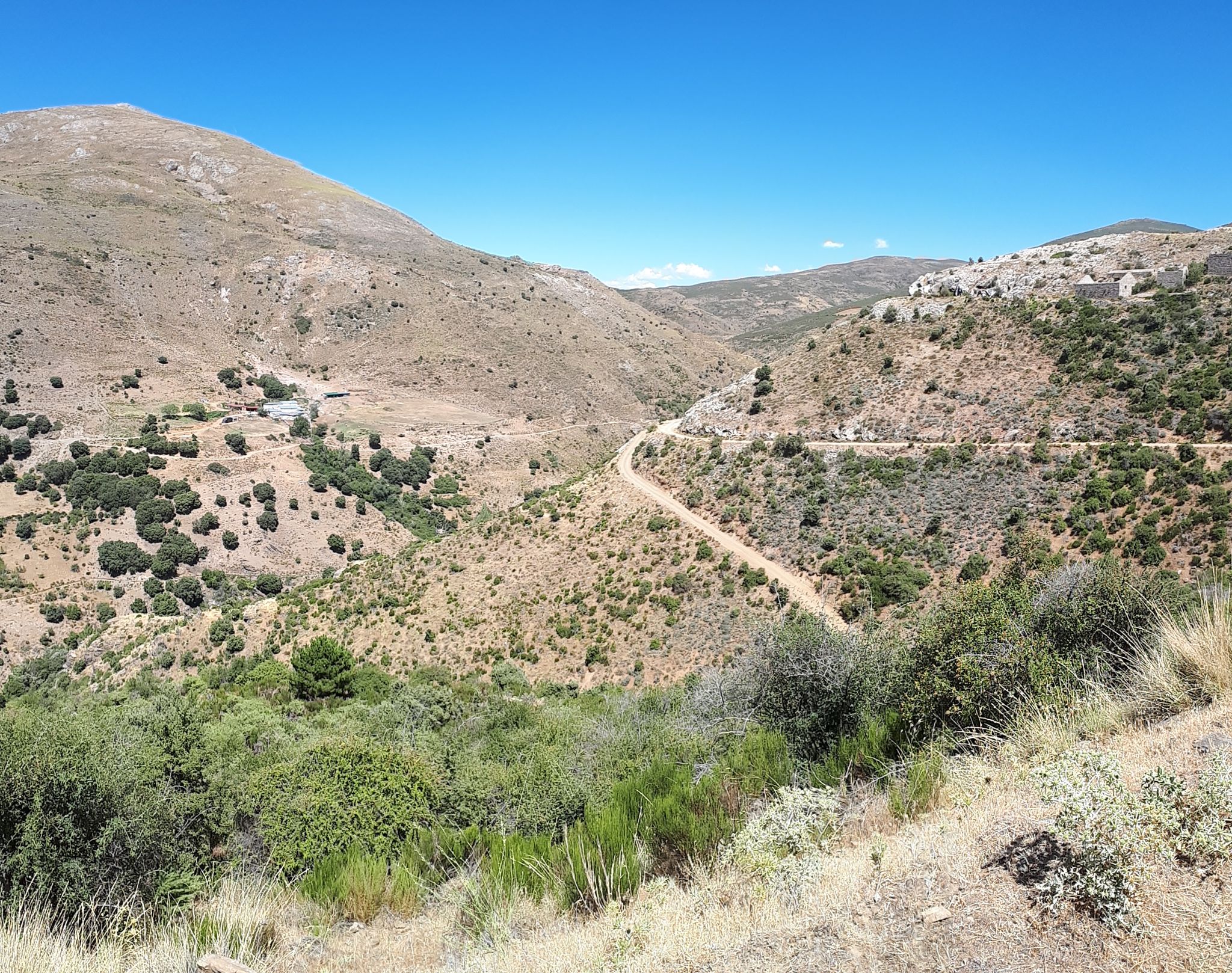
Nature and singletrack – bikepacking in Spain’s Sierra de Huétor
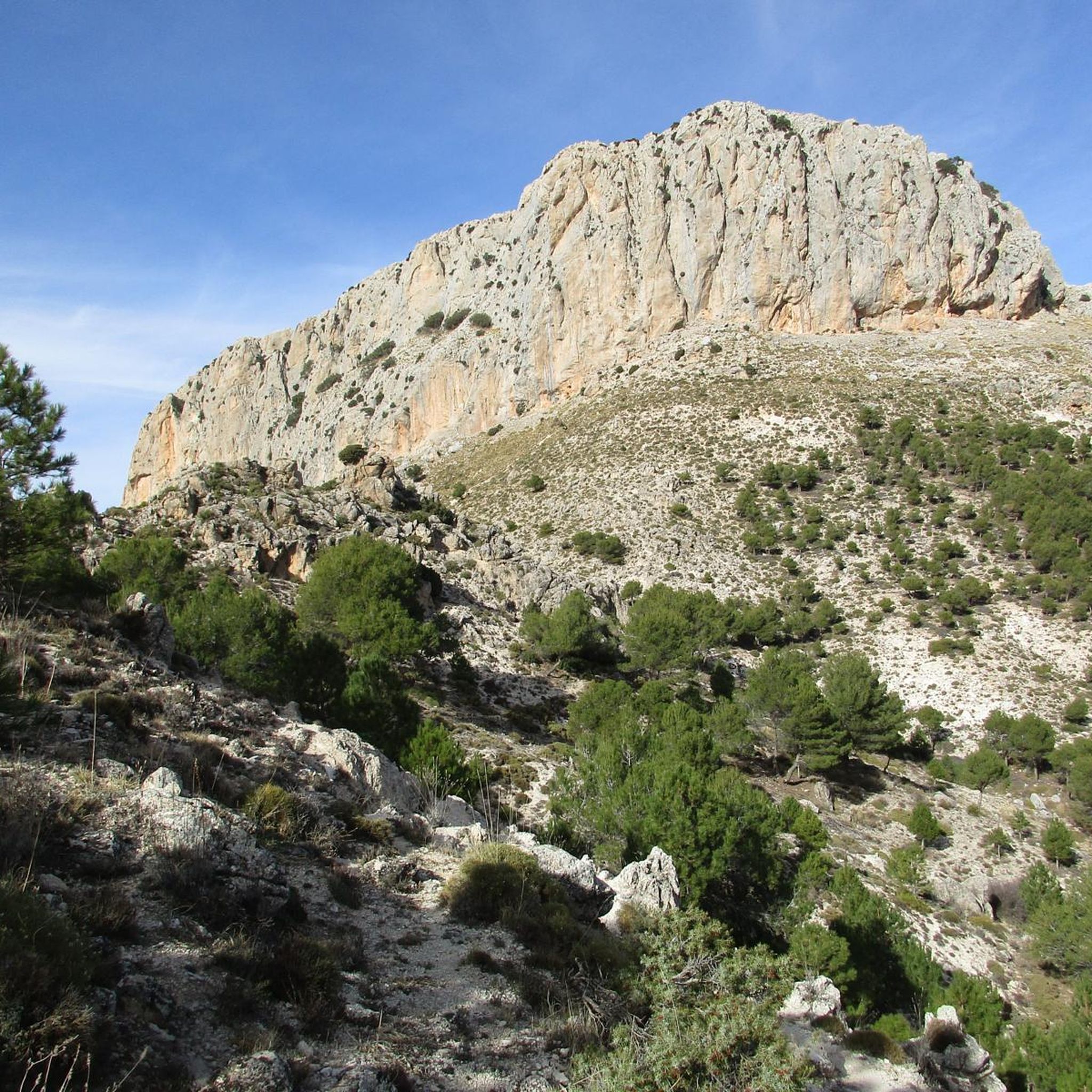
Hiking around National Park Sierra de Huétor
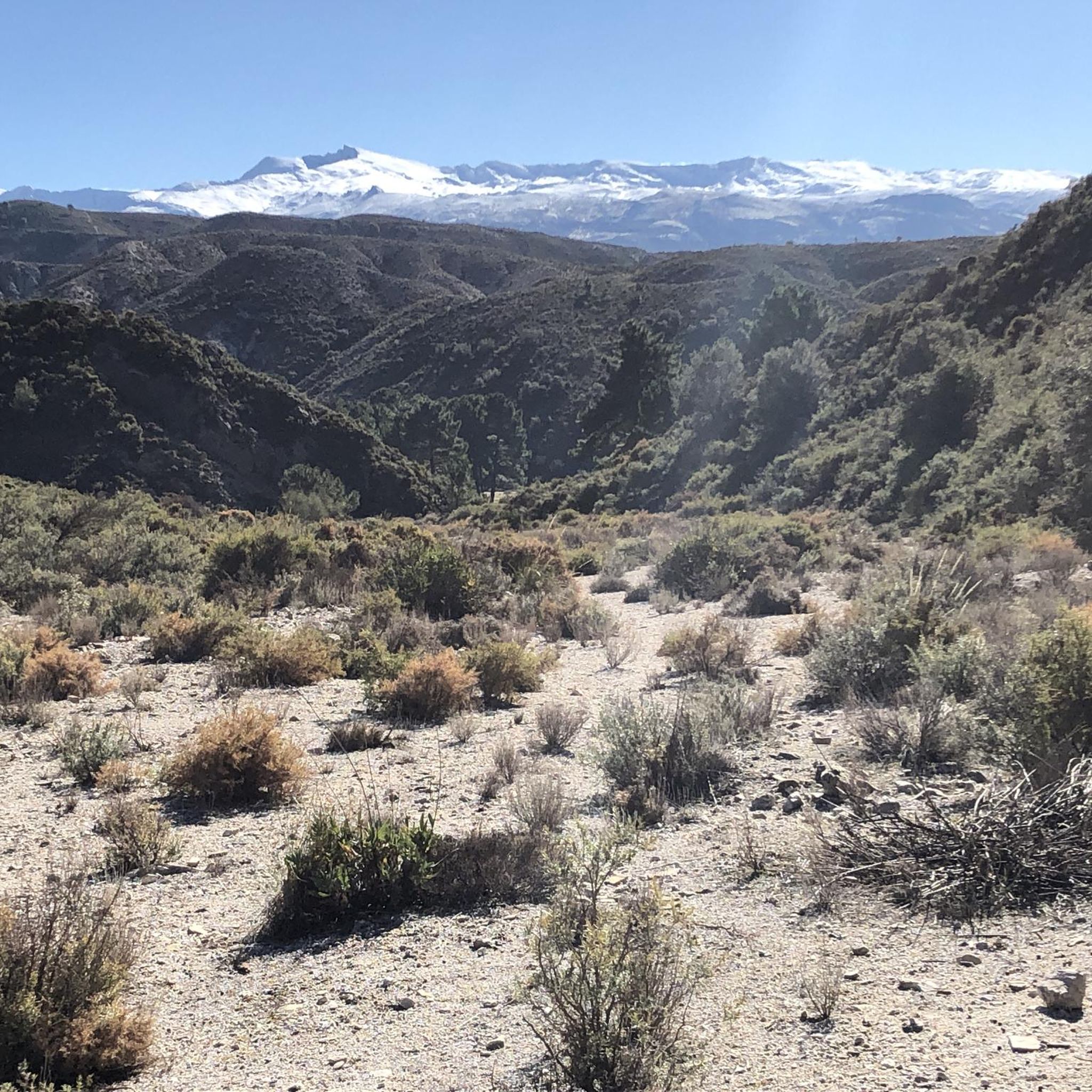
Running Trails around National Park Sierra de Huétor
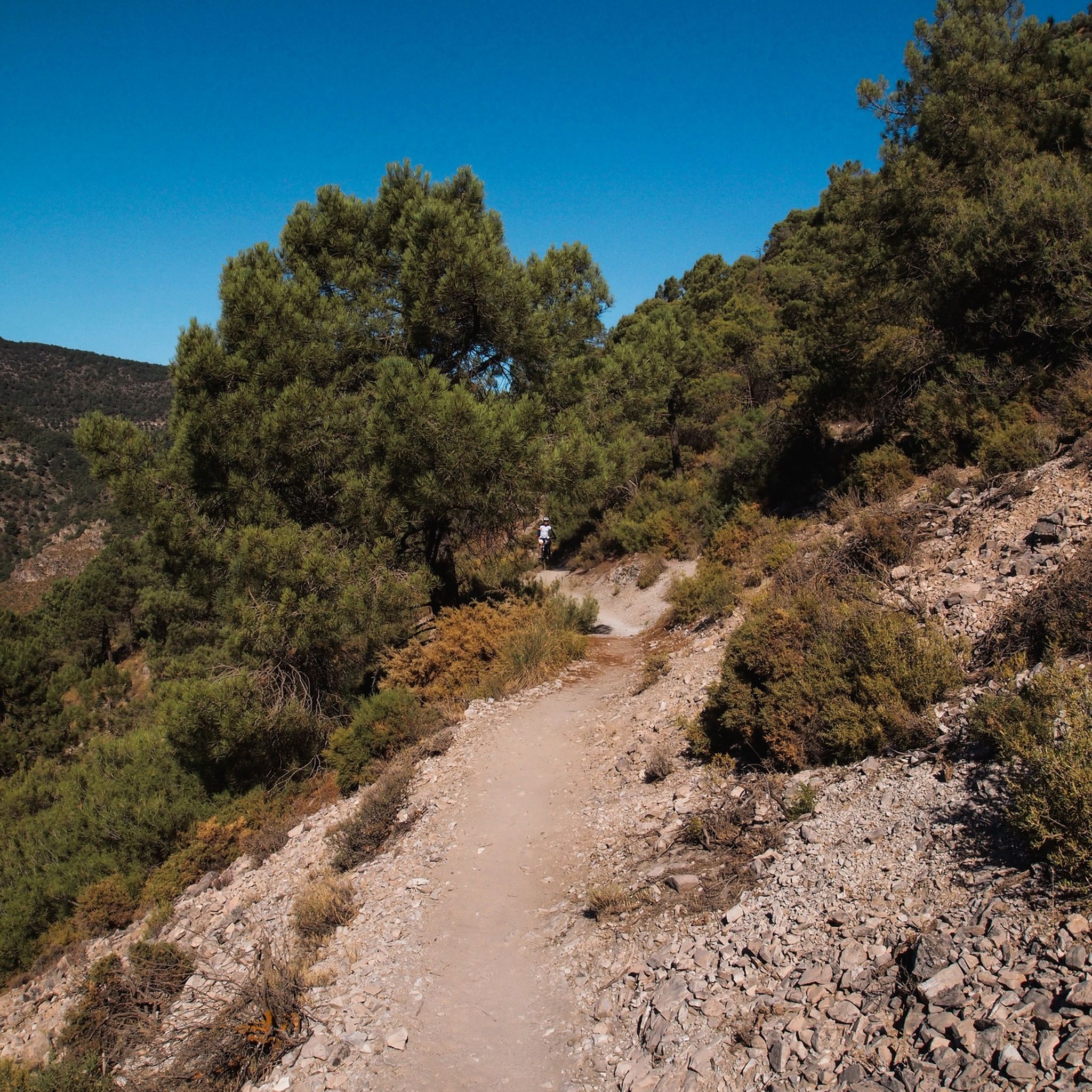
MTB Trails around National Park Sierra de Huétor
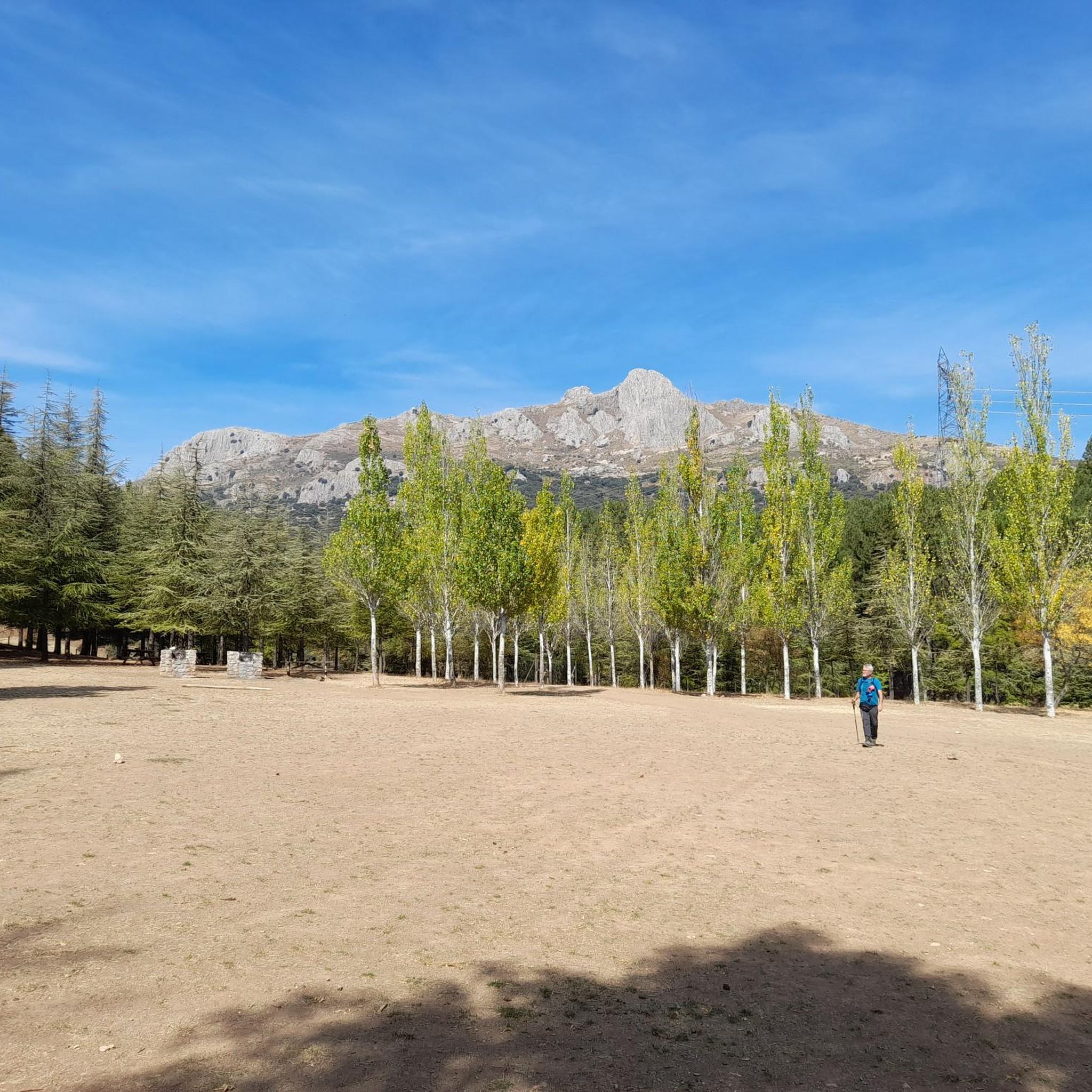
Cycling around National Park Sierra de Huétor
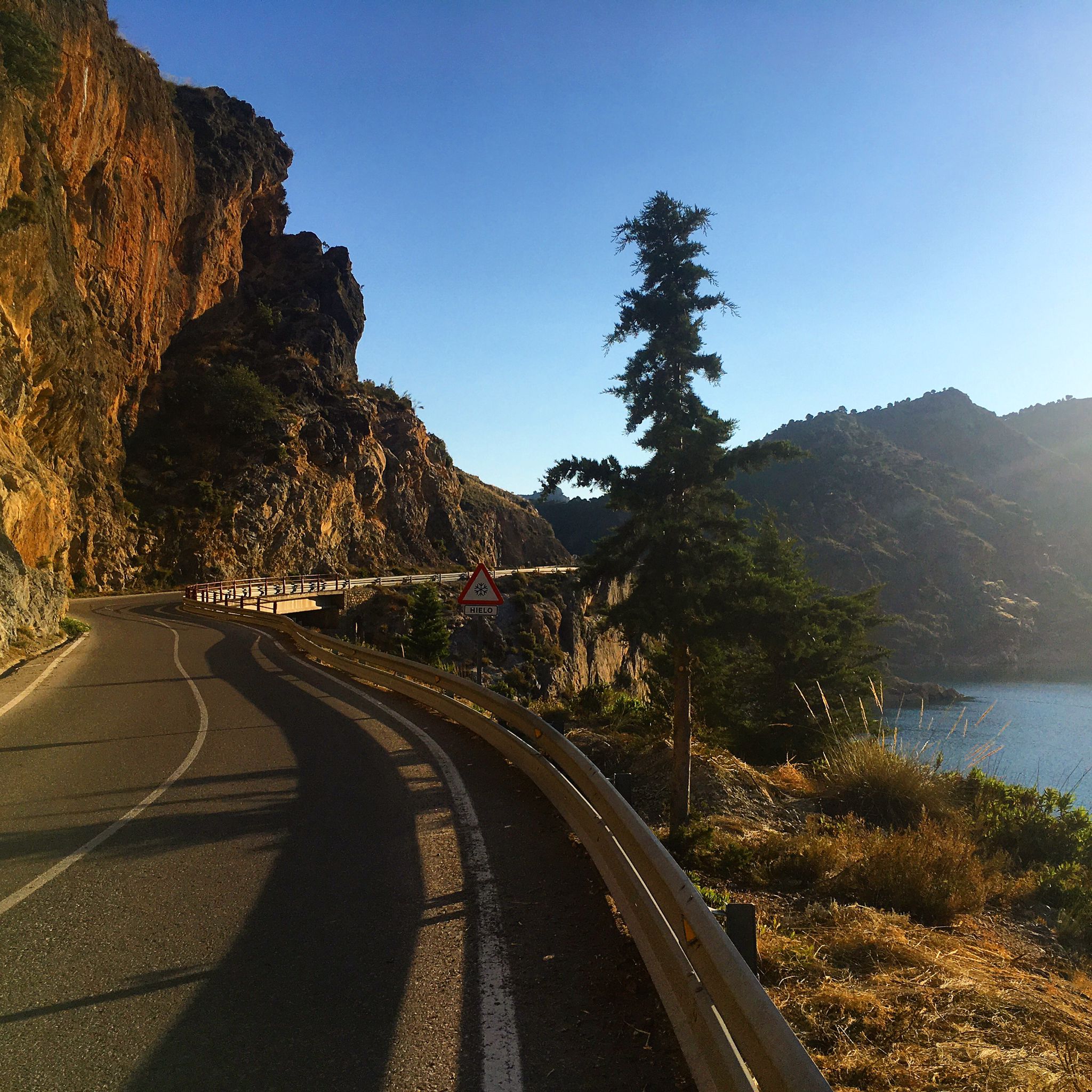
Road Cycling Routes around National Park Sierra de Huétor

Gravel biking around National Park Sierra de Huétor
Other adventures around National Park Sierra de Huétor


Tips from the Community

Unparalleled beauty to recharge your batteries and your senses
0
0

This mountainous landscape can be easily explored from Granada through shady pine forests, even on warmer days. Good gravel routes and always great views of the Pico Veleta. Highly recommended. Don't forget water.
2
0

Very simple route with little slope. Ideal to do with children so that they know part of our history.
0
0

Rest area watered by the River Darro and which has a fountain where you can refill the water drums. A beautiful place that we will always find green.
1
0

Las trenches is a historical enclave of the Spanish civil war. It is not advisable to go with children because there is a considerable pit, both in the trenches and at the Viznar cross. But it is worth visiting for the spectacular views it has.
2
0

Historic site, where you can see a large natural cave
1
0

La Fuente de La Teja is located in the Sierra de Huétor Natural Park. its waters are the ones that initiate the course of the Darro River.
4
0
The Cruz de Víznar is placed at the top of the Collado de Víznar, indicating the highest peak in the municipality.
4
0
Frequently Asked Questions
What unique natural features can I explore in the Sierra de Huétor Natural Park?
The park is rich in diverse natural features. You can explore significant geological formations like the karst landscapes, which include impressive underground galleries such as the Cueva del Agua. There are also dramatic ravines and steep cliffs, shaped by rivers like the Darro and Fardes. Additionally, the park is known for its important springs, such as La Teja Spring, which initiates the course of the Darro River, and Fuente Grande, historically vital for Granada's water supply.
Are there any notable caves to visit in the park?
Yes, the Sierra de Huétor Natural Park features several interesting caves. One of the most outstanding is the Cave of the Marbles, where visitors can access its main caverns and observe imposing columns. The park's limestone terrain also gives rise to other significant karst formations like the Cueva del Agua, known for its impressive underground galleries.
What kind of forests can I expect to see in the Sierra de Huétor Natural Park?
The park is characterized by extensive forests, including many pine plantations from early 20th-century reforestation efforts. You'll also find significant woodlands of native holm oak, gall oaks, and maples, particularly in the northern areas. The Sierra de Huétor mountain range itself is covered in pine, cedar, and fir forests, providing crucial habitats and scenic beauty.
What are some of the most scenic viewpoints in the area?
The park offers breathtaking views, especially from higher elevations. The Sierra de Huétor provides amazing vistas of the Sierra Nevada and the omnipresent Pico Veleta. From viewpoints in Víznar and Huétor-Santillán, you can also enjoy expansive views of the rugged terrain. The Maúllo Trench, while a historical site, also offers spectacular panoramic views.
Are there any historical sites or monuments related to the region's past?
Yes, the park holds historical significance. The Maúllo Trench is a historical enclave from the Spanish Civil War, offering a glimpse into the region's past. Additionally, the Fuente Grande spring, though a natural feature, has a rich history, as its waters were ingeniously used by the Moors to supply Granada's Albaicín district and still contribute to the Alhambra's gardens today.
What outdoor activities are available near these natural monuments?
The Sierra de Huétor Natural Park is ideal for various outdoor activities. You can find numerous trails for running, gravel biking, and hiking. For example, there are many running trails, including a difficult 15 km circular route to Mirador de la Mina via Cueva de los Mármoles. Gravel biking enthusiasts can enjoy routes like the 35 km Sierra de Huétor – La Teja Spring loop. For more details on routes, you can explore the Running Trails, Gravel Biking, and Easy Hikes guides for the area.
Are there easy hiking trails suitable for families?
Yes, there are family-friendly options. The area around La Teja Spring is suitable for families, and you can find a very interesting Redwood forest in the Bolones dehesa. For easy hikes, consider routes like 'The Trenches Itinerary' or the 'Maúllo Trench loop from Puerto Lobo - El Sotillo', which are around 3-5 km. You can find more options in the Easy Hikes around National Park Sierra de Huétor guide.
Can I go gravel biking in the Sierra de Huétor Natural Park?
Absolutely. The Sierra de Huétor is known for its numerous kilometers of perfect gravel routes, offering great views of Pico Veleta. There are several gravel biking routes available, such as the 35 km 'Sierra de Huétor – La Teja Spring loop from Campamento de la Alfaguara'. For more detailed routes and options, refer to the Gravel biking around National Park Sierra de Huétor guide.
What is the best time of year to visit the natural monuments?
The Sierra de Huétor Natural Park can be enjoyed year-round. The extensive pine, cedar, and fir forests provide shade, making it pleasant even on warmer days. However, for hiking in areas like the Barranco de Polvorite, it's advisable to avoid days of heavy rain, as paths can become dangerous. Spring and autumn generally offer mild temperatures and vibrant natural colors, while summer provides cooler forest escapes.
What should I know about the terrain and difficulty of trails?
The park features mountainous terrain with elevations ranging from 1,100 to almost 1,700 meters. You'll encounter diverse landscapes, from narrow ravines like the Barranco de Polvorite, which has a winding path, to more open forest trails. While there are easy routes suitable for families, many trails are intermediate or difficult, especially those involving significant elevation changes or rugged sections. Always check the difficulty grade for specific routes.
Are there any natural monuments that are particularly good for wildlife spotting?
The diverse forests of the Sierra de Huétor, including native holm oak, gall oak, and maple woodlands, provide crucial habitats for a variety of wildlife. While specific natural monuments aren't highlighted solely for wildlife spotting, exploring the extensive forest areas, particularly in the northern parts of the park, increases your chances of encountering the local fauna.
What do visitors enjoy most about the natural monuments in Sierra de Huétor?
Visitors appreciate the unparalleled beauty and tranquility of the park, often highlighting the opportunity to recharge their batteries and senses. The stunning views of the Sierra Nevada from places like Sierra de Huétor, the impressive geological formations within the Cave of the Marbles, and the refreshing rest areas like La Teja Spring are frequently mentioned. The combination of natural beauty, diverse trails, and historical context makes for a rewarding experience.
Most popular routes around National Park Sierra de Huétor
Most popular attractions around National Park Sierra de Huétor

Get inspired with the komoot mobile app


Explore more
Extend your search for the best caves by checking out these guides of the top ones around National Park Sierra de Huétor:
