Top 10 Natural Monuments around De Maashorst
Best natural monuments around De Maashorst showcase a blend of unique geological features, diverse ecosystems, and historical significance within this nature reserve. The area is known for its "process nature," where natural development is largely left to its own devices, fostering increased biodiversity. Visitors can explore various landscapes, from seepage areas to ancient burial mounds, offering insights into both natural processes and human history. This commitment to natural development ensures a dynamic and evolving environment for exploration.
Best natural monuments…
Last updated: June 26, 2026
Princely Graves and Post Graves of De Maashorst
Highlight • Historical Site
Translated by Google •
Tip by

Udensedreef Burial Mound, De Maashorst
Highlight (Segment) • Historical Site
Translated by Google •
Tip by

Sign up now to discover places like this
Get recommendations on the best single tracks, peaks, & plenty of other exciting outdoor places.
Sign up for free
Urnfield Slabroek
Highlight • Historical Site
Translated by Google •
Tip by

Bat
Highlight • Natural Monument
Translated by Google •
Tip by

reconstructed burial mound
Highlight • Historical Site
searching, the archaeologists found no less than …
Translated by Google •
Tip by
Sign up for free to discover even more natural monuments around De Maashorst.
Sign up for free
Already have an account?
Start today with a free account
Your next adventure awaits.
Login or Signup
Popular around De Maashorst
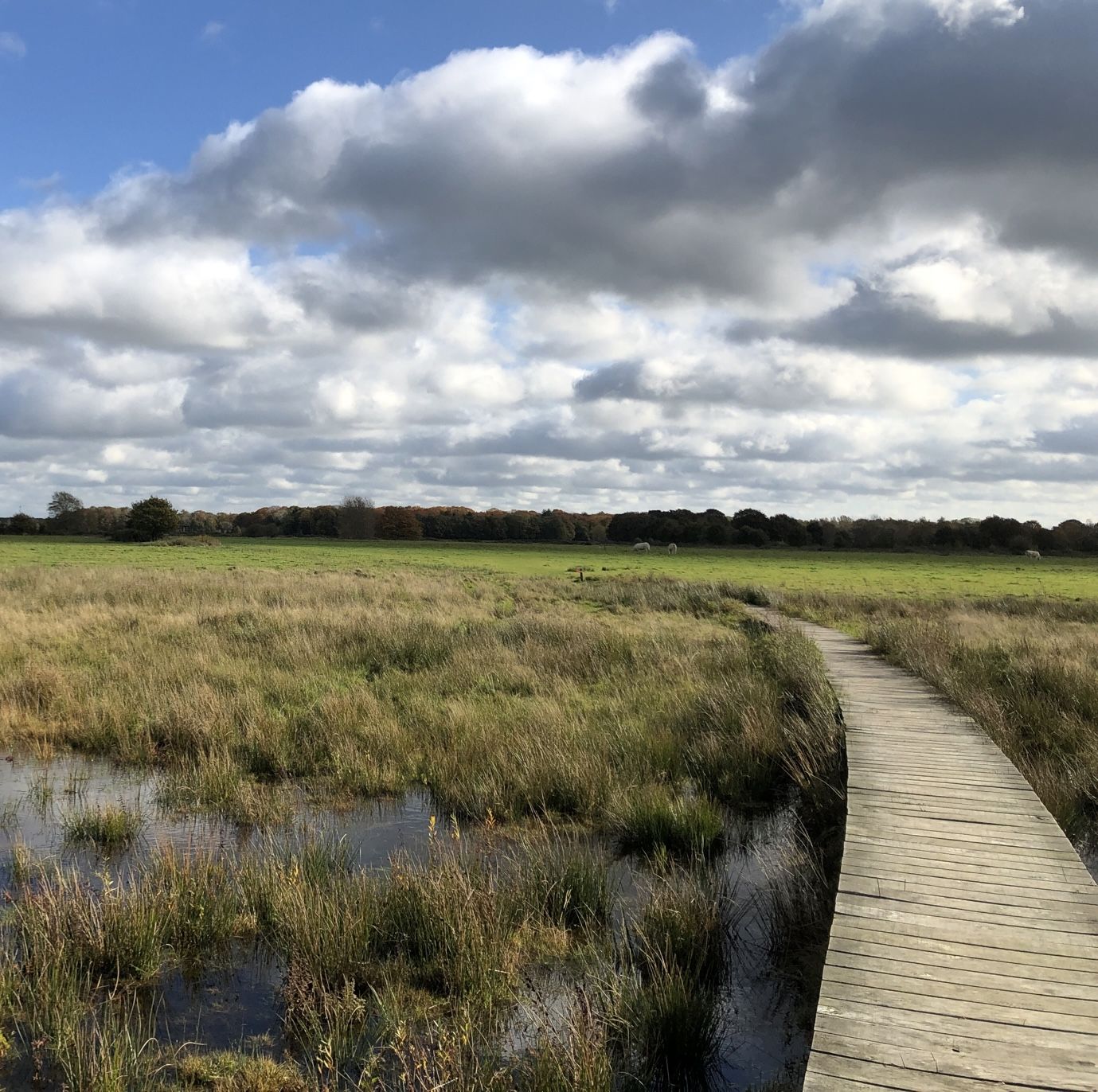
Bourgondisch Brabant - 20 tasty nature walks
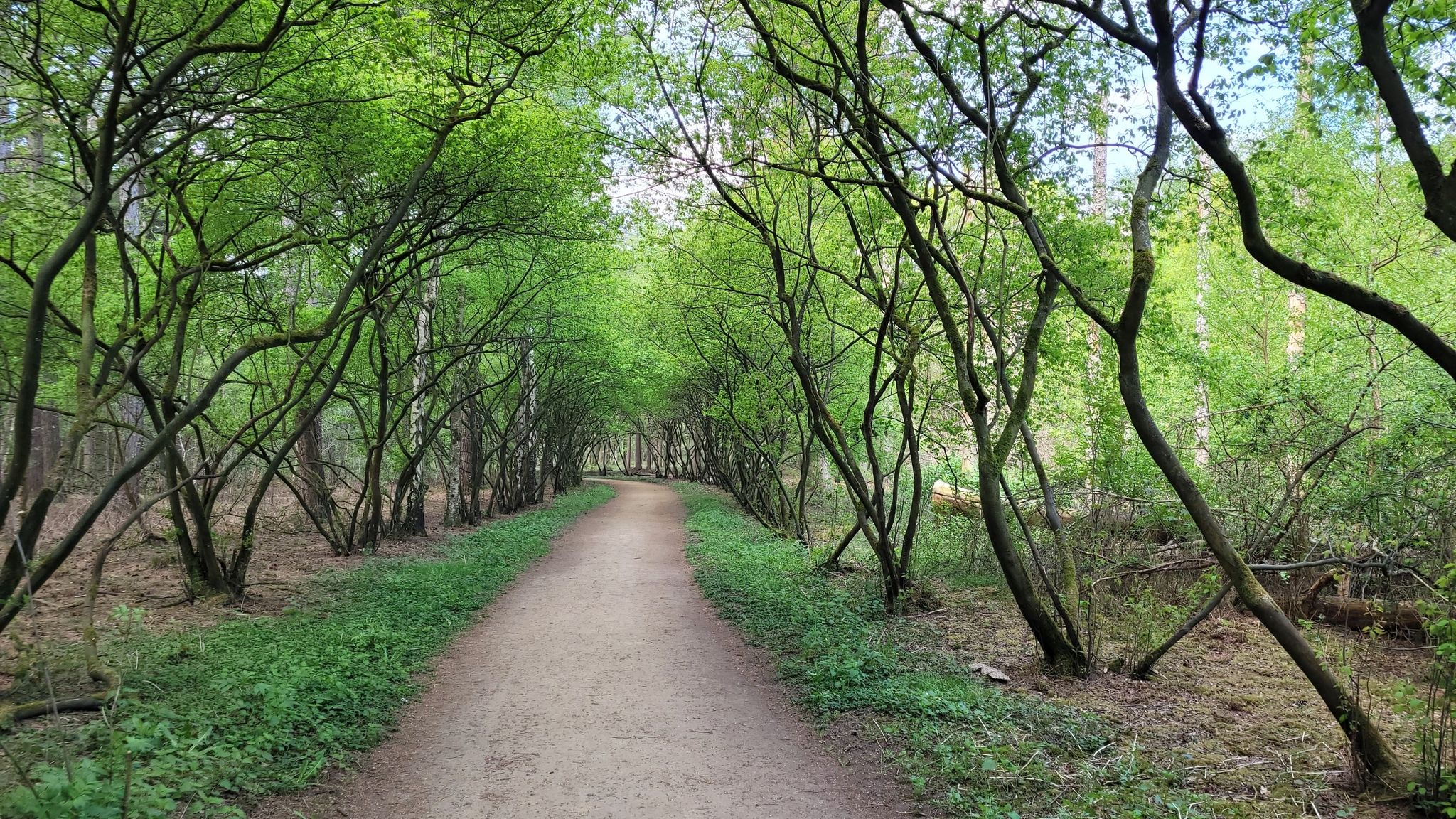
Discover North Brabant in a wheelchair — 7 Tours through the greenery
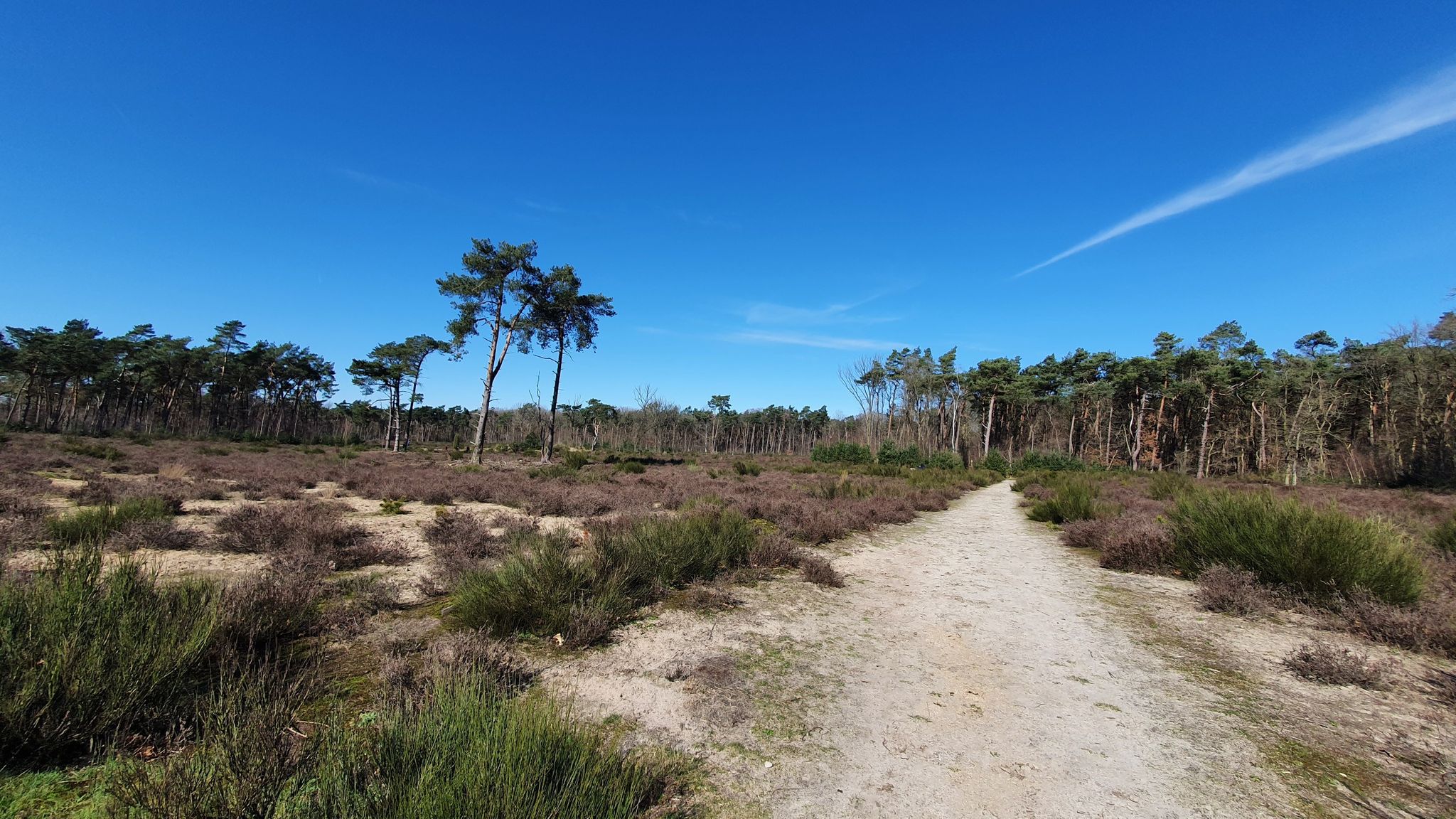
The varied landscapes of the Netherlands – the Hertogenpad
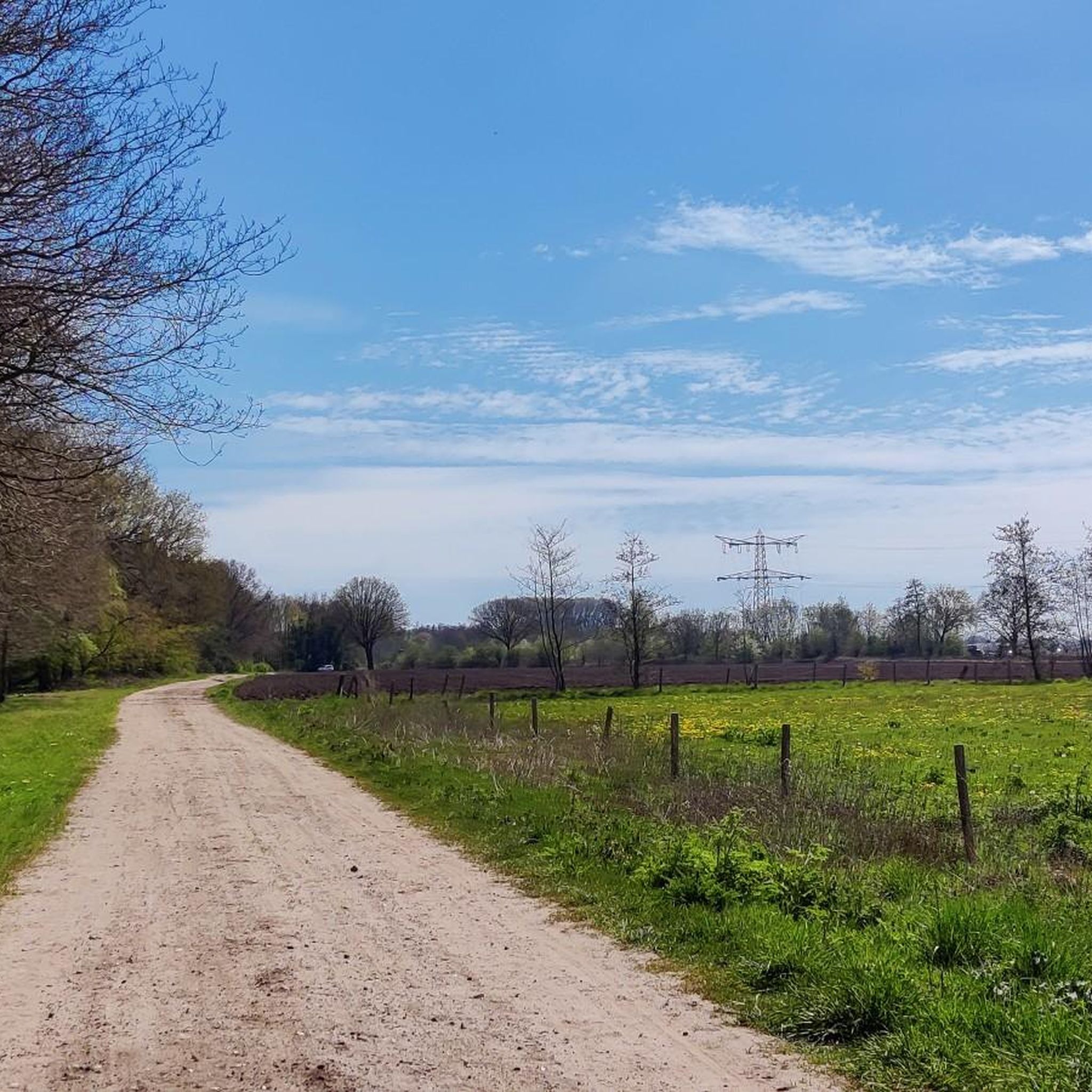
Hiking around De Maashorst
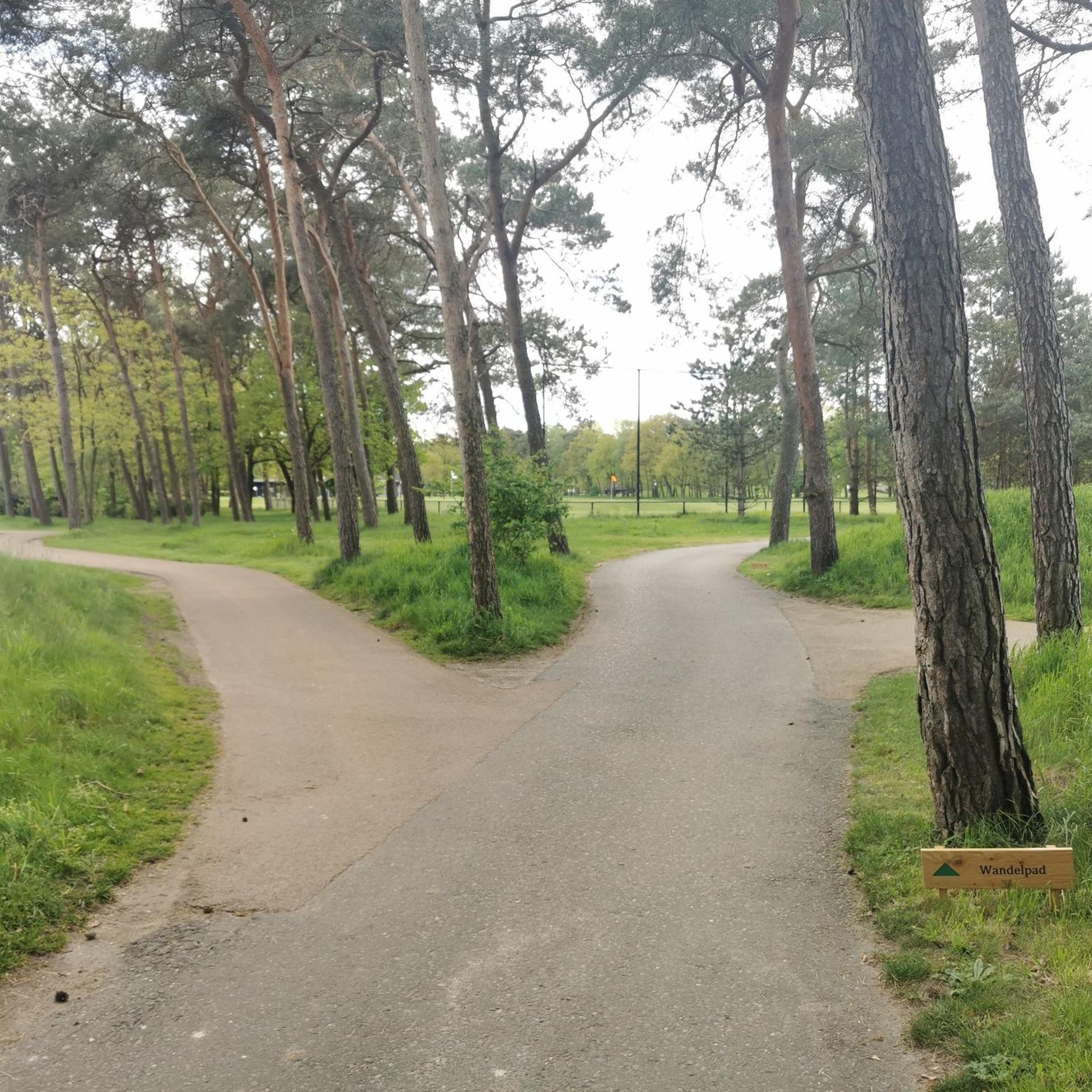
MTB Trails around De Maashorst
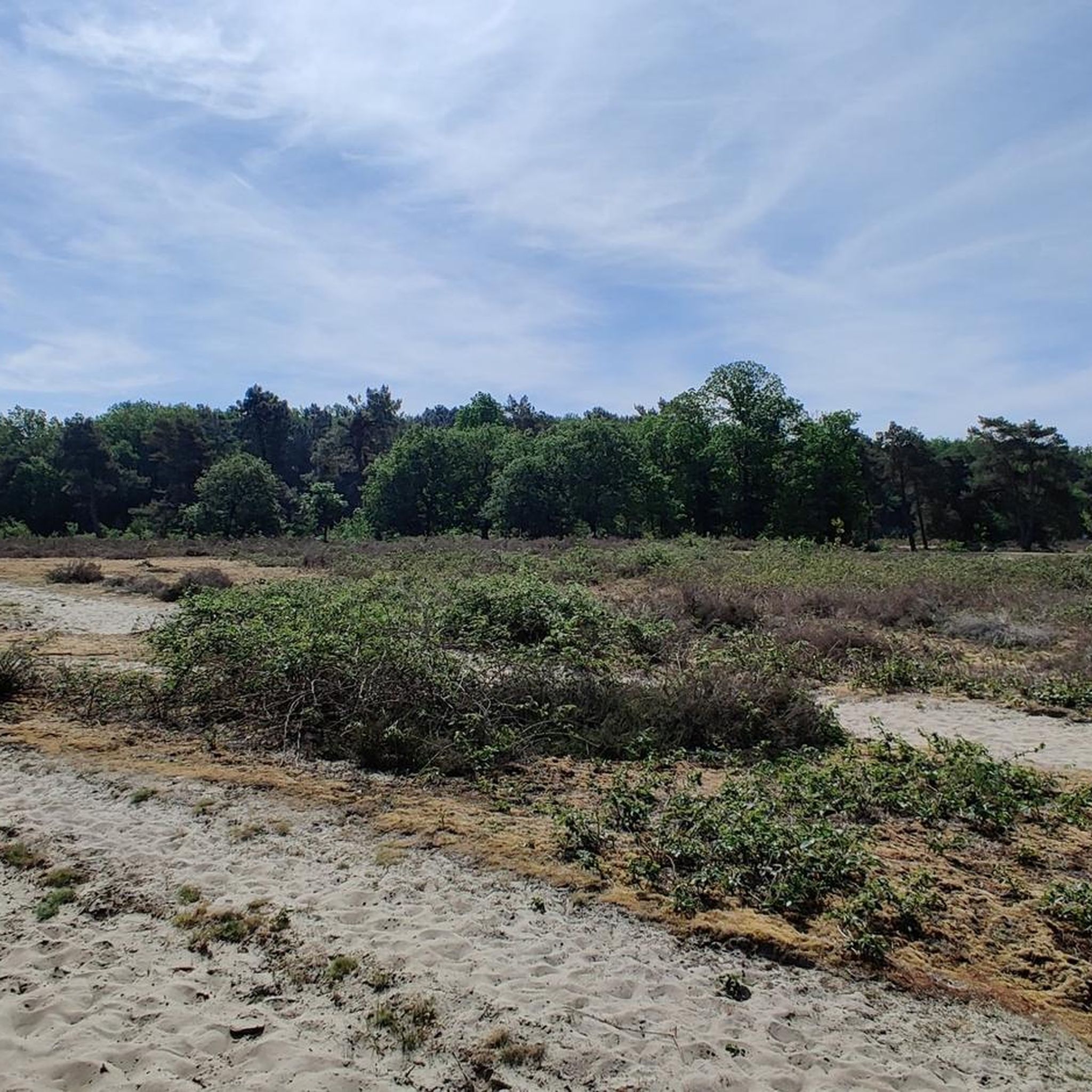
Cycling around De Maashorst
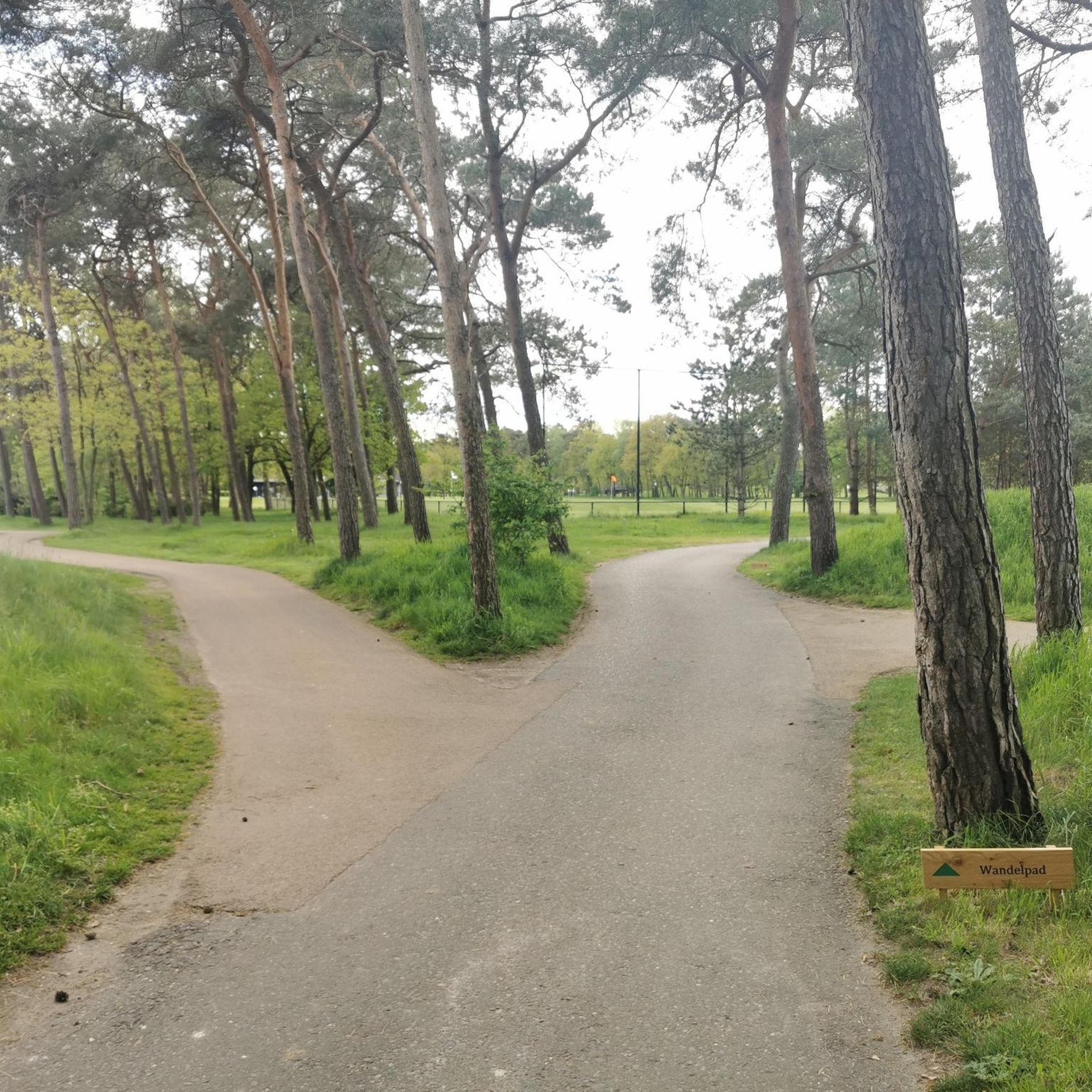
Running Trails around De Maashorst
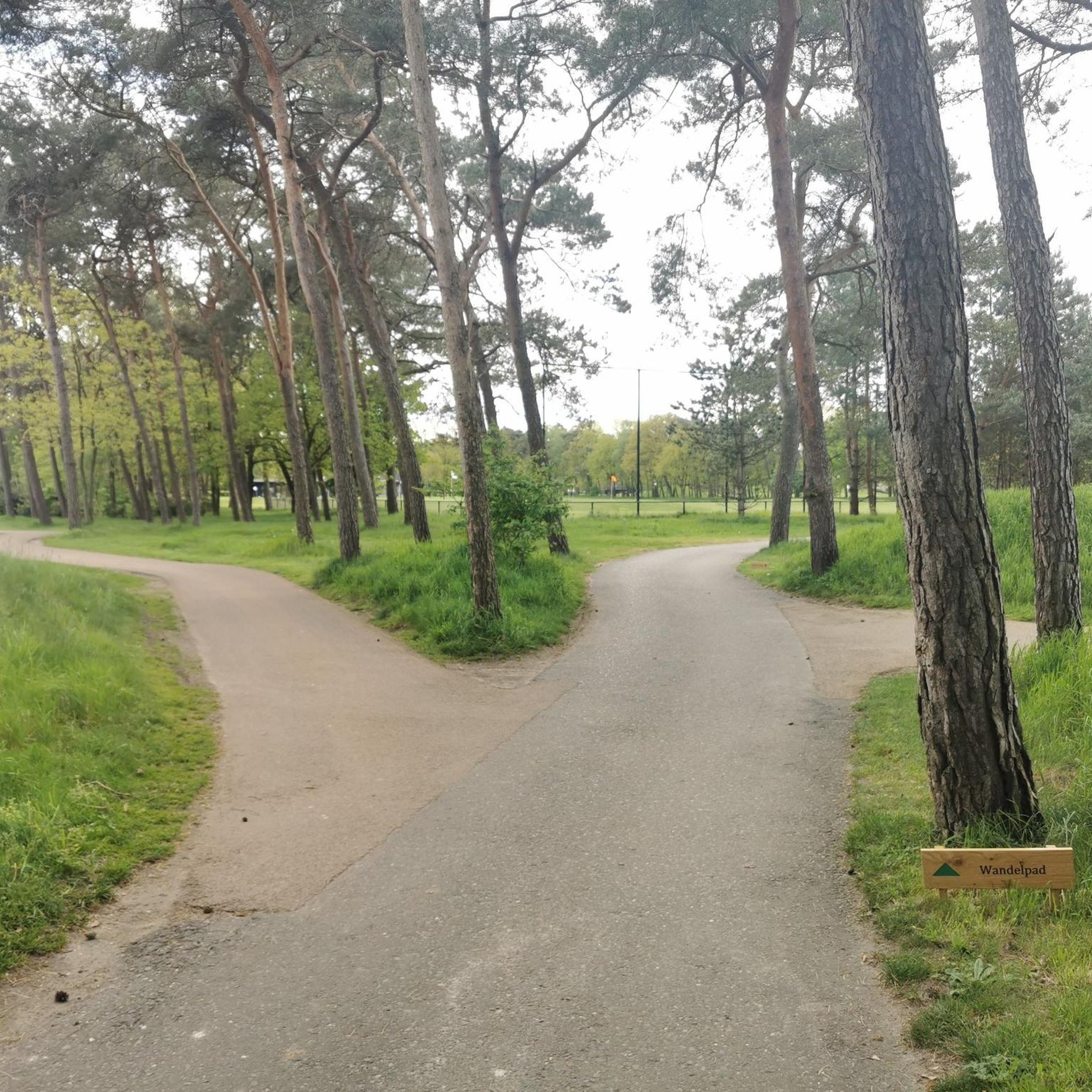
Road Cycling Routes around De Maashorst

Gravel biking around De Maashorst
Other adventures around De Maashorst


Tips from the Community

Relaxing walks with lots of natural beauty.
0
0

Here you can find the big five of the Maashorst The wisping the The ex moor pony the tourussen the sheep and the horse
1
0

Spectacular archaeological discoveries have been made in De Maashorst in recent years. For example, archaeologists found royal tombs from the early Iron Age, a cemetery from late prehistory, the largest bronze deposit in the Netherlands from Roman times and a number of forgotten villages from the Middle Ages. Tangible memories from (pre)history that are still present and visible in the current landscape. Admire the ancient treasures with a guide or go on a discovery tour yourself.
1
0
There are several projects in the Maashorst region where various bat boxes are used to monitor the animals. This monitoring is done by shining a strong flashlight from below into the cabinets during the day. This allows the various types and quantities to be determined. We also check various maternity groups and winter populations in the region by inspecting various bat roosts. Exemptions are required for all these activities.
0
0
The royal tomb was not excavated on site, but was lifted into blocks and then examined in a laboratory. By means of X-ray searching, the archaeologists found no less than 525 minuscule bronze objects that allowed them to reconstruct the details of a prehistoric early Iron Age burial. Unique, because something like this rarely works!
1
0

Frost(in) of the Maashorst
1
0

Centuries ago people already lived in De Maashorst. This is proven by the many traces found by archaeologists over the past century. The oldest and still visible remains are the burial mounds: monuments for the deceased who were buried centrally under the hill. On the Slabroekse Heide, the count of burial mounds found has now reached a hundred. Isn't it fascinating, the idea that people already lived here centuries ago? Explore the area together and experience it!
3
0

Easy and beautiful cycle path through the forest and heath. Especially recommended on a quiet summer evening when few people are on the road!
4
0
Frequently Asked Questions
What unique geological features can I explore in De Maashorst?
De Maashorst is home to the unique Wijstgronden, high, marshy areas where iron-rich groundwater rises to the surface, creating distinctive orange-brown streams. You can also observe the subtle effects of the Peelrand Fault, a significant geological fault line that shaped the region's landscape over millions of years, visible in elevation differences and the Wijstgronden themselves.
Are there historical natural monuments to visit in De Maashorst?
Yes, De Maashorst has a rich history visible in its natural monuments. You can visit the Princely Graves and Post Graves of De Maashorst, where spectacular archaeological discoveries, including royal tombs from the early Iron Age, have been made. Another significant site is Urnfield Slabroek, featuring numerous burial mounds on the Slabroekse Heide, evidence of ancient human habitation.
What kind of wildlife can I expect to see around the natural monuments?
De Maashorst is known for its rewilding efforts. You might spot large grazers like European bison, Tauros (a breed reminiscent of ancient wild cattle), and Exmoor ponies, which play a crucial role in shaping the landscape. The area around Udensedreef Burial Mound is particularly known for grazing animals. Additionally, the region supports various bat species, with monitoring projects in place, as highlighted by the Bat natural monument.
Are there family-friendly natural monuments in De Maashorst?
Many natural monuments in De Maashorst are suitable for families. The Princely Graves and Post Graves of De Maashorst, Udensedreef Burial Mound, and Urnfield Slabroek are all categorized as family-friendly. These sites often offer easy paths and opportunities to learn about history and nature together. The reconstructed burial mound also offers relaxing walks with natural beauty.
What outdoor activities can I do near these natural monuments?
De Maashorst offers diverse outdoor activities. You can enjoy cycling on routes like the 'Park Along the Raam' or 'Forest trail in De Maashorst' from the Cycling around De Maashorst guide. For gravel biking, explore routes such as 'Scenic Gravel Path' or 'Defensie Canal Gravel Path' found in the Gravel biking around De Maashorst guide. There are also easy hikes like 'Slaloming through the nature of Slabroek' or 'Slabroek heathland – Wijst Grounds Peelrand Fault' from the Easy hikes around De Maashorst guide.
What kind of landscapes can I expect to see in De Maashorst?
De Maashorst boasts a varied terrain, including extensive forests, open heathlands, shifting sands (drifting dunes), and fens. This diversity creates a wide array of habitats, supporting rich plant and animal life. You'll find a blend of these environments, offering different natural experiences within the same reserve.
What is the best time of year to visit the natural monuments in De Maashorst?
De Maashorst offers beauty year-round. Spring brings blooming flora and active wildlife, while summer is ideal for longer hikes and cycling. Autumn transforms the forests with vibrant colors, making it a picturesque time for exploration. The unique Wijstgronden are visible throughout the year, but the overall 'process nature' experience is dynamic with each season.
Are there specific trails or paths to explore the natural monuments?
Yes, De Maashorst has a network of trails. The Udensedreef Burial Mound, for example, is part of an easy and beautiful cycle path through forest and heath. Many historical sites are integrated into walking and cycling routes, allowing you to explore the natural and historical elements simultaneously. You can find various routes in the cycling, gravel biking, and hiking guides for the region.
What makes the Slabroekse Bergen significant?
The Slabroekse Bergen are hills that stand as a testament to centuries of farming practices and natural processes. Located near the Urnfield Slabroek, these features offer both natural beauty and a direct connection to the area's ancient human history, showcasing how human activity has shaped the landscape over time.
Can I learn about ancient history while visiting De Maashorst's natural monuments?
Absolutely. De Maashorst is rich in ancient history. Sites like the Princely Graves and Post Graves and Urnfield Slabroek contain burial mounds and archaeological discoveries from the Iron Age and late prehistory. These tangible memories are still visible in the landscape, offering a fascinating glimpse into how people lived and buried their dead centuries ago.
What is 'process nature' and how does it relate to De Maashorst?
De Maashorst is celebrated for its 'process nature,' a management approach where natural development is largely left to its own devices. This means minimal human intervention, allowing ecosystems to evolve naturally. This commitment fosters increased biodiversity and creates a dynamic, ever-changing environment, giving visitors a sense of a 'primal feeling' and a glimpse into a rewilding landscape.
Most popular routes around De Maashorst
Most popular attractions around De Maashorst

Get inspired with the komoot mobile app


Explore more
Extend your search for the best caves by checking out these guides of the top ones around De Maashorst:
