Top 6 Natural Monuments around Stippelberg
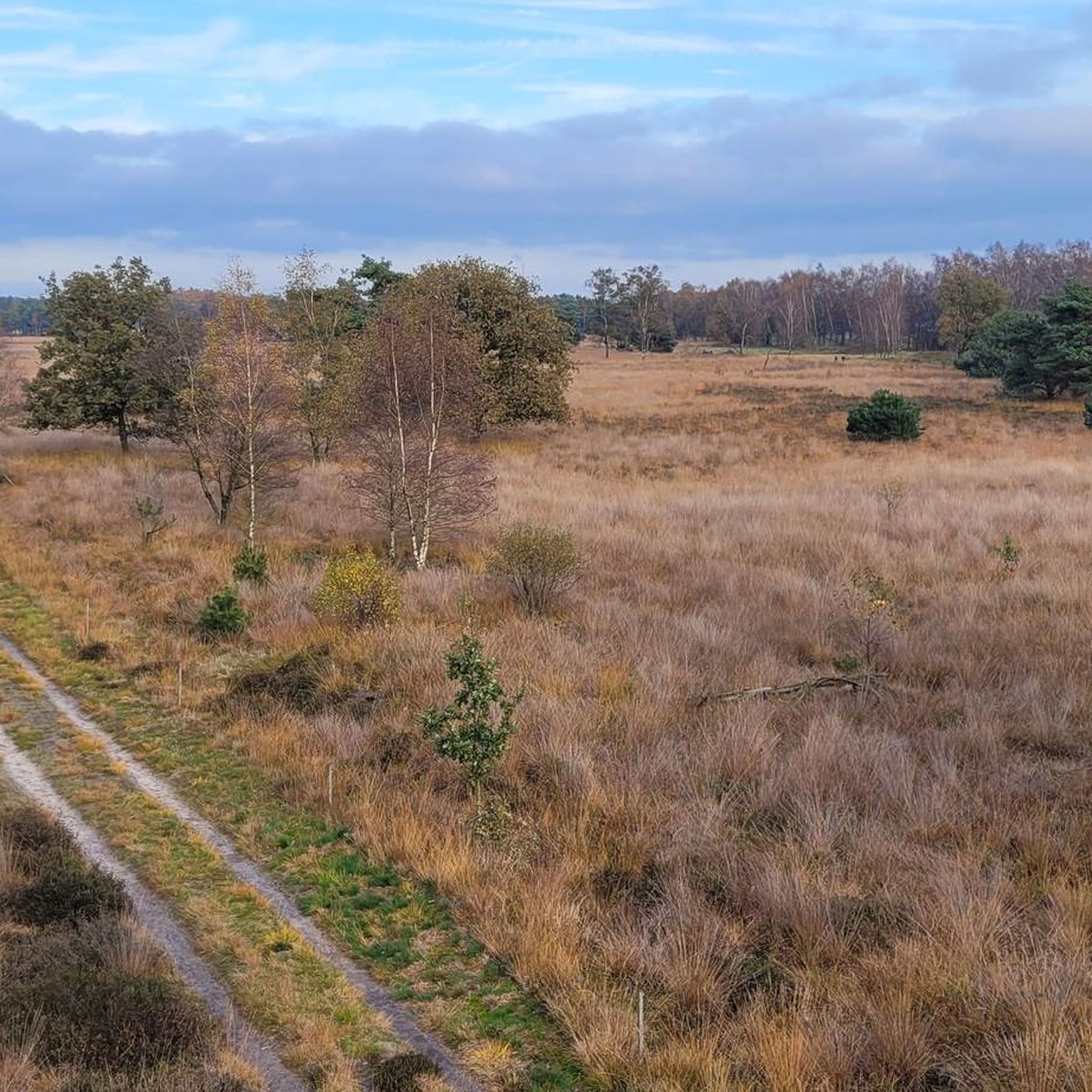
Best natural monuments around Stippelberg include a nature reserve spanning 975 hectares in North Brabant, Netherlands. This area features distinctive "Stippels," which are ancient drifting dunes, and lies on the significant Peelrand Fault. The landscape comprises diverse ecosystems including forests, heathlands, and fens. Stippelberg offers a variety of natural features for exploration.
Best natural monuments around Stippelberg
- The most popular natural monuments is Stippelberg Nature Reserve, a forest that features numerous small hills known as "Stippels." These "Stippels" are…
Last updated: October 13, 2026
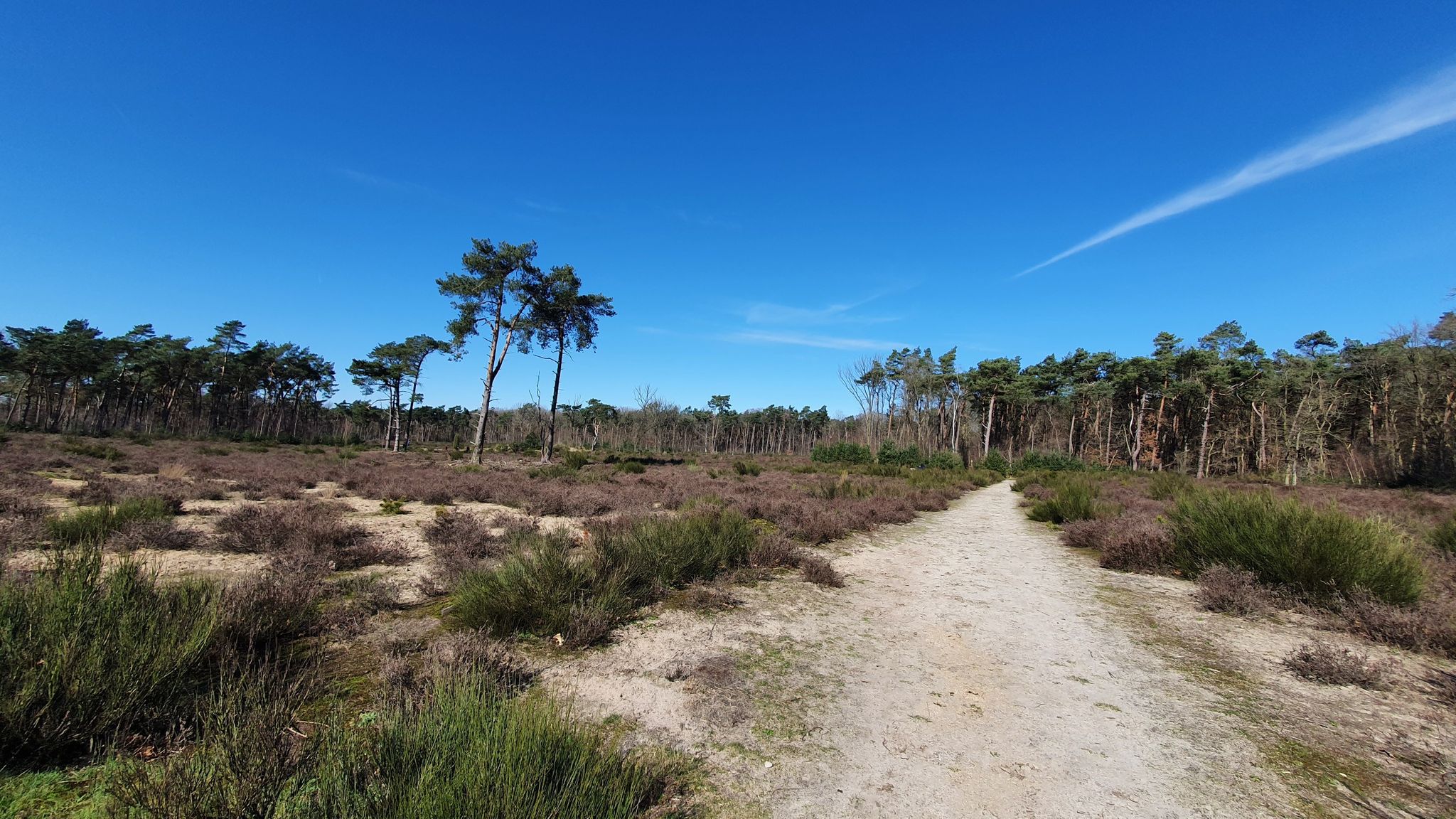
Stippelberg Nature Reserve
Highlight • Forest
Translated by Google •
Tip by

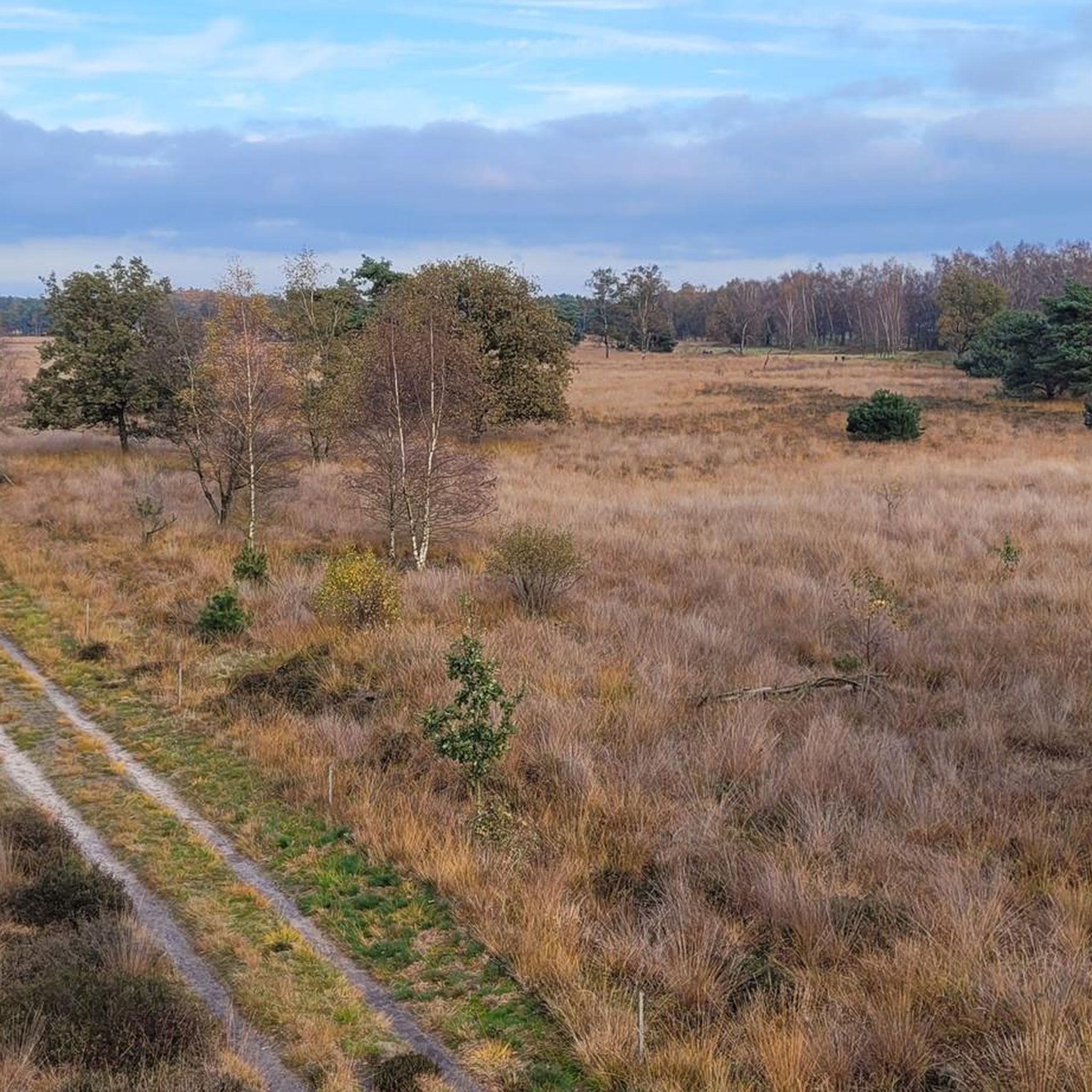
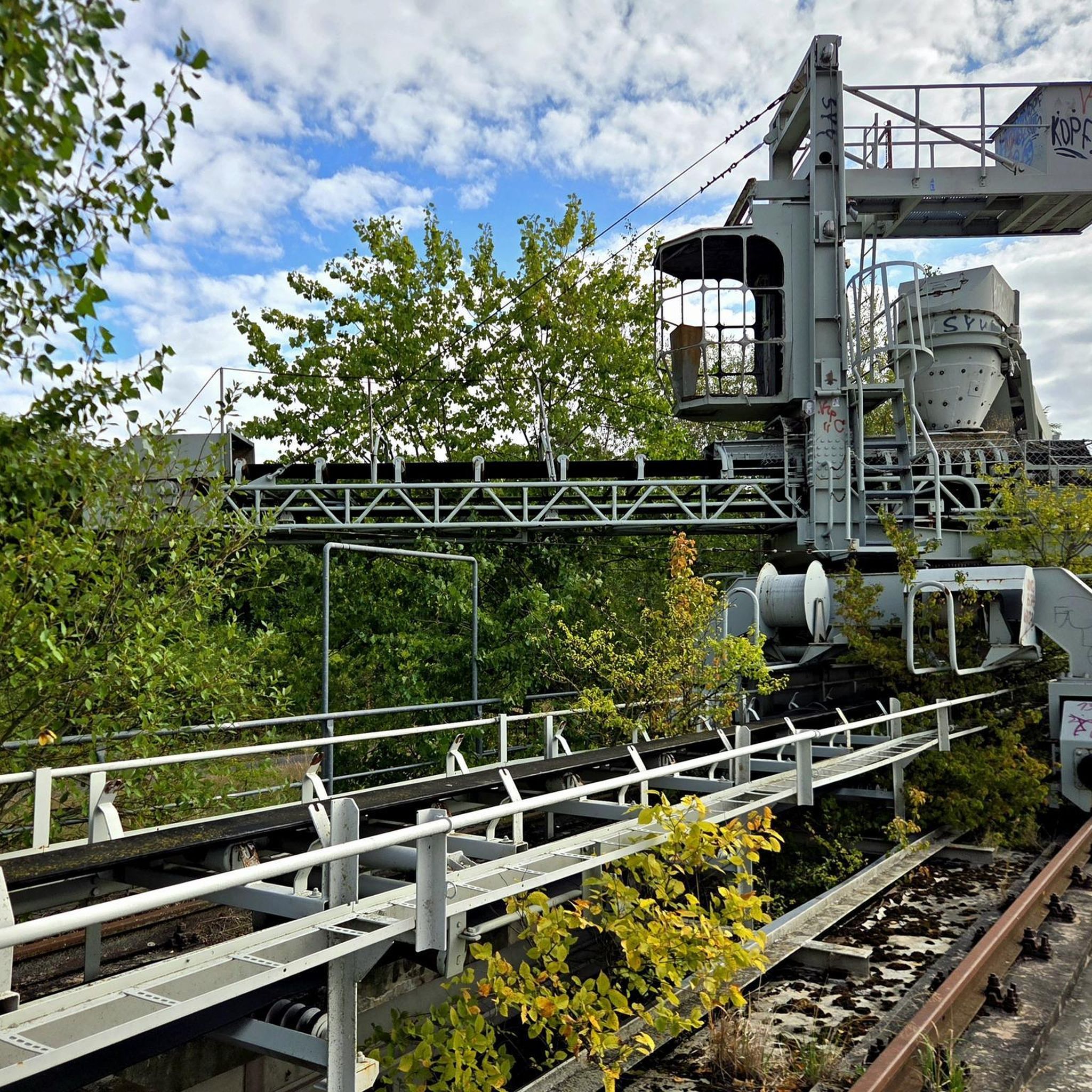
Death of coniferous trees caused by the bark beetle
Highlight • Forest
Translated by Google •
Tip by

Sign up now to discover places like this
Get recommendations on the best single tracks, peaks, & plenty of other exciting outdoor places.
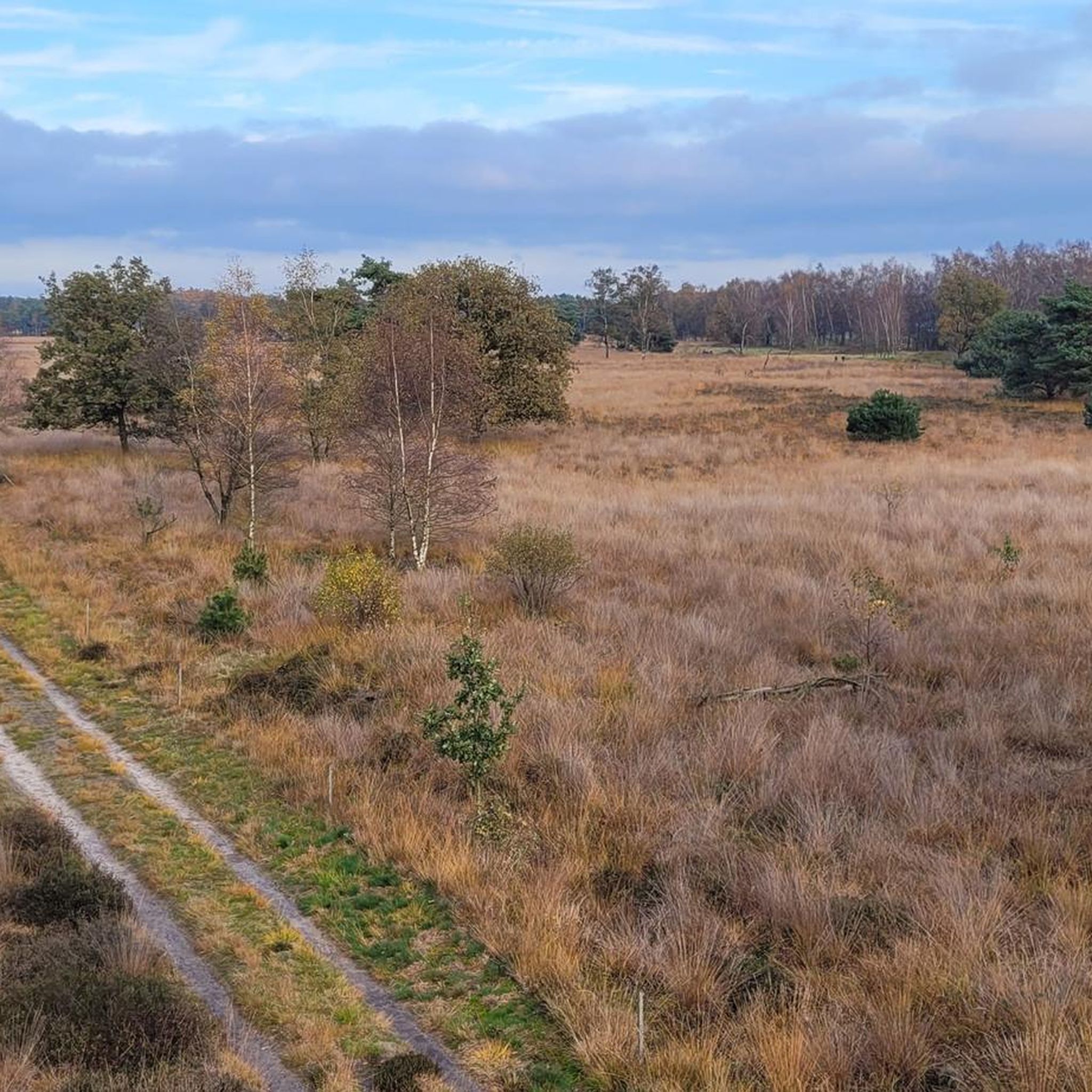
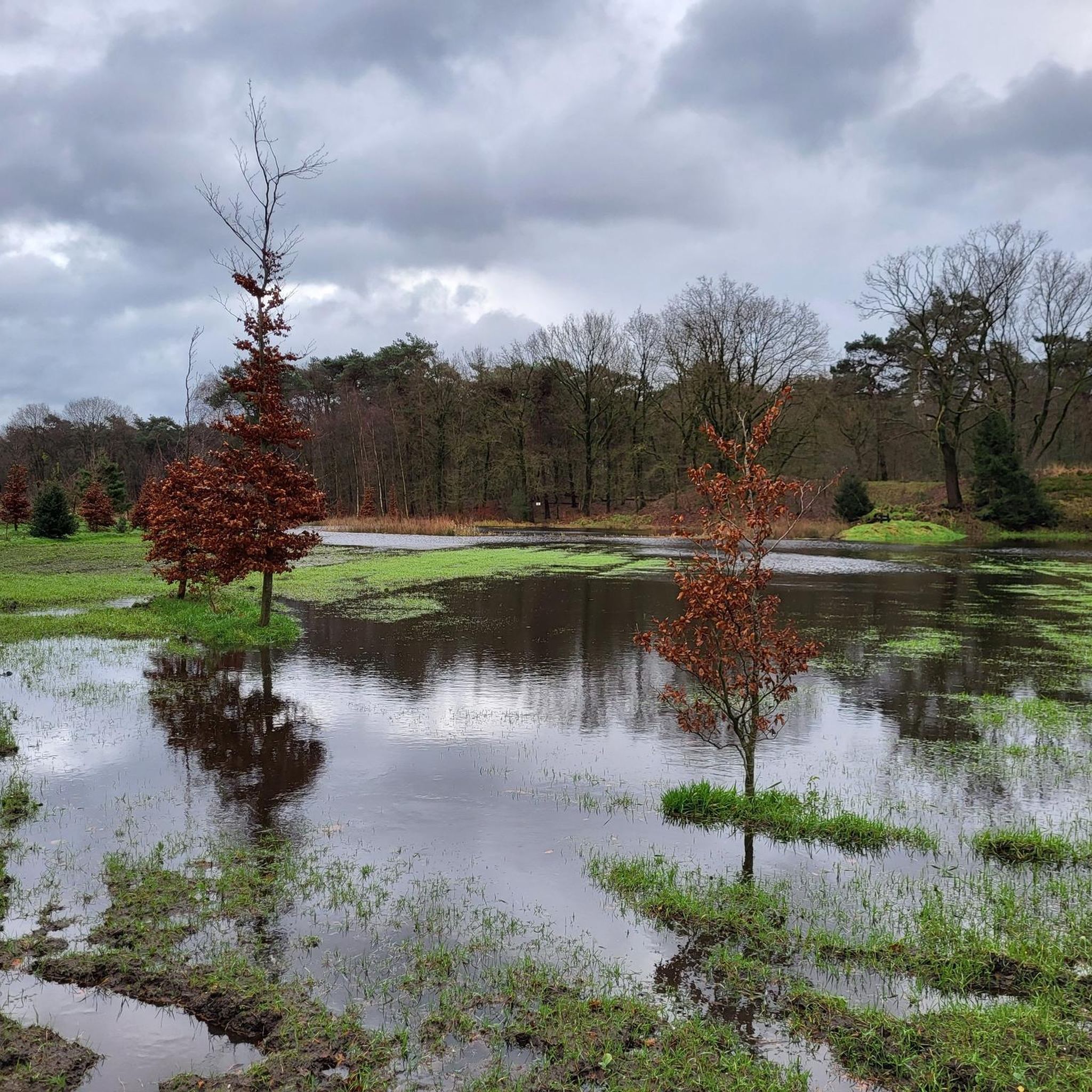
Pond with an island in Stippelberg
Highlight • Lake
Translated by Google •
Tip by

The Tin Bucket 🥫🥫🥫🪣
Highlight • Historical Site
Translated by Google •
Tip by

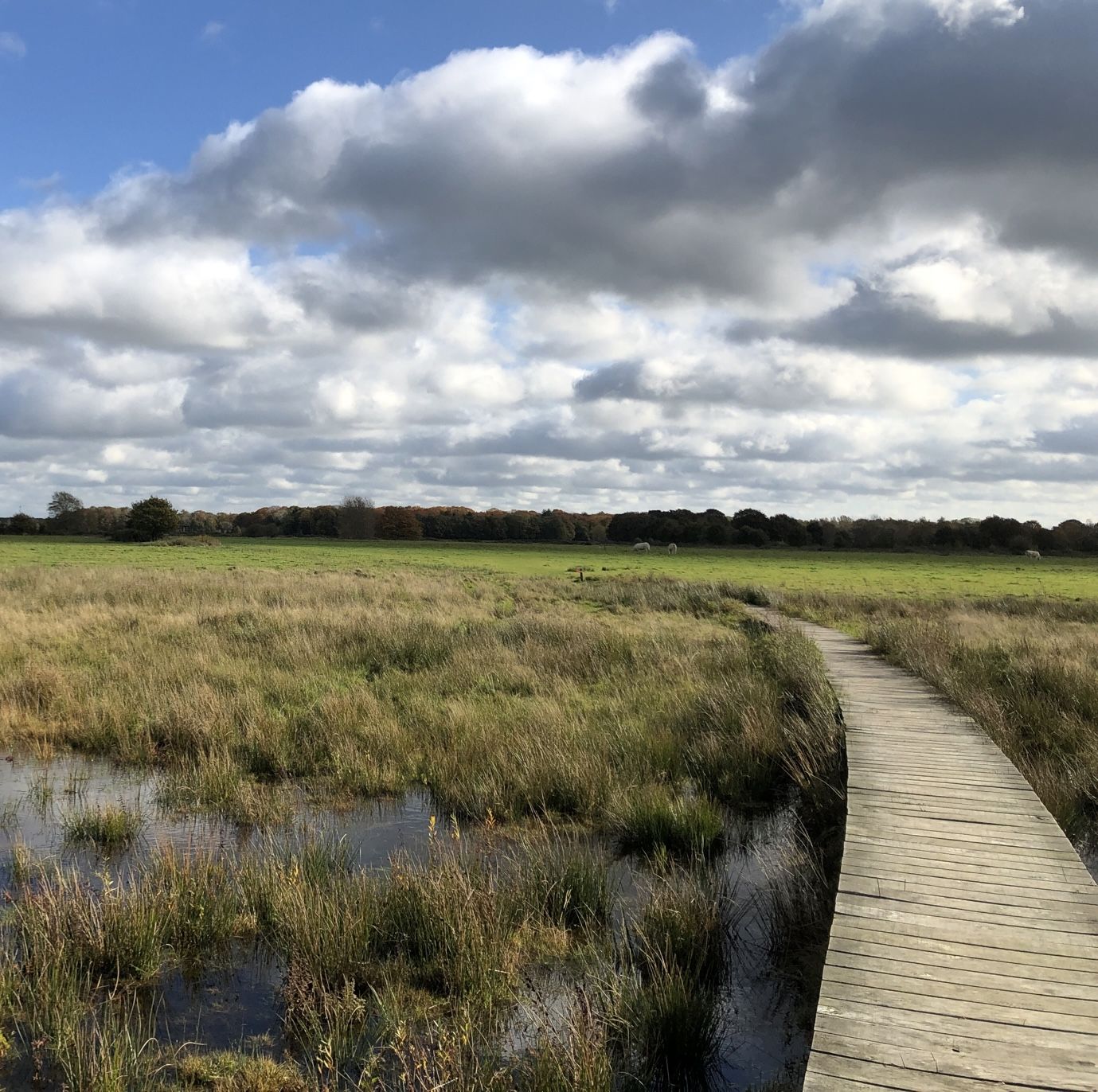
Pools with sundew.
Highlight • Natural Monument
Translated by Google •
Tip by
Sign up for free to discover even more natural monuments around Stippelberg.
Already have an account?


Tips from the Community

Beautiful area for walking.
2
0
Extra beautiful when the heather is in bloom.
2
0
nice place with water.
1
0

A challenging climb for children and parents.
1
0

While walking we arrive here at a beautiful quiet pond, the weather was nice and clear and thanks to that we were able to take a beautiful photo
0
0

The Stippelberg is a large nature reserve. Yet it is well hidden in the east of Brabant, near the village of De Rips. Walk in the eastern part of the Stippelberg over the beautiful lanes that belong to the country house. And admire the rhododendrons that brighten up the estate. A striking feature of the Stippelberg are the many hills in the middle of the forest. All these 'dots' are drifting dunes created by sand drifts. The Stippelberg owes its name to these hills. Due to afforestation for wood production, you can now find an extensive pine forest here. Take a walk in this forest over the dots in the landscape. A place that you really must have seen is d'n Blikken Emmer. This place is on top of the highest dot. But what exactly can you admire? At this spot you can see a bucket hanging on top of a pole. Now you might think, why a bucket? In the past, when forest workers were allowed to take a break, this bucket was hit. It was also a fire alarm. Source and more information: Natuurmonumenten
5
0

On one of the highest drifting dunes of the Stippelberg (approx. 33m +NAP) there has been a long pole on this spot since the year 1810. The pole had a length of 7 to 8 meters and a wicker basket and a flag hung from the top. The pole was used by French surveyors and was called a 'Long Damsel'. Later it was named D'n Blikken Emmer.
3
0
Frequently Asked Questions
What unique natural features define the Stippelberg area?
The Stippelberg is characterized by its distinctive “Stippels,” which are ancient drifting dunes forming numerous small hills across the landscape. It also lies on the significant Peelrand Fault, specifically the Milheeze fault line, which is visible through elevation differences. The area also boasts diverse ecosystems including forests, heathlands, and fens.
What kind of hiking trails can I find in Stippelberg?
Stippelberg offers extensive walking opportunities with several marked hiking trails, such as the “Stippels op de Stippelberg” route. These trails guide visitors through varying landscapes, including pine forests and over the unique drifting dunes. You can find more information on routes in the area on the Natural Monuments around Stippelberg guide.
Are there family-friendly activities or trails in Stippelberg?
Yes, Stippelberg is suitable for families. Many trails are easy to moderate, and highlights like the Pond with an island in Stippelberg are considered family-friendly. The climb to The Tin Bucket is also noted as a challenging but rewarding activity for children and parents.
When is the best time to visit Stippelberg?
Stippelberg is enjoyable year-round. During spring and summer, you can admire vibrant rhododendrons near the historic country house. The tranquil atmosphere and extensive walking opportunities make it a compelling destination in any season, including winter for those who enjoy hiking in colder weather.
What kind of wildlife can I spot in Stippelberg?
Stippelberg is rich in biodiversity. It's an important breeding ground for birds of prey, and badgers have re-established themselves. You might also spot nightjars during summer, lizards, salamanders, frogs, and even Highland cattle grazing in the picturesque scenery.
What is the significance of 'The Tin Bucket'?
The Tin Bucket is a historical landmark located on one of the highest drifting dunes in Stippelberg. Originally, a tall pole with a basket and flag, known as a 'Long Damsel,' was used by French surveyors in 1810. Later, it became known as D'n Blikken Emmer and served as a marker for forest workers and a fire alarm.
What are the 'Pools with sundew'?
The Pools with sundew highlight an area where you can find sundew, a genus of carnivorous plants. These plants attract, trap, and consume insects using a glistening, sticky substance on their tentacles, adding a unique botanical interest to the reserve.
What outdoor activities can I do near Stippelberg's natural monuments?
Beyond hiking, the Stippelberg area offers various outdoor activities. You can explore numerous cycling routes, including easy to moderate options like the 'Nederheide Lake – Forest Cycle Path loop'. For more adventurous riders, there are gravel biking and mountain biking trails, such as the 'Slingertrack part I – Slingertrack part II loop'. Find more details on these activities in the Cycling around Stippelberg, Gravel biking around Stippelberg, and MTB Trails around Stippelberg guides.
Can I bring my dog to Stippelberg?
While Stippelberg is a nature reserve, specific regulations for dogs may apply. It is generally advisable to keep dogs on a leash to protect the local wildlife and diverse ecosystems. Check local signage or the Natuurmonumenten website for the most current rules.
What is the 'Pond with an island in Stippelberg'?
The Pond with an island in Stippelberg is a beautiful fen located within the Stippelberg forest area, nestled between Milheeze and De Rips. It's a picturesque spot that offers a tranquil view and is considered a family-friendly natural monument.
What is causing the death of coniferous trees in parts of Stippelberg?
A section of coniferous trees in Stippelberg is unfortunately dying due to the bark beetle. The extreme droughts of recent years have severely impacted tree vitality, especially on higher sandy soils, making them susceptible to secondary organisms like bark beetles. This issue is particularly noticeable in the east and south of the Netherlands.
Are there any facilities or parking available near Stippelberg?
While the guide focuses on natural monuments, visitors often look for nearby facilities. Parking is generally available at various entry points to the nature reserve. For specific information on visitor centers, cafes, or restaurants, it's recommended to check local resources for the villages surrounding Stippelberg, such as De Rips.
Most popular routes around Stippelberg
Most popular attractions around Stippelberg

Get inspired with the komoot mobile app


Explore more
Extend your search for the best caves by checking out these guides of the top ones around Stippelberg:
