Top 13 Natural Monuments around Geigelstein
Best natural monuments around Geigelstein are situated within the Chiemgau Alps, an area designated as a nature reserve since 1991. This region is characterized by its diverse ecosystems, geological formations, and rich biodiversity, earning it the moniker "Chiemgau Flower Mountain." Visitors can explore prominent peaks, varied terrains, and areas rich in flora and fauna. The landscape offers opportunities to observe natural features and traditional alpine farming practices.
Best natural monuments around Geigelstein
- The most popular natural monuments is Summit cross…
Last updated: June 26, 2026
Summit cross of Geigelstein
Highlight • Summit
Translated by Google •
Tip by

Jägersteig Trail (Geigelstein Conservation Area)
Highlight (Segment) • Trail
Translated by Google •
Tip by

Sign up now to discover places like this
Get recommendations on the best single tracks, peaks, & plenty of other exciting outdoor places.
Sign up for free
Klausgraben
Highlight • Gorge
Translated by Google •
Tip by

Breitenstein Summit
Highlight • Summit
The summit of the Breitenstein …
Translated by Google •
Tip by

Farming and alpine pasture management go hand in hand in Schleching.
Highlight (Segment) • Natural Monument
Translated by Google •
Tip by

Sign up for free to discover even more natural monuments around Geigelstein.
Sign up for free
Already have an account?
Start today with a free account
Your next adventure awaits.
Login or Signup
Popular around Geigelstein
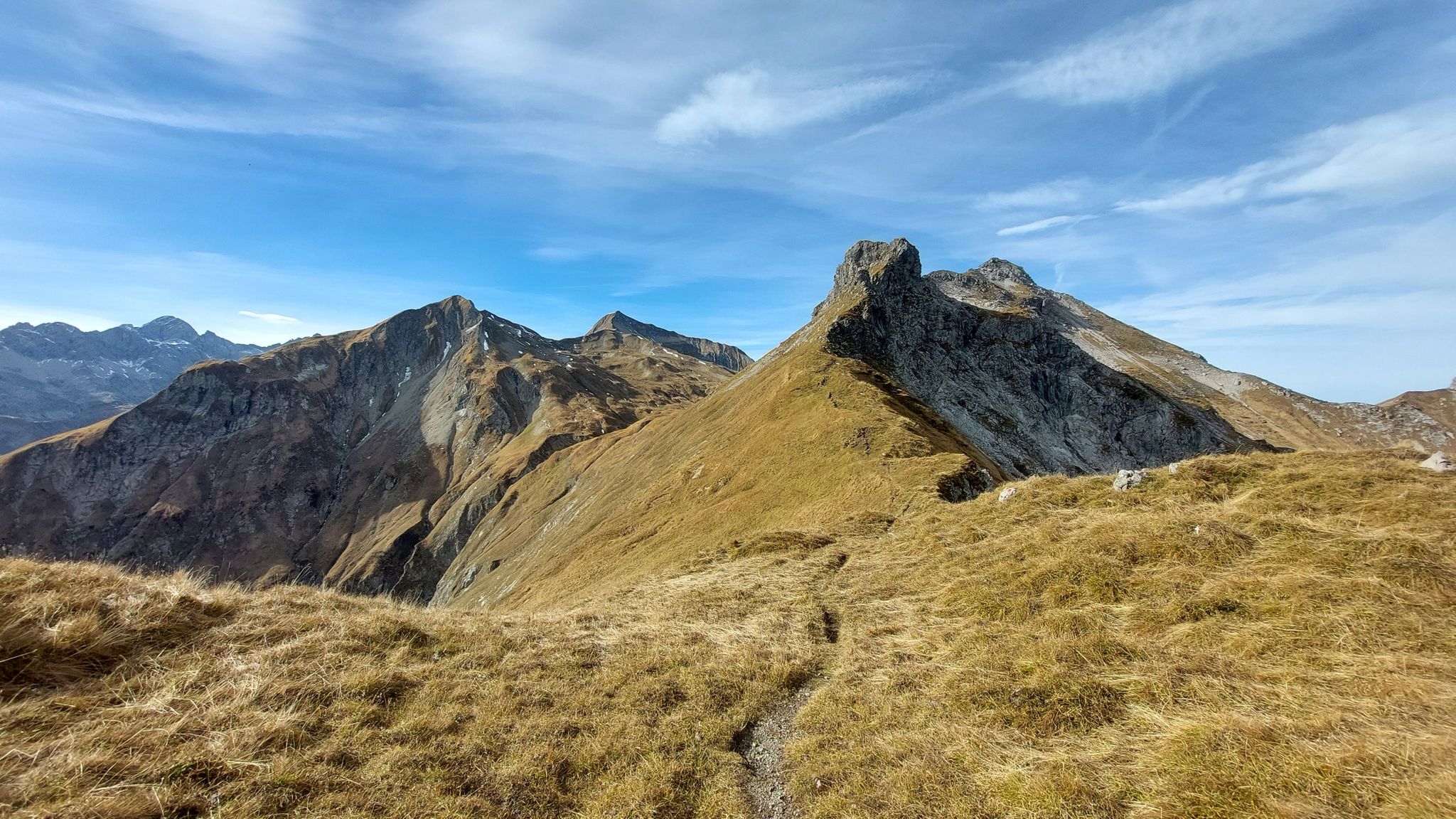
Hiking without borders – mountainous Tours in Germany and Austria
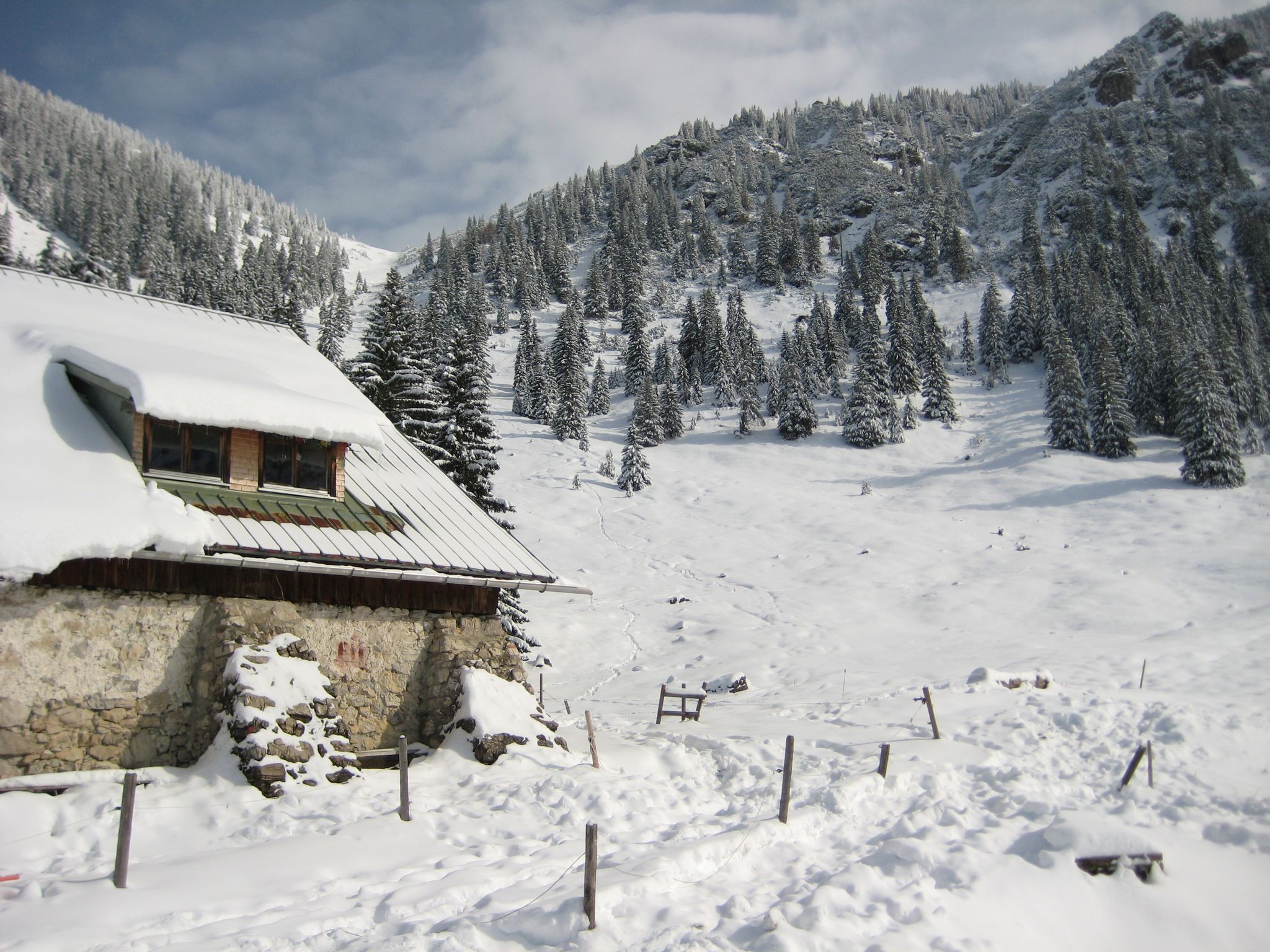
Southern Germany — mountain lodges for the cold season
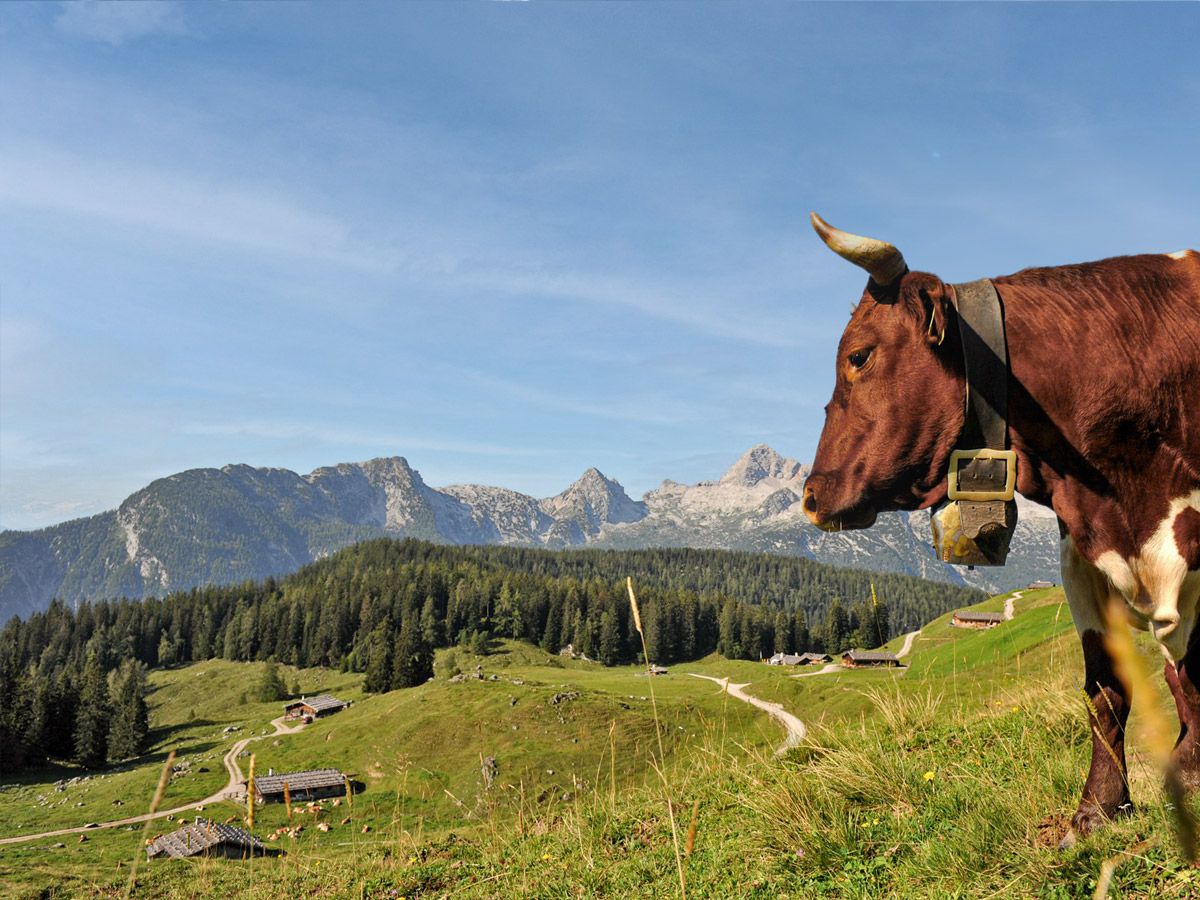
Da Kuah auf der Spur
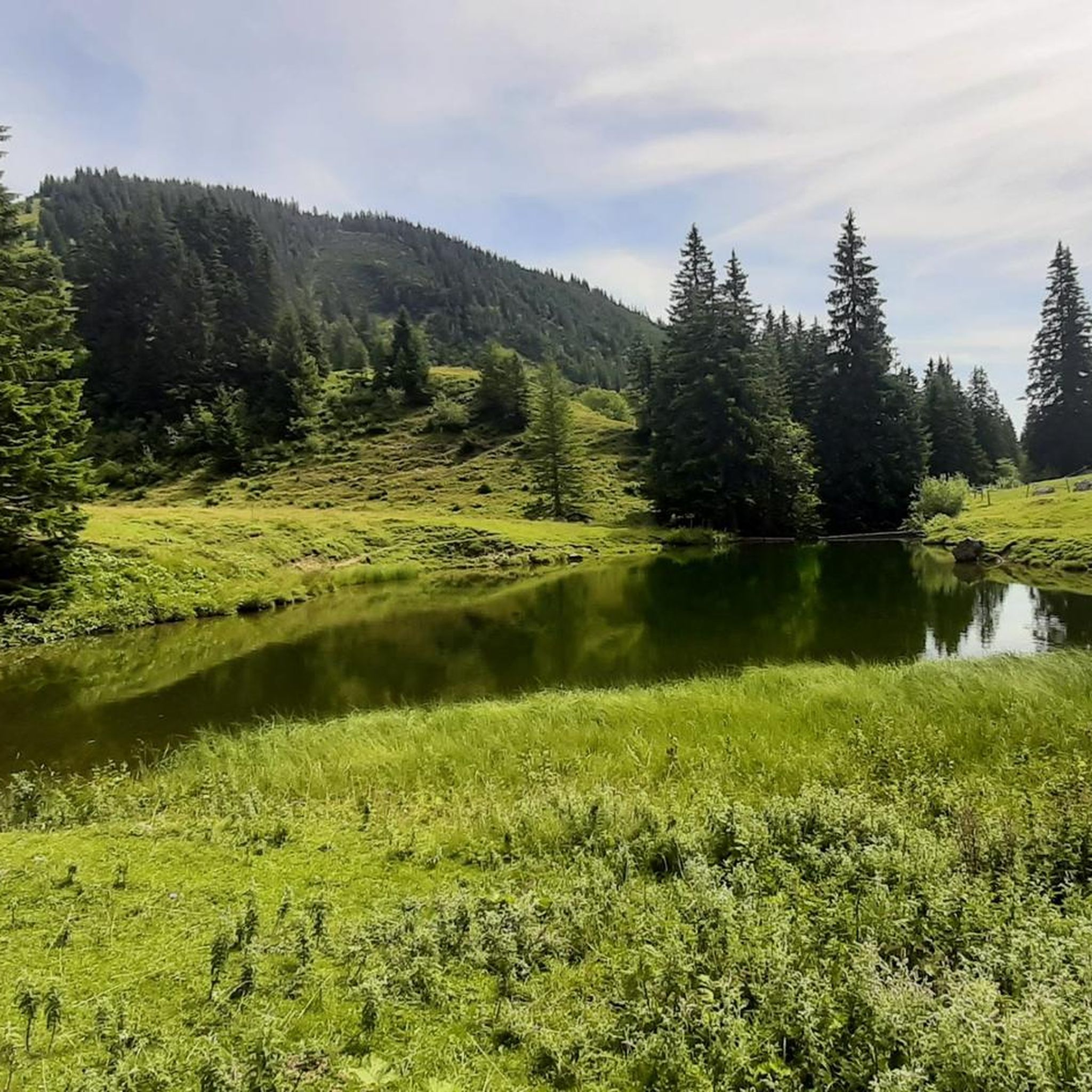
Hiking around Geigelstein
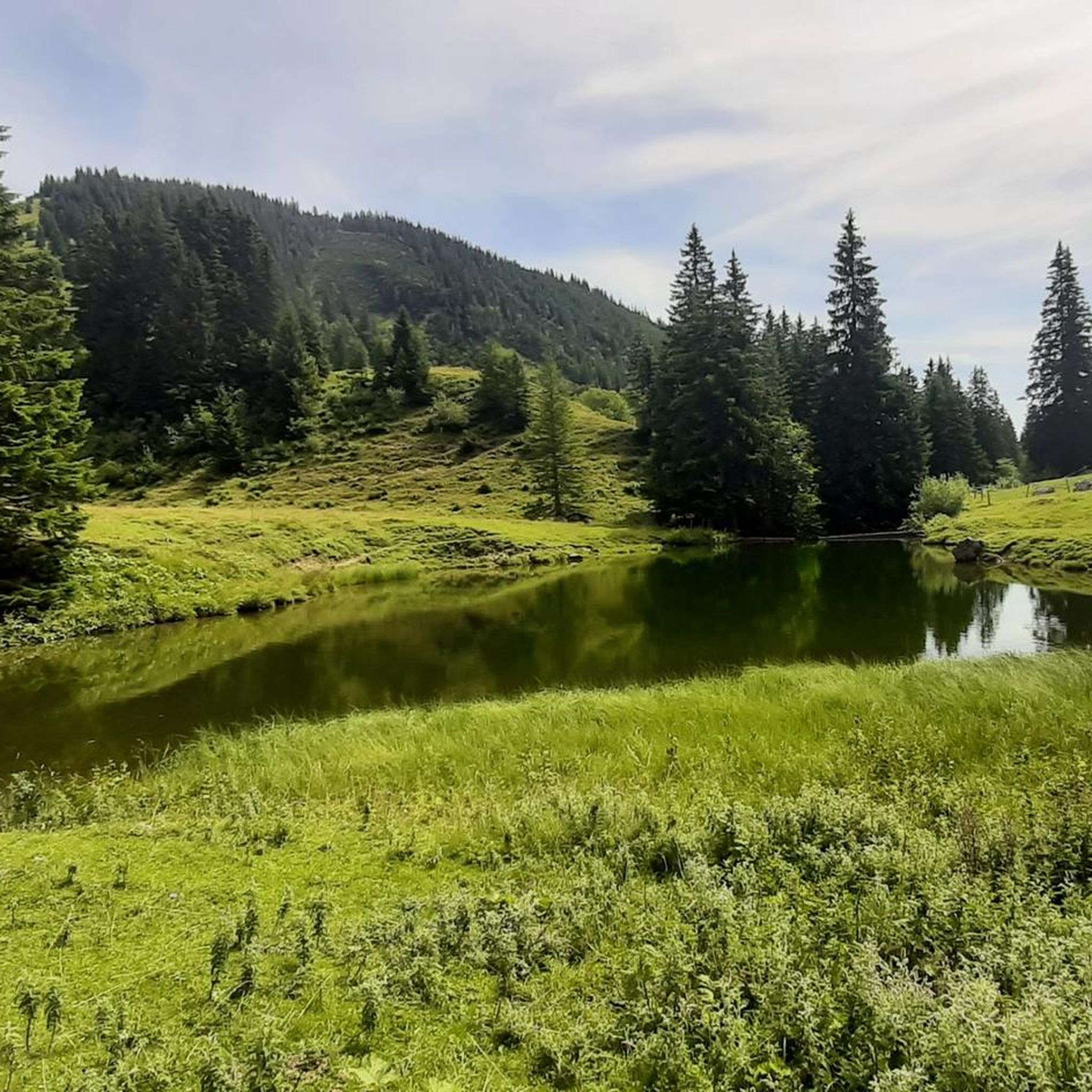
MTB Trails around Geigelstein
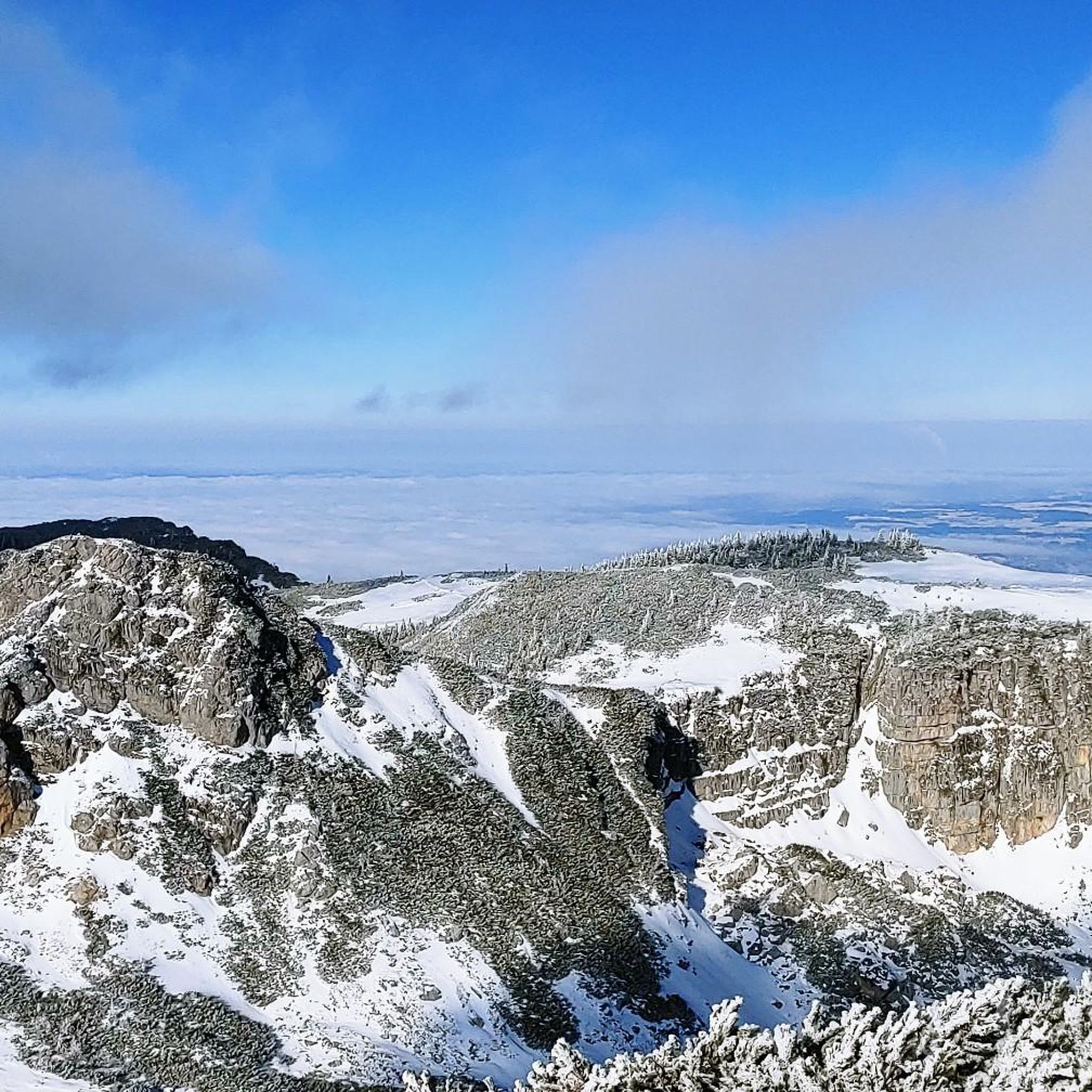
Road Cycling Routes around Geigelstein

Mountain Hikes around Geigelstein
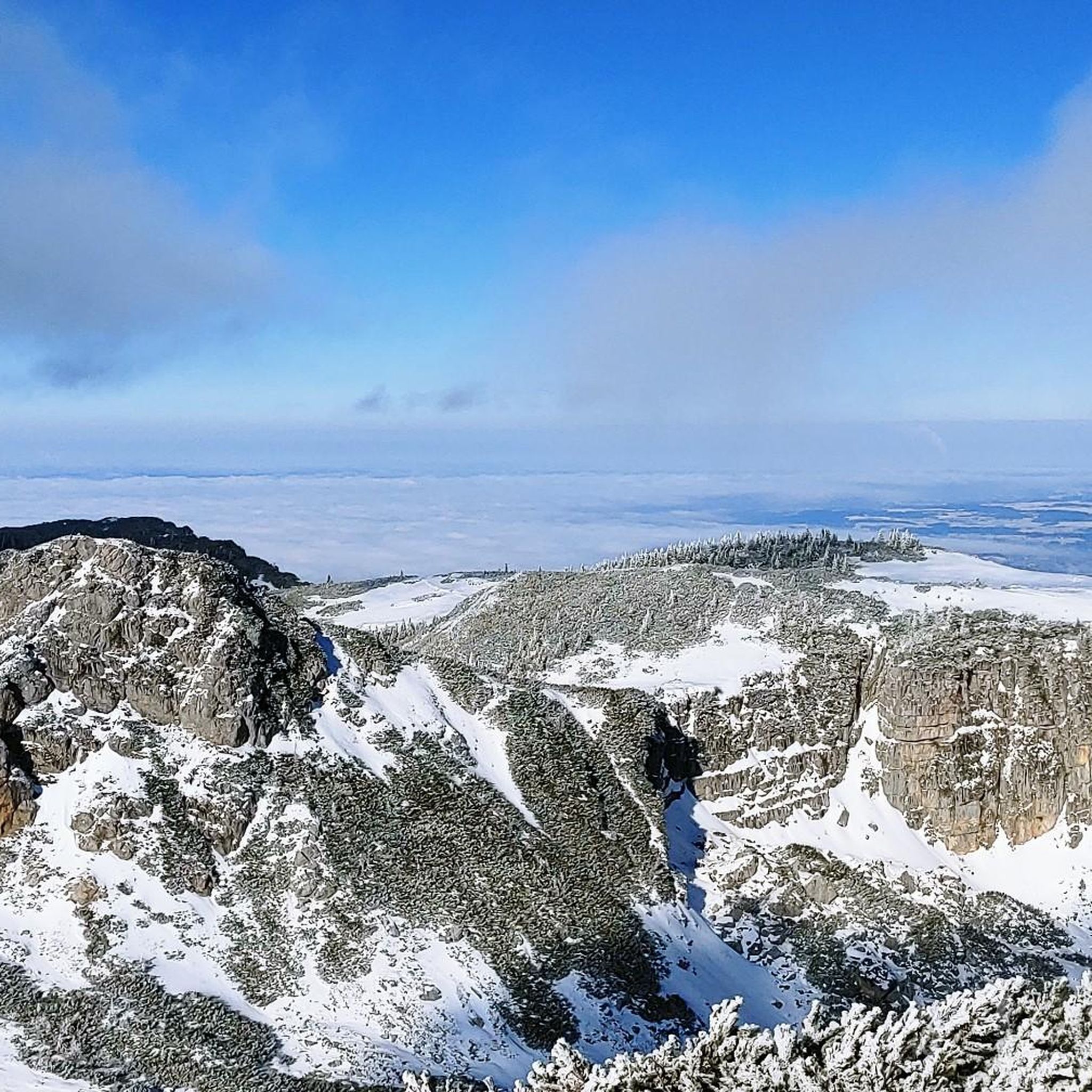
Running Trails around Geigelstein
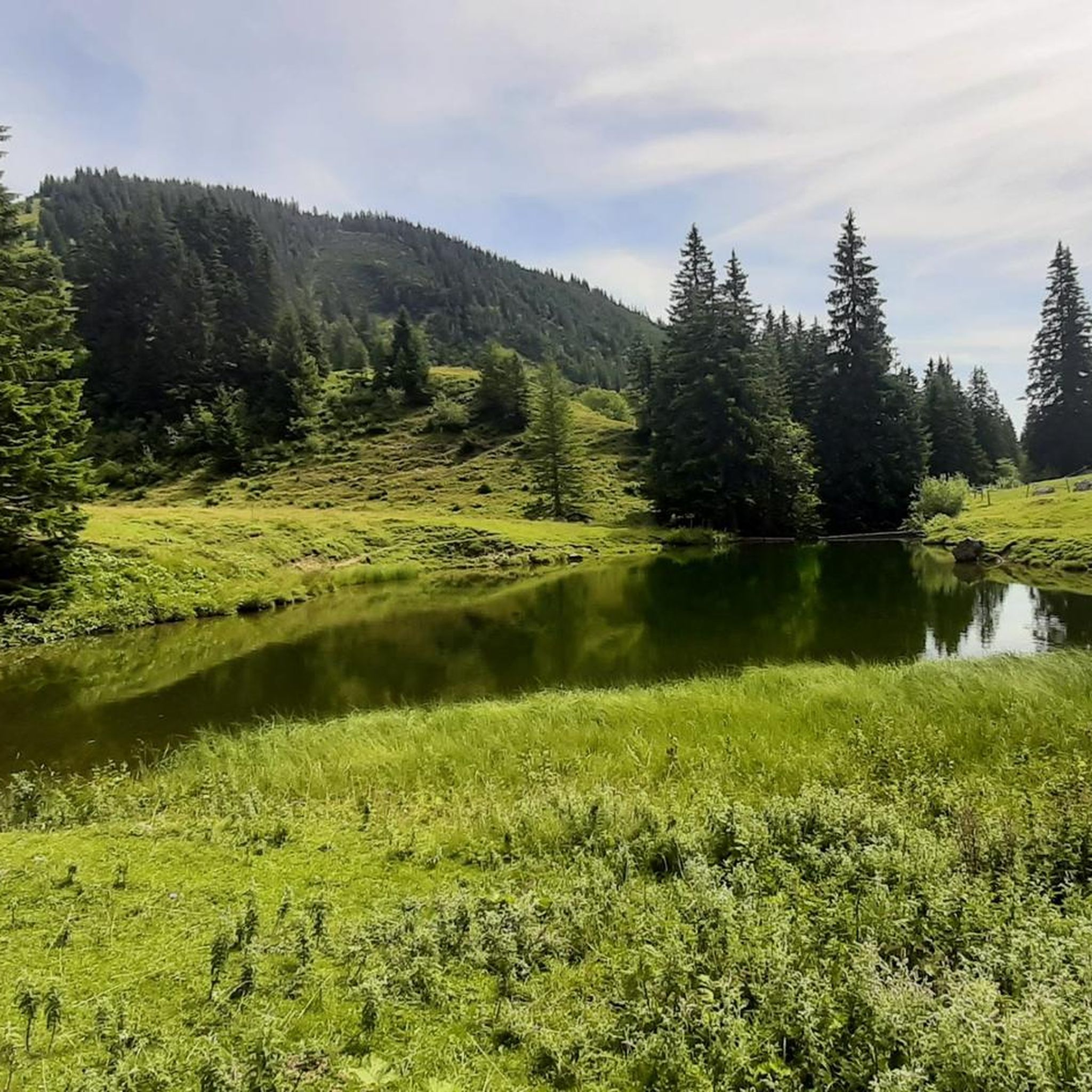
Cycling around Geigelstein

Gravel biking around Geigelstein


Tips from the Community

Beautiful descent from Dalsensattel into Priental
0
0

The Breitenstein (1,662 m) is a prominent peak in the Geigelstein massif of the Chiemgau Alps in Bavaria. It lies south of the famous Geigelstein and offers impressive views of the Kaiser Mountains and the surrounding valleys. The ascent is usually from Sachrang or Ettenhausen over idyllic alpine meadows and mountain forests. Compared to the neighboring Geigelstein, the Breitenstein is quieter and less frequented, making it a popular destination for hikers who appreciate nature and tranquility. Especially in early summer, the region is known for its rich alpine flora.
2
0

Steep path through the forest between Sachrang and Schreckalm
0
0

The Geigelstein area, known for its centuries-old alpine farming and diverse geological features, today offers ideal conditions for an impressive biodiversity of flora and fauna. The more than 3,000-hectare area has been designated a nature reserve since 1991. Approximately 720 fern and flowering plant species have been recorded on the Geigelstein, of which 111 are protected under the Habitats Directive (FAH). Therefore, the Geigelstein is also known as the "Flower Mountain of the Chiemgau." Traditional alpine farming, characteristic of the Chiemgau Alps, is an essential component of the protected area. Grazing livestock prevents scrub encroachment and thus contributes significantly to the preservation of the flower meadows on the Geigelstein. Read more: A total of 15 farmers in the municipality of Schleching still operate active dairy farming. The majority of them operate according to the organic guidelines of the organic farming associations Demeter and Naturland. Together, they keep around 215 cows and a similar number of young cattle and calves for breeding. They supply around 1.9 million kilograms of milk annually to the Berchtesgadener Land dairy. The young cattle, in particular, spend the summer on the alpine pastures, keeping them open – a prerequisite for preserving the flowers and herbs. The alpine meadows in the Geigelstein region are extremely species-rich. Numerous flowers line the hiking trail, particularly on the ascent from the Wirtsalm to the Sattel, on the high plateau to the Rossalm, and on the descent to the Haidenholzalm. Depending on the season, a colorful display of alpine flowers can be seen: stemless blue gentian, small sedgewort, rich yellow globeflowers on wetter areas, pale blue globeflowers, yellow kidney vetch, white hellebore, and alpine roses, also known as alpine roses. Scabiosa, the purple scabious, orchid, alpine bellflowers, wild thyme, silver thistle, and many other species enrich the alpine meadows. Around 40 different orchid species and 16 different gentian species can be found here. An intrigued amateur florist will find a very comprehensive description of the flora in the Geigelstein Nature Reserve. See also: Roberge (https://www.roberge.de/tour.php?id=343).
0
0

Beautiful, easy-to-walk path along the stream... several small pools invite you to linger
2
0

Grödel, take your mountain boots in the cold half of the year, as the climb to Geigelstein can be very icy. Don't forget your poles and warm, windproof clothes! 🍀🍀🍀🙋🏼♂️
6
0

Super nice view in every direction... including the Achental.
1
0

Beautiful path over the Alm with a magnificent view!
2
0
Frequently Asked Questions
What are the most striking natural features to explore around Geigelstein?
The Geigelstein region, known as the "Chiemgau Flower Mountain," offers diverse natural features. You can explore the Summit cross of Geigelstein, which provides magnificent panoramic views of the surrounding Alps, including the Kaiser Mountains and Lake Chiemsee on clear days. Another notable feature is the Klausgraben, a gorge featuring many small waterfalls, offering a refreshing experience amidst natural beauty.
Are there family-friendly natural attractions in the Geigelstein area?
Yes, the Klausgraben gorge is considered family-friendly, with its many small waterfalls providing an engaging and refreshing experience. The region's diverse ecosystems and varied terrain also offer opportunities for easy walks suitable for families, allowing children to discover the rich flora and fauna.
What kind of wildlife can I expect to see in the Geigelstein nature reserve?
The Geigelstein nature reserve is a hotspot for biodiversity. You might spot chamois, marmots, and all four native grouse species: capercaillie, black grouse, hazel grouse, and snow grouse. Alpine salamanders, black woodpeckers, and white-backed woodpeckers also inhabit the area. The varied altitudes create diverse habitats, making it an excellent location for wildlife observation.
What is the best time of year to visit the natural monuments around Geigelstein?
The best time to visit depends on your interests. For enjoying the vibrant alpine flora, late spring and summer (May to August) are ideal, as the region lives up to its "Flower Mountain" moniker with around 720 species of ferns and flowering plants. For hiking and clear panoramic views, late spring through early autumn (May to October) generally offers pleasant weather. Winter provides opportunities for ski touring and snowshoeing, transforming the landscape into a snowy wonderland.
What hiking trails are available near the natural monuments?
The Geigelstein area offers a variety of hiking trails. You can explore the Jägersteig Trail (Geigelstein Conservation Area), a narrow, partly steep path through forest and meadows, offering a wild and romantic experience. For more options, check out the Hiking around Geigelstein guide, which includes routes like the challenging Jägersteig Trail loop or the moderate Priener Hut to Geigelstein summit cross loop.
Are there any natural monuments that showcase the geological diversity of the region?
Yes, the geological diversity is evident throughout the region. The sharp ridges of the Summit cross of Geigelstein are composed of Hauptdolomit rock, while the softer, rounded forms found on the Roßalm plateau are attributed to marly rocks. This variation creates a mosaic of calcareous and almost lime-free soils, allowing different plant species to thrive in close proximity.
Where can I experience traditional alpine farming practices near Geigelstein's natural monuments?
The Geigelstein area is known for its centuries-old alpine farming. The Farming and alpine pasture management in Schleching highlight details how traditional alpine farming is an essential component of the protected area. Grazing livestock prevents scrub encroachment, contributing significantly to the preservation of the species-rich flower meadows, especially on the ascent from Wirtsalm to the Sattel and on the high plateau to the Roßalm.
What outdoor activities, besides hiking, can I do near these natural monuments?
Beyond hiking, the Geigelstein region offers cycling opportunities. You can find various routes in the Cycling around Geigelstein guide, including options like the moderate Schleching Village Square loop or the more challenging Haidenholz-Alm loop. In winter, the area is also popular for ski touring and snowshoeing.
What do visitors enjoy most about the natural monuments around Geigelstein?
Visitors frequently praise the breathtaking panoramic views from summits like the Summit cross of Geigelstein. The diverse and rich flora, especially during flowering season, is also a major draw, earning it the nickname 'Chiemgau Flower Mountain.' The wild and romantic trails, such as the Jägersteig Trail, and the refreshing experience of waterfalls at Klausgraben are also highly appreciated.
Are there any other significant peaks or viewpoints besides Geigelstein Summit?
Yes, the Breitenstein Summit is another significant peak in the Chiemgau Alps, offering beautiful views, for example, towards the Wilder Kaiser and the valley of the Tiroler Ache. It's located about 1.3 kilometers south of Geigelstein and features a rustic summit cross.
Are there places to rest or get refreshments while exploring the natural monuments?
While not natural monuments themselves, traditional alpine huts are integral to the Geigelstein experience. The Priener Hütte, Wuhrsteinalm, and Schreckalm offer opportunities for rest and refreshment amidst the natural beauty. The Priener Hütte, for instance, provides rustic accommodation and food, including homemade wood-fired bread, making it a popular stop for hikers.
What makes the Geigelstein region a protected nature reserve?
The Geigelstein area was designated as a nature reserve in 1991 due to its rich biodiversity, diverse ecosystems, and significant geological features. It protects around 720 species of ferns and flowering plants, many of which are rare, and provides habitats for numerous wild animals. The conservation efforts ensure the preservation of its sensitive alpine vegetation and wildlife, which also prevented the development of a ski resort.
Most popular routes around Geigelstein
Most popular attractions around Geigelstein

Get inspired with the komoot mobile app


Explore more
Extend your search for the best caves by checking out these guides of the top ones around Geigelstein:
