Top 8 Natural Monuments around Landgoed de Hamert
Best natural monuments around Landgoed de Hamert are found within this nature reserve, spanning over 1000 hectares in the Dutch province of Limburg. Part of the larger De Maasduinen National Park, the area features a landscape shaped by wind and water, including river dunes, heathlands, and fens. These elements create a diverse environment for exploration.
Best natural monuments around Landgoed de Hamert
- The most popular natural monuments is Pikmeeuwenwater, a lake that retains remnants of high moorland. This distinctive…
Last updated: August 20, 2026
Cycle Path Through De Maasduinen
Highlight • Cycleway
Translated by Google •
Tip by

Westmeerven Birdwatching Hut
Highlight • Mountain Hut
Translated by Google •
Tip by

Sign up now to discover places like this
Get recommendations on the best single tracks, peaks, & plenty of other exciting outdoor places.
Sign up for free
Pikmeeuwenwater
Highlight • Lake
Translated by Google •
Tip by

Monument of the Fallen – De Maasduinen
Highlight • Monument
Translated by Google •
Tip by

View from the Dikkenberg over the Maasduinen wetlands
Highlight • Viewpoint
Translated by Google •
Tip by

Sign up for free to discover even more natural monuments around Landgoed de Hamert.
Sign up for free
Already have an account?
Start today with a free account
Your next adventure awaits.
Login or Signup
Popular around Landgoed de Hamert

Other adventures around Landgoed de Hamert

Tips from the Community

This memorial to the fallen commemorates seven resistance fighters who were executed by a German firing squad in May 1943. The men had participated in the so-called "Meistakingen" (May Strikes) – nationwide protests against the German occupation, particularly against forced labor and deportations. Three of those executed were directly involved in the strikes, while three others had called upon farmers, milk suppliers, and dairy managers to join the milk strike. One of them, chemist Bob Bouman, refused to be blindfolded before his execution. His last words were: "Long live the Fatherland, long live the Queen!" Originally, only four death sentences were planned, but on the orders of the German authorities, three more strikers were added. The seven men were transported by military vehicle to a Wehrmacht firing range and executed there by a 14-member firing squad. They were then buried in a mass grave. In 1946, the grave was discovered, and the resistance fighters were given a dignified reburial. In 1950, the municipality of Bergen erected a memorial at this site, which has been maintained by the St. Antoniusgilde Well since 1990. Every year on May 4th, the Dutch Day of Remembrance, a memorial procession takes place at this site – in remembrance of the seven men and all Dutch victims of war and tyranny, including those who participated in peacekeeping missions after the Second World War.
1
0

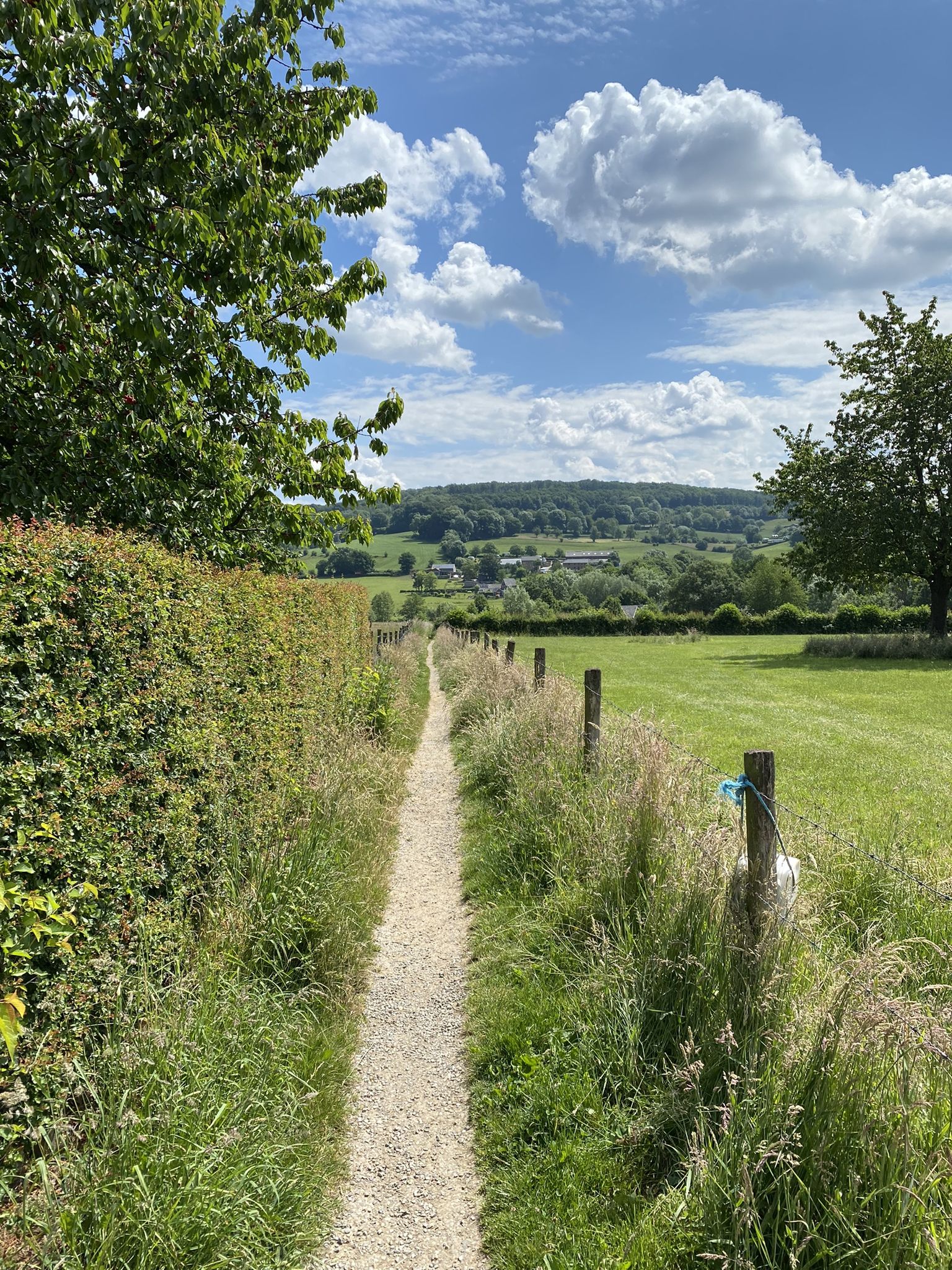
The Netherlands has countless cycle paths of impeccable quality.
5
0

Well asphalted cycle path where you can really give it some gas on your bike.
7
0

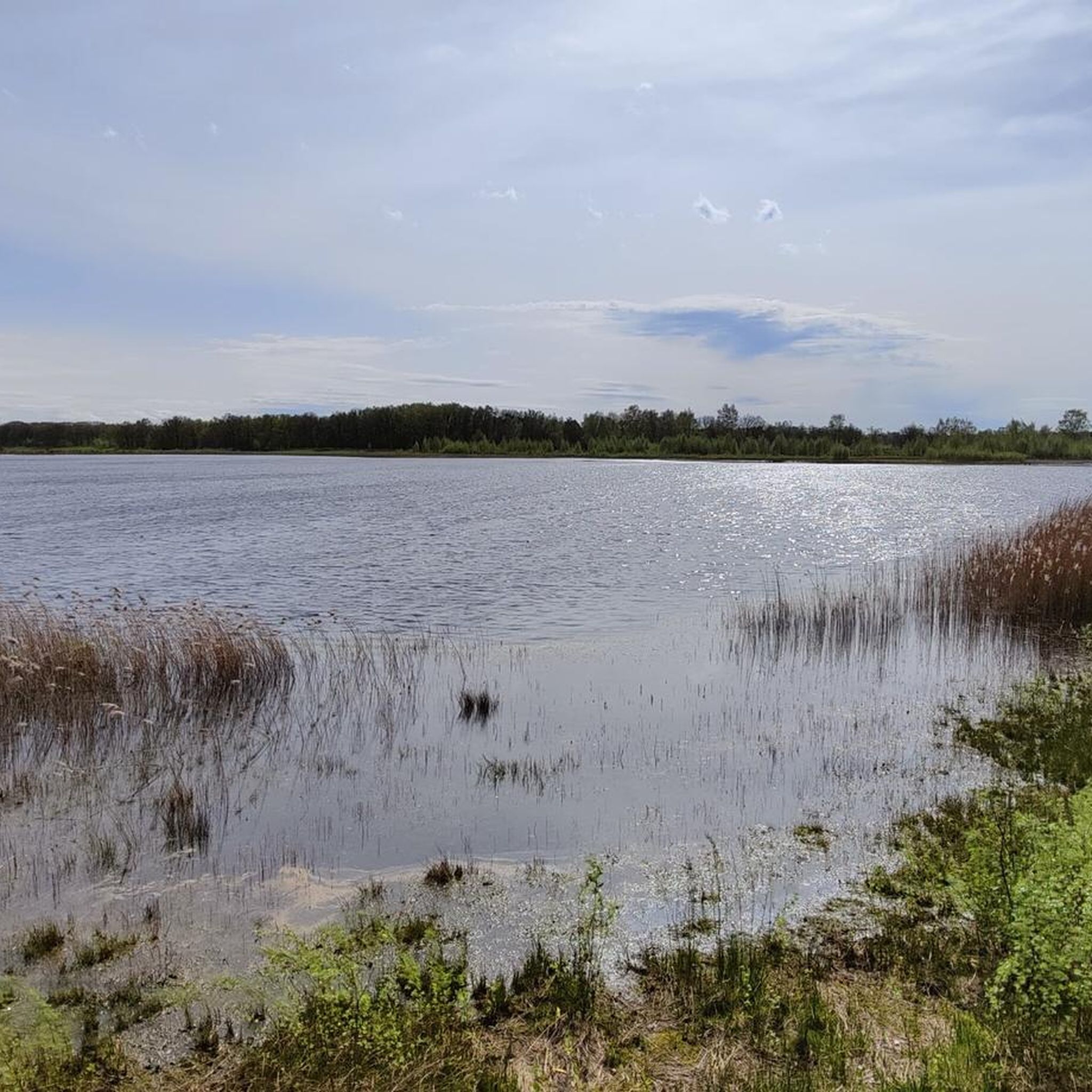
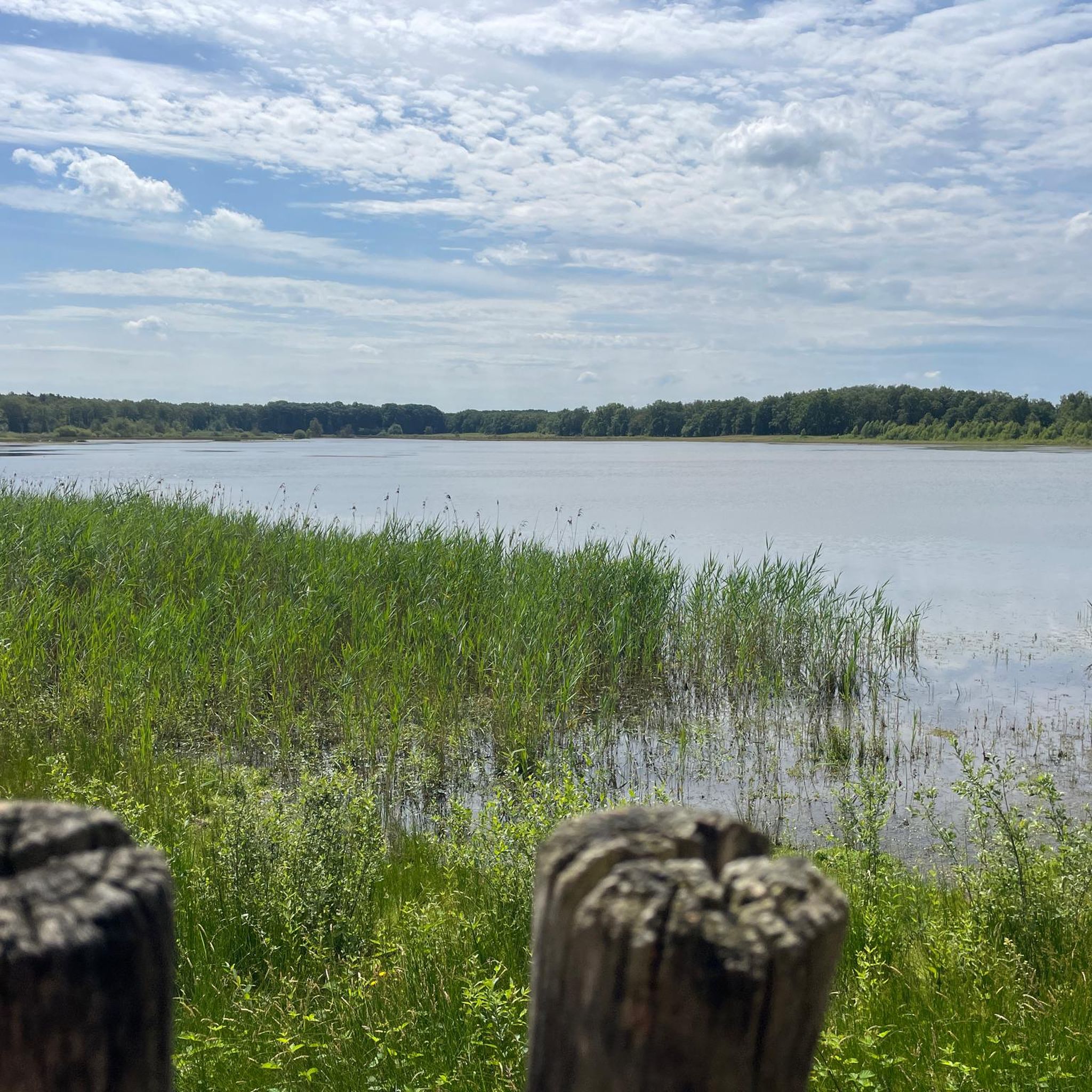
From the observation hut you have a beautiful view of the lake and the many birds that live here.
4
0

You can walk up this mountain and have a wonderful view over a lake. There is also a bench and if you are lucky there is no one sitting there.
2
0

Cycling dreams come true
9
1

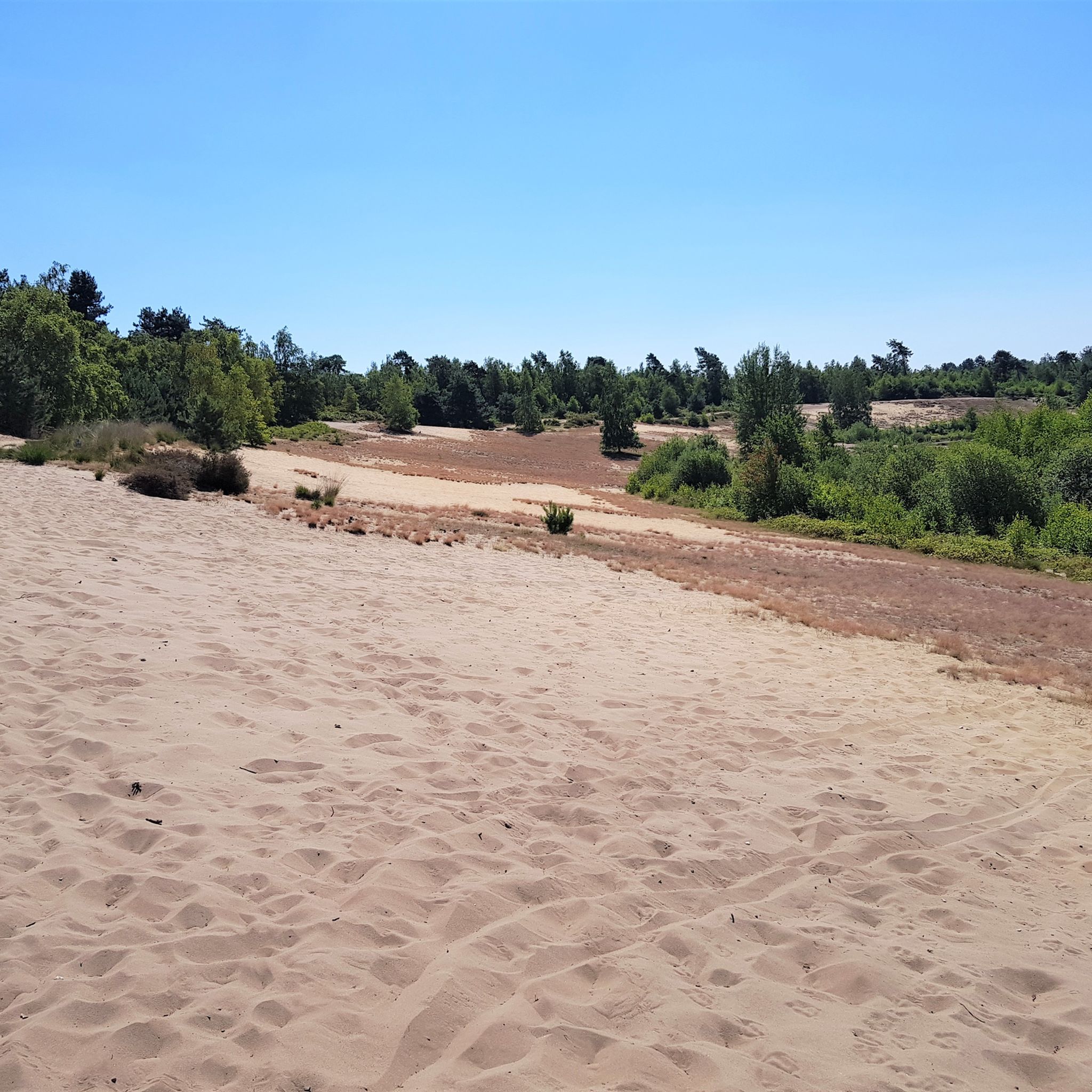
A bit sandy, but rideable. You will be rewarded with a beautiful view.
14
0

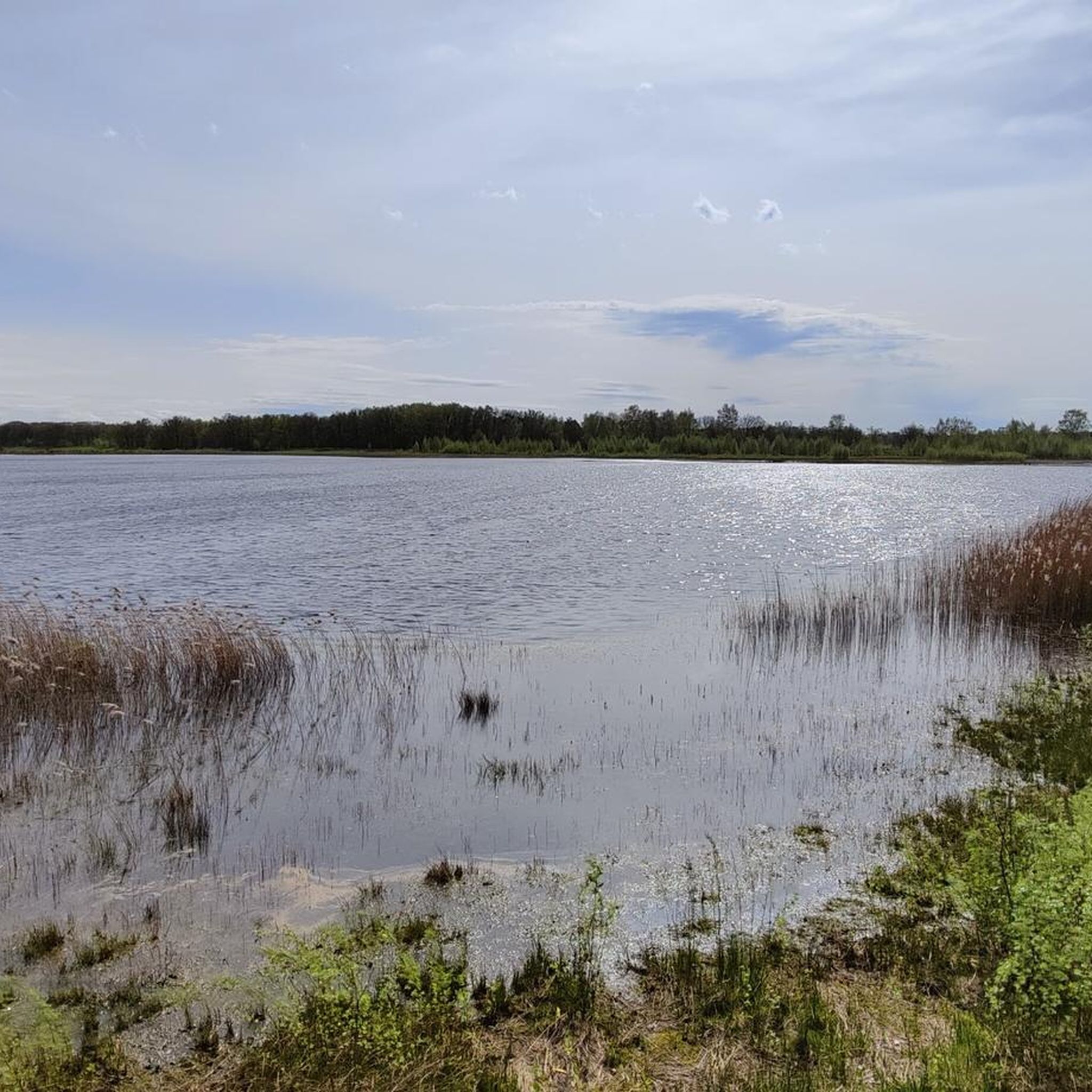
Finally water in these little ponds again. A beautiful biotope
3
0
Frequently Asked Questions
What unique natural features can I explore in Landgoed de Hamert?
Landgoed de Hamert is renowned for its diverse landscape, shaped by the last ice age. You can explore expansive heathlands like The Looierheide, featuring high drifting hills and peat lakes. The area also boasts distinctive fens such as Heerenven and Westmeerven, which are significant for birdwatching. Additionally, you'll find unique geological formations like the horseshoe-shaped River Dunes (Paraboolduinen), offering varied terrain and panoramic views.
Are there any historical sites to visit within Landgoed de Hamert?
Yes, Landgoed de Hamert holds ancient history. A notable site is the Vorstengraf (Prince's Grave), an ancient burial mound dating back to around 2000 BCE. It's one of the largest in the Netherlands and offers expansive views over the fen-rich Pikmeeuwenwater. There is also the Monument of the Fallen – De Maasduinen, a significant memorial commemorating resistance fighters from World War II.
What are the best spots for birdwatching in Landgoed de Hamert?
Landgoed de Hamert is an excellent destination for birdwatching, especially around its fens. The Westmeerven Birdwatching Hut provides excellent opportunities to observe numerous migratory birds, particularly in spring and autumn. Heerenven is another significant bird-watching location, enlarged through nature development and rich in birdlife due to surfacing groundwater.
What kind of cycling routes are available near the natural monuments?
You'll find a variety of cycling routes near Landgoed de Hamert's natural monuments. For a relaxed experience, consider the Cycle Path Through De Maasduinen, which is well-paved and offers beautiful views. If you're interested in gravel biking, routes like 'Trails through Landgoed de Hamert' are available. For more options, explore the Gravel biking around Landgoed de Hamert guide.
Are there family-friendly options for exploring the natural monuments?
Yes, Landgoed de Hamert offers several family-friendly options. Many paths through the forests and along the heathlands are suitable for walks with children. The Westmeerven Birdwatching Hut is a great spot for families to observe nature together. Additionally, the View from the Dikkenberg over the Maasduinen wetlands provides an accessible viewpoint with rewarding vistas.
What is the best time of year to visit Landgoed de Hamert to see the natural beauty?
The best time to visit Landgoed de Hamert largely depends on what you wish to see. For the vibrant purple bloom of the heather, late summer, specifically August and September, is ideal, especially on The Looierheide. Spring offers the sight of marsh marigolds along the Gelderns-Nierskanaal and is excellent for observing migratory birds in the fens.
Can I find good viewpoints to appreciate the landscape?
Absolutely. The View from the Dikkenberg over the Maasduinen wetlands is a highly recommended spot, offering expansive vistas over the surrounding wetlands and natural landscape. From the ancient Vorstengraf, you can also enjoy broad views over the fen-rich Pikmeeuwenwater. The River Dunes themselves provide elevated positions for panoramic views, particularly over The Looierheide.
What kind of forests can I expect to see in Landgoed de Hamert?
Roughly half of Landgoed de Hamert is covered by forests, primarily coniferous forests planted on the river dunes. Some of these woodlands, particularly near the N271 provincial road, are over 150 years old, and you can even find ancient oak stubs. The unique environment of the Gelderns-Nierskanaal also supports alder and spring forests, offering shaded trails and a different kind of natural tranquility.
Are there opportunities for mountain biking near the natural monuments?
Yes, Landgoed de Hamert offers opportunities for mountain biking. You can find various trails that wind through the diverse landscape. For specific routes and difficulty levels, check out the MTB Trails around Landgoed de Hamert guide, which includes routes like 'Rode Dijk Lake – Arcen Castle and Gardens loop'.
What do visitors enjoy most about Landgoed de Hamert's natural monuments?
Visitors frequently praise the tranquility and natural beauty of Landgoed de Hamert. Many appreciate the peaceful atmosphere and the opportunity to observe diverse birdlife from spots like the Westmeerven Birdwatching Hut. The expansive views from elevated points like the View from the Dikkenberg are also highly valued, offering a sense of solitude amidst nature.
Is the Gelderns-Nierskanaal a natural or artificial feature?
The Gelderns-Nierskanaal is a remarkable water feature with a debated origin. While some believe it to be entirely artificial, others suggest it originated from a drainage channel connected to an existing stream around 1770. Regardless, its significant drop in elevation has created a powerfully flowing watercourse that has carved a deep valley, supporting unique alder and spring forests.
Most popular routes around Landgoed de Hamert
Most popular attractions around Landgoed de Hamert

Get inspired with the komoot mobile app


Explore more
Extend your search for the best caves by checking out these guides of the top ones around Landgoed de Hamert:
