Top 4 Natural Monuments around the Tagus
Natural monuments around the Tagus showcase the diverse geological and biological heritage of the Tejo region in Portugal. The Tagus River carves through varied landscapes, creating significant natural formations and supporting unique ecosystems. This area is recognized for its protected zones, including geological monuments and wetland reserves. It offers insights into Earth's history and provides habitats for diverse wildlife.
Best natural monuments around the Tagus
- The most popular natural monuments is Jardim das Portas do Sol, a viewpoint that…
Last updated: June 26, 2026
Jardim das Portas do Sol
Highlight • Viewpoint
Translated by Google •
Tip by

Pego das Portas de Ródão
Highlight • Natural Monument
Translated by Google •
Tip by

Sign up now to discover places like this
Get recommendations on the best single tracks, peaks, & plenty of other exciting outdoor places.
Sign up for free
Anta do Penedo Gordo
Highlight • Historical Site
Translated by Google •
Tip by

Cedillo Dam
Highlight • Structure
Translated by Google •
Tip by

Start today with a free account
Your next adventure awaits.
Login or Signup


Tips from the Community

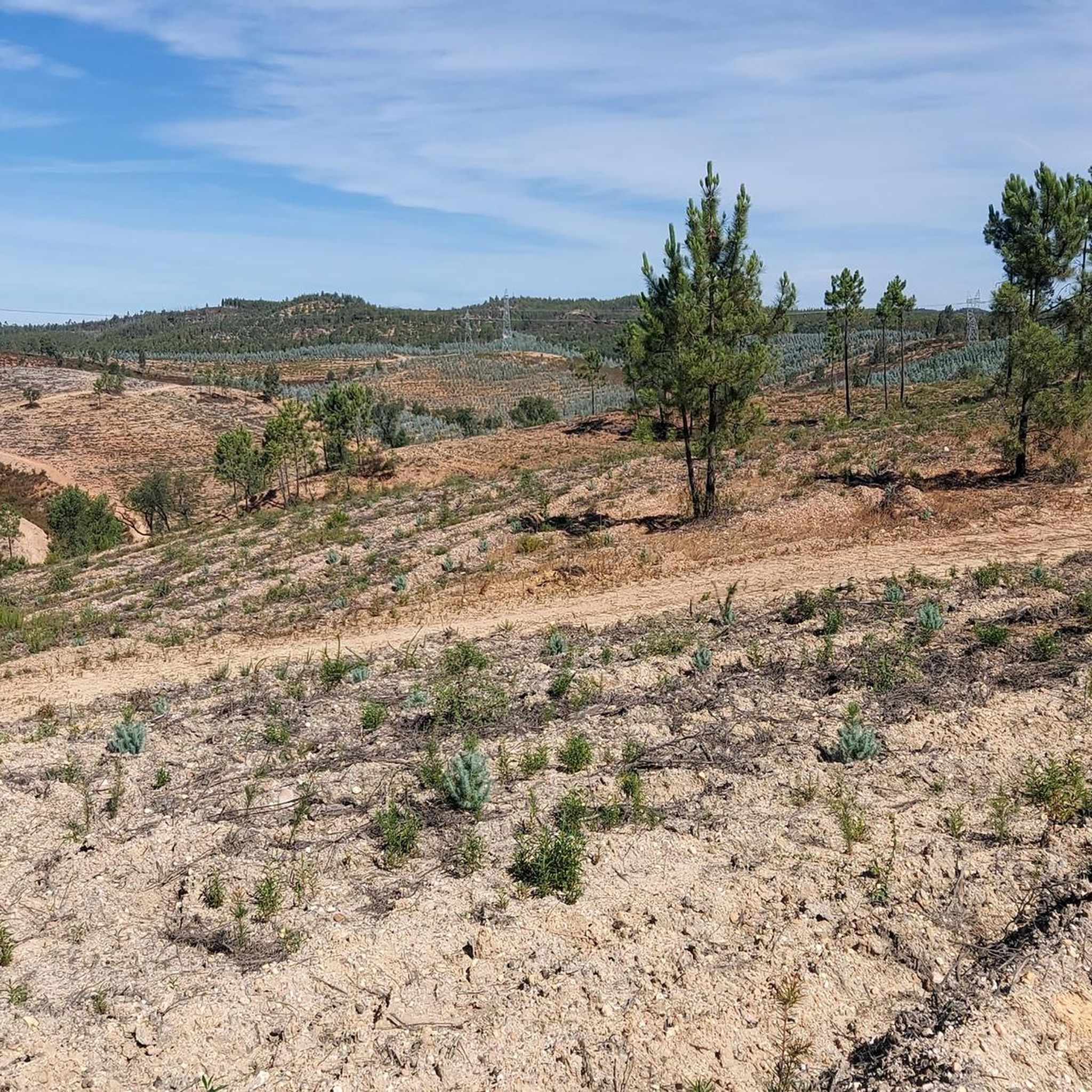
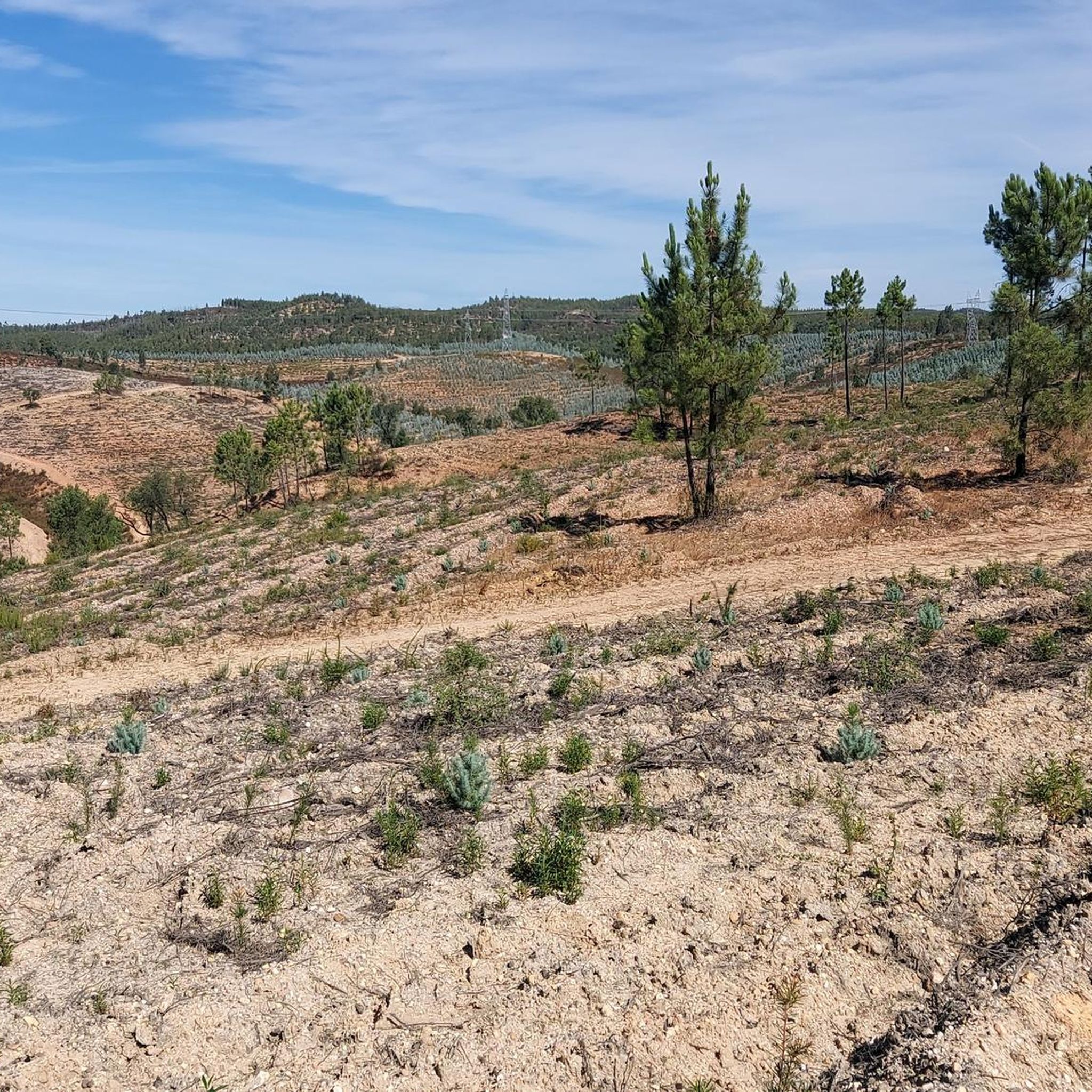
The Cedillo Dam is a hydroelectric facility located on the international stretch of the Tagus River, right on the border between Spain and Portugal, in the municipality of Cedillo (Cáceres). It is part of the Tagus International Natural Park, declared in 2000 (Portugal) and 2006 (Spain), which protects its ecological environment.
6
0

The Anta do Penedo Gordo stands like a stone echo from ancient times. With its polygonal chamber formed by nine pillars and a corridor flanked by four on each side, this megalithic monument still preserves traces of the ancient mound, visible mainly to the south. Its construction dates back to the Late Neolithic or Chalcolithic period (between 3500 and 2000 BC) when the landscape was filled with mystery, rituals and stories carved into the rock.
1
0

A beautiful garden and an important place in the history of Portugal.
3
10

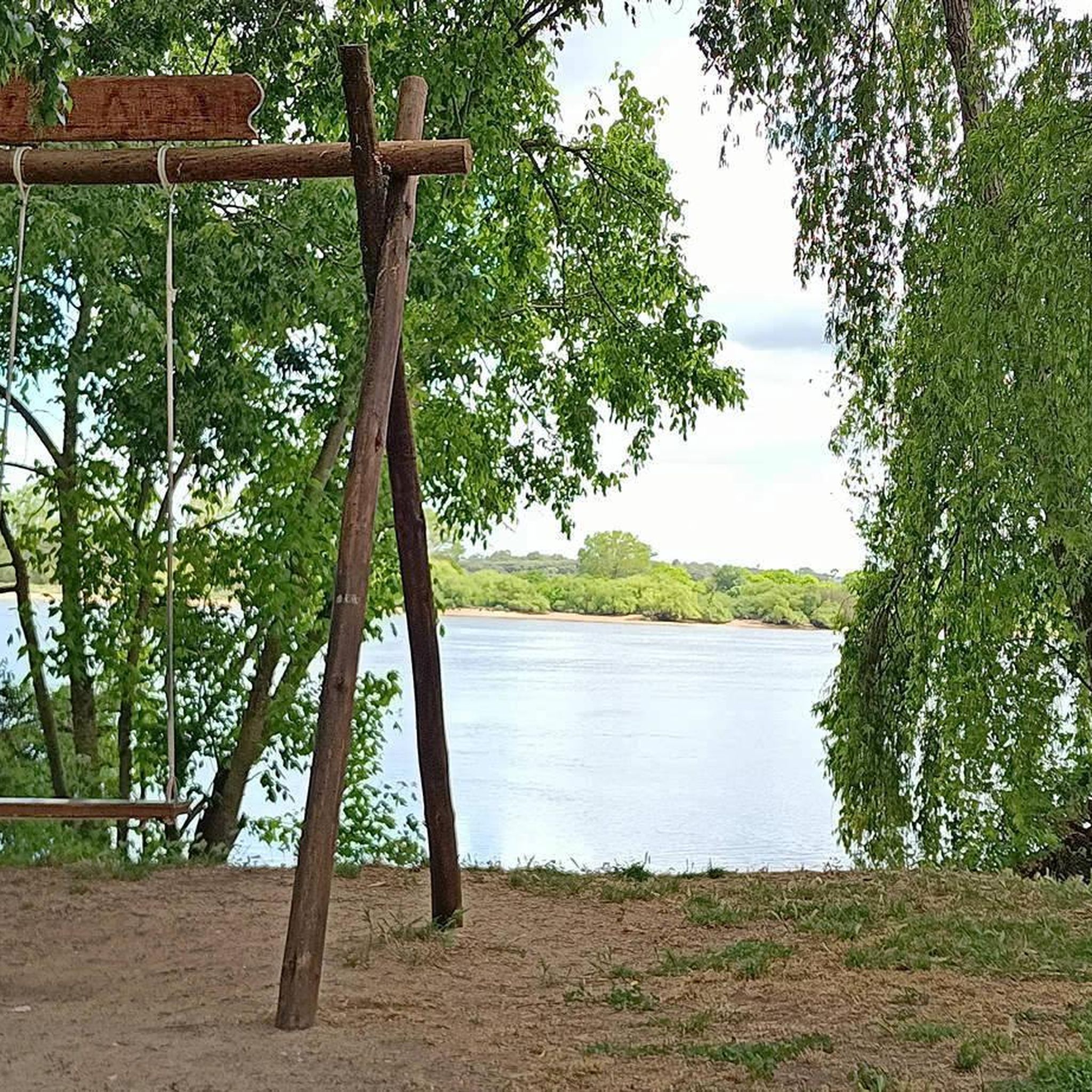
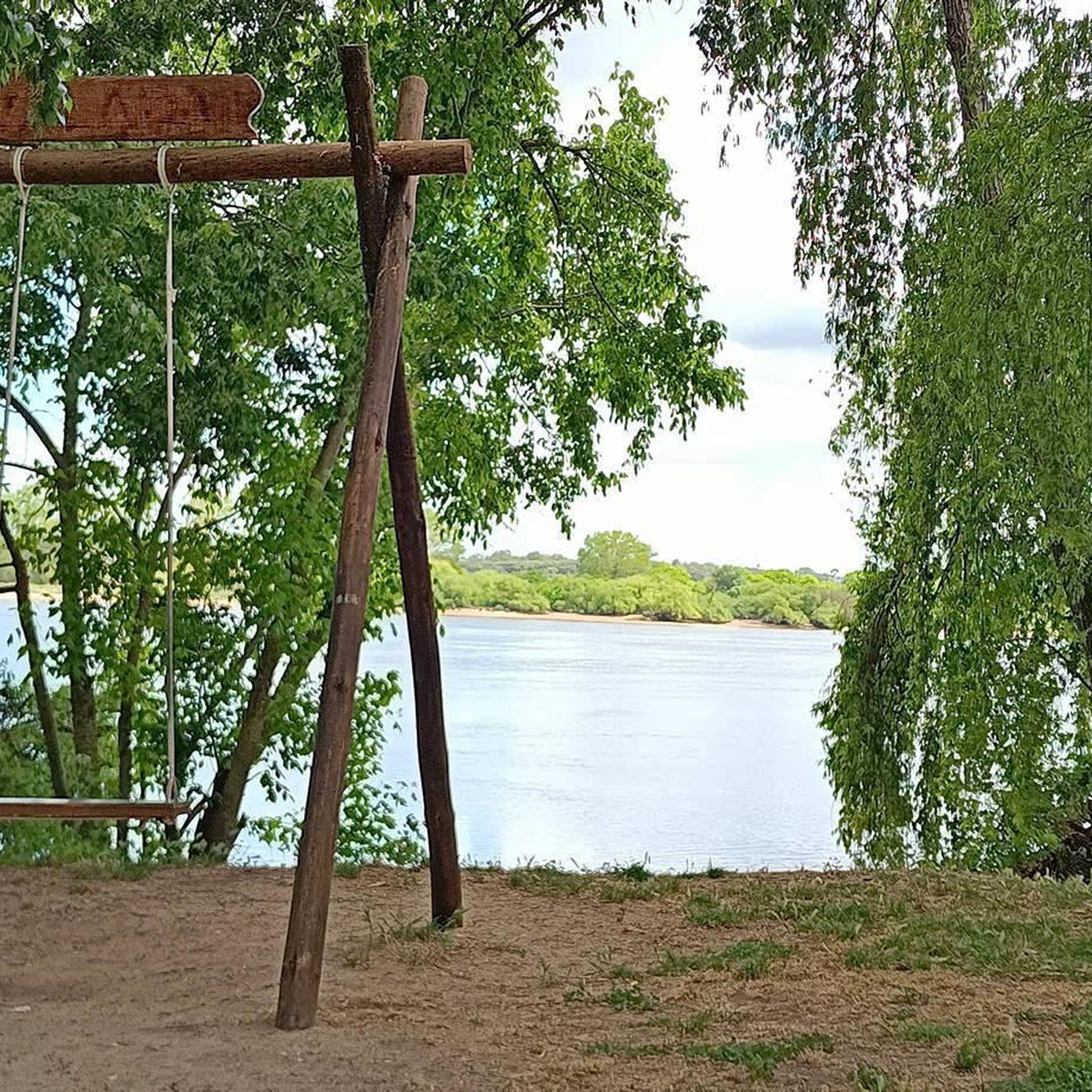
Pego das Portas is a charming place located in the Naturtejo Geopark, in the municipality of Nisa, in Portugal, with a privileged view of the Portas de Ródão natural monument and an excellent place for birdwatching (griffins).
3
0

The Cedillo dam marks the point where the Tagus River passes from Spanish to Portuguese territory. It is located within the term of the natural park of the International Tagus. The Tagus Nature Trail ends right at this point.
2
0

This is the unofficial point where the impressive journey of the Tagus Nature Trail ends. If you have pedaled here from Albarracín: Congratulations! On weekends it allows passage over the dam to enter Portuguese territory.
1
0

An interesting and recommended starting point. Good views and overview of the city, the surrounding area, and the course of the Tagus River. A pavilion and small restaurant are available for refreshments and are also usable.
12
0
Frequently Asked Questions
What unique natural features can I explore around the Tagus?
The Tejo region offers diverse natural features. You can witness the spectacular geological formation of the Portas de Ródão, where the Tagus River carves through 170-meter-high quartz hills. Another unique site is the Monumento Natural das Pegadas dos Dinossauros da Serra de Aire, preserving hundreds of sauropod dinosaur footprints from the Jurassic period. For wetland ecosystems, the Paul do Boquilobo Nature Reserve, a UNESCO Biosphere Reserve, showcases extensive marshlands and diverse birdlife.
Where can I go birdwatching in the Tejo region?
The Tejo region is excellent for birdwatching. The Pego das Portas de Ródão offers a privileged view of the Portas de Ródão geological formation, known for its large colony of griffon vultures, as well as black storks and Egyptian vultures. The Paul do Boquilobo Nature Reserve is a renowned birdwatcher's paradise, hosting around 221 bird species, including the largest colony of herons on the Iberian Peninsula.
Are there historical sites among the natural monuments?
Yes, several natural monuments in the Tejo region also have historical significance. The Anta do Penedo Gordo is a megalithic monument dating back to the Late Neolithic or Chalcolithic period. Additionally, the Portas de Ródão Natural Monument features the ruins of a medieval castle, known as the Castle of King Wamba, atop its northern peak, offering panoramic views.
Can I see ancient history, like dinosaur footprints, in the Tejo region?
Absolutely. The Monumento Natural das Pegadas dos Dinossauros da Serra de Aire is a significant site where you can see hundreds of exceptionally well-preserved sauropod dinosaur footprints, some dating back approximately 175 million years. It offers a unique educational experience with a pedagogical circuit and information panels.
Are the natural monuments around the Tagus suitable for families?
Many natural monuments in the Tejo region are family-friendly. The Jardim das Portas do Sol is a popular viewpoint with good views and a small restaurant. The Pego das Portas de Ródão offers stunning scenery and birdwatching opportunities. The Monumento Natural das Pegadas dos Dinossauros da Serra de Aire provides an engaging educational experience for all ages, allowing visitors to walk alongside ancient fossilized tracks.
What outdoor activities can I do near these natural monuments?
The region around the Tagus offers a variety of outdoor activities. You can find numerous routes for mountain biking, road cycling, and hiking. For example, there are MTB Trails around the Tagus, Road Cycling Routes, and Easy hikes around the Tagus, allowing you to explore the diverse landscapes.
Are there easy hiking trails available near the natural monuments?
Yes, there are several easy hiking trails in the vicinity. For instance, the Easy hikes around the Tagus guide includes routes like the 'PR1 NIS Jans Trail' and 'From the Santarém Plateau to the Tejo River Trail (PR2)', which are suitable for less strenuous walks. The Paul do Boquilobo Nature Reserve also offers quiet, low-key nature experiences with easy, flat walking paths.
What is the best time of year to visit the natural monuments around the Tagus?
The best time to visit depends on your interests. For optimal viewing of the dinosaur footprints at Serra de Aire, early morning or late afternoon is recommended. The Portas de Ródão Natural Monument is particularly captivating in the late afternoon, especially during sunset, or even in winter for a unique atmosphere. Birdwatching at Paul do Boquilobo Nature Reserve is rewarding throughout the year, though access to certain areas may be restricted during nesting seasons.
Can I go cycling near the natural monuments?
Yes, the Tejo region provides excellent opportunities for cycling. You can find various routes for both mountain biking and road cycling. Check out the MTB Trails around the Tagus or the Road Cycling Routes around the Tagus for detailed options, including routes that pass through scenic areas near natural monuments.
What do visitors enjoy most about the natural monuments in Tejo?
Visitors appreciate the diverse experiences offered. Many enjoy the panoramic views from viewpoints like Jardim das Portas do Sol, which provides an overview of the city and the Tagus River. The unique geological formations and abundant birdlife at places like Pego das Portas de Ródão are also highly rated. The historical significance of sites such as Anta do Penedo Gordo also captivates visitors.
Are there any UNESCO protected sites in the Tejo region?
Yes, the Paul do Boquilobo Nature Reserve, located near Golegã, is a UNESCO Biosphere Reserve. It was Portugal's first protected area to be included in the World Network of Biosphere Reserves, recognized for its extensive marshlands and significant biodiversity, particularly its bird populations.
Can I take a boat trip to see the natural monuments?
At the Portas de Ródão Natural Monument, boat trips on the Tagus River are available. These offer a unique perspective of the towering rock formations and provide an excellent opportunity to observe rupicolous birds (rock-dwelling birds) up close, enhancing your experience of this dramatic landscape.
Most popular routes around the Tagus
Most popular attractions around the Tagus

Get inspired with the komoot mobile app


Explore more
Extend your search for the best caves by checking out these guides of the top ones around the Tagus:
