Top 18 Natural Monuments around Pleigne
Natural monuments around Pleigne offer a diverse landscape to explore, characterized by its natural beauty and historical elements. The region features a variety of natural formations, including lakes, rivers, and impressive gorges. Pleigne provides opportunities to appreciate vast landscapes and learn about the area's natural history. There are 18 natural monuments around Pleigne to discover.
Best natural monuments around Pleigne
- The most popular natural monument is Dwarves' Grotto, a cave that features rocks forming an impressive gorge approximately 25…
Last updated: June 26, 2026
Lucelle Lake
Highlight • Lake
Translated by Google •
Tip by

Dwarves' Grotto
Highlight • Cave
Translated by Google •
Tip by

Sign up now to discover places like this
Get recommendations on the best single tracks, peaks, & plenty of other exciting outdoor places.
Sign up for free
Doubs
Highlight (Segment) • River
Translated by Google •
Tip by

Le Gros Chêne de Sondersdorf
Highlight • Natural Monument
Translated by Google •
Tip by

Source de la Largue
Highlight • Natural Monument
Translated by Google •
Tip by
Sign up for free to discover even more natural monuments around Pleigne.
Sign up for free
Already have an account?
Start today with a free account
Your next adventure awaits.
Login or Signup
Tips from the Community

A lovingly furnished grotto for the little dwarves
0
0

Added to the collection: komoot.com/de-de/collection/3600632/-naturdenkmaeler-besondere-baeume-und-weitere-schaetze-der-natur
0
0

Idyllically situated at the end of the Lützeltal.
0
0

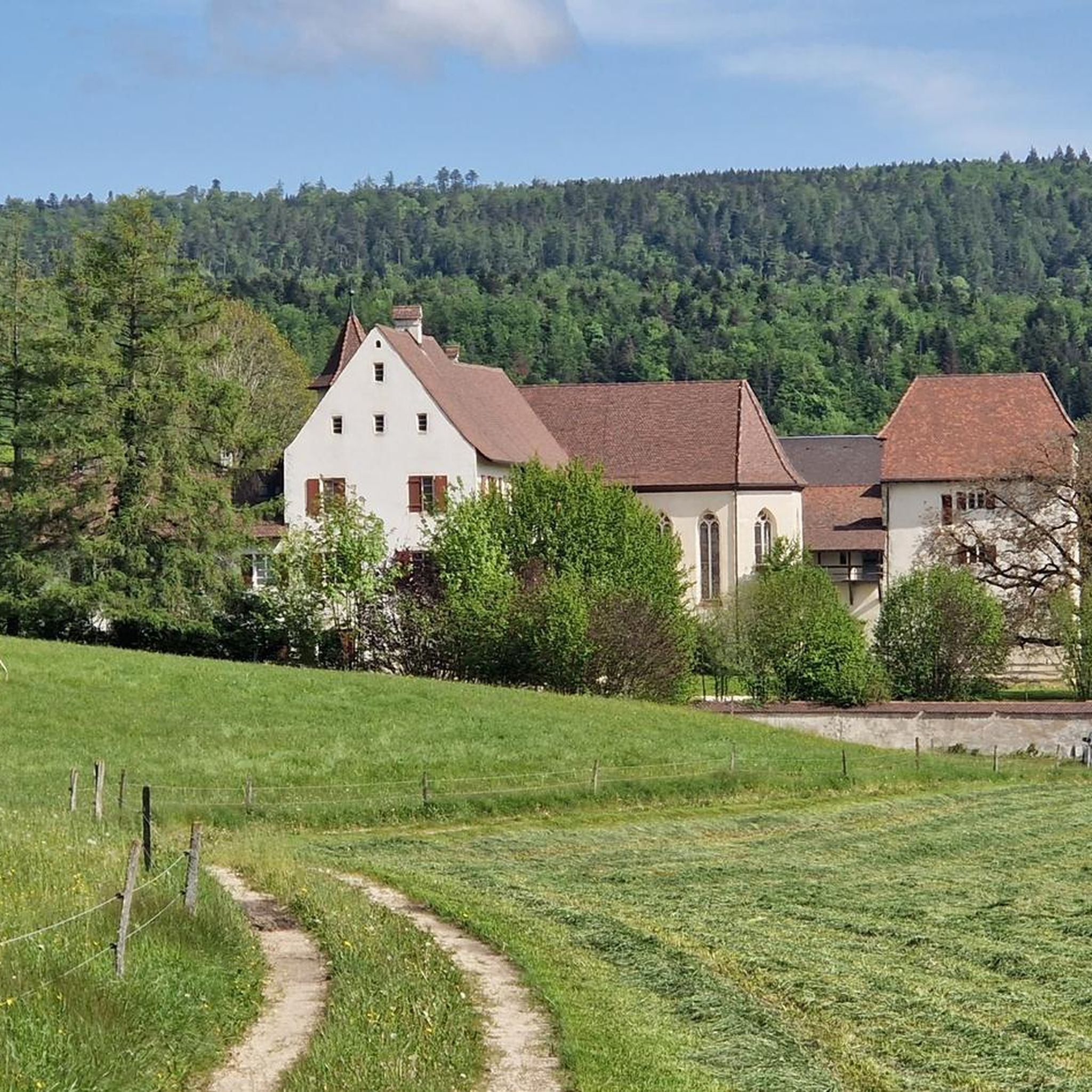
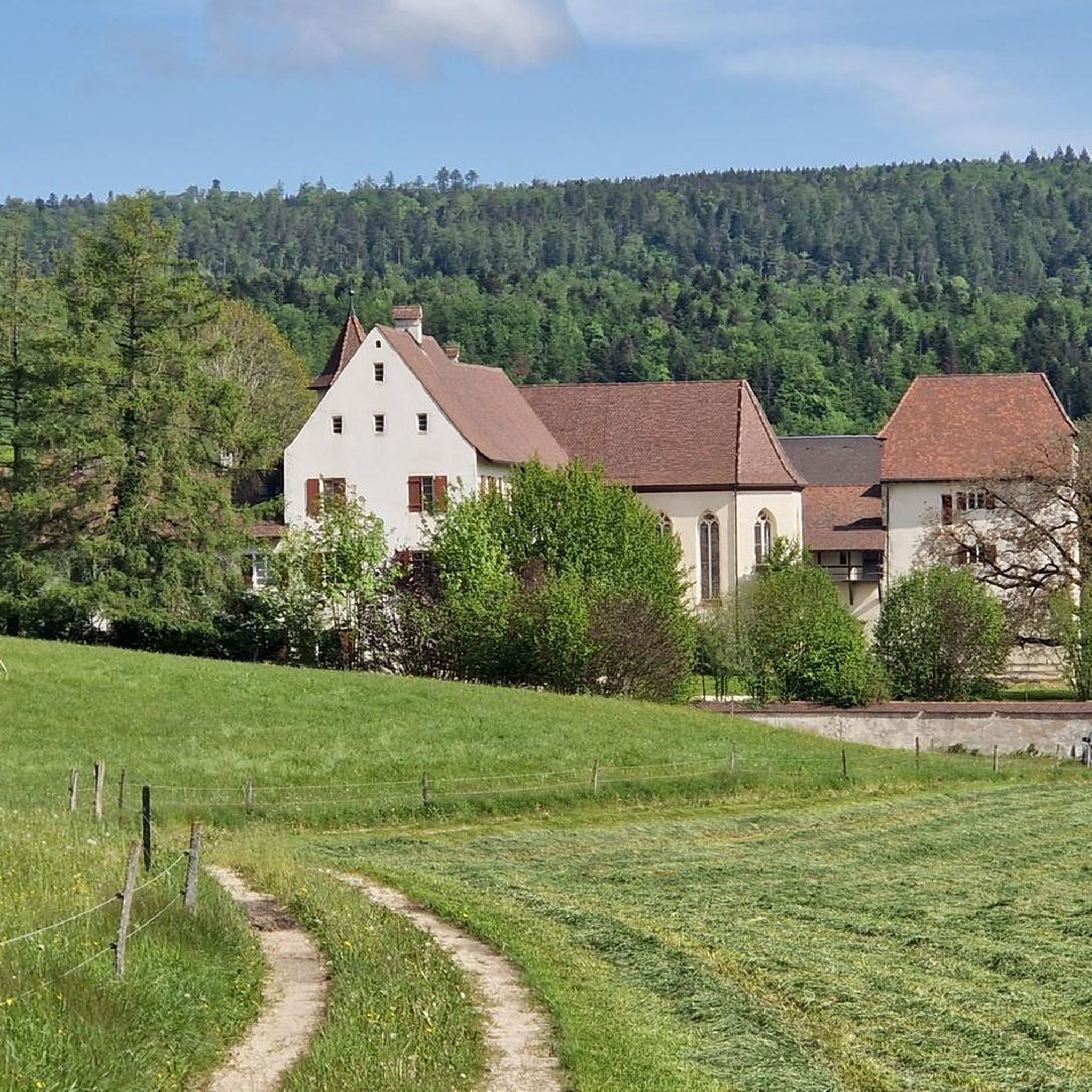
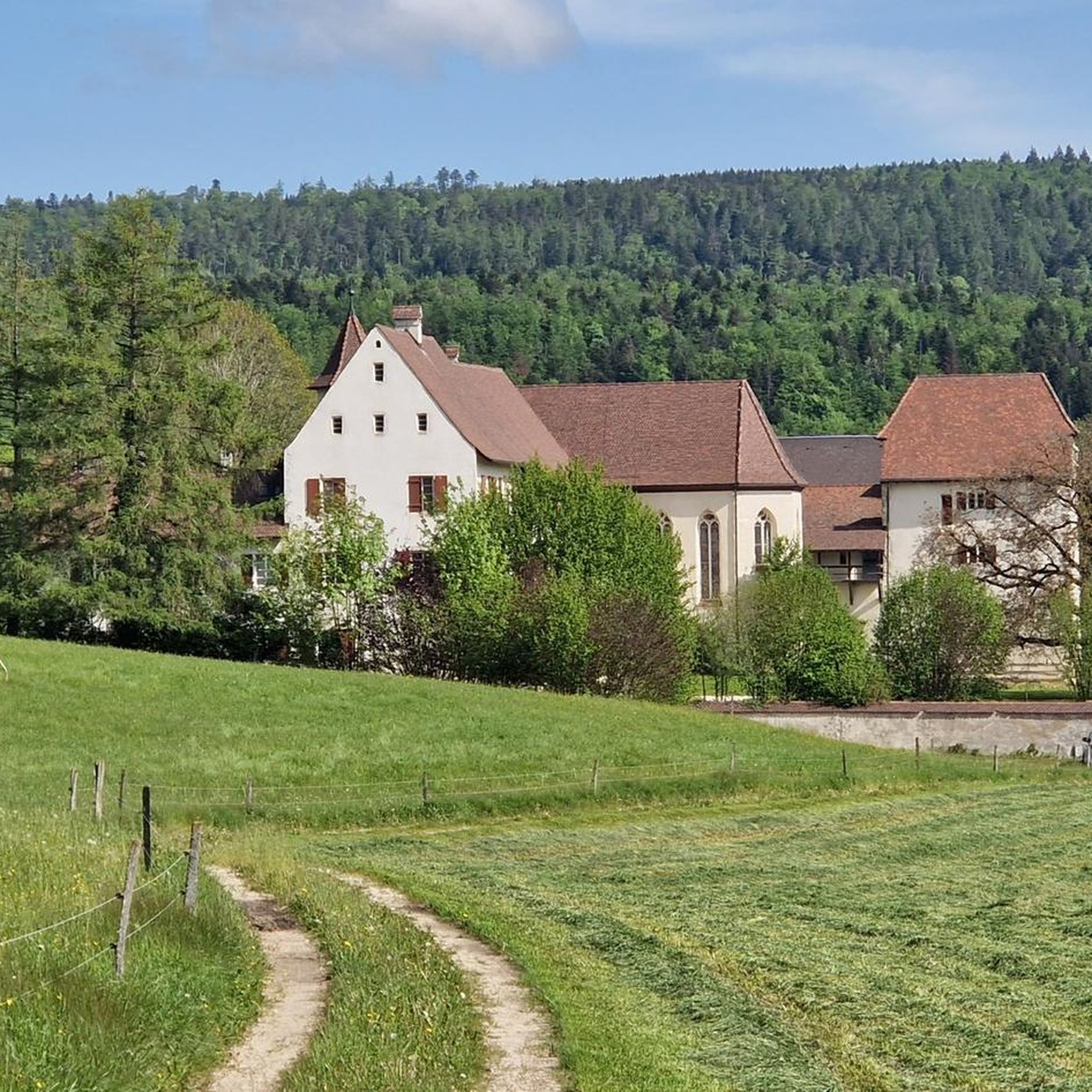
While the prosperous times in the town of Lucelle are over, the Lac de Lucelle is a nature reserve that captivates with its peace, idyll and beauty. The lake can be easily walked around on a well-developed nature trail, and there are many benches where you can watch the ducks and fish in the lake.
1
1

The Source du Doubs is a powerful karst spring in a heavily karstified area of the Jura Mountains. It is located near Mouthe, in the Haut-Jura Regional Nature Park, at an altitude of 937 m at the foot of the wooded, up to 1419 m high Mont Risoux mountain range, which marks the border between France and Switzerland. The Doubs rises from a cave in the rock from a small, approximately five-meter-deep spring basin. The spring discharges an average of 1740 litres per second and is the exit of a complex cave system with several siphons. The discharge can vary greatly. Several layers of rock can be distinguished on the rock above the spring. Below the spring, the river plunges down over a small waterfall. About two kilometers below the Source du Doubs, the approximately nine-kilometer-long Cébriot flows into the Doubs.
0
0

At this point / I would like to quickly / say something about the source And specifically to quote the incomparable humorist Heinz Erhardt (1909 - 1979), who was known to a wide audience for his wit and "Another poem", with a short four-line line: "There is certainly a lot of beauty in the element, the wet. Because you can drink the water. But you can also - not." (H.Erhardt)
0
0

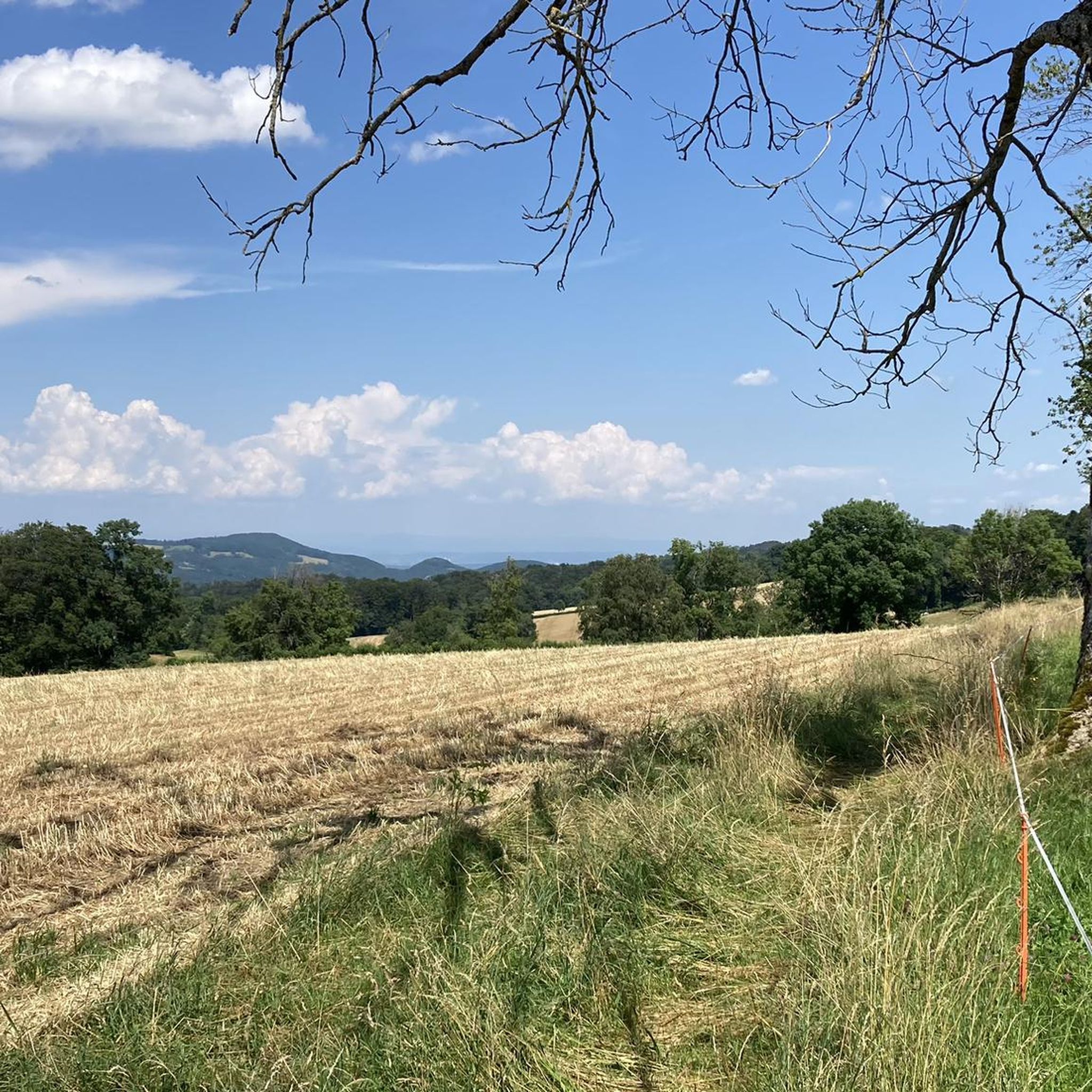
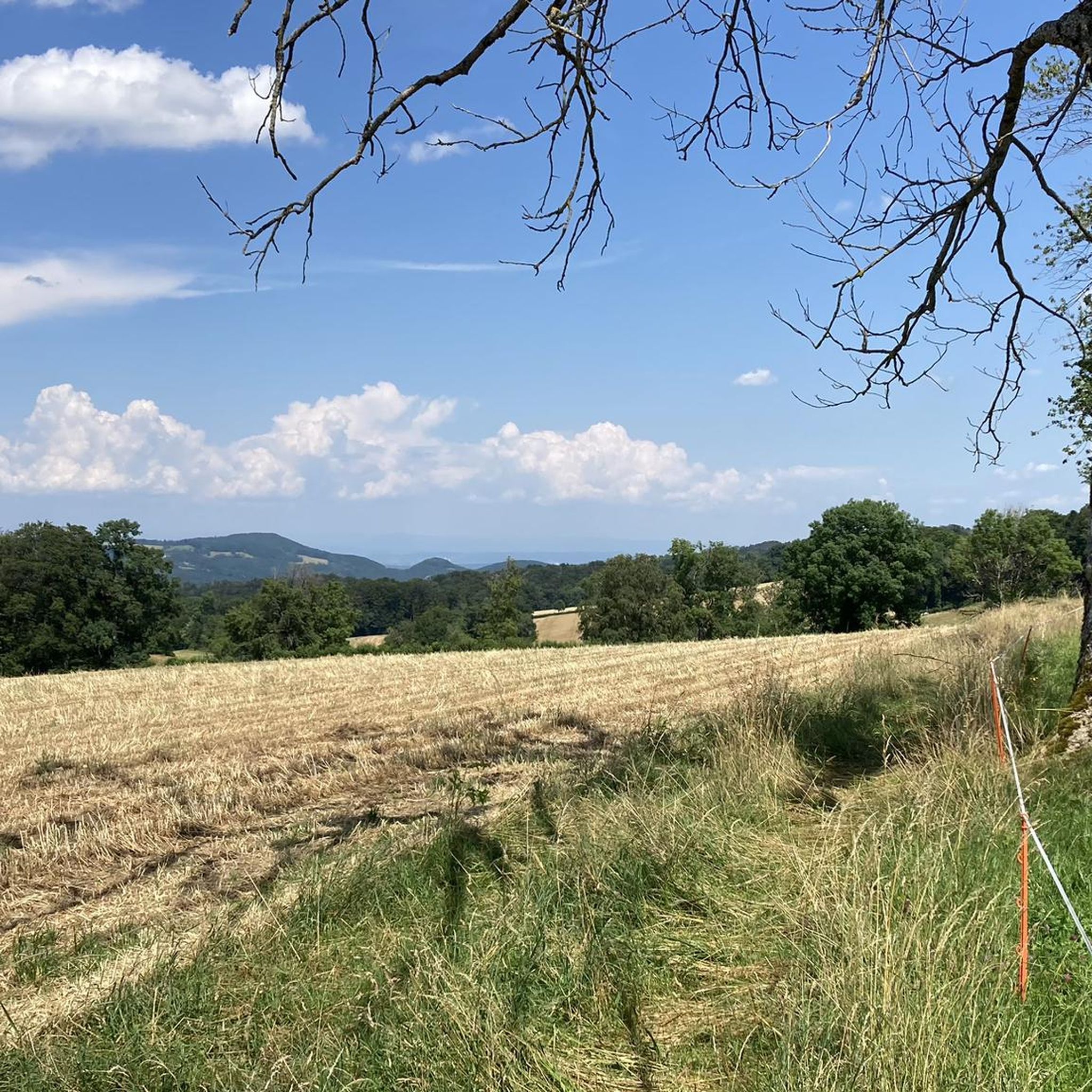
The Largue has its source in Oberlarg at an altitude of 500 m, near the Swiss border, and flows into the Ill at Illfurth after traveling 46 km. In the 19th century, it provided energy for 53 mills spread across 34 villages.
1
0
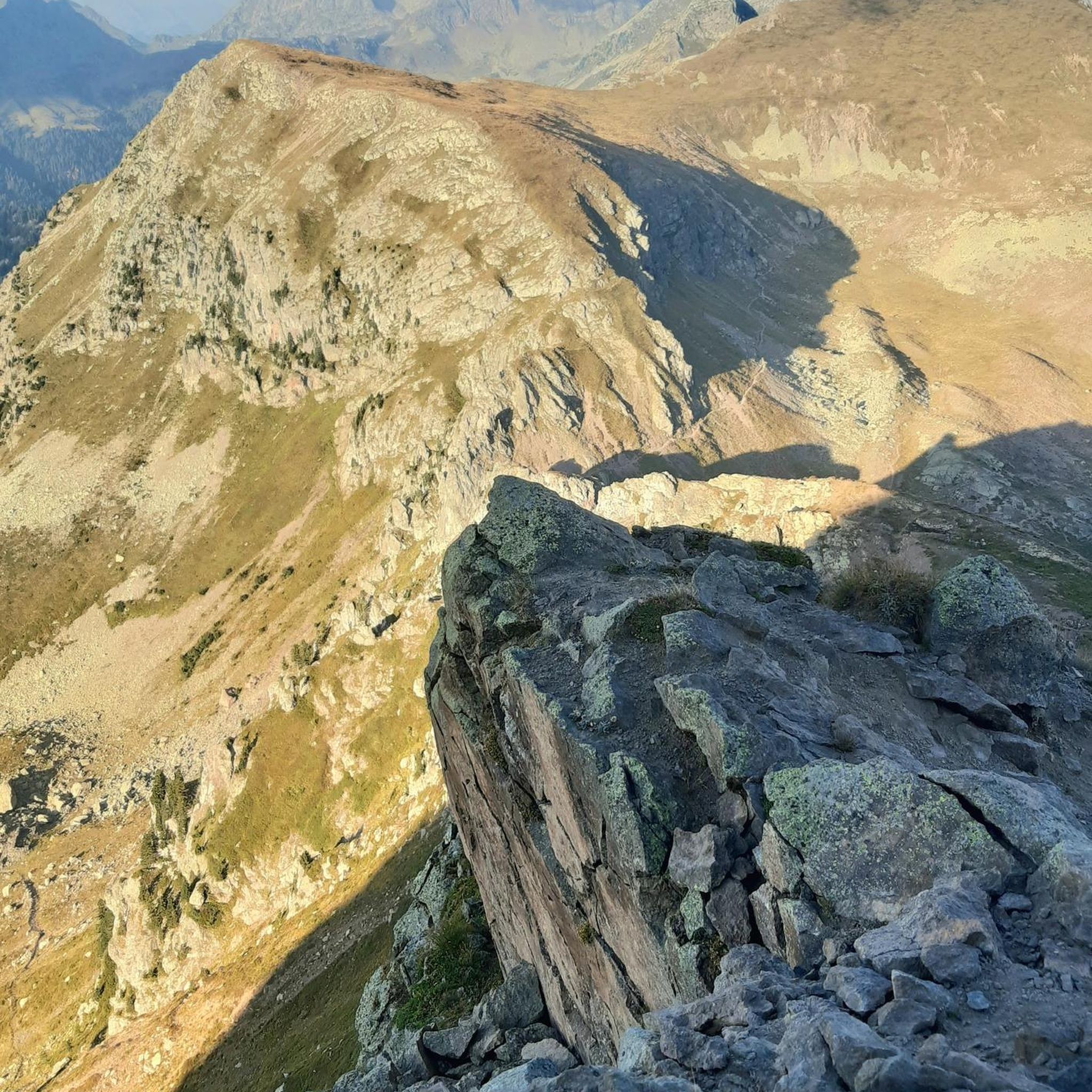
The rocks of the Grotte des Nains form an impressive gorge, approximately 25 meters high. According to legend, the little women of the earth lived here with the Erdmanala (little men of the earth). The gorge gives access to the Plateau des Nains and a beautiful view of the Ill valley.
1
0
Frequently Asked Questions
What are some of the most popular natural monuments to visit around Pleigne?
Among the most popular natural monuments are the Dwarves' Grotto, known for its impressive 25-meter-high gorge and local legends. Another favorite is Lucelle Lake, a tranquil spot on the French border with a wild, romantic character, perfect for observing waterfowl. The Doubs River, featuring a 27-meter-high waterfall, is also highly appreciated by visitors.
Are there family-friendly natural monuments around Pleigne?
Yes, several natural monuments are suitable for families. Lucelle Lake offers a comfortable, mostly flat 2km loop trail, ideal for a leisurely stroll. The Doubs River also has family-friendly sections, including a small beach area. Additionally, the Source de la Largue is an accessible natural monument that can be enjoyed by all ages.
What kind of natural features can I expect to see around Pleigne?
Pleigne's natural monuments showcase a diverse range of features. You can explore ancient caves like the Dwarves' Grotto with its dramatic gorge, tranquil lakes such as Lucelle Lake, and powerful rivers like the Doubs with its impressive waterfall. The region also features ancient trees like Le Gros Chêne de Sondersdorf and the serene source of the Largue River.
What outdoor activities can I do near the natural monuments in Pleigne?
The area around Pleigne offers various outdoor activities. You can find numerous hiking trails, including moderate routes like the 'Lake Lucelle – Lucelle Lake loop from Pleigne' or the 'View of La Grande Roche – Grande Roche Viewpoint loop from Lucelle'. For runners, there are options like the 'Traces of Lucelle Abbey Trail'. Cyclists can explore road cycling routes such as the 'Ascent to La Caquerelle – Junction Towards Asuel loop from Pleigne'. You can find more details on these activities in the Hiking around Pleigne, Running Trails around Pleigne, and Road Cycling Routes around Pleigne guides.
Are there any historical or cultural aspects to the natural monuments around Pleigne?
Yes, the region has a rich history intertwined with its natural landscape. The Panoramic trail at Pleigne, for instance, traverses a landscape with over 1,000 years of history, offering interpretive cues along the way. The Dwarves' Grotto is steeped in local legend about small earth dwellers. The Doubs River's unique border situation with France is a result of historical treaties. Even the ancient Le Gros Chêne de Sondersdorf has witnessed centuries of history.
What do visitors enjoy most about the natural monuments in Pleigne?
Visitors particularly enjoy the diverse and wild character of the landscape. The tranquil atmosphere of places like Lucelle Lake, where one can unwind and observe waterfowl, is highly valued. The impressive geological formations of the Dwarves' Grotto and the powerful Doubs waterfall are also frequently praised. The opportunity to appreciate vast landscapes and connect with the area's natural history is a common highlight.
Are there viewpoints offering panoramic vistas near Pleigne's natural monuments?
Yes, the region is known for its spectacular views. The Panoramic trail at Pleigne itself offers breathtaking panoramic views extending from the majestic Alps all the way to the Vosges mountains. The Dwarves' Grotto provides access to a plateau with beautiful views of the Ill valley. Lucelle Lake also offers scenic viewpoints of the sparkling water and surrounding vegetation.
What is the best time of year to visit the natural monuments around Pleigne?
While the guide does not specify a single 'best' time, the natural monuments around Pleigne can be enjoyed across different seasons. Spring and autumn typically offer pleasant temperatures for hiking and exploring, with vibrant foliage or blooming nature. Summer is ideal for enjoying the lakes and rivers, while winter can transform the landscape into a serene, snow-covered wonderland, though accessibility might vary.
Can I find any unique natural features or 'hidden gems' in the Pleigne area?
Beyond the well-known sites, the region holds unique natural elements. The Le Gros Chêne de Sondersdorf, an ancient oak tree estimated to be 400-500 years old, stands as a testament to time and resilience. The Source de la Largue, the origin of a river that once powered numerous mills, offers a glimpse into the area's natural and industrial past.
How many natural monuments are there to discover around Pleigne?
There are 18 natural monuments around Pleigne to discover, offering a wide variety of landscapes and features to explore.
Is the Panoramic trail at Pleigne considered a natural monument?
Yes, the Panoramic trail at Pleigne is a significant natural monument in the region. It's recognized for its unique blend of natural beauty, diverse landscape, and ancient history, providing spectacular views from the Alps to the Vosges mountains.
Most popular routes around Pleigne
Most popular attractions around Pleigne

Get inspired with the komoot mobile app


Explore more
Extend your search for the best caves by checking out these guides of the top ones around Pleigne:
