Top 20 Natural Monuments around Maggia
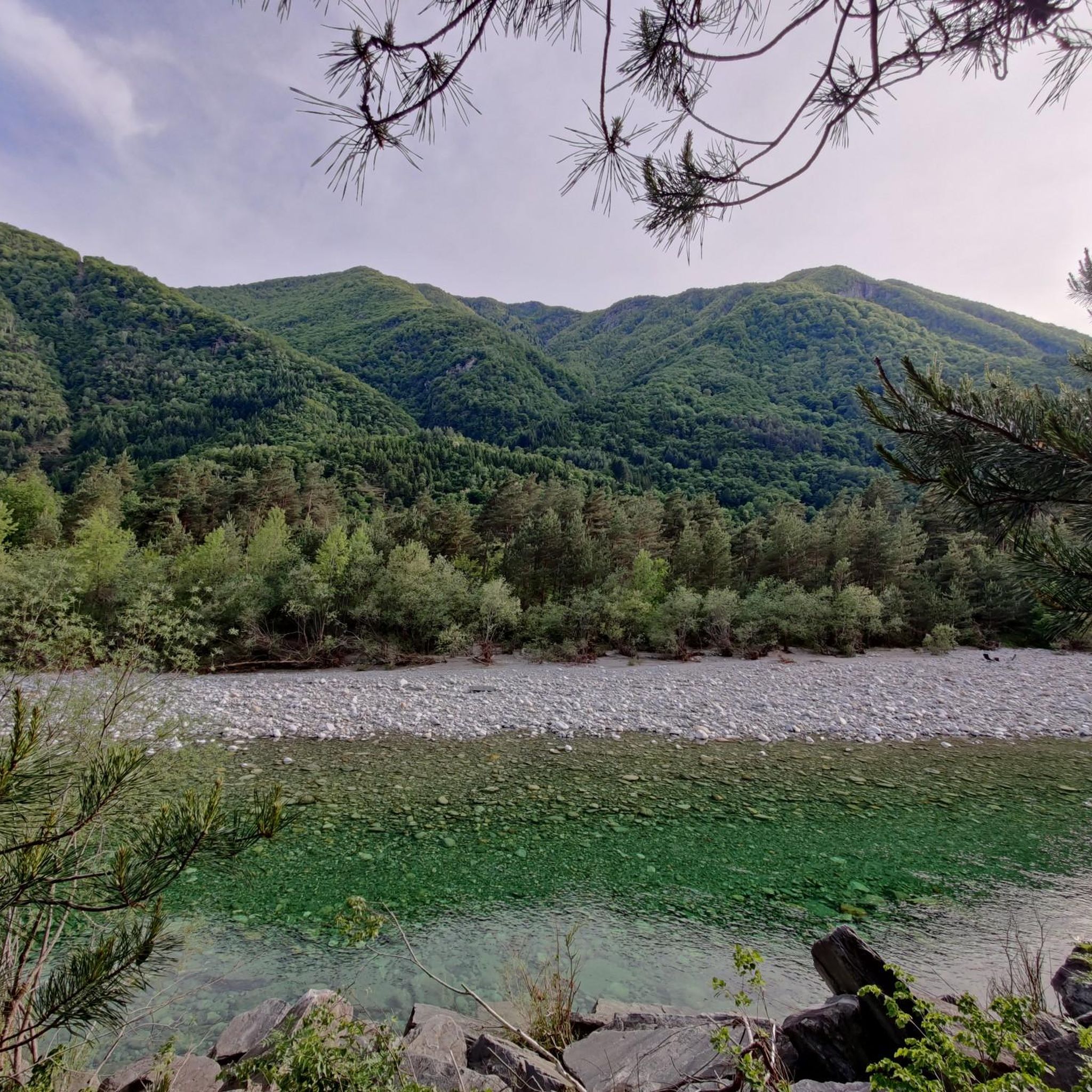
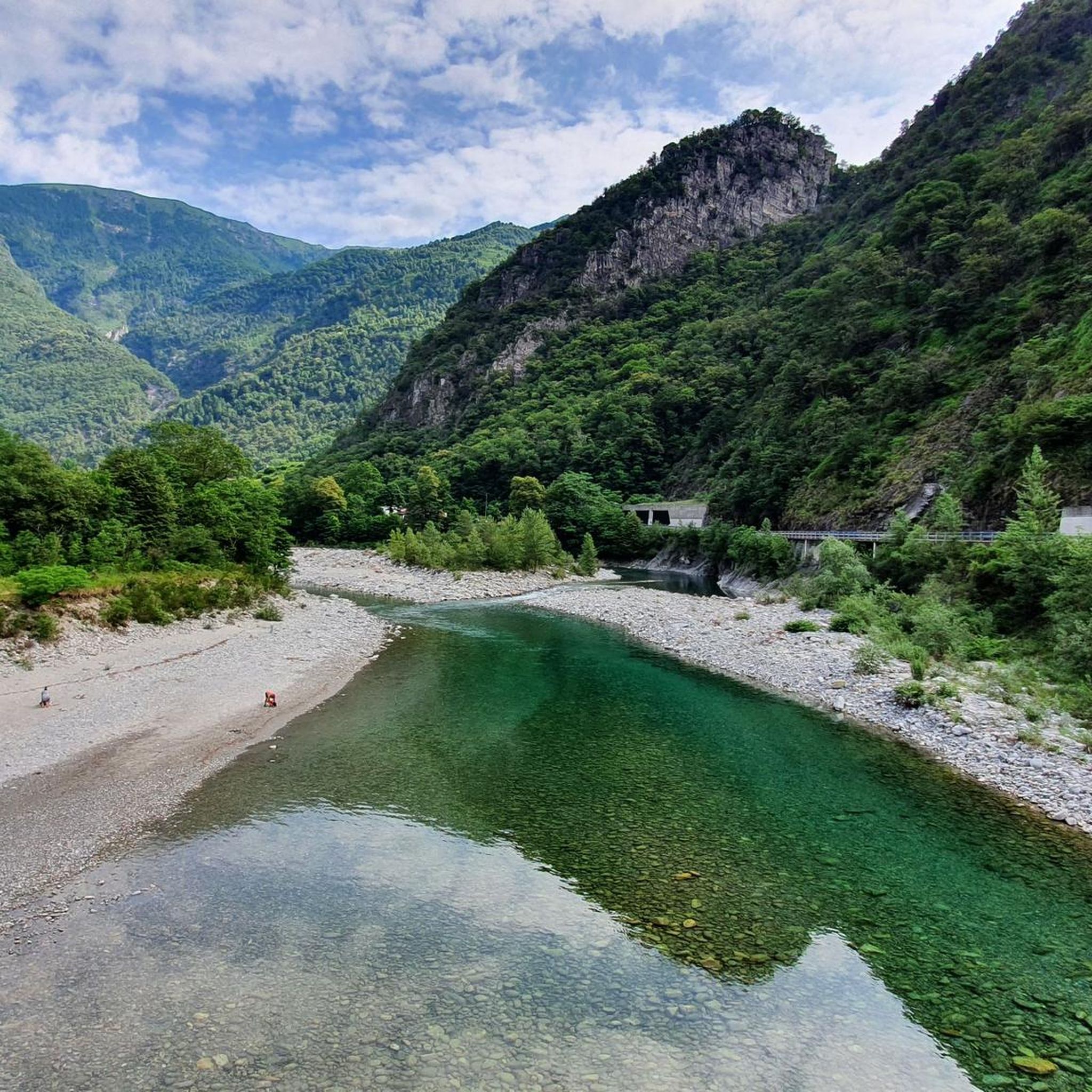
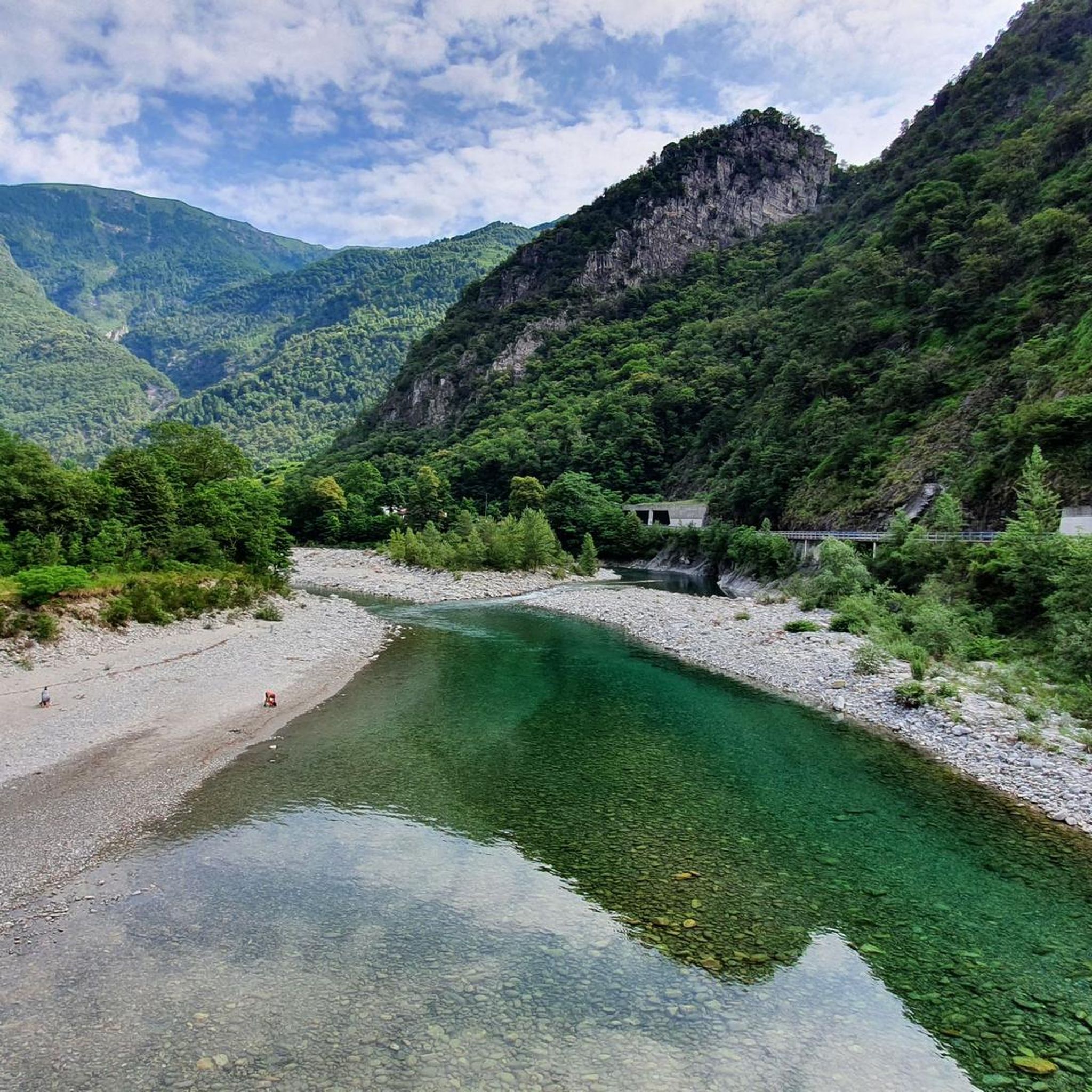
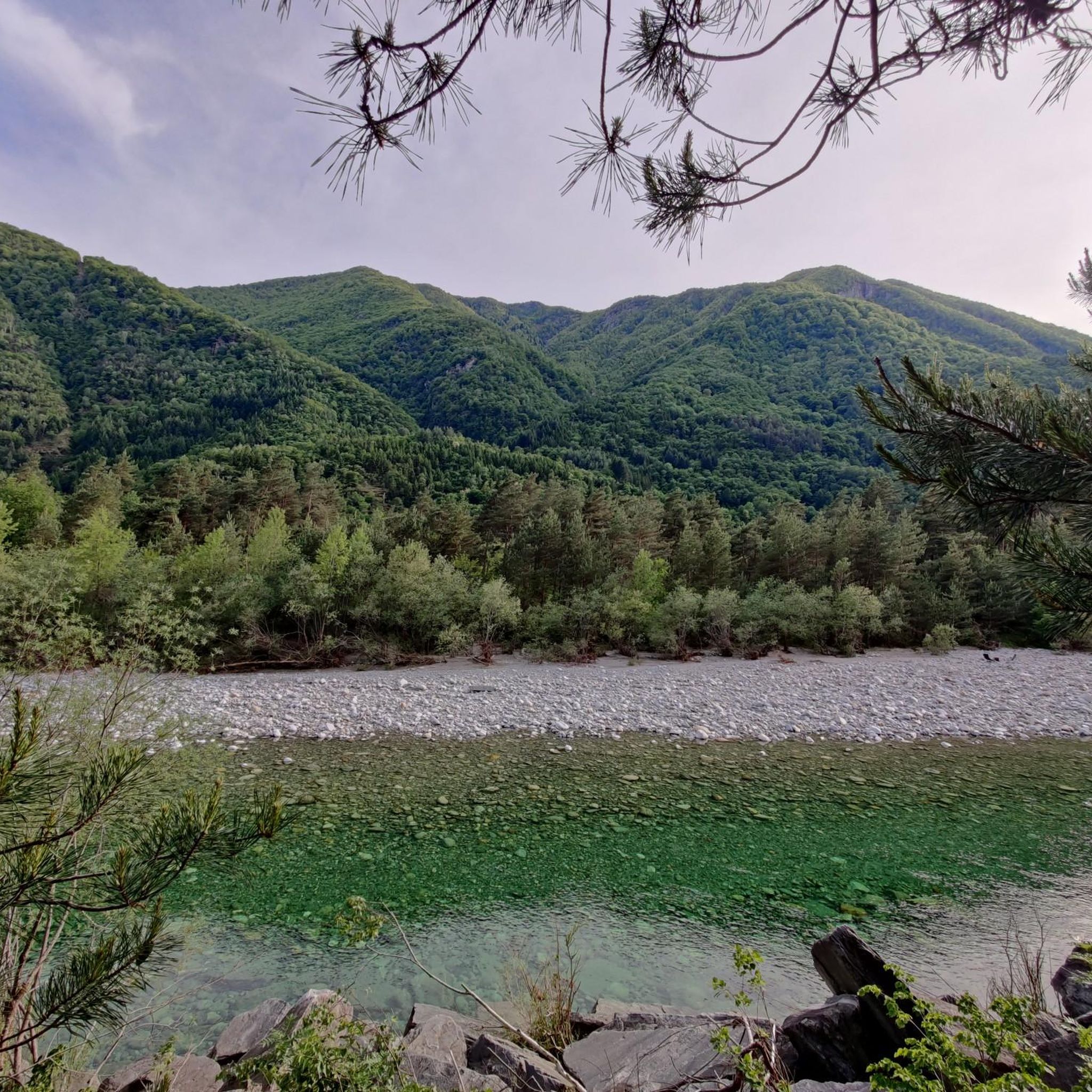
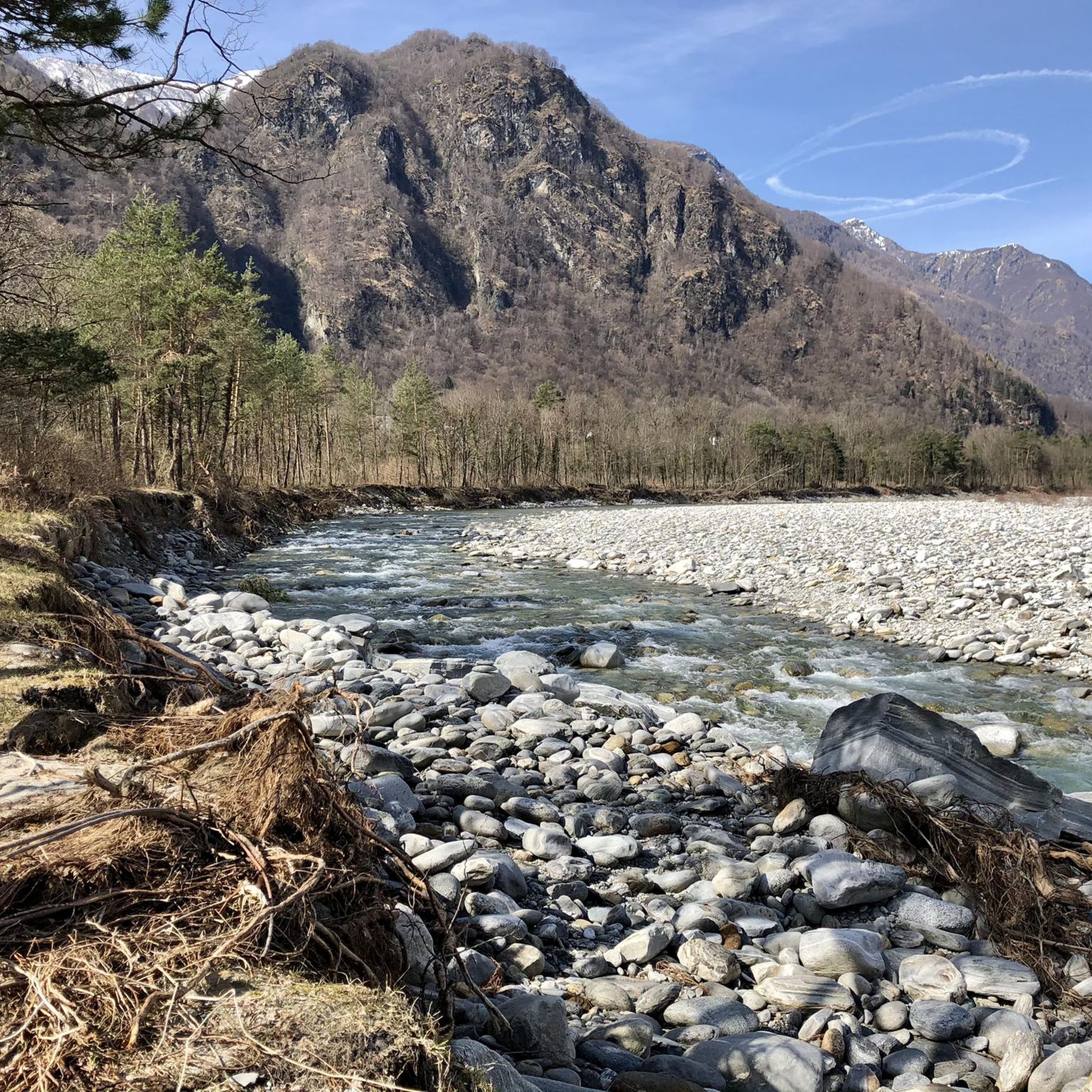
Best natural monuments around Maggia are found within the Vallemaggia, a region in the Swiss canton of Ticino. This area is characterized by its lush greenery, dense woodlands, and dramatic rock formations carved by the Maggia River. The valley features crystal-clear mountain lakes and rivers, offering diverse naturalistic areas. Its landscape includes unique alluvial formations, oxbow lakes, and floodplains.
Best natural monuments around Maggia
- The most popular natural monuments is Froda Waterfall, a waterfall that offers an interesting natural…
Last updated: June 26, 2026
Ponte dei Salti
Highlight • Bridge
Translated by Google •
Tip by

Verzasca River
Highlight (Segment) • River
The Verzasca Valley is one of the wildest and most pristine in Ticino. …
Translated by Google •
Tip by

Sign up now to discover places like this
Get recommendations on the best single tracks, peaks, & plenty of other exciting outdoor places.
Sign up for free
Bridge Over the Maggia
Highlight • Bridge
Translated by Google •
Tip by

Froda Waterfall
Highlight • Waterfall
Tip by

Monte Verità Gardens and Tea Plantation
Highlight • Natural
Translated by Google •
Tip by

Sign up for free to discover even more natural monuments around Maggia.
Sign up for free
Already have an account?
Start today with a free account
Your next adventure awaits.
Login or Signup
Tips from the Community

Old railway bridge of the former Locarno - Ponte Brolla - Bignasco - Bahn (Maggiatalbahn), in operation from 1907-1965, today pedestrian and bicycle bridge.
2
0


If possible, hike in the off-season, for example in autumn - the spectacle of colors in nature is then unique
4
0

There’s a nice hiking trail next to the river. On the other side there is a road which gives a bit easier access to the spot.
2
0

Not as crowded as the other hotspots in the Verzasca Valley
2
0


Public transport ends at Sonogno and the street is only used by residents and cyclists.
3
0
Really nice landscape with lots of waterfalls.
2
0
Frequently Asked Questions
What are some of the most popular natural monuments to visit in the Maggia Valley?
The Maggia Valley offers a variety of stunning natural monuments. Highly regarded spots include the impressive Froda Waterfall, known for its captivating cascades. Another popular destination is Ponte dei Salti, also known as the Roman bridge, which spans the emerald-green Verzasca River. Visitors also appreciate the dramatic views from the Bridge Over the Maggia, especially when the river is flowing strongly.
Where can I find impressive waterfalls and canyons in the Maggia Valley?
The Maggia Valley is rich in waterfalls and canyons. The Froda Waterfall is a notable natural spectacle. Further into the Bavona Valley, you'll find the magical Foroglio Waterfall, a stunning cascade easily reachable on foot. For a refreshing dip, Cascata del Salto in Maggia village offers a beautiful 60-meter-high waterfall with a deep pool. For adventure seekers, the Giumaglio Canyon is a popular spot for canyoning, known for its spectacular rock formations.
Are there family-friendly natural monuments in the Maggia Valley?
Yes, several natural monuments in the Maggia Valley are suitable for families. The Verzasca River area, particularly near Ponte dei Salti, offers opportunities for cooling down and enjoying the beautiful rock formations. The Froda Waterfall and the Bridge Over the Maggia are also considered family-friendly, providing scenic views and accessible spots for exploration.
What unique natural features or 'hidden gems' can I discover in the Maggia Valley?
Beyond the well-known spots, the Maggia Valley holds unique natural treasures. The ancient beech forests of Valle di Lodano are recognized as a UNESCO Forest Reserve, offering a captivating natural spectacle, especially in autumn. The Maggia River itself, with its emerald-green waters, smooth rock formations, and unique alluvial landscape featuring oxbow lakes and floodplains, is considered spectacular on both Swiss and European levels. The dramatic granite gorge at Ponte Brolla, carved by the river, is another striking feature.
What is the best time of year to visit the natural monuments in the Maggia Valley?
The Maggia Valley's natural monuments are beautiful year-round, but the best time depends on your interests. Summer is ideal for swimming and enjoying the refreshing waters of the Maggia River and Cascata del Salto. Autumn offers a spectacular display of vibrant colors, particularly in the Valle di Lodano's beech forests, making it a popular time for hiking. Spring brings strong river currents from snowmelt, offering impressive views at places like the Bridge Over the Maggia.
Are there hiking trails near the natural monuments in Maggia Valley?
Absolutely. The Maggia Valley is a prime destination for hiking. You can find numerous trails that lead to or pass by natural monuments. For example, there are routes like the 'Rustico di Cassinella – Pioda Chapel loop' or the 'Giumaglio Bridge – Suspension bridge over the Maggia loop'. You can explore various hiking options in the region by visiting the Hiking around Maggia guide.
Can I swim or enjoy river activities near the natural monuments?
Yes, the Maggia Valley is famous for its crystal-clear waters and offers excellent opportunities for swimming and river activities. The Maggia River itself has numerous bathing areas. Cascata del Salto in Maggia village features a deep pool perfect for a refreshing dip, with shallow areas for relaxation. The Ponte dei Salti area on the Verzasca River is also a popular spot for swimming and even cliff diving in designated areas, but always observe local safety signs.
How can I access the natural monuments in the Maggia Valley by public transport?
Public transport is available to reach various points in the Maggia Valley. For instance, public transport typically ends at Sonogno, which is a good starting point for visiting the Froda Waterfall. Many villages in the valley are served by bus routes, allowing access to trailheads and proximity to other natural monuments. It's advisable to check local schedules for specific routes and stops.
What geological features are prominent among the natural monuments in the Maggia Valley?
The Maggia Valley is a geological marvel. The Maggia River has carved dramatic granite gorges, particularly at the valley's entrance in Ponte Brolla, and created unique smooth rock formations throughout its course. The valley's landscape also features significant alluvial formations, oxbow lakes, and floodplains. In the Bavona Valley, you can observe large rock shelters known as 'splüi' and huge boulders that have been transformed into hanging gardens, showcasing the powerful forces of nature.
Are there any historical or cultural sites among the natural monuments?
While primarily natural, some sites blend natural beauty with historical significance. The Ponte dei Salti, also known as the Roman bridge, is a stone bridge dating back to the Middle Ages, offering a historical viewpoint over the Verzasca River. Additionally, the Monte Verità Gardens and Tea Plantation, while a cultivated landscape, is recognized as a natural monument and holds significant historical and cultural importance as a former utopian colony.
What do visitors particularly enjoy about the natural monuments in the Maggia Valley?
Visitors to the Maggia Valley consistently praise the stunning natural beauty and the diverse experiences available. Many highlight the crystal-clear, emerald-green waters of the rivers, perfect for cooling down. The dramatic rock formations, impressive waterfalls like Froda Waterfall, and the unique blend of nature and culture, such as the historical Ponte dei Salti, are frequently mentioned. The opportunity for refreshing dips, scenic hikes, and the vibrant autumn colors also receive high acclaim.
Are the natural monuments in Maggia Valley dog-friendly?
Generally, the natural areas and trails around the Maggia Valley's monuments are dog-friendly, making it a great region to explore with your canine companion. However, it's always recommended to keep dogs on a leash, especially in more crowded areas or near wildlife, and to respect local signage regarding pet access. Always carry water for your dog and clean up after them to preserve the pristine environment.
Most popular routes around Maggia
Most popular attractions around Maggia

Get inspired with the komoot mobile app


Explore more
Extend your search for the best caves by checking out these guides of the top ones around Maggia:
