Top 17 Natural Monuments in the Ebro Delta
Best natural monuments in the Ebro Delta are found within a vast wetland in Catalonia, Spain, shaped by the Ebro River and its interaction with the Mediterranean Sea. This area features diverse ecosystems, rich biodiversity, and distinct landscapes. The entire region is largely protected as the Ebro Delta Natural Park, established in 1983.
Best natural monuments in the Ebro Delta
- The most popular natural monuments is Flamingo Viewing Area, Parc Natural del Delta de l'Ebre, a viewpoint where you…
Last updated: June 26, 2026
Fangar Lighthouse
Highlight • Monument
Translated by Google •
Tip by

Flamingo Viewing Area, Parc Natural del Delta de l'Ebre
Highlight • Viewpoint
Translated by Google •
Tip by

Sign up now to discover places like this
Get recommendations on the best single tracks, peaks, & plenty of other exciting outdoor places.
Sign up for free
Cap Roig Beach
Highlight • Beach
Translated by Google •
Tip by

La Tancada Lagoon
Highlight • Lake
Translated by Google •
Tip by

Ullals de Baltasar
Highlight • Natural Monument
Translated by Google •
Tip by

Sign up for free to discover even more natural monuments in the Ebro Delta.
Sign up for free
Already have an account?
Start today with a free account
Your next adventure awaits.
Login or Signup
Popular around Ebro Delta
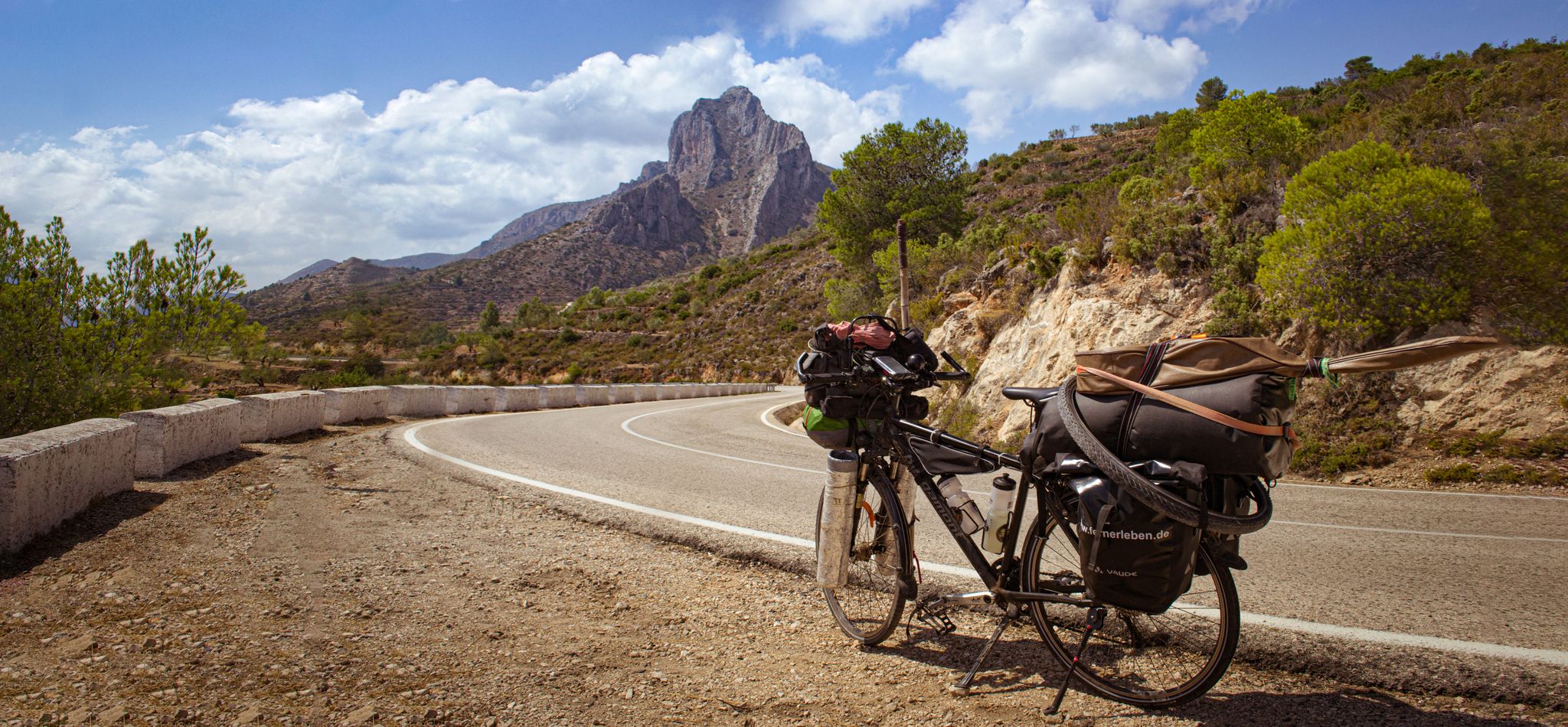
On the road to the sun — bikepacking to southeast Spain
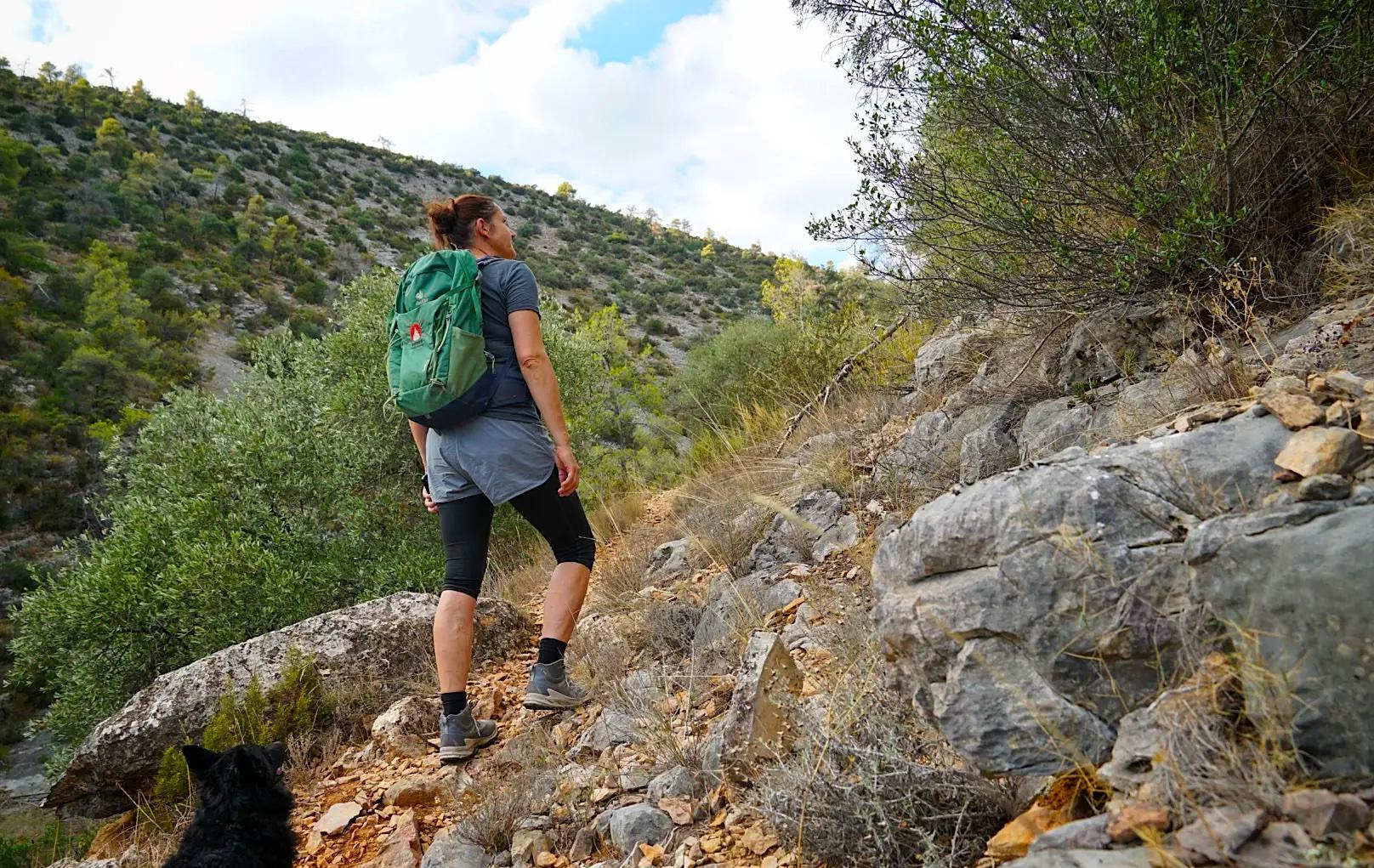
Catalonia's wild south — between sea and mountains
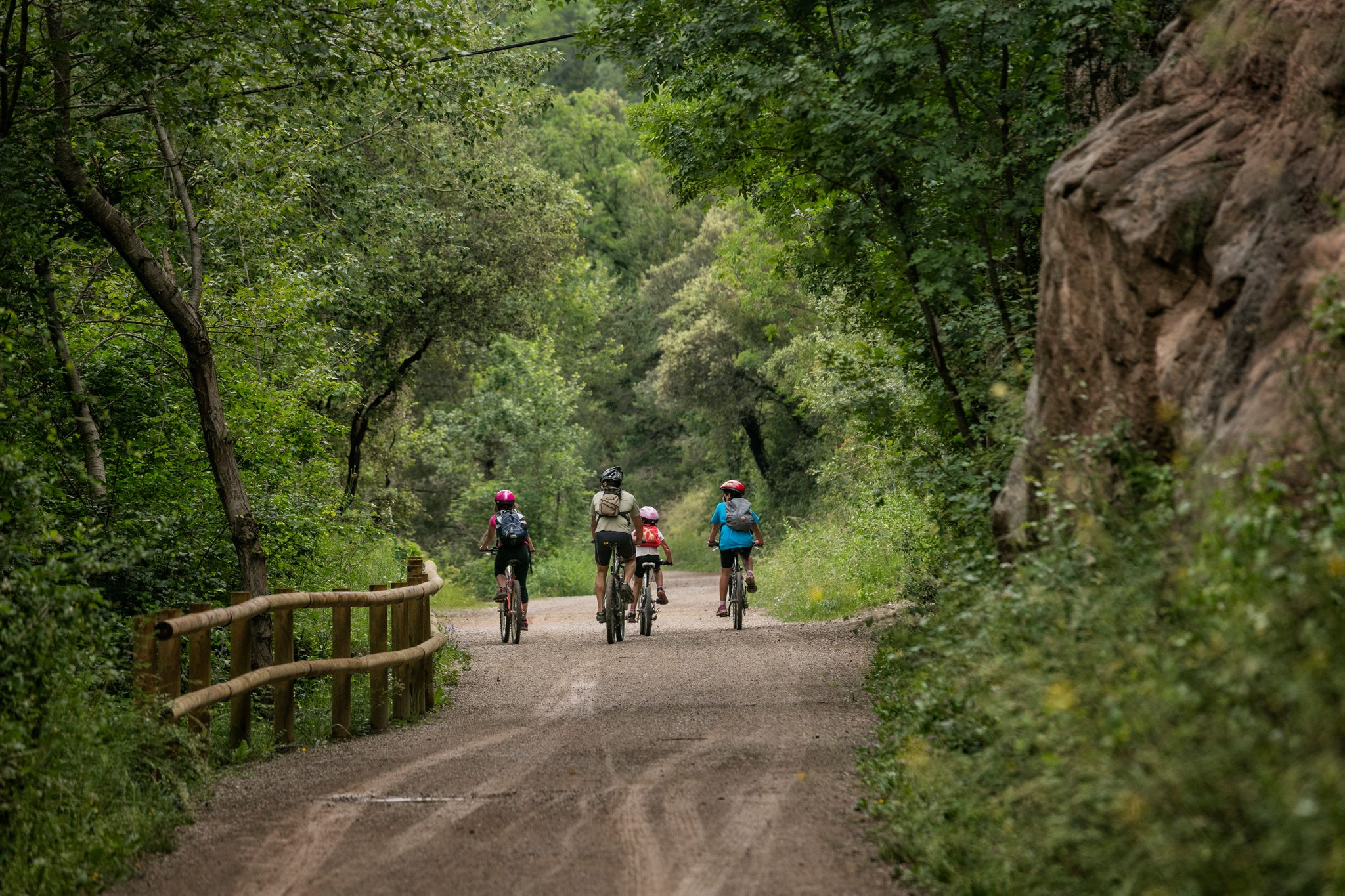
Discover Catalonia on your bike
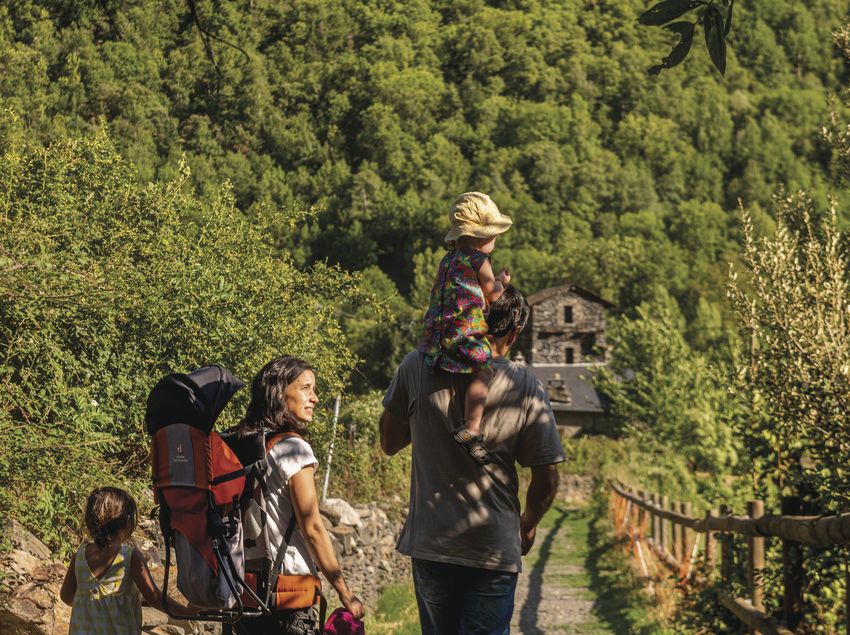
Hike with your family in Catalonia
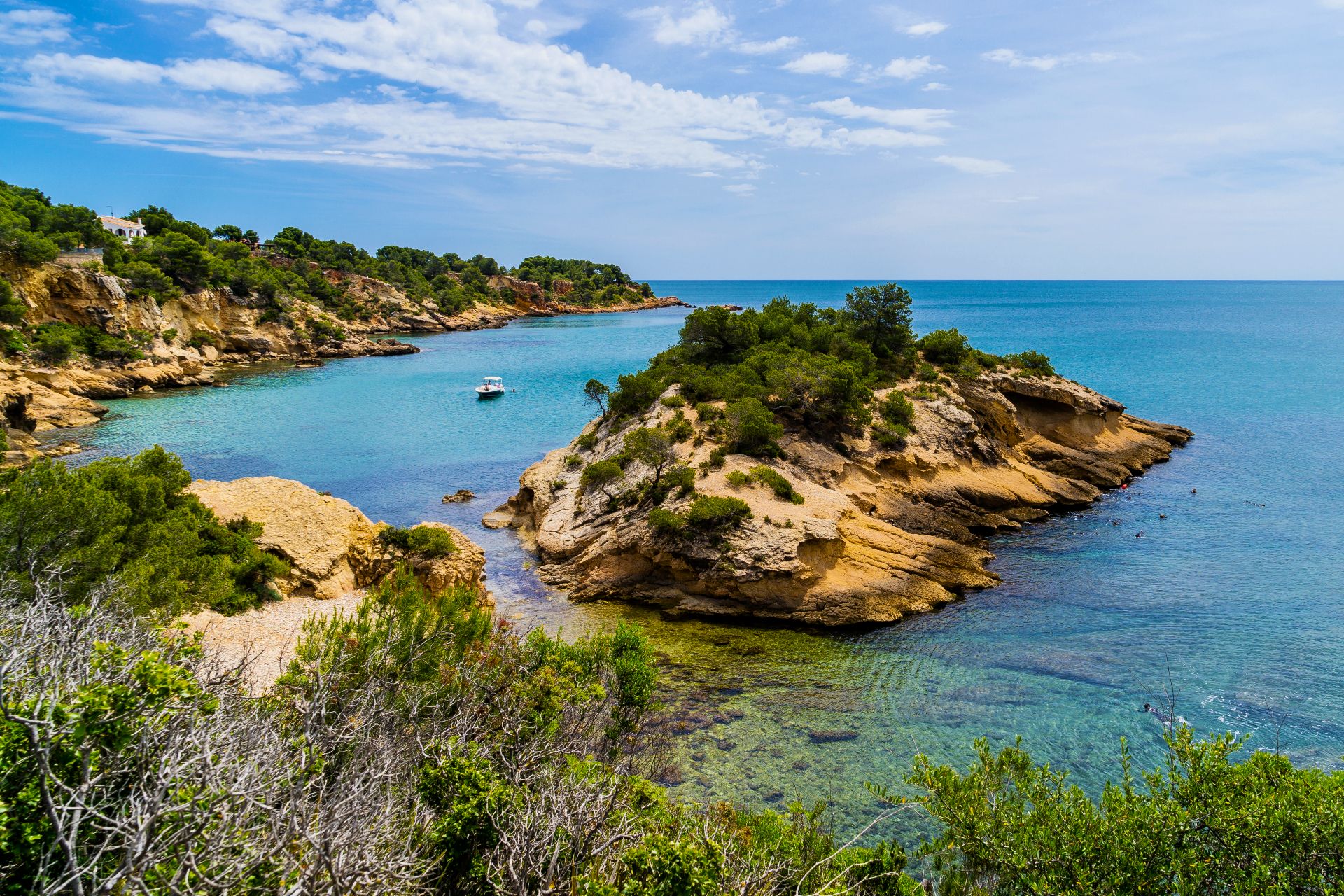
The Catalan coast on foot – Mediterranean Path (GR 92)
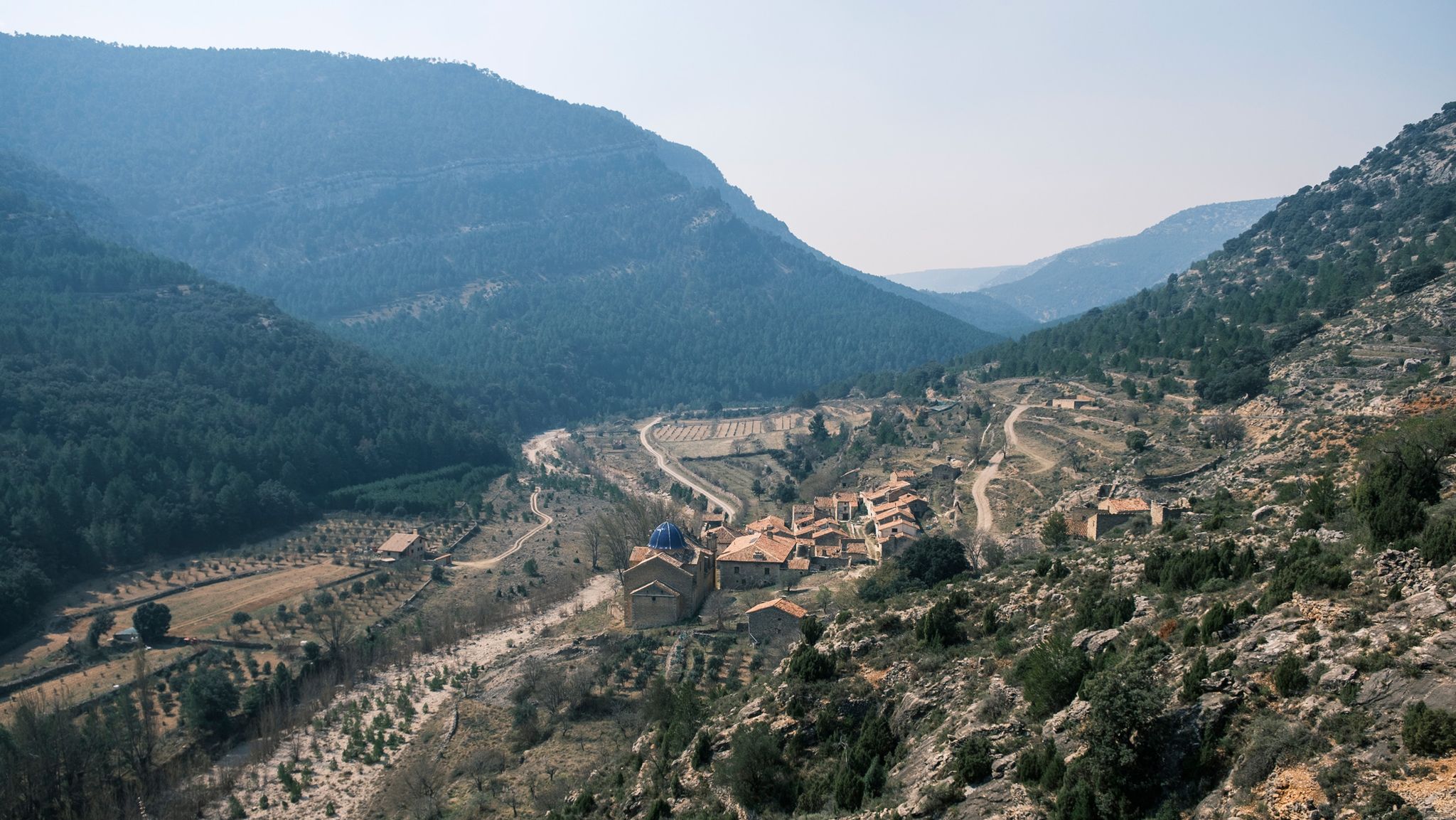
Four Mediterranean nature parks – Gran Vertical 2023
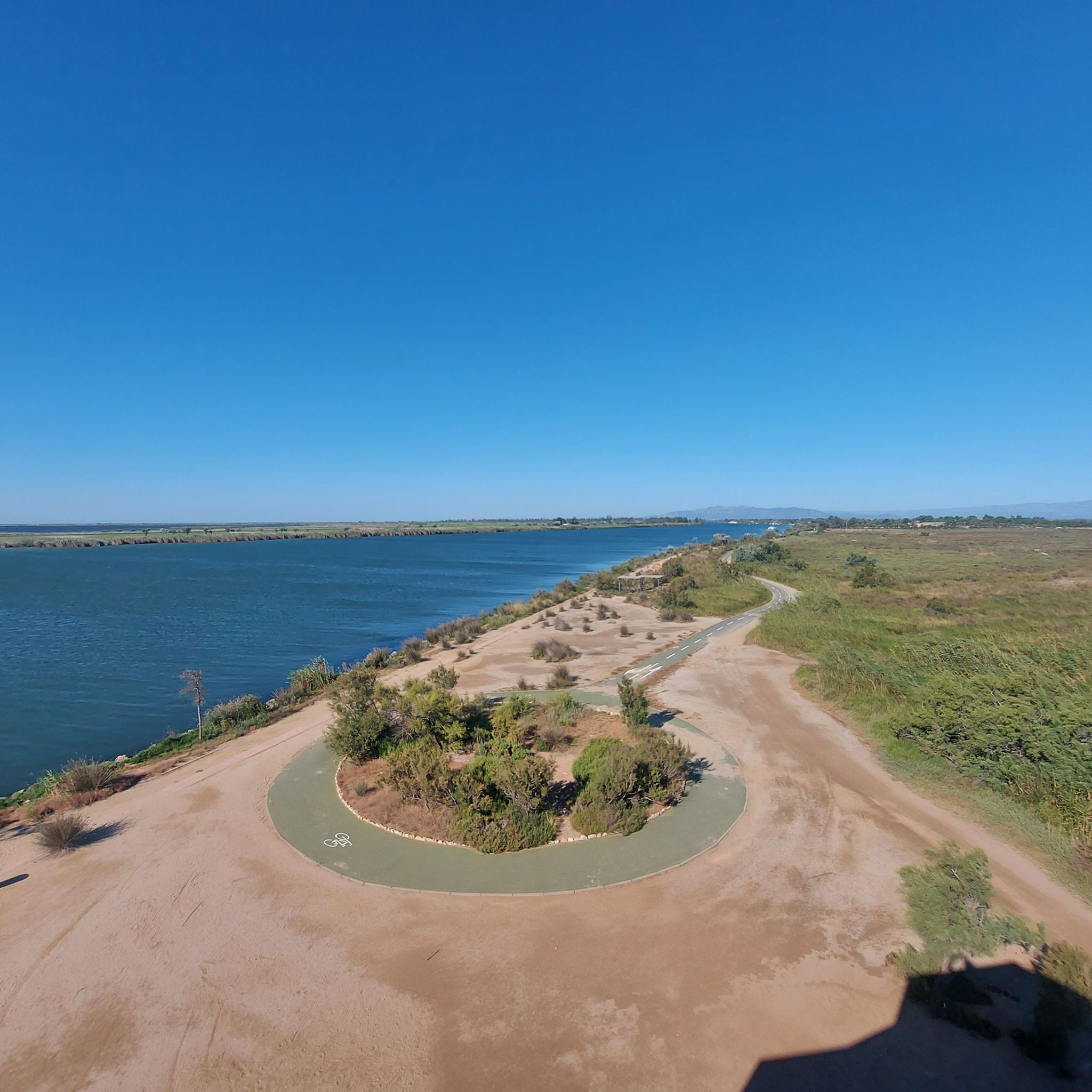
Cycling in the Ebro Delta
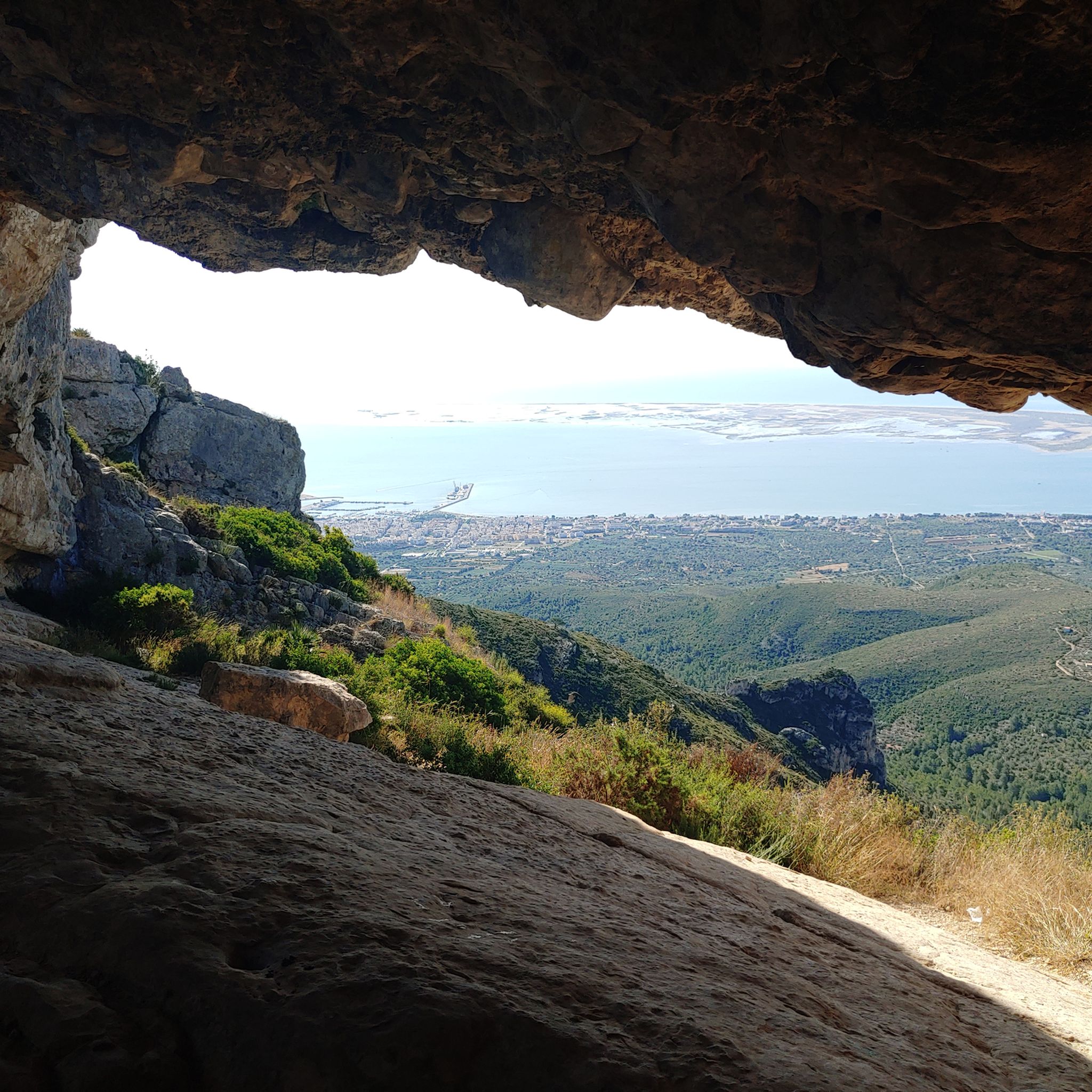
Hiking in the Ebro Delta
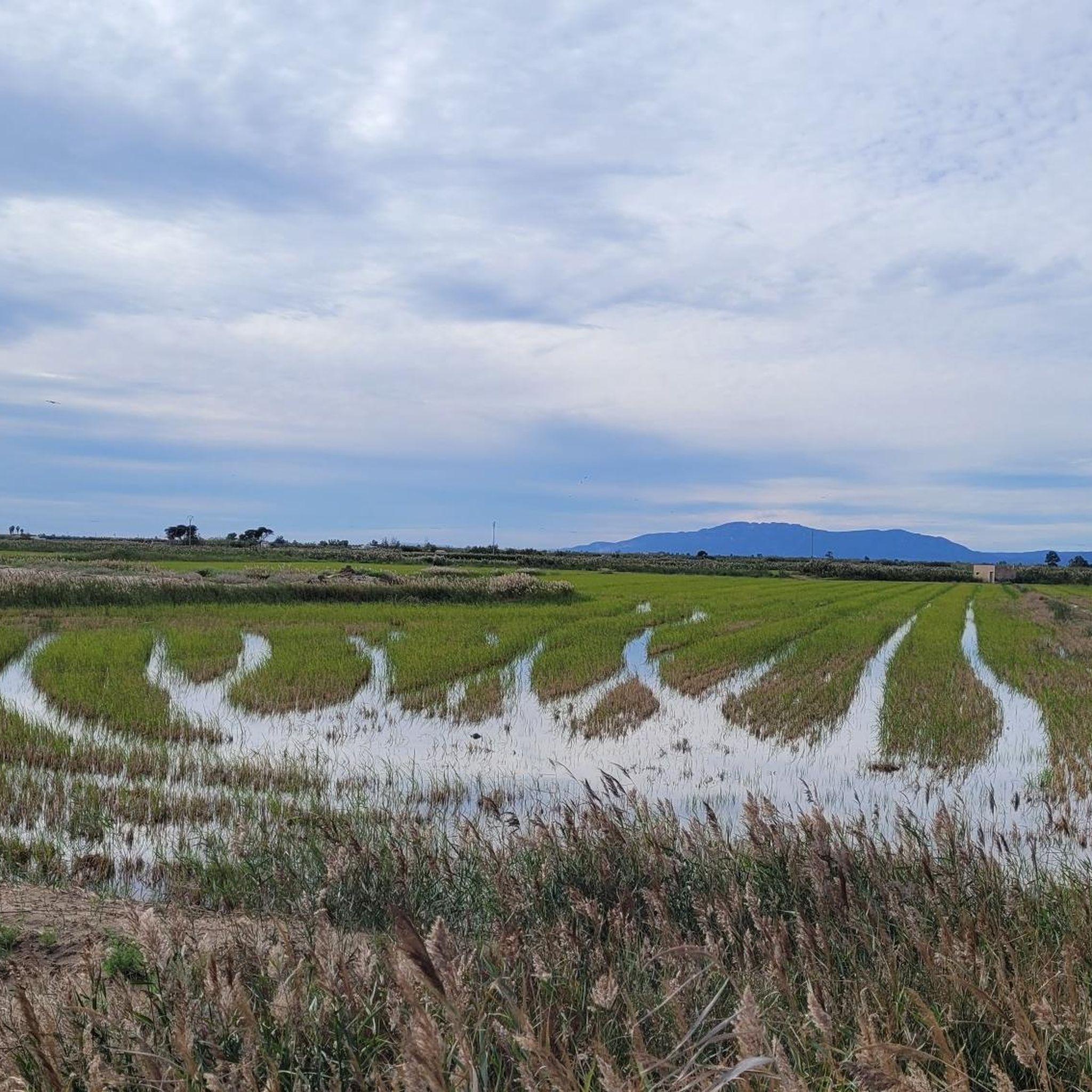
MTB Trails in the Ebro Delta
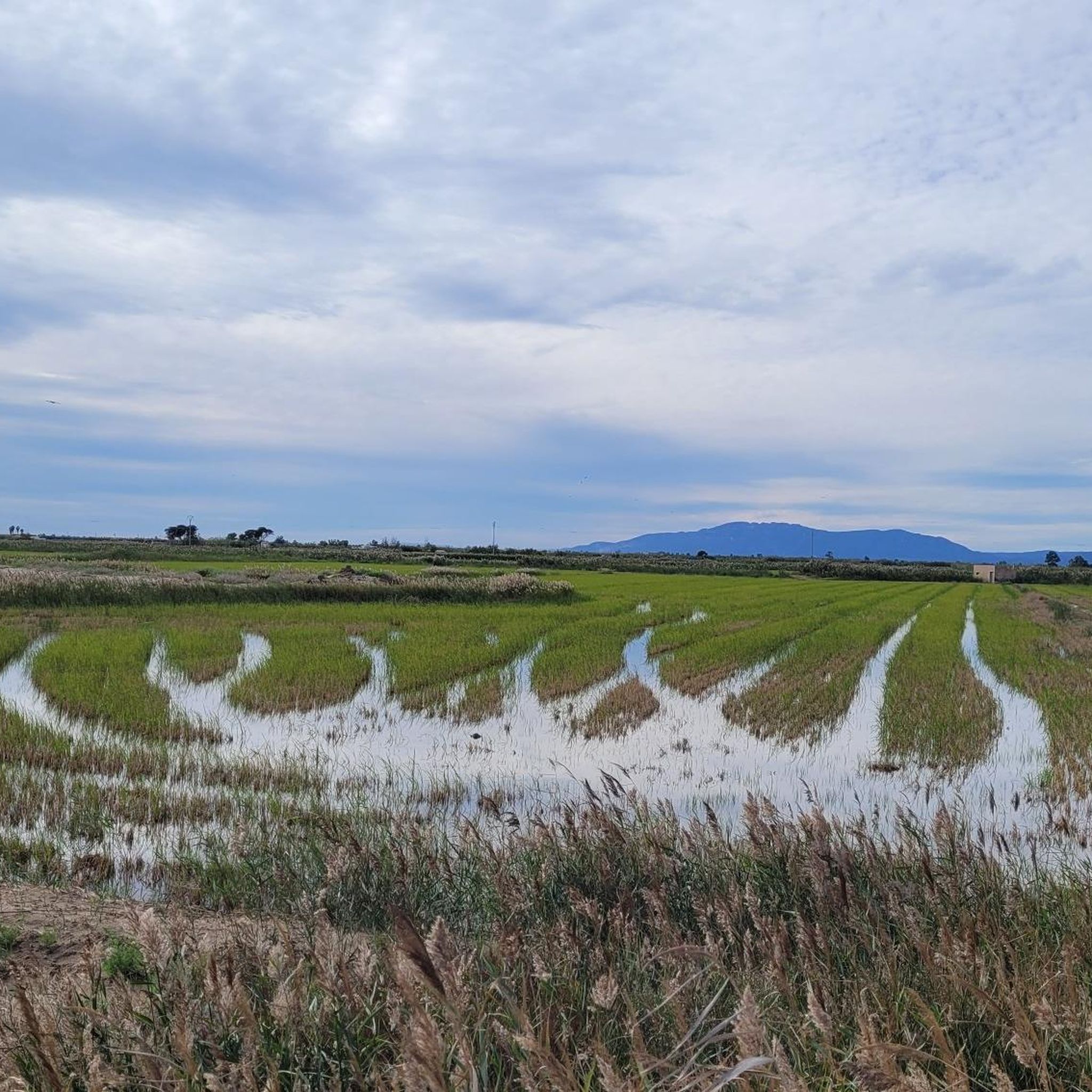
Road Cycling Routes in the Ebro Delta
Other adventures in the Ebro Delta


Tips from the Community


Very good stretch of bike path, narrow and parallel to the La Tancada lagoon.
0
0

Although in a protected area, there is a demarcated road with flags through the dunes to it and you can return via the beach except at spring tide
0
0

There is no mirador here, but you can often see flamingos from the side of the road.
2
0

There’s a parking and observation hut here. I was lucky to see hundreds of flamingos. I’m not sure if they are always there, but I assume the tourist installation would suggest that they are pretty much a permanent feature.
0
1
You are supposed to walk round the laid-out path which is 1.6Km. As I was in November, I rode slowly round, but with more tourists that would be impossible. There was very little wildlife to see when I was there, but it’s definitely worth a stop.
0
0

The Fangar lighthouse, in its current state, dates from 1972, is 20 meters high and projects an intermittent white light every 12 seconds, visible up to 12 miles offshore. The original lighthouse was built in 1864 but was destroyed during the civil war, being replaced by an eight meter high metal structure until its current modernization. Because of the place where it is, in the middle of the Fangar peninsula, it is one of the architectural and landscape symbols of the Ebro Delta.
0
0
Frequently Asked Questions
What unique natural features define the Ebro Delta's landscape?
The Ebro Delta is characterized by a dynamic interplay between the Ebro River and the Mediterranean Sea, creating diverse ecosystems. You'll find extensive rice fields, natural lagoons, sandbars, and unique coastal formations. Freshwater springs, known as ullals, like Ullals de Baltasar, also contribute to its distinct natural beauty.
Where can I observe flamingos and other birdlife in the Ebro Delta?
The Ebro Delta is a prime birdwatching destination. La Tancada Lagoon is particularly known for having the highest density of flamingos in the entire Delta, with a viewpoint offering excellent photographic opportunities. Another popular spot is the Flamingo Viewing Area, Parc Natural del Delta de l'Ebre, where you can often see flamingos directly from the roadside.
Are there family-friendly natural monuments to visit in the Ebro Delta?
Yes, many natural monuments in the Ebro Delta are suitable for families. Locations like the Flamingo Viewing Area, Parc Natural del Delta de l'Ebre and La Tancada Lagoon offer easy access for birdwatching. Cap Roig Beach is a large sandy beach with services, making it a comfortable option for families.
What kind of outdoor activities can I do near the natural monuments?
The Ebro Delta offers a variety of outdoor activities. You can explore the area through running trails, enjoy mountain hikes, or go gravel biking. The flat terrain is also ideal for general cycling and walking, and the coastal areas are popular for water sports like kitesurfing and paddle surfing.
What is the best time of year to visit the Ebro Delta's natural monuments?
The Ebro Delta is appealing year-round, but the best time often depends on your interests. For birdwatching, especially flamingos, winter is excellent as many migratory birds arrive. Spring and autumn offer pleasant temperatures for outdoor activities like cycling and walking. Summer is popular for beach activities, though it can be quite warm.
Can I visit the Fangar Lighthouse, and what makes it special?
The Fangar Lighthouse is a prominent landmark situated on the Punta del Fangar peninsula. It stands in a unique dune landscape, offering a striking contrast to the delta's typical green rice fields. While there's no paved road, you can reach it by walking or cycling along the beach or through the dunes, making it an exceptional spot for photography and experiencing a different side of the Delta.
What are the 'ullals' and where can I find them?
Ullals are freshwater springs that emerge in the Ebro Delta, creating unique micro-ecosystems. The Ullals de Baltasar are a notable example, located in an unparalleled setting surrounded by flora dominated by eucalyptus. They offer a distinct landscape and wildlife, and there's a laid-out path for visitors to explore.
What do visitors enjoy most about the natural monuments in the Ebro Delta?
Visitors frequently highlight the Ebro Delta's serene beauty and abundant wildlife. Many appreciate the opportunity for birdwatching, especially spotting flamingos at lagoons like La Tancada Lagoon. The unique landscapes, such as the dune fields around the Fangar Lighthouse, and the peaceful atmosphere are also highly valued.
Are there any beaches with distinctive features in the Ebro Delta?
Yes, the Ebro Delta features several unique beaches. Cap Roig Beach is known for its wildly beautiful stretch of coast with reddish cliffs, which give the beach its name. Trabucador Beach is another iconic sandbar that extends into the sea, offering views of both the Mediterranean and Alfacs Bay, and is popular for water sports and sunsets.
What is the significance of the Ebro Delta Natural Park?
The Ebro Delta Natural Park, established in 1983, is internationally recognized for its ecological importance and immense biodiversity. It protects a vast wetland ecosystem, which is crucial for over 300 bird species, including many migratory birds. The park ensures the harmonious coexistence of human activities, such as rice cultivation, with nature, creating a spectacular and ever-changing landscape.
Can I take a boat trip to experience the Ebro River's mouth?
Yes, tourist cruises are available to experience the mouth of the Ebro River, where it meets the Mediterranean Sea. This area offers a privileged view of the river's immense flow and its delta formation, encompassing iconic spaces like El Garxal and Sant Antoni Island. Viewpoints such as Zigurat also provide excellent observation points.
What kind of wildlife can I expect to see in the Ebro Delta?
The Ebro Delta is a haven for wildlife, particularly birds. You can expect to see thousands of birds, including flamingos, herons, egrets, and various duck species, especially during winter. Beyond birds, the protected areas like Buda Island are vital for preserving native flora and fauna, including wild horses, though access to some areas is restricted to protect the delicate ecosystem.
Most popular routes in the Ebro Delta
Most popular attractions in the Ebro Delta

Get inspired with the komoot mobile app


Explore more
Extend your search for the best caves by checking out these guides of the top ones in the Ebro Delta:
