Top 20 Natural Monuments around Kilimanjaro
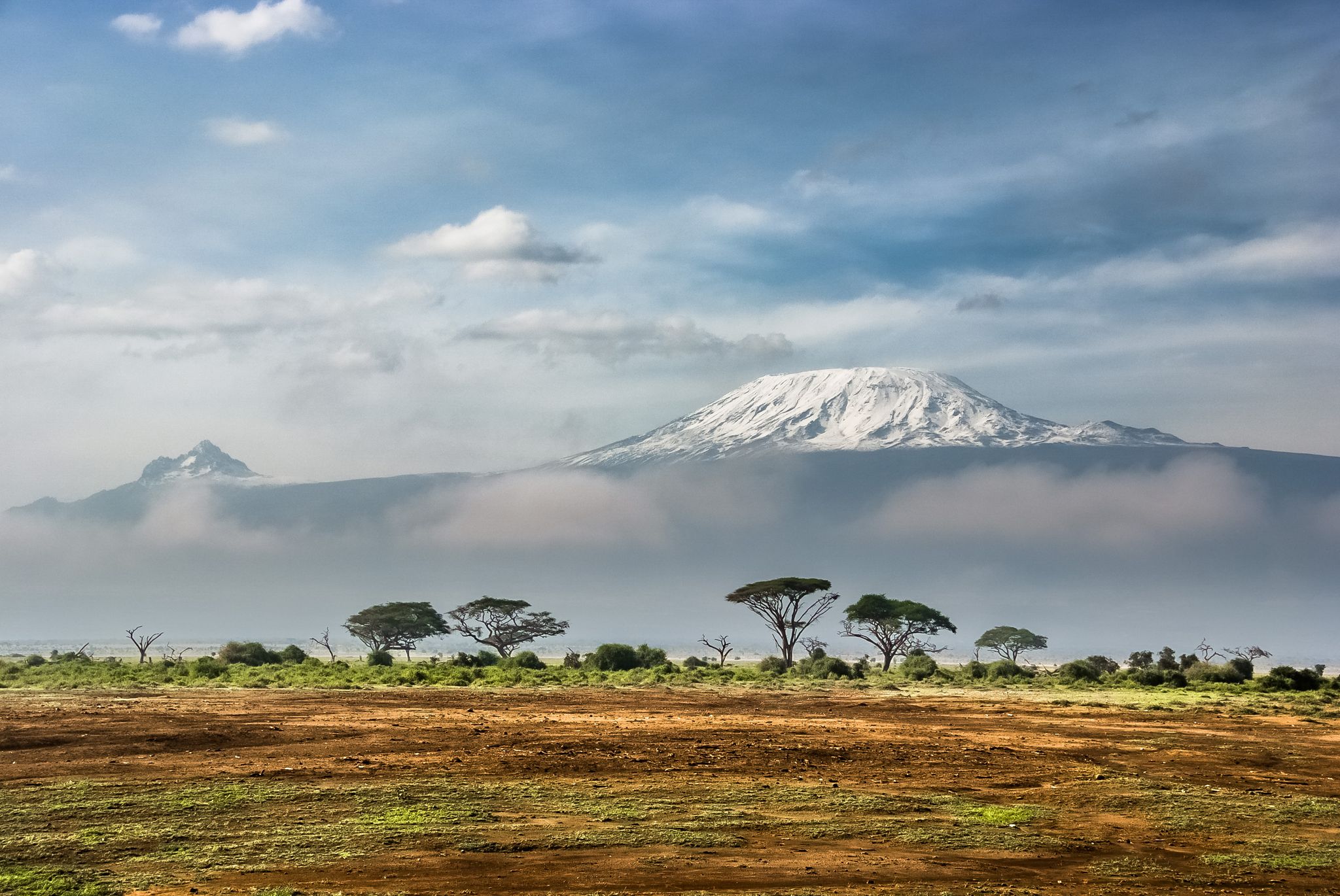
Best natural monuments around Kilimanjaro include Africa's highest peak, a dormant stratovolcano composed of three distinct volcanic cones: Kibo, Mawenzi, and Shira. This UNESCO World Heritage site features diverse ecological zones, from rainforests to alpine deserts, offering varied landscapes. The region's geological formations give rise to numerous natural attractions, making it a significant destination for exploring unique natural phenomena. Visitors can experience a wide range of natural monuments, from towering summits to impressive waterfalls and ancient volcanic structures.
Best natural monuments around Kilimanjaro
- The most popular natural monuments is Uhuru Peak (5,895 m), Mount Kilimanjaro, a summit that is the highest point in Africa. This peak on the Kibo cone features a large crater and offers panoramic views across vast landscapes.
- Another must-see spot is Materuni Waterfall, a waterfall accessible via a footpath through the village and forest. Visitors can experience a refreshing natural spectacle in a lush forest environment.
- Visitors also love Lava Tower, an imposing 300-foot-tall rock structure. This distinct geological formation serves as a significant landmark along various climbing routes and offers a glimpse into the mountain's volcanic history.
- Kilimanjaro is known for its diverse peaks, waterfalls, and unique volcanic formations. The area offers a variety of natural monuments to see and explore, from high-altitude summits to lush forest environments.
- The natural monuments around Kilimanjaro are appreciated by the komoot community, with more than 89 upvotes and 50 photos shared across the highlights.
Last updated: June 26, 2026
Uhuru Peak (5,895 m), Mount Kilimanjaro
Highlight • Summit
Kilimanjaro means "mountain of the evil spirit". There is a legend among the Swahili that on Kilimanjaro there lives a wicked god who does not tolerate any man on his mountain. Anyone who tried it would stiffen their hands and feet and then fall off.
There are several routes on the Kibo. Technically, the climb is not difficult, the height is the biggest challenge for climbers. If you make your way to the kibo, you should plan for at least five to seven days for the return trip. The ascent is chargeable, in addition, the commission of local carriers is mandatory.
Translated by Google •
Tip by

Lava Tower
Highlight • Natural Monument
Tip by

Sign up now to discover places like this
Get recommendations on the best single tracks, peaks, & plenty of other exciting outdoor places.
Sign up for free
Materuni Waterfall
Highlight • Waterfall
Translated by Google •
Tip by

Stella Point
Highlight • Summit
Translated by Google •
Tip by

Kibo Hut to Horombo Hut (Marangu Route, Kilimanjaro National Park)
Highlight (Segment) • Trail
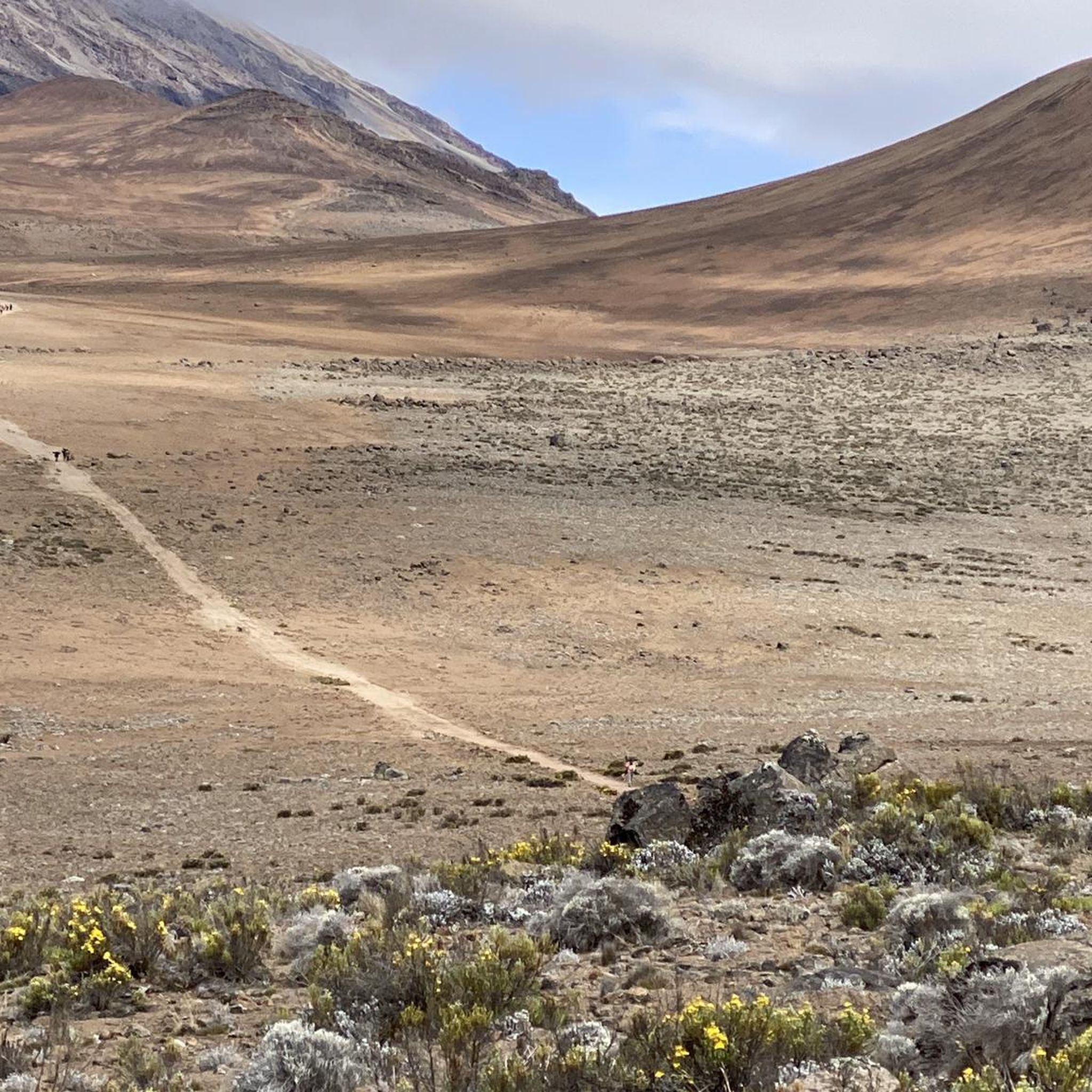
Marangu is a demanding mountain trekking route of at least five days, on which, compared to other routes, the percentage of mountain tourists gives up - not least because the Marangu route is often underestimated.
It is therefore absolutely advisable to take an acclimatization day (6-day route) at Horombo Hut (3,725 m). B. during the day to visit the Zebra Rocks (approx. 4,000 m).
The Marangu route, like all other routes, should be tackled with the necessary respect and proper preparation training. No matter which route you choose, the altitude remains - and thus the crux of every Kilimanjaro climb. Be sure to walk slowly from day 1 and don't smile at the repetitive “Pole Pole” (slow, slow) of your guide and the passing porters. You know what you're talking about.
Translated by Google •
Tip by

Marangu Gate to Mandara Hut Trail, Kilimanjaro National Park
Highlight (Segment) • Trail
Tip by

Barranco Wall
Highlight • Climb
Translated by Google •
Tip by

Barranco Camp, Kilimanjaro National Park
Highlight • Mountain Hut
Translated by Google •
Tip by

Horombo Hut to Kibo Hut Trail
Highlight • Trail
Tip by

Colobus Monkeys in Kilimanjaro National Park
Highlight • Forest
Translated by Google •
Tip by

Sign up for free to discover even more natural monuments around Kilimanjaro.
Sign up for free
Already have an account?
Start today with a free account
Your next adventure awaits.
Login or Signup
Other adventures around Kilimanjaro

Tips from the Community

When following the Lemosho route on Kilimanjaro. You climb up to the Lava Tower. Lava Tower is a 300-foot tall rock structure on Mount Kilimanjaro. It is a distinct geological formation and significant landmark on the mountain. Lava Tower is a volcanic plug that was formed when Kilimanjaro was an active volcano. The process began between 150,000-200,000 years ago during a volcanic eruption. Magma rose through a vent from deep within the Earth to reach the surface. After the eruption subsided, the magma within the vent cooled and solidified. Over time, erosion wore away the softer, surrounding volcanic material, leaving the hard material exposed.
0
0

Beautiful views of the towns below the mountain.
0
0

Barranco Camp is one of the most beautiful camps on Kilimanjaro, from here you can see the Barranco Wall and also the caravan that sets off in the morning 😌
0
0
Barranco Wall. Very nice wall, one of the few places on the whole tour to Kilimanjaro where you have to use your hands to climb, but not as difficult as it looks
1
0
Beautiful rock formation, the porters set up the tents up there and serve something to eat. You stay there for about an hour to acclimatise. It is at least 4600 m high
0
0

The Materuni Waterfall is accessible by a footpath from the hiking start point. There are multiple “guides” offering their services to bring you there. They also take an entrance fee to the area, even if there is no real governmental park sign or something. In our case we paid 10.000 Shillings for the entrance fee and 10.000 for the guide per person. If you do the coffee and lunch or need a lift from or to Moshi they will charge you extra. From the hike starting point it is a ~40min walk through the village and forest before you arrive at the waterfall. It’s a beautiful spot in the middle of nature. You can also go into the water at your own risk. We did a refreshing dip in the pool there.
1
0

If you walk quiet you may see these nice and calm monkeys in the trees
2
0

Frequently Asked Questions
Beyond Uhuru Peak, what other significant natural monuments can I explore on Kilimanjaro?
While Uhuru Peak is the highest point, Kilimanjaro offers other remarkable natural monuments. You can explore the rugged beauty of Mawenzi Peak, the expansive volcanic landscape of the Shira Plateau, or the imposing Lava Tower, a 300-foot-tall rock structure. The challenging Barranco Wall also provides a unique geological feature and a memorable climbing experience.
Are there any impressive waterfalls to visit near Kilimanjaro?
Yes, the foothills of Kilimanjaro are home to several beautiful waterfalls. One popular option is Materuni Waterfall, accessible via a footpath through local villages and lush forest. Other notable cascades include Kuringe, Kinukamori, and Kilasia Waterfalls, offering refreshing natural spectacles.
What are the distinct ecological zones found on Kilimanjaro?
Kilimanjaro is unique for its five distinct ecological zones, which change dramatically from base to summit. These include the vibrant Rainforest Zone, teeming with life and often shrouded in mist; the Heath and Moorland Zone, characterized by unique plants like giant groundsels; and the stark, beautiful Alpine Desert, sculpted by wind and ice.
What wildlife can I expect to see around Kilimanjaro's natural monuments?
In the lower Rainforest Zone, you might spot diverse wildlife, including various monkey species like the Colobus Monkeys and colorful birds. As you ascend to the Shira Plateau, there's a possibility of encountering larger wildlife such as elephants and buffalo, though sightings are less common at higher altitudes.
What is the best time to visit Kilimanjaro's natural monuments for hiking?
The best times to visit are generally during the dry seasons, from January to March and June to October. These periods offer clearer skies and more stable weather conditions, making hiking more enjoyable and providing better visibility of the mountain's natural features. The rainy seasons can make trails slippery and views obscured.
Are there family-friendly natural monuments or activities around Kilimanjaro?
While many of Kilimanjaro's higher-altitude monuments are challenging, the lower slopes and surrounding areas offer family-friendly options. Visiting waterfalls like Materuni Waterfall involves a pleasant walk through the forest. Exploring the rainforest zone can also be an engaging experience for families, offering opportunities to see diverse flora and fauna.
What kind of hiking trails are available near Kilimanjaro's natural monuments?
There are various hiking trails catering to different difficulty levels. For instance, the Marangu Route offers trails like the Marangu Gate to Mandara Hut Trail, which passes through forest and near waterfalls. More challenging routes include the Kibo Hut to Horombo Hut Trail. You can find more details on various routes in the Hiking around Kilimanjaro guide.
What permits are required to visit natural monuments within Kilimanjaro National Park?
Visiting natural monuments within Kilimanjaro National Park, including the mountain itself, requires permits. The cost varies depending on whether you are doing a day hike or a full multi-day climb. It's essential to arrange these permits in advance, often through a registered tour operator, as access is strictly controlled.
Is there a unique crater lake near Kilimanjaro worth visiting?
Yes, Chala Crater Lake, situated near Kilimanjaro, is a stunning natural wonder formed from volcanic activity. Its waters are known to change color with the seasons, from turquoise to emerald. Visitors can hike around its rim, swim in its serene waters, and enjoy the peaceful beauty of this hidden gem.
What is Stella Point and why is it significant for climbers?
Stella Point is a significant landmark for climbers on their way to Uhuru Peak. Located at 5,756 meters (18,885 feet) on the Kibo crater rim, reaching Stella Point is often the final major push before the summit. It offers incredible views and marks a crucial milestone in the ascent to the 'Roof of Africa'.
Are there opportunities for running trails near Kilimanjaro's natural monuments?
Yes, there are running trails available in the vicinity of Kilimanjaro. For example, you can find routes like the 'Uhuru Peak loop from Barafu Camp' or 'Running loop from Simba Farm'. These trails offer varying difficulty levels. More information on these and other running routes can be found in the Running Trails around Kilimanjaro guide.
What makes Kilimanjaro a UNESCO World Heritage site?
Mount Kilimanjaro is recognized as a UNESCO World Heritage site due to its outstanding universal value. This includes its status as Africa's highest peak, the largest free-standing volcanic mass in the world, and its remarkable range of diverse ecological zones, from rainforest to alpine desert, all within a relatively small area. You can learn more about its designation on the UNESCO website.
Most popular routes around Kilimanjaro
Most popular attractions around Kilimanjaro

Get inspired with the komoot mobile app


Explore more
Extend your search for the best caves by checking out these guides of the top ones around Kilimanjaro:
