Top 20 Natural Monuments in the T'aeback-Sanmaek
Natural monuments in the T'aeback-Sanmaek are found within a major mountain range that forms the spine of the Korean Peninsula. This region offers diverse geological formations and unique ecosystems. Prominent areas for natural monuments include Taebaeksan National Park and Odaesan National Park. The landscape provides varied natural features for exploration.
Best natural monuments in the T'aeback-Sanmaek
- The most popular natural monuments is Seoraksan National Park, a natural monument with extensive natural routes. The park offers various hiking routes with…
Last updated: July 10, 2026
Seoraksan National Park
Highlight • Natural Monument
For those …
Translated by Google •
Tip by

Ulsanbawi Peak, Seoraksan National Park
Highlight • Summit
Translated by Google •
Tip by

Sign up now to discover places like this
Get recommendations on the best single tracks, peaks, & plenty of other exciting outdoor places.
Sign up for free
Biryong Falls
Highlight • Waterfall
Translated by Google •
Tip by

Odaesan National Park
Highlight • Natural Monument
Translated by Google •
Tip by

Ujeong Spring (Ujeongsu-won)
Highlight • Natural Monument
Translated by Google •
Tip by

From Biryong Falls to Towangseong Falls
Highlight (Segment) • Waterfall
Translated by Google •
Tip by

Sinbulsan
Highlight • Summit
Translated by Google •
Tip by

Dolbada (Sea of Rocks) at Beomeosa Temple
Highlight • Natural Monument
Tip by

Gyeongju Bae-dong Samneung (Three Royal Tombs)
Highlight • Historical Site
Tip by
Oryeon Falls
Highlight • Waterfall
Tip by

Sign up for free to discover even more natural monuments in the T'aeback-Sanmaek.
Sign up for free
Already have an account?
Start today with a free account
Your next adventure awaits.
Login or Signup

Tips from the Community


A visitor walking from the Beomeosa Gregarious Wisteria Habitat along Beomeocheon Stream will find a spectacular heap of rocks extending from Geumgangam Hermitage to the North Gate of Geumjeongsanseong Fortress. This area, called Dolbada (" Sea of Rocks" ), is 70m wide and 2.5km long. It was formed by the natural process of water freezing and melting repeatedly in nearby chasms. The murmuring sound of water flowing to down Daeseongam Hermitage was thought to inspire religious faith, and it is regarded as one of the Eight Scenic Views of Geumjeong, and has the special name of Daeseong Eunsu (" Silver Water of Daeseong").
0
0
These are the tombs of King Adalla (r. 154-184), King Sindeok (r. 912-917), and his son King Gyeongmyeong (r. 917-924), the 8th, 53rd, and 54th rulers, respectively, of the Silla kingdom (57 BCE-935 CE). They are all descendants of the Bak Clan. King Adalla worked to improve domestic affairs, such as by constructing roads, and also exchanged envoys with Japan in the year 173. Kings Sindeok and Gyeongmyeong reigned during the decline of Silla. They ruled only over the Gyeongju area, as the Later Baekje and Later Goguryeo kingdoms had already taken over most of the Silla territory. The tombs, from front to back, belong to Gyeongmyeong, Sindeok, and Adalla. The tomb of King Sindeok was robbed in 1963. The walls inside the stone chamber in the tomb mound were painted like a folding screen painting.
1
0

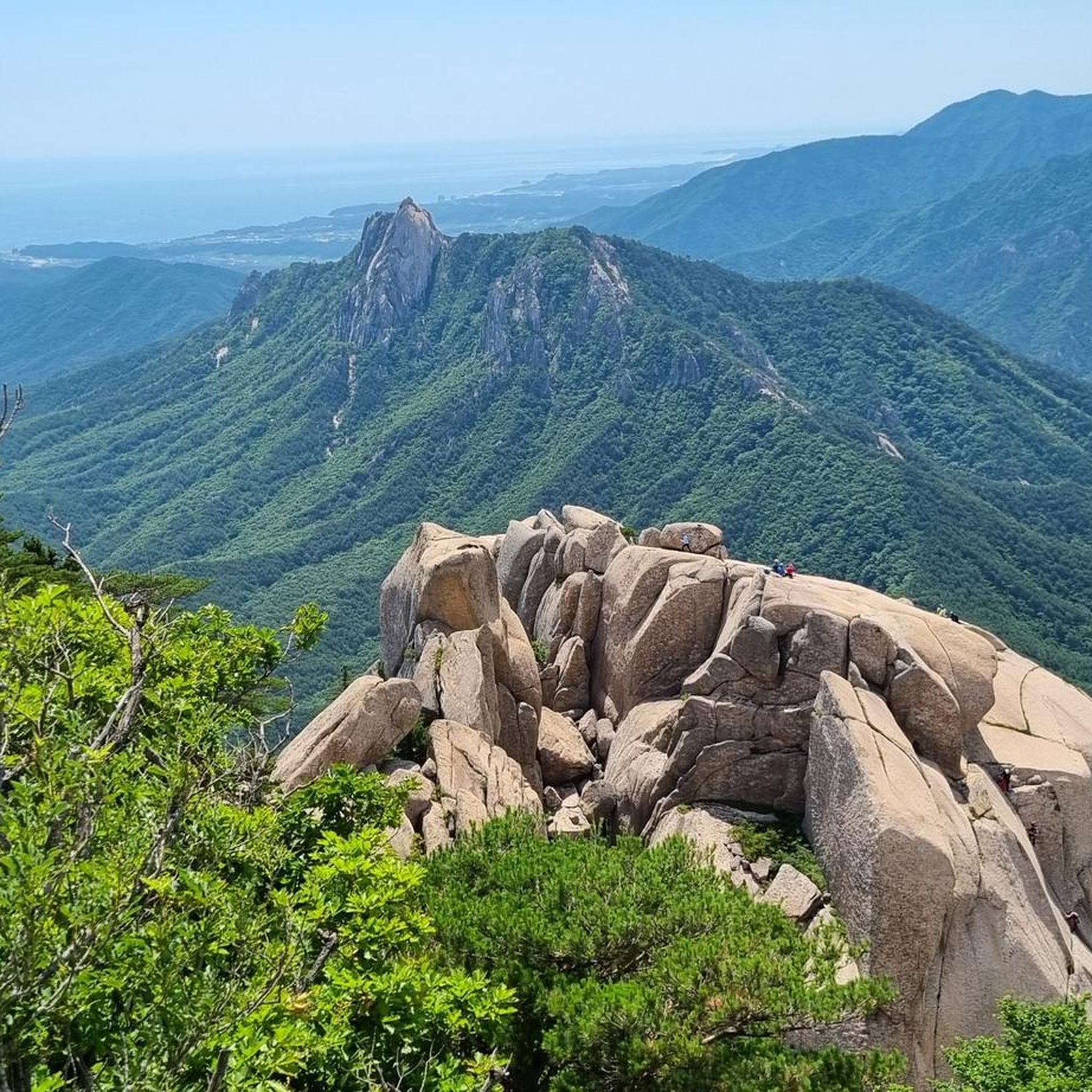
Beautiful views up there. Easy to reach, just take bus 7 or 7-1 from Sokcho and disembark on the very last stop. The route does not require any special equipment as it's mostly gravel and stairs (with handrail). Leave your poles at home, even sturdy mountain shoes are not particularly necessary. The last part is quite steep, so bring decent fitness. I did this trail in summer which can be very warm. We came early (the first bus from Sokcho runs at ~6.30) and the ascent was in the shadow mostly. Would not recommend to come later in the day as the sun will roast you. As everywhere in Korea, there's an abundance of toilets, the last one before the ascent is clearly marked as such.
0
0

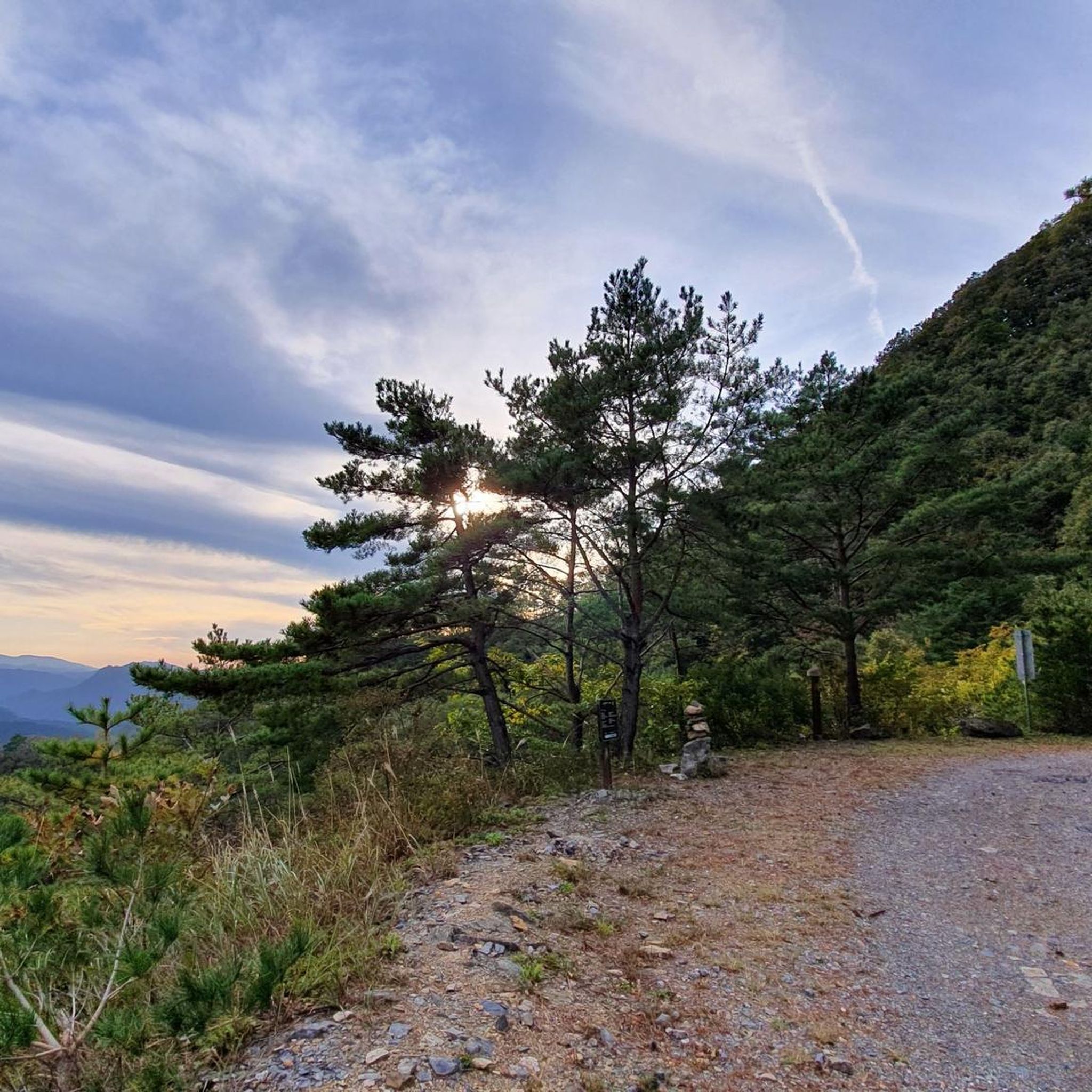
Summit with a 360 degree view. There are picnic areas on each side, choose the windless side!
1
0

What you should know about Seoraksan National Park is that the hike to Geumgangul Cave is really beautiful and challenging, as it goes very steeply uphill on rocks and stone steps. Shortly before the end, however, you can only reach the cave via a staircase mounted on the outside of the rock. Unfortunately, I had to pass on that. You do have to be able to handle a bit of height here. The same applies to the hike to Ulsanbawi Rock. On weekends and in autumn, it is more than full. Today, Sunday 10/20/24, we hiked to Ulsanbawi Rock in single file, which somewhat spoils the fun. But Seoraksan National Park is great and if you hike the main routes, you have to be prepared for there to be a lot of other hikers with you at peak times. But this is a good opportunity to immerse yourself in Korean hiking culture.
0
1

Towangseongpopo usually does not have a lot of water, so it is difficult to appreciate the water flow with the naked eye from the observatory, but after heavy rain, it creates a spectacular sight. The slope is relatively gentle up to Biryong Falls, but the steep slope continues from there until the Towangseong Falls Observatory.
0
0

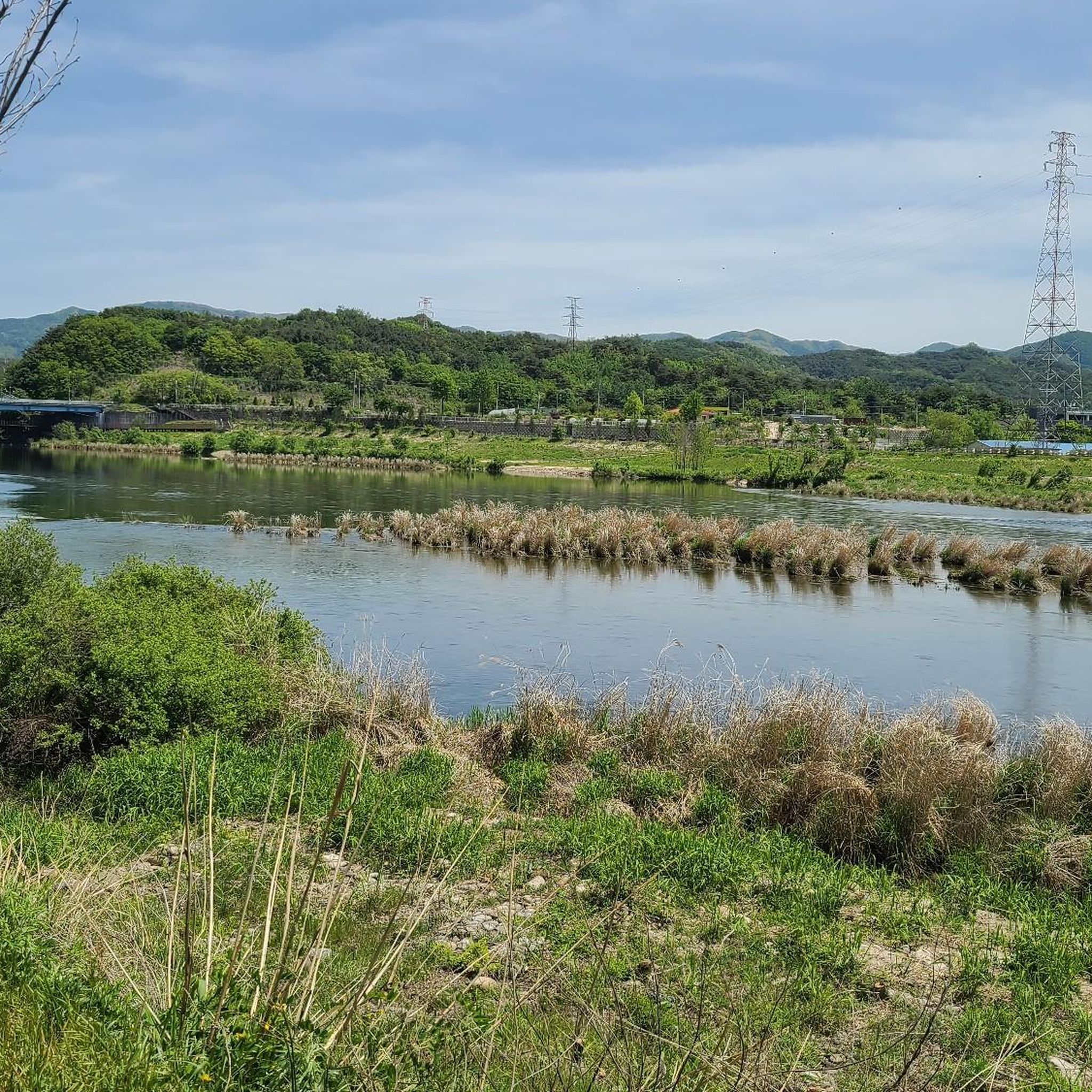
Water was drinkable and a nice cool down at this hot day. But check the paperwork from the council next to it before drinking it!
0
0
Frequently Asked Questions
What are some of the most prominent natural monuments to visit in the T'aeback-Sanmaek region?
The T'aeback-Sanmaek is home to several remarkable natural monuments. Beyond the popular Seoraksan National Park, consider exploring Odaesan National Park, known for its extensive natural forest and rich biodiversity. Another significant area is Taebaeksan National Park, which features the ancient Cheonjedan Altar and the source of the Han River, Geomnyongso Spring.
Are there any natural monuments in the T'aeback-Sanmaek that are particularly family-friendly?
Yes, several natural monuments are suitable for families. Seoraksan National Park offers various routes, some of which are less strenuous. The Ujeong Spring (Ujeongsu-won) is also categorized as family-friendly. Additionally, the Gyeongju Bae-dong Samneung (Three Royal Tombs) combines historical interest with a natural setting, making it a good option for families.
What unique geological features can I find in the T'aeback-Sanmaek?
The T'aeback-Sanmaek boasts diverse geological formations. Taebaeksan National Park is home to Yongyeon Cave, South Korea's highest cave, featuring impressive stalagmites, stalactites, and cave pearls. You can also find Lower Ordovician fossils, including trilobites, in Jangseong, Taebaek, indicating ancient marine life. Another unique feature is the Dolbada (Sea of Rocks) at Beomeosa Temple.
What kind of wildlife and plant life can be observed in the natural monuments of this region?
The region is rich in biodiversity. Taebaeksan National Park is known for its significant yew habitat around Janggunbong Peak, with some trees over 1,000 years old, and the country's largest wildflower habitat. It's also the world's southernmost lenok habitat in Baekcheon Valley. Odaesan National Park is a haven for approximately 3,788 animal and plant species, including native Korean plant species and various mammals, birds, and insects.
Are there any natural monuments with historical or cultural significance?
Absolutely. Taebaeksan National Park features the Cheonjedan Altar on Yeongbong Peak, an ancient site for venerating Heaven. Odaesan National Park is a significant site for Korean Buddhism, housing prominent monasteries like Woljeongsa and Sangwonsa, which are 1,400 and 1,300 years old, respectively. The Gyeongju Bae-dong Samneung (Three Royal Tombs) also offers a blend of natural setting and historical importance.
What are the best times of year to visit the natural monuments in the T'aeback-Sanmaek?
The T'aeback-Sanmaek transforms with the seasons, offering different experiences. Spring brings vibrant mountain rhododendrons and azaleas. Summer is lush green with pristine waters. Autumn is adorned with colorful foliage, particularly stunning in areas like Sogeumgang Valley in Odaesan National Park. Winter covers the mountains in snow, offering a unique landscape. Sunrise and sunset views from peaks like Yeongbong in Taebaeksan National Park are grand on clear days, extending to the East Sea.
Can I find waterfalls within the natural monuments of the T'aeback-Sanmaek?
Yes, the region features beautiful waterfalls. Biryong Falls is a popular spot accessible via a walk. Odaesan National Park's Sogeumgang Valley is celebrated for its picturesque waterfalls and basins, including the Guryong Falls ('Nine Dragons Waterfalls'). You can also find Oryeon Falls.
What kind of outdoor activities, like hiking, are available near these natural monuments?
The T'aeback-Sanmaek offers extensive opportunities for outdoor activities. You can find numerous hiking trails, ranging from easy walks to challenging ascents. For specific hiking routes, you can explore guides like Waterfall hikes in the T'aeback-Sanmaek or Easy hikes in the T'aeback-Sanmaek. There are also options for road cycling, as detailed in the Road Cycling Routes in the T'aeback-Sanmaek guide.
Are there any natural monuments that offer panoramic views?
Many natural monuments in the T'aeback-Sanmaek provide spectacular views. Ulsanbawi Peak in Seoraksan National Park offers magnificent vistas after a strenuous climb. Sinbulsan provides a 360-degree view. Birobong Peak in Odaesan National Park, at 1,563 meters, also offers extravagant and scenic views. From Noinbong Peak, you can enjoy beautiful views of the Sogeumgang Valley.
What should I know about visiting Taebaeksan National Park?
Taebaeksan National Park is considered one of Korea's three holy mountains. It features several peaks, including Yeongbong Peak and Janggunbong Peak, known for their ancient yew trees. The park is home to the Cheonjedan Altar and the Geomnyongso Spring, the source of the Han River. For those interested in geology, Yongyeon Cave is a must-see. The park offers diverse trails, and a cable car is available for those who prefer not to hike to certain peaks.
What makes Odaesan National Park a special destination?
Odaesan National Park is renowned for having the largest natural forest in Korea and exceptional biodiversity. Its highest peak, Birobong, offers extensive scenic views. The park is also home to the Sogeumgang Valley, registered as Korea's scenic spot No. 1, known for its stunning beauty, waterfalls, and basins. Beyond its natural wonders, Odaesan holds significant cultural importance with ancient Buddhist temples like Woljeongsa and Sangwonsa.
Most popular routes in the T'aeback-Sanmaek
Most popular attractions in the T'aeback-Sanmaek

Get inspired with the komoot mobile app


Explore more
Extend your search for the best caves by checking out these guides of the top ones in the T'aeback-Sanmaek:
