Top 20 Natural Monuments in the Serra de Tramuntana Mountains
Best natural monuments in the Serra de Tramuntana Mountains are found within a UNESCO World Heritage site in Mallorca, Spain. This mountain range, spanning approximately 90 kilometers, features a diverse landscape of peaks, cliffs, forests, and coves. The region is recognized for the harmonious coexistence of human activity and the natural environment, offering a variety of natural features for exploration. Its geological formation, primarily limestone, also makes it a crucial water reserve for Mallorca.
Best natural monuments in the Serra…
Last updated: July 10, 2026
Old Olive Tree
Highlight • Natural Monument
Translated by Google •
Tip by

Talaia d'Alcúdia — Summit and Ruins
Highlight • Summit
The tin hut is often occupied and serves as a fire watchtower.
Translated by Google •
Tip by

Sign up now to discover places like this
Get recommendations on the best single tracks, peaks, & plenty of other exciting outdoor places.
Sign up for free
Camí de s'Arxiduc (Archduke's Trail)
Highlight • Trail
Translated by Google •
Tip by

Cúber Reservoir
Highlight • Lake
Translated by Google •
Tip by

Barranc de Biniaraix Stone Path
Highlight (Segment) • Trail
Translated by Google •
Tip by
Rock Passage to Penya des Migdia
Highlight • Climb
Translated by Google •
Tip by

Rock Gateway on Sa Calobra Road
Highlight • Gorge
Translated by Google •
Tip by

Portell de Sementer
Highlight • Gorge
Translated by Google •
Tip by
The Camel
Highlight • Natural Monument
Showing Translation
Tip by

Torrent de Pareis Gorge and Sa Calobra Bay
Highlight • Gorge
Translated by Google •
Tip by

Sign up for free to discover even more natural monuments in the Serra de Tramuntana Mountains.
Sign up for free
Already have an account?
Start today with a free account
Your next adventure awaits.
Login or Signup
Popular around Serra de Tramuntana Mountains
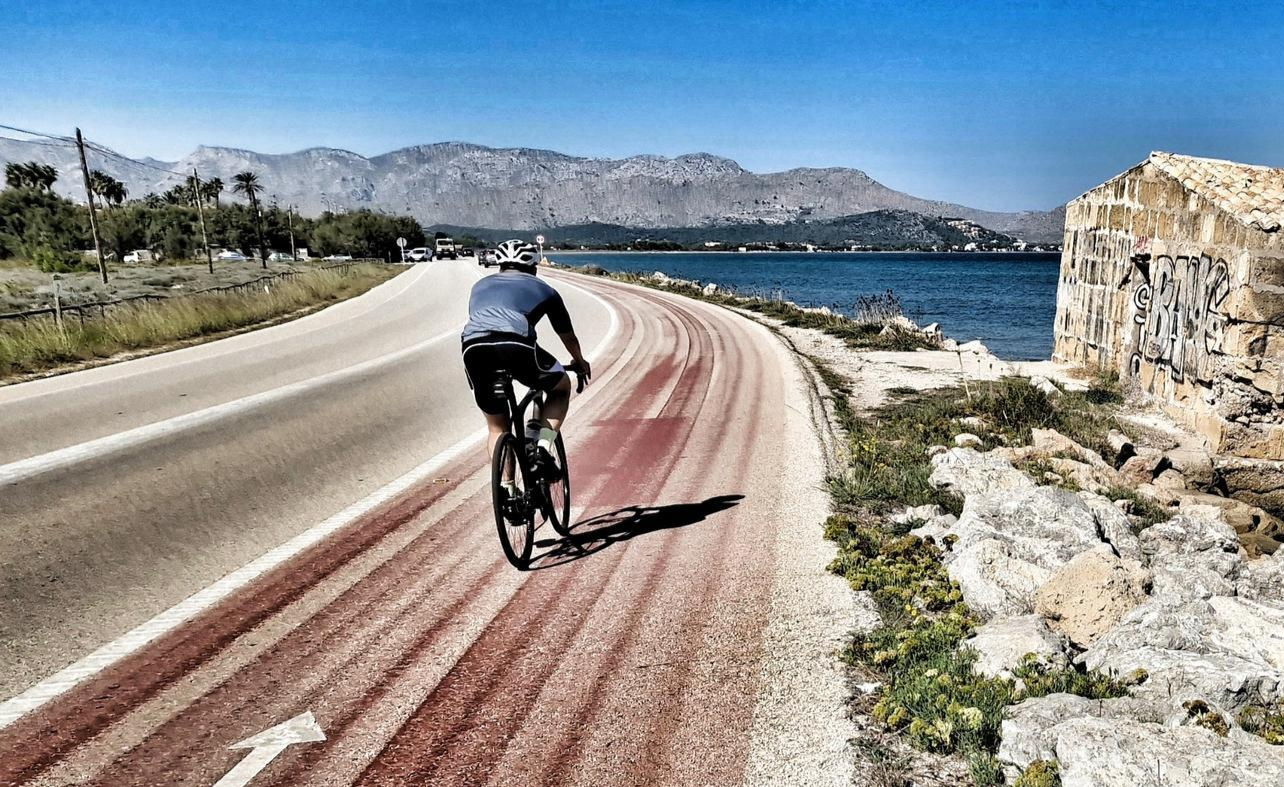
Cycling in the heart of the island - Mallorca 167
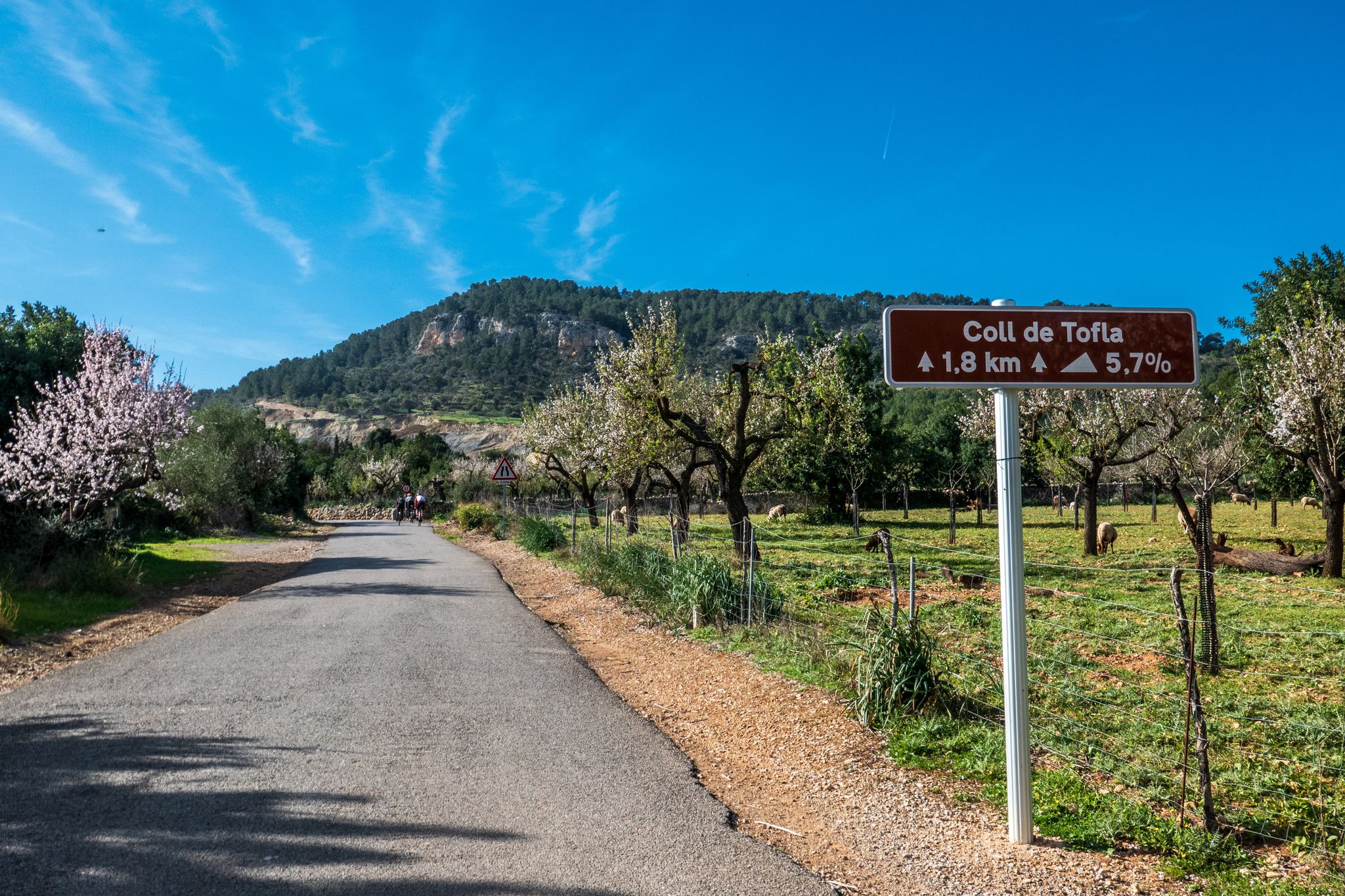
Between sea and Serra de Tramuntana - Mallorca 225
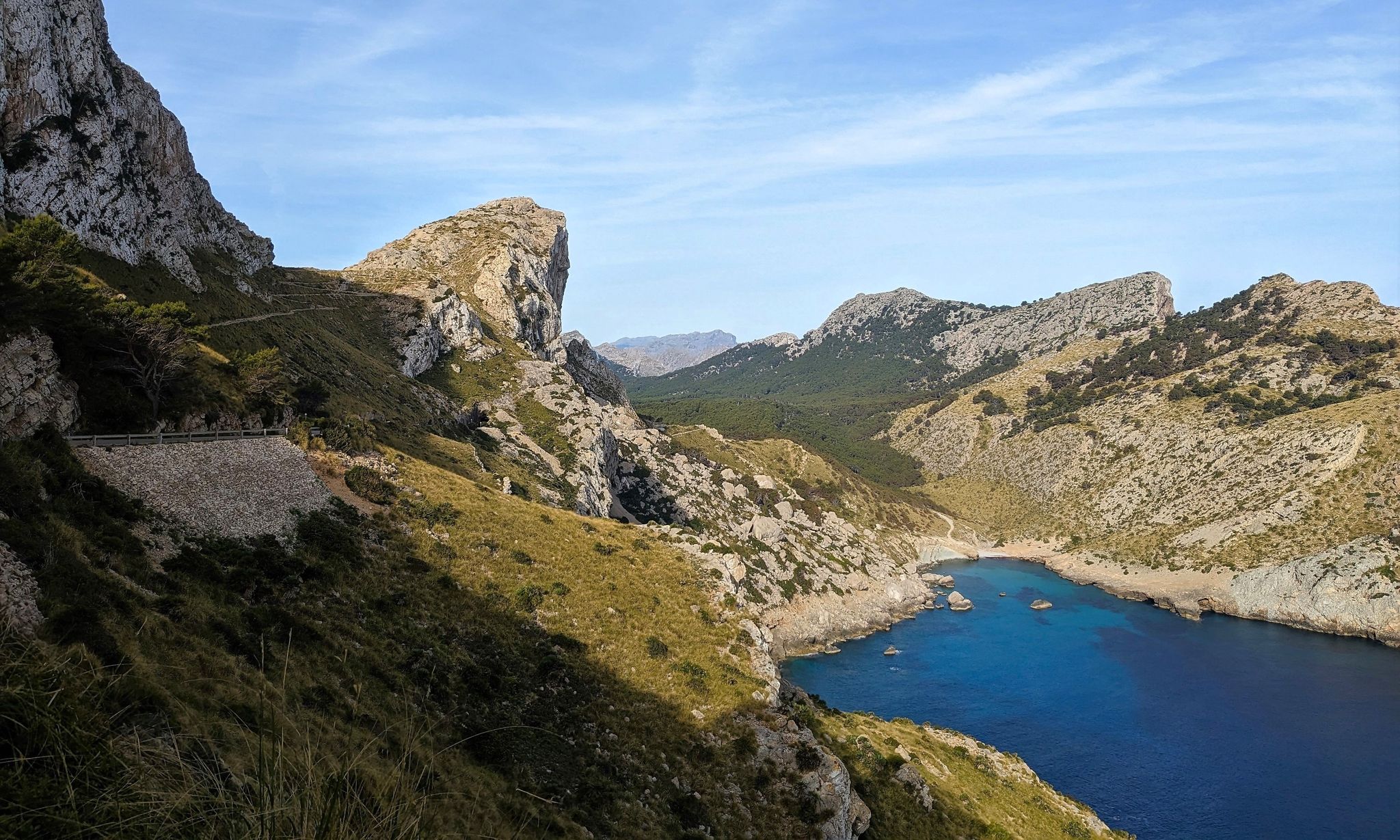
The island of calm – a week in Majorca
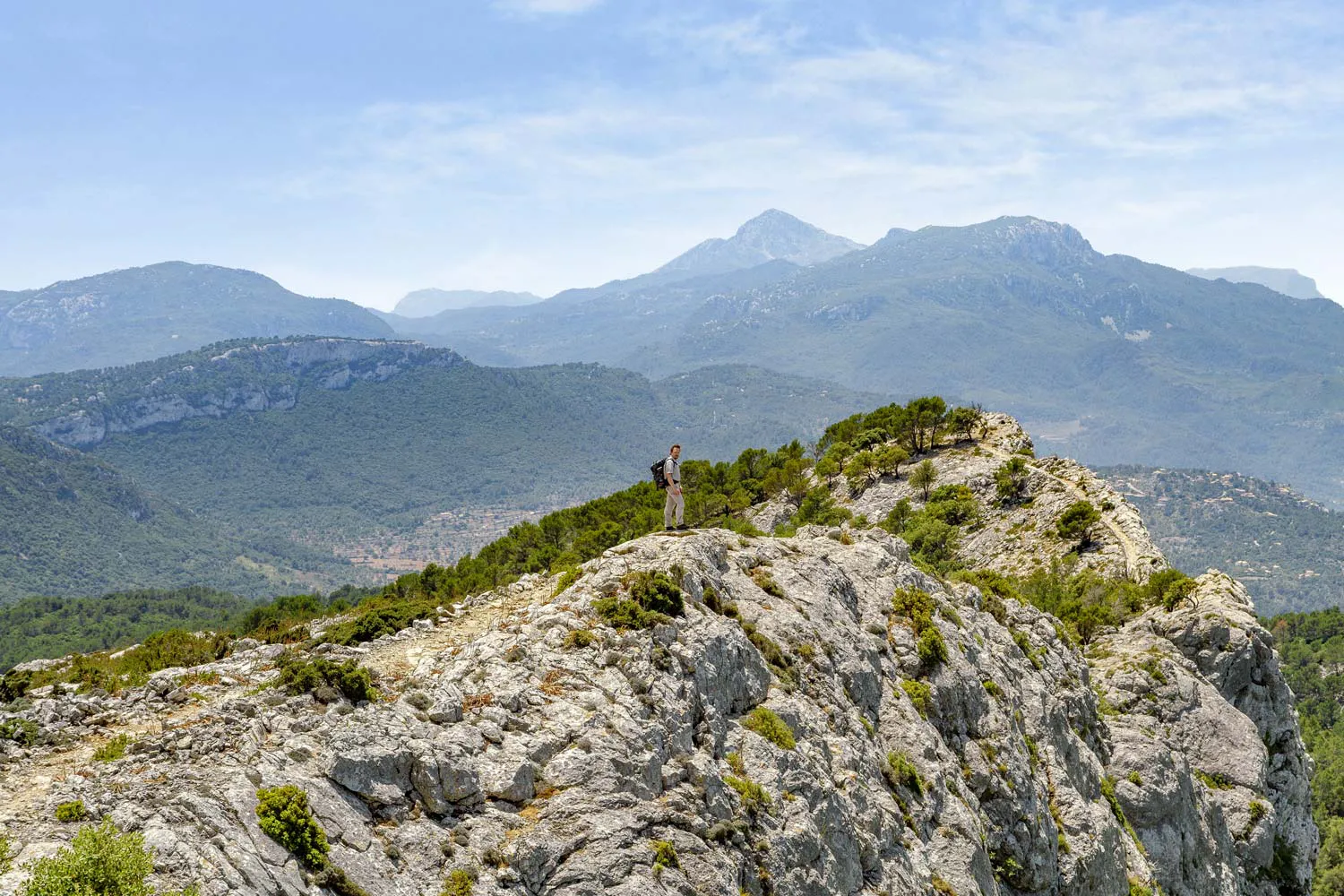
Stoney paths through the Tramuntana Mountains – Ruta de Pedra en Sec (GR221)
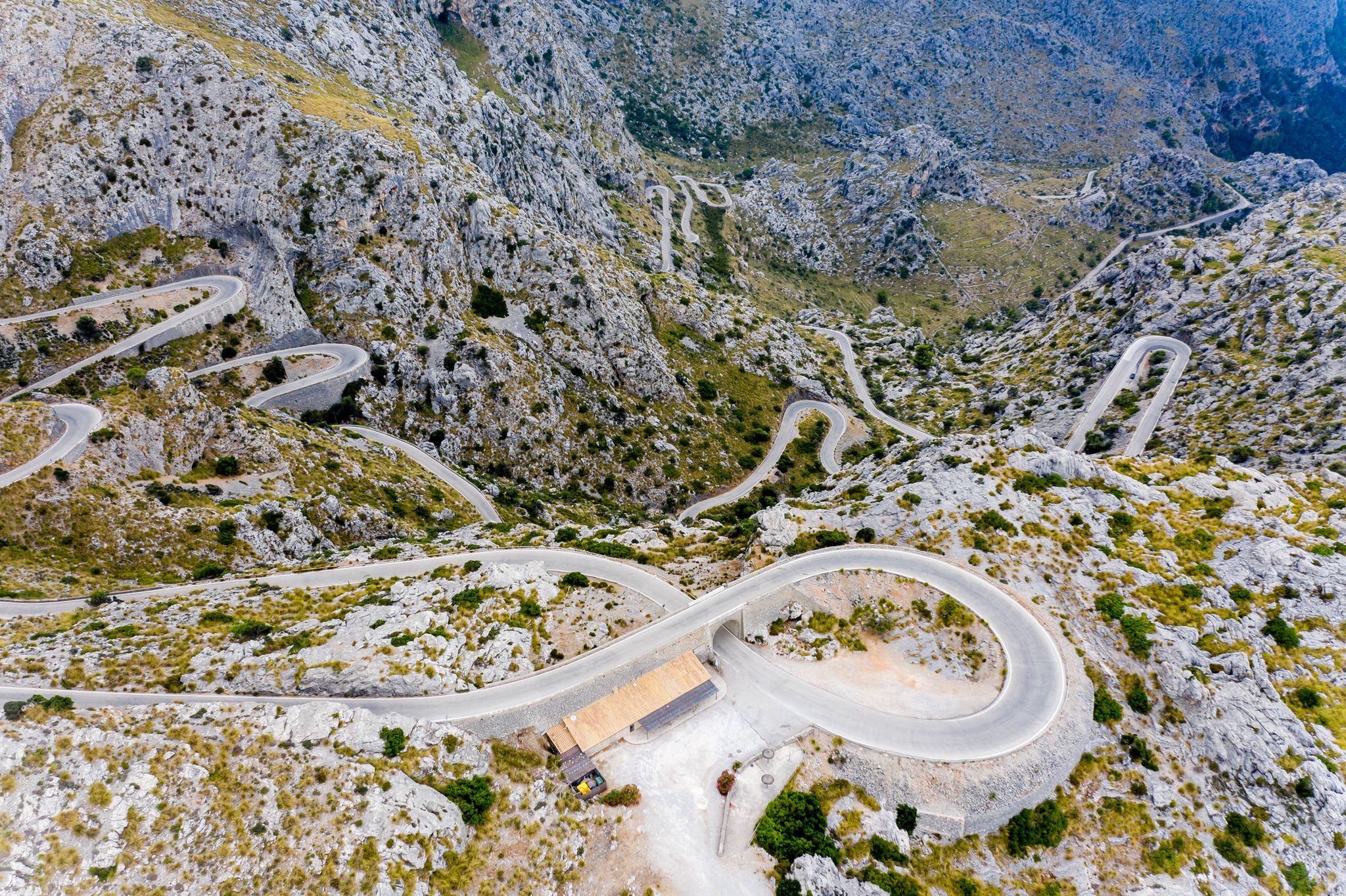
The island from above – the best climbs in Majorca
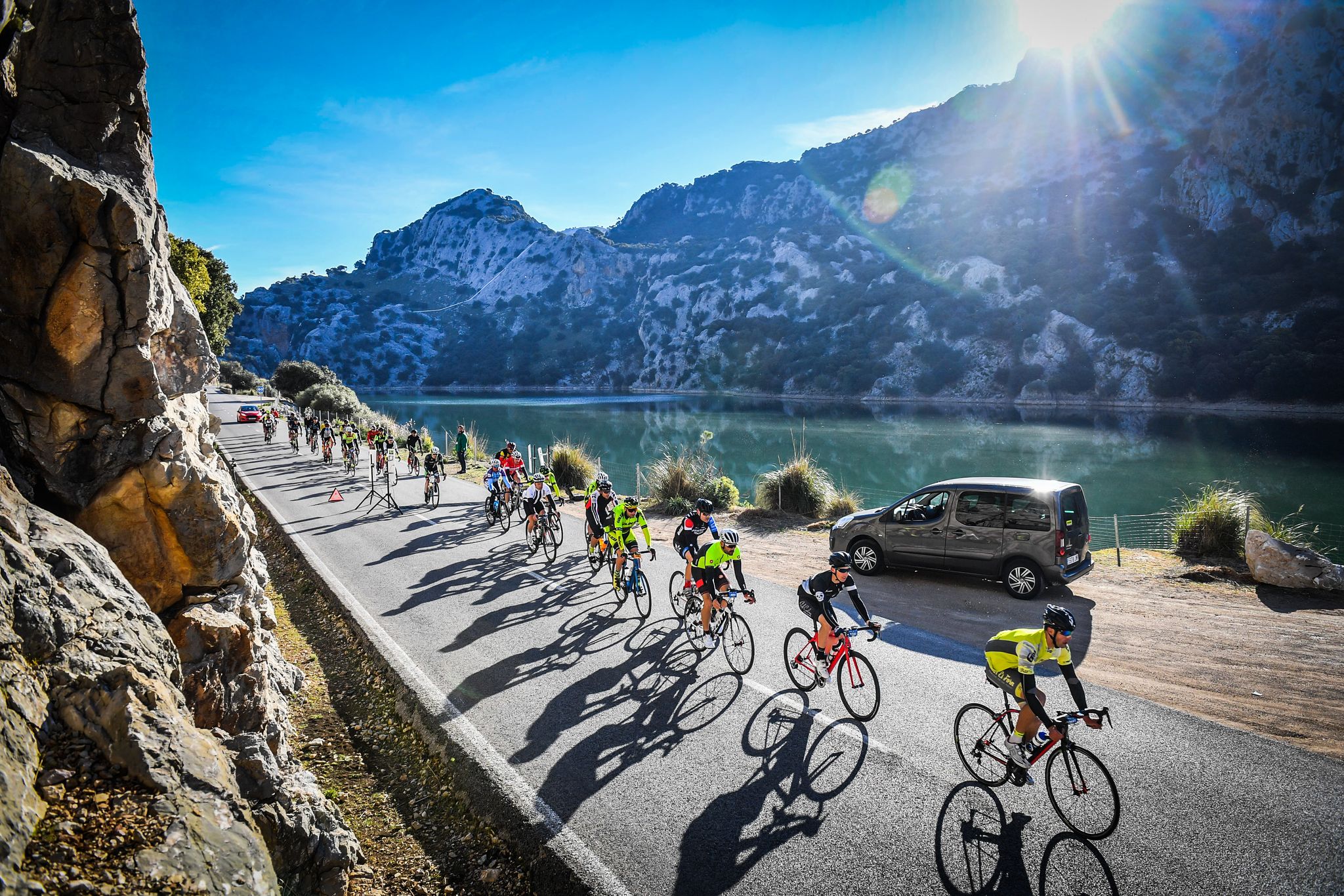
Road rides to beaches and summits – Mallorca 312
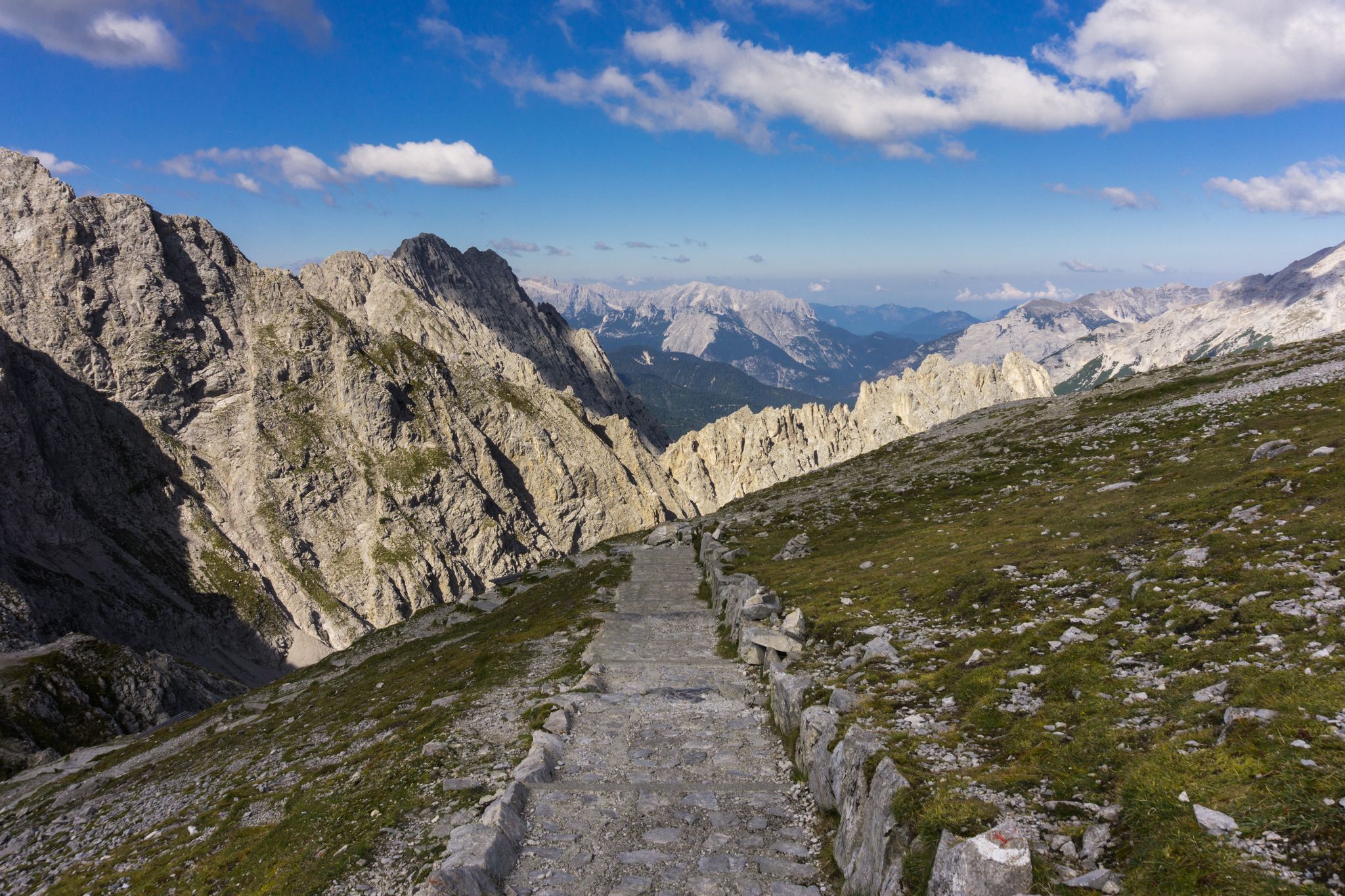
Las Cumbres Reinas de España — Spanish mountain trail races
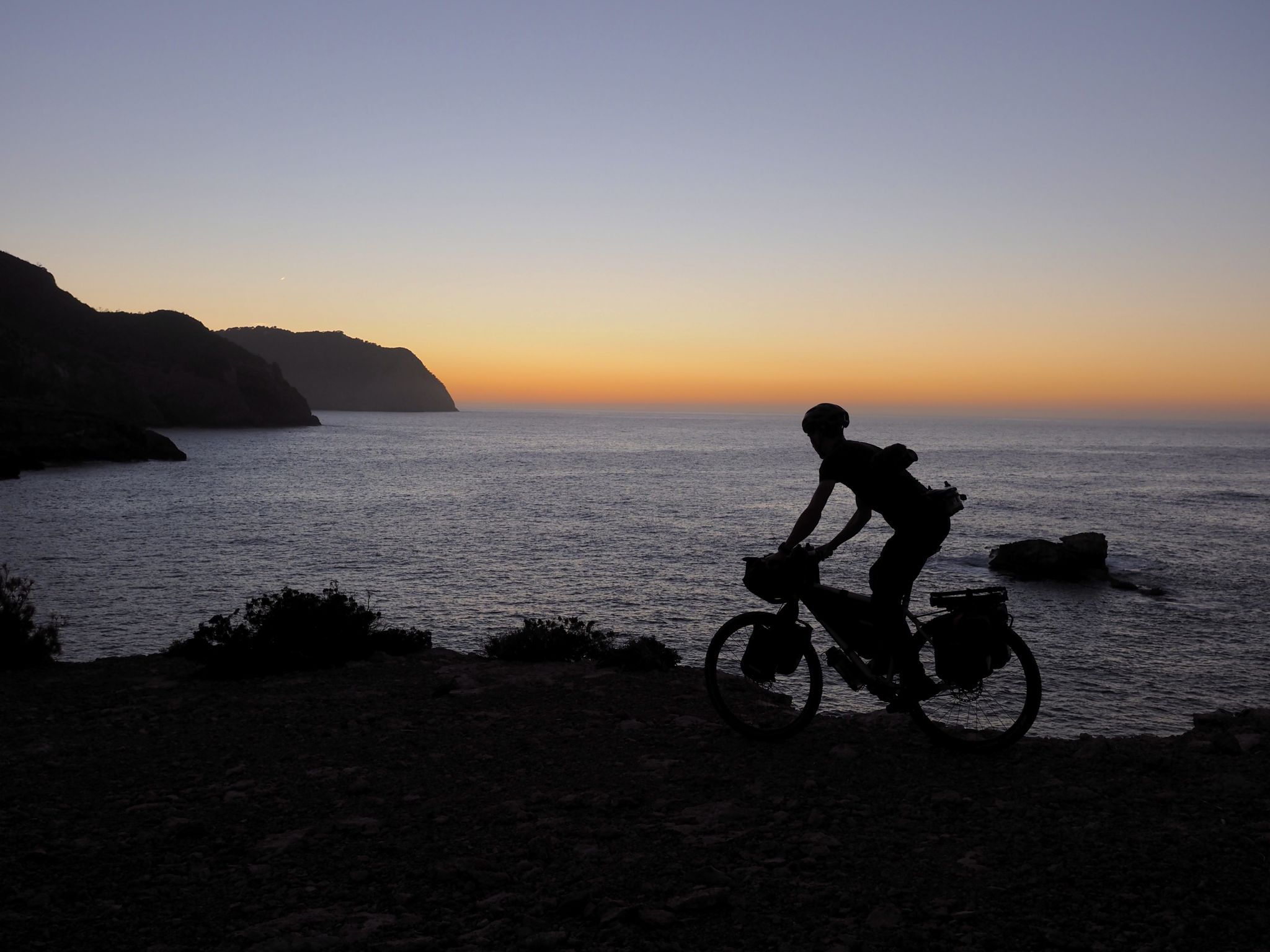
Island hopping in the Spanish Balearic Islands — the TransBaleares
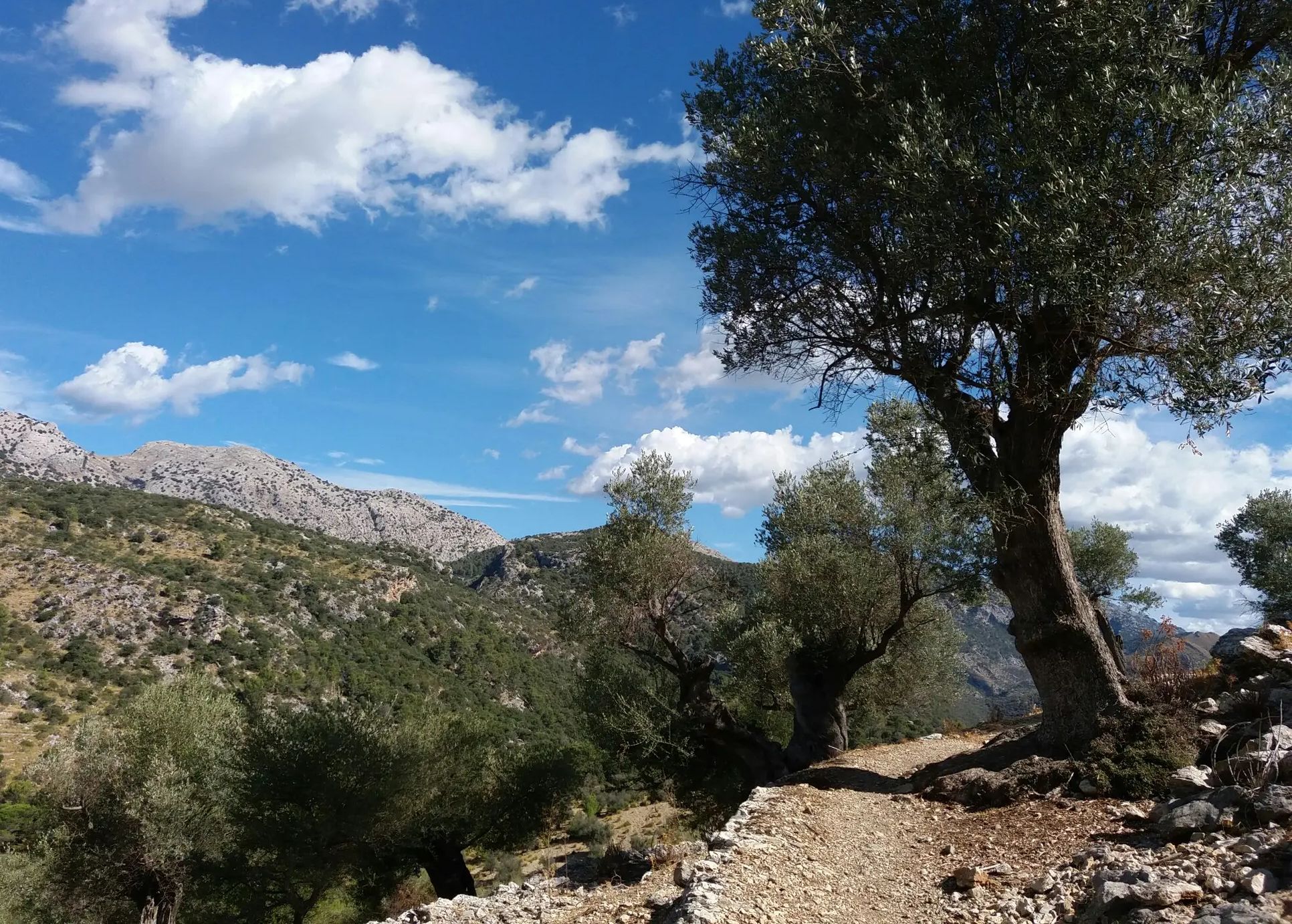
Mallorca with a difference — rocky peaks and lonely coastal paths
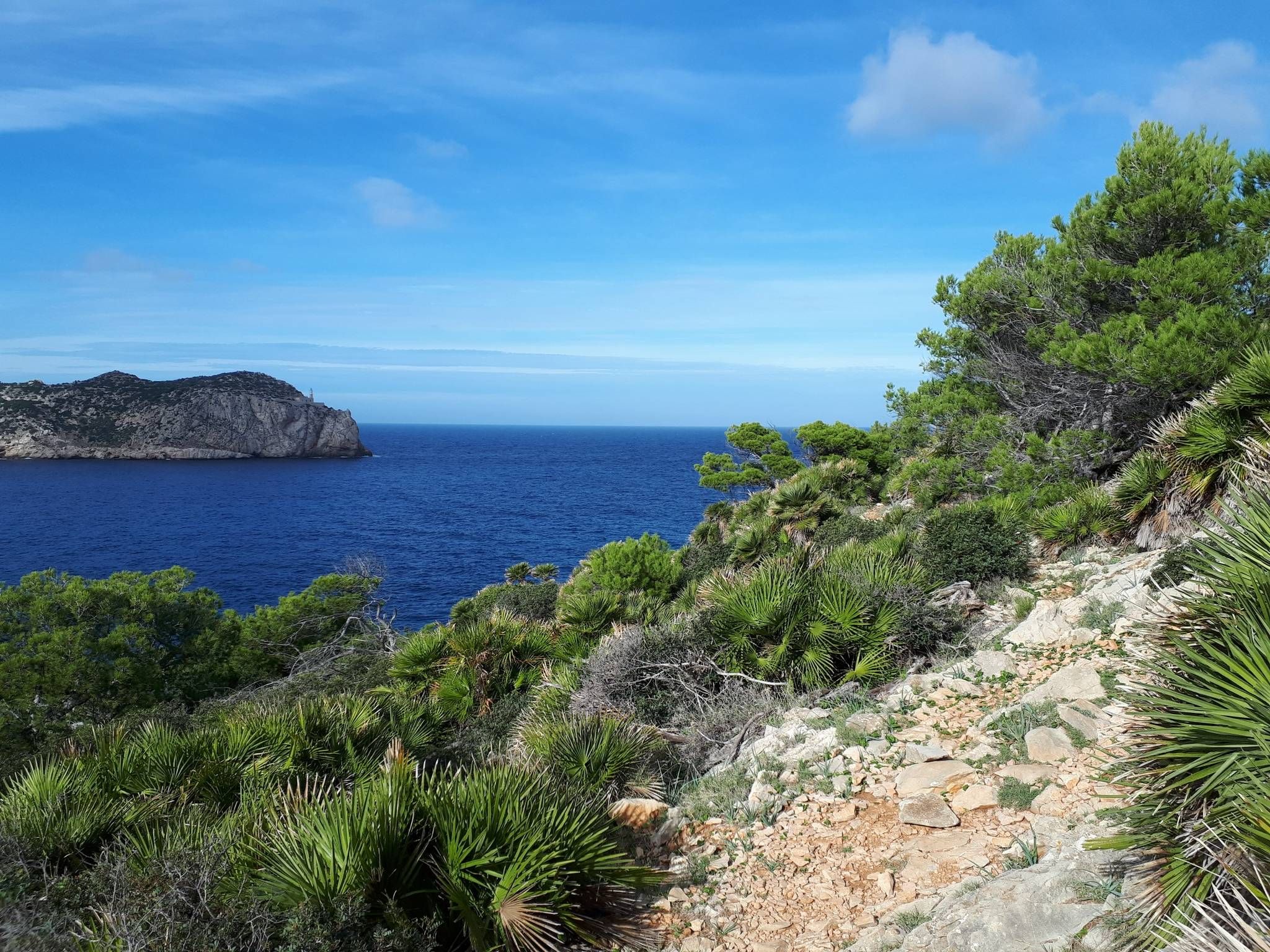
Shredding trails on the island of Mallorca
Other adventures in the Serra de Tramuntana Mountains


Tips from the Community

Es Camell is a distinctive rock formation in the Serra de Tramuntana, whose silhouette resembles a lying camel. From a distance, the natural rock shape looks particularly impressive against the mountain panorama. A characteristic landmark that makes nature's creative power visible.
5
0
The Portell de Sementer is a striking pass in the Vall de Bóquer near Port de Pollença. Between rocky slopes, the view opens up further into the valley and towards the coast. A beautiful landmark on the way to Cala Bóquer, which impressively showcases the wild landscape.
2
0

Here the hiking trail leads us between two large rocks. A pretty photo opportunity.
1
0

A karst rock formation that looks like a camel. A fantastic highlight on a magnificent trail from Lluc up into the Tramuntana Mountains.
3
0

Many small paths lead to the bay, some are easy to find, some make you stumble through the bushes
4
0

Accessible via several routes. Coming from the southwest and southeast, it's significantly more scenic, but also more strenuous, than the mainstream route. The tin hut is often occupied and serves as a fire lookout. Great views over the Badia de Pollença, Puig Romaní, Cap Formentor, the Penya Roja, the northern foothills of the Tramuntana, the Badia d'Alcúdia and its resorts, all the way to Cap de Ferrutx.
7
2

Beautiful bathing bay. Accessible via two tunnels carved into the rock. 🥰
9
1

Very beautiful area
5
0
Frequently Asked Questions
What unique natural features can I explore in the Serra de Tramuntana Mountains?
The Serra de Tramuntana Mountains offer a diverse range of natural features. You can discover the dramatic canyon of Rock Gateway on Sa Calobra Road and the stunning Torrent de Pareis Gorge and Sa Calobra Bay, known for its breathtaking landscapes. Other highlights include the intermittent Fonts Ufanes springs near Campanet, the iconic rock arch of Sa Foradada, and the impressive Coves de Campanet, an underground cave system with magnificent stalactites and stalagmites.
Are there family-friendly natural monuments in the Serra de Tramuntana Mountains?
Yes, several natural monuments are suitable for families. The Cúber Reservoir is a tranquil spot perfect for a relaxed visit. The Coves de Campanet also offer an engaging experience for all ages, exploring fascinating underground formations. For easy walks, consider routes around the Cúber Reservoir, such as the 'Cúber Reservoir – Cúber Reservoir loop' which is an easy 4.5 km hike.
What historical or cultural sites are integrated with the natural monuments?
The Serra de Tramuntana is a UNESCO Cultural Landscape, reflecting the harmonious coexistence of human activity and nature. You can explore the Camí de s'Arxiduc (Archduke's Trail), a historic path laid out in the 19th century offering magnificent views. The Ancient Olive Groves of the Serra de Tramuntana showcase centuries-old agricultural practices, with some trees being over a thousand years old. Additionally, the Barranc de Biniaraix Stone Path is another historical trail winding through a canyon.
What is the best time to visit the natural monuments in the Serra de Tramuntana Mountains?
The best time to visit is generally during spring (April-May) and autumn (September-October) when the weather is mild and pleasant for hiking and exploration. Summers can be very hot, especially for exposed trails, while winters offer a different, often quieter, experience, though some higher routes might be challenging due to weather conditions. For phenomena like Fonts Ufanes, heavy rainfall is required, typically occurring in autumn or winter.
Are there challenging hiking trails near the natural monuments?
Absolutely. The Serra de Tramuntana offers numerous challenging trails. For instance, the 'Talaia d'Alcúdia and Penya des Migdia Loop' is a difficult 12.6 km hike. The Rock Passage to Penya des Migdia is an exciting and challenging section requiring sure-footedness and a head for heights. You can find more challenging options in the Mountain Hikes in the Serra de Tramuntana Mountains guide.
What kind of wildlife can I expect to see around the natural monuments?
The diverse landscape of the Serra de Tramuntana is home to a variety of flora and fauna, including endemic species. While specific sightings are never guaranteed, you might encounter various bird species, including raptors, especially in the higher elevations and coastal cliffs like Cap de Formentor. The lush forests and mountainous terrain also support smaller mammals and unique plant life.
How long should I plan for a visit to the natural monuments?
The duration of your visit depends on which natural monuments you wish to see and your activity level. For a quick visit to a single site like Cap de Formentor or Coves de Campanet, a few hours might suffice. However, to truly immerse yourself and explore multiple sites or undertake longer hikes, plan for at least a full day or even several days, especially if you want to experience different areas of the mountain range.
Are there any natural monuments that offer spectacular viewpoints?
Many natural monuments in the Serra de Tramuntana provide incredible vistas. Talaia d'Alcúdia — Summit and Ruins offers extensive views. Cap de Formentor, with its Mirador de Es Colomer viewpoint, provides jaw-dropping panoramic views of the coastline. The Camí de s'Arxiduc (Archduke's Trail) also boasts magnificent views of the Tramuntana coastline. Even the The Camel rock formation offers a unique perspective.
What outdoor activities can I do near these natural monuments?
The region is ideal for various outdoor activities, primarily hiking. You can find a wide range of trails, from easy walks around the Cúber Reservoir to challenging mountain hikes. The Hiking in the Serra de Tramuntana Mountains guide and Easy hikes in the Serra de Tramuntana Mountains guide offer numerous routes. Cycling is also popular, especially on scenic roads like the one leading to Sa Calobra, which features the spectacular Rock Gateway on Sa Calobra Road.
What should I wear when hiking to the natural monuments?
When hiking in the Serra de Tramuntana, it's essential to wear appropriate footwear, such as sturdy hiking shoes or boots, especially for trails that require sure-footedness or involve rocky terrain. Layered clothing is recommended as weather conditions can change, particularly at higher altitudes. Don't forget sun protection, including a hat and sunscreen, and carry plenty of water, especially during warmer months, as some sections can be exposed.
Are there any ancient trees or forests considered natural monuments?
Yes, the Serra de Tramuntana is renowned for its ancient olive trees. The Old Olive Tree and the broader Ancient Olive Groves of the Serra de Tramuntana are significant natural monuments. These trees, some over a thousand years old, are not only beautiful but also represent a deep historical connection to the region's agricultural heritage, introduced by the Phoenicians and expanded by the Romans.
Can I find wild swimming spots near the natural monuments?
While the focus is on natural monuments, the Serra de Tramuntana's dramatic coastline features picturesque coves that are perfect for wild swimming. Sa Calobra beach, at the mouth of the Torrent de Pareis, is a popular spot. Cap de Formentor also boasts sublime coves like Cala Figuera and Cala Murta, offering refreshing dips in the Mediterranean Sea after exploring the cliffs and viewpoints.
Most popular routes in the Serra de Tramuntana Mountains
Most popular attractions in the Serra de Tramuntana Mountains

Get inspired with the komoot mobile app


Explore more
Extend your search for the best caves by checking out these guides of the top ones in the Serra de Tramuntana Mountains:
