Top 4 Natural Monuments in the White Mountains
Best natural monuments in the White Mountains are shaped by geological activity, including glacial forces. These features offer unique geological insights and a range of outdoor activities. The region is known for its striking natural formations and diverse landscapes. Visitors can explore various natural monuments, from gorges to waterfalls and rock formations.
Best natural monuments in the White Mountains
- The most popular natural monuments is Angel Rocks Trail, a trail that features glorious volcanic rock formations and impressive granite…
Last updated: July 10, 2026
Chena Hot Springs
Highlight • Natural Monument
In the winter, this is a great place to watch the northern lights. …
Tip by

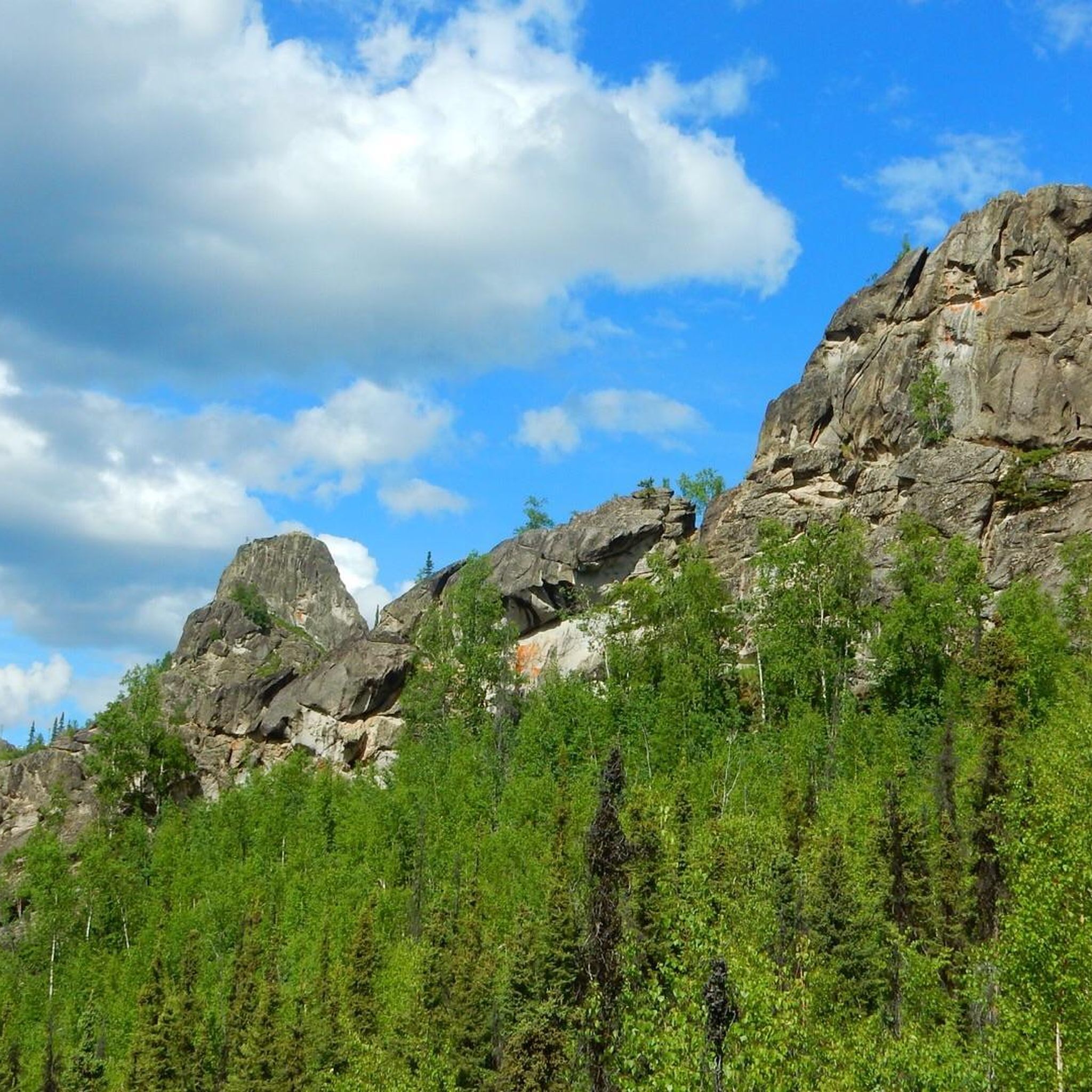
Angel Rocks Trail
Highlight • Trail
Tip by

Sign up now to discover places like this
Get recommendations on the best single tracks, peaks, & plenty of other exciting outdoor places.
Sign up for free
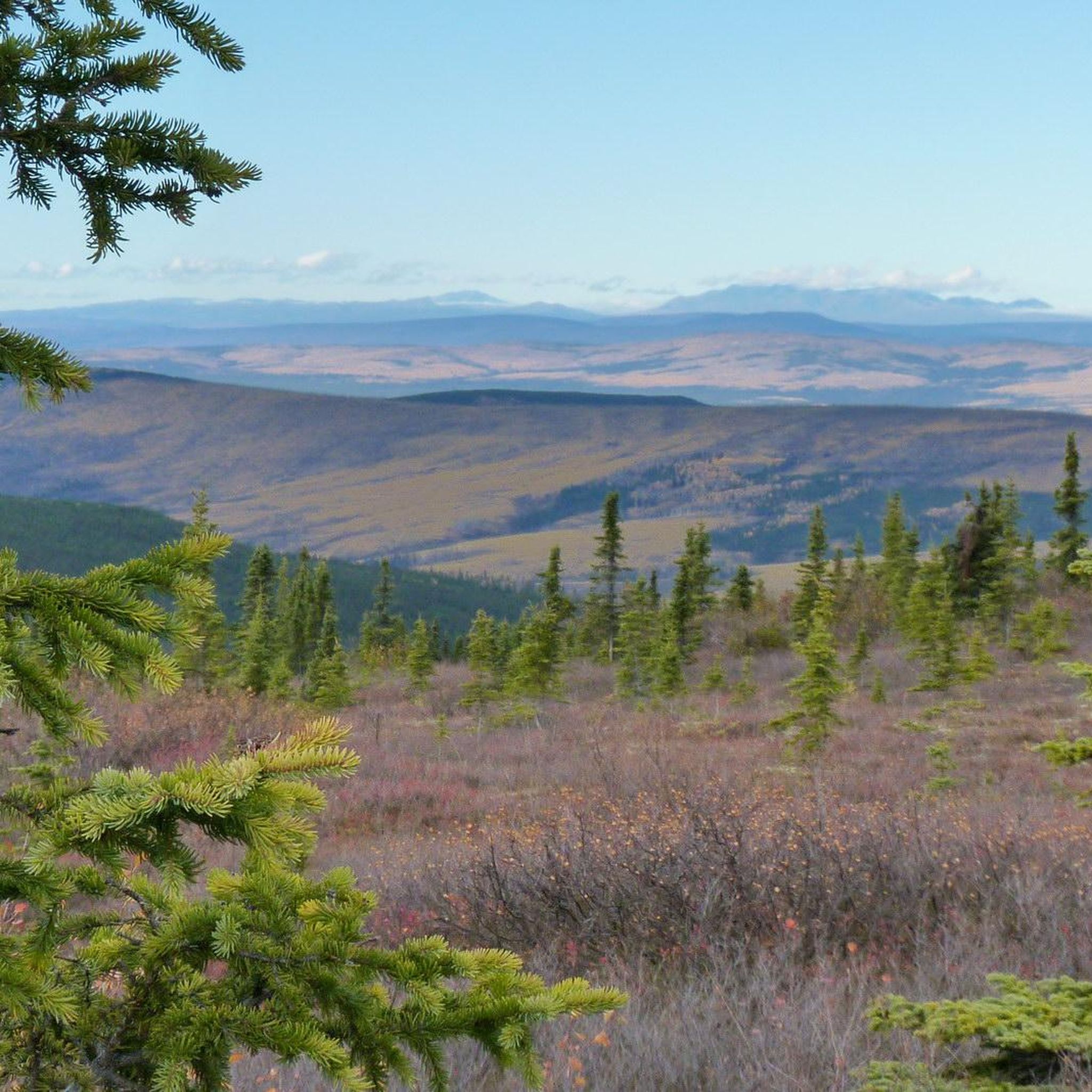
Ester Dome
Highlight • Summit
Tip by

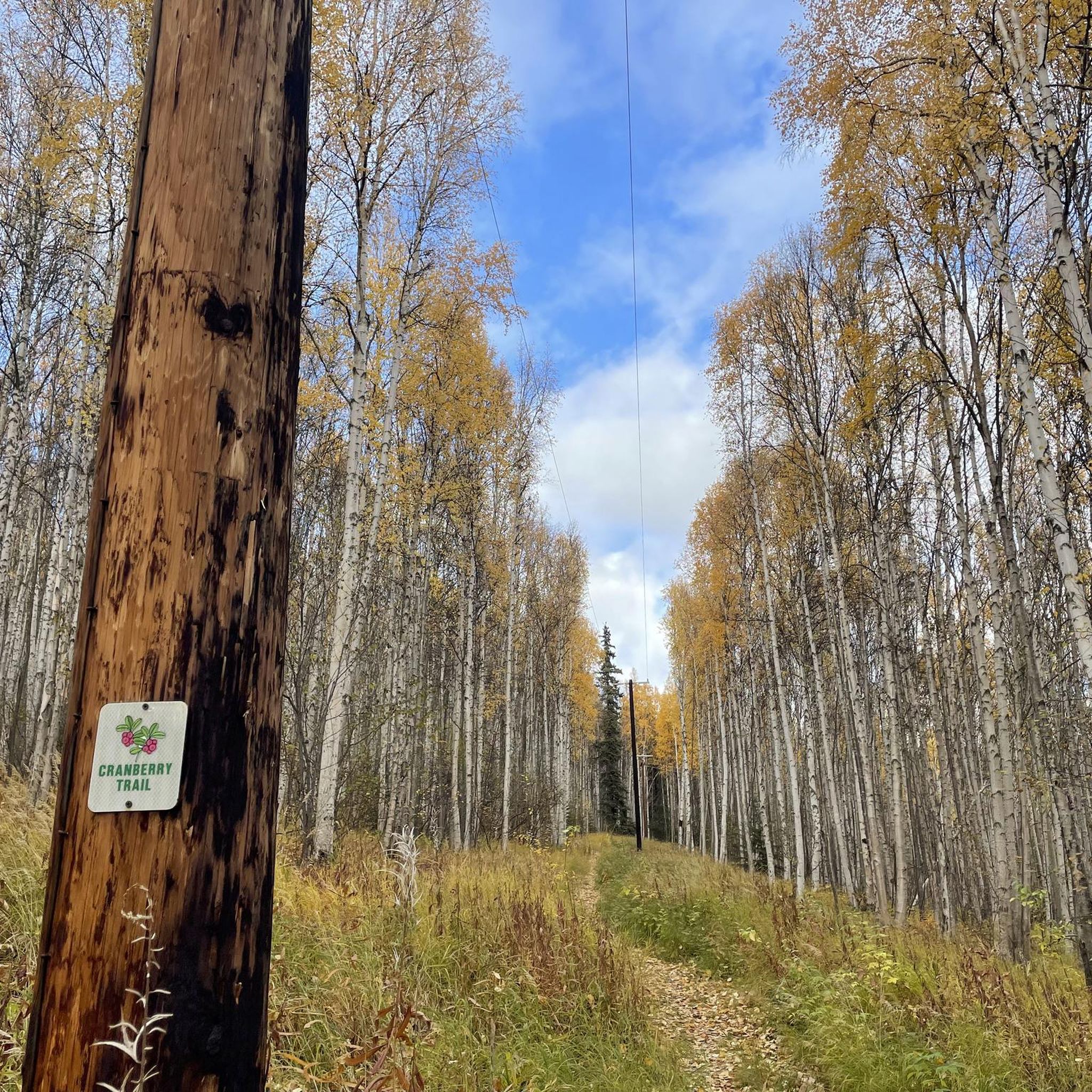
Granite Tors Trail
Highlight (Segment) • Trail
Tip by
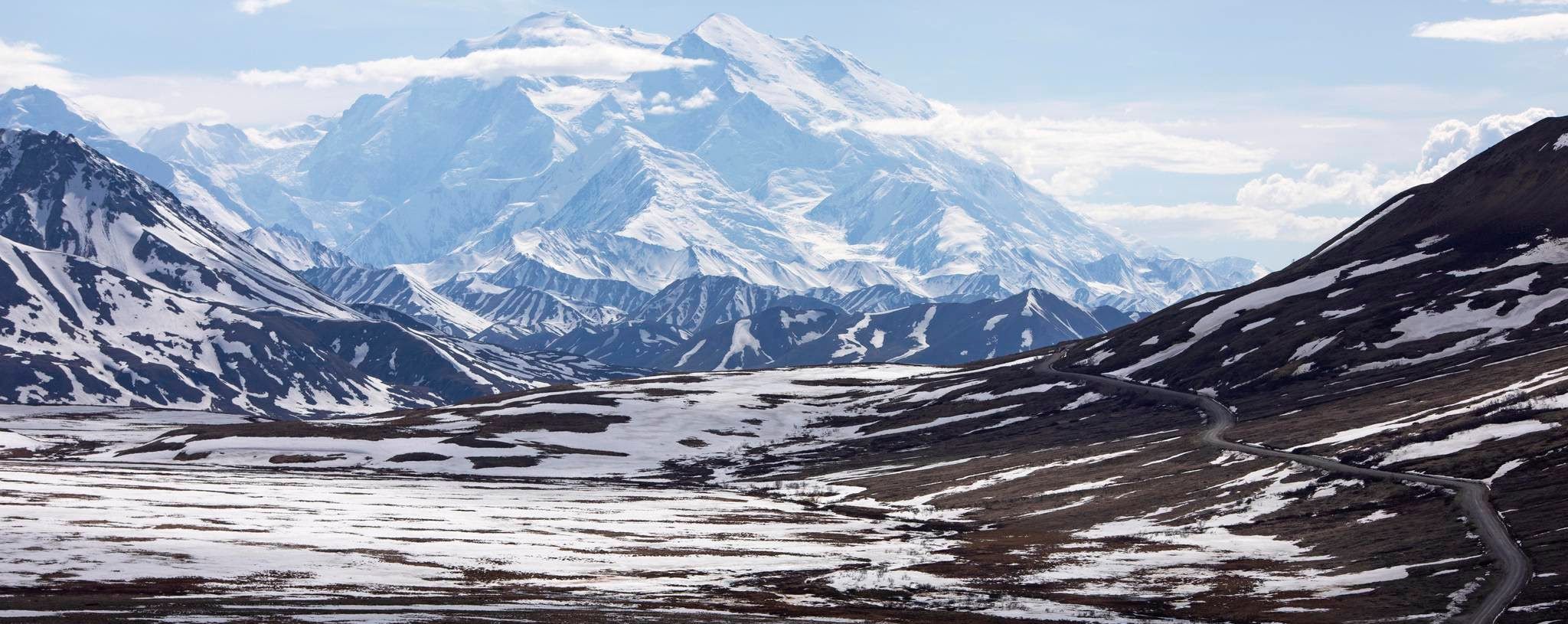
Cairn Viewpoint on Top of the World Highway
Highlight • Viewpoint
Translated by Google •
Tip by

Start today with a free account
Your next adventure awaits.
Login or Signup
Other adventures in the White Mountains

Tips from the Community

Shortly after the US/Canada border, you'll see a pile of stones on a hill. It's not far from the parking lot and you'll be rewarded with a 360° panoramic view.
0
0

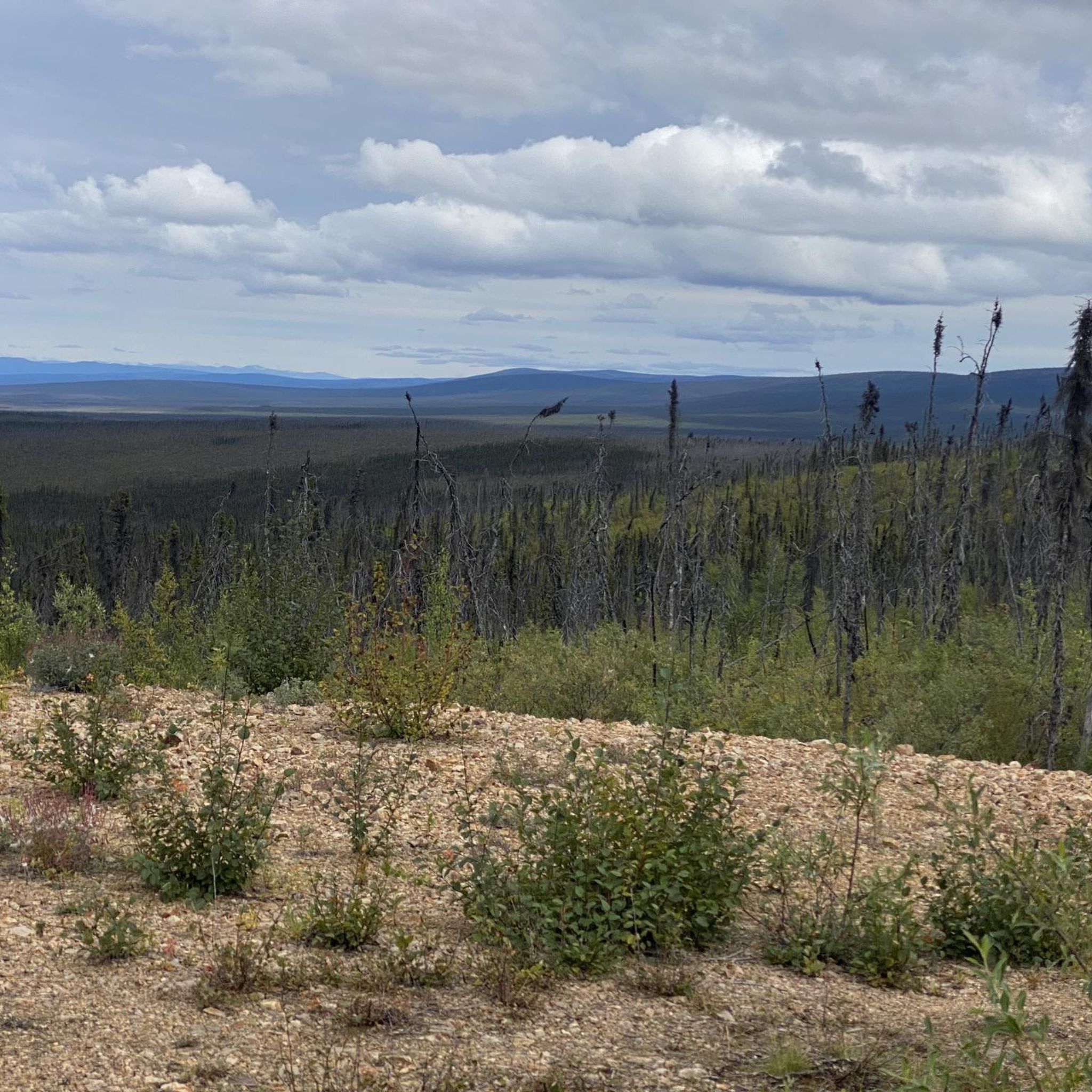
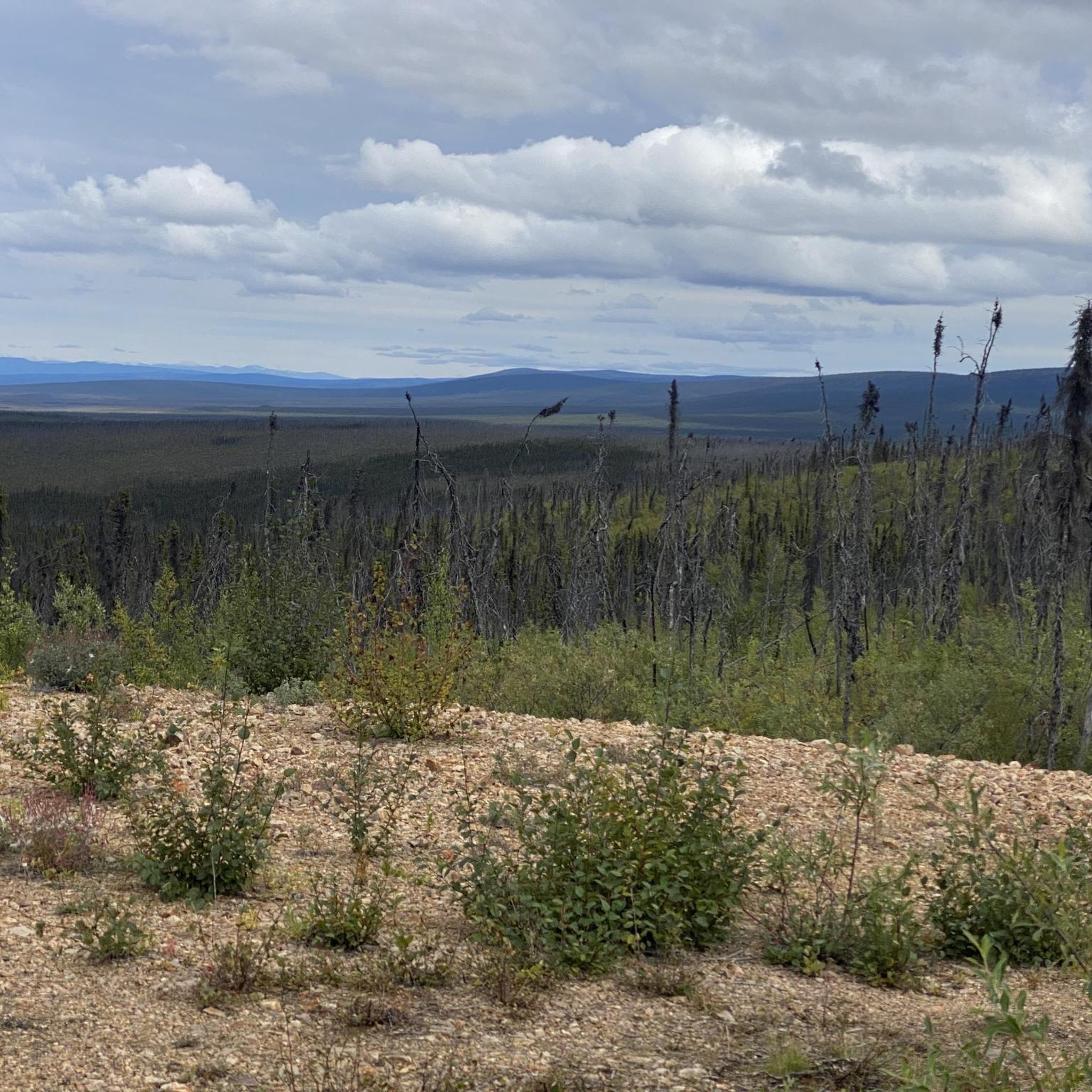
Ester Dome is one of the most prominent land features in this green, rolling landscape. If you're lucky, on a clear day you can see Denali some 200 miles to the south.
1
0
This trail brings you into the heart of the granite tors — dramatic towers of granite that are slowly being revealed as the earth around them erodes away. If you like, you can continue running an oval-shaped loop that passes through the most impressive tors before rejoining the original trail near the start point. However, pay close attention to where you're at: The quality of trail markings can vary, and this isn't the sort of place you'd want to get lost.
0
0
There are numerous hot springs in Alaska, but they're often remote, hard to reach, and hardly developed (if at all). By contrast, Chena Hot Springs Resort is fully built out, with a variety of lodge/hotel rooms, a good restaurant, a year-round ice museum (as in a museum built out of carved ice and decorated with ice sculptures), multiple tour options, and a rock pool around the hot springs. A day-use fee does apply for the hot springs. This destination is even more popular in the winter, when it becomes a prime destination for aurora-viewing tours.
1
0

With glorious volcanic rock formations that have been thrust upwards, the Angel Rocks Trail is a scenic delight. The path is characterised by these impressive granite pillars, which have withstood the weathering of the ages to still stand proud today. Expect lovely valley views from the 530-metre (1,750 ft) high point of the trail.
0
0

Commercial hot springs with a nice natural outdoor space. In the summer, the sun almost never sets. In the winter, this is a great place to watch the northern lights. Fortunately, the warm water can protect you from the -20F (-29C) temperatures.
2
0
Frequently Asked Questions
What are some of the most notable natural monuments in the White Mountains?
The White Mountains are home to several iconic natural monuments. The Flume Gorge in Franconia Notch State Park offers a unique walk through a spectacular chasm. Arethusa Falls in Crawford Notch State Park is New Hampshire's tallest single-drop waterfall. Even after its collapse, the Old Man of the Mountain remains a significant cultural symbol, with a memorial at Profile Plaza. Other notable features include The Basin, Elephant's Head, Indian Head, and Cathedral Ledge.
Are there family-friendly natural monuments to visit in the White Mountains?
Yes, several natural monuments are great for families. The Flume Gorge offers an accessible 2-mile self-guided nature walk with boardwalks, covered bridges, and the Wolf's Den cave for kids. The hike to Arethusa Falls is generally considered easy to moderate, suitable for various skill levels. The Basin in Franconia Notch State Park is also a popular spot for families to enjoy the natural pool.
What is the best time to visit the natural monuments in the White Mountains?
The best time to visit depends on your preferred activities. Summer and early autumn (late May to October) are ideal for hiking and exploring, with pleasant weather and vibrant foliage in the fall. Some attractions, like the Flume Gorge, are seasonal and typically open from May to October. Winter offers opportunities for snowshoeing, cross-country skiing, and ice climbing at spots like Arethusa Falls, but requires appropriate gear and caution due to colder temperatures and snow.
What kind of hiking difficulty can I expect around these natural monuments?
Hiking difficulty varies. The Flume Gorge offers an easy 2-mile walk on boardwalks. The trail to Arethusa Falls is considered easy to moderate. More challenging hikes can be found to viewpoints like Indian Head or for rock climbing at Cathedral Ledge. Always check specific trail conditions and difficulty ratings before heading out.
Are there any accessible natural monuments in the White Mountains?
While many natural monuments involve trails, some offer more accessible features. The Flume Gorge has a boardwalk system that makes it relatively accessible for many visitors, though it does involve some inclines. The Old Man of the Mountain memorial at Profile Plaza is easily accessible. It's always best to check specific accessibility details for each location before your visit.
Can I spot wildlife near the natural monuments in the White Mountains?
Yes, the White Mountains are rich in wildlife. Visitors might spot deer, moose, black bears, and various bird species, especially in quieter areas and during dawn or dusk. Always maintain a safe distance and never feed wild animals. Franconia Notch and Crawford Notch State Parks, in particular, offer extensive wilderness areas for wildlife viewing.
What are the parking and permit requirements for visiting natural monuments?
Many natural monuments, especially those within state parks like Franconia Notch and Crawford Notch, require a day-use fee for parking or park entry. For example, reservations are recommended for the Flume Gorge, especially during peak seasons. Specific permit requirements for hiking are generally not needed for day hikes on established trails, but it's always wise to check the official state park websites for the most current information.
Are there any lesser-known natural gems worth exploring in the White Mountains?
Beyond the most famous sites, the White Mountains hold several hidden gems. Madison Boulder Natural Area showcases massive glacial boulders, a testament to ancient geological forces. Glen Boulder, appearing to hover over a cliff on Slide Peak, offers a unique sight for hikers. Elephant's Head in Crawford Notch and Indian Head near Lincoln are also impressive rock formations with rewarding views.
What outdoor activities can I do near these natural monuments?
The White Mountains offer a wide range of outdoor activities. Near these natural monuments, you can enjoy hiking, cycling, and scenic drives. For hiking, consider exploring trails within Franconia Notch State Park or Crawford Notch State Park. For cycling, you can find various routes, from easy to difficult, as detailed in the Cycling in the White Mountains guide. There are also many family-friendly hikes and city hikes available throughout the region.
Are there dog-friendly natural monuments or trails in the White Mountains?
Many trails in the White Mountains are dog-friendly, but specific rules can vary by location and state park. For instance, while dogs are generally allowed on trails in Franconia Notch State Park, they may not be permitted inside certain attractions like the Flume Gorge building or on its boardwalks. Always keep your dog on a leash and clean up after them. Check the specific regulations for each natural monument or park you plan to visit.
What is the significance of the Old Man of the Mountain?
The Old Man of the Mountain, though it collapsed in 2003, remains New Hampshire's state symbol and a powerful cultural icon. This granite profile on Cannon Mountain was formed by glacial activity and was a beloved landmark for centuries. Today, a memorial at Profile Plaza allows visitors to visualize the profile through 'Steel Profilers,' honoring its enduring legacy and the impermanence of nature.
Are there facilities like cafes or accommodations near the natural monuments?
Yes, the White Mountains region is well-equipped with visitor amenities. Towns like Lincoln, North Conway, and Franconia offer a range of cafes, restaurants, and accommodations, from hotels to campgrounds. Many state parks also have visitor centers with restrooms and gift shops. It's advisable to book accommodations in advance, especially during peak seasons.
Most popular routes in the White Mountains
Most popular attractions in the White Mountains

Get inspired with the komoot mobile app


Explore more
Extend your search for the best caves by checking out these guides of the top ones in the White Mountains:
