Top 5 Natural Monuments in Ishøj
Best natural monuments in Ishøj offer diverse outdoor experiences across its natural and man-made landscapes. The region features coastal areas, wetland reserves, and unique repurposed sites. These locations provide opportunities for recreation, wildlife observation, and exploring historical markers within natural settings. Ishøj's natural areas are characterized by their accessibility and variety, catering to different interests.
Best natural monuments in Ishøj
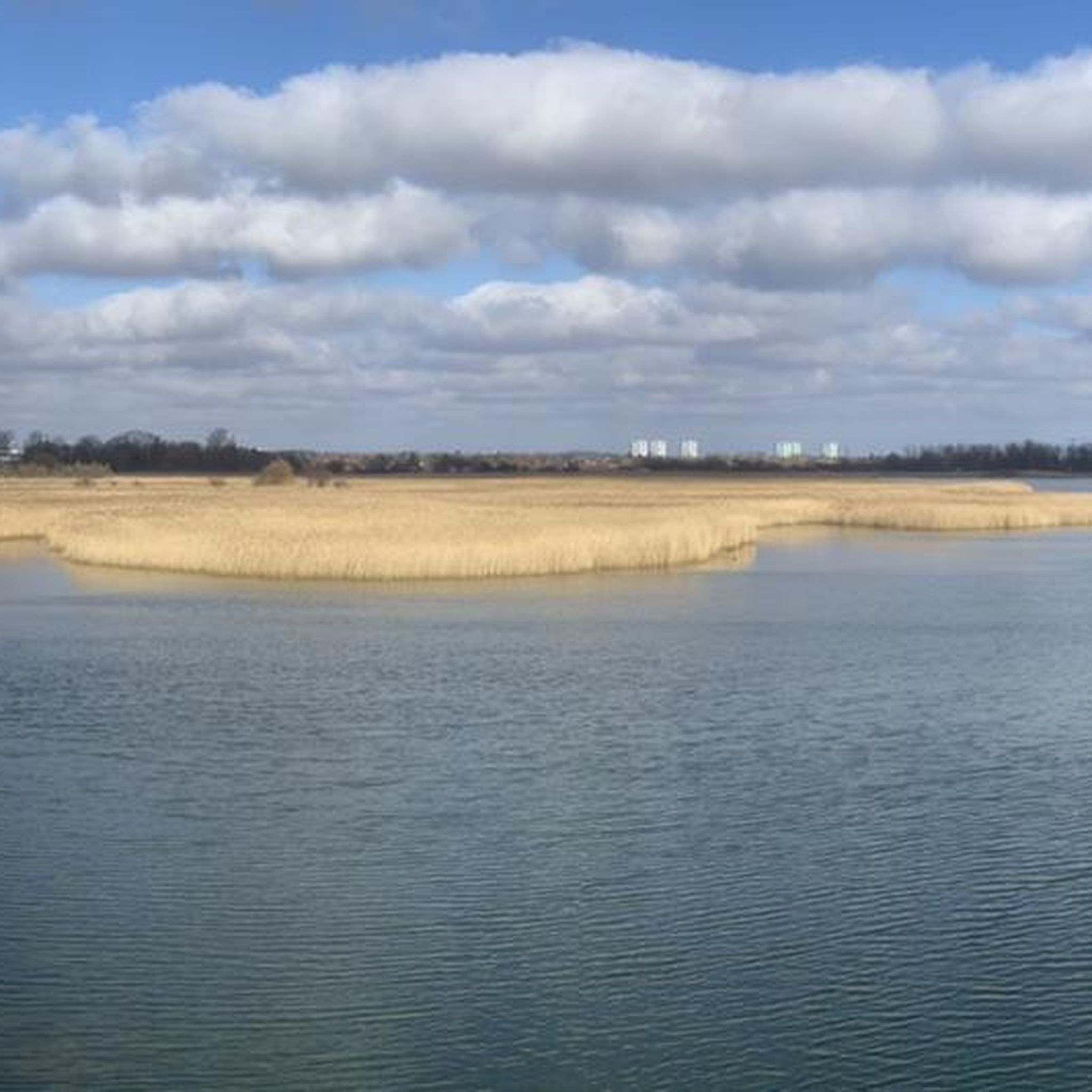
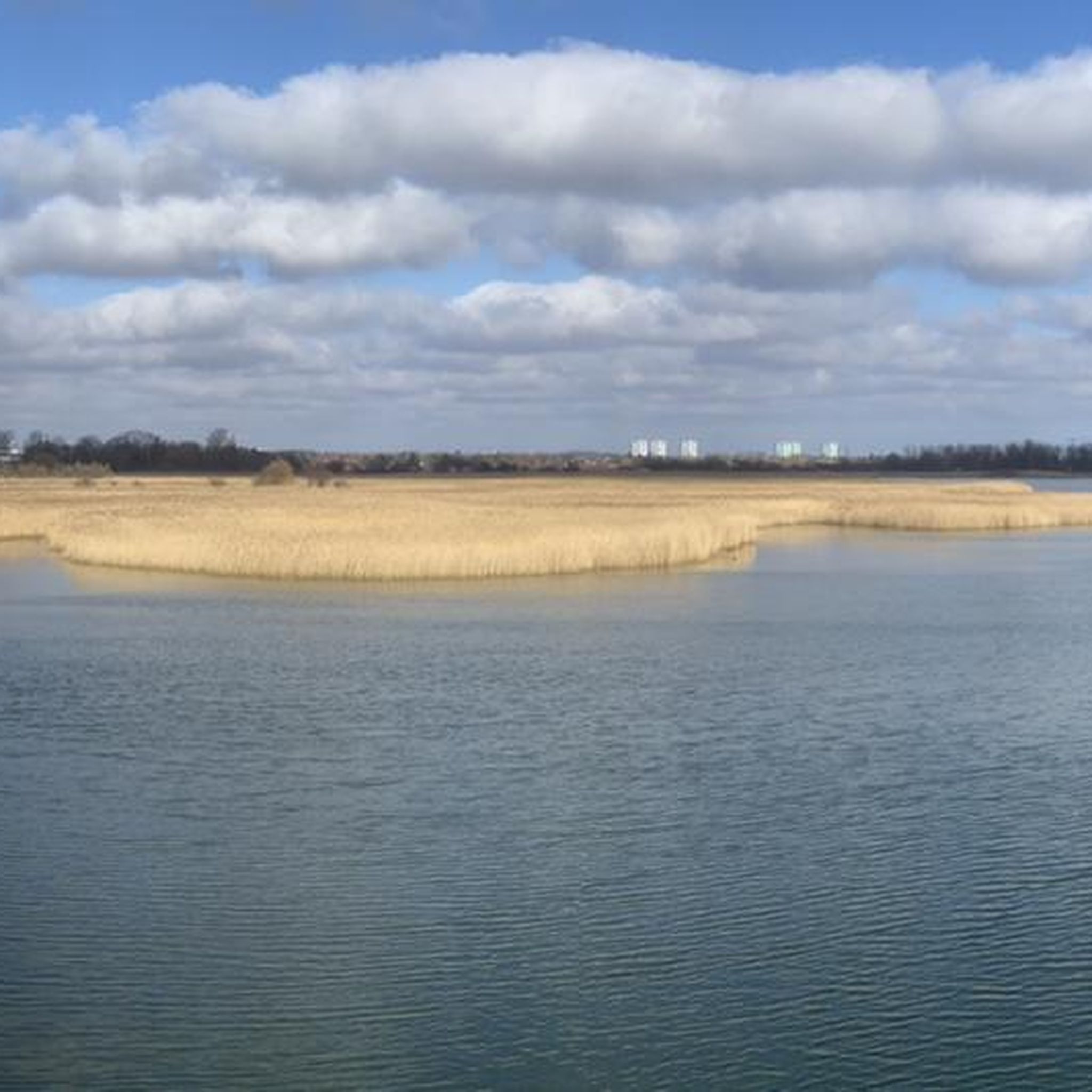
- The most popular natural monuments is Damhus Lake, a lake that is a protected green space. It offers scenic…
Last updated: October 13, 2026
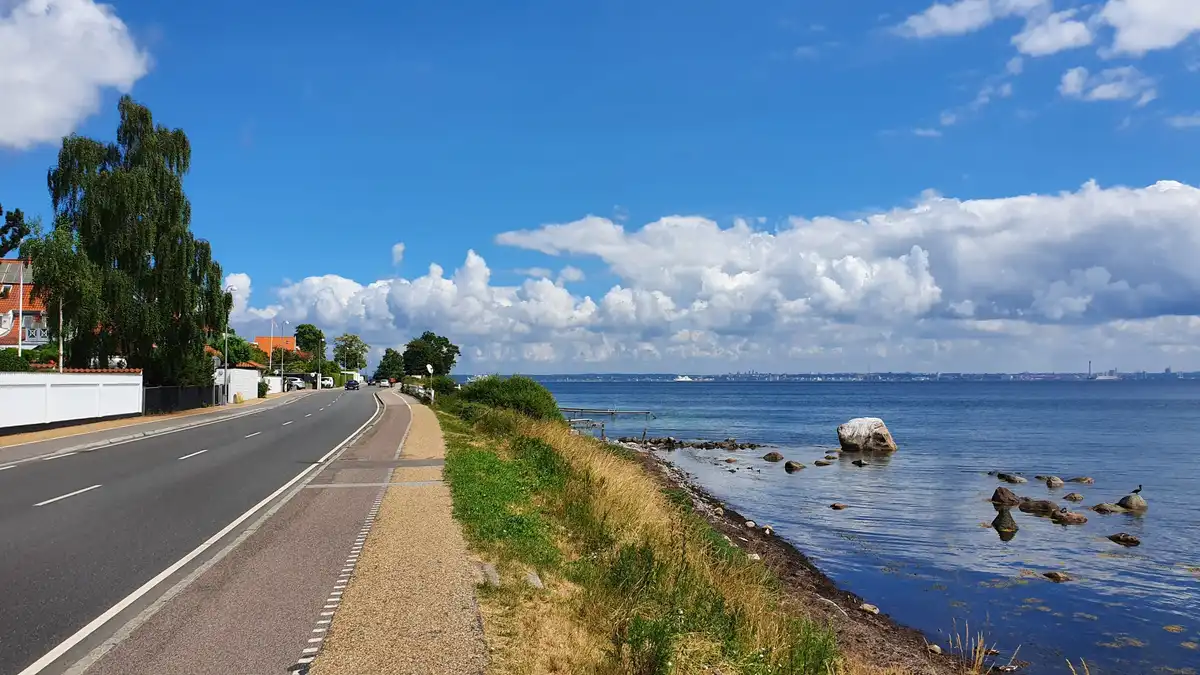
Damhus Lake
Highlight • Lake
Tip by

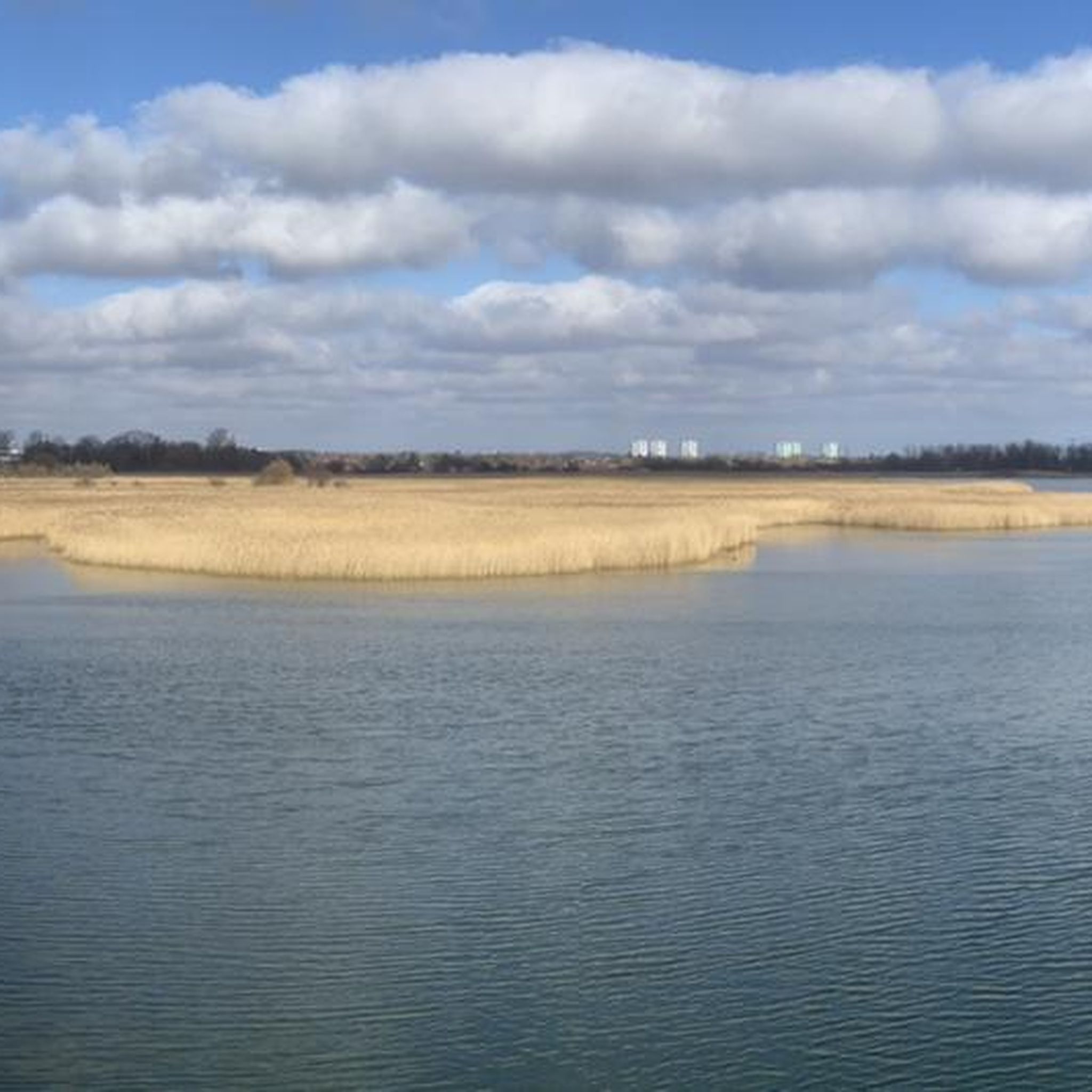
Karlstrup Limestone Quarry
Highlight • Lake
Translated by Google •
Tip by

Sign up now to discover places like this
Get recommendations on the best single tracks, peaks, & plenty of other exciting outdoor places.
Maglekilde Spring
Highlight • Natural Monument
Translated by Google •
Tip by

Hvedshøj Burial Mound
Highlight • Historical Site
visitdenmark.dk/danmark/explore/hvedshoej-gravhoej-gdk619446
Tip by

Herstedhøje
Highlight • Summit
Tip by

Start today with a free account
Your next adventure awaits.

Other adventures in Ishøj

Tips from the Community

The natural spring is located in the city center, not far from the cathedral, directly opposite an old machine factory.
0
0

You can refresh yourself here, but be careful! It's not drinking water!
0
0

Beautiful hills with a lovely bike road passing by. The hills can also be climbed by foot or mountain bike.
0
0

Damhussøen, or Damhussøen, is located in Copenhagen between Vanløse, Rødovre, Roskildevej, and Damhusengen, extending to Jyllingevej in the north. The green space is connected to Grøndalsparken, Krogebjergparken, and Vigerslevparken. The lake covers an area of 46 hectares. The dam in the south, over which Roskildevej is carried, was built in connection with the construction of the road in 1621. The aim was to ensure a stable water level in the lake and a better water supply to Copenhagen via Grøndalsåen and Ladegårdsåen. In 1849, additional dams were built, separating the northern part of the lake, Bagsøen, from the southern part. The Harrestrup Å, which formerly ran through the lake, was diverted into a ditch with dams on each side on the eastern side of the meadow in 1938. At the same time, Bagsøen was drained, creating Damhusengen. The lake and meadow were granted park status in 1941 and have been protected since 1966. The lake is named Damhus Sø after Damhuset, which is actually named after the lake formerly known as Langvaddam or simply Dammen. The area is also known for its inn. The small local amusement park was demolished in 2016.
0
0


The small, bubbling spring is located not far from the cathedral.
9
0

Maglekilde has always been Roskilde's most water-rich spring, and those most familiar with local history agree that it must be the spring that, according to legend, King Roar had in mind when he moved to Roskilde. For a time, Maglekilde supplied water to no less than five mills on the way to the fjord. Fortunately, both the spring outlet and the spring house were preserved, so we can continue to enjoy the sight of the roaring water flowing from King Neptune's mouth - and Maglekilde is now under protection, so nothing can now spoil the city's most water-rich spring of all time.
2
0

Frequently Asked Questions
Which natural monuments in Ishøj are suitable for families with children?
Ishøj offers several family-friendly natural monuments. The Karlstrup Limestone Quarry is a unique spot where families can swim, fish, and even search for fossils. Damhus Lake is another great option, providing a protected green space with scenic views and places to relax. Additionally, Ishøj Dyrepark, home to various animals, offers a natural setting for families to explore, including the historical Vildtbane Stone.
Are there any natural monuments in Ishøj with historical significance?
Yes, Ishøj features natural monuments with historical ties. The Hvedshøj Burial Mound is a large Bronze Age hill offering panoramic views over the wetlands. Within Ishøj Dyrepark, you can find the Vildtbane Stone, a protected national monument from 1775, marking royal hunting grounds.
What kind of wildlife can be observed in Ishøj's natural areas?
Ishøj's diverse natural areas support various wildlife. Vallensbæk Mose, a wetland reserve, is particularly known as a haven for birdwatchers. Ishøj Dyrepark is home to Scottish Highland cattle, marshland sheep, and goats. The Karlstrup Limestone Quarry also offers opportunities to observe local plant and animal life.
What are the best natural monuments for walking or hiking in Ishøj?
For walking and hiking, Ishøj offers diverse options. Vallensbæk Mose provides scenic views and excellent spots for walking. The Herstedhøje hills can be explored by foot, offering beautiful landscapes. Additionally, the expansive Ishøj Strandpark, though man-made, features a 7 km sandy beach and dunes perfect for leisurely strolls. You can find more detailed hiking routes in the Hiking in Ishøj guide.
Can I go swimming at any of the natural monuments in Ishøj?
Yes, swimming is a popular activity at the Karlstrup Limestone Quarry. This disused lime pit has transformed into a unique natural attraction with a clear swimming lake. Ishøj Strandpark also offers a 7 km long sandy beach with pure bathing water, attracting many visitors during warmer months.
Are there any natural monuments in Ishøj that offer good viewpoints?
Absolutely. The Herstedhøje summit provides beautiful hills and viewpoints. From the Hvedshøj Burial Mound, you can enjoy great panoramic views over the surrounding wetlands and landscape. Damhus Lake also offers scenic views, making it a pleasant spot to stop and enjoy the surroundings.
What is the best time of year to visit Ishøj's natural monuments?
The best time to visit Ishøj's natural monuments largely depends on your preferred activities. For swimming and beach activities at Ishøj Strandpark or Karlstrup Limestone Quarry, the warmer months from late spring to early autumn are ideal. For hiking and wildlife observation in areas like Vallensbæk Mose or Ishøj Dyrepark, spring and autumn offer pleasant temperatures and vibrant natural scenery.
Are there opportunities for cycling near Ishøj's natural monuments?
Yes, Ishøj and its surroundings offer excellent cycling opportunities. The area around Herstedhøje features lovely bike roads. You can find various cycling routes, including scenic coastal paths, in the Cycling in Ishøj guide, many of which pass by or are easily accessible from the natural monuments.
Are dogs allowed at the natural monuments in Ishøj?
Many natural areas in Ishøj are dog-friendly, especially for walks on trails and open spaces. It's generally recommended to keep dogs on a leash, particularly in nature reserves like Vallensbæk Mose, to protect wildlife. Specific rules may apply to certain areas like Ishøj Dyrepark, so it's always good to check local signage.
What unique natural features can I expect to see in Ishøj?
Ishøj boasts a variety of unique natural features. You can explore the clear waters of the disused Karlstrup Limestone Quarry, now a swimming lake. The region also features the expansive, man-made Ishøj Strandpark with its sandy beach and dunes, and the tranquil wetland reserve of Vallensbæk Mose. The protected green space of Damhus Lake is another notable feature.
Are there any natural springs or unique water features to visit?
Yes, you can visit the Maglekilde Spring. This small, bubbling natural spring is located not far from the cathedral in the Roskilde urban area, offering an impressive natural water feature.
What do visitors enjoy most about the natural monuments in Ishøj?
Visitors particularly enjoy the diverse experiences offered by Ishøj's natural monuments. Many appreciate the unique opportunity to swim and search for fossils at Karlstrup Limestone Quarry. The scenic views and peaceful atmosphere of Damhus Lake are also highly rated, as are the beautiful hills and cycling roads around Herstedhøje.
Most popular attractions in Ishøj

Get inspired with the komoot mobile app


Explore more
Extend your search for the best caves by checking out these guides of the top ones in Ishøj:
