Top 20 Natural Monuments in Aalborg
Best natural monuments in Aalborg include diverse landscapes shaped by the Limfjord, a shallow inlet separating the North Jutlandic Island. The region features extensive forests like Rold Skov, known for its hilly terrain and ancient woodlands. Visitors can explore unique geological formations, natural springs, and vast wetland ecosystems, offering varied outdoor experiences. The area provides opportunities to discover both geological wonders and historically significant natural settings.
Best natural monuments in Aalborg
- The most popular natural monuments is Ravnkilde Ford at…
Last updated: October 13, 2026
Ravnkilde Ford at Kovads Bæk
Highlight • River
Translated by Google •
Tip by

Lindholm Høje Burial Ground
Highlight • Historical Site
Translated by Google •
Tip by

Sign up now to discover places like this
Get recommendations on the best single tracks, peaks, & plenty of other exciting outdoor places.
Lille Blåkilde
Highlight • Natural Monument
Lille Blåkilde is one of the largest sources in the Rold Forest area. Its water flow is approx. 90 l. second, and it drains an area of 10-12 km2.
Translated by Google •
Tip by

The Singing Trees (Kildeparken)
Highlight • Structure
Translated by Google •
Tip by

Rebild National Park
Highlight • Natural Monument
Translated by Google •
Tip by

Sign up for free to discover even more natural monuments in Aalborg.
Already have an account?
Start today with a free account
Your next adventure awaits.
Popular around Aalborg
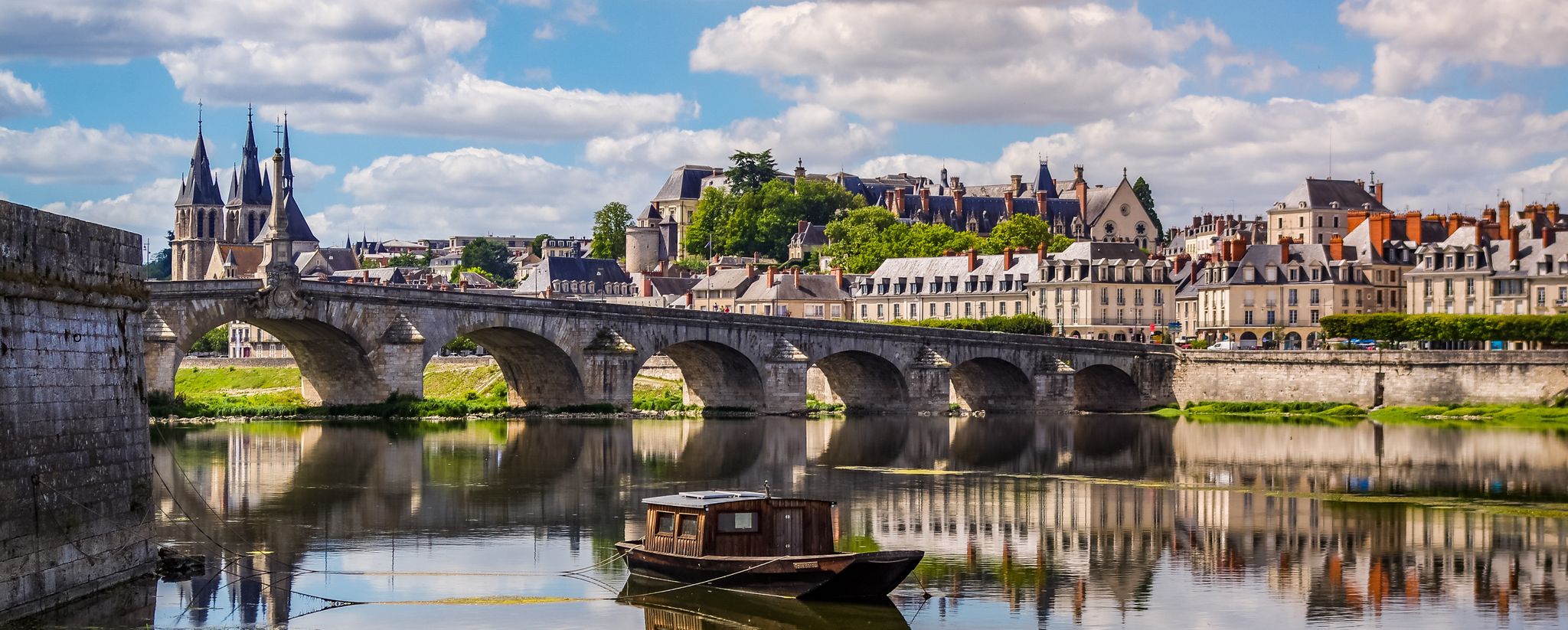
EuroVelo 3 – A cycling pilgrimage from Norway to France
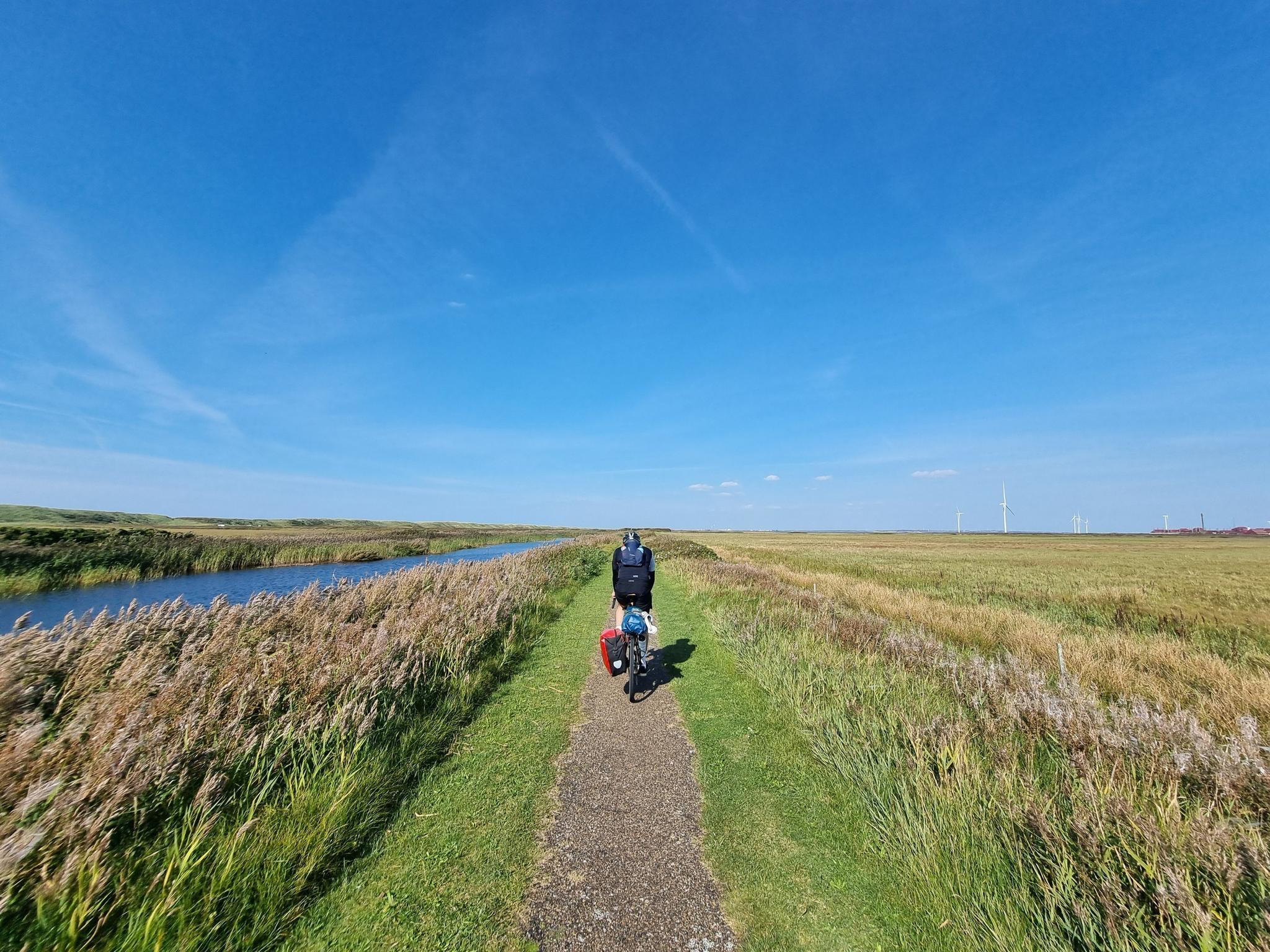
The Danish coast-to-coast – Limfjord Route
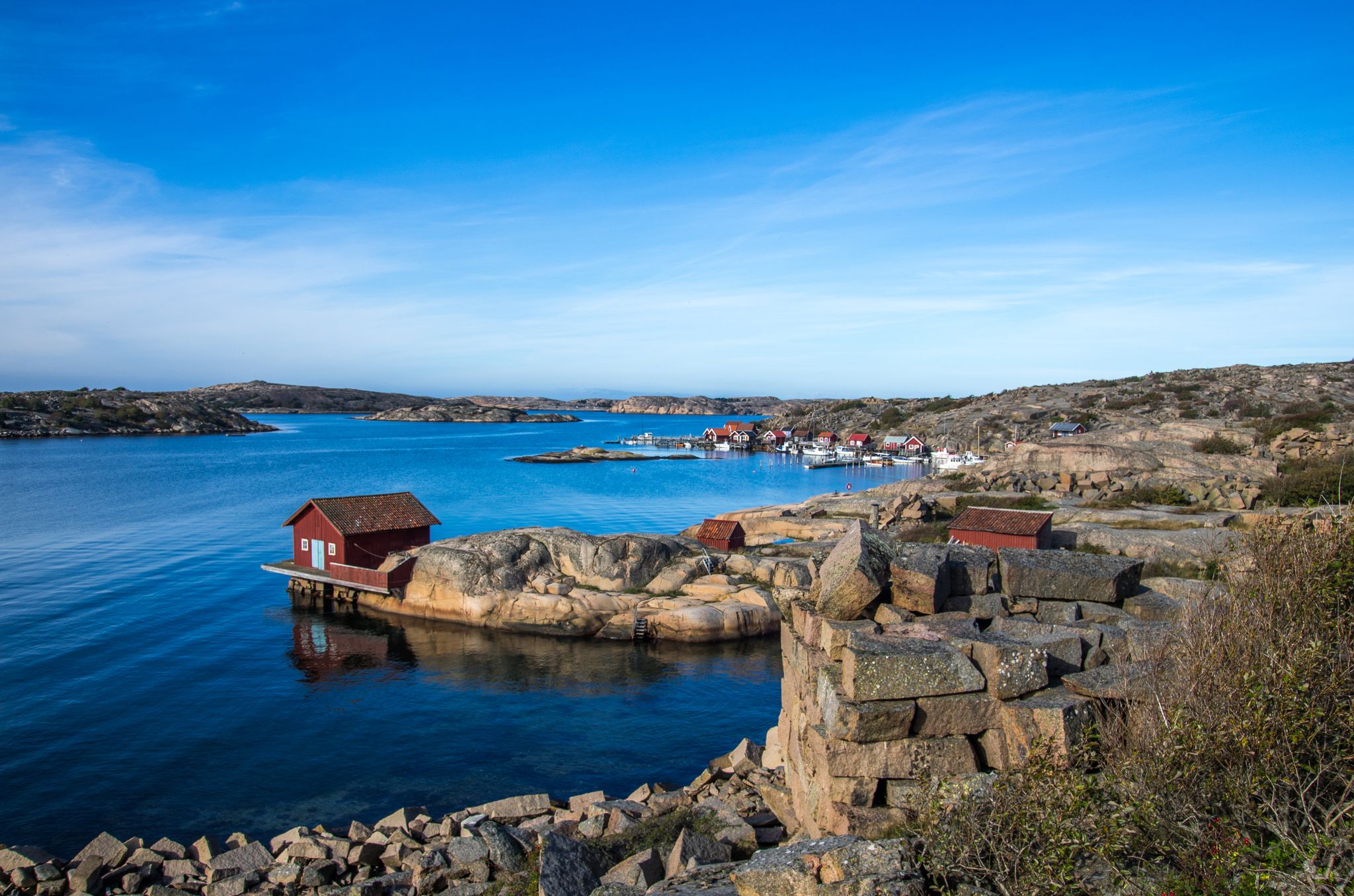
National Cycle Route 3: Pilgrims Route
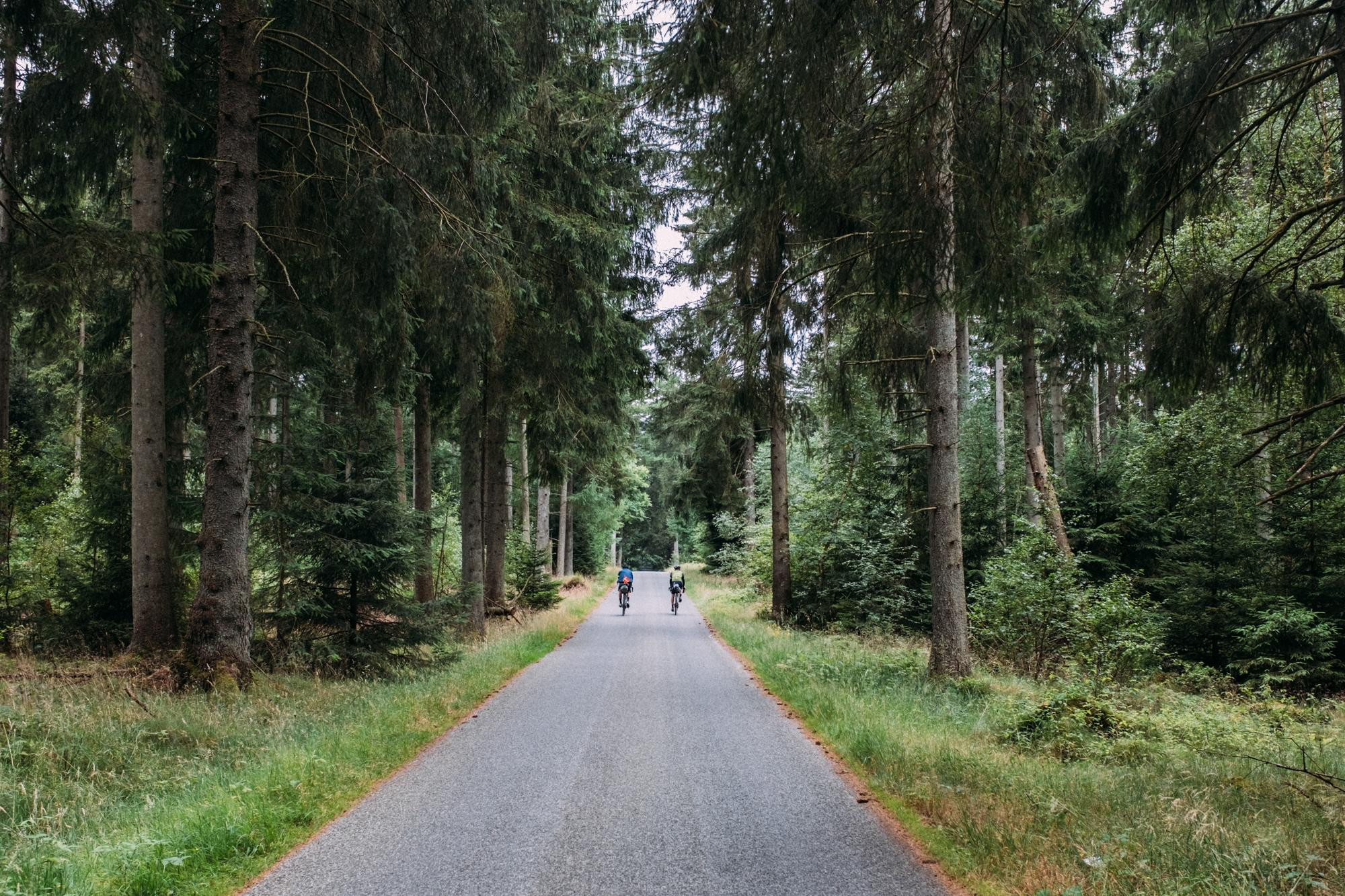
Scandinavia to Germany – cycle the Iron and Bronze Age Route
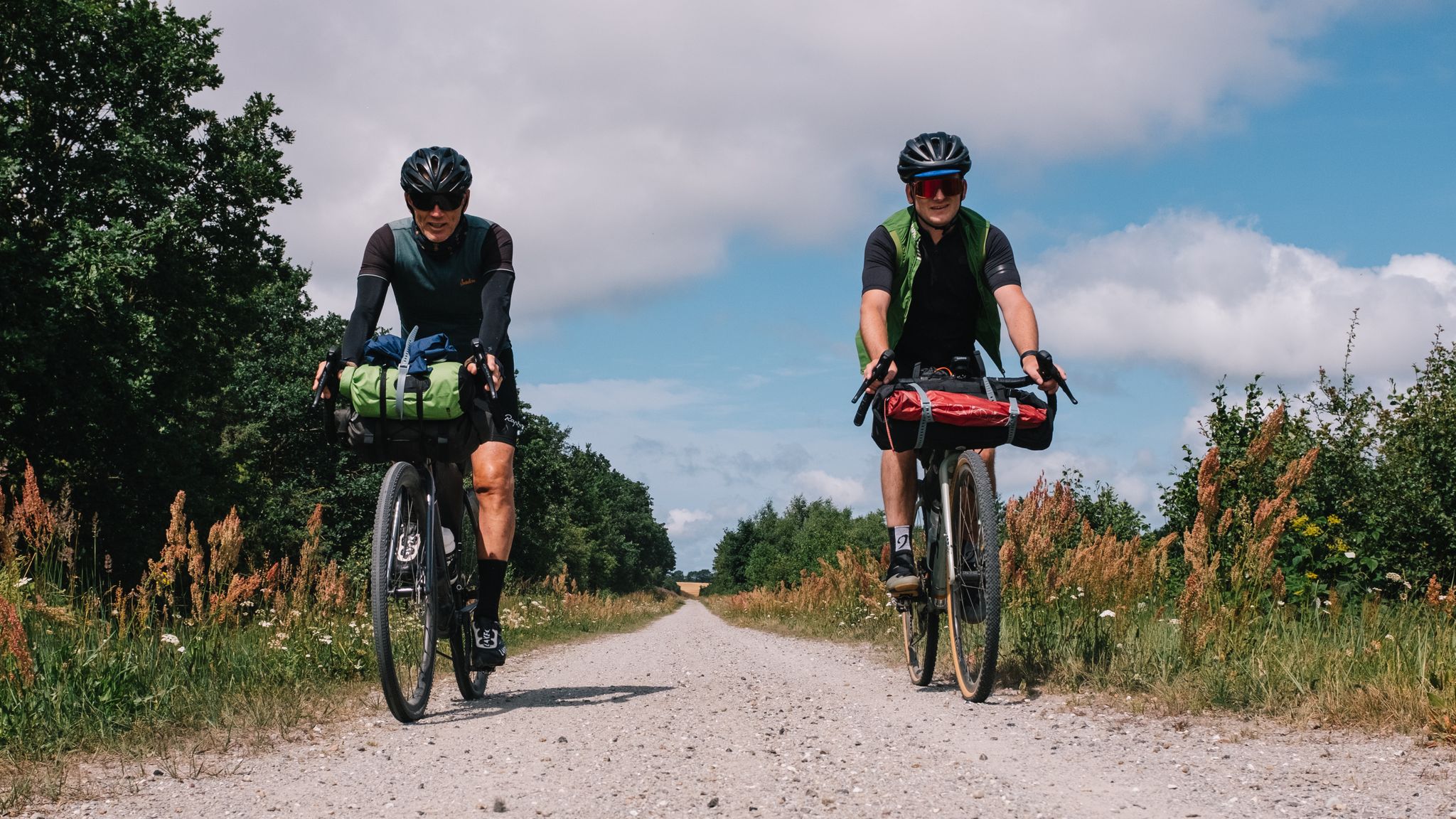
An active family reunion – Bikepacking the Hærvejen
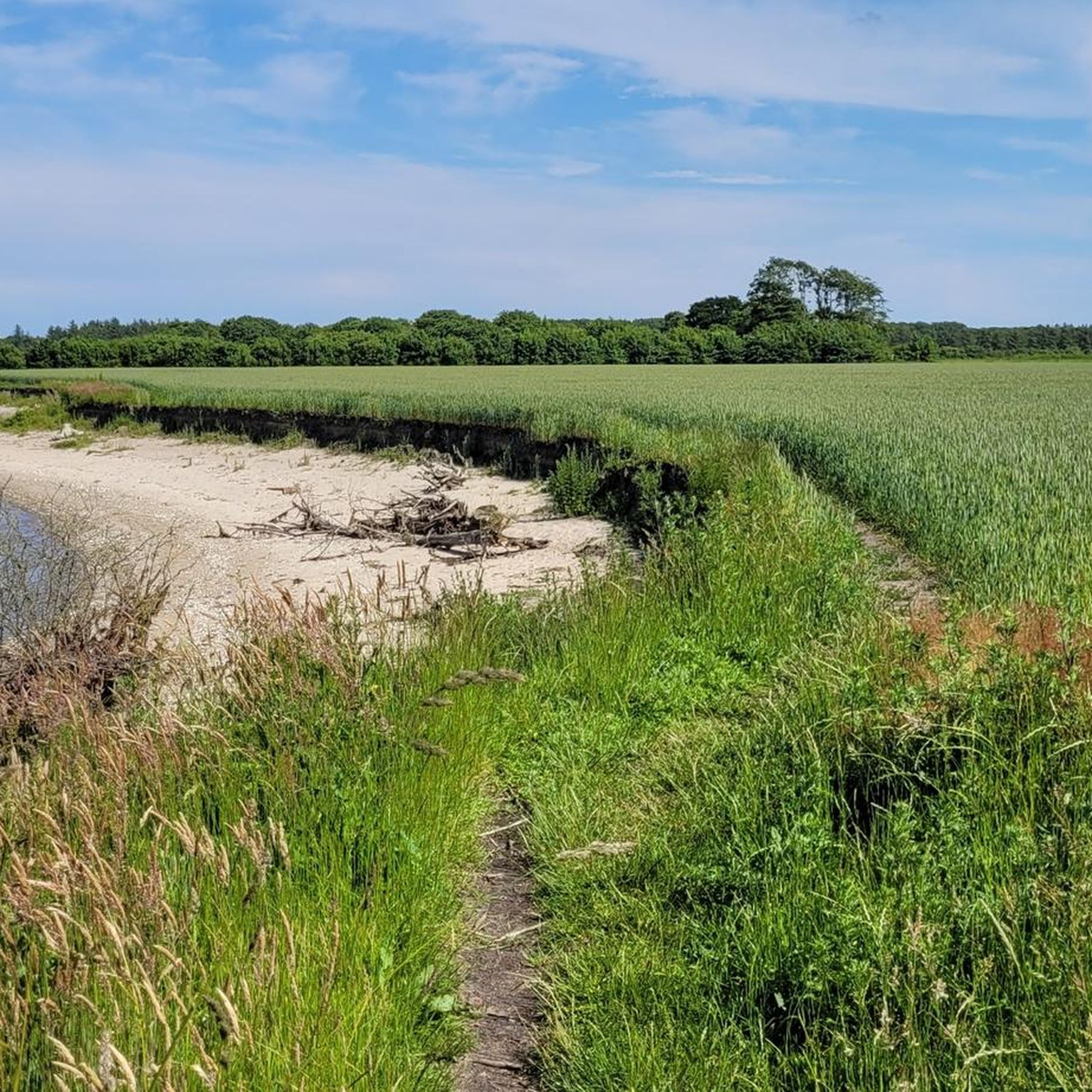
Hiking in Aalborg
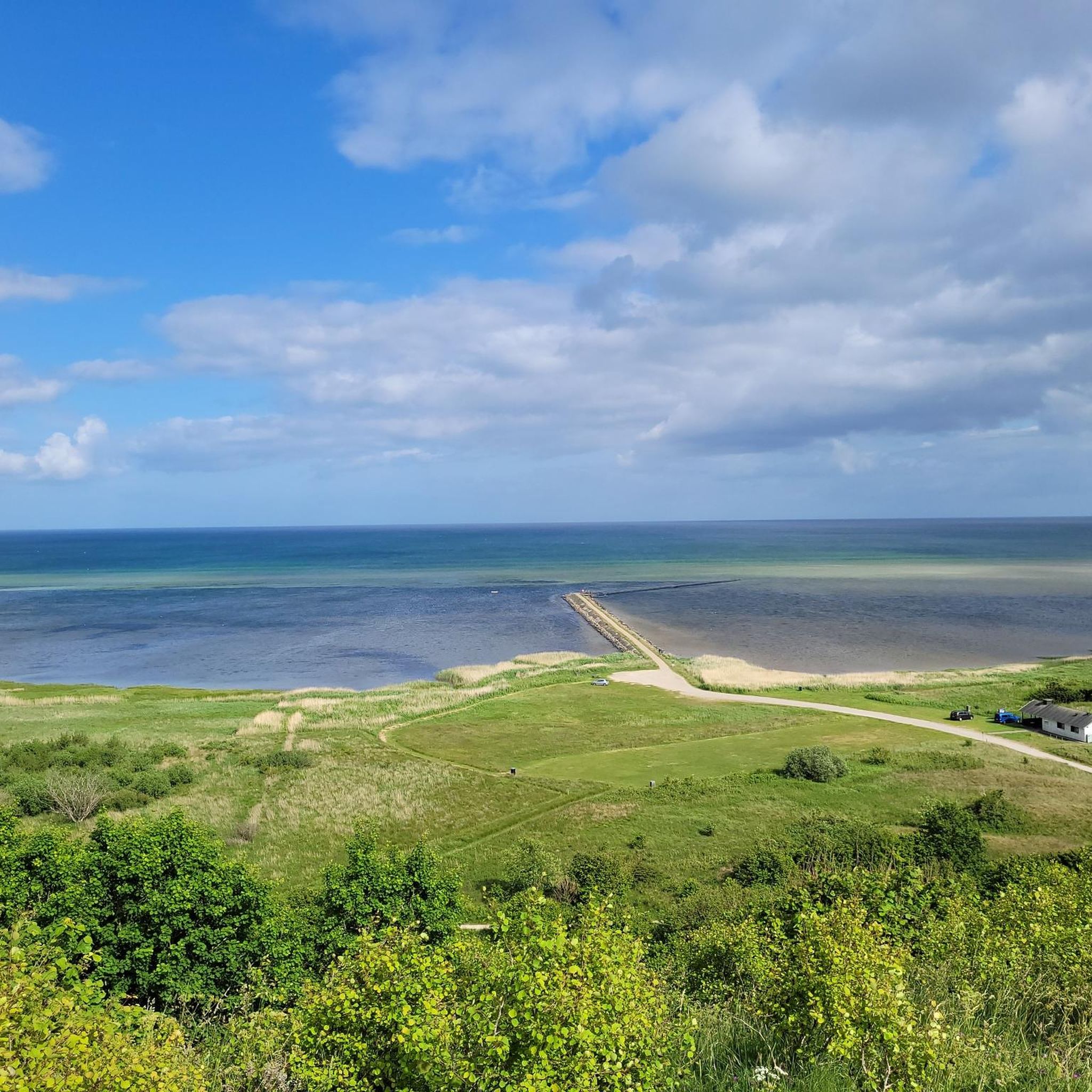
Road Cycling Routes in Aalborg
Cycling in Aalborg
Running Trails in Aalborg
MTB Trails in Aalborg
Other adventures in Aalborg


Tips from the Community

Definitely worth seeing. A recommended hike is the tour marked with a white triangle.
0
0

Easy to cross.
0
0

Lille blåkilde is so clear that you can drink directly from the source
0
0


The Lindholm Høje burial ground is one of the most beautiful monuments of the late Iron Age and Viking Age. The burial ground was used from 400 AD to 1000 AD. The many stone settings at the burial ground mark almost 700 cremation graves. At Lindholm Høje Museum you can see two large exhibitions. One is about the life of the Vikings at Lindholm Høje and the other covers antiquity around the Limfjord and its surroundings. In addition, the museum has a museum shop where you can buy copies of original Viking jewelry found at Lindholm Høje, as well as wool products, books and mead - the Viking drink. At the museum you can also visit Café Lindholm, which offers food, Viking coffee and small refreshments during the museum's opening hours. https://nordjyskemuseer.dk/de/u/vikingemuseet-lindholm-hoje-de/
1
0

In Kildeparken you can make the trees sing: De syngende træer is basically an oversized jukebox in the middle of nature. It all started in 1987 when Cliff Richards planted a tree here for his concert. Little by little, dozens of artists have planted trees here, each equipped with a small loudspeaker and a play button. At the touch of a button you can make the Backstreet Boys, Stevie Wonder, Beyoncé, Take That, Elton John and even Hansi Hinterseer and Helene Fischer, among others, sing.
2
0

The Lindholm Høje cemetery near Aalborg is Denmark's largest cemetery with 682 graves. Graves in the shape of ships, triangular and circular. There is a lot to see and discover. These are not war graves (perhaps more like warrior graves...). This is a cemetery from the late Nordic Iron Age and Viking Age - Denmark's largest cemetery with 682 graves. Graves in the shape of ships, triangular and circular from the period between 800 and 1,100 AD. https://de.wikipedia.org/wiki/Lindholm_H%C3%B8je
1
0
Frequently Asked Questions
What are some of the most popular natural monuments to visit in Aalborg?
Among the most popular natural monuments in Aalborg, visitors highly recommend Ravnkilde Ford at Kovads Bæk, a unique swamp spring known for its constant temperature and diverse aquatic life. Another significant site is Lindholm Høje Burial Ground, Denmark's largest cemetery from the late Iron Age and Viking Age, offering a glimpse into ancient history. Also, Lille Blåkilde, one of the largest springs in the Rold Forest area, is appreciated for its clear waters and limestone formations.
Are there family-friendly natural monuments in Aalborg?
Yes, several natural monuments in Aalborg are suitable for families. Ravnkilde Ford at Kovads Bæk and Lille Blåkilde offer accessible natural beauty within the Rold Forest area. For a blend of nature and culture, Lindholm Høje Burial Ground provides an engaging historical experience. Additionally, The Singing Trees (Kildeparken) is a unique, wheelchair-accessible park with musical installations that children often enjoy.
What kind of historical natural sites can I explore in the Aalborg region?
The Aalborg region offers rich historical natural sites. The most prominent is Lindholm Høje Burial Ground, Denmark's largest cemetery from the late Nordic Iron Age and Viking Age, featuring hundreds of graves marked by stone settings in various shapes. Rold Skov also contains ancient burial mounds from the Bronze and Stone Ages, adding to its historical significance.
What unique natural features can I expect to see in Aalborg's natural monuments?
Aalborg's natural monuments showcase diverse features. You can explore powerful natural springs like Ravnkilde Ford at Kovads Bæk and Lille Blåkilde, known for their clear, constant-temperature waters and unique ecosystems. The region also features the ancient, gnarled beech trees of Troldeskoven (Troll Forest) within Rold Skov, and the picturesque, heather-covered Rebild Bakker (Rebild Hills), which are unique glacial formations.
What outdoor activities are available near Aalborg's natural monuments?
The natural monuments in Aalborg are surrounded by opportunities for various outdoor activities. Rold Skov, for instance, is excellent for hiking, mountain biking, and horseback riding. You can find numerous MTB trails in the area, including routes like the 'Mini Magic Moose MTB Trail' which can be explored from various starting points. For more details on cycling, check out the MTB Trails in Aalborg guide, the Gravel biking in Aalborg guide, or the Road Cycling Routes in Aalborg guide.
Are there any natural monuments that are particularly good for wildlife viewing?
Yes, Lille Vildmose, located east of Aalborg, is Denmark's largest nature reserve and raised bog, making it an exceptional spot for wildlife viewing. Here, you might encounter red deer, wild boars, and even golden eagles. The unique ecosystem supports specialized bog plants and offers boardwalks and guided tours for exploration.
What is the best time of year to visit the natural monuments in Aalborg?
The best time to visit Aalborg's natural monuments largely depends on your interests. Spring and summer (May to August) are ideal for enjoying the lush greenery, blooming heather in Rebild Bakker, and warmer weather for outdoor activities. The unique orchid species, Frueskov, blooms for about two weeks from late May to early June. Autumn offers beautiful fall foliage, especially in Rold Skov. Even in winter, the constant 7-8°C temperature of springs like Ravnkilde means they steam on frosty days, creating a magical atmosphere.
Are there any natural monuments near Aalborg that are easily accessible from the city?
Yes, Hammer Bakker, just 12 km north of Aalborg, is a popular and easily accessible natural area featuring forest-covered hills and heathland, perfect for a quick nature getaway. Egholm island, located in the Limfjord, is also just a short ferry ride from Aalborg, offering peaceful natural surroundings for walks and relaxation.
What is the significance of the Limfjord to Aalborg's natural landscape?
The Limfjord is a defining natural feature of Aalborg, being a shallow inlet that separates the North Jutlandic Island from the rest of the Jutland Peninsula. Its irregular shape, numerous bays, and islands like Egholm contribute to the region's diverse geography. The fjord's waters are also known for supporting high-quality mussels and oysters, and offer opportunities for swimming, kayaking, and sailing, connecting the city directly with its natural surroundings.
What do visitors enjoy most about the natural monuments in Aalborg?
Visitors particularly enjoy the diverse experiences offered by Aalborg's natural monuments. They appreciate the clear, pristine waters of springs like Lille Blåkilde, often noting its drinkable water. The historical depth of sites like Lindholm Høje Burial Ground, with its ancient graves, is also a significant draw. The overall tranquility and beauty of areas like Rold Skov, with its ancient trees and rich biodiversity, are frequently highlighted by those who explore the region.
Are there any natural monuments in Aalborg that are wheelchair accessible?
Yes, The Singing Trees (Kildeparken) is noted as being wheelchair accessible. While primarily a man-made monument within a natural park setting, it offers an inclusive experience for visitors to enjoy the unique musical trees and the park's environment.
Can I bring my dog to the natural monuments in Aalborg?
While specific rules vary by location, many natural areas in Denmark, including forests and parks, generally allow dogs on a leash. For example, Rold Skov and Hammer Bakker are popular for walks and hikes where dogs are often welcome. It's always advisable to check local signage or specific park regulations for each natural monument you plan to visit to ensure compliance.
Most popular attractions in Aalborg

Get inspired with the komoot mobile app


Explore more
Extend your search for the best caves by checking out these guides of the top ones in Aalborg:
