Top 16 Natural Monuments in Stevns
Best natural monuments in Stevns include the UNESCO World Heritage site, Stevns Klint, a 17-kilometer-long chalk and limestone cliff. This area is geologically significant, offering insights into Earth's history, including evidence of the Chicxulub meteorite impact. The landscape features dramatic coastal scenery, unique geological formations, and rich natural habitats. The region offers a variety of natural attractions and historical sites to explore.
Best natural monuments in Stevns
- The most popular natural monuments is Stevns Klint and Højerup Old Church,…
Last updated: October 13, 2026
Stevns Klint and Højerup Old Church
Highlight • Historical Site
Incidentally, the cliffs are recognized by UNESCO as a World Heritage Site.
Translated by Google •
Tip by

Stevns Klint — Trampestien Coastal Trail (section)
Highlight (Segment) • Trail
The “Trampestien” hiking trail runs along the upper edge of the Stevns Klint cliff.
A great tour of a total of …
Translated by Google •
Tip by

Sign up now to discover places like this
Get recommendations on the best single tracks, peaks, & plenty of other exciting outdoor places.
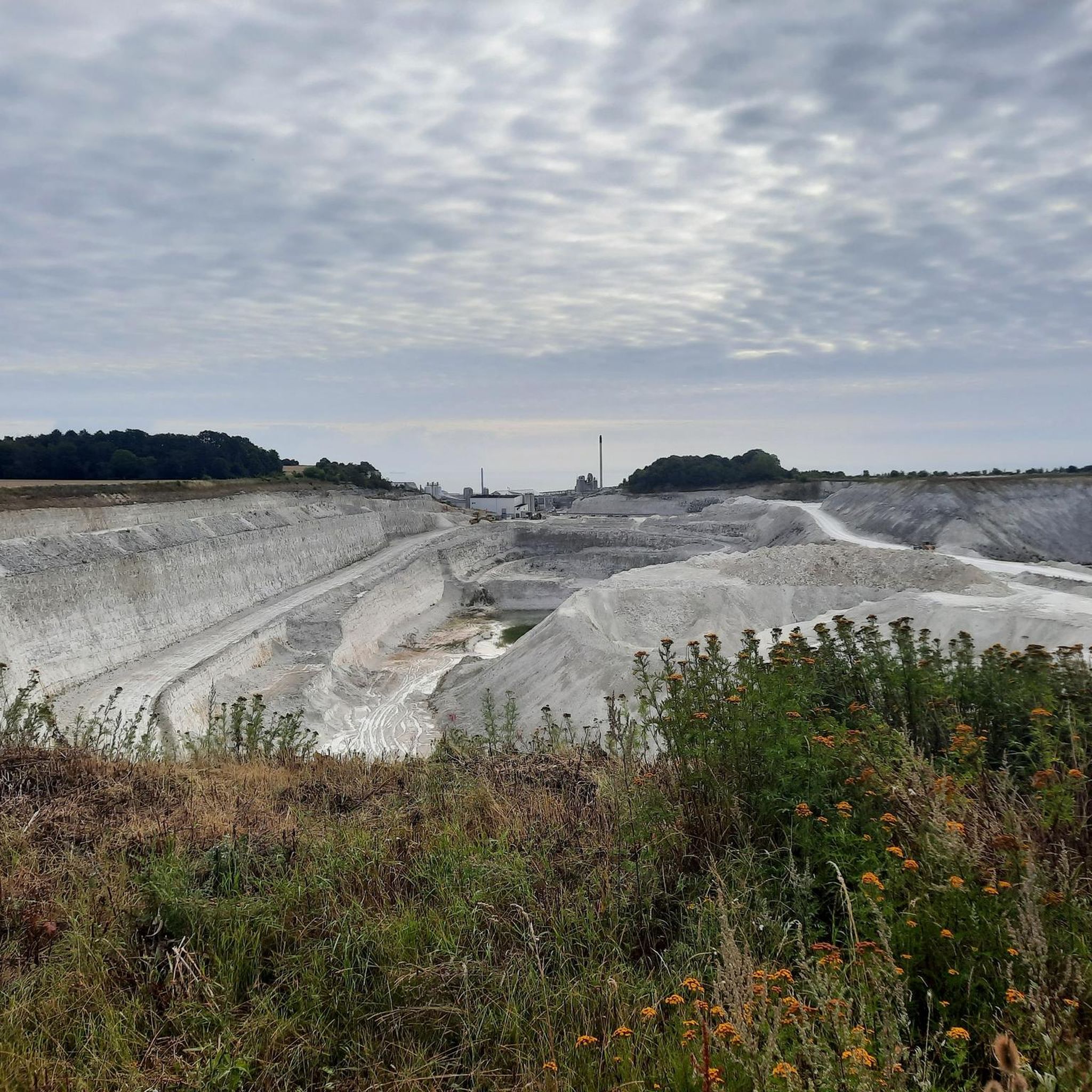
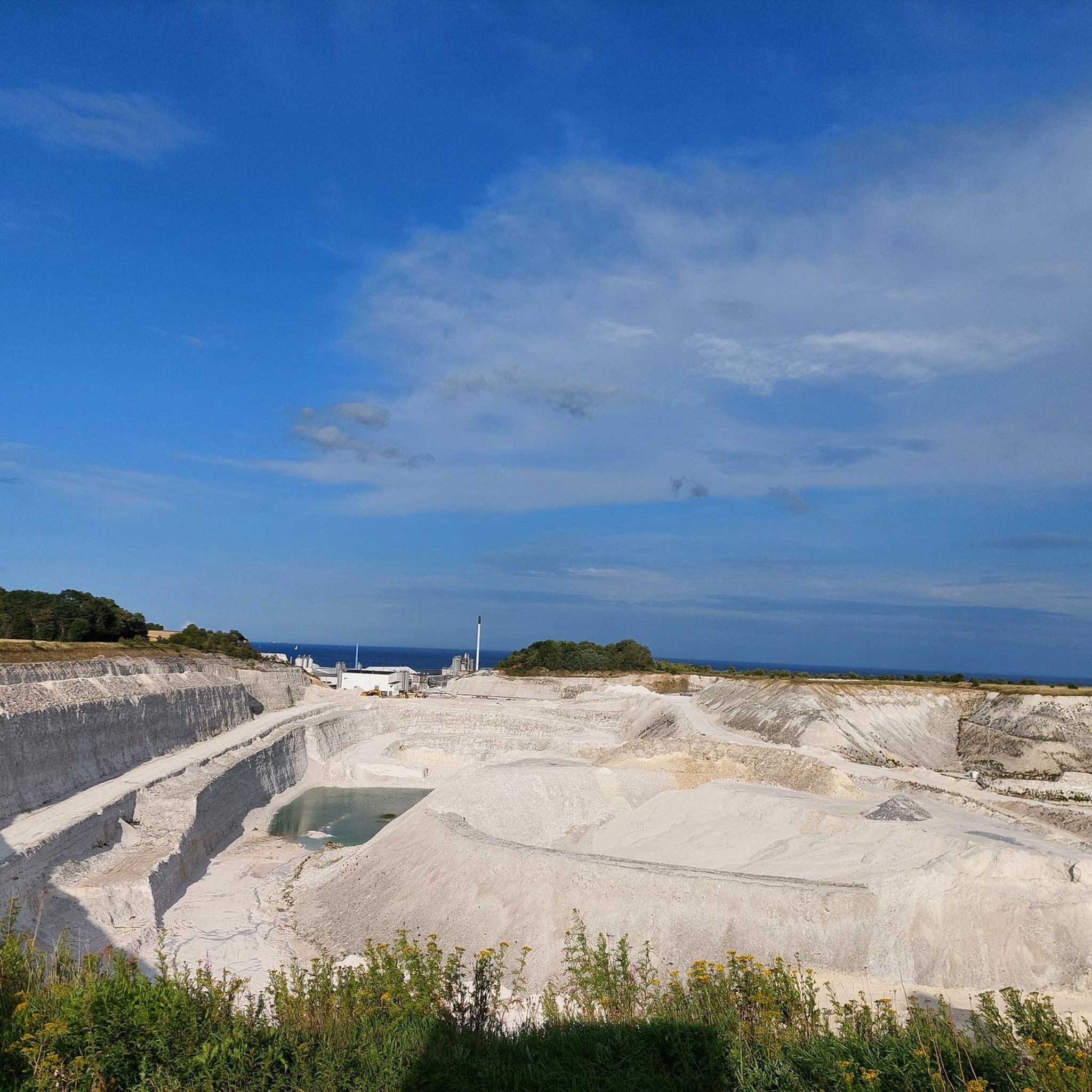
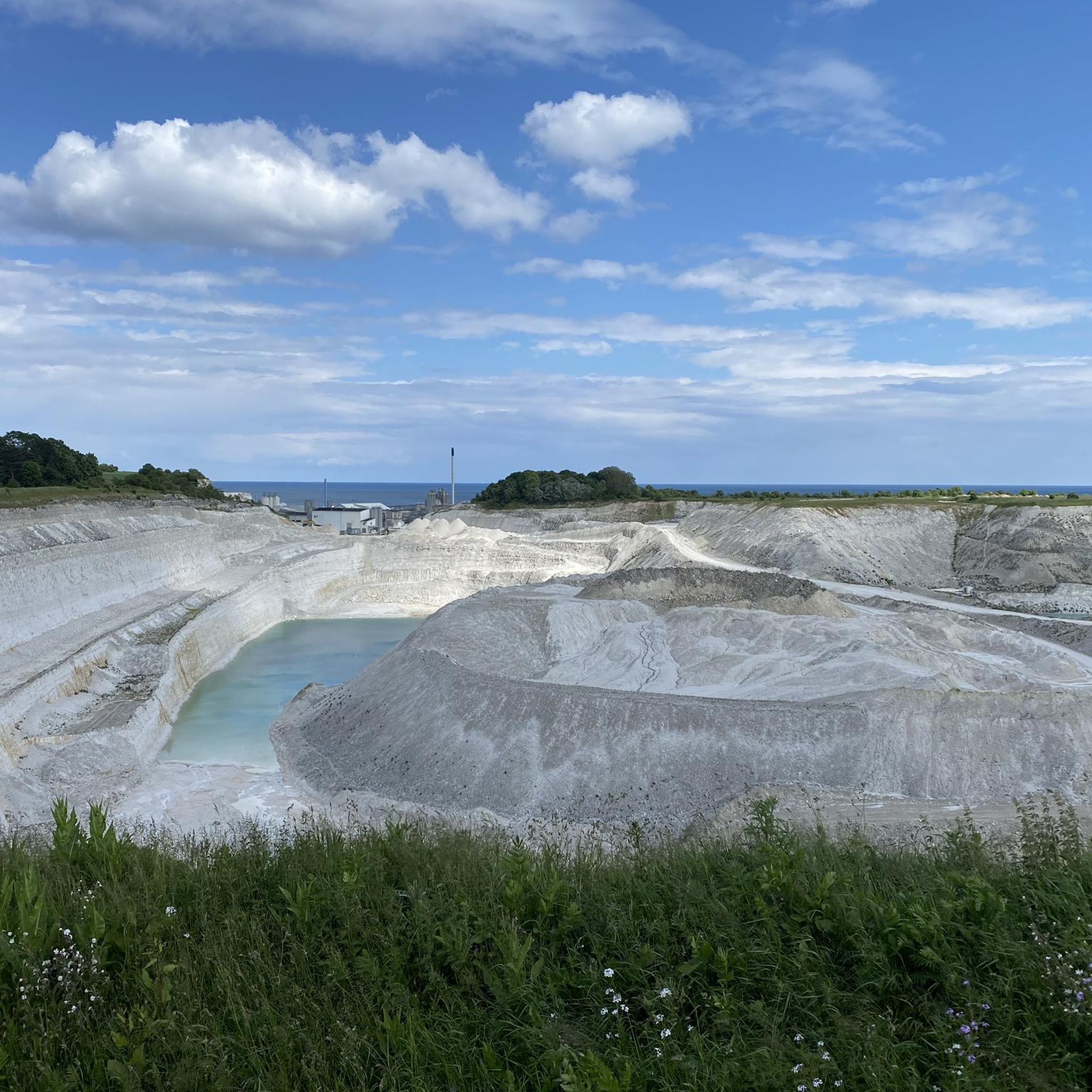
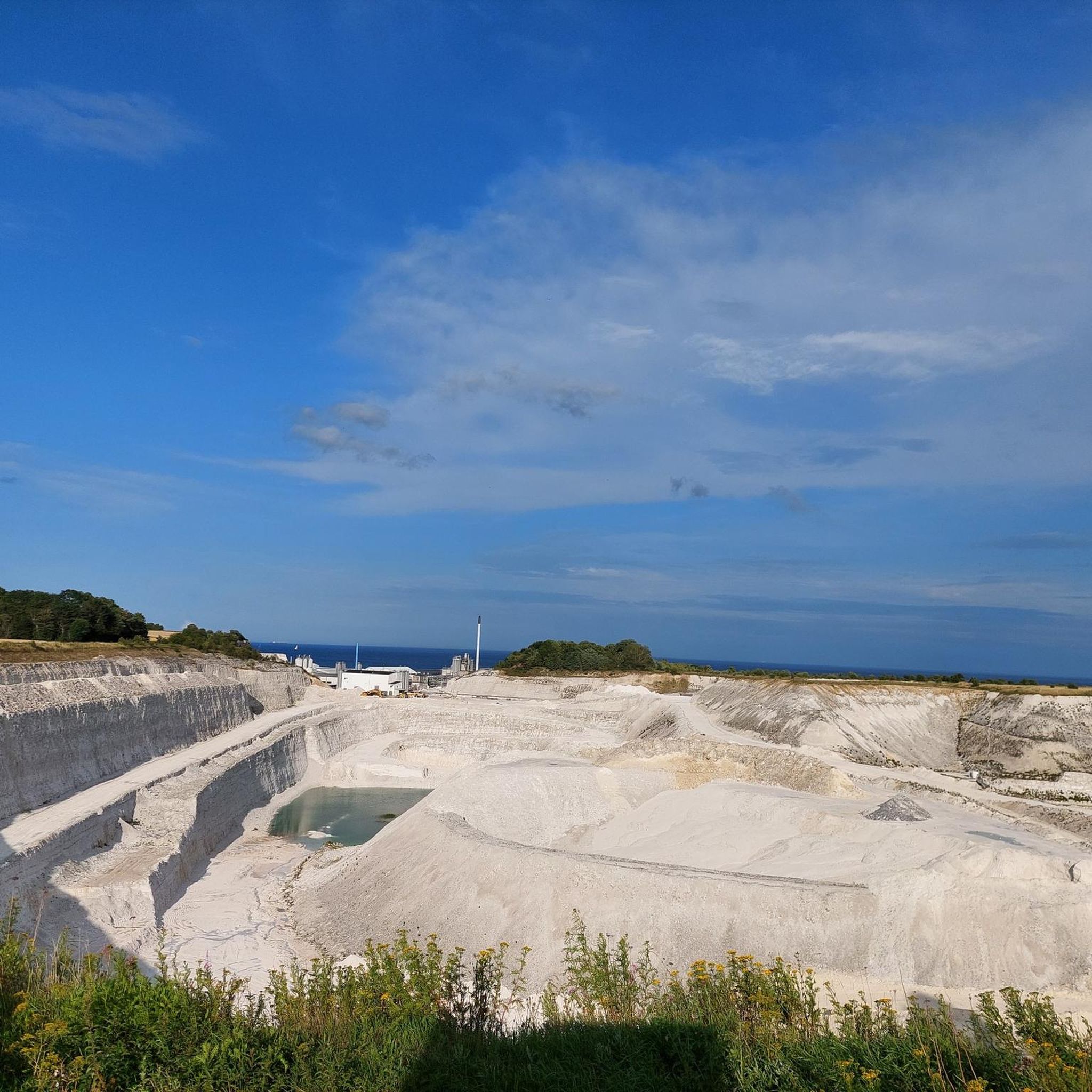
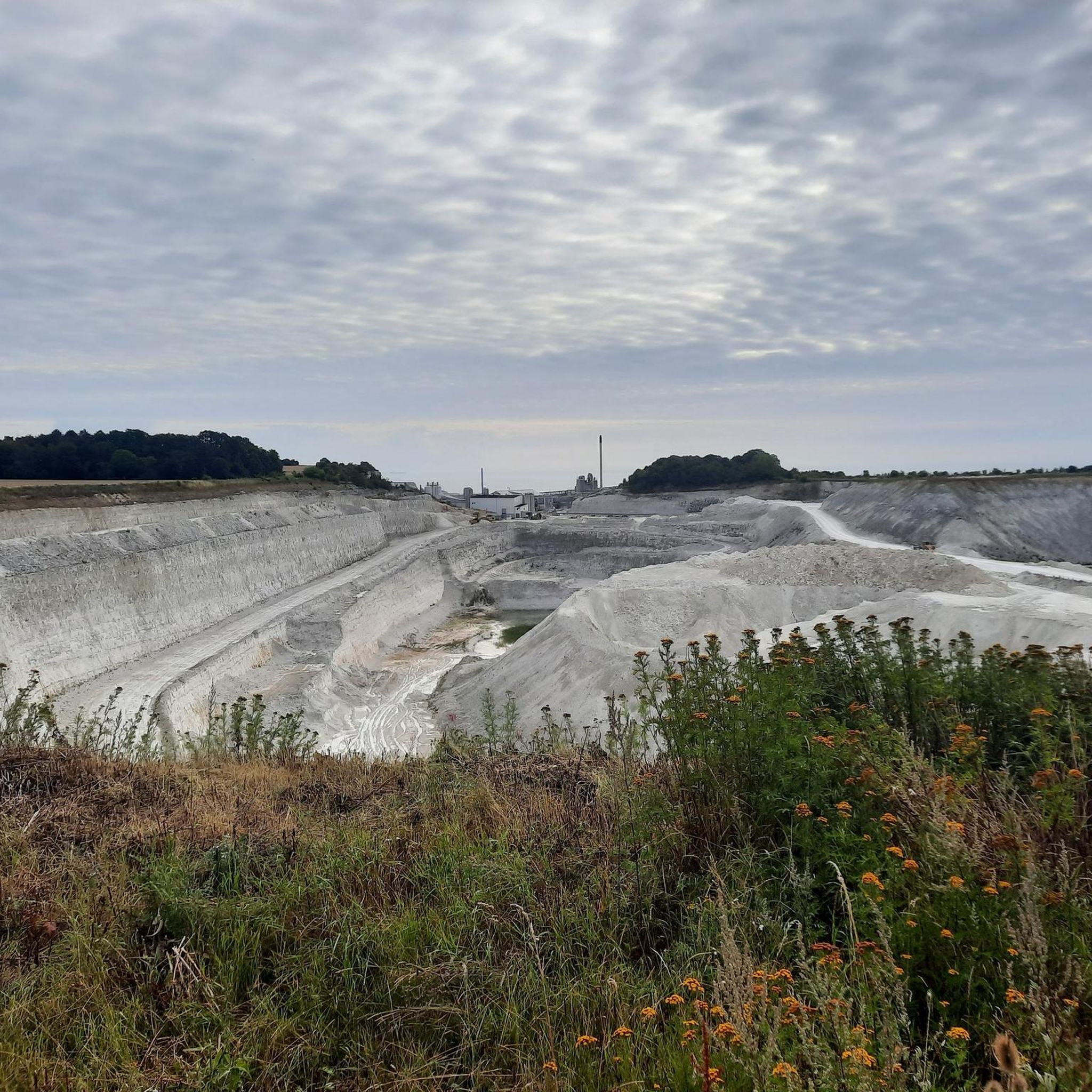
Holtug Chalk Quarry
Highlight • Natural Monument
Translated by Google •
Tip by

Boesdal Limestone Quarry Shelter
Highlight • Mountain Hut
In the 1920s, the inhabitants of Stevns began with the lime mining in Boesdal limestone quarry. Today, there are still traces …
Translated by Google •
Tip by
Gammel Køgegård
Highlight • Historical Site
Showing Translation
Tip by

Sign up for free to discover even more natural monuments in Stevns.
Already have an account?
Start today with a free account
Your next adventure awaits.


Tips from the Community

Great little hiking trail, right on the cliffs. There is no way down though.
0
0
Part of the church has already collapsed into the sea.
1
0

Great view of the chalk cliffs
1
0

beautiful hiking trail along the cliffs. more information at: https://www.stevnsklint.com/en/planning/experience-the-world-heritage/
2
0
Originally, Køge was located in the grounds of present-day Gammel Køgegård, approximately 1 km inland from the current town centre. Remains of a church have been found in the orchard of the estate. When sedimentation made the beach and marshlands along the coast suitable for building, the settlement relocated to the bay and Old Køge shrank to a few scattered houses. Quelle und mehr Infos unter: https://en.wikipedia.org/wiki/Gammel_K%C3%B8geg%C3%A5rd
0
0

Be sure to turn off to Stevens Klint - if you follow the 9 straight away you'll miss it.
4
0

It is worth walking along the path, beautiful views, the church is worth seeing
2
0
The chalk quarry is no longer in operation, the area is now a recreational area
1
0
Frequently Asked Questions
What makes Stevns Klint a globally significant natural monument?
Stevns Klint is a UNESCO World Heritage site recognized for its exceptional geological importance. It provides compelling evidence of the Chicxulub meteorite impact that led to the extinction of the dinosaurs approximately 66 million years ago. The cliff face contains the famous 'Fish Clay Layer', a thin, dark sediment rich in iridium, which marks this pivotal event in Earth's history.
What unique geological features can I observe at Stevns Klint?
The most significant geological feature is the 'Fish Clay Layer' (Fiskeleret), a thin, dark band visible within the white chalk and limestone cliffs. This layer contains elevated levels of iridium, a rare element on Earth but common in meteorites, serving as a direct geological marker of the mass extinction event. You can see this layer directly at locations like Højerup.
Are there historical sites to visit along Stevns Klint?
Yes, the area features significant historical sites. The Højerup Old Church, a 13th-century church, stands precariously on the cliff edge, illustrating the powerful forces of erosion. Another notable site is Gammel Køgegård, a historic main farm with a large rhododendron collection in its park.
What hiking opportunities are available along Stevns Klint?
The 22-kilometer Trampestien Coastal Trail runs along the upper edge of Stevns Klint, offering spectacular views of the cliffs and the Baltic Sea. A popular 6.5 km stretch connects Rødvig to Højerup, passing by the lighthouse, the Cold War Museum, Boesdal Limestone Quarry, and the old Højerup Church. This trail is generally considered an easy route.
Can I go cycling near the natural monuments in Stevns?
Absolutely! Stevns offers various cycling routes. For example, you can find easy to moderate touring bicycle routes like the 'Stevns Klint – Stevns Fyr Lighthouse loop from Rødvig' (19.4 km) or the 'Køge City Center – Public Beach With Pier loop from Strøby Ladeplads' (19.2 km). Explore more options on the Cycling in Stevns guide.
Are there family-friendly natural sights in Stevns?
Many of Stevns' natural monuments are suitable for families. The coastal trails offer easy walks with stunning views, and places like Gammel Køgegård are listed as family-friendly. Fossil hunting at Holtug Kridtbrud (where collecting loose fossils is permitted) can also be an engaging activity for children.
What is the best time of year to visit Stevns Klint?
Stevns Klint can be visited year-round, but the warmer months from spring to early autumn (April to October) generally offer the most pleasant weather for hiking and outdoor activities. During these times, you can fully enjoy the coastal scenery and explore the various sites comfortably.
Are there opportunities for fossil hunting in Stevns?
Yes, Holtug Kridtbrud (Holtug Chalk Quarry) is a designated area where visitors are allowed to collect loose fossils. It's important to remember that you should not collect fossils directly from the cliff face, and the sensitive Fish Clay layer is off-limits for collection.
What kind of views can I expect from the natural monuments in Stevns?
You can expect breathtaking panoramic views of the Baltic Sea and the dramatic white chalk cliffs. From the Højerup Old Church, a small balcony offers a unique perspective over the sea and the eroding cliff. Climbing to the top of Stevns Lighthouse provides the highest vantage point, with views extending to Møn Island and even parts of Sweden on clear days.
What other outdoor activities can I do near these natural monuments?
Beyond hiking and cycling, you can also find running trails in the area. For instance, there are moderate to difficult running loops like 'Gadekær Pond in Højerup loop from Rødvig' (15.3 km) or 'Rødvig Marina loop from Højerup' (11.2 km). Discover more options on the Running Trails in Stevns guide.
Is Stevns Klint accessible by public transport?
While specific details on public transport routes are best checked with local providers, Stevns Klint is generally accessible. Regional buses connect the main towns and attractions, making it possible to reach key points like Højerup and Rødvig without a car. Planning your journey in advance is recommended.
What should I pack for a trip to Stevns Klint?
For a comfortable visit, pack layers of clothing as coastal weather can change quickly. Sturdy walking shoes are essential for exploring the trails and uneven terrain. Don't forget sunscreen, a hat, and a reusable water bottle. Binoculars can enhance your experience for birdwatching or distant views from the lighthouse.
Most popular attractions in Stevns

Get inspired with the komoot mobile app


Explore more
Extend your search for the best caves by checking out these guides of the top ones in Stevns:
