Top 20 Natural Monuments in Haute-Corse
Natural monuments in Haute-Corse showcase a diverse landscape, from rugged coastlines to mountainous terrain and verdant valleys. This region, located on the northern part of Corsica, features unique geological formations and rich biodiversity. Visitors can explore a range of natural sites, including dramatic cliffs, ancient forests, and glacial lakes. The area offers opportunities to experience Corsica's natural environment.
Best natural monuments in Haute-Corse
- The most popular natural monuments is Ponte Vecchiu (Fango), a bridge that allows passage across the…
Last updated: October 13, 2026
Monte Cinto
Highlight • Summit
Translated by Google •
Tip by

Ponte Vecchiu (Fango)
Highlight • Bridge
Translated by Google •
Tip by

Sign up now to discover places like this
Get recommendations on the best single tracks, peaks, & plenty of other exciting outdoor places.
Bucatoggio Waterfall
Highlight • Waterfall
Translated by Google •
Tip by

Fango River Valley
Highlight (Segment) • River
Translated by Google •
Tip by
Lake Nino
Highlight • Lake
Translated by Google •
Tip by

Ucelluline Waterfall
Highlight • Waterfall
Translated by Google •
Tip by

Buja waterfall
Highlight • Waterfall
Translated by Google •
Tip by
Lac de Bastani
Highlight • Lake
Translated by Google •
Tip by
Natural pools
Highlight • Natural Monument
Undoubtedly the ideal place to cool off!
Translated by Google •
Tip by
Muricciolu Bridge
Highlight • Bridge
Translated by Google •
Tip by
Sign up for free to discover even more natural monuments in Haute-Corse.
Already have an account?
Start today with a free account
Your next adventure awaits.
Popular around Haute-Corse
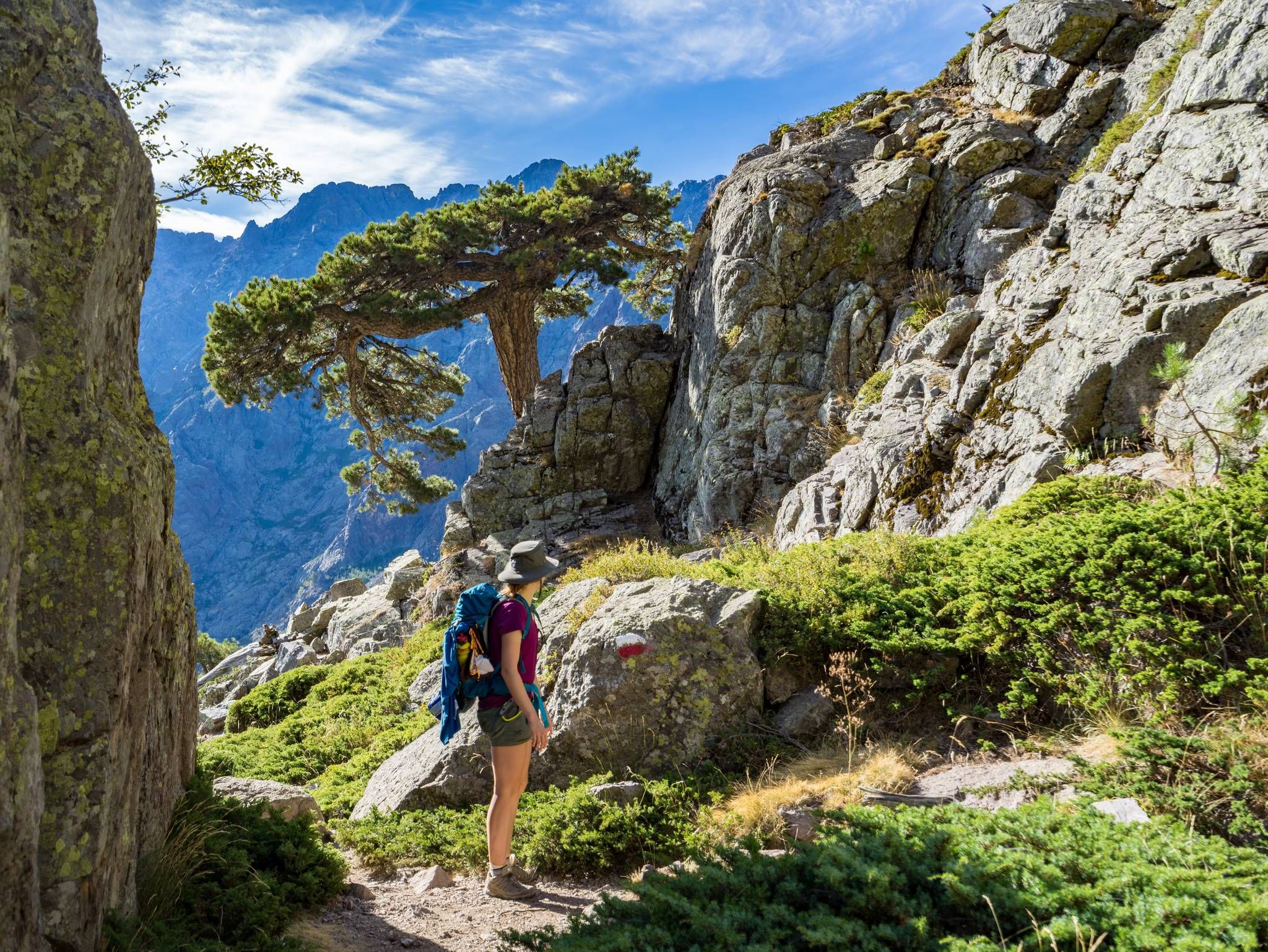
GR20 – Europe's toughest long-distance hiking trail through Corsica
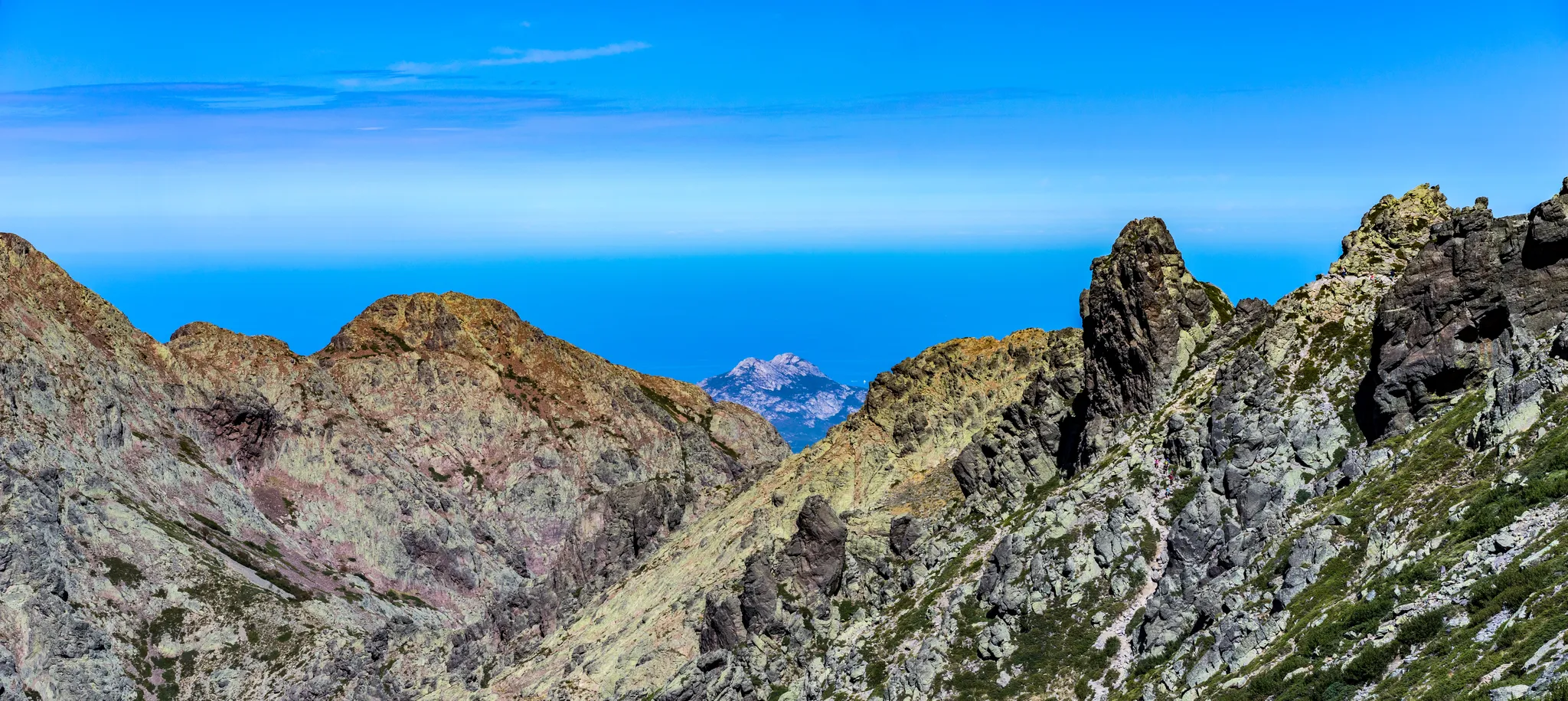
Mare è Monti north – From the mountains to the sea
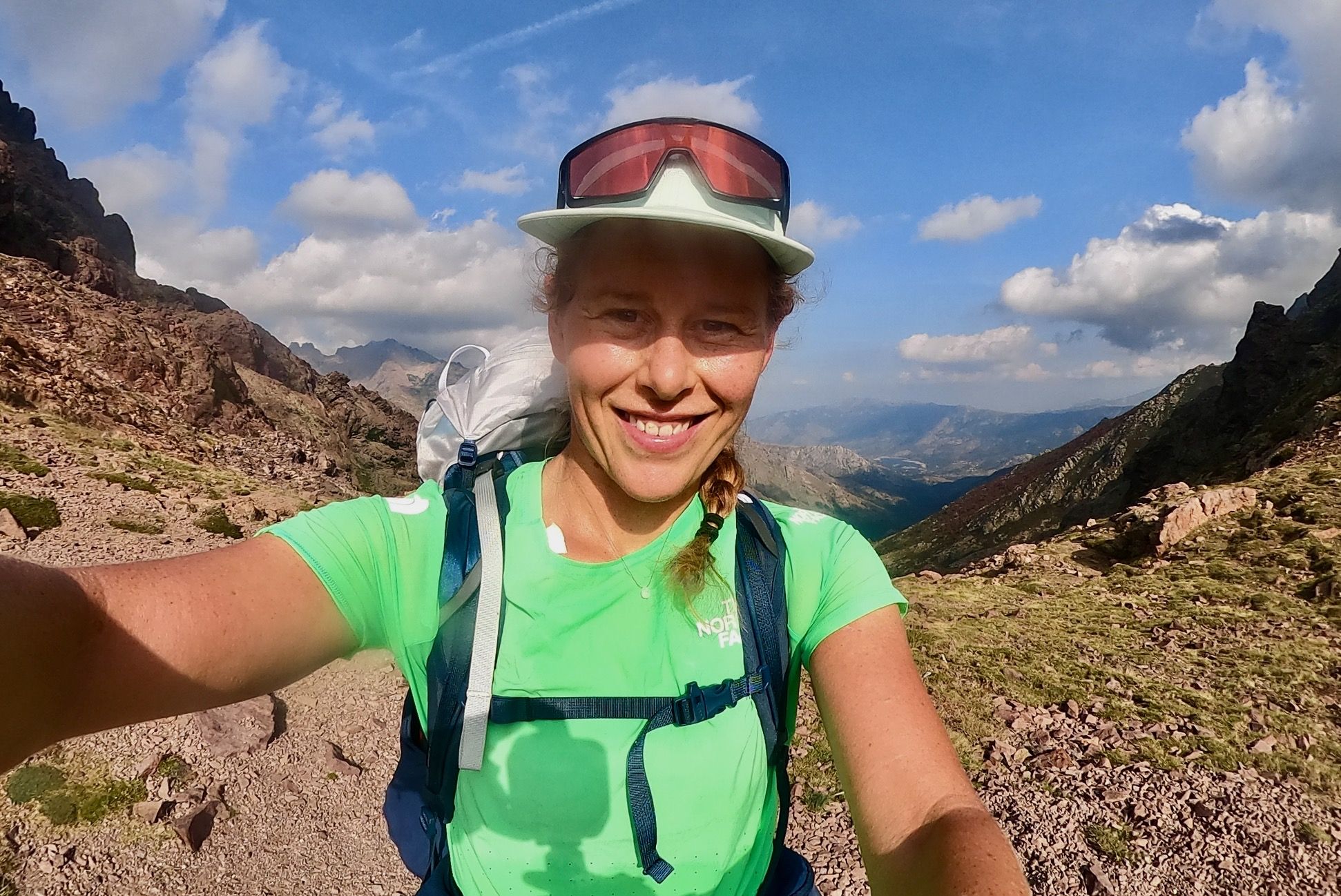
GR 20 – Six days backpacking the peaks and refuges of Corsica
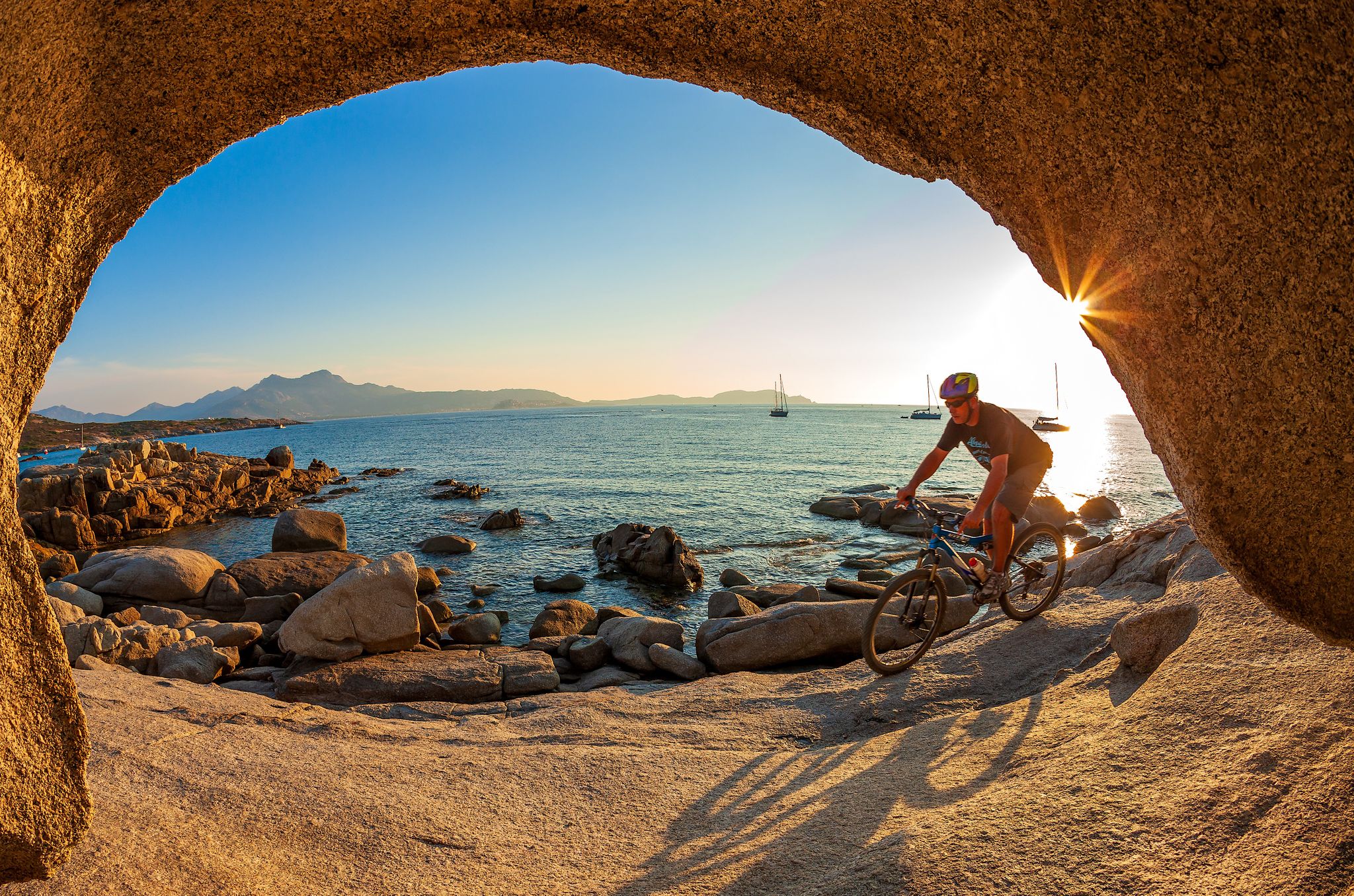
Mountain biking in Corsica – routes between Balagne and Castagniccia
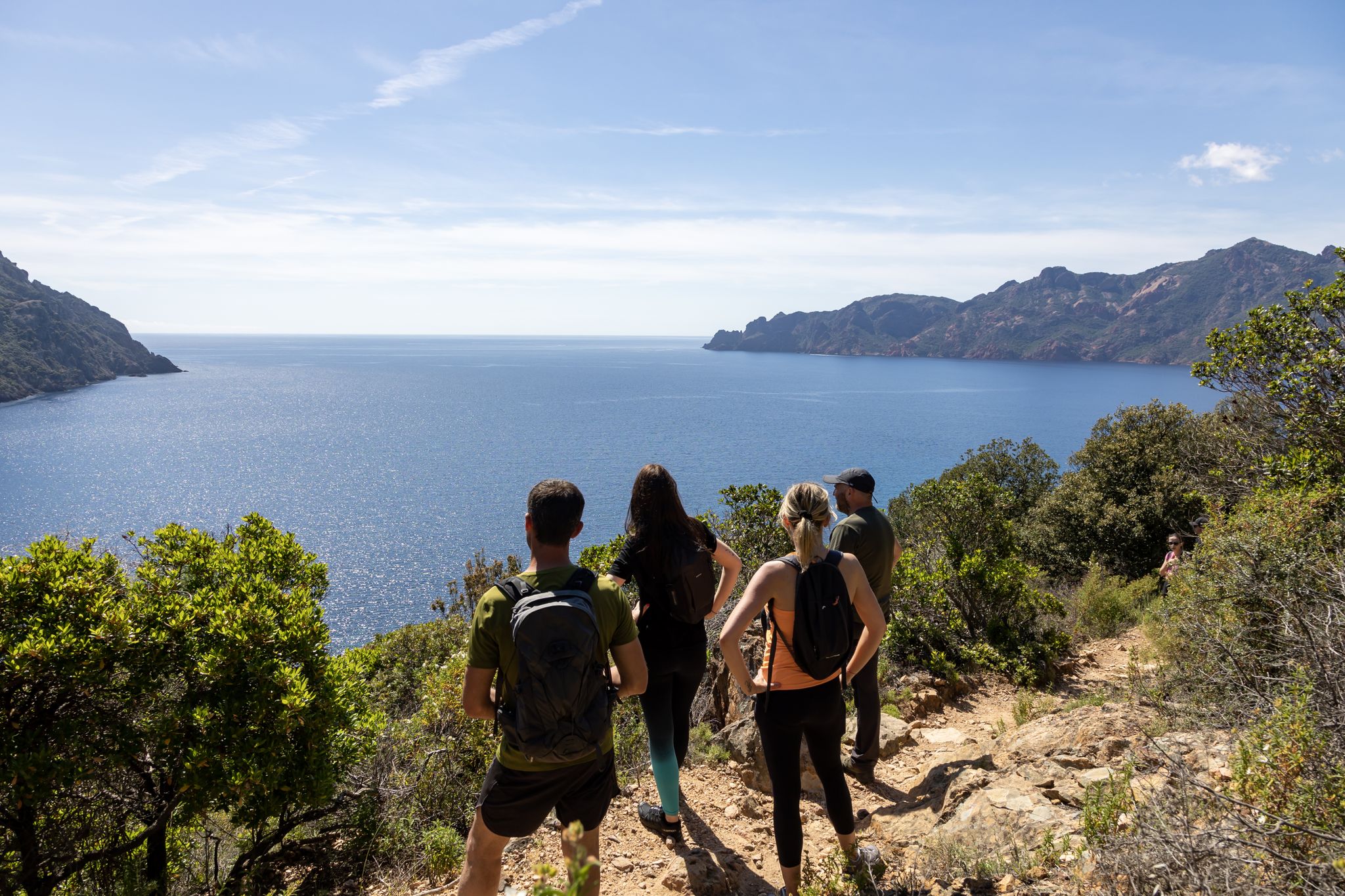
Corsica's discovery hikes — between sea and mountains
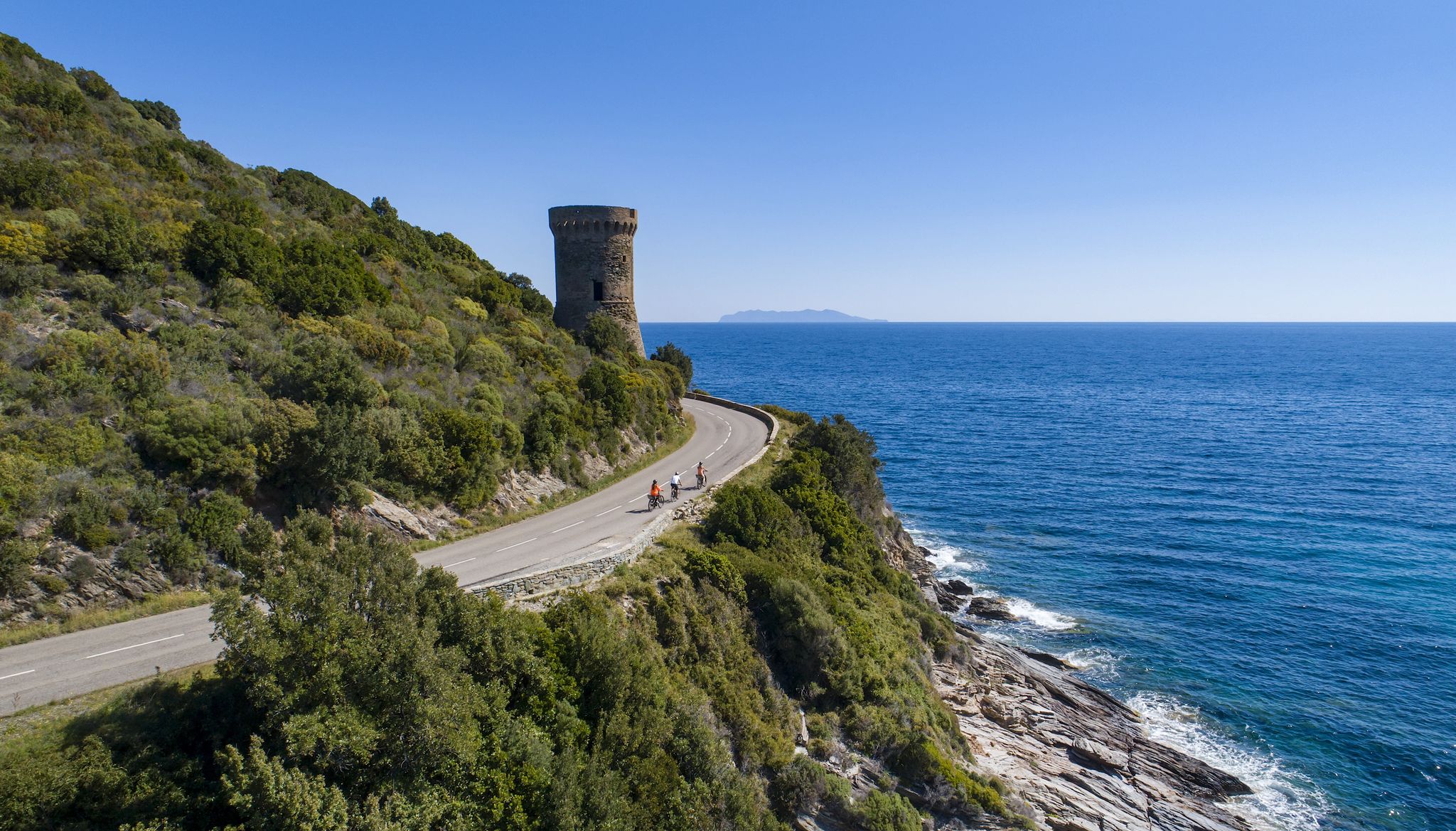
The Great Crossing of Corsica by bike – GT 20
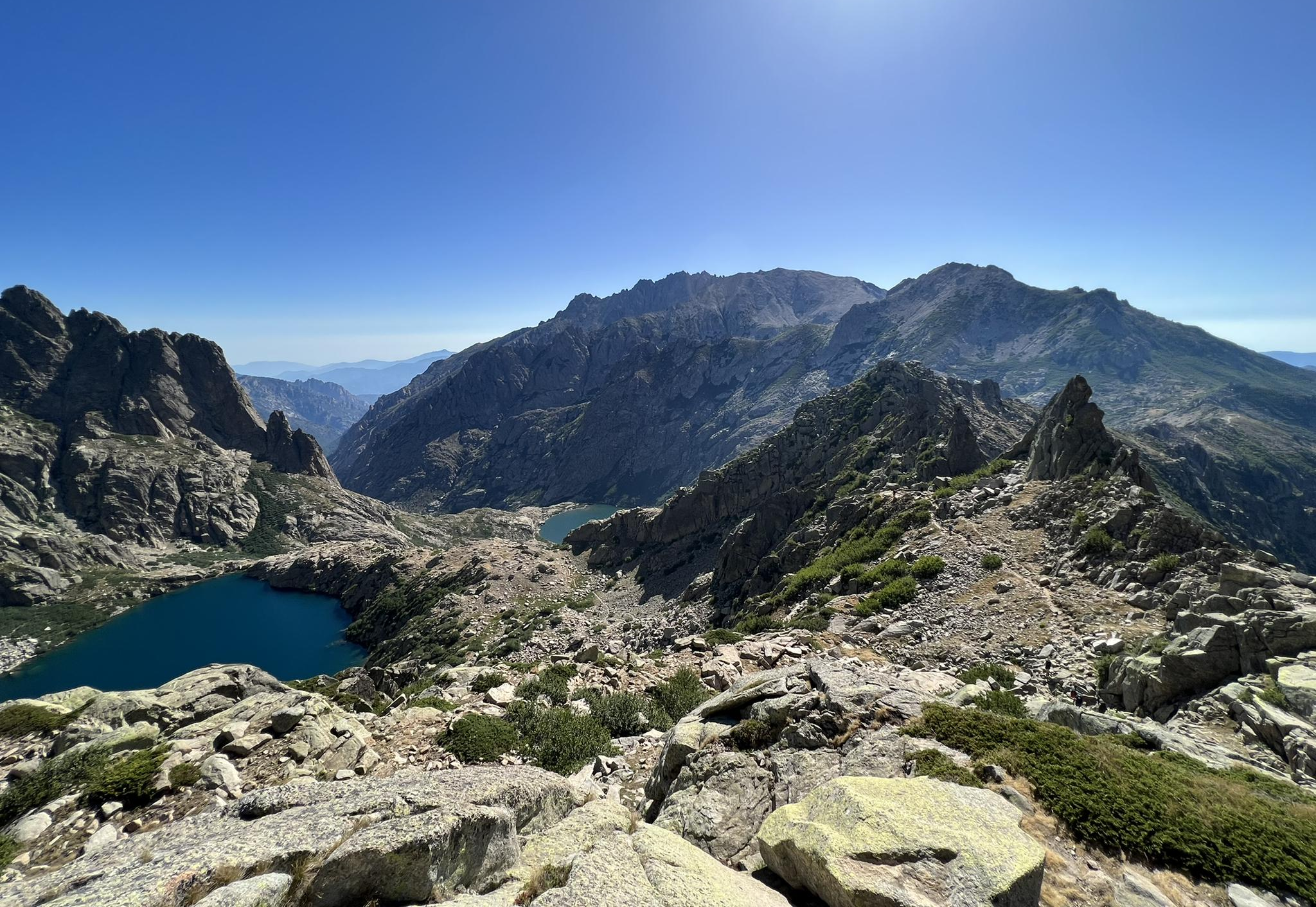
Great hikes of Corsica – Terre de nature
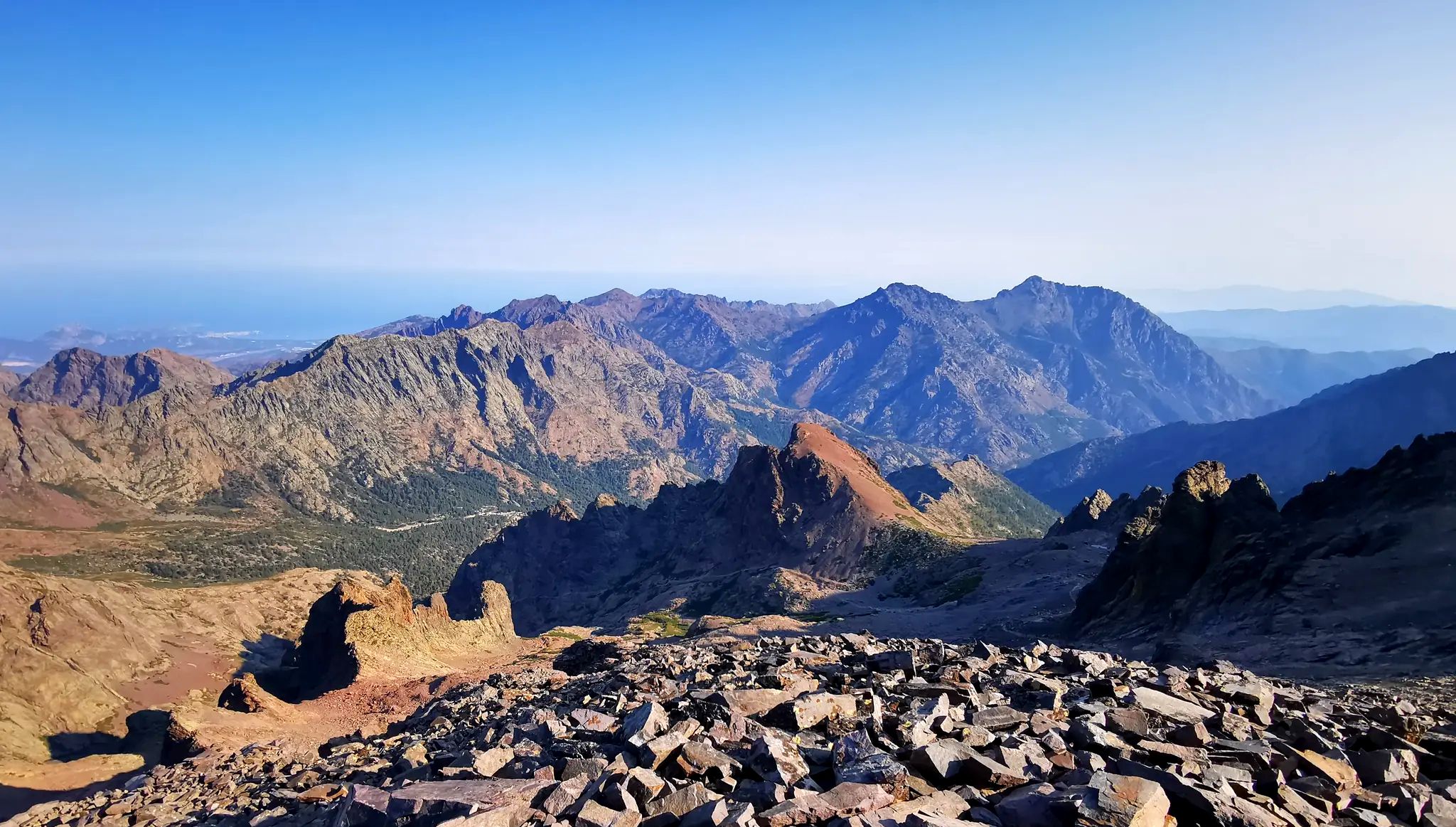
Hiking to the summits – France's highest points
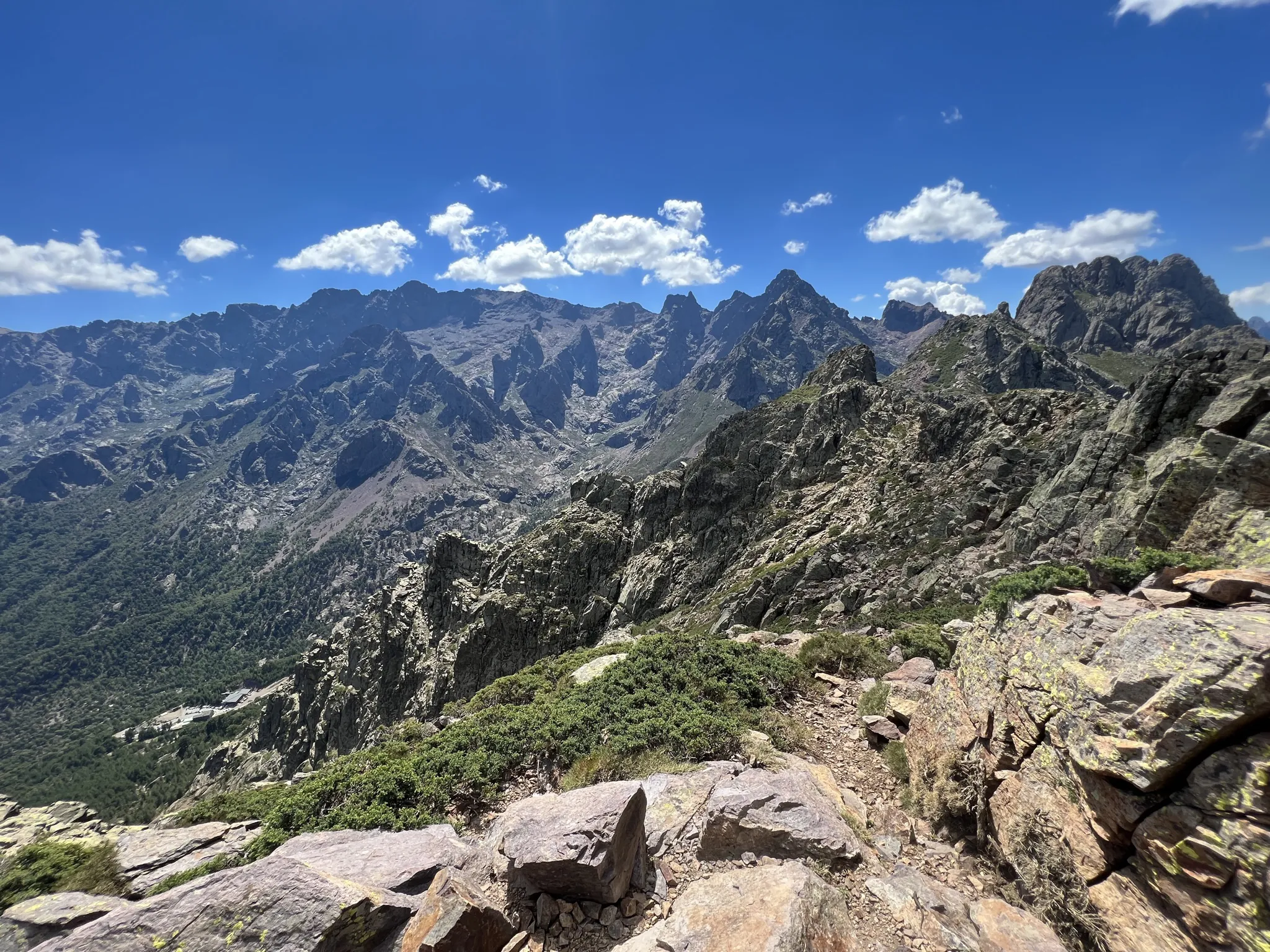
Running the toughest trail in Europe – GR 20 in Corsica
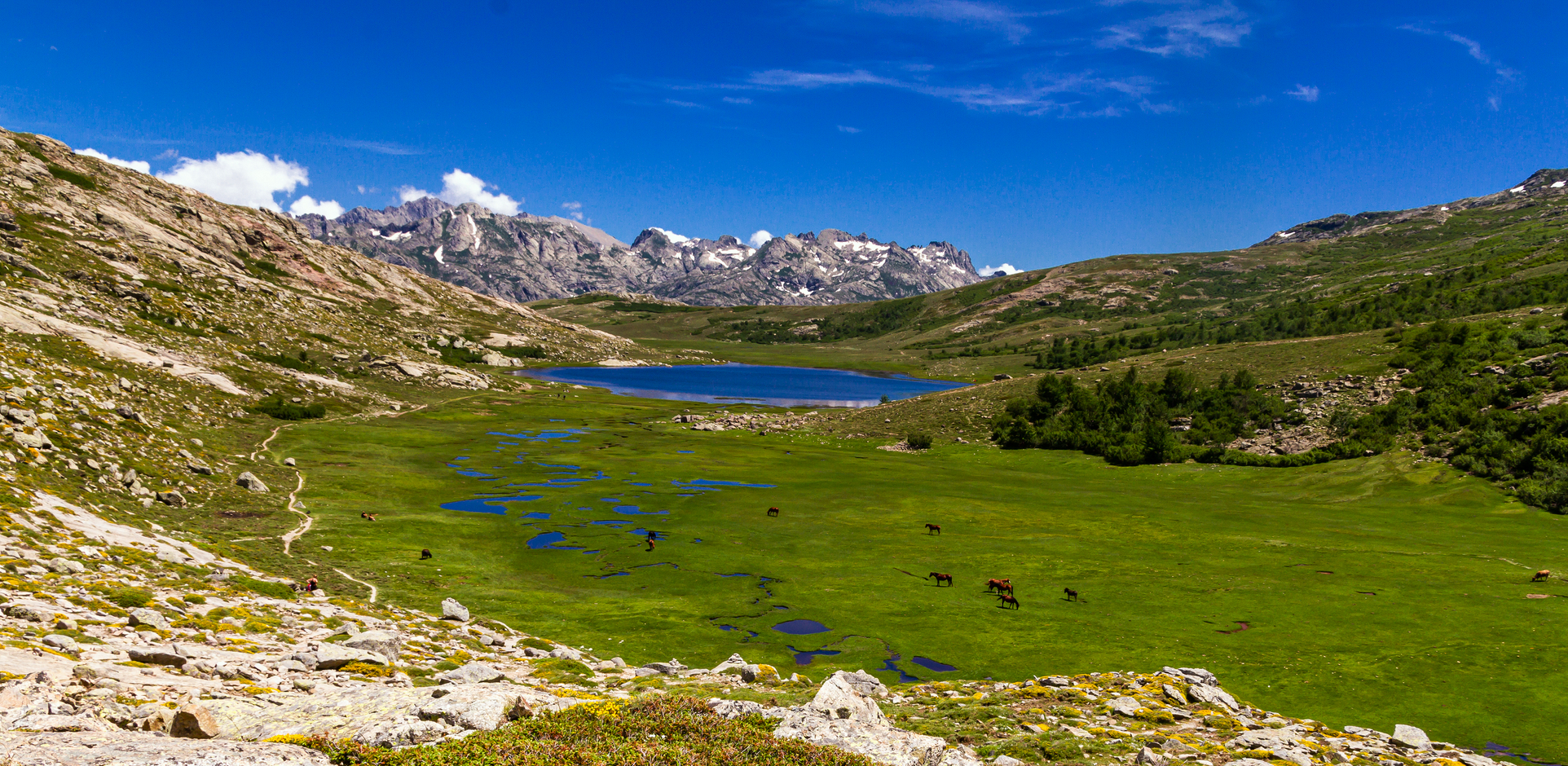
In the footsteps of the Corsican shepherds – Sentier de la transhumance
Other adventures in Haute-Corse


Tips from the Community


Great view of the waterfall. Magnificent and always worth a visit.
0
0

A magnificent waterfall at the end of an exciting cross-country tour. A certain amount of fitness and absolute surefootedness are absolutely essential. The waterfall and the opportunity to swim are a wonderful reward.
0
0

As already mentioned, the bridge has been destroyed and closed since a flood two years ago. But it is easily passable for those with little experience, at their own risk, of course. Simply walk down the broken structure on the south side like a staircase.
1
0

The bridge is not passable (or only for the brave). However, you can cross the stream in some places (in your underwear). Otherwise, it's a great picnic and swimming spot.
1
0

Great bathing spot at the end of May 2024! The bridge is currently not passable and the municipality is redirecting the path (access ban). However, if you can cross the river, there is no need for a redirection.
0
0


A large waterfall that is very easy to reach on foot.
0
0
Frequently Asked Questions
What are some of the most popular natural monuments in Haute-Corse?
Haute-Corse offers a variety of stunning natural monuments. Among the most popular are the UNESCO World Heritage Site, Scandola Nature Reserve, known for its dramatic red granite cliffs and rich biodiversity. The Fango River Valley, a UNESCO biosphere reserve, is cherished for its wild romantic scenery and natural pools. Visitors also highly rate Lake Nino, a glacial lake with a magical atmosphere and roaming cattle.
What kind of outdoor activities can I do near these natural monuments?
Haute-Corse's natural monuments are excellent starting points for various outdoor activities. You can find extensive hiking opportunities, including challenging routes in the Aiguilles de Bavella and the scenic trails of the Restonica Valley. Coastal walks along the 'Sentier des Douaniers' in Cap Corse are also popular. For those interested in cycling, there are numerous gravel biking routes available, offering diverse terrain from coastal paths to mountain passes.
Are there family-friendly natural monuments or activities in Haute-Corse?
Yes, several natural monuments in Haute-Corse are suitable for families. The Ponte Vecchiu (Fango) offers a superb stone bridge and opportunities for refreshing dips in the Fango River. The Buja waterfall is nestled in a forest and flows into a natural swimming pool, accessible even with young children. The Restonica Valley also features well-marked paths suitable for families, leading to picturesque mountain lakes.
What are the best times of year to visit the natural monuments in Haute-Corse?
The best time to visit Haute-Corse's natural monuments generally depends on your preferred activities. Spring (April-May) and autumn (September-October) offer pleasant temperatures for hiking and exploring, with fewer crowds. Summer (June-August) is ideal for swimming in natural pools and enjoying boat tours, though popular sites can be busy. Winter can be suitable for experienced hikers in lower altitudes, but higher mountain areas like the Aiguilles de Bavella may have snow and require specialized gear.
Where can I find natural pools for swimming in Haute-Corse?
Haute-Corse is famous for its refreshing natural pools. The Fango River Valley, a UNESCO biosphere reserve, is renowned for its many natural pools perfect for a refreshing dip. You can also find beautiful natural pools created by the Restonica river in the Restonica Valley, and at the base of the Buja waterfall.
Are there any natural monuments with historical significance?
Yes, some natural monuments in Haute-Corse also hold historical significance. The Ponte Vecchiu (Fango) is a superb stone bridge that is part of the Mare è Monti path, showcasing historical engineering. The Muricciolu Bridge is another historical stone bridge spanning a river, adding a cultural layer to the natural landscape.
What unique geological features can I expect to see?
Haute-Corse boasts diverse and unique geological formations. The Scandola Nature Reserve features dramatic red granite cliffs, carved peaks, and sea caves, remnants of an ancient volcanic complex. The Aiguilles de Bavella are striking jagged red and grey granite peaks. The Restonica Valley is characterized by stunning gorges and granite walls, leading to glacial lakes like Lac de Melo and Lac de Capitello.
Can I find easy walking trails around the natural monuments?
Absolutely. While many areas offer challenging hikes, there are also easier options. The Cap Corse region offers coastal walks along the 'Sentier des Douaniers' with varying difficulty, including sections suitable for beginners. The Buja waterfall is accessible via a relatively short and easy hike. For more options, explore the Easy hikes in Haute-Corse guide.
What kind of wildlife can be observed in Haute-Corse's natural monuments?
Haute-Corse's natural monuments are rich in biodiversity. The Scandola Nature Reserve is a global benchmark for biodiversity, home to over 450 species of algae, nearly 200 species of fish, and is a refuge for ospreys and peregrine falcons. The Fango Valley Biosphere Reserve is recognized for its rich biodiversity and ancient green oak forests. In areas like Lake Nino, you can often see roaming cattle and horses.
Are there any notable viewpoints or panoramic spots?
Haute-Corse is full of breathtaking viewpoints. The Col de Bavella offers exceptional panoramic views of the Aiguilles de Bavella. In Cap Corse, the Moulin Mattei provides 360-degree views of the sea and surrounding mountains. Many summits, including Monte Cinto, offer expansive vistas of the island's diverse landscapes.
What is the Désert des Agriates and what makes it special?
The Désert des Agriates is a unique wild landscape in Haute-Corse, characterized by vast expanses of maquis-covered valleys and rocky outcrops. Despite its name, it's not a true desert but a wild, untamed area. It's special for its beautiful, often secluded beaches like Saleccia and Lodo, which are accessible by boat or challenging tracks, offering a sense of unspoiled nature and tranquility away from the crowds.
Can I go canyoning near any of the natural monuments?
Yes, the dramatic geological formations and diverse landscapes of Haute-Corse make it a prime location for canyoning. The Aiguilles de Bavella area, with its massive rock walls and deep gorges, is particularly well-suited for canyoning adventures, offering routes for various skill levels.
Most popular routes in Haute-Corse
Most popular attractions in Haute-Corse

Get inspired with the komoot mobile app


Explore more
Extend your search for the best caves by checking out these guides of the top ones in Haute-Corse:
