Top 20 Natural Monuments in Doubs
Best natural monuments in Doubs are located within the Bourgogne-Franche-Comté region of France. The department features a diverse natural heritage, including majestic waterfalls, intricate cave systems, and serene river springs. These sites offer varied landscapes for outdoor exploration. Doubs presents a rich geological environment with its karst regions and limestone formations.
Best natural monuments in Doubs
- The most popular natural monuments is Saut du Doubs Waterfall, a waterfall that is 27 meters high and situated on the Doubs River.…
Last updated: April 28, 2026
Saut du Doubs Waterfall
Highlight • Waterfall
Translated by Google •
Tip by

Source de la Loue
Highlight • Cave
Translated by Google •
Tip by

Sign up now to discover places like this
Get recommendations on the best single tracks, peaks, & plenty of other exciting outdoor places.
Sign up for free
Lison Spring
Highlight • Cave
Translated by Google •
Tip by
Sarrazine Cave
Highlight • Cave
Do not hesitate to approach …
Translated by Google •
Tip by
Mont d'Or
Highlight • Summit
Its position offers hikers superb and very …
Translated by Google •
Tip by
Source du Pontet
Highlight • Cave
Translated by Google •
Tip by
Lançot Waterfall
Highlight • Waterfall
Translated by Google •
Tip by

The source of the Doubs
Highlight • River
On this promontory you can also admire the superb peat bogs of Mouthe in the background, and the forest of Haute-Joux in the background.
Translated by Google •
Tip by
Lac de Saint-Point
Highlight • Lake
Translated by Google •
Tip by
The Ladders of Death
Highlight • Gorge
Translated by Google •
Tip by
Sign up for free to discover even more natural monuments in Doubs.
Sign up for free
Already have an account?
Start today with a free account
Your next adventure awaits.
Login or Signup
Popular around Doubs
European Divide Trail — 7,600 km across the continent
GR 5 – The Europe Trail from the Mediterranean to Germany
Sentier de l'Europe (GR 5) – Montbéliard to Abreschviller
The Europe Trail – GR 5 from Nyon to Montbéliard
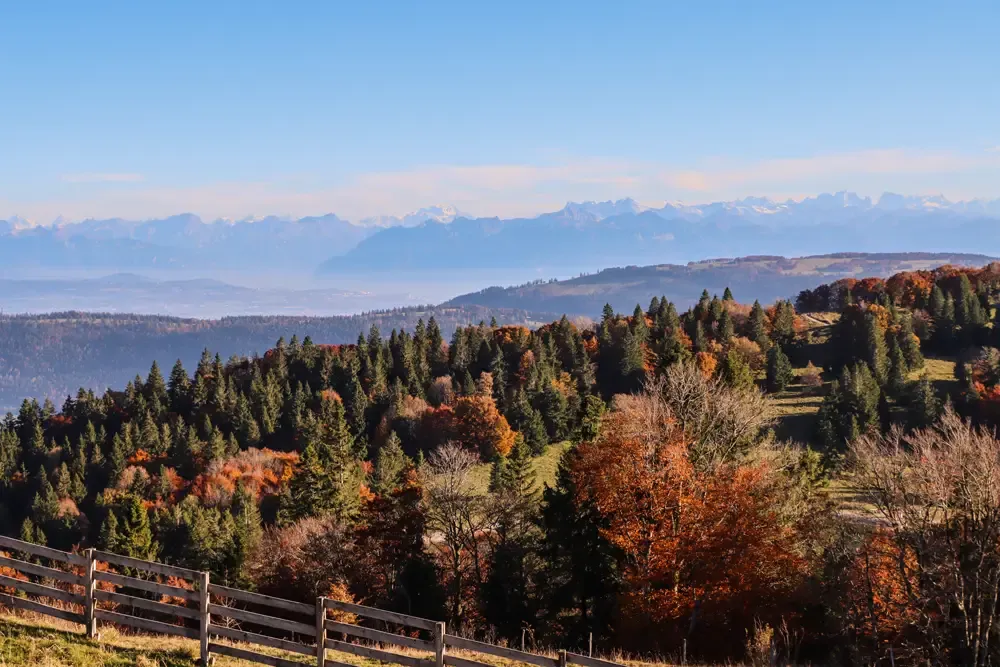
Grande Traversée du Jura en VTT — The Great Crossing of the Jura by MTB
Naples to North Cape — Two friends, one purpose and many scoops of ice-cream
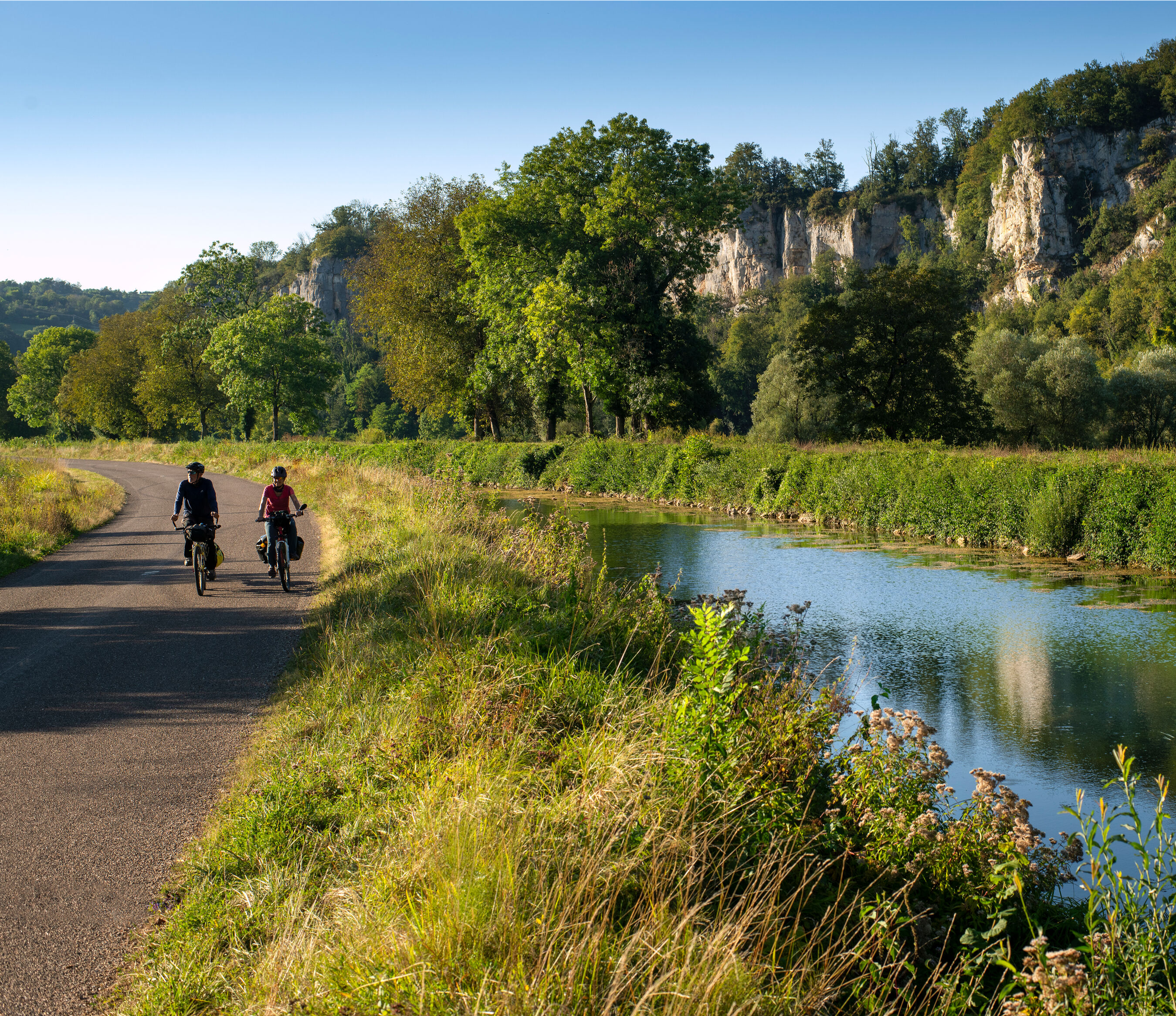
Burgundy-Franche-Comté by bike – between vineyards and peaks
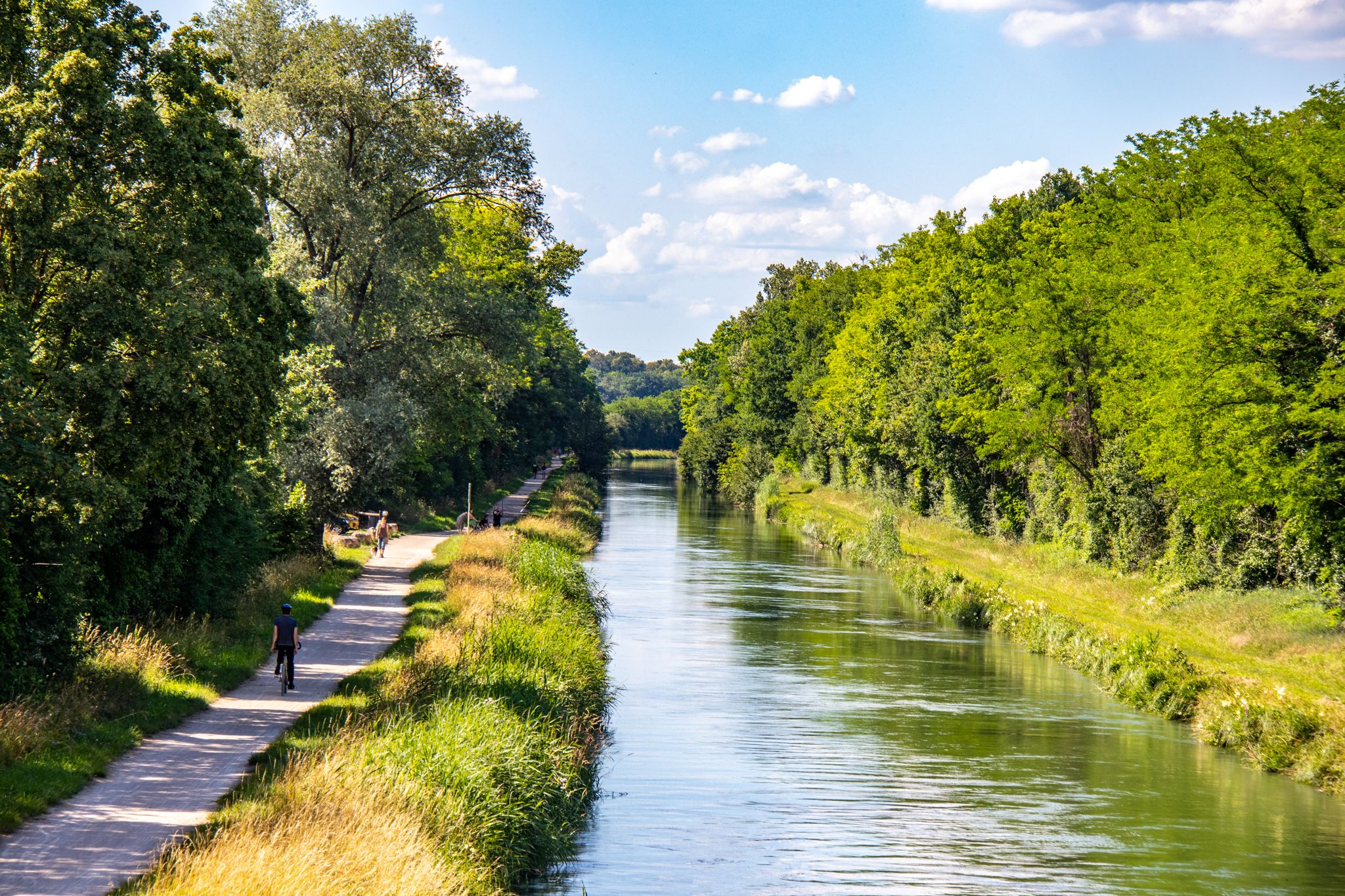
EuroVelo 6 – between the Rhine and the Loire by bike
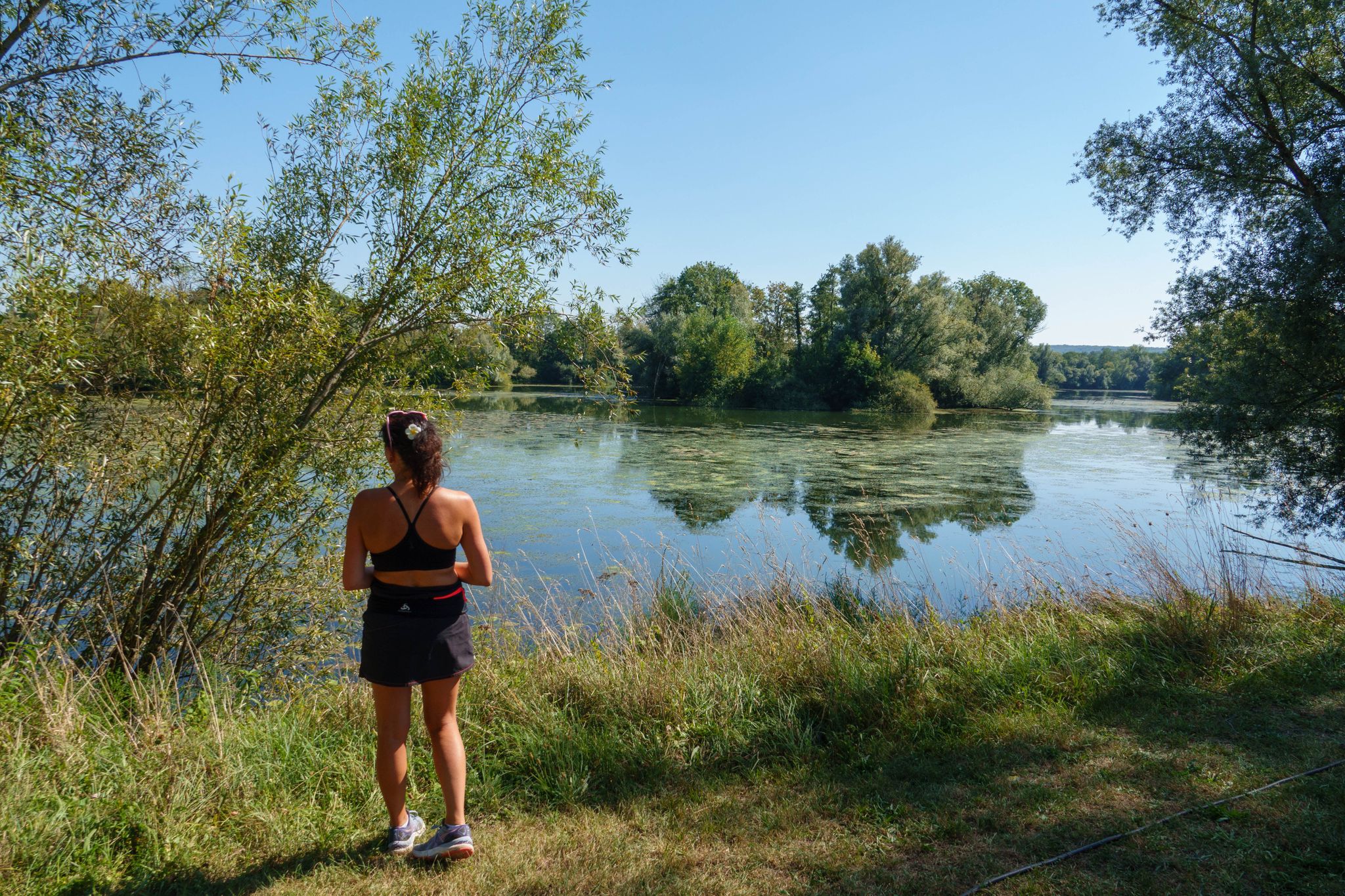
Hiking in the Vallée de l’Ognon — between villages, forests and rivers
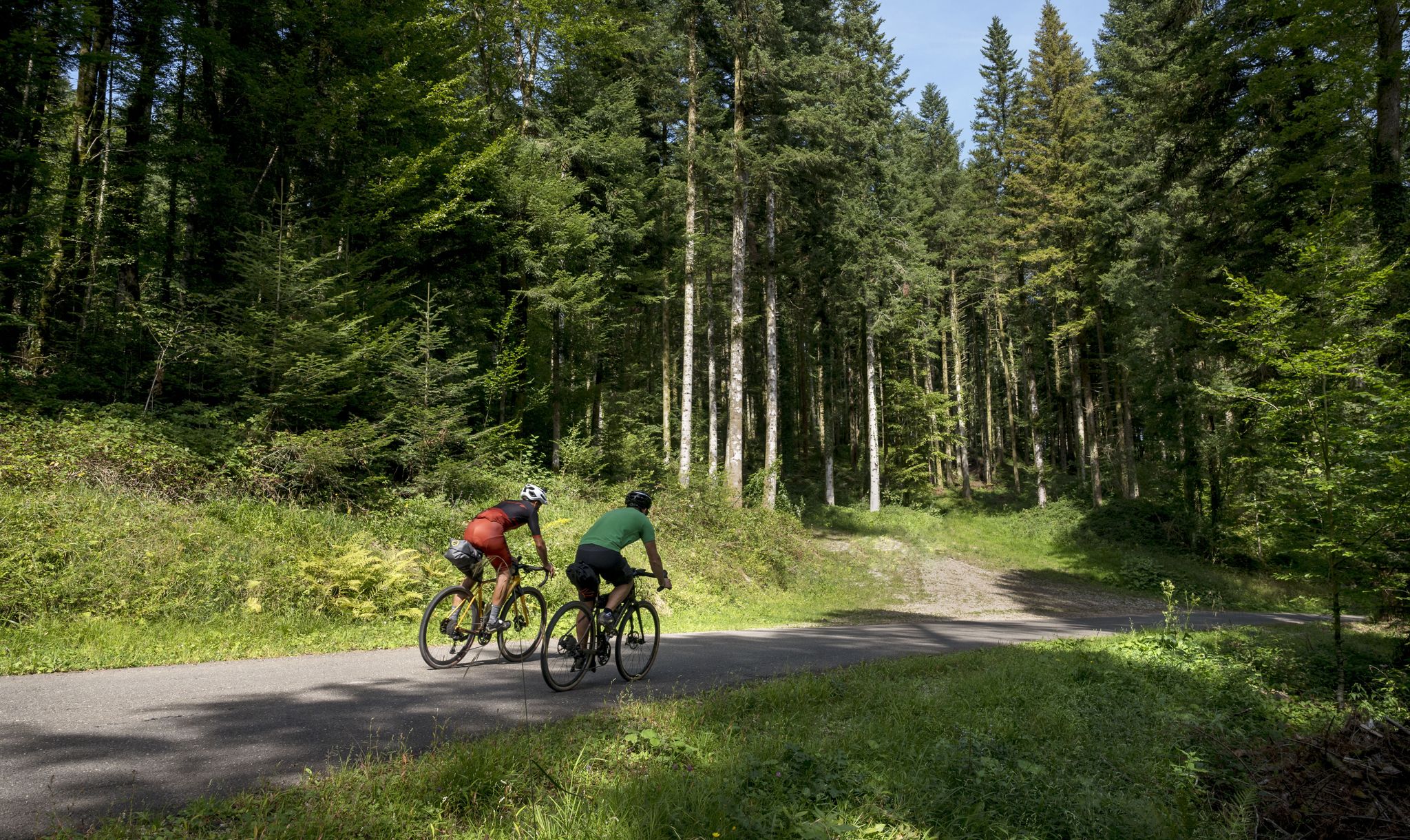
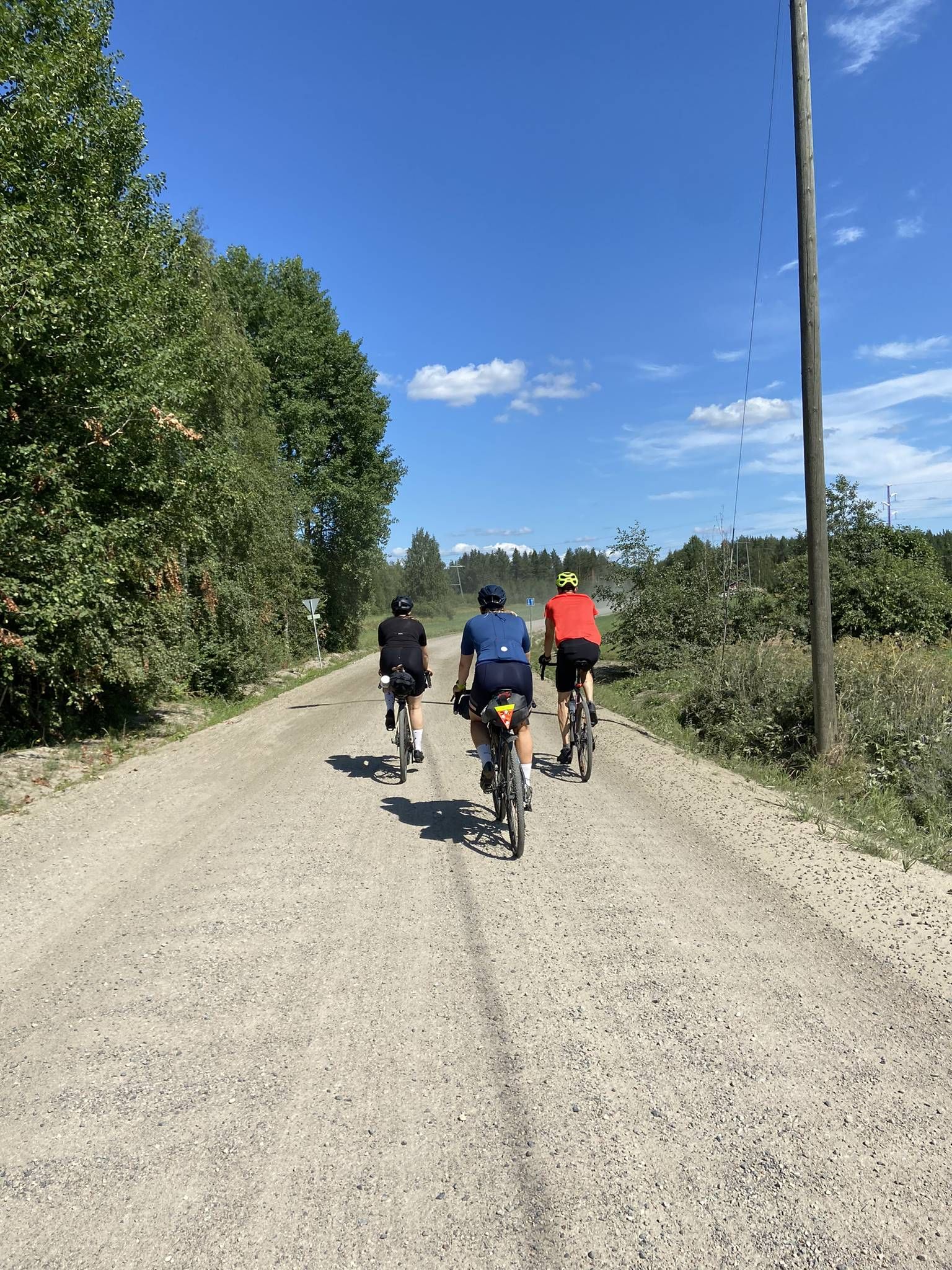
Grande Traversée du Jura - the gravel adventure
Other adventures in Doubs


Tips from the Community

The Saut du Doubs is a 27-meter-high waterfall located along the Doubs River, which forms the border between France and Switzerland here. The waterfall is the result of a paleohistoric landslide that filled the narrow, gorge-like Doubs Valley, which cuts deep into the limestone formations of the Folded Jura, about 14,000 years ago.
7
0
Viewpoint above the Doubs source with beautiful views through a forest clearing to Mouthe and the Doubs river.
6
0
The source of the Doubs River is a powerful karst spring in a heavily karstified area of the Jura Mountains. It lies at an altitude of 937 meters at the foot of the forested, up to 1,419-meter-high Mont Risoux mountain range, which straddles the border between France and Switzerland. The Doubs River rises from a small, approximately five-meter-deep spring basin in a cave in the rock.
6
0
The Mont d'Or is a mountain in the Jura Mountains on the border between France and Switzerland, whose summit is 1463 m in the French department of Doubs, not far from the national border, north of the Swiss town of Vallorbe.
2
0

On clear days you can see the snow-capped peaks of the Alps
1
0

Please note that most of the photos associated with the route are photos of the via ferrata and the names of the ladders themselves, which are very solid stairs and not rope bridges! It is perfectly feasible for hiking, even if the height can be disconcerting.
4
0

The source of the Loue River is announced by the rushing water even before you see it. It's impressive and magical to stand beneath the 150-meter-high cliffs and watch the river rush out of its cave.
5
1

Remember not to venture too far into the cave
0
0
Frequently Asked Questions
What types of natural features can I expect to see among the natural monuments in Doubs?
The Doubs department offers a diverse range of natural features. You'll encounter majestic waterfalls like the Saut du Doubs Waterfall and Lançot Waterfall, intricate cave systems such as Source de la Loue and Sarrazine Cave, and powerful river springs like Lison Spring and Source du Pontet. The region also features impressive gorges, high summits like Mont d'Or, and serene lakes such as Lac de Saint-Point.
Are there family-friendly natural monuments in Doubs?
Yes, several natural monuments in Doubs are suitable for families. The Lison Spring is a popular excursion destination with an accessible cave and a powerful waterfall, making it enjoyable for all ages. The source of the Doubs, The source of the Doubs, is also considered family-friendly, offering pleasant forest walks and viewpoints. Additionally, Lac de Saint-Point provides a beautiful setting for family outings.
What outdoor activities can I do near these natural monuments?
The natural monuments in Doubs are excellent starting points for various outdoor activities. You can find numerous hiking trails, including easy options like the La Source du Lison Trail or the Source of the Doubs Loop Trail, as well as more challenging routes such as Les Belvédères Trail. For mountain biking enthusiasts, there are trails around Lac de Saint-Point and Le Morond. You can explore more options on the Hiking in Doubs and MTB Trails in Doubs guide pages.
What is the best time to visit the natural monuments in Doubs?
Many natural monuments in Doubs, particularly those involving waterfalls and springs, are especially impressive after periods of rain when water levels are high. The Lison Spring, for instance, is even more attractive after a long rainy season. Summer offers pleasant conditions for exploring the shady gorges, such as the one along the Doubs near the Saut du Doubs Waterfall. Spring and autumn also provide beautiful scenery with milder temperatures.
Are there any challenging hikes or viewpoints among the natural monuments?
Yes, for those seeking more challenging experiences, the Doubs region offers several options. The Mont d'Or, the highest point in the department, provides superb and clear views of the Suchet massif, the Dent de Vaulion, and even the Alps on a clear day. The area around The Ladders of Death also presents challenging trails and viewpoints within a gorge. The Saut du Doubs Waterfall has two observation sites, with the French side offering a superior vantage point of the dramatic gorge.
What do visitors enjoy most about the natural monuments in Doubs?
Visitors frequently praise the stunning natural beauty and the feeling of being immersed in wild landscapes. The Saut du Doubs Waterfall is often compared to Canadian canyons, offering magnificent views and the power of nature. The region's diverse hydrogeology, with its powerful karst springs like Source de la Loue and Lison Spring, is also a major draw. The tranquility and unique geological formations are highly appreciated by the komoot community, who have shared over 210 photos and given more than 430 upvotes to these sites.
Can I find any hidden gems or less-known natural monuments in Doubs?
While some sites are very popular, the Doubs region has many natural treasures. The Source du Pontet, for example, is described as one of the most curious in the Loue valley, emanating from a deep cave with impressive power. Its limestone tuff formations are a geological curiosity. Exploring the numerous trails around the major sites can also lead to discovering quieter, equally beautiful spots.
Are there any natural monuments in Doubs that are particularly known for their geological significance?
Yes, the Doubs department is rich in geological wonders, particularly its karst regions. The Source de la Loue and Lison Spring are both powerful karst springs, showcasing the region's unique hydrogeology. The Sarrazine Cave is another geological marvel, offering a glimpse into the subterranean wonders of the karst landscape. The Saut du Doubs Waterfall itself was formed by a paleohistoric landslide, cutting deep into the limestone formations of the Folded Jura.
Are there any specific regulations or permits needed to visit natural monuments in Doubs?
Generally, access to most natural monuments in Doubs for hiking and viewing is open to the public without specific permits. However, it's always advisable to respect local regulations, especially concerning protected areas. Some caves or specific activities might have entry fees or require guided tours. Always check for signage at the site and adhere to environmental protection guidelines, such as staying on marked trails and not disturbing wildlife.
What should I wear when hiking to natural monuments in Doubs?
When hiking to natural monuments in Doubs, it's recommended to wear appropriate footwear, such as sturdy hiking shoes or boots, especially since many trails can be uneven or wet, particularly near waterfalls and springs. Layers of clothing are advisable to adapt to changing weather conditions. For higher elevations like Mont d'Or, which can be exposed to wind, a windbreaker is highly recommended. Bringing rain gear is also a good idea, as weather can be unpredictable.
Are there options for wild swimming near the natural monuments in Doubs?
While the Lison Spring features a turquoise blue swimming pool, it's important to note that 'wild swimming' in natural springs or rivers can be subject to local regulations and safety considerations. Water temperatures in karst springs can be very cold, and currents can be strong, especially after heavy rains. Always check local signage for permitted swimming areas and prioritize safety.
Most popular routes in Doubs
Most popular attractions in Doubs

Get inspired with the komoot mobile app


Explore more
Extend your search for the best caves by checking out these guides of the top ones in Doubs:
