Top 12 Natural Monuments in Yonne
Best natural monuments in Yonne include a variety of geological wonders and natural features. The department offers a landscape shaped by rivers, limestone formations, and extensive forests. These sites provide opportunities to explore ancient caves, impressive rock formations, and serene natural parks. Yonne's natural monuments blend geological significance with historical context and outdoor recreational possibilities.
Best natural monuments in Yonne
- The most popular natural monuments is View from the Rocher de la Pérouse, a viewpoint that offers views of the Cure valley. This summit, at 556 meters above sea level, provides an orientation table to identify landmarks.
- Another must-see spot is Cousin Valley, a river valley with a forest. Visitors can expect soothing sounds of the Cousin River and lush greenery under a canopy of trees.
- Visitors also love Fosse Dionne and the town of Tonnerre, a historical site and natural monument. This karst spring, located in the city center, is notable for its average flow rate of 300 liters per second and its extensive underground network.
- Yonne is known for its diverse natural monuments, including caves, rivers, and viewpoints. The region offers a variety of natural features to see and explore, from prehistoric sites to serene valleys.
- The natural monuments in Yonne are appreciated by the komoot community. With more than 60 upvotes and 20 photos, they offer diverse experiences.
Last updated: June 26, 2026
Fosse Dionne and the town of Tonnerre
Highlight • Historical Site
Translated by Google •
Tip by

Cousin Valley
Highlight (Segment) • River
Translated by Google •
Tip by

Sign up now to discover places like this
Get recommendations on the best single tracks, peaks, & plenty of other exciting outdoor places.
Sign up for free
Menhir of the Borne-Perçée
Highlight • Monument
Translated by Google •
Tip by
Grotte des Vipères
Highlight • Cave
Translated by Google •
Tip by
The Sombrion Fountain
Highlight • Monument
Translated by Google •
Tip by

Roche Percée
Highlight • Natural Monument
Translated by Google •
Tip by

View from the Rocher de la Pérouse
Highlight • Viewpoint
Translated by Google •
Tip by
Perreuse Old Linden Tree and Historic Village
Highlight • Settlement
The village has many very old houses dating back to the 16th century. It is also distinguished by a remarkable tree, an old lime tree planted under Henri IV on the site of a fortified castle which has now disappeared. The small church is also remarkable.
Translated by Google •
Tip by

Linden Avenue of Perreuse
Highlight (Segment) • Natural Monument
Next to the church is a magnificent lime tree which was planted during the reign of Henry IV.
On this square was the fortified castle.
Translated by Google •
Tip by

Arboretum Park of Auxerre
Highlight • Forest
Translated by Google •
Tip by
Sign up for free to discover even more natural monuments in Yonne.
Sign up for free
Already have an account?
Start today with a free account
Your next adventure awaits.
Login or Signup
Popular around Yonne
The Grande traversée du Massif Central by gravel bike
GR 13 from Gâtinais to Morvan — By Fontainebleau and Burgundy
Tour du Morvan — The little mountain of Burgundy
From north to south - On the slopes of the GTMC
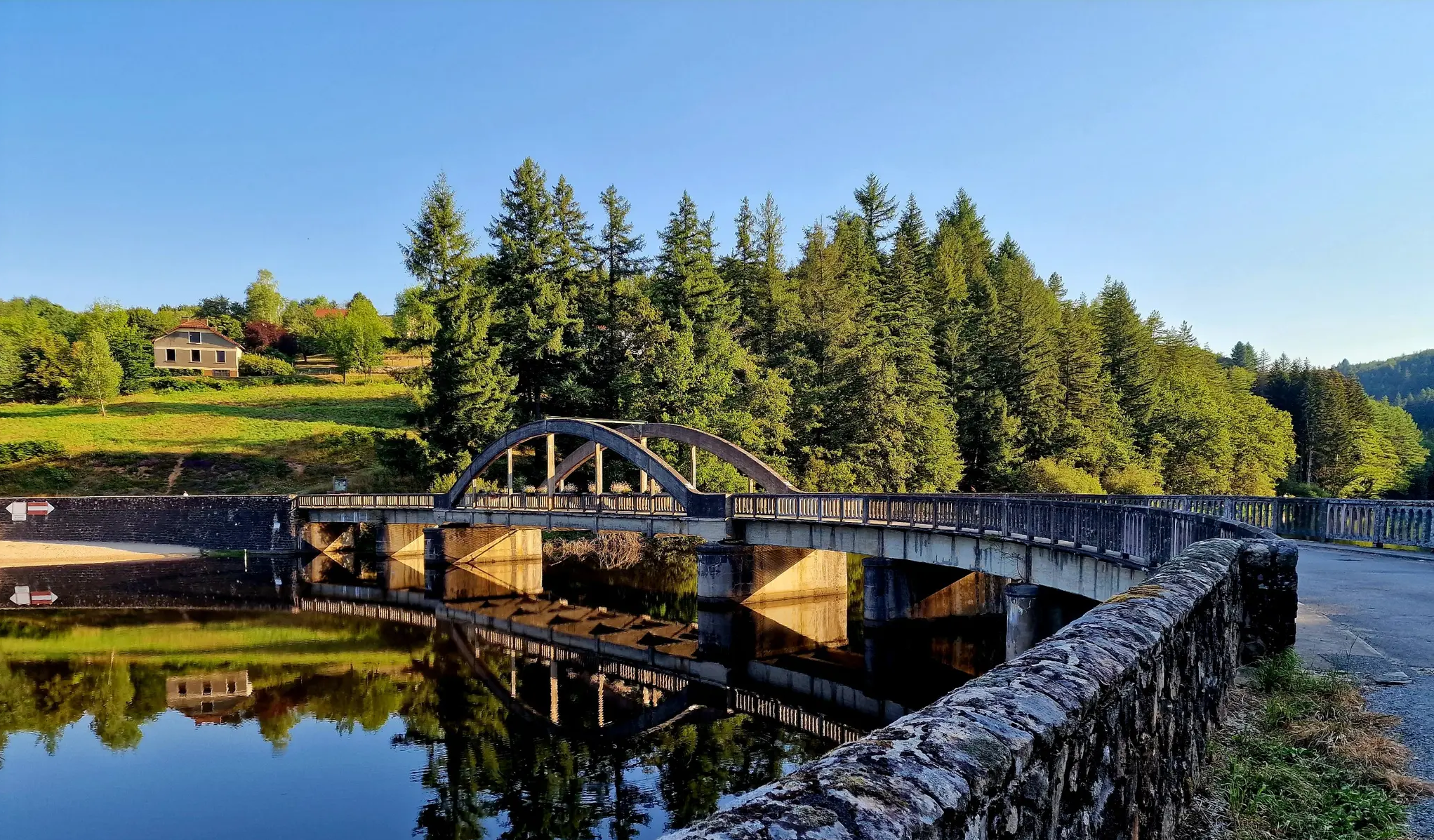
Saint-Jacques by bike – seven days on the Via Vézelay in France
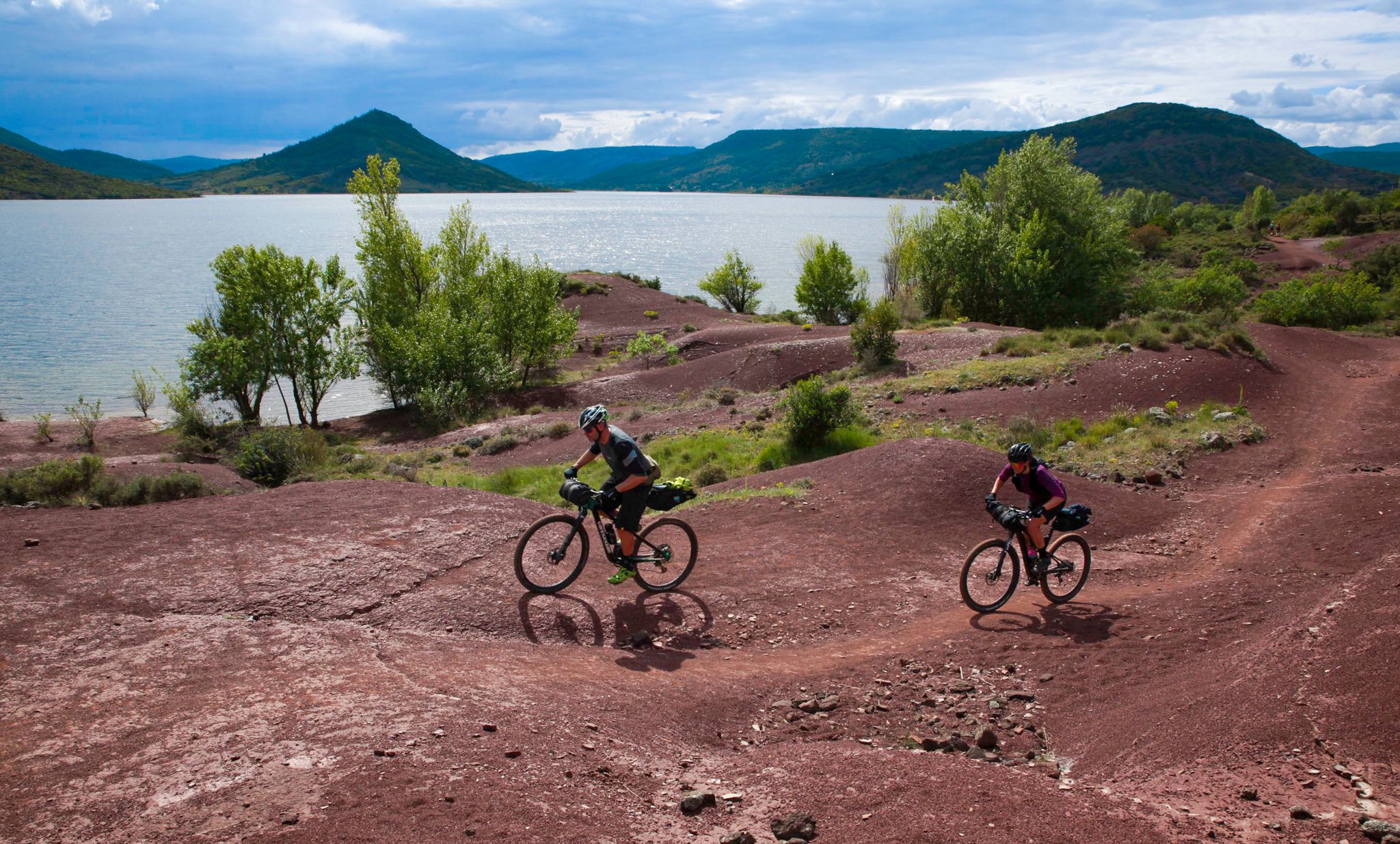
The Great Crossing of France's Massif Central by mountain bike
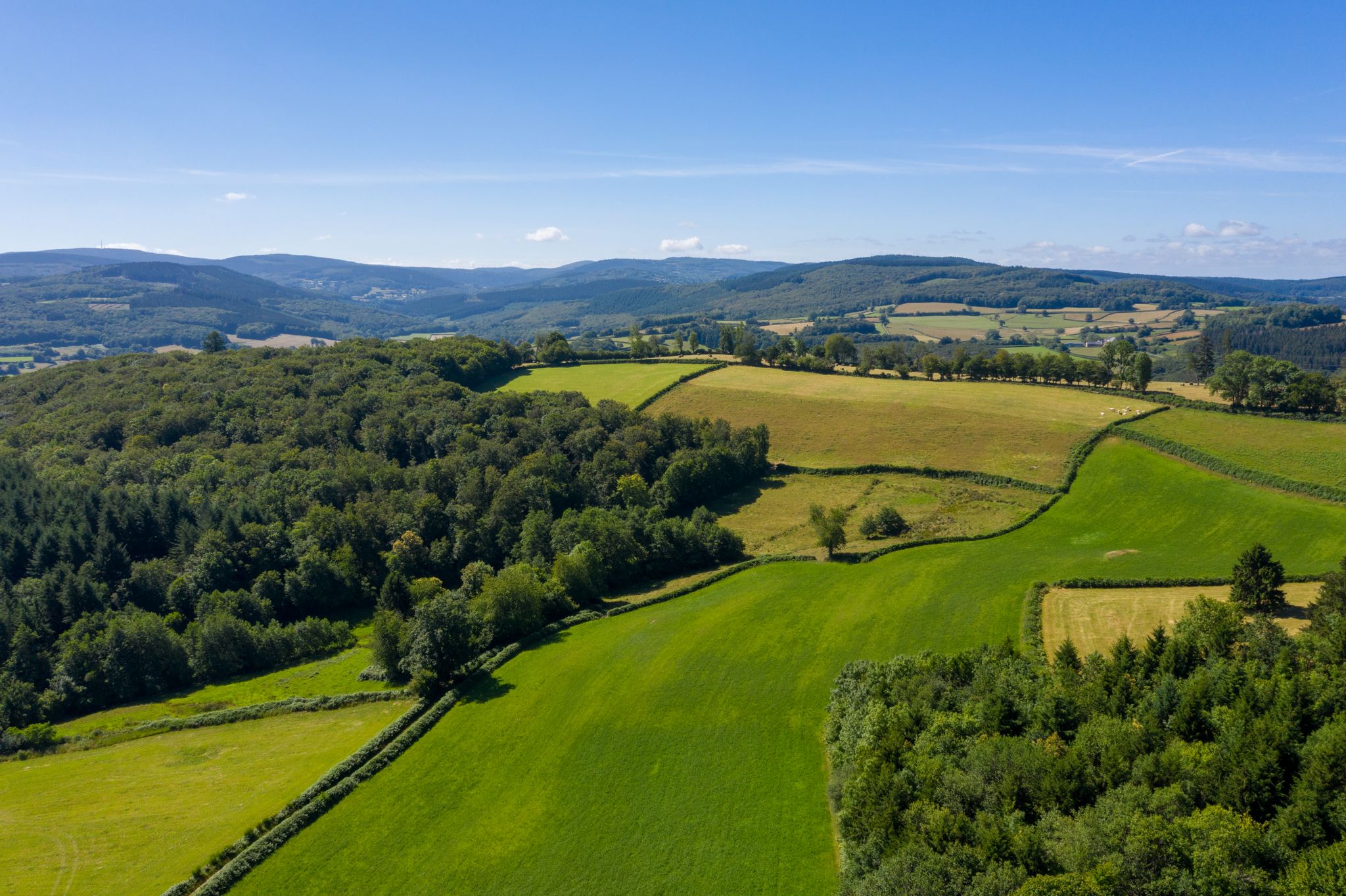
MTB fun in the Massif Central — La Grande Traversée du Morvan
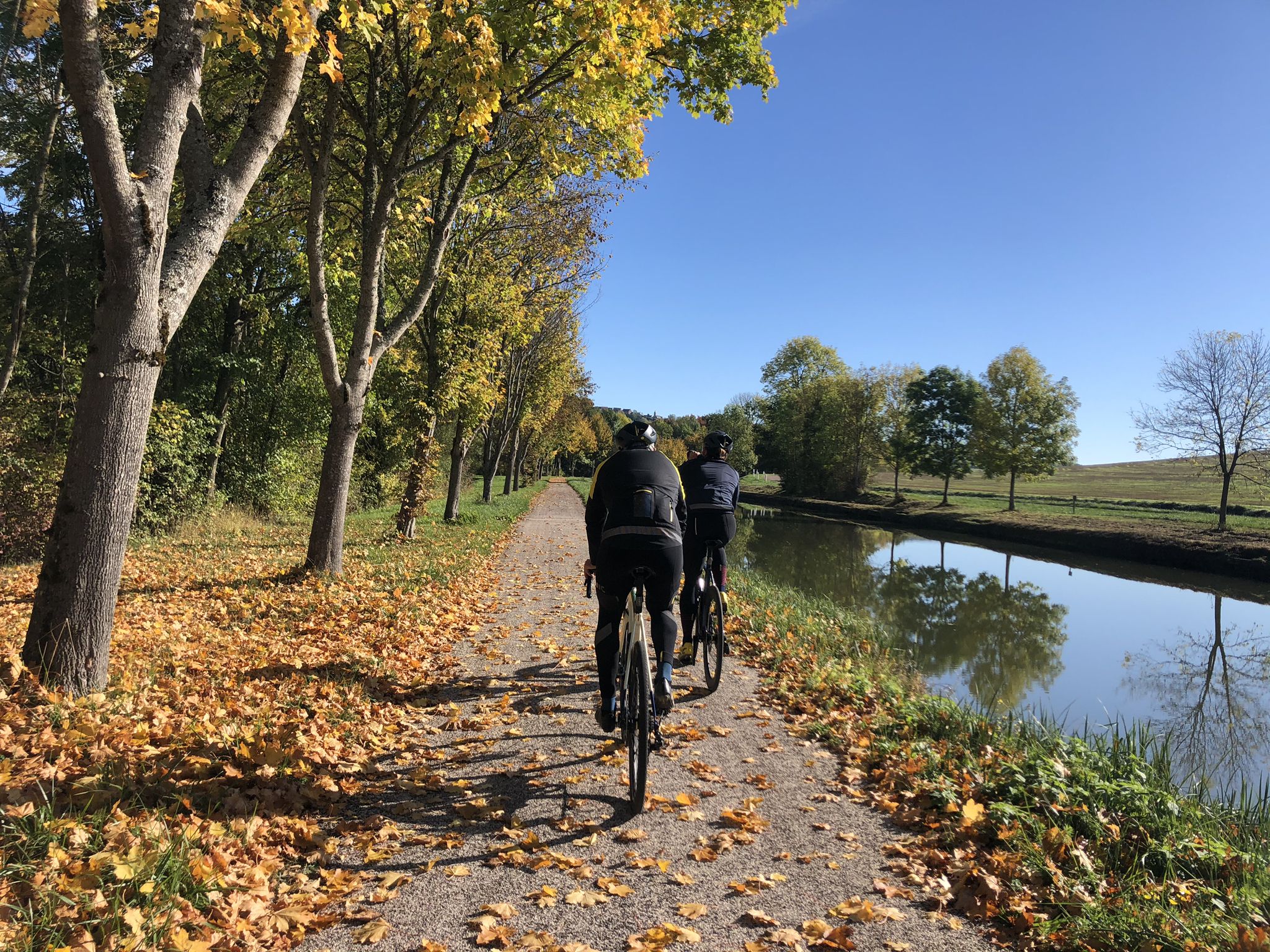
Greenways, vineyards and canals – Le Tour de Bourgogne à vélo
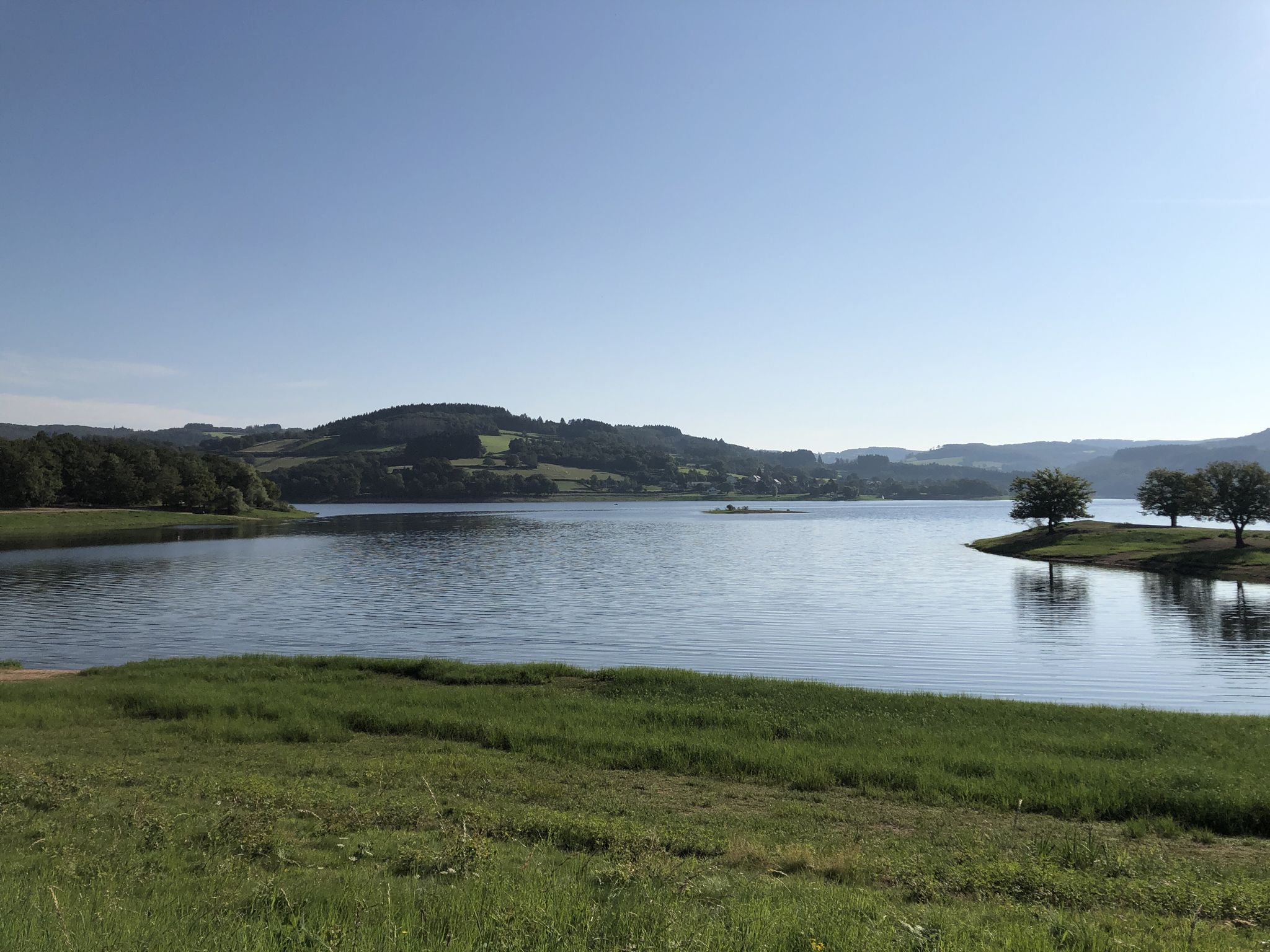
Between summits and big lakes — gravel riding in France’s Morvan park
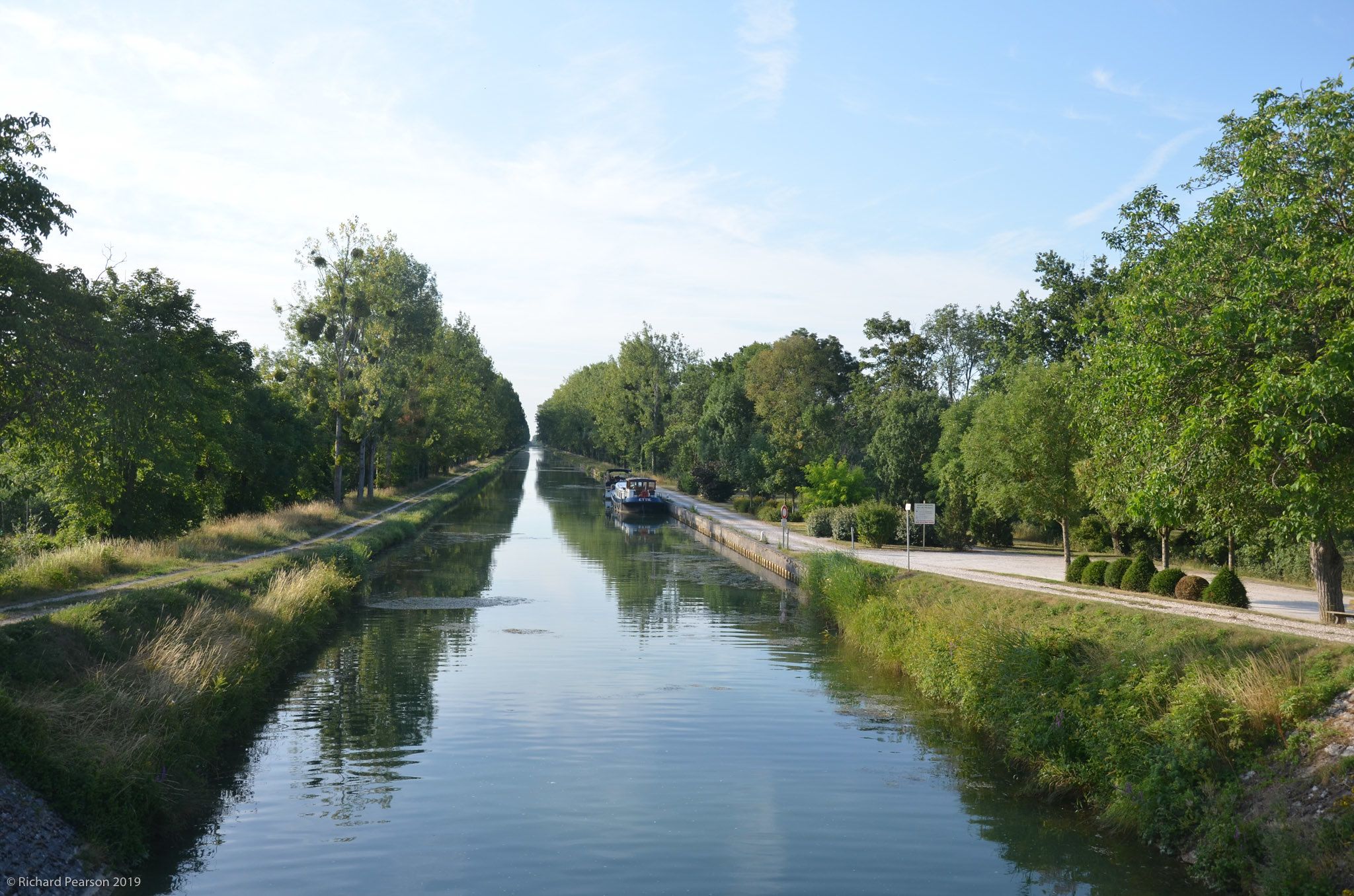
France’s water-rich region — Burgundy's four canals
Other adventures in Yonne


Tips from the Community

The design is very delicate https://opalring.shop/ and pretty, though it is slightly smaller than I expected from the photos.
0
0

Nice path, but be careful, some sections are not very visible with the autumn leaves, plus the path can be technical in some places with uprooted trees and rocks.
0
1

The Dionne pit is a karst source called the Vauclusian source, located in the city center of Tonnerre. It is fed by the infiltration of precipitation into the surrounding limestone plateau as well as by the losses of at least one river. The Dionne pit is remarkable for its flow and the size of its hydrogeological network which extends to more than 40 km. His presence is at the origin of the creation of the city of Tonnerre. An elaborate washhouse was built around the spring in the 18th century. Wikipedia
0
0

A real must-see - this round wash house around a turquoise green source is unique in its kind and well worth the detour.
0
0

The mystery of this pit is complete. The city was built around it.
0
2

The cycle path leads here along a shady tree-lined avenue. From here you have a view of the place and an interesting source.
4
0
This park is also an abroretum with many old trees. There is also a playground and many benches. A nice place in Auxerre.
1
0
An old, well-kept linden tree avenue in Perreuse past the town hall. In summer you wish the avenue was much longer.
2
0
Frequently Asked Questions
What are some of the most impressive natural features to explore in Yonne?
Yonne offers a variety of impressive natural features. You can experience the unique geological formations and prehistoric cave paintings at the Grottes d'Arcy-sur-Cure, or witness the powerful karst spring of Fosse Dionne in Tonnerre. For stunning panoramic views, visit the View from the Rocher de la Pérouse, which overlooks the Cure valley. The Rochers du Saussois also provide spectacular views of the Yonne Valley.
Are there any natural monuments in Yonne with historical or archaeological significance?
Yes, several natural monuments in Yonne are rich in history. The Grottes d'Arcy-sur-Cure are a major prehistoric site, featuring some of the world's oldest accessible Paleolithic cave paintings and ancient rock shelters. The Fosse Dionne in Tonnerre is a karst spring whose presence was fundamental to the town's creation. Additionally, the Grotte des Vipères is another prehistoric cave with ancient paintings.
What outdoor activities can I do near the natural monuments in Yonne?
The region provides numerous outdoor activities. The Rochers du Saussois are a premier climbing destination with over 200 routes. For water sports, Lac du Bourdon is ideal for canoeing, sailing, windsurfing, and swimming. The Parc Naturel Régional du Morvan offers extensive opportunities for hiking, cycling, and wildlife spotting. You can also find various running trails, MTB trails, and waterfall hikes throughout Yonne.
Are there family-friendly natural monuments in Yonne?
Absolutely. Lac du Bourdon is perfect for families, offering supervised swimming, sandy beaches, and various water activities. The Fosse Dionne is an accessible and interesting natural landmark within the town of Tonnerre. The Grottes d'Arcy-sur-Cure offer an educational and fascinating experience for all ages. Additionally, the Arboretum Park of Auxerre and the
Where can I go for hiking or walking among Yonne's natural monuments?
For hiking and walking, the Parc Naturel Régional du Morvan offers extensive well-marked trails through forests and along hilltops. The Cousin Valley provides a pleasant walk along the river under a canopy of trees. The Rochers du Saussois also have a picturesque towpath along the Nivernais Canal. You can find specific routes like the 'Cousin Valley Loop' among the running trails in Yonne, which are also suitable for walking.
What is the best time of year to visit the natural monuments in Yonne?
The best time to visit Yonne's natural monuments generally depends on your preferred activities. Spring and autumn offer pleasant temperatures for hiking and exploring caves without the summer crowds. Summer (July and August) is ideal for water sports at Lac du Bourdon and enjoying supervised swimming. The Grottes d'Arcy-sur-Cure are accessible year-round, but it's always advisable to check their specific opening hours.
Are there any natural monuments in Yonne that are suitable for dog-friendly walks?
Many natural areas in Yonne are suitable for dog-friendly walks, provided dogs are kept on a leash. The paths around Lac du Bourdon and the trails within the Parc Naturel Régional du Morvan are generally welcoming. The Cousin Valley also offers a serene environment for walks with your dog. Always check local regulations for specific sites before visiting.
Where can I find unique geological formations in Yonne?
Yonne is home to several unique geological formations. The Grottes d'Arcy-sur-Cure showcase a splendid universe of limestone concretions, including stalactites, stalagmites, and underground lakes. The Rochers du Saussois are majestic limestone cliffs popular for climbing. The Fosse Dionne is a remarkable karst spring, a resurgence of an extensive underground river system. You can also find the Roche Percée, a natural rock formation.
Are there any natural monuments in Yonne that are good for wildlife spotting?
The Parc Naturel Régional du Morvan, often called the 'green lung' of Burgundy, is an excellent place for wildlife spotting due to its extensive forests, rivers, and wet meadows. The 60 hectares of forest along the Cure river near the Grottes d'Arcy-sur-Cure also provide a natural habitat for various species. Keep an eye out for local fauna while exploring the Cousin Valley as well.
What are some lesser-known natural gems in Yonne worth discovering?
Beyond the major sites, Yonne holds several charming natural gems. The Linden Avenue of Perreuse offers a peaceful, historical walk. The Sombrion Fountain is an interesting source along a shady cycle path. The Menhir of the Borne-Perçée combines natural and historical interest. These spots offer a quieter experience of Yonne's natural beauty.
Is there public transport access to any of Yonne's natural monuments?
While many natural monuments in Yonne are best accessed by car, some are located near towns with public transport options. The Fosse Dionne is situated directly in the center of Tonnerre, which is accessible by train. For other sites like the Grottes d'Arcy-sur-Cure or Lac du Bourdon, it's advisable to check local bus services or consider driving for more flexibility.
Most popular routes in Yonne
Most popular attractions in Yonne

Get inspired with the komoot mobile app


Explore more
Extend your search for the best caves by checking out these guides of the top ones in Yonne:
