Top 10 Natural Monuments in Nógrád
Best natural monuments in Nógrád County, located in northern Hungary, showcase a rich geological history and diverse natural beauty. The region features significant geological heritage, with many sites forming part of the Novohrad-Nógrád UNESCO Global Geopark. Visitors can explore ancient fossil sites, unique volcanic formations, and scenic natural landscapes. Nógrád offers a range of natural attractions for those interested in geology and outdoor exploration.
Best natural monuments in Nógrád
- The most popular natural monuments is Salgó Castle, a castle…
Last updated: August 20, 2026
Csóványos
Highlight • Summit
Translated by Google •
Tip by

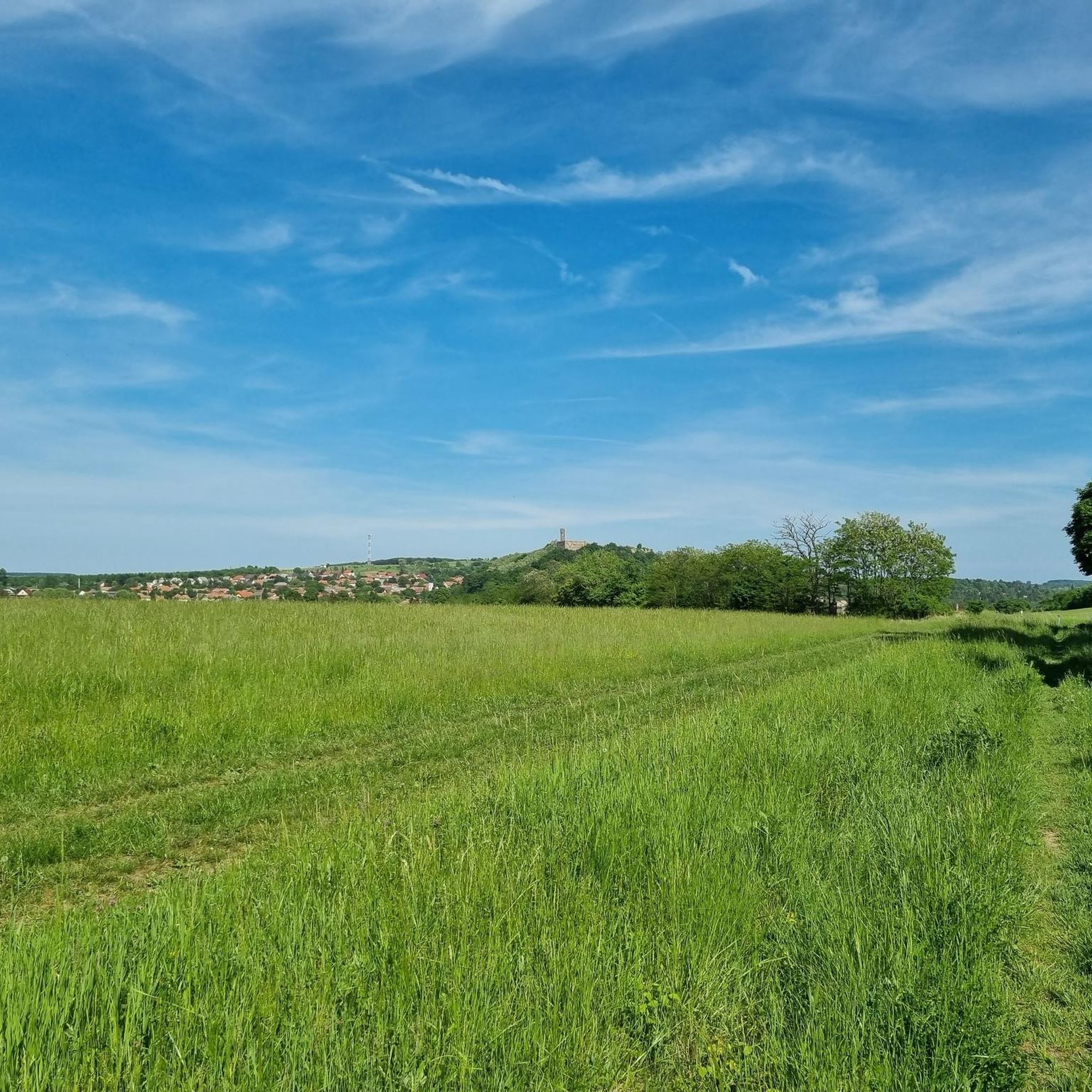
Salgó Castle
Highlight • Castle
Translated by Google •
Tip by

Sign up now to discover places like this
Get recommendations on the best single tracks, peaks, & plenty of other exciting outdoor places.
Sign up for free
Rock ledge in the Mátra Protected Landscape Area
Highlight • Viewpoint
Translated by Google •
Tip by
Saint Ladislaus Spring (Szent László-forrás), Mátraverebély-Szentkút
Highlight • Natural Monument
Translated by Google •
Tip by
Stone Waterfall (Kamenný Vodopád)
Highlight • Natural Monument
Tip by

Forró-kút Spring
Highlight (Segment) • Natural Monument
Translated by Google •
Tip by
Tuzson Arboretum
Highlight • Forest
Translated by Google •
Tip by

Szent László Gorge and Spring
Highlight (Segment) • Gorge
Translated by Google •
Tip by
Szakadás Gorge
Highlight (Segment) • Gorge
Translated by Google •
Tip by
View of the Duna-Ipoly Nemzeti Park
Highlight • Viewpoint
Translated by Google •
Tip by

Start today with a free account
Your next adventure awaits.
Login or Signup

Tips from the Community

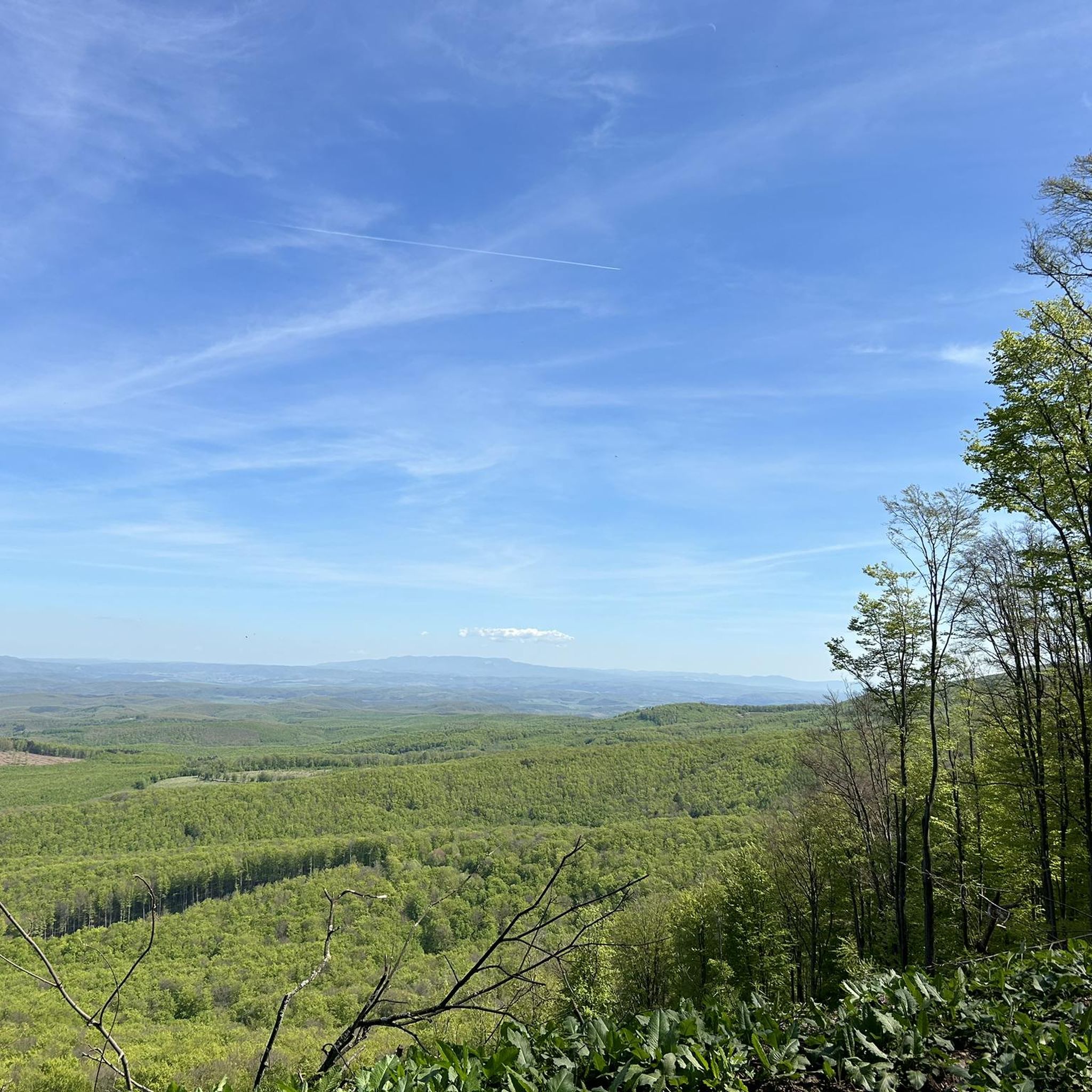
A lookout point on a meadow with a magnificent view. Seating and a table invite you to take a break. At 490 meters above sea level, the paved pass road is accessible by any type of bike.
0
0


The old pedunculate oak (Quercus robur) of Forró-kút can be approached more easily from the settlement of Sámsonháza. If you approach Sámsonháza from the main road No. 21, you have to turn right on the first street. From the end of the street, take the dirt road to the Hot Fountain vineyard on the blue sign. The area is named after a lukewarm spring nearby. It is probable that the spring water used to be not only lukewarm but also hot, because it was brought to the surface by the post-volcanic operation of the Mátra volcanism. The old tree stands alone on the edge of the clearing, its broken branches lying next to the trunk. Its age is close to 300 years and its trunk circumference is 600 cm. Its height is over 20 m, but it still rises above the high-voltage light pole nearby.
1
0
After the spring, turn right at the marked hiking trail towards the Cave Dwellings, we continued straight through the gorge.
0
0
In the short gorge valley we meander among some large rocks, meanwhile we can read from a sign that, according to legend, King St. Ladislaus jumped over these gorges with a horse. It could have been quite a hair-raising stunt, whether the story was true or not.
0
0
It is also worth taking a short walk into the valley of the Szentkúti stream, on the walk along the charming stream we reach a canyon marked with a sign in a few minutes. To the right, according to legend, the great teasing of the king took place in the rift of St. Ladislaus. In 1091-92 he fought serious battles with the troops of King St. Ladislaus in Cserhát with the Moldavian Kun army. Legend has it that they were surrounded by the enemy, and in today’s Holy Well Valley, thirsty thieves tormented soldiers, and the king set out alone to explore the area. He got his horse named Szög into a spur and jumped over a gaping gap in front of him. When he got down, water flowed from my first horseshoe. He touched the rock with his battle ax, and water erupted at the point of touch. According to another legend, the Cumans who persecuted St. Ladislaus pushed the king into a valley, before which there was even a huge chasm. However, the king had a good horse, jumping over the abyss with a quick and firm decision. Crystal-clear water bubbled in a thin stream from the traces of the horseshoes. According to a third legend, St. Ladislaus jumped into this valley from the top of the distant Ágasvár. Either way, it is a fact that the Szentkút stream has cut itself into a canyon-like valley in several places over the millennia. Layers crushed by volcanic activity in the area can store little water. On the steep slopes, the water runs down quickly, so there are very few springs in this part of the Cserhát. This is why the valley of the Szentkút stream is a special place, where several sources of drinking water flow along the sandstone, limestone and andesite deposits. Some of the sources in the area have lukewarm water due to volcanic aftermath. In several places in the valley of the stream you can see beautiful rock outcrops and traces of water erosion work.
1
0


The arboretum can be easily connected to the Szakadas Gorge. It was laid out in the 1920s, and some interesting giant trees can be seen there. Unfortunately, the arboretum is a bit confusing due to the many, probably unplanned, spruce trees. However, the map at the entrance provides information about which trees are growing where. Instead of spending almost 50 million forints on the road (EU money), it would have been better to clean up the arboretum. Nevertheless, if you are already there, it is definitely worth seeing!
1
0
Frequently Asked Questions
What unique geological features can I explore in Nógrád County?
Nógrád County is rich in geological wonders, many of which are part of the Novohrad-Nógrád UNESCO Global Geopark. You can witness the striking columnar basalt formations at Somoska (Somoskő), which are hexagonal columns formed from solidified lava. The Bénai Rocks also showcase impressive geological and geomorphological value, including a small basalt cave. Additionally, the region features ancient volcanic peaks like Salgó Castle, built on a 625-meter-high volcanic formation.
Are there any sites in Nógrád where I can see ancient fossils?
Yes, Nógrád is home to the internationally significant Ipolytarnóc Fossils Nature Reserve, often called a 'prehistoric Pompeii.' Here, you can observe fossilized footprints of ancient animals, petrified trees, and leaf impressions from 17 to 20 million years ago. Another notable site is the Sámsonháza Quarry, which exposes 3.3-million-year-old sediments containing fossilized remains of dozens of mammals, including ancestors of tapirs, elephants, and rhinoceroses.
What are some family-friendly natural monuments in Nógrád?
For families, the Stone Waterfall (Kamenný Vodopád) is a unique and unmissable sight, presenting an image of a frozen lava stream. The Tuzson Arboretum offers a pleasant forest environment suitable for all ages. The Szakadás Gorge is also listed as family-friendly, providing an accessible natural experience. Additionally, the View of the Duna-Ipoly Nemzeti Park offers a lookout point with seating, perfect for a family break.
What kind of outdoor activities can I do near Nógrád's natural monuments?
Nógrád offers a variety of outdoor activities. You can find numerous hiking opportunities, including easy hikes like the Katalinpuszta Visitor Center loop or the Kékestető Summit Monument loop. For those interested in running, there are several running trails, such as the Hétkápolna loop. If you enjoy exploring waterfalls, consider the Ilona Valley Waterfall hikes. You can find more details and routes in the Easy hikes in Nógrád, Running Trails in Nógrád, and Waterfall hikes in Nógrád guides.
Are there any natural monuments with historical significance in Nógrád?
Yes, several natural monuments in Nógrád intertwine with history. The Saint Ladislaus Spring (Szent László-forrás) and the associated Szent László Gorge are steeped in local legends about King Saint Ladislaus. These sites offer a blend of natural beauty and historical folklore, with the gorge itself being a result of millennia of water erosion through volcanic layers.
Where can I find scenic viewpoints among the natural monuments?
Nógrád boasts several natural monuments that double as excellent viewpoints. Csóványos, at 938 meters, is a prominent peak in Börzsöny with an amazing lookout spot offering expansive views. The Rock ledge in the Mátra Protected Landscape Area also provides a scenic vista. For a more relaxed experience, the View of the Duna-Ipoly Nemzeti Park offers a magnificent view from a meadow with seating.
What is the Bánki-tó (Lake Bánk) and what activities does it offer?
Bánki-tó, known as the 'Palóc Balaton,' is a beautiful natural lake in Nógrád. Its clean waters are perfect for swimming and fishing during the summer months. In winter, it transforms into a popular spot for ice-skating. Surrounded by picturesque scenery, it's an ideal destination for relaxation and various outdoor activities throughout the year.
What is the best time of year to visit the natural monuments in Nógrád?
The best time to visit Nógrád's natural monuments largely depends on the activities you plan. Spring and autumn offer pleasant temperatures for hiking and exploring geological sites like Ipolytarnóc, with vibrant foliage or blooming nature. Summer is ideal for water activities at Bánki-tó. Even winter offers unique experiences, such as ice-skating on Lake Bánk or seeing the 'frozen lava stream' effect at the Stone Waterfall.
Are there any natural monuments that are less known or considered 'hidden gems'?
While many sites are well-known, exploring areas like the Bénai Rocks might offer a more secluded experience, allowing you to discover their unique geological formations and small basalt cave away from larger crowds. The Forró-kút Spring is another natural monument that provides a tranquil forest setting for those seeking a quieter natural escape.
What kind of wildlife can I expect to see at Nógrád's natural monuments?
Given the diverse natural environments, including forests, lakes, and geological reserves, Nógrád's natural monuments support a variety of wildlife. While specific sightings depend on the location and season, you might encounter various bird species, small mammals, and insects. The Ipolytarnóc Fossils Nature Reserve, in particular, is a testament to the ancient ecosystems that once thrived here, hinting at the rich biodiversity the region continues to support.
Most popular routes in Nógrád
Most popular attractions in Nógrád

Get inspired with the komoot mobile app


Explore more
Extend your search for the best caves by checking out these guides of the top ones in Nógrád:
