Top 20 Natural Monuments in Galway
Best natural monuments in Galway, Ireland, showcase a diverse and rugged landscape on the country's west coast. The region features majestic mountains, dramatic coastlines, and unique ecosystems. Visitors can explore a variety of natural wonders, from expansive national parks to ancient island forts and distinctive beaches. This area offers numerous opportunities to experience its natural beauty.
Best natural monuments in Galway
- The most popular natural monuments is Diamond Hill Summit, a summit that offers great views of the core…
Last updated: October 13, 2026
Diamond Hill Summit
Highlight • Summit
Translated by Google •
Tip by

View of Diamond Hill from the Stone Junction
Highlight • Viewpoint
Translated by Google •
Tip by

Sign up now to discover places like this
Get recommendations on the best single tracks, peaks, & plenty of other exciting outdoor places.
Monks' Fishing House on the River Cong
Highlight • Historical Site
Translated by Google •
Tip by

Cong Abbey
Highlight • Historical Site
Translated by Google •
Tip by
Dun Aonghasa
Highlight • Historical Site
Translated by Google •
Tip by

Dog's Bay Beach
Highlight • Beach
Translated by Google •
Tip by

O'Brien's Castle (Dún Formna)
Highlight • Castle
en.m.wikipedia.org/wiki/O'Brien's_Castle_(Inisheer)
de.m.wikipedia.org/wiki/Dún_Formna
“… A ringfort once stood on the site, named Dún Formna ... and dated to between the 5th century …
Tip by

Cnoc Raithní Bronze Age Burial Mound
Highlight • Historical Site
Translated by Google •
Tip by

Quincentennial Fountain (Galway Hooker Monument)
Highlight • Monument
Tip by

View of Diamond Hill and bays from Letterfrack
Highlight (Segment) • Viewpoint
Translated by Google •
Tip by
Sign up for free to discover even more natural monuments in Galway.
Already have an account?
Start today with a free account
Your next adventure awaits.
Popular around Galway
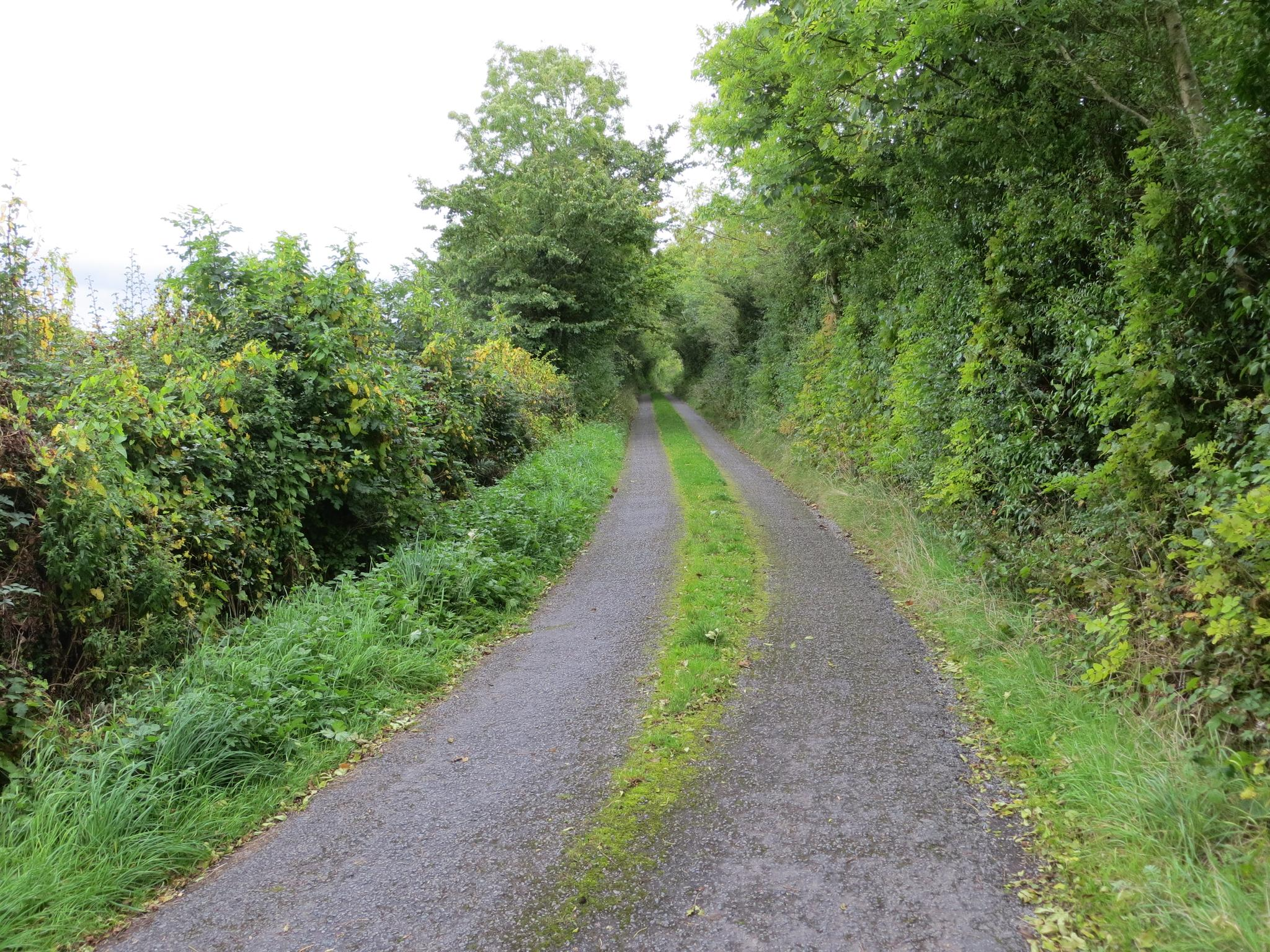
Suck Valley Way — Castles, Rivers & Rural Ireland
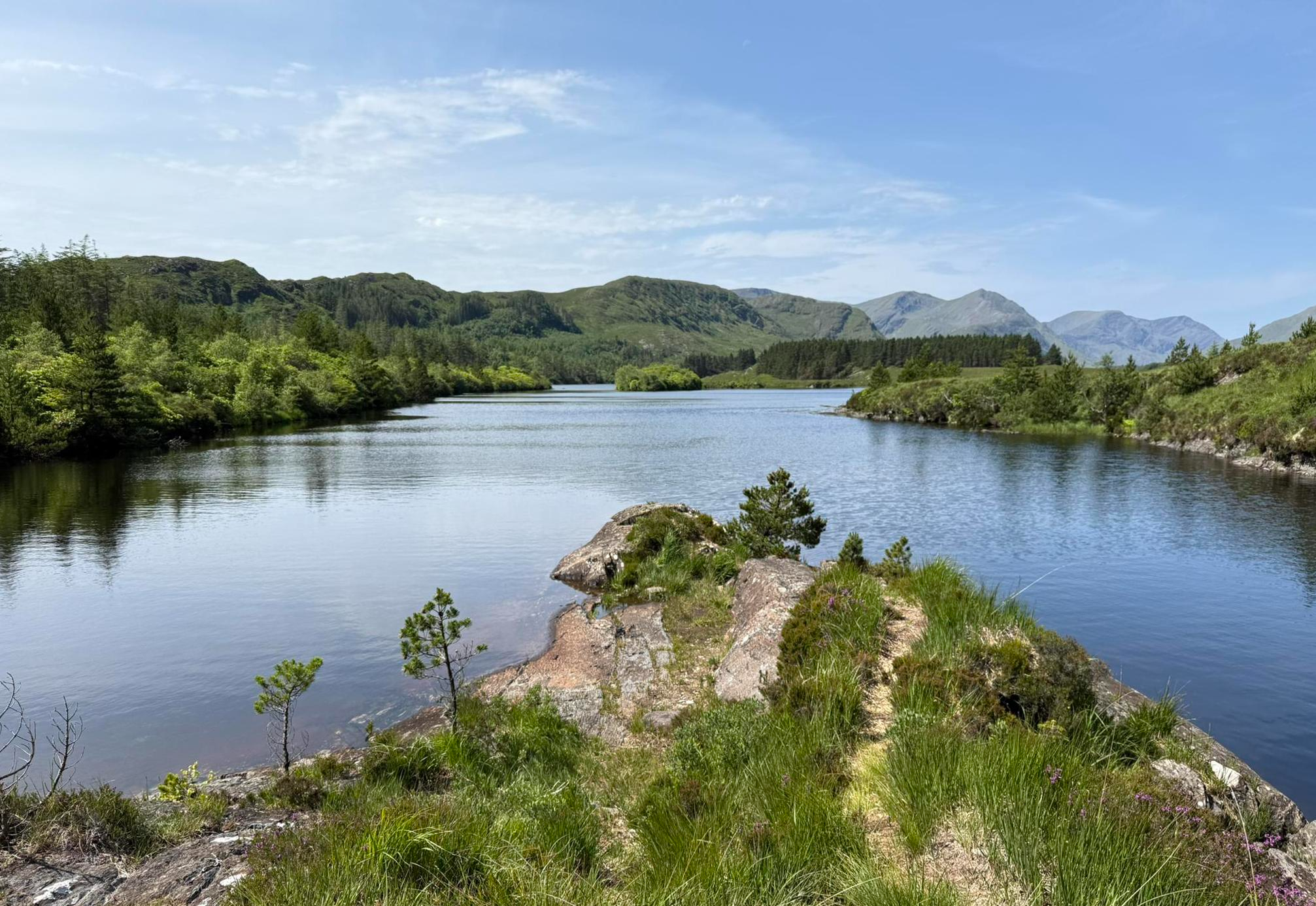
Western Way – Rugged mountains, remote hills and scenic splendour
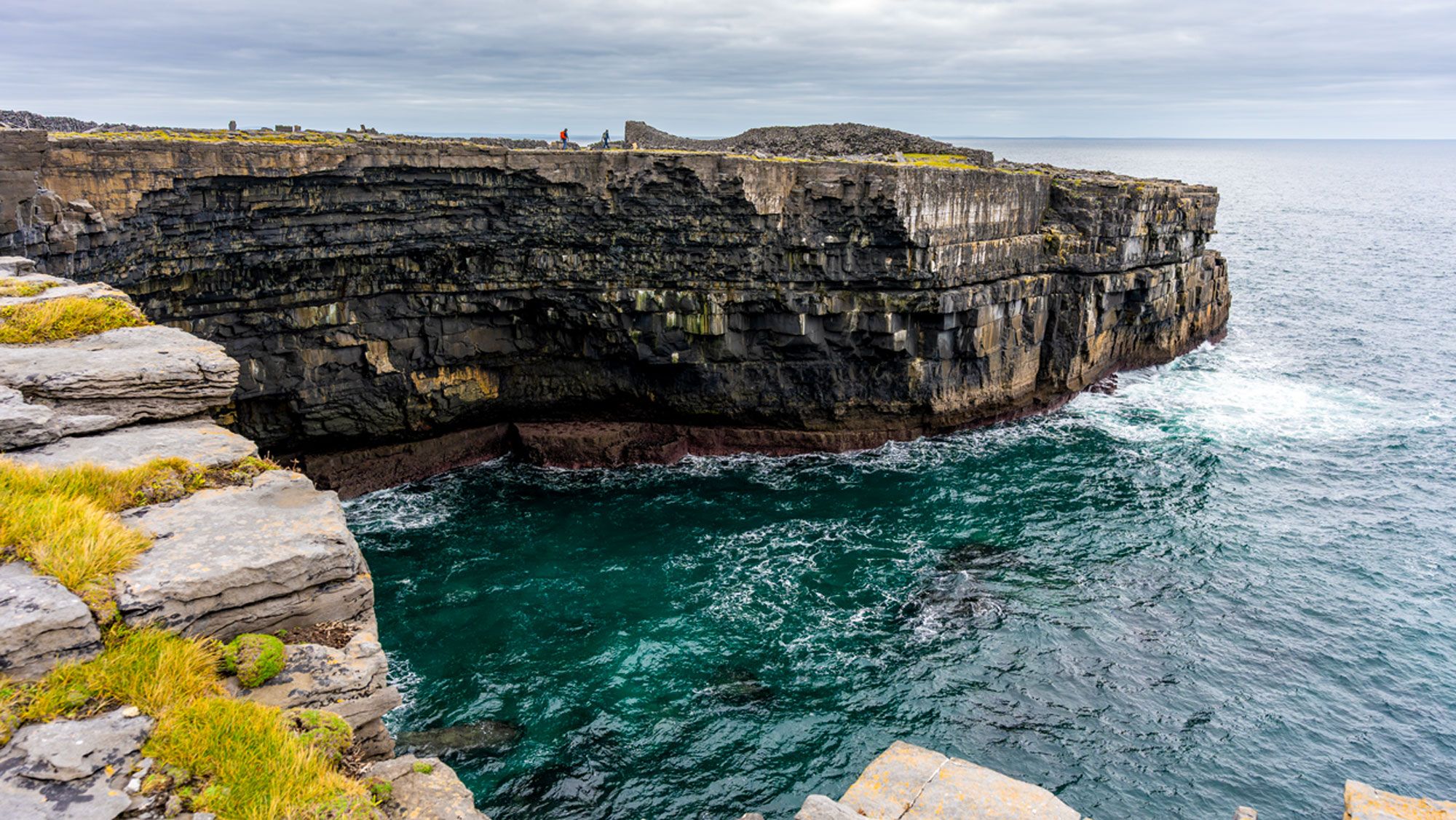
Aran Islands
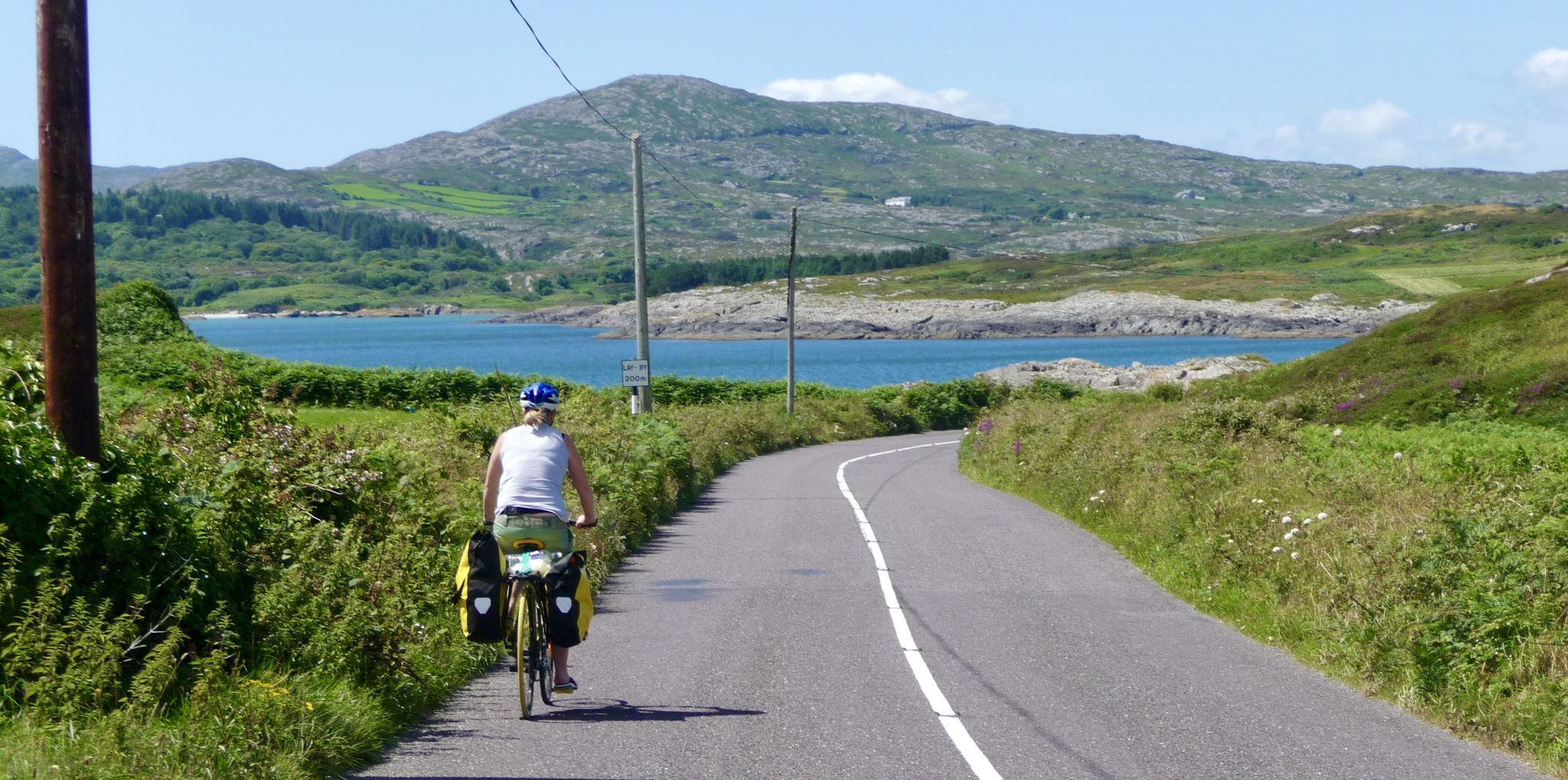
Discover beautiful Ireland – cycle end-to-end from Mizen to Malin
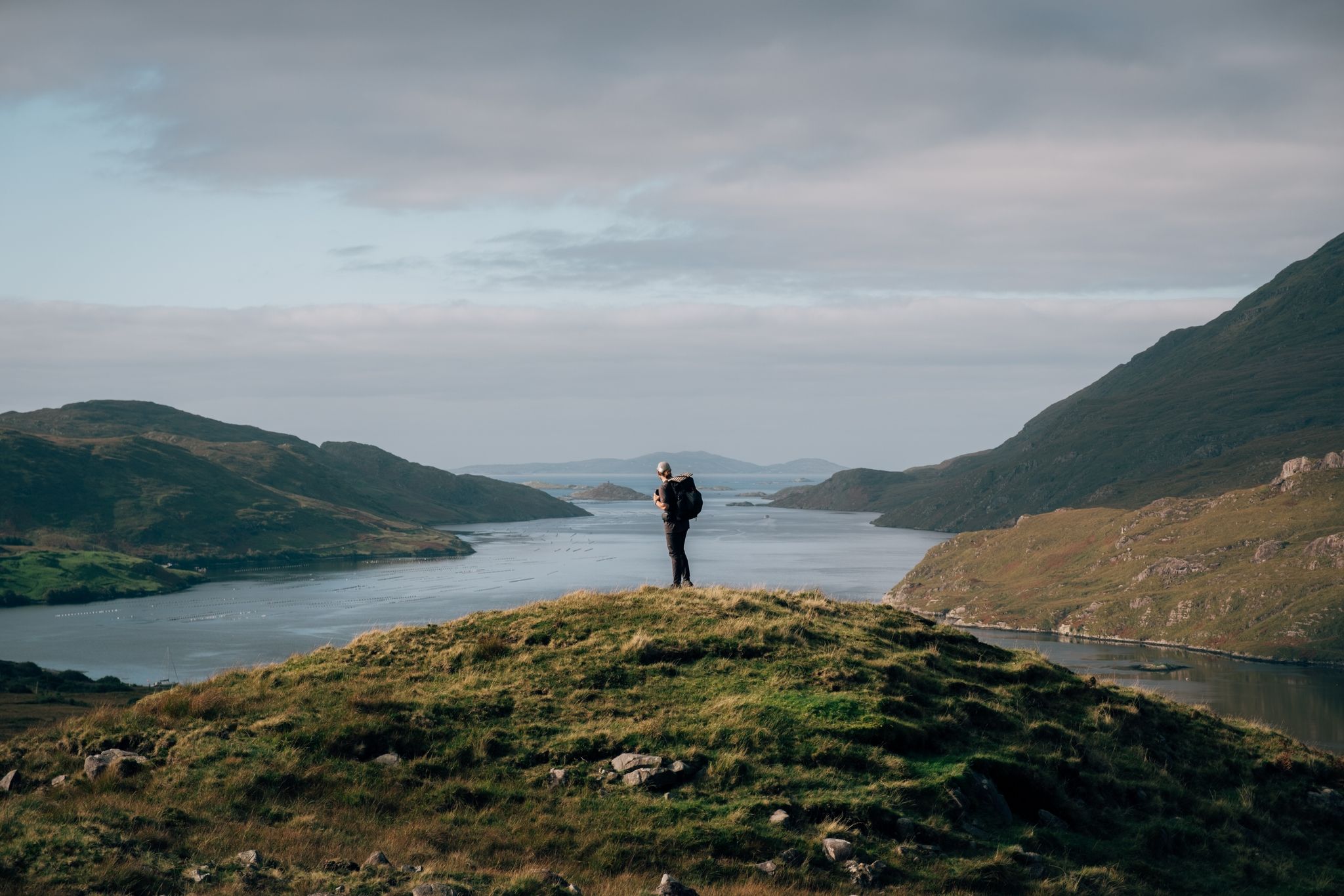
Wild and pristine – hiking along western Ireland’s cliffs & islands
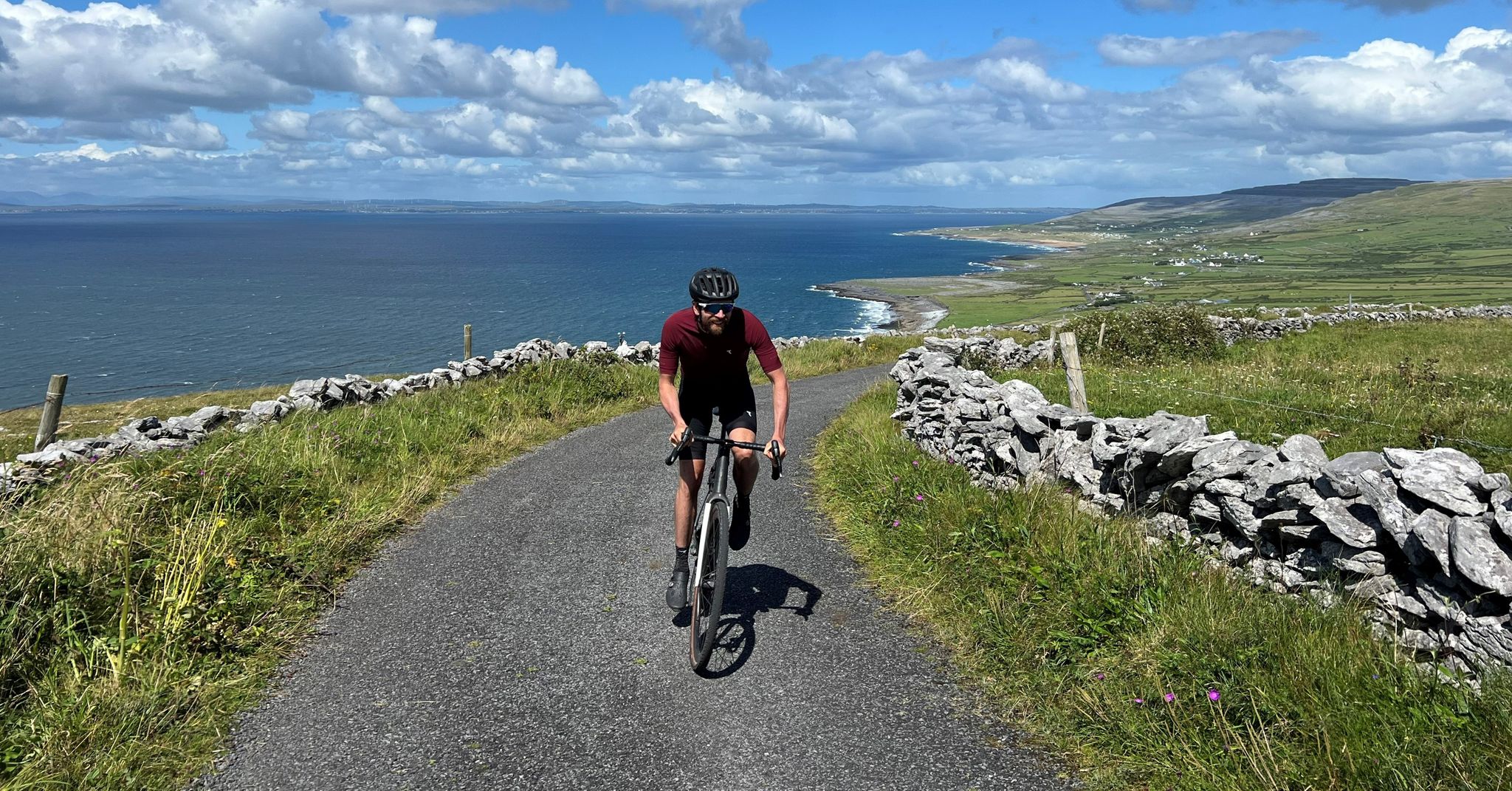
Road cycling on Ireland's west coast – four Tours with Jonas Deichmann
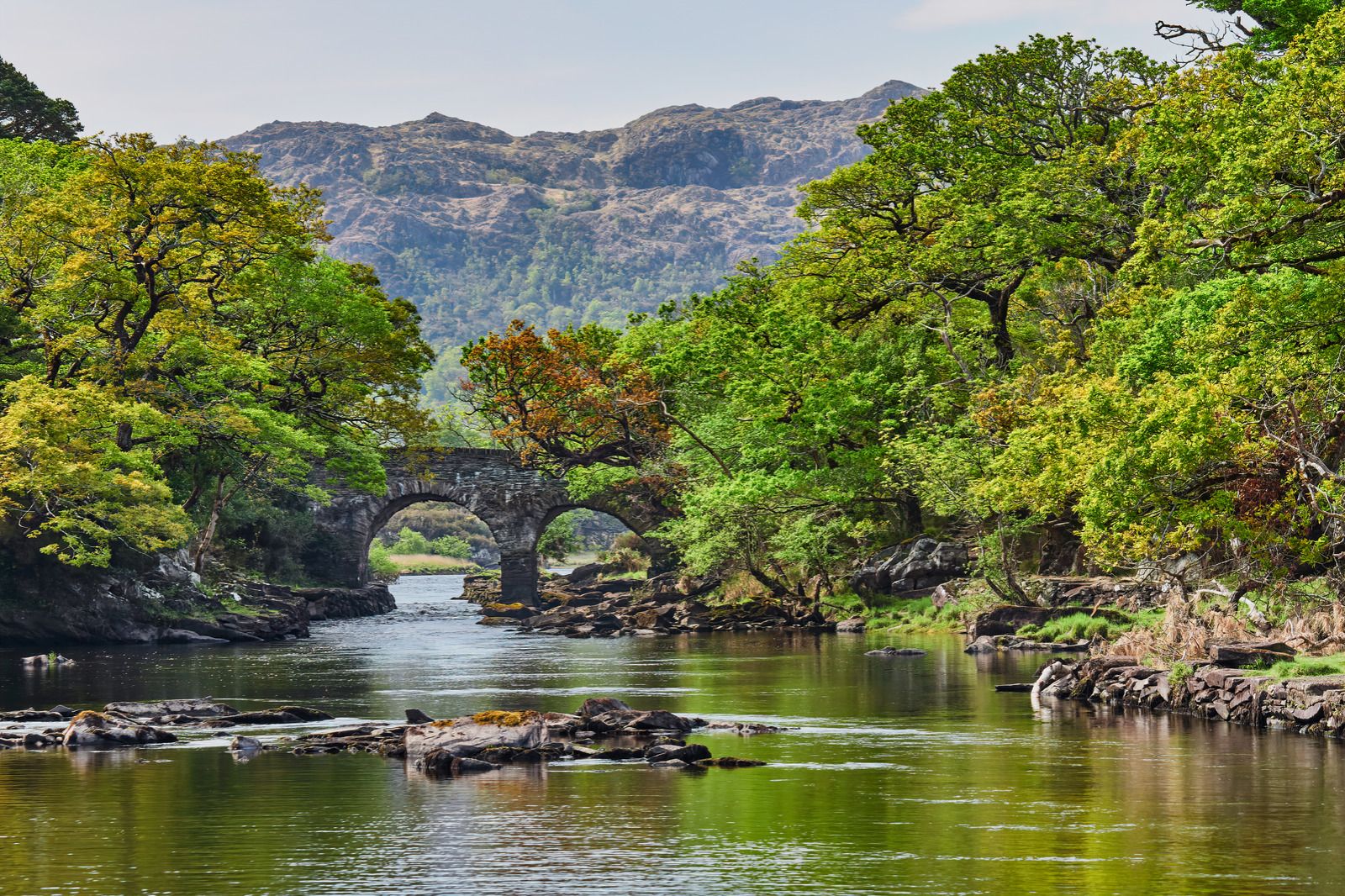
Follow the water - Along Ireland's rivers and lakes
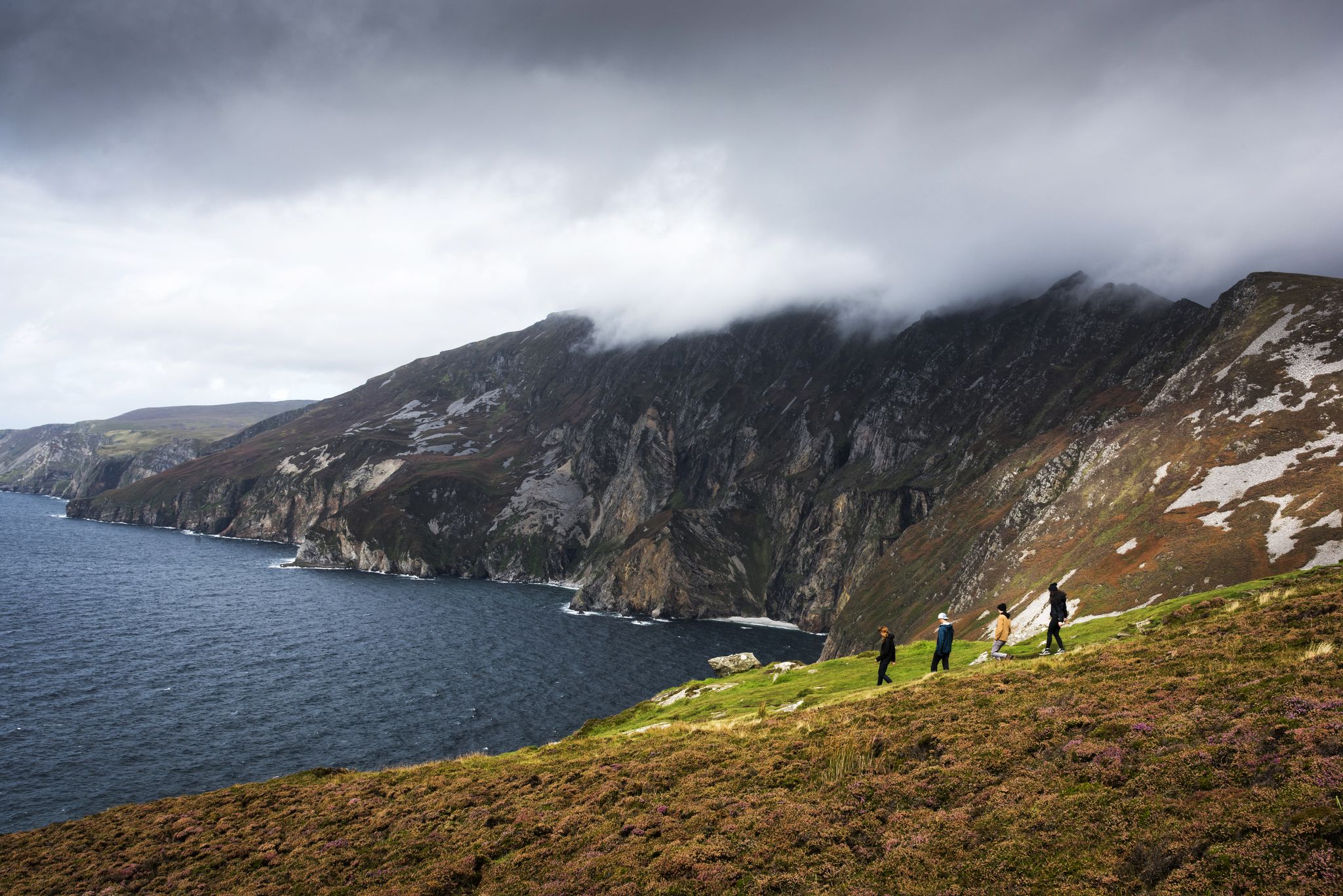
Hike Ireland's coast: cliffs, waves and wonderful wide beaches
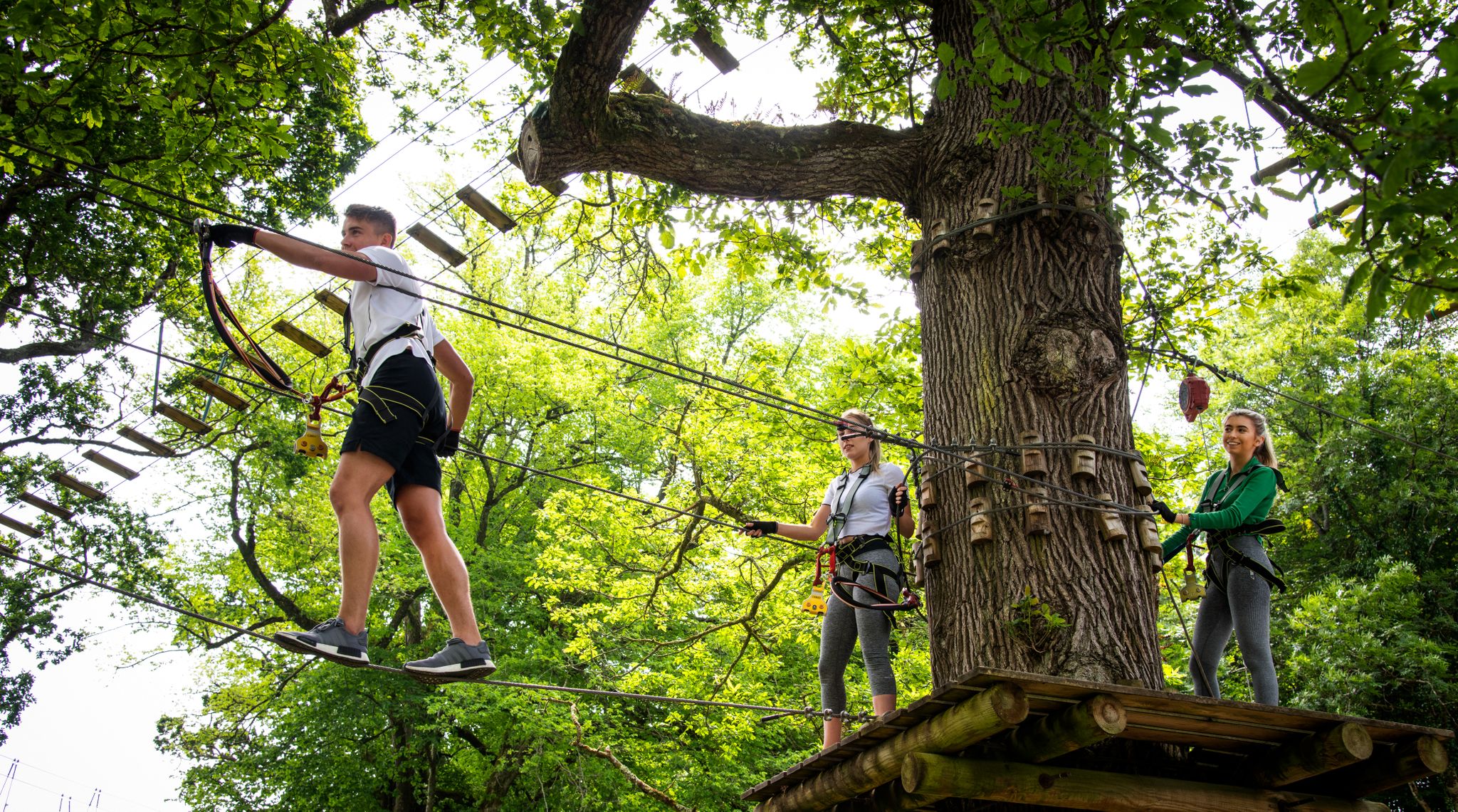
Awaken your spirit of discovery — family-friendly walks in Ireland
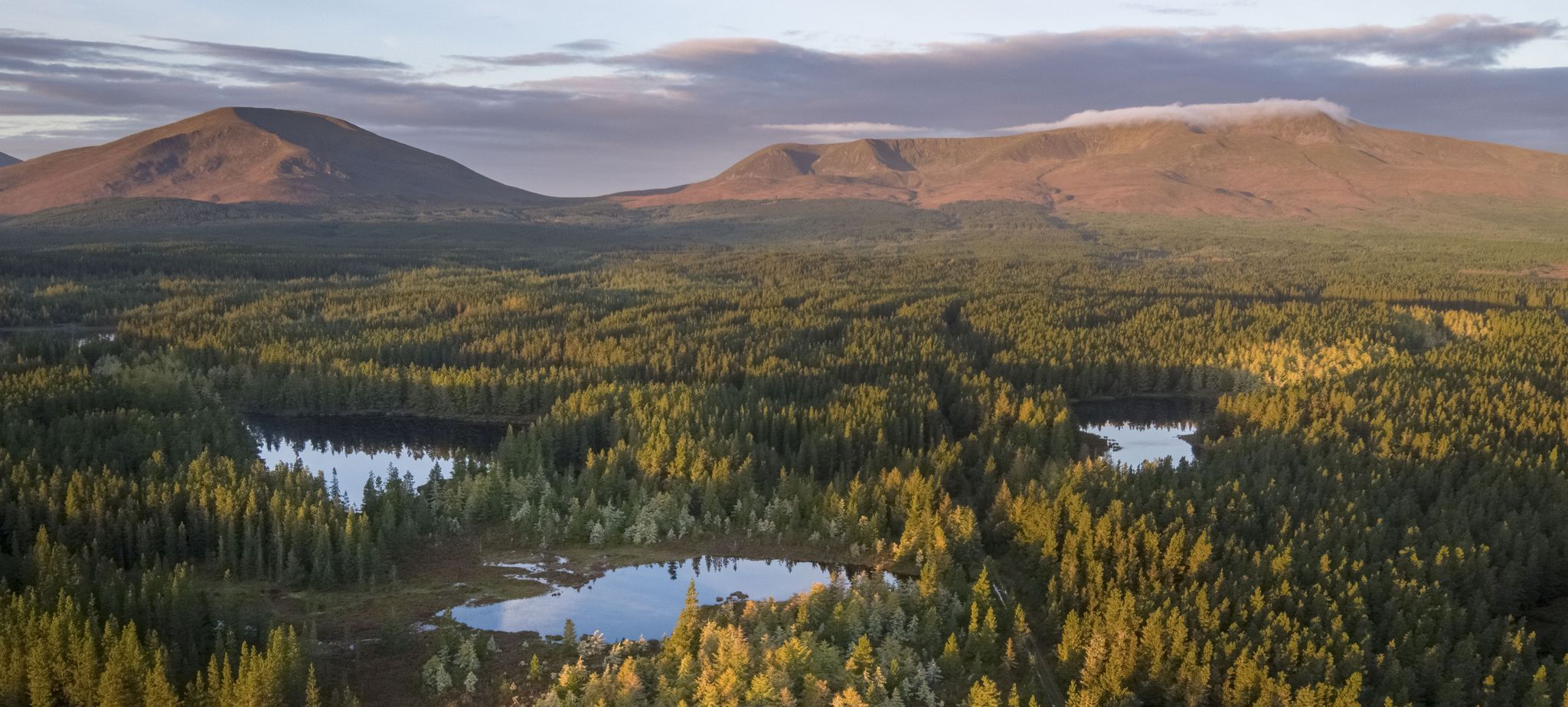
Discover Ireland's unspoilt nature in its national parks
Other adventures in Galway


Tips from the Community

The fortress is particularly worth seeing for the great view.
0
0

Modern landmark on Eyre Square, designed by Eamon O’Doherty and unveiled in 1984 to mark 500 years of Galway’s city charter. The sculptural forms evoke the curved sails of the Galway Hooker, the traditional wooden boats of Galway Bay. A central piece of public art that links the city’s maritime heritage with its contemporary identity.
6
0

The Galway Hooker Monument was designed by architect and sculptor Eamon O'Doherty. It was erected in Eyre Square in 1984 to commemorate the 500th anniversary of Galway's charter. The sculpture, also known as the Quincentennial Fountain, symbolizes the sails of Galway Hooker boats, traditional vessels that originated in Galway. The listed work also commemorates the importance of the sea in the city's development.
2
0

Cnoc Raithní (Prehistoric Ruin) Cnoc Raithní is a Bronze Age burial mound. It was previously covered in sand (like many things on Inis Oírr!) but was uncovered by a severe storm in 1885. Although perhaps not the most impressive site in the Aran Islands, it is a significant site, probably pre-dating Dún Aoghasa. The site was excavated by D. Murphy in 1886 and important artefacts were found, the remains of which are dated to 1500 BC. The site itself consists of a sand mound 21m in diameter, surrounded by a dry stone wall. Inside is a stone box made up of a circle of upright 4ft high slabs. At the top are the remains of slab-lined graves, as well as two small limestone pillars. When the stone casket was excavated, parts of a sealed urn, a smaller vessel and a bronze pin were found. The urns contained fragments of burnt bones and a charred substance. This is typical of burials during the Bronze Age from 1500 BC to 500 BC. Cremation was common and the burnt bones were often placed in decorated urns, of which there were several types - with encrustations, with collars and with cords. The urns were placed upside down in the grave, usually together with a smaller food vessel. Sometimes other objects such as daggers, needles, beads or battle axes were also placed alongside. (Source: https://www.rothai-inisoirr.com/cnoc-raithni/)
1
0
A Caisleán / O'Briens Castle Caisleán Uí Bhriain (O' Briens Castle) was built in the 14th century. It was built within an older ring fort called Dún Formna, which is thought to date from 400 BC. As well as fantastic views of the island, there are also magnificent views from the Cliffs of Moher, stretching to the left to the Burren, across Galway Bay to the 12 Pins of Connemara and to the west to Inis Meáin and Inis Mór. On a fine day you can even see the Kerry Mountains in the distance. It's worth taking your camera, especially for a spectacular sunset. The castle is a rectangular keep built by the O'Briens. They were a clan from County Clare who ruled the islands and large parts of Clare in the Middle Ages. From this castle they were able to control the shipping routes to Galway and are said to have operated protection rackets there. Due to its strategic location the castle was the subject of numerous competing interests. It was captured by the O'Flahertys around 1582 and was in use until it was supposedly captured and destroyed by Cromwell in 1652. The original entrance led to the first floor and was accessed via an external wooden staircase. Inside there was a hall taking up the whole of the first floor with an internal staircase in the SW wall leading up to the parapets. The ground floor was originally a basement with three vaulted chambers accessed from the first floor. Look out for the corbel of a watchtower which survives on the external wall and has a human face carved into it. The original Dún Formna has been restored a number of times throughout its history. It dates from the same period as the more famous Dún Aonghasa on Inis Mór and probably contained some clocháns, of which no trace remains today. (Source: https://www.rothai-inisoirr.com/an-caislean/)
1
0

Wonderful view over the bays and lakes of Conemara
1
0

Just walk a little further and you will find a small, beautiful, secluded beach
1
0
Frequently Asked Questions
What unique natural features can I explore in Galway?
Galway offers a diverse range of natural features. You can visit Dog's Bay Beach, known for its white sand made of finely crushed seashells. The Burren, a unique limestone landscape, presents a rare ecosystem with diverse flora. Coole Park Nature Reserve features deciduous woods, limestone reefs, and turloughs, creating interesting vegetation and faunal complexes.
Are there family-friendly natural monuments in Galway?
Yes, several natural monuments in Galway are suitable for families. Connemara National Park offers a visitor center and shorter trails like the Tree Trail and Poetry Trail. Diamond Hill Summit, with its well-walked paths, is a popular choice for families seeking panoramic views. The Monks' Fishing House on the River Cong is another family-friendly historical site with an interesting story.
What kind of historical or cultural natural monuments can I find in Galway?
Galway is rich in historical natural monuments. Dun Aonghasa on Inishmore (Aran Islands) is a prehistoric stone fort perched on a sheer cliff edge, offering stunning views and a glimpse into ancient history. Cong Abbey, a historical site with religious significance, is also considered a natural monument due to its setting.
What are the best natural monuments for scenic views in Galway?
For breathtaking views, consider visiting the Aran Islands, where Dun Aonghasa offers spectacular vistas of the Atlantic Ocean. The Cliffs of Moher, a popular day trip from Galway, provide dramatic seaside cliff views. Diamond Hill Summit in Connemara National Park also provides panoramic views of the Twelve Bens and western Connemara.
What outdoor activities can I do near Galway's natural monuments?
Near Galway's natural monuments, you can enjoy various outdoor activities. Hiking is popular, with trails like the Diamond Hill Loop in Connemara National Park. Cycling routes are available, such as the Inis Mór Cycle Loop on the Aran Islands. For more options, explore guides like Cycling in Galway, Easy hikes in Galway, and Running Trails in Galway.
Are there any natural monuments in Galway that are accessible by walking across a causeway?
Yes, Omey Island near Claddaghduff is a tidal island accessible by foot, bike, or car at low tide. This offers a unique experience of walking or driving across a sandy causeway to reach a peaceful coastal environment with various walking opportunities.
What is the best time of year to visit natural monuments in Galway?
The best time to visit natural monuments in Galway is generally during the spring (April-May) and summer (June-August) months. The weather is milder, and daylight hours are longer, making it ideal for exploring. However, the dramatic landscapes can be enjoyed year-round, with each season offering a different perspective.
Can I see wildlife at Galway's natural monuments?
Many natural monuments in Galway offer opportunities for wildlife spotting. Connemara National Park is home to diverse flora and fauna, including birds of prey like kestrel and sparrowhawk. The Cliffs of Moher are a haven for seabirds, including Atlantic puffins, guillemots, and razorbills. Galway Bay is excellent for birdwatching, especially in areas like Rinville Park.
Where can I find unique geological formations in Galway?
Beyond the Burren, you can explore the Pigeon Hole Cave, which is a natural cave formation. The Cliffs of Moher are part of the Burren and Cliffs of Moher Geopark, recognized for its unique geology dating back over 300 million years, showcasing dramatic rock formations and ancient geological history.
What do visitors enjoy most about the natural monuments in Galway?
Visitors frequently highlight the stunning views and the immersive experience of untamed beauty. For instance, the views from Dun Aonghasa are described as 'stunning,' and the experience at Diamond Hill Summit is noted for its 'great views.' The unique landscapes, from the white sands of Dog's Bay to the dramatic cliffs, consistently impress those who explore the region.
Are there any natural monuments near Galway City that offer tranquil walks?
Yes, Galway Bay's shores feature beautiful areas like Rinville Park, which offers serene woodland trails. These trails are excellent for tranquil walks and birdwatching, providing a peaceful escape close to the city.
What is the significance of the Aran Islands as a natural monument?
The Aran Islands, a trio of islands in Galway Bay, are significant for their unique blend of stunning coastal landscapes and traditional Irish culture. They feature dramatic cliffs, ancient forts like Dun Aonghasa, and a vibrant Irish-speaking community, offering a distinct natural and cultural experience.
Most popular routes in Galway
Most popular attractions in Galway

Get inspired with the komoot mobile app


Didn’t find what you were looking for?
Find even more amazing natural monuments in Galway by checking out the top Highlights region by region:
Explore more
Extend your search for the best caves by checking out these guides of the top ones in Galway:
