Top 20 Natural Monuments in Pordenone
Best natural monuments in Pordenone are found within a diverse landscape featuring mountains, rivers, and unique geological formations in Italy's Friuli-Venezia Giulia region. The province offers a range of natural attractions, from deep ravines and karst springs to alpine peaks and serene lakes. These sites provide opportunities to observe geological processes and varied ecosystems.
Best natural monuments in Pordenone
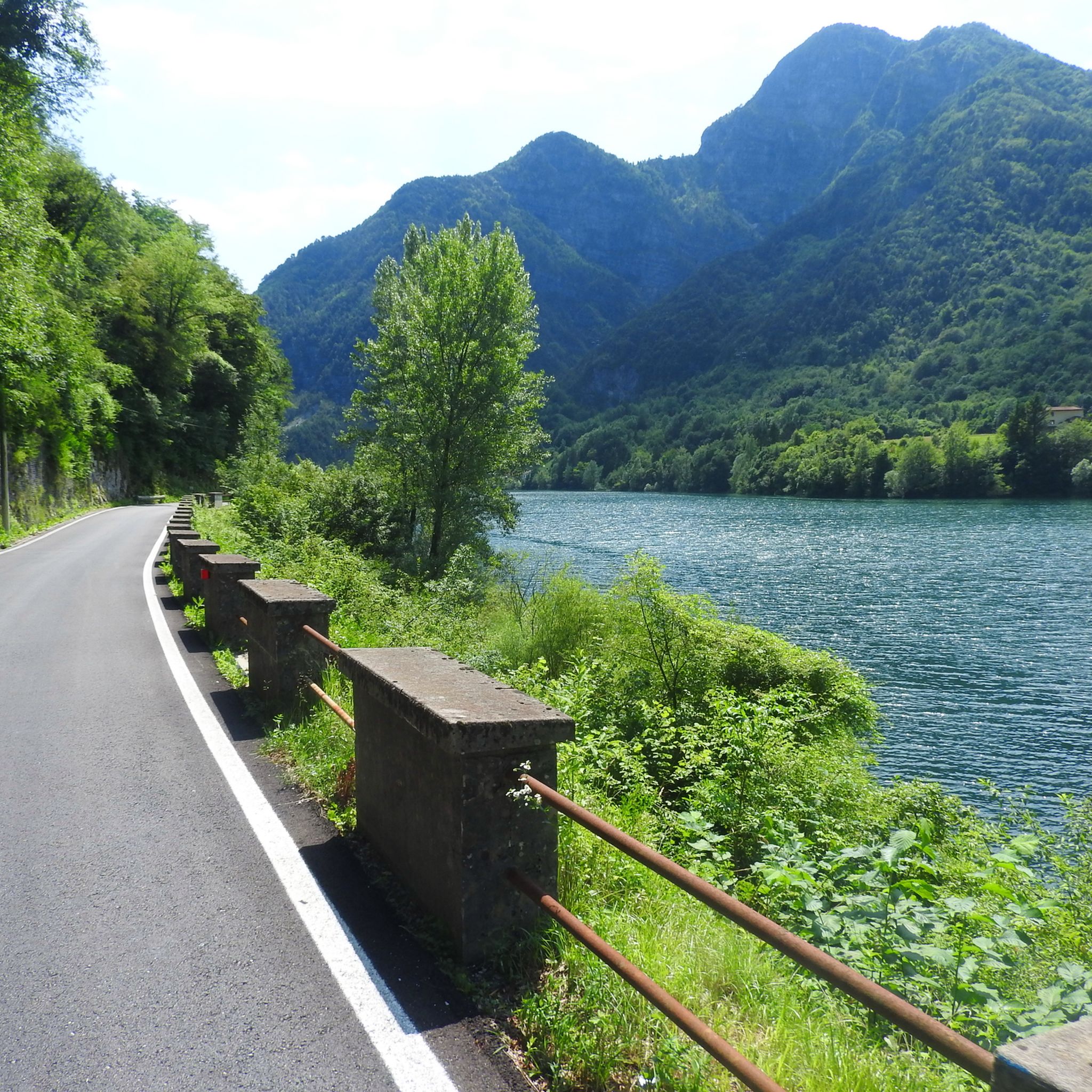
- The most popular natural monuments is Lake Tramonti, a lake located at the base of the Carnic pre-Alps. This reservoir…
Last updated: October 13, 2026
First Viewpoint (Skywalk del Dint)
Highlight • Viewpoint
Translated by Google •
Tip by

Gorgazzo Spring
Highlight • Natural
Translated by Google •
Tip by

Sign up now to discover places like this
Get recommendations on the best single tracks, peaks, & plenty of other exciting outdoor places.
Lake Tramonti
Highlight • Lake
Translated by Google •
Tip by

Bus de la Lum Sinkhole
Highlight • Cave
During the Second World …
Translated by Google •
Tip by

Tarabin Fountain
Highlight • Rest Area
Translated by Google •
Tip by

Giuliano Perugini Bivouac and the Campanile of Val Montanaia
Highlight • Mountain Hut
Translated by Google •
Tip by

Valmenera Plain
Highlight (Segment) • Forest
Translated by Google •
Tip by

The Books of San Daniele
Highlight • Natural Monument
Translated by Google •
Tip by

Summit cross on Monte Jouf
Highlight • Summit
Translated by Google •
Tip by

Mount Valinis Summit
Highlight • Summit
Translated by Google •
Tip by
Sign up for free to discover even more natural monuments in Pordenone.
Already have an account?
Start today with a free account
Your next adventure awaits.
Popular around Pordenone
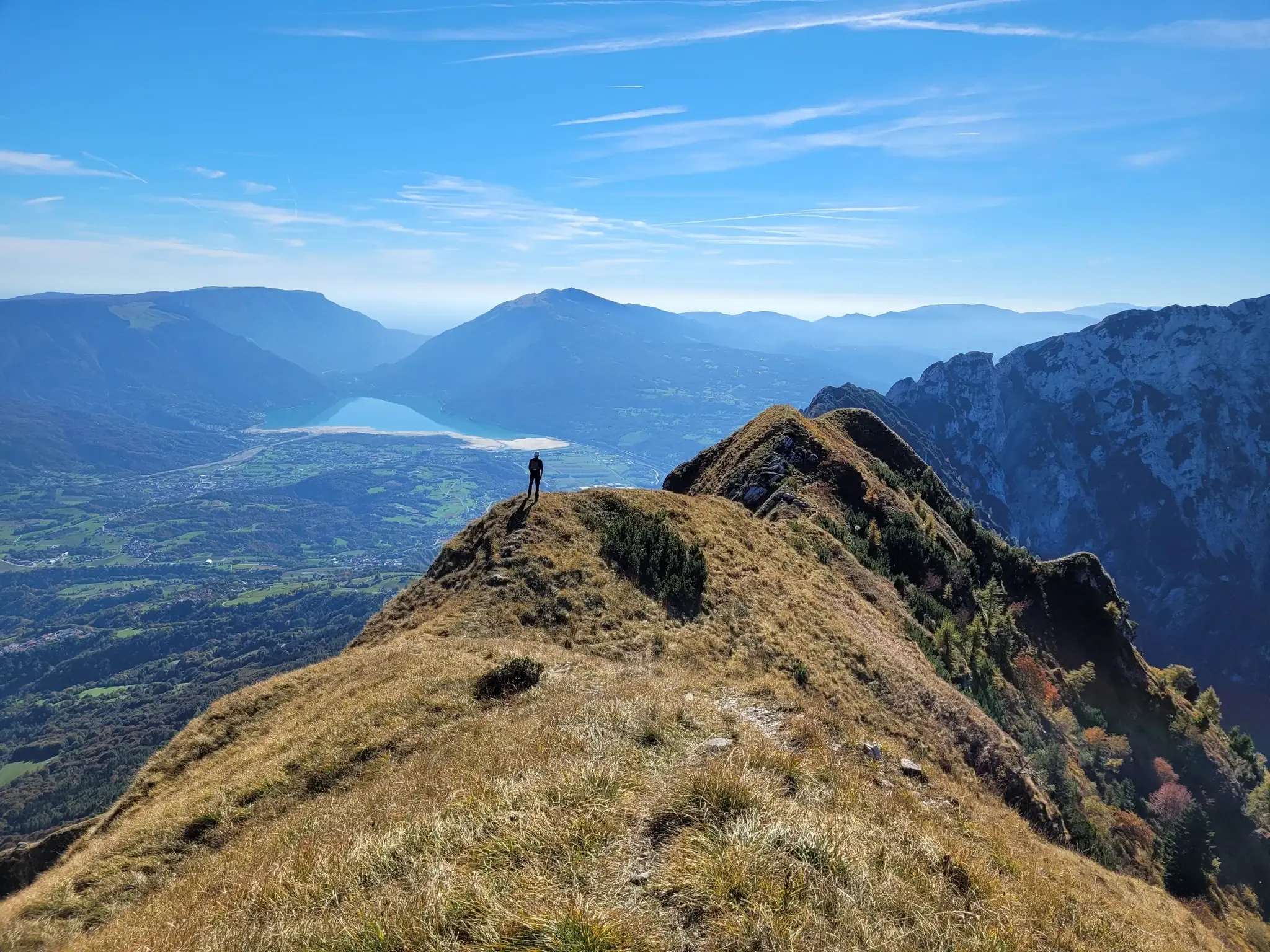
A fairytale hike in Italy’s Pale Mountains – Alta Via delle Dolomiti 7
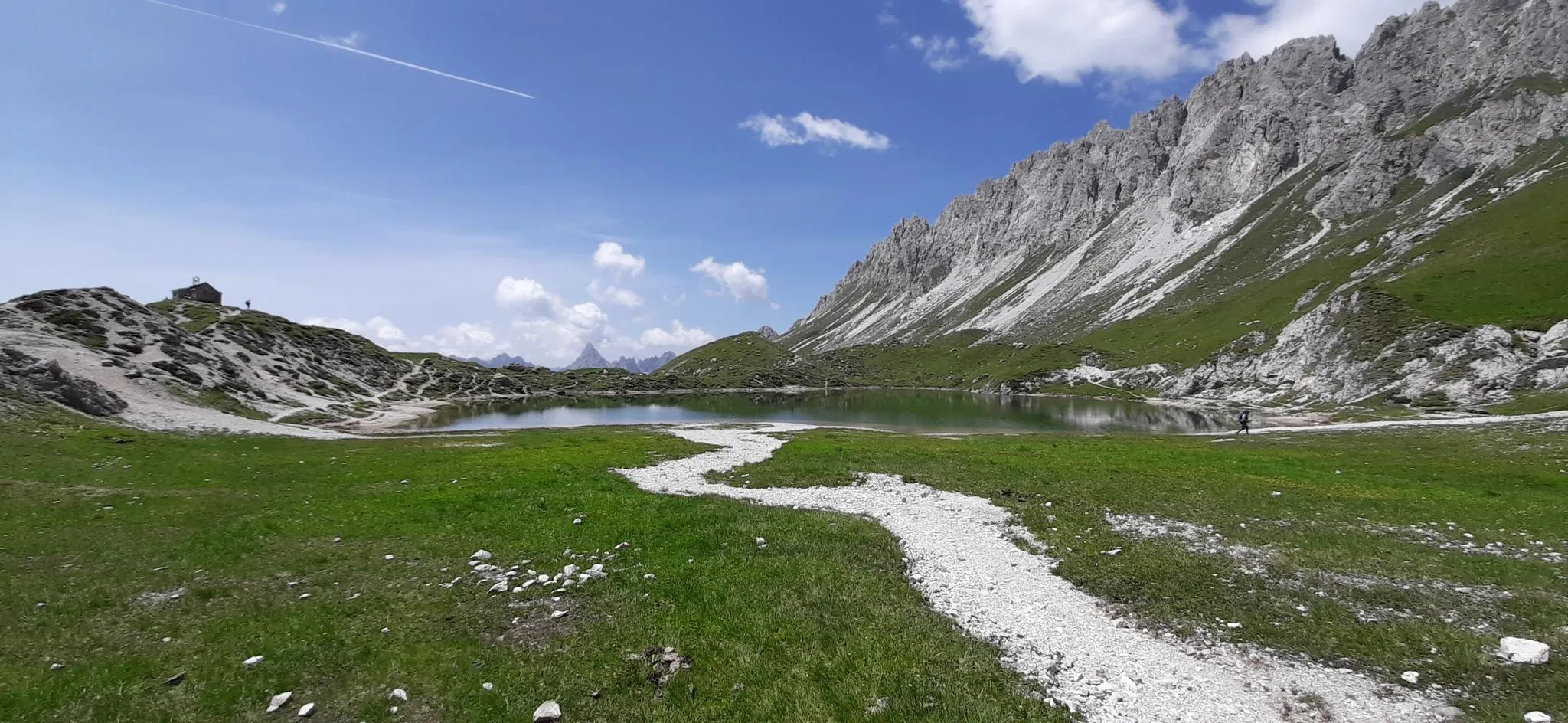
A trail running adventure in the Dolomites – Alta Via 6
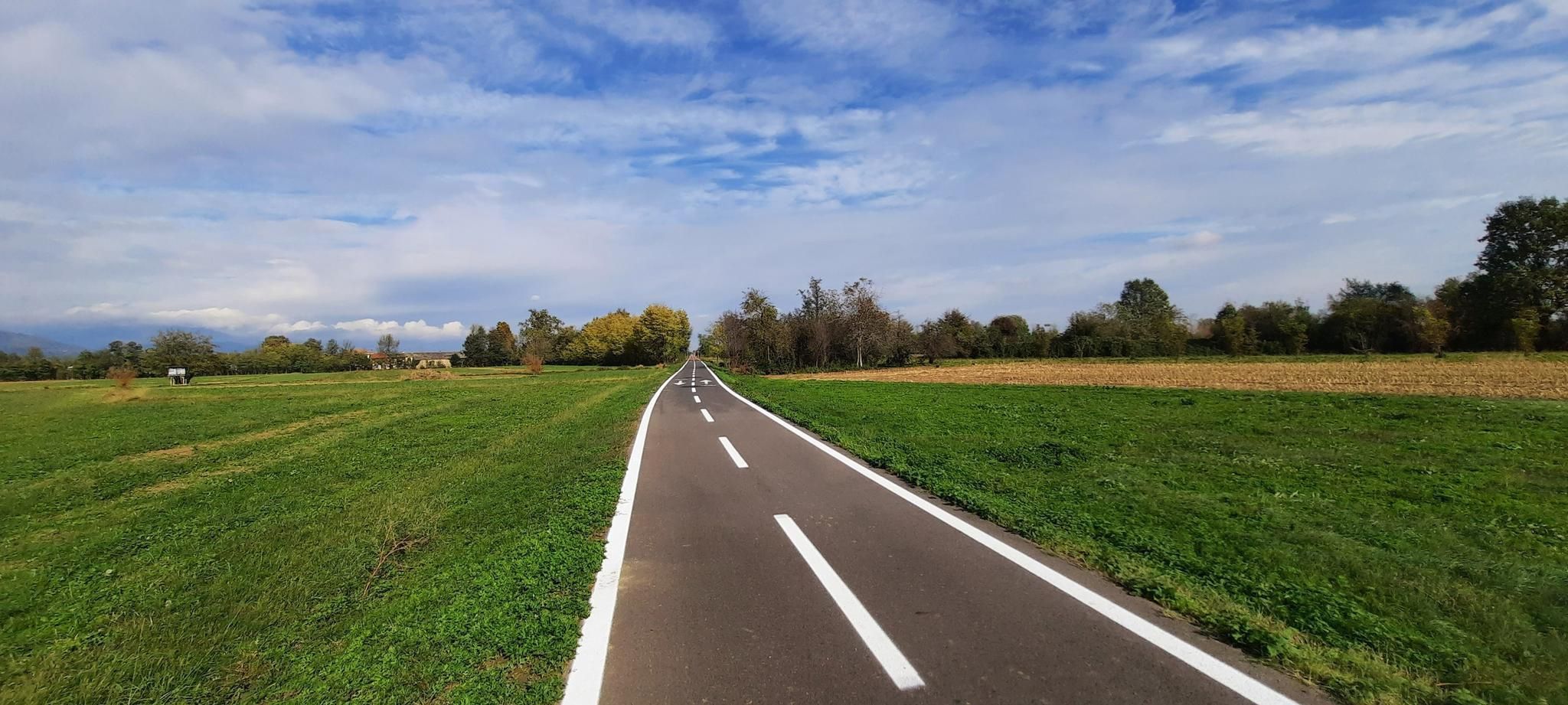
Ride across the Italian Alps – Pedemontana cycle route
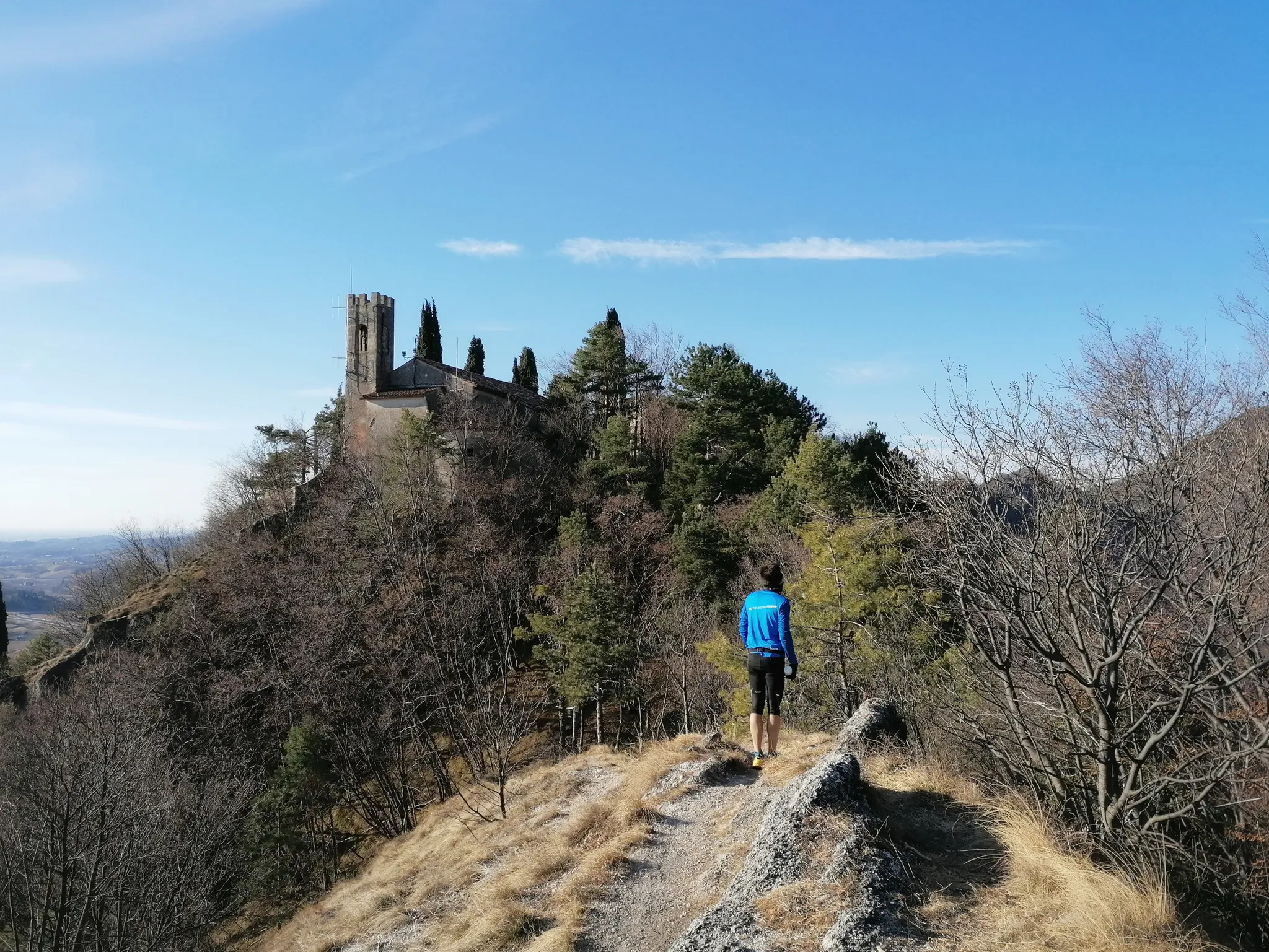
800 years of history from Gemona to Padua – Cammino di Sant'Antonio
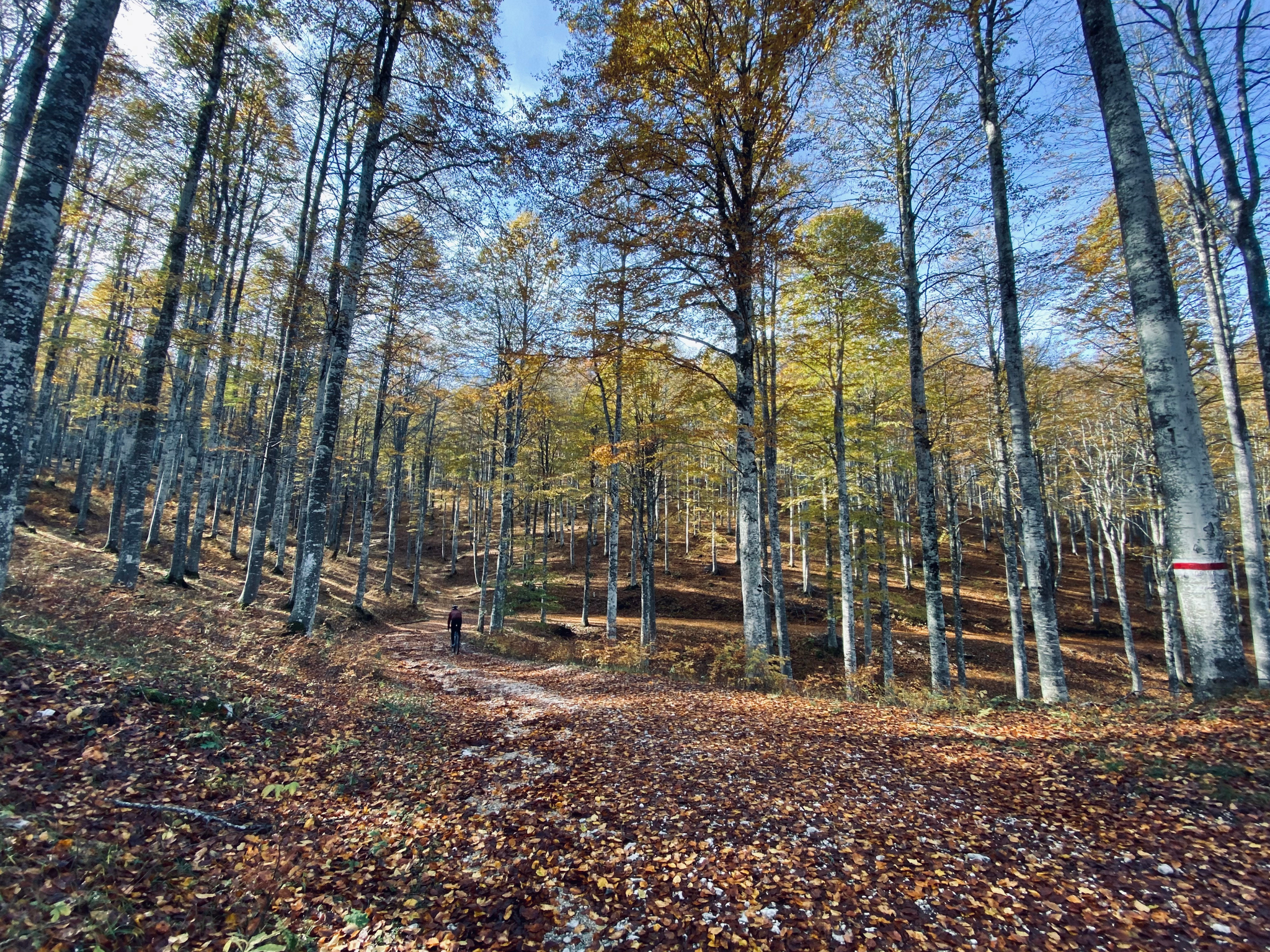
3 gravel routes in the Cansiglio forest
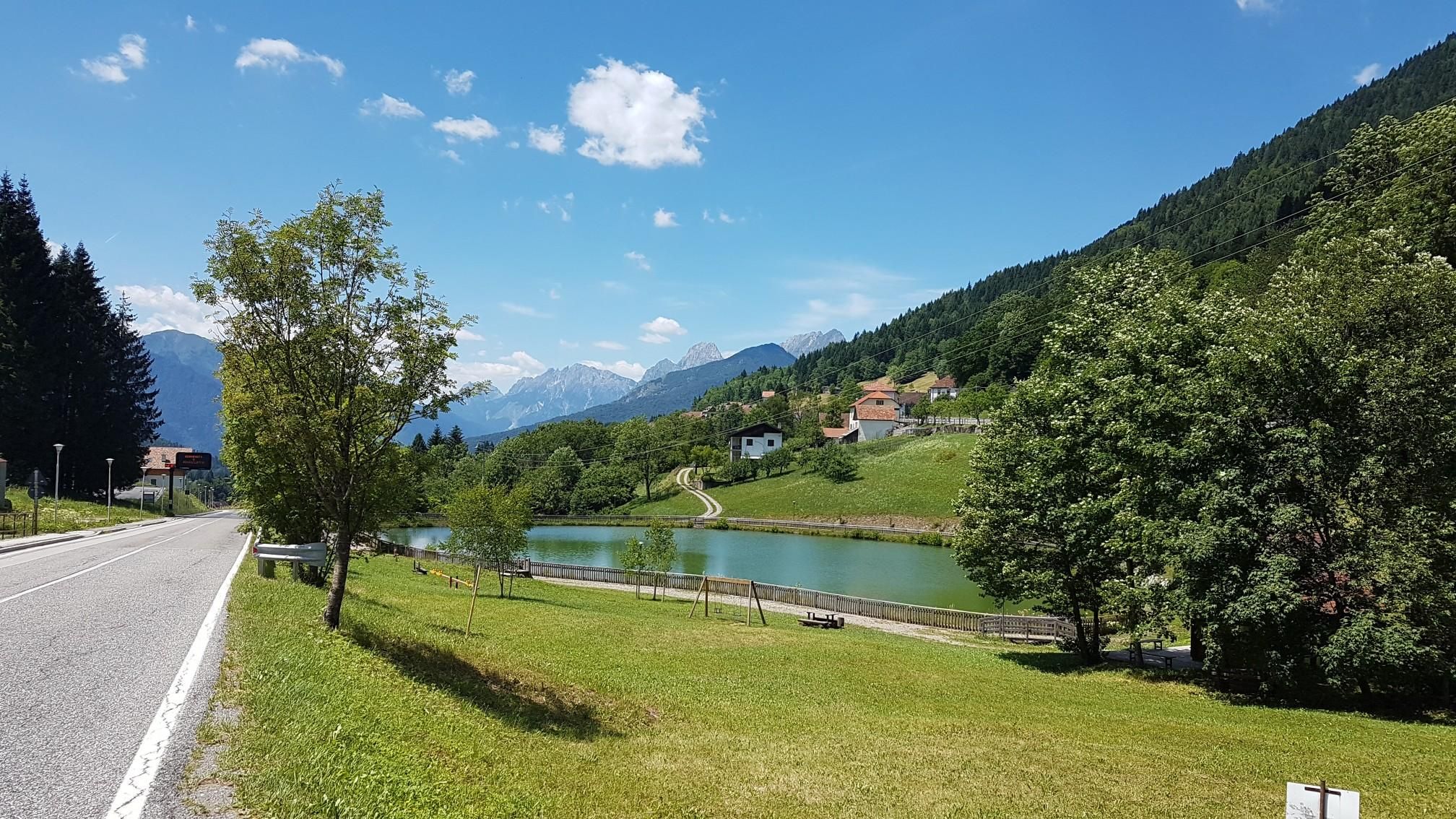
Betrayal of Sappada – the Jesolo-Sappada of 1987

Cycling between sea and mountains in Italy’s Friuli Venezia Giulia
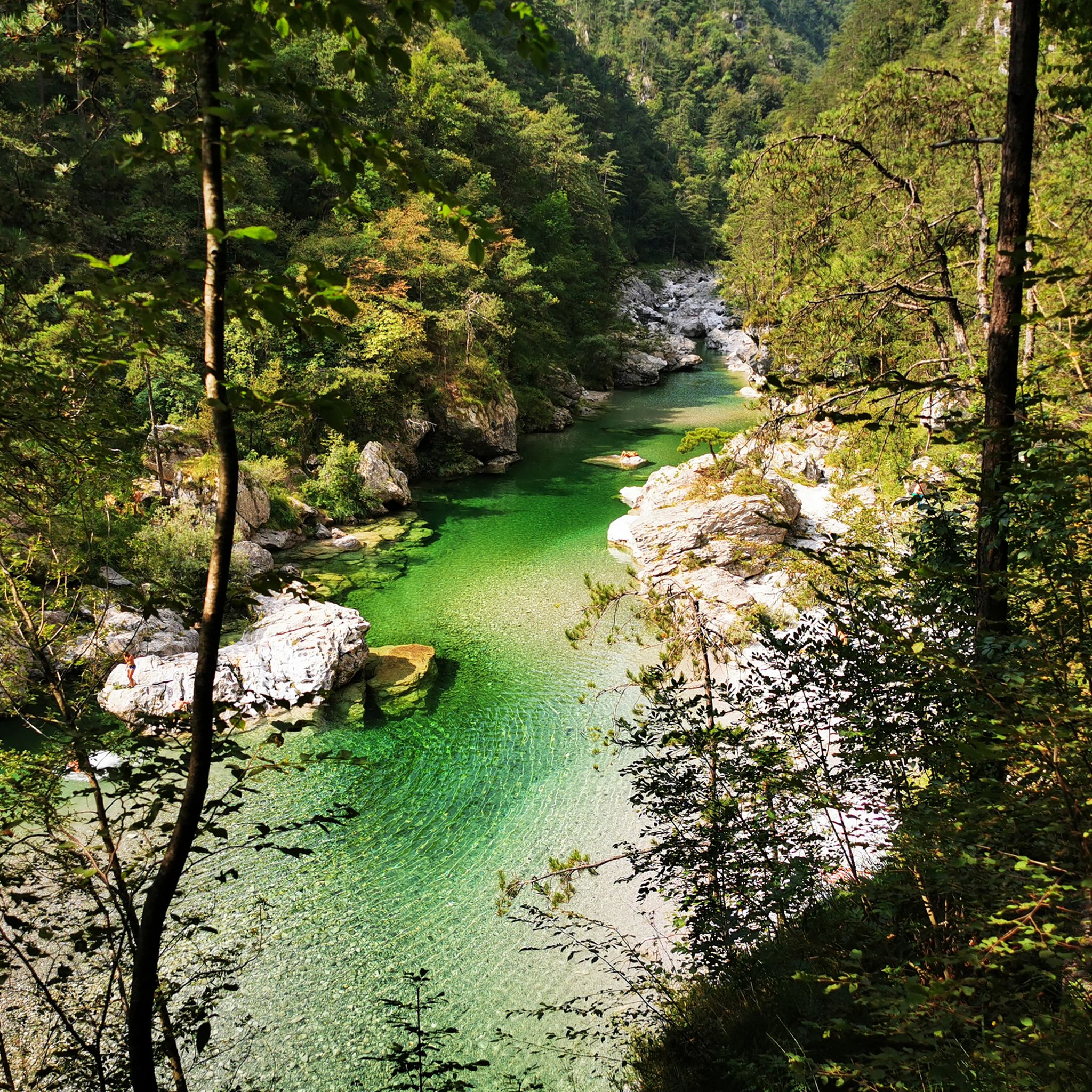
Hiking in Pordenone
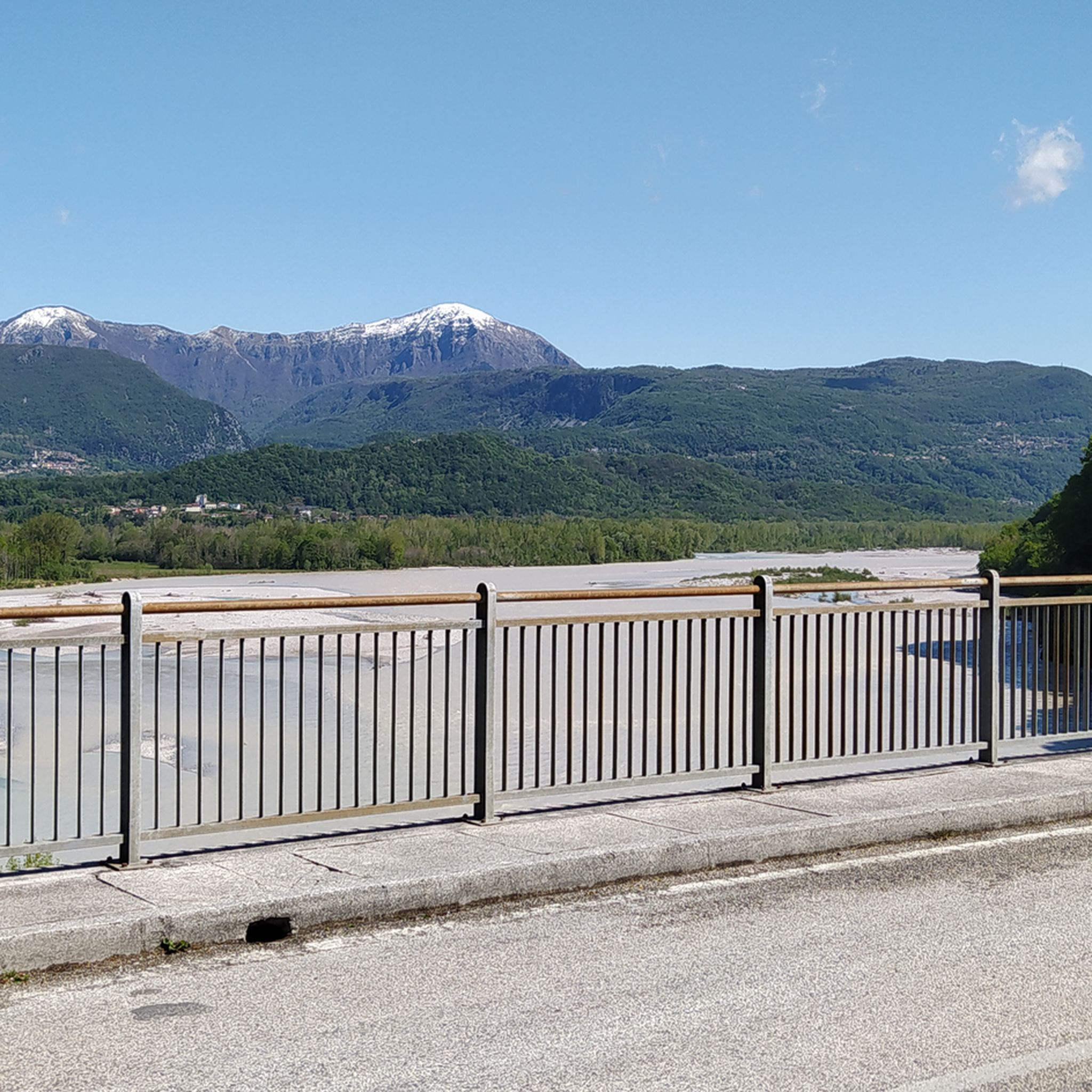
Road Cycling Routes in Pordenone
Cycling in Pordenone


Tips from the Community

Its history intertwines nature, folklore, and wartime events: 1. The formation and legend of "will-o'-the-wisps" The name Bus de la Lum derives from a mysterious phenomenon that for centuries fueled legends and popular tales. The folklore: Shepherds and locals told of strange little flames or bluish glows that danced above the cave entrance during summer nights. Popular belief attributed these lights to the presence of witches (eàne or anguane) or restless spirits. The scientific explanation: In reality, the cave had been used since time immemorial to dispose of the carcasses of animals that died on the plateau's farms. The decomposition of organic matter generated methane and hydrogen phosphide gases which, upon contact with air, produced small and harmless will-o'-the-wisps. 2. The events of the Second World War Between 1943 and 1945, the Cansiglio Plain was a strategic stronghold of the Italian Resistance, garrisoned by partisans of the "Garibaldi" Brigade (and other local formations) against the Nazi-Fascist occupying forces. During the harshest phases of the conflict and in the dramatic months of roundups and executions at the end of the war, the Bus de la Lum was used as a natural mass grave. The bodies of German soldiers, fascists, and Republicans captured in combat or roundups, as well as civilians accused of collaborationism or espionage, were thrown into the chasm. In the post-war period, amidst explorations and speleological recoveries, the cavity was the subject of heated historiographical and political debates regarding the precise number and identities of the people who fell into the well. 3. The site today Today the Bus de la Lum is recognized as a place of memory. The entrance to the abyss is protected and fenced for safety reasons, flanked by a large metal cross and a plaque in memory of all the nameless fallen.
0
0

Beautiful place, very special, often frequented by groups of ibex accustomed to people, they don't let themselves be touched but if you're lucky they come very close
0
0

The Cansiglio Forest hides a myriad of sinkholes, pits, and swallow holes of all sizes, due to the karst morphology of the territory: the rain dissolves the limestone rock, slowly but inexorably forming these natural chasms and fissures on the ground. The Bus de la Lum is an abyss characterized by a single large vertical entrance shaft 180m high, which then develops into a very large and articulated underground complex. The depth of the shaft is best appreciated out of season, because in summer the lush vegetation tends to partially obscure the view. According to ancient beliefs, it is the dwelling of the Anguane or Anduane, fierce and evil witches, toothless, with long rusty nails instead of hair and sharp fangs, who kidnapped and ate children! They gathered at the bottom of the cave, lighting fires, whose glows rose to the surface, visible at night to the shepherds of the area: hence the name 'Buco della Luce' (Hole of Light). In reality, the legend has a grain of truth: on hot summer nights, will-o'-the-wisps could indeed be formed by the decomposing carcasses of livestock dead from illness, which it was customary to throw into the Buso. During World War II, the cavity was sadly used by partisans as a foiba, to dispose of the bodies of fascists and nazis, but also of civilians: over the years, several bodies and bones have been found during explorations. https://it.wikipedia.org/wiki/Bus_de_la_Lum
0
0

Together with Pian Cansiglio and Cornesega, Valmenera is one of the three depressions that make up the central part of the Cansiglio Plateau. The largest in terms of area. This evocative basin is particularly known for its cold microclimate, where record thermal inversions are recorded with temperatures that, in the winter months, can drop to extreme levels. A historical peak was reached in March 2005, when ARPA Veneto analyses recorded a temperature of -35.4°C. Located in the municipal territory of Tambre (BL), it has a wide and flat bottom, called Piano di Valmenera. It represents a typical polje, whose slopes are largely covered by arboreal vegetation; the western slopes, on the other hand, are characterized by meadows, with rather degraded herbaceous vegetation, due to exploitation in the form of mowing and grazing. The dairy farm of the same name, which today operates as a farm stay, is in fact surrounded by 74 hectares of meadows used for grazing its own livestock. Up to here, through the Campon valley, came a tongue of the ancient and vast Piave Glacier. The Piano di Valmenera and part of the basin are part of the "Pian di Landro-Baldassarre" Oriented Nature Reserve.
3
0

A quick visit to Gorgazzo, a magical place, is a must! To see the spring, if you are on a bike, it is advisable to go on foot, the ground is not ideal for road bikes. Visit-able in every season.
0
0

Fresh, cold spring water for drinking and tapping.
0
0

The summit of Mount Valinis, 1,102 meters, is easily accessible by hiking from all sides. It's easy to reach the paragliding launch point by e-bike. From there to the summit, the ascent and descent by e-bike is quite technical.
1
0
The Gorgazzo springs have the characteristic of collecting rainwater which, infiltrating the karst structure of the Cansiglio plateau, emerges at the base of the mountain with an already considerable flow rate.
0
0
Frequently Asked Questions
What unique natural features can I explore in Pordenone?
Pordenone province is rich in diverse natural features. You can discover deep ravines like the Grotte di Pradis, where the powerful Cosa stream has carved impressive gorges and caverns. There are also unique karst springs such as the Gorgazzo Spring, known for its crystal-clear, light blue waters emerging from a cave. The region also features serene lakes like Lake Tramonti, surrounded by mountains, and the unique stony landscape of the Magredi, often called the 'Steppe from Friuli'.
Are there family-friendly natural monuments in Pordenone?
Yes, several natural monuments in Pordenone are suitable for families. Lake Tramonti offers peaceful surroundings and paths for walking. The Gorgazzo Spring is a charming spot with beautiful water reflections, though the very last meters might be closed to bikes. The First Viewpoint (Skywalk del Dint) provides exciting views over Lake Barcis and the Cellina gorge, but be aware of the transparent glass sections if anyone in your family has vertigo. The Grotte di Pradis also offers an engaging experience with its caves and waterfalls.
What kind of viewpoints can I find among Pordenone's natural monuments?
Pordenone offers several spectacular viewpoints. The First Viewpoint (Skywalk del Dint) is particularly notable, featuring a metal walkway with transparent glass sections that provide expansive views of Lake Barcis and the Cellina gorge. You can also find rewarding views from mountain summits like the Summit cross on Monte Jouf and Mount Valinis Summit, which offer panoramic vistas of the surrounding landscapes.
Are there any historical or archaeological sites associated with Pordenone's natural monuments?
Yes, some natural sites in Pordenone hold historical significance. The Pradis Ravine (Grotte di Pradis) is known not only for its geological beauty but also for its archaeological importance, with remains of prehistoric animals and humans discovered within its caverns. Additionally, the Bus de la Lum Sinkhole is listed as a historical site, adding another layer of interest to its natural formation.
What outdoor activities can I do near these natural monuments?
The Pordenone region offers a wide range of outdoor activities. Near the natural monuments, you can enjoy various sports. For hiking, consider routes like the Lake Barcis Loop Trail or the Trail of the Furnaces. Mountain biking enthusiasts can explore trails such as the Anello dei Magredi Loop or the Monte Valinis Loop Trail. For more challenging adventures, mountaineering routes like the Campanile di Val Montanaia loop from Rifugio Pordenone are available. Lake Barcis itself is popular for canoeing, kayaking, sailing, and windsurfing.
Are there any challenging natural monuments for experienced hikers or climbers?
Yes, for those seeking a challenge, the Campanile of Val Montanaia, located within the Friulian Dolomites Nature Park, is a spectacular 300-meter pinnacle ideal for mountaineering and climbing. The area around the Giuliano Perugini Bivouac also offers challenging terrain for experienced adventurers, with the bivouac itself situated at an altitude of 2,060 meters.
What is the best time of year to visit Pordenone's natural monuments?
The best time to visit Pordenone's natural monuments generally depends on the activity you plan. Spring and autumn offer pleasant temperatures for hiking and exploring the ravines and springs, with vibrant foliage or blooming flowers. Summer is ideal for water activities on lakes like Barcis and for higher-altitude mountain excursions. While some areas might be accessible, winter visits to higher elevations or certain trails may require specialized gear due to snow and ice.
Can I find places to rest or get refreshments near the natural monuments?
Yes, some natural monuments have facilities or nearby options. For instance, Lake Tramonti has cafes along the street. The Tarabin Fountain provides a refreshing water point along the 'Venice of the snows' route, popular with hikers and mountain bikers. For more extensive breaks, you might find accommodation, cafes, or pubs in the towns and villages surrounding the natural areas, such as near Lake Barcis or in the Val Tramontina.
What makes the Friulian Dolomites Nature Park special?
The Friulian Dolomites Nature Park, a UNESCO Heritage Site, is renowned for its impressive and wild natural beauty, offering an experience far removed from mass tourism. It features unspoiled nature, including iconic formations like the Campanile of Val Montanaia. This park is perfect for rambling, hill-walking, and mountaineering, and on clear days, its highest peaks even offer glimpses of the Adriatic Sea.
Are there any unique geological formations to see in Pordenone?
Pordenone is home to several unique geological formations. The Pradis Ravine is a prime example of a karst landscape, with its deep gorges and underground caverns carved by water. The Cellina Gorge also showcases spectacular erosion, featuring unique limestone formations. The Magredi, or 'Steppe from Friuli,' presents a rare ecosystem with stony ground where rivers disappear and re-emerge, creating a distinctive lunar-like landscape.
What do visitors enjoy most about Pordenone's natural monuments?
Visitors frequently praise the peace and serenity found at places like Lake Tramonti, highlighting its uncontaminated beauty and numerous paths for cycling and walking. The stunning visual experiences, such as the fabulous green and blue reflections of the Gorgazzo Spring and the wonderful, vast panoramas from the Skywalk del Dint, are also highly appreciated. The region's diverse landscapes and opportunities for outdoor activities contribute to a memorable experience for many.
Are there easy walking trails near the natural monuments for beginners?
Yes, there are several easy walking trails suitable for beginners. For example, the Lake Barcis Loop Trail is an easy option, offering scenic views around the lake. Other accessible routes include the St. Christopher's Walk Loop and the Trail of the Furnaces, both designed for easier exploration. These trails allow visitors to enjoy the natural beauty without requiring advanced hiking experience.
Most popular routes in Pordenone
Most popular attractions in Pordenone

Get inspired with the komoot mobile app


Didn’t find what you were looking for?
Find even more amazing natural monuments in Pordenone by checking out the top Highlights region by region:
Explore more
Extend your search for the best caves by checking out these guides of the top ones in Pordenone:
