Top 20 Natural Monuments in Rimini
Best natural monuments in Rimini offer diverse natural beauty beyond its well-known beaches and historical sites. The region features a varied landscape, from subterranean cave systems to river canyons and reforested former quarries. These locations provide opportunities for outdoor activities and showcase unique geological and ecological characteristics. The area's natural attractions contribute to its appeal for those seeking exploration and connection with nature.
Best natural monuments in Rimini
- The most popular natural monuments is Onferno Caves, a cave that features crystalline gypsum formations and a significant bat population. This subterranean complex offers an educational experience into the region's geology.
- Another must-see spot is Canyon del Marecchia, a natural canyon along the Marecchia river. It provides scenic views and is accessible via a bike route.
- Visitors also love Parco della Cava Fossil Park, a natural monument that evolved from a former quarry. This theme and educational park highlights a fossiliferous deposit and demonstrates land reclamation.
- Rimini is known for its caves, canyons, and urban parks. The area offers a variety of natural monuments to see and explore, ranging from geological formations to green spaces within the city.
- The natural monuments in Rimini are appreciated by the komoot community, with more than 300 upvotes and 20 photos shared by visitors.
Last updated: April 28, 2026
Translated by Google •
Tip by

Onferno Caves
Highlight • Cave
The exploration of the cave took place in 1916 by Lodovico Quarina, who went up the cave from the resurgence to the sinkhole.
Today's guided tours retrace this direction and allow you to admire the typical alabastrines of the chalky caves.
Near the exit there are some rooms enlarged by collapse phenomena. In the Quarina Room the vault is animated by mamelons, curious conical structures among the most beautiful and largest in Europe that indicate the base of a layer of plaster.
The cave houses the most important bat colony in the region, with eight different species.
Since the summer of 1989, the cave has been open to the public, it is a sort of natural tunnel that is easy to access through the two entrances and just as easily walkable (thus unique in Emilia-Romagna).
(Source: prolocogemmano.it/grottedionferno/)
Translated by Google •
Tip by

Sign up now to discover places like this
Get recommendations on the best single tracks, peaks, & plenty of other exciting outdoor places.
Sign up for free
Rocca di Maioletto
Highlight • Castle
═════════════════
👇 here the video in 4K 👇
Translated by Google •
Tip by

Cypress of Saint Francis
Highlight • Natural Monument
A tree that has faced not only atmospheric events, but also life-threatening situations created by men, particularly in the Napoleonic period of the 1800s, the army entered the convent received orders to cut down the tree and while they were trying to burn it, a messenger arrived with a counterorder not to shoot him down. In addition, during the last world war the Germans burned a part of it to warm up and in 1980 the main peak, 10 meters higher, collapsed due to bad weather.
According to the Franciscan friars, this tree that moves anyone with its beauty and majesty is the symbol of the idea that God is a strong support as was the stick that supported St. Francis.
The cypress, weakened by age and by the various fire attempts received, stands up thanks to some rusty metal prostheses, but compared to other much younger peers it seems to be in good health. It has been the subject of scientific studies that wanted to shed light on the secret of this plant's long life.
This monumental cypress planted in 1213, according to the tradition of St. Francis, can be admired today in the cloister of the convent as a colossal plant monument 25 meters high which has "seen" 800 years of history flow around it.
Translated by Google •
Tip by

Fountain of the Barafonda Whale
Highlight • Monument
The sperm whale that ran aground on the beach in April 1943
As with every fact that remains in the city's memory, over time it colors and deforms. This is what happens with the "Barafonda whale", a sperm whale that ran aground on 4 April 1943 on the beach of San Giuliano Mare. Some confuse the whale with another stranding, which occurred previously and also in Barafonda, of an enormous sunfish. Others say that the sperm whale was killed by the military because it was mistaken for an enemy submarine.
But what really happened?
Before dawn that day, the fisherman Pino Bignardi went to retrieve his nets and found a dark mass that snorted like a "locomotive under pressure". It was a huge marine animal! He therefore called his father and, immediately afterwards, the two, armed with ropes, tied the animal and secured it to a pole on the beach.
The news immediately spread throughout the Barafonda and curious people arrived, but also journalists, civil and military authorities. It was decided to drag the cetacean to shore, but the operation was particularly difficult given that the animal, 12 meters long, 2.70 meters high, with a circumference of 6.30 metres, weighed 63 quintals.
As soon as the animal felt itself being pulled it gave a tug causing everyone to fall to the ground, and even the help of some oxen failed as the poor beasts were also knocked down.
In the stories of the people of Rimini it is underlined how the locals were very ready to speculate on the event by improvising bicycle depots, taking the curious to see the whale with the batana or the clam, obviously all for a fee, while there was no shortage of street vendors of all kinds, only Bignardi, who had physically discovered the whale, gained nothing from it.
The story then becomes bloody: the large sea creature could perhaps have been saved by taking it back to the open sea, but instead it was decided to kill it.
So much blood gushed from the wounds of the machine gun fire that it turned a long stretch of sea red. Among its last gasps the animal reared its large tail, then it was the end.
The carcass immediately went to putrefaction; it was sold to a certain Malatesta to make soap, but during the quartering many women managed to grab something for their laundry.
adapted from
hotelcrosal.it/it/la_balena_della_barafonda.html
Translated by Google •
Tip by
Fountain of the Four Horses and Fellinia in Federico Fellini Park
Highlight • Monument
Translated by Google •
Tip by

Ancient Surcioun Spring
Highlight • Natural Monument
I know, you've never heard of it. Few people know him even among the people of Rimini.
I'm Renata from the Hotel Villa Perazzini.
When I accompany my hotel guests on walks, I particularly love seeing their amazed look when they find themselves in front of something they never thought they would see in Romagna.
One of the things that creates the greatest amazement is the Survòun, an ancient source of fresh (drinking) water that flows on the Viserbella shoreline.
Many stories and legends are linked to Survòun. Consider that, until the 1960s, water flowed in such abundance that it created the phenomenon of quicksand.
Our grandparents and parents often told of times when the Surcioun was their "bogeyman". It was said that a farmer had been swallowed up by quicksand along with an entire ox cart on a foggy day. It was probably a story invented by the elders to keep the more reckless children away from this area.
Today there is no longer any trace of the quicksand and the spring is a pleasant discovery for tourists who want to soak their feet for a regenerating foot bath. It's wonderful to dip your feet in freezing water and then warm them in the sea!
taken from hotelvillaperazzini.it/it/blog/73/Surci%C3%B2un-l%E2%80%99antica-fonte-di-acqua-dolce.html
Translated by Google •
Tip by
Parco della Cava Fossil Park
Highlight • Natural Monument
Translated by Google •
Tip by

Canyon del Marecchia
Highlight • Canyon
Tip by

Cross at Balconi della Gioconda
Highlight • Monument
"Montefeltro Art Views - where art and landscape meet".
"It is like entering a work of art: before your eyes, the same identical landscapes that Piero della Francesca painted, in the fifteenth century, against the background of works such as the diptych of the Dukes of Urbino, San Gerolamo and a devotee, the Nativity, the Resurrection or the Baptism of Christ. A unique experience, to be lived in the Romagna and Marche hinterland thanks to the discovery of two "landscape hunters", as Rosetta Borchia and Olivia Nesci have been nicknamed who have identified, hidden in Montefeltro, the real views - of reliefs, cliffs, hills, rivers - that inspired the great painter. A discovery that took place in 2007, which marked the beginning of the Montefeltro Vedute Rinascimentali project with its Balconies by Piero. Nine natural balconies (currently 2022) on the Marche and Emilia-Romagna landscapes that have direct correspondences with the backgrounds of some works by Piero della Francesca and Leonardo da Vinci.
Scattered throughout the territory, they are small viewpoints from which the view sweeps between art and reality: with the reproduction of the Master's work corresponding to the Balcony under your eyes, you immediately grasp the landscape he painted in the vision you have in front of you. "
Taken from: viaggi.corriere.it/weekend/i-paesaggi-piero-francesca-si-vedono-balcone-46d1bfc4-f0ba-11e3-b5f1-b439b2d37585
The "balconies" on the map:
montefeltroartviews.it/it/dove-sono-i-balconi
Translated by Google •
Tip by

Sign up for free to discover even more natural monuments in Rimini.
Sign up for free
Already have an account?
Start today with a free account
Your next adventure awaits.
Login or Signup
Popular around Rimini
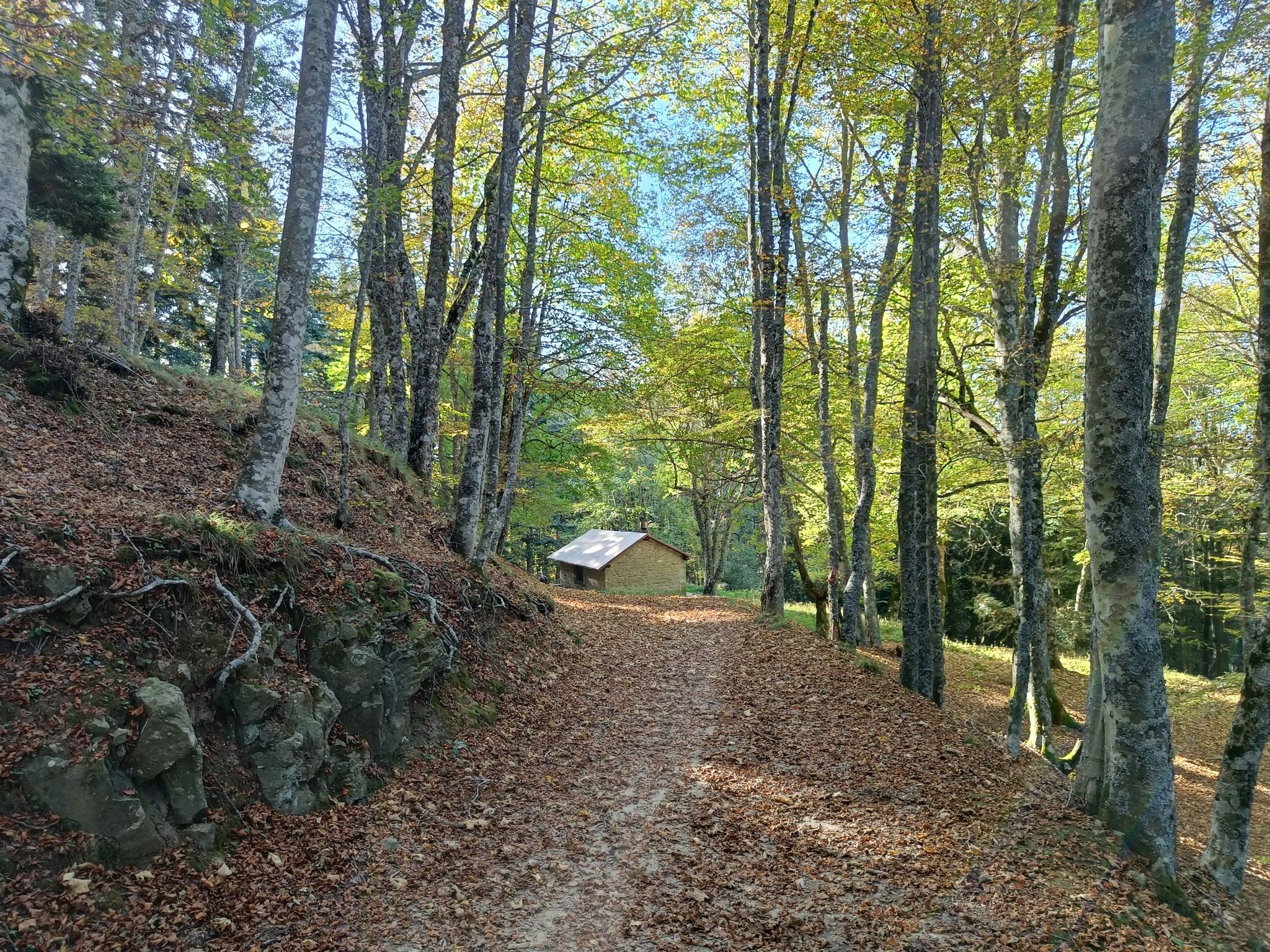
Camaldoli to Carpegna – Alta Via dei Parchi (part 5)
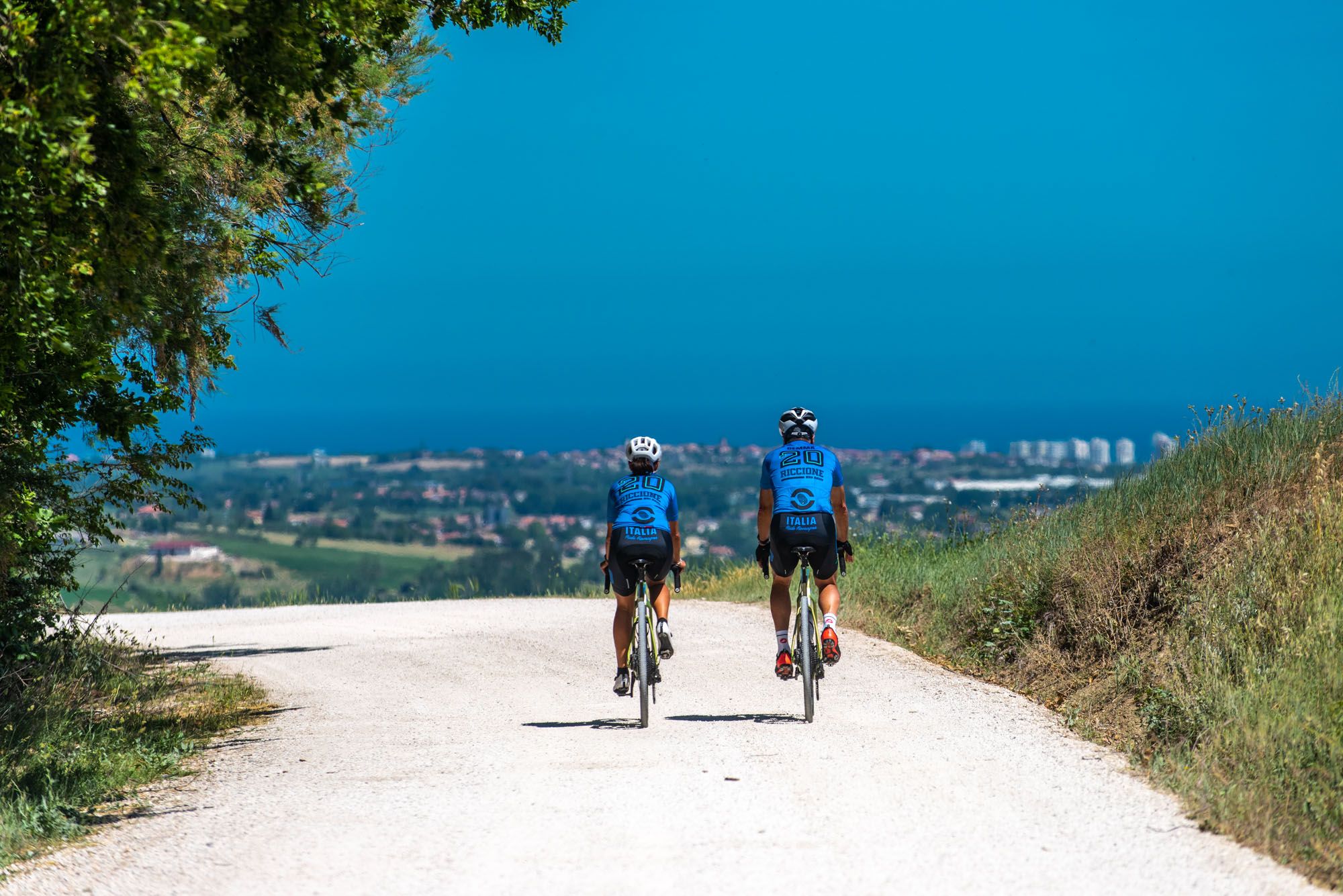
Ten gravel rides on the white roads of Romagna in Italy
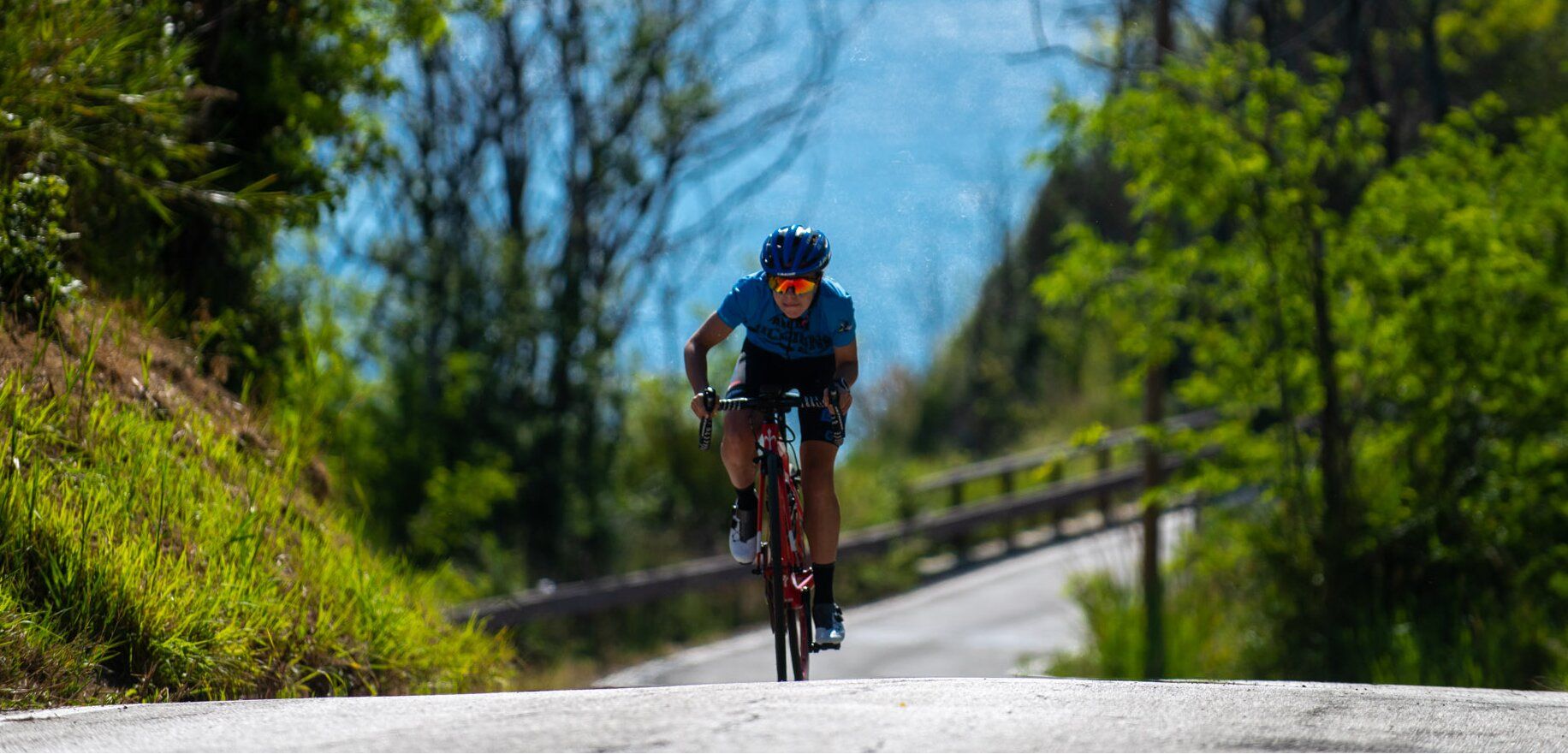
Nine challenging bike rides in Italy’s Romagna region
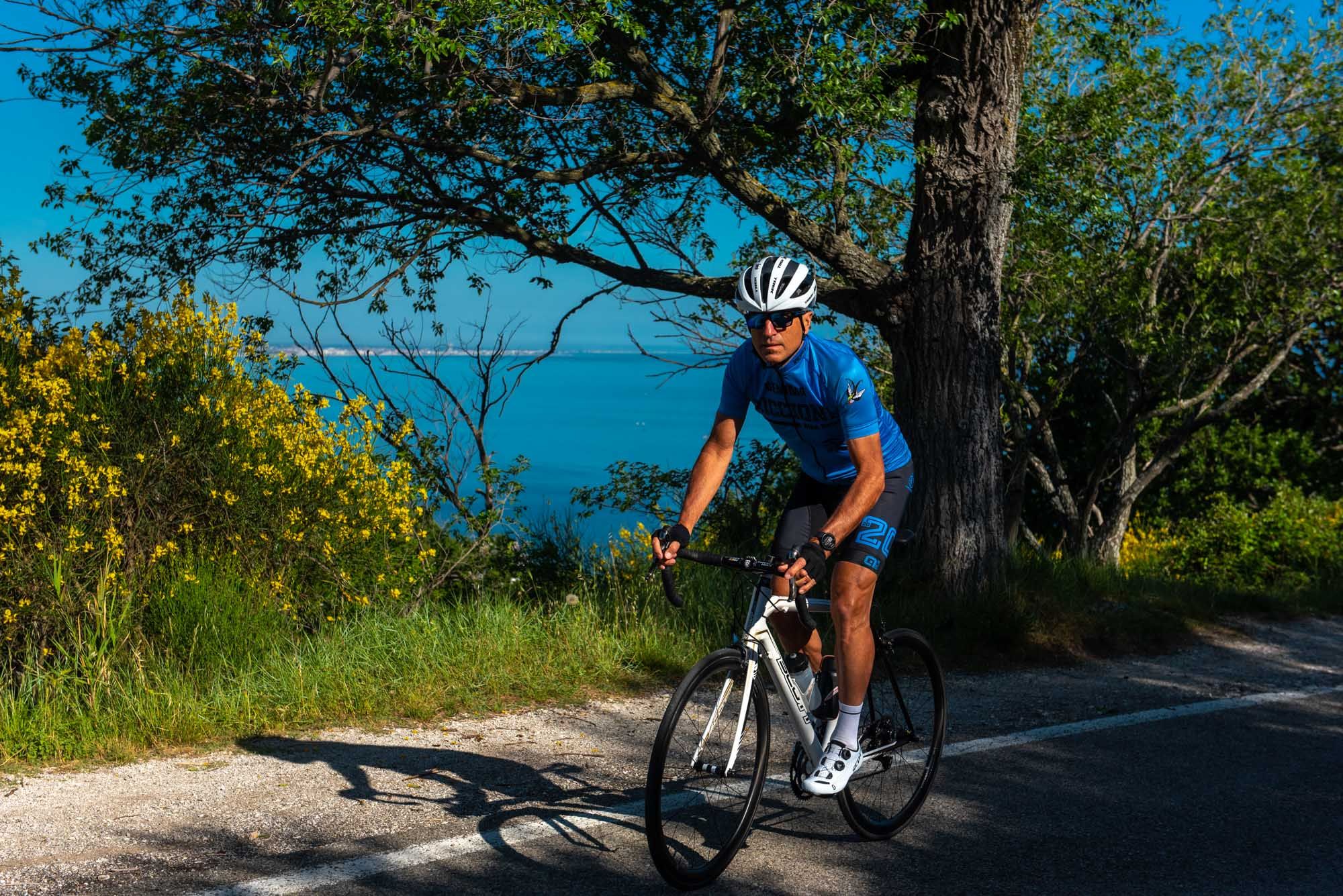
Explore Romagna on eight medium-difficulty rides
Discover the Romagna Riviera on three easy bike Tours
Adriatic Riviera and San Marino – cycle amid the sea and the Apennines
On the roads of the Pirata – discover the places of Marco Pantani
Preappennino 15K – a hilly crossing from Cattolica to Piacenza
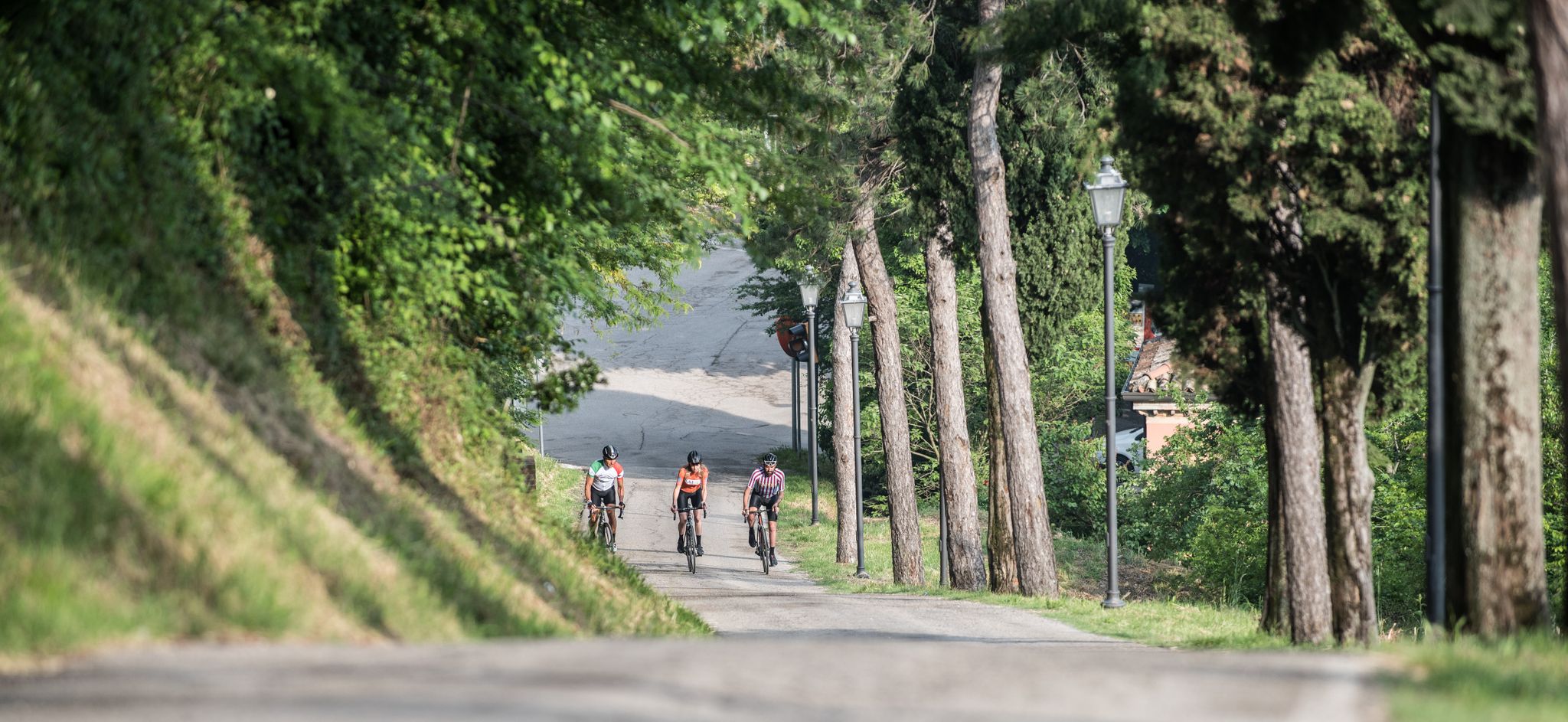
Enjoyment, culture and nature – cycling Tours in Italy’s Emilia Romagna region
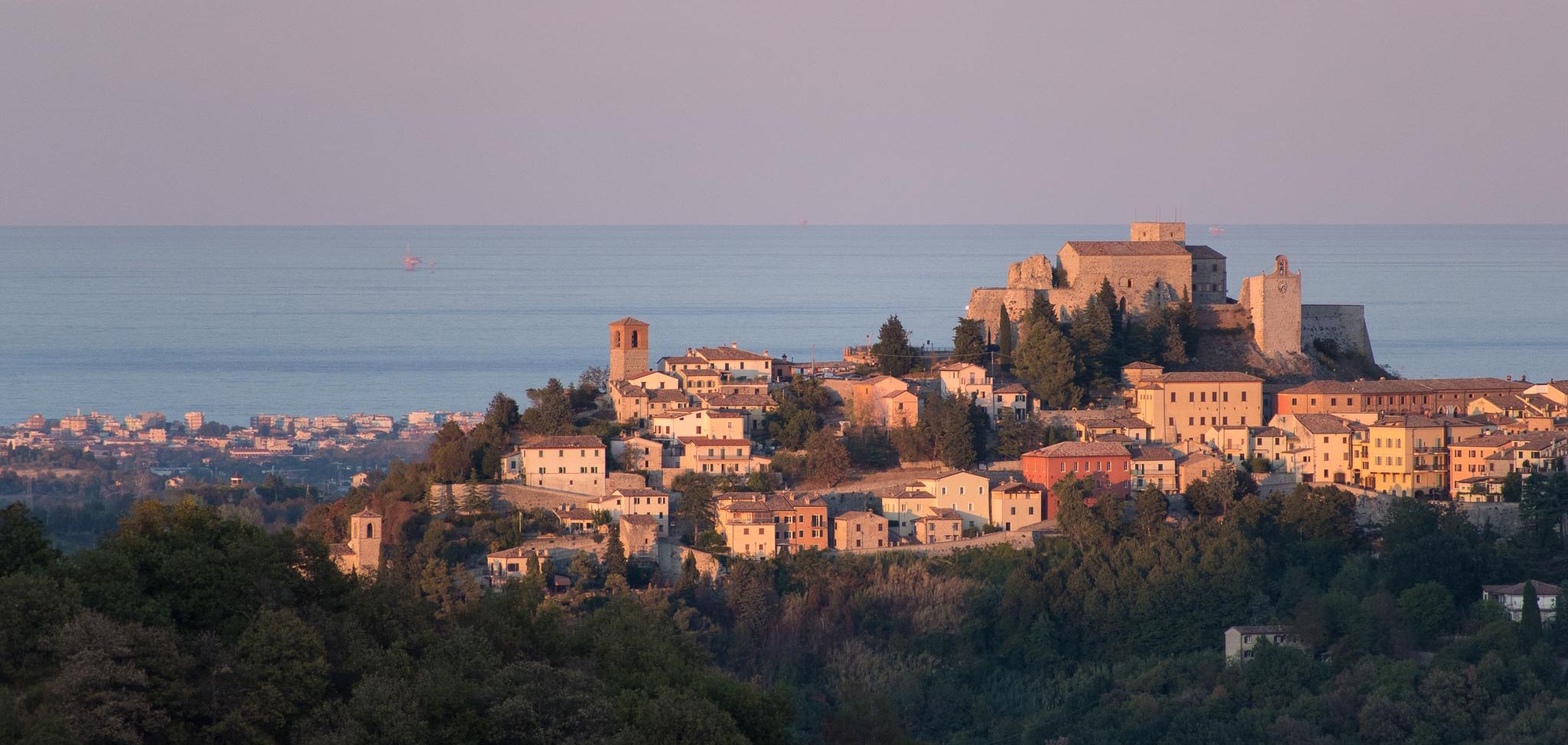
In the quiet backcountry of the Adriatic — cycling in Emilia Romagna
Other adventures in Rimini


Tips from the Community


History: Inaugurated on June 29, 1928 and sculpted by Filogenio Fabbri from Rimini, the Fountain of the Four Horses can be defined as one of the symbols of the Rimini Riviera. It is located inside the Federico Fellini Park and, in 1945, resisted the passage of the front. In the same year, the fountain was removed and placed in the then headquarters of the Fire Brigade, after which three of the four horses were transferred inside the Marecchia Park. The basin was demolished in 1954. Only in 1983, thanks to the perseverance of Umberto Bartolani and the sculptor's daughter, Fausta Fabbri, was the fountain returned to its original position. At the base, in the lower part, a plaque dated 1987 commemorates Ugo Stentori, the last restorer of the work. Description: The large main basin is circular in shape, symbolically representing the sea. From the water rise four sea horses, which spray water from their nostrils and support with their heads another, smaller basin, from which another jet extends upwards. taken from: https://it.wikipedia.org/wiki/Fontana_dei_Quattro_Cavalli
1
0

and beautiful
0
0
The Barafonda Whale The sperm whale that ran aground on the beach in April 1943 As with every event that has remained in the city's memory, over time it colors and distorts us. This is what happens with the "Barafonda Whale", a sperm whale that ran aground on April 4, 1943 on the beach of San Giuliano Mare. Some confuse the whale with another stranding, which had occurred previously and also at Barafonda, of an enormous sunfish. Others say that the sperm whale was killed by the military because it was mistaken for an enemy submarine. But what really happened? Before dawn that day, the fisherman Pino Bignardi went to retrieve his nets and found a dark mass that was puffing like a "pressure locomotive". It was an enormous marine animal! He therefore called his father and, immediately after, the two, armed with ropes, tied the animal and fixed it to a pole on the shore. The news spread quickly throughout the Barafonda and curious people, but also journalists, civil and military authorities arrived. It was decided to drag the cetacean to shore, but the operation was particularly difficult given that the animal, 12 meters long, 2.70 meters high, with a circumference of 6.30, weighed 63 quintals. As soon as the animal felt pulled, it gave a jerk making everyone fall to the ground, and even the help of some oxen failed since even the poor animals were brought down. In the stories of the people of Rimini it is emphasized how the locals were very quick to speculate on the event by improvising bicycle depots, taking the curious to see the whale with the batana or the clam shell, all obviously for a fee, while there was no shortage of street vendors of all kinds, only Bignardi, who had physically discovered the whale, did not get anything from it. The story then becomes bloody: the great sea creature could perhaps have been saved by taking it back to the open sea, while instead it was decided to kill it. From the wounds of the machine gun bursts, so much blood gushed that a long stretch of sea turned red. In its last gasps, the animal reared up its great tail, then it was the end. The carcass immediately went into putrefaction; it was sold to a certain Malatesta to make soap, but during the quartering many women managed to grab something for their laundry. taken from https://www.hotelcrosal.it/it/la_balena_della_barafonda.html
0
0

Bronze bust of Claudio Tintori, a physician who, together with Ruggero Baldini, initiated the development of tourism in Rimini in 1843, by investing in the first beach facilities.
1
0
The Barafonda whale The sperm whale that ran aground on the beach in April 1943 As with every fact that remains in the city's memory, over time it colors and deforms. This is what happens with the "Barafonda whale", a sperm whale that ran aground on 4 April 1943 on the beach of San Giuliano Mare. Some confuse the whale with another stranding, which occurred previously and also in Barafonda, of an enormous sunfish. Others say that the sperm whale was killed by the military because it was mistaken for an enemy submarine. But what really happened? Before dawn that day, the fisherman Pino Bignardi went to retrieve his nets and found a dark mass that snorted like a "locomotive under pressure". It was a huge marine animal! He therefore called his father and, immediately afterwards, the two, armed with ropes, tied the animal and secured it to a pole on the beach. The news immediately spread throughout the Barafonda and curious people arrived, but also journalists, civil and military authorities. It was decided to drag the cetacean to shore, but the operation was particularly difficult given that the animal, 12 meters long, 2.70 meters high, with a circumference of 6.30 metres, weighed 63 quintals. As soon as the animal felt itself being pulled it gave a tug causing everyone to fall to the ground, and even the help of some oxen failed as the poor beasts were also knocked down. In the stories of the people of Rimini it is underlined how the locals were very ready to speculate on the event by improvising bicycle depots, taking the curious to see the whale with the batana or the clam, obviously all for a fee, while there was no shortage of street vendors of all kinds, only Bignardi, who had physically discovered the whale, gained nothing from it. The story then becomes bloody: the large sea creature could perhaps have been saved by taking it back to the open sea, but instead it was decided to kill it. So much blood gushed from the wounds of the machine gun fire that it turned a long stretch of sea red. Among its last gasps the animal reared its large tail, then it was the end. The carcass immediately went to putrefaction; it was sold to a certain Malatesta to make soap, but during the quartering many women managed to grab something for their laundry. adapted from https://www.hotelcrosal.it/it/la_balena_della_barafonda.html
1
0
It practically flows into the sea, it could be the shortest river in the world... it is the Surcioun. I know, you've never heard of it. Few people know him even among the people of Rimini. I'm Renata from the Hotel Villa Perazzini. When I accompany my hotel guests on walks, I particularly love seeing their amazed look when they find themselves in front of something they never thought they would see in Romagna. One of the things that creates the greatest amazement is the Survòun, an ancient source of fresh (drinking) water that flows on the Viserbella shoreline. Many stories and legends are linked to Survòun. Consider that, until the 1960s, water flowed in such abundance that it created the phenomenon of quicksand. Our grandparents and parents often told of times when the Surcioun was their "bogeyman". It was said that a farmer had been swallowed up by quicksand along with an entire ox cart on a foggy day. It was probably a story invented by the elders to keep the more reckless children away from this area. Today there is no longer any trace of the quicksand and the spring is a pleasant discovery for tourists who want to soak their feet for a regenerating foot bath. It's wonderful to dip your feet in freezing water and then warm them in the sea! taken from https://www.hotelvillaperazzini.it/it/blog/73/Surci%C3%B2un-l%E2%80%99antica-fonte-di-acqua-dolce.html
2
0

The Rain Forest, a suggestive fountain that dominates Piazzale Roma, a tribute to the rain and the coolness that it brings with it, but also a reference to fishing and the sea, with six large columns of stratified natural glass holding up seven fishing nets from which it drips the rain, producing a musical clicking sound.
0
0
Frequently Asked Questions
What are some unique natural monuments to explore in Rimini?
Rimini offers several unique natural monuments. The Onferno Caves are a remarkable subterranean system featuring crystalline gypsum formations and a significant bat colony, offering an educational and adventurous experience. Another highlight is the Canyon del Marecchia, a natural canyon along the Marecchia river, providing scenic views accessible via a bike route. Additionally, the Parco della Cava Fossil Park, a reclaimed quarry, showcases a fossiliferous deposit and demonstrates nature's ability to transform landscapes.
Are there any natural monuments in Rimini that are particularly family-friendly?
Yes, several natural monuments in Rimini are suitable for families. The Parco della Cava Fossil Park is a theme and educational park that highlights a fossiliferous deposit, making it an engaging spot for children. The Ancient Surcioun Spring and the historic Cypress of Saint Francis are also family-friendly. For more relaxed outings, Rimini's urban parks like Marecchia Park and Cervi Park offer extensive green spaces for walks and relaxation.
What kind of geological features can I expect to see among Rimini's natural monuments?
Rimini's natural monuments showcase diverse geological features. The Onferno Caves are notable for their crystalline gypsum formations and mamelons, which are curious conical structures. The Canyon del Marecchia features impressive river-carved rock formations. The Parco della Cava Fossil Park is significant for its fossiliferous deposit, where fossil fish dating back millions of years have been found.
What outdoor activities can I do near Rimini's natural monuments?
Near Rimini's natural monuments, you can enjoy a variety of outdoor activities. For running enthusiasts, there are routes like the 'Rimini Green Loop' or 'Bellaria e Igea Marina – loop tour'. Mountain biking is popular with trails such as 'High Route of the Parks MTB - Stage 28' and 'Castelli di Verucchio e San Leo - giro ad anello'. If you prefer hiking, you can explore easy trails like 'Colle di Covignano Loop from Santuario delle Grazie' or 'Medieval fortress trail to Big Bench'. You can find more details on these activities in the Running Trails in Rimini, MTB Trails in Rimini, and Easy hikes in Rimini guides.
Are there any historical natural monuments in the Rimini area?
Yes, the Rimini area features natural monuments with historical significance. The Cypress of Saint Francis is a monumental plant said to have been planted by St. Francis himself in the 13th century, standing as a living testament to centuries of history. Additionally, the Rocca di Maioletto, while primarily a castle, is built on a gigantic natural boulder, blending historical architecture with a unique natural foundation.
What is the best time to visit the natural monuments in Rimini?
The best time to visit Rimini's natural monuments generally depends on the activity. Spring (April-May) and early autumn (September-October) offer pleasant temperatures for outdoor exploration, hiking, and cycling, avoiding the peak summer heat and crowds. For specific sites like the Onferno Caves, it's advisable to check their operating hours, as they might have seasonal closures or specific tour times.
Are there any natural monuments near Rimini that are suitable for dog owners?
While specific dog-friendly policies can vary, many outdoor natural areas and urban parks in Rimini are generally welcoming to dogs on a leash. Marecchia Park and Cervi Park, being large green spaces, are good options for walks with your dog. For more remote natural sites, it's always best to check local regulations or contact the specific reserve, such as the Onferno Regional Nature Reserve, beforehand.
Can I find any hidden gems or less-known natural monuments around Rimini?
Beyond the more prominent sites, the Ancient Surcioun Spring offers a tranquil natural spot. For those willing to venture further, the Sibillini Mountains National Park, though a drive away, is a vast protected area with peaks, gorges, and waterfalls, offering a truly immersive natural experience away from the immediate Rimini bustle.
What should I wear when visiting natural monuments in Rimini, especially the caves or canyons?
For visits to natural monuments like the Onferno Caves or the Canyon del Marecchia, it's recommended to wear comfortable clothing that you don't mind getting dirty, as passages can be narrow and involve crawling or navigating rocky terrain. Sturdy, closed-toe shoes with good grip are essential. For the caves, a light jacket might be useful due to cooler temperatures underground. For outdoor trails, layers are always a good idea, along with sun protection.
Are there any natural monuments in Rimini that are wheelchair accessible?
While many natural monuments involve uneven terrain, some urban green spaces in Rimini offer better accessibility. The Parco del Mare (Seawellness Park) is a new waterfront project designed with sustainable mobility in mind, featuring green spaces and promenades that are generally accessible. For specific natural monuments, accessibility can be limited due to their natural features. It's always best to check individual site information for detailed accessibility options.
Where can I find information about the wildlife in Rimini's natural monuments?
Rimini's natural monuments are home to diverse wildlife. The Onferno Caves are particularly known for housing the most important bat colony in the Emilia-Romagna region, with eight different species. The Onferno Regional Nature Reserve, which encompasses the caves, is a place of special scientific interest, suggesting a rich biodiversity. Urban parks like Marecchia Park also provide habitats for local bird species and small animals. For more detailed information on local fauna, regional nature reserve websites or local tourism resources like rimini-tourism.com can be helpful.
How long should I plan for a visit to Rimini's natural monuments?
The duration of your visit depends on the specific natural monument. A guided tour of the Onferno Caves typically takes a couple of hours. Exploring the Parco della Cava Fossil Park or cycling along the Canyon del Marecchia can range from a few hours to half a day, depending on your pace and how much you wish to explore. For urban parks like Marecchia Park or Cervi Park, you can spend anywhere from an hour for a leisurely stroll to several hours enjoying the green spaces.
Most popular routes in Rimini
Most popular attractions in Rimini

Get inspired with the komoot mobile app


Didn’t find what you were looking for?
Find even more amazing natural monuments in Rimini by checking out the top Highlights region by region:
Explore more
Extend your search for the best caves by checking out these guides of the top ones in Rimini:
