Top 20 Natural Monuments in León
Natural monuments in León, a province in the Castile and León region of Spain, showcase diverse landscapes and geological wonders. These sites offer a blend of historical significance, unique geological formations, and opportunities for outdoor activities. The region features dramatic limestone spires, deep gorges, ancient Roman mining landscapes, and lush valleys. Visitors can explore a variety of natural settings, from eroded hills to extensive cave systems.
Best natural monuments in León
- The most popular natural monument is Orellán Galleries,…
Last updated: June 26, 2026
Orellán Galleries
Highlight • Historical Site
Translated by Google •
Tip by

La Encantada Cave and La Cuevona
Highlight • Cave
Translated by Google •
Tip by
Sign up now to discover places like this
Get recommendations on the best single tracks, peaks, & plenty of other exciting outdoor places.
Sign up for free
Gilbo Peak
Highlight • Summit
Translated by Google •
Tip by
Tombo Viewpoint
Highlight • Viewpoint
Translated by Google •
Tip by
Ciñera Beech Forest
Highlight • Forest
Translated by Google •
Tip by
Las Médulas
Highlight • Historical Site
Translated by Google •
Tip by
Follow the water
Highlight • Gorge
Translated by Google •
Tip by
Las Médulas Roman Gold Mines
Highlight • Historical Site
Translated by Google •
Tip by
Alto de la Farrapona
Highlight • Mountain Pass
Translated by Google •
Tip by

La Cubilla Pass
Highlight • Mountain Pass
By MTB you can get there …
Translated by Google •
Tip by

Sign up for free to discover even more natural monuments in León.
Sign up for free
Already have an account?
Start today with a free account
Your next adventure awaits.
Login or Signup
Popular around León
Camino Francés and Camino Finisterre – Cycling pilgrimages in Spain
Santiago de Compostela – A journey through northern Spain (10 days)
Road to Lisbon – bikepacking the Alps, Pyrenees and Picos de Europa
Senda del Arcediano (GR 210) - A historical hike through the Picos del Picos
Legendary climbs - Ports of La Vuelta a España
Height Challenges — Ports in Castilla y León
Enduro in the mining basin of León – Zona Alfa
12 hiking gems throughout Spain
Along a Roman road to Asturias in Spain – Camino Real de la Mesa (GR 101)
TransCantabrica – Extreme mountain biking in northern Spain
Other adventures in León


Tips from the Community

Brutal landscape, the climb in the last section is a bit tough but doable little by little. Those with vertigo should abstain. Be careful on the descent. Highly recommended!
0
0

The pass is now paved and can be driven on by car.
1
0

During the mining era, this pass served as a discreet link between mines on either side, and minimal traces of old cart and mule traffic remain, though they don't coincide with the current road. From above, the wind is almost constant, and the view towards the Saliencia lakes has that air of a "natural viewpoint" before the term even existed. It's perfect to mark on Komoot as a key point on your route due to its spaciousness, its somewhat hidden history, and its character as a natural border.
1
0
Upon reaching the summit, you don't arrive at a village or a tourist center, but rather at a kind of natural balcony overlooking the Lena mountain passes, which gives a strange feeling, as if you've stepped onto an empty stage. And on clear days, the wind is louder among the mountain passes than any car, because traffic is minimal.
0
0
For decades, La Cubilla was practically a ghost town: a road built to connect mining valleys, used more by livestock farmers and scattered trucks than by travelers. This lack of traffic left a remarkably clean route, free of curves, absurd straights, and modern widenings: pure mountain design from another era. That's why many cyclists say it "looks more like an Alpine pass than a Cantabrian one," with those giant limestone walls silently accompanying you.
0
0

The view from the top of Gilbo Peak, known as the Matterhorn of León, is simply spectacular. From its 1,679-meter altitude, you can enjoy breathtaking views of the Riaño reservoir, the León fjords, and the mountains of the Riaño and Mampodre Mountain Regional Park.
1
0
The Mirador del Tombo is one of the most impressive views in the Valdeón Valley, in the Picos de Europa. Located very close to the village of Cordiñanes de Valdeón, it offers spectacular views of the Cares Gorge and the Central Massif of the Picos de Europa.
4
0

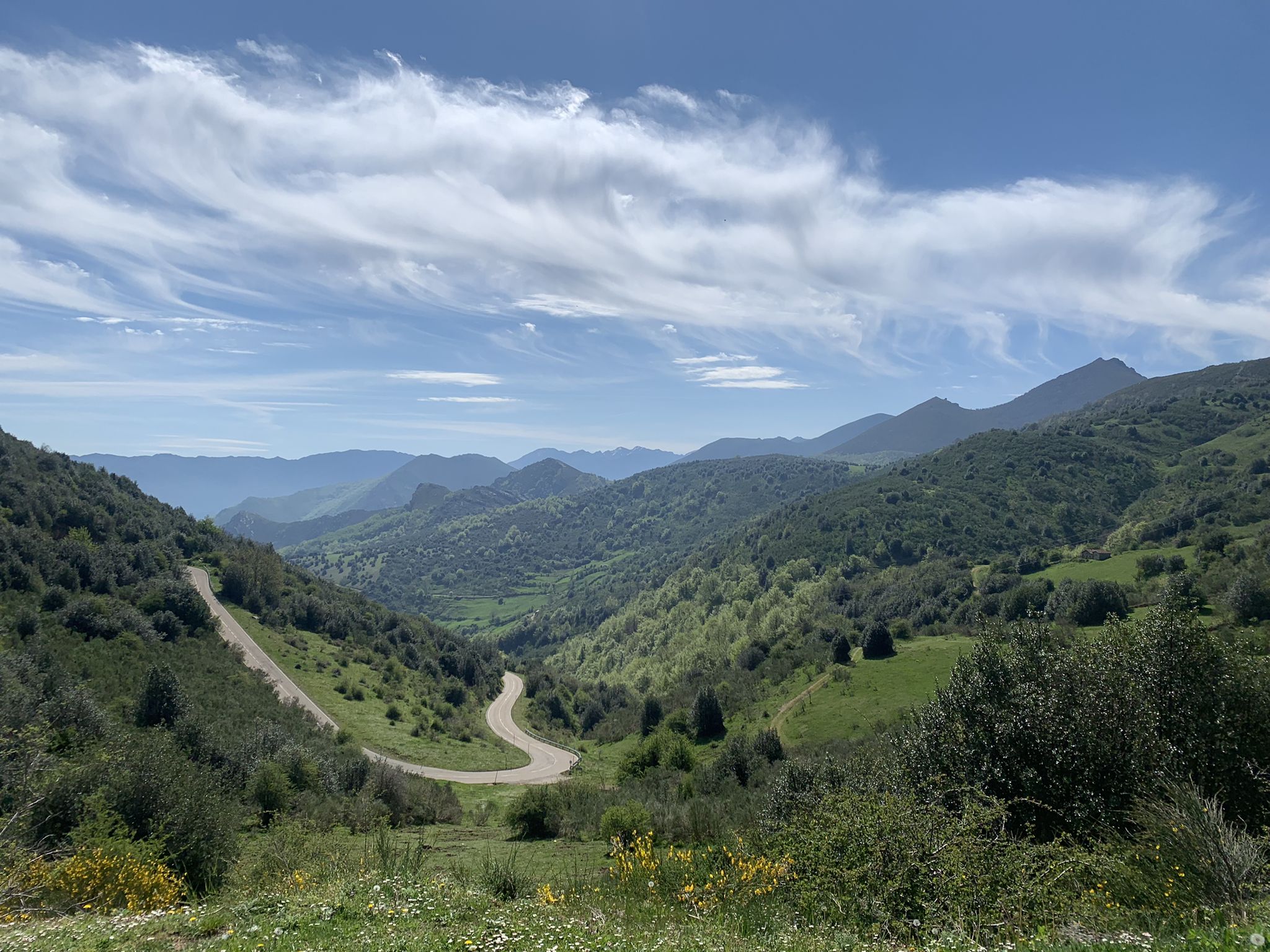
The La Cubilla mountain pass is located at an altitude of 1,683 meters, on the border between Asturias and León. Its rugged terrain and the beauty of its surroundings have earned it the title of stage finisher of the Vuelta a España, making it one of the most iconic climbs among cyclists.
0
0
Frequently Asked Questions
What unique geological features can I explore in León's natural monuments?
León's natural monuments offer a diverse range of geological wonders. You can explore the dramatic, orange-hued eroded hills of Las Médulas, a UNESCO World Heritage site formed by ancient Roman gold mining. The Hoces de Vegacervera features breathtaking limestone gorges with vertical cliffs and formations like "marmitas de gigante." Additionally, the Picos de Europa National Park, partly in León, is known for its impressive limestone spires and deep canyons.
Where can I find the best panoramic views of León's natural landscapes?
For stunning panoramic views, consider visiting Gilbo Peak, which offers expansive vistas of the Riaño Reservoir and surrounding mountain ranges. The Orellán Galleries provide an impressive viewpoint over the unique landscape of Las Médulas. Other notable viewpoints include Tombo Viewpoint and La Cubilla Pass, both offering spectacular mountain scenery.
Are there any impressive caves or underground formations to visit in León?
Yes, León is home to fascinating underground formations. In Las Médulas, you can explore the ancient Roman mining tunnels of La Encantada Cave and La Cuevona, which offer unique insights into historical mining techniques. The Valporquero Cave, located within the Hoces de Vegacervera, is another major highlight, known for its immense stalactites, stalagmites, and subterranean rivers.
What historical significance do some of León's natural monuments hold?
Many of León's natural monuments are deeply intertwined with history. Las Médulas is a prime example, being a UNESCO World Heritage site and an ancient Roman gold mine. Its landscape was dramatically shaped by the Roman 'Ruina Montium' mining technique, and you can still find ancient aqueducts, canals, and settlements. The Orellán Galleries and La Encantada Cave and La Cuevona are direct remnants of this Roman engineering.
Are there family-friendly natural monuments in León?
Yes, several natural monuments in León are suitable for families. The Ciñera Beech Forest offers easy, flat paths perfect for walks with children, especially beautiful in autumn. The Tombo Viewpoint is also considered family-friendly, providing accessible views. While some areas require more effort, many sites offer accessible sections or shorter trails for all ages.
What outdoor activities can I do near these natural monuments?
León's natural monuments are excellent for outdoor activities. You can enjoy extensive hiking and trekking, particularly in the Picos de Europa National Park and around Cordiñanes de Valdeón, which is close to the famous Cares route. Rock climbing is popular in Hoces de Vegacervera, and speleology (caving) is an option in Valporquero Cave. For more specific routes, you can explore waterfall hikes, running trails, or road cycling routes in the León region.
What is the best time of year to visit the natural monuments in León?
The best time to visit largely depends on the specific monument and activity. Autumn is particularly recommended for places like the Ciñera Beech Forest, when the foliage displays spectacular colors. Spring and early summer are ideal for hiking in mountainous areas like Picos de Europa, offering pleasant temperatures and lush landscapes. While some areas are accessible year-round, winter can bring snow to higher elevations, making some trails more challenging.
Can I find wildlife in the natural monuments of León?
Yes, León's natural monuments are rich in biodiversity. Areas like the Picos de Europa National Park and the Hoces de Vegacervera support a wide array of flora and fauna, including various bird species and mammals. The Lago de Sanabria Natural Park, though primarily in Zamora, is also noted for its diverse ecosystems, with over 1,500 plant species and numerous birds and large mammals, making it a great spot for nature observation.
Are there any natural monuments suitable for easy walks or less strenuous activities?
For easier walks, the Ciñera Beech Forest offers a gentle, flat path along the Ciñera stream, perfect for a relaxed stroll. The viewpoints like Tombo Viewpoint are generally accessible and provide rewarding views without extensive hiking. Many areas within Las Médulas also have well-maintained paths suitable for moderate activity.
What do visitors enjoy most about the natural monuments in León?
Visitors frequently praise the stunning scenery and the unique blend of natural beauty and historical significance. The dramatic landscapes of Las Médulas, with its orange-hued eroded hills, are often highlighted. The impressive views from places like Gilbo Peak and the immersive experience of exploring ancient Roman mining tunnels like Orellán Galleries are also highly rated. The opportunity for diverse outdoor activities, from hiking to caving, also contributes to a memorable experience.
Are there any natural monuments in León that are recognized internationally?
Yes, Las Médulas is a UNESCO World Heritage site, recognized for its exceptional cultural landscape shaped by Roman gold mining. This international recognition underscores its immense historical and natural value, making it a globally significant destination.
What kind of flora and fauna can I expect to see in León's natural monuments?
León's natural monuments boast rich biodiversity. In areas like the Hoces de Vegacervera, you'll find forests of beech and oak, junipers, and riverbank vegetation such as willows and poplars. The Picos de Europa National Park is known for its diverse ecosystems supporting a wide array of wildlife. While primarily in Zamora, the Lago de Sanabria Natural Park, often associated with the broader region, features over 1,500 recorded plant species and diverse fauna, including 76 types of birds and 17 large mammals.
Most popular routes in León
Most popular attractions in León

Get inspired with the komoot mobile app


Didn’t find what you were looking for?
Find even more amazing natural monuments in León by checking out the top Highlights region by region:
Explore more
Extend your search for the best caves by checking out these guides of the top ones in León:
