Top 20 Natural Monuments in Kent
Best natural monuments in Kent showcase the region's diverse geology, rich biodiversity, and varied landscapes. Kent, often referred to as the "Garden of England," features protected natural areas set aside to preserve specific landforms, geological features, and living elements. These areas offer opportunities to experience the natural heritage of the English Channel coast and inland areas. The county's natural monuments include iconic chalk cliffs, expansive parklands, and unique coastal habitats.
Best natural monuments in Kent
- The most popular natural monuments…
Last updated: October 13, 2026
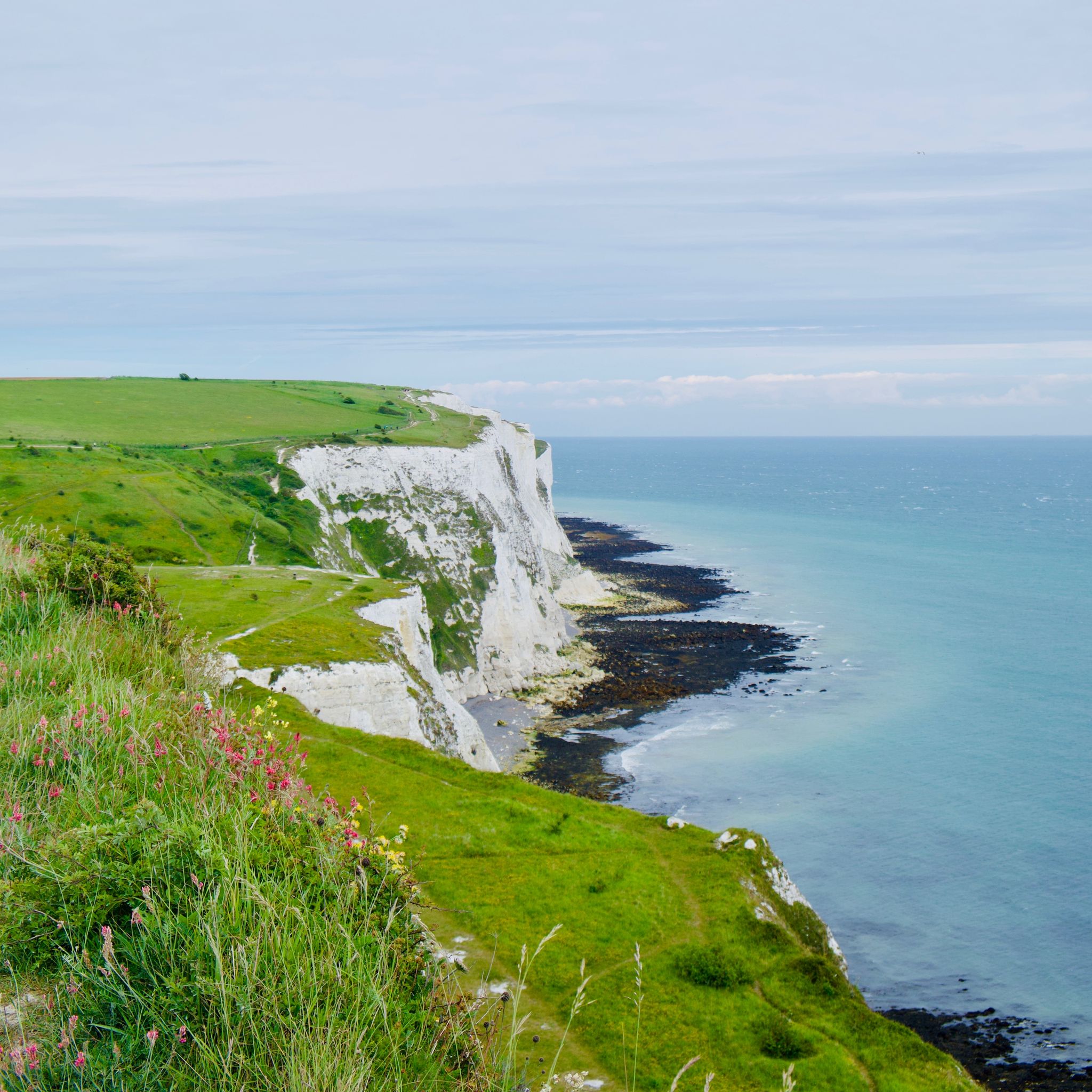
The White Cliffs of Dover
Highlight • Natural Monument
Tip by

Knole House and Deer Park
Highlight • Castle
Tip by

Sign up now to discover places like this
Get recommendations on the best single tracks, peaks, & plenty of other exciting outdoor places.
Otford
Highlight • Structure
Tip by

Kingsgate Bay and the Chalk Cliffs
Highlight • Natural Monument
Translated by Google •
Tip by

Botany Bay Chalk Cliffs
Highlight • Beach
Translated by Google •
Tip by

Lullingstone Country Park and Lullingstone Castle
Highlight • Natural Monument
Tip by

Lenham Cross
Highlight • Natural Monument
Translated by Google •
Tip by

White Cliffs of Dover Coastal Path
Highlight (Segment) • Trail
Translated by Google •
Tip by

Viewpoint Over the White Cliffs of Dover
Highlight • Viewpoint
Tip by

Botany Bay
Highlight • Viewpoint
Translated by Google •
Tip by

Sign up for free to discover even more natural monuments in Kent.
Already have an account?
Start today with a free account
Your next adventure awaits.
Popular around Kent

Cantii Way — A lap of the Garden of England
E9 Plymouth to Dover — An epic exploration of England's south coast
Wealdway — Hike up hill and down dale in rural South East England
High Weald Landscape Trail — Hike the medieval heart of the South East
Sussex Border Path — A historic hike through medieval landscapes
From Amsterdam to London - along the North Sea and across the water
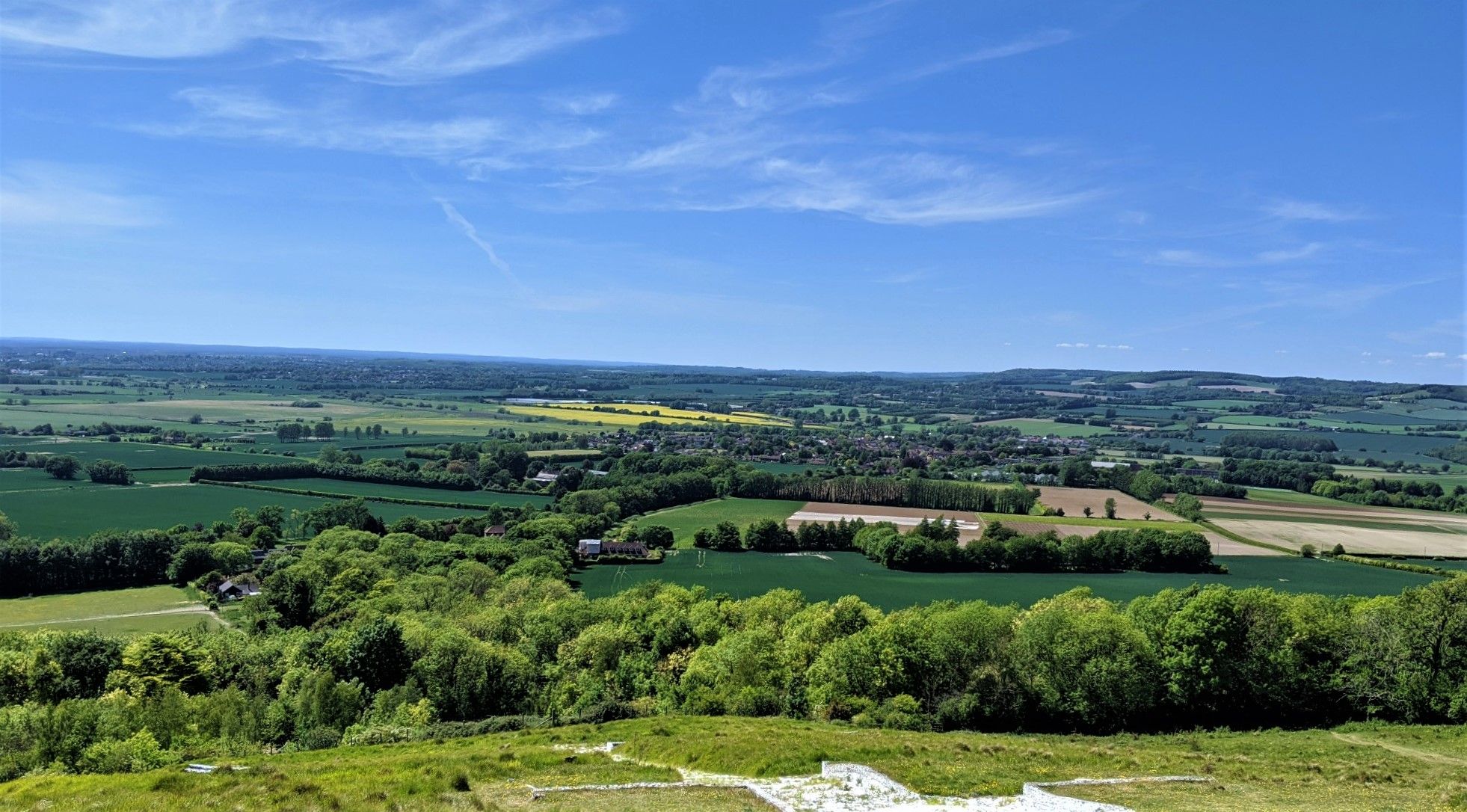
Stour Valley Walk — Hike through Kent's finest scenery to the sea
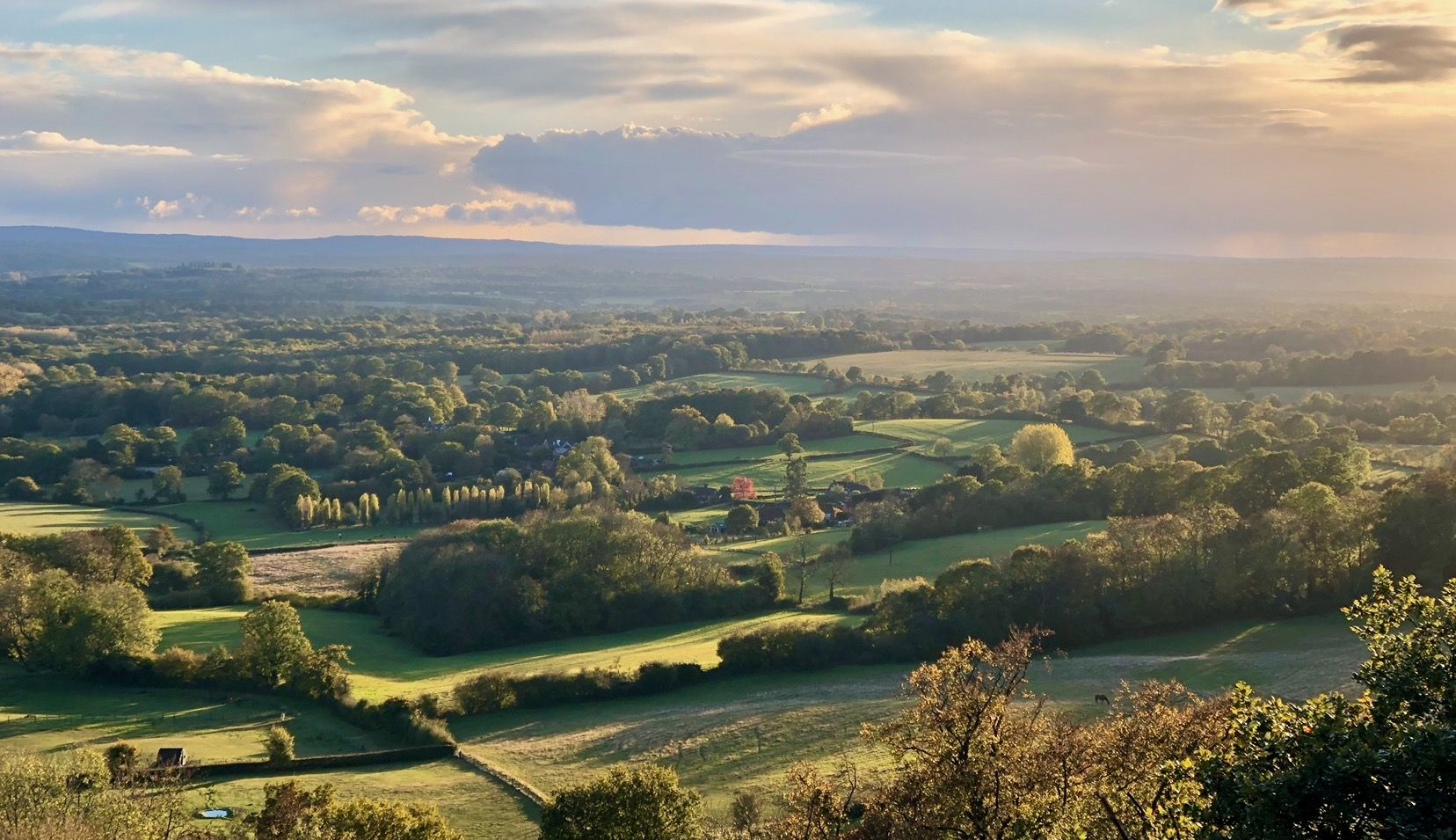
Greensand Way — A spellbinding ridge-hike across Surrey and Kent
Cycling the Garden of England – orchards, cliffs and maritime history
Saxon Shore Way — A historic hike along breathaking coastline


Tips from the Community

worthwhile coastal path however, offers no shade
0
0

Otford Duck Pond is a historic and picturesque landmark nestled in the heart of Otford village, near Sevenoaks, in the scenic Darent Valley of Kent, England. Situated at an elevation of approximately 62 meters, this charming pond holds the unique distinction of being the only Grade II listed duck pond in the United Kingdom, recognized for its historical and community significance. Surrounded by graceful willow trees and home to a dedicated duck house, it serves as a tranquil focal point within the village. Visitors consistently praise the pond's idyllic setting and historical charm, often describing it as a beautiful and lovely start to any exploration of Otford. Its singular status as a listed monument, coupled with the peaceful atmosphere created by the resident ducks and surrounding greenery, makes it a truly special place. The scenic importance of this part of the village centre is widely appreciated, drawing people to enjoy its quiet beauty. The pond is centrally located within
0
0

Botany Bay, one of Thanet's most photographed bays, is famous. This hidden gem offers breathtaking views of white cliffs and beautiful chalk formations. At low tide, Botany Bay is an ideal spot for fossil hunting and exploring the tide pools. At high tide, there's plenty of exposed sand to discover, but due to the bay's shape, the ends are cut off at high tide. Helpful tide chart website: https://www.tideschart.com/United-Kingdom/England/Southend--on--Sea/Botany-Bay-Beach/
3
0
Kingsgate Bay was originally called St. Bartholomew's Gate until King Charles II landed here in 1683 with his brother, the Duke of York, and ordered the renaming. Kingsgate Castle, built in 1763, stands majestically above the beach. Kingsgate Bay is home to some of the most beautiful sea caves in Thanet and is approximately 150 meters wide. The sandy bay offers peace and seclusion and is accessible via a steep staircase. At high tide, the sand is exposed, but the beach is cut off from the sea at both ends. https://www.visitthanet.co.uk/plan-your-visit/weather-and-tide-times/
3
0

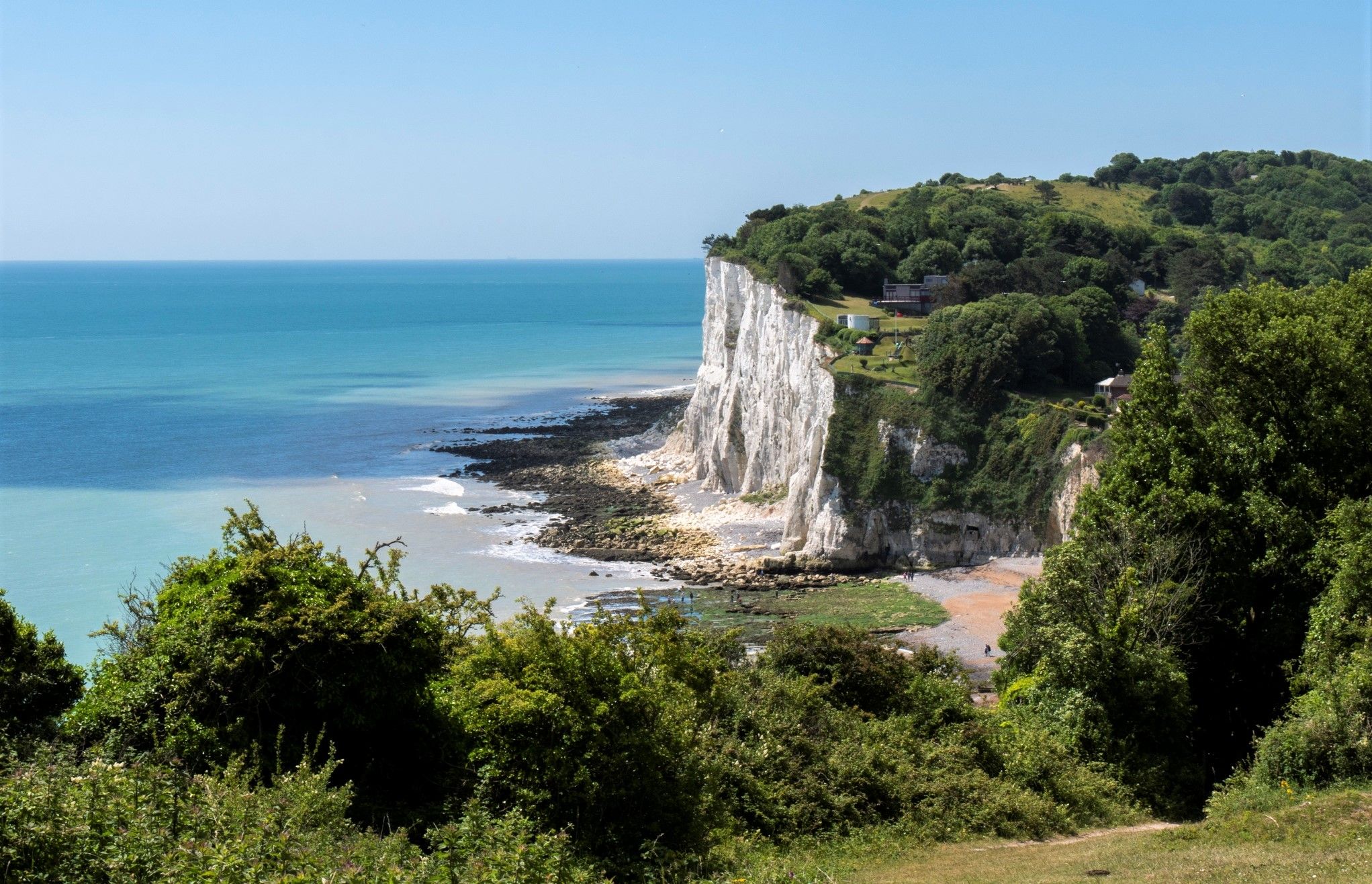
Millions of years of phytoplankton forming chalk. Stunning views of the chalk cliffs from varying points on the coastal pathways.
0
0

The community of Lenham commemorates the dead of the Second World War with a horizontal stone cross.
0
0


A relatively modern chalk symbol sculpted in the hillside
0
0
Frequently Asked Questions
Which natural monuments in Kent are particularly good for families?
Several natural monuments in Kent are ideal for family visits. Knole House and Deer Park offers expansive grounds where children can see wild sika and fallow deer. Kingsgate Bay and the Chalk Cliffs is great for exploring rock pools and caves at low tide, while Lullingstone Country Park provides trails and open spaces for family activities. The unique Otford Duck Pond, a Grade II-listed site, is also a charming spot for a family outing.
What kind of geological features can I explore among Kent's natural monuments?
Kent is renowned for its dramatic geological formations. The iconic White Cliffs of Dover are a prime example, towering up to 350 feet above sea level. You can also explore the distinctive chalk stacks and caves at Botany Bay. The Kent Downs AONB itself features ridges and valleys formed by the erosion of the Wealden dome, offering diverse landscapes.
Are there good hiking opportunities near Kent's natural monuments?
Yes, Kent offers excellent hiking opportunities. The Kent Downs AONB includes sections of the North Downs Way National Trail. For specific routes, you can find moderate hikes like the 'Otford loop to Round Hill & the North Downs Way' or the 'North Downs Way: Wye Circular' in the Hiking in Kent guide. The cliff-top paths along the White Cliffs of Dover also provide scenic walks.
What is the best time of year to visit the natural monuments in Kent?
The best time to visit Kent's natural monuments largely depends on your interests. Spring (April-May) is beautiful for seeing bluebell woods in the Kent Downs and diverse orchids. Summer (June-August) is ideal for coastal visits to places like Botany Bay and the White Cliffs, offering clear views and pleasant weather. Autumn (September-October) provides stunning foliage in the woodlands, while winter (November-March) is excellent for birdwatching at sites like Pegwell Bay Country Park, which attracts thousands of wading birds.
Can I find natural monuments in Kent that are suitable for dog walking?
Many natural monuments in Kent are dog-friendly, especially those with extensive parkland and trails. Knole House and Deer Park is a popular choice for dog walkers, offering vast open spaces. Coastal paths, such as those near the White Cliffs of Dover or Kingsdown Beach, are also generally welcoming to dogs, though always check for local restrictions, especially during nesting seasons or on specific beach sections.
Where can I observe wildlife among Kent's natural monuments?
Kent is rich in wildlife. Knole House and Deer Park is home to a 350-strong herd of wild sika and fallow deer. Pegwell Bay Country Park is a haven for birdwatchers, with its salt marshes and mudflats attracting thousands of wading birds. Dungeness National Nature Reserve, one of Europe's largest shingle landscapes, is also a significant site for diverse bird species, including cormorants and marsh harriers.
Are there any natural monuments in Kent with historical significance?
Yes, several natural monuments in Kent intertwine with history. The White Cliffs of Dover are a powerful symbol of England, with significant historical importance, particularly during wartime. Lenham Cross is a natural monument with historical ties. Additionally, the Kent Downs AONB contains woodlands that have existed since around 1600 AD, and areas like The Warren, Folkestone, also have historical connections.
What kind of coastal natural monuments can I visit in Kent?
Kent's coastline offers several stunning natural monuments. Beyond the famous White Cliffs of Dover, you can explore Kingsgate Bay and the Chalk Cliffs, known for its distinctive chalk stacks and caves. Kingsdown Beach also offers beautiful coastal views. Further along, Pegwell Bay Country Park provides unique coastal habitats with salt marshes and mudflats.
Are there opportunities for cycling or gravel biking near Kent's natural monuments?
Yes, there are cycling and gravel biking opportunities. The Kent Downs AONB offers trails suitable for cycling, and coastal areas like Botany Bay are part of the Viking Coastal Trail. For gravel biking, you can explore routes such as the 'Mosquito Coast Singletrack' or the 'King's Wood – North Downs Way' loop, detailed in the Gravel biking in Kent guide.
What amenities are typically available near Kent's natural monuments?
Amenities vary by location. Popular sites like the White Cliffs of Dover have a visitor centre with free maps, a gift shop, and a coffee shop. Many country parks, such as Lullingstone Country Park, offer facilities like parking, toilets, and sometimes cafes. Charming villages within the Kent Downs AONB or near coastal areas often provide pubs, cafes, and accommodation options. It's always advisable to check specific monument websites for detailed amenity information before your visit.
What are some lesser-known natural monuments in Kent worth discovering?
While the White Cliffs are iconic, Kent has many other natural gems. The Wye Downs, part of the Kent Downs AONB, offers incredible views of Devil's Kneading Trough and is known for rare orchids. Pegwell Bay Country Park is a unique coastal habitat renowned for its birdlife and stunning views of Ramsgate's white cliffs. Dungeness National Nature Reserve provides an otherworldly shingle landscape and rich birdlife, offering a truly distinctive experience.
Most popular routes in Kent
Most popular attractions in Kent

Get inspired with the komoot mobile app


Didn’t find what you were looking for?
Find even more amazing natural monuments in Kent by checking out the top Highlights region by region:
Explore more
Extend your search for the best caves by checking out these guides of the top ones in Kent:
