Top 5 Natural Monuments around Halton
Best natural monuments around Halton offer diverse natural landscapes and historical significance. The region features wetlands, forests, and elevated viewpoints, providing varied outdoor experiences. These areas often preserve unique ecosystems and offer insights into local history. Halton's natural monuments are characterized by their ecological value and geological features.
Best natural monuments around Halton
- The most popular natural monuments is Hale Duck Decoy Nature Reserve, a natural monument that includes a historic duck decoy and wetlands. This site is a…
Last updated: June 26, 2026
Hale Duck Decoy Nature Reserve
Highlight • Natural Monument
Tip by

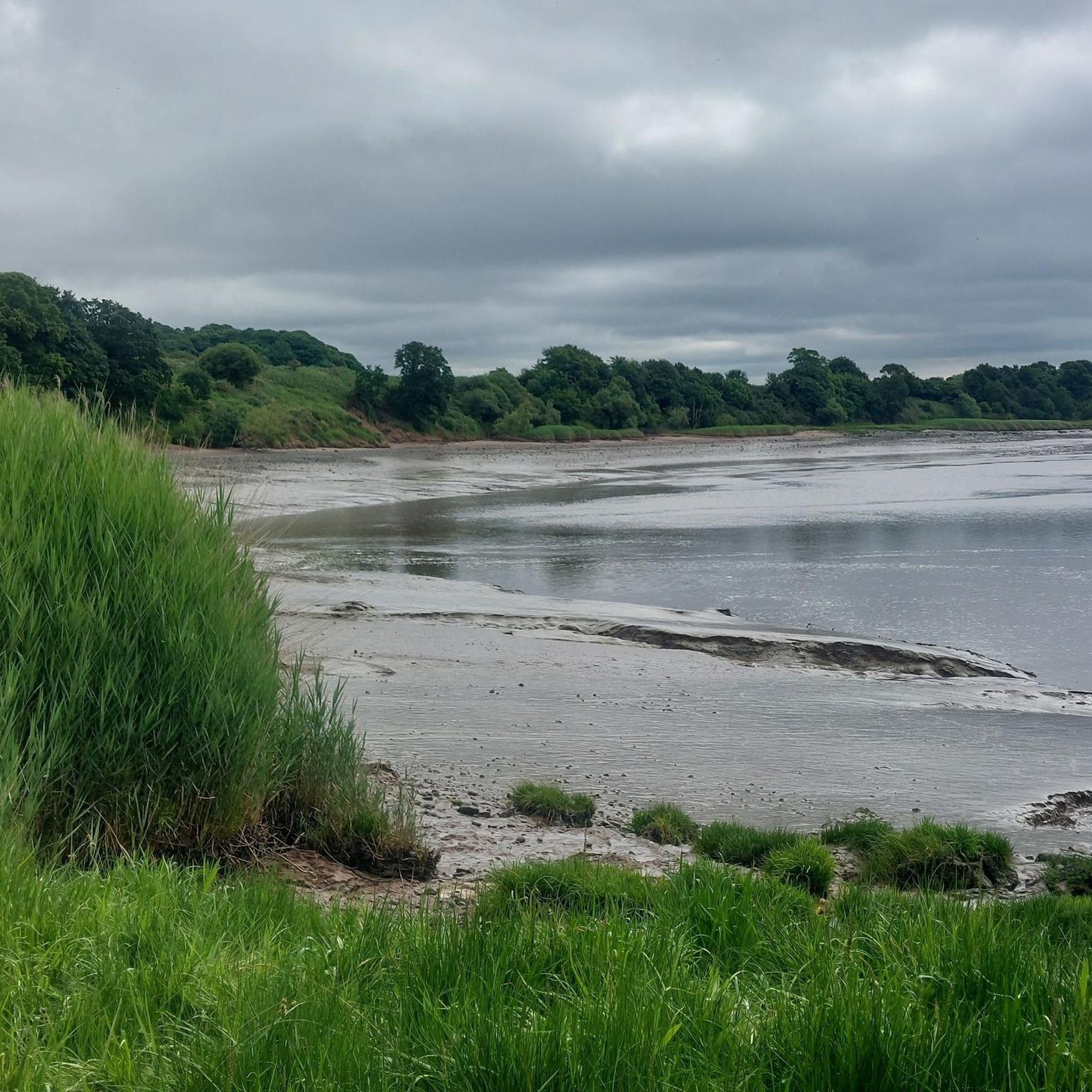
View of the Mersey Estuary from Pickerings Pasture
Highlight • Natural Monument
Tip by
Sign up now to discover places like this
Get recommendations on the best single tracks, peaks, & plenty of other exciting outdoor places.
Sign up for free
Daresbury Firs Local Nature Reserve
Highlight • Natural Monument
Tip by

Victoria Park War Memorial and Monuments, Widnes
Highlight (Segment) • Monument
Tip by

View from Runcorn Hill
Highlight • Forest
Tip by

Start today with a free account
Your next adventure awaits.
Login or Signup

Tips from the Community

Victoria park was opened in 1900 to celebrate the Diamond Jubilee of Queen Victoria. It is built on the former Appleton House estate and was created by the local council with funds collected via a public subscription. The park contains a Grade II listed war memorial pillar incorporating detailed carvings and standing more than 16m high, the memorial is a striking and prominent architectural building. The pillar was designed by Harold E Davies and unveiled by the 17th Earl of Derby in a ceremony on 28 September 1921 after a civic parade from Widnes Town Hall. The memorial cost £6,000 and was paid for by public subscription. The sculptural additions were undertaken by the national artist Herbert Tyson Smith. There is a memorial fountain in honour of William Ewart Gladstone. A milestone marker, with plaque, commemorates the last effective Zeppelin air raid of World War I in England. Five Zeppelins dropped bombs in Widnes, Ince and Wigan. There is a statue of Sgt. Thomas Mottershead V.C., DCM (1892–1917) who was born in Widnes and was awarded a Victoria Cross and Distinguished Conduct Medal in World War I. There is also a combined memorial headstone for Mottershead and two other recipients of the V.C. from Halton namely Thomas Wilkinson and Thomas Alfred Jones. Thomas Mottershead was born in Widnes, Lancashire on 17 January 1892. He was the son of Thomas and Lucy Mottershead. He studied engineering at Widnes Technical School and was apprenticed as a fitter and turner after leaving school. In February 1914, he married Lilian Medlicott Bree and the couple had a son, Sydney, the following year. Mottershead was living at 31 Lilac Avenue in Widnes and working as a garage mechanic when World War I broke out. He enlisted in the Royal Flying Corps on 10 August 1914 as a mechanic, and was posted to the Central Flying school at Upavon and was promoted to Sergeant on 1 April 1916. In May 1916 he began pilot training and on 9 June he obtained his Flying Certificate. He was posted to No.25 Squadron at St Omer, flying the FE 2, on 6 July 1916 and saw action in the Battle of the Somme. Wikipedia
0
0

It was such a wonderful place to stop with views of both bridges and the river Mersey
6
0
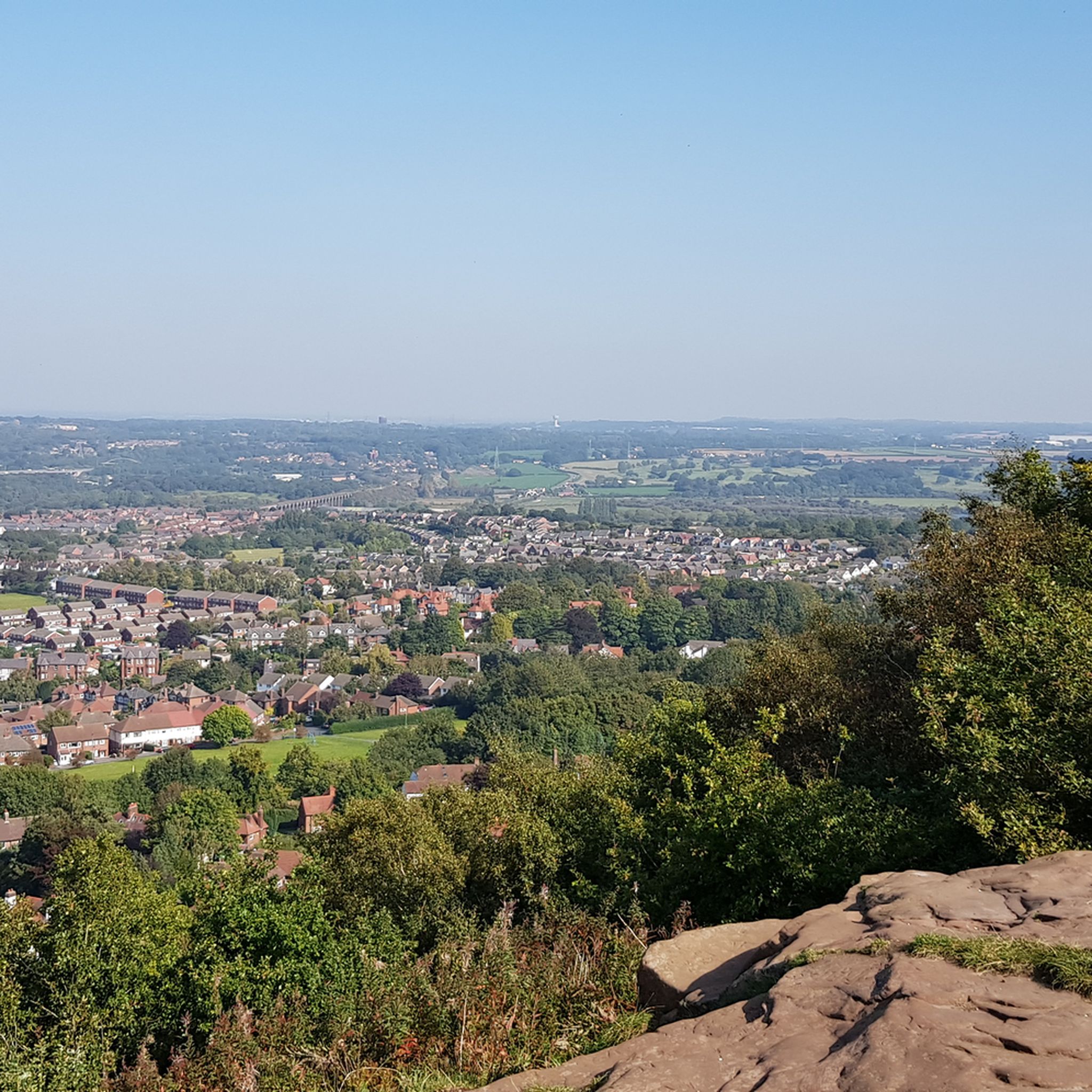
Runcorn Hill (park & local nature reserve) is situated in the heart of Runcorn (old town). Commanding panoramic views over the Mersey Estuary looking north west to Liverpool, south west to the Welsh hills and south east to Frodsham and Delamere. The habitats cover lowland heath with scattered scrub of gorse, silver birch, wooded hillside, formal parkland, playing fields and recreational small lake. The football fields to the east of the site alongside Park Road are good for Black-headed Gull loitering and good numbers of Jackdaw. Since 2016 a Nordic (type) Jackdaw has been present with its fellow corvids. The East Quarry is an area of heath with patches of bramble and silver birch. A small pool attracts passerines to bathe and drink and can be good for spring and autumn migrants. Common Redstart, Pied Flycatcher and Wood Warbler are possible with Willow Warbler, Chiffchaff, Lesser Redpoll an Great Spotted Woodpeckers the more usual species to be encountered.
0
0
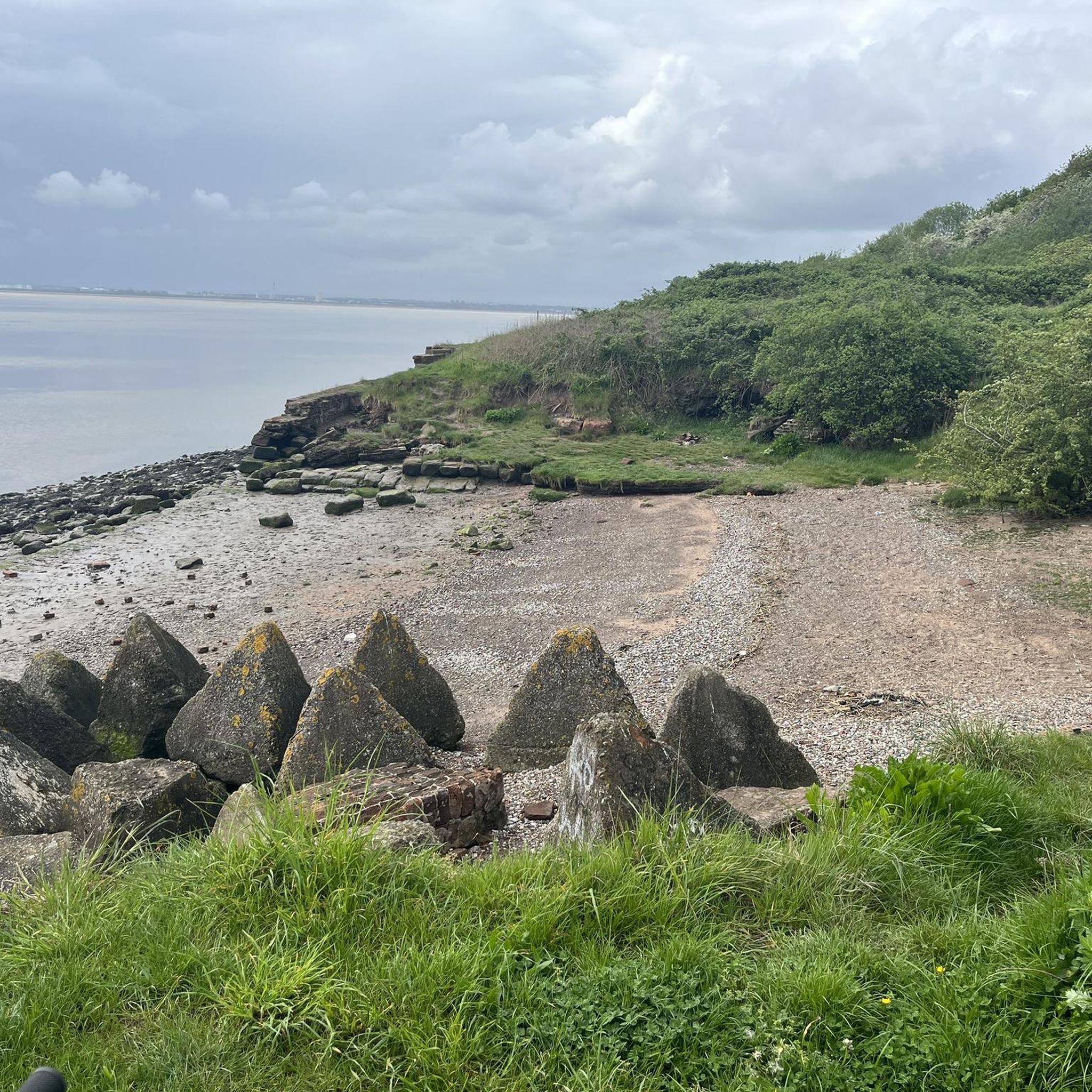
The Duck Decoy at Hale is an impressive, complex monument, now a Scheduled Ancient Monument and a Site of Special Scientific Interest. It lies in the lowest part of the landscape, amongst streams and wetlands and close the the River Mersey itself. This part of the manor of Hale was drained in the medieval period, with the idea of increasing the amount of land suitable to plough. The trade-off was a reduction in land that wetland wildfowl could use. To counter this, the duck decoy was built. Hale Decoy was designed to look like the many other coverts that dotted the landscape. The lack of shelter for water birds would make it an attractive spot. A pond was dug in the centre to complete the picture.
6
0
Runcorn Hill, a winner of the coveted Green Flag award, is a local nature reserve on a sandstone outcrop above the town of Runcorn. The site offers woodland walks, views of the Mersey Estuary, quarry, orienteering trails and is north Cheshire's largest surviving stretch of heathland, supporting a wealth of wildlife.
0
0
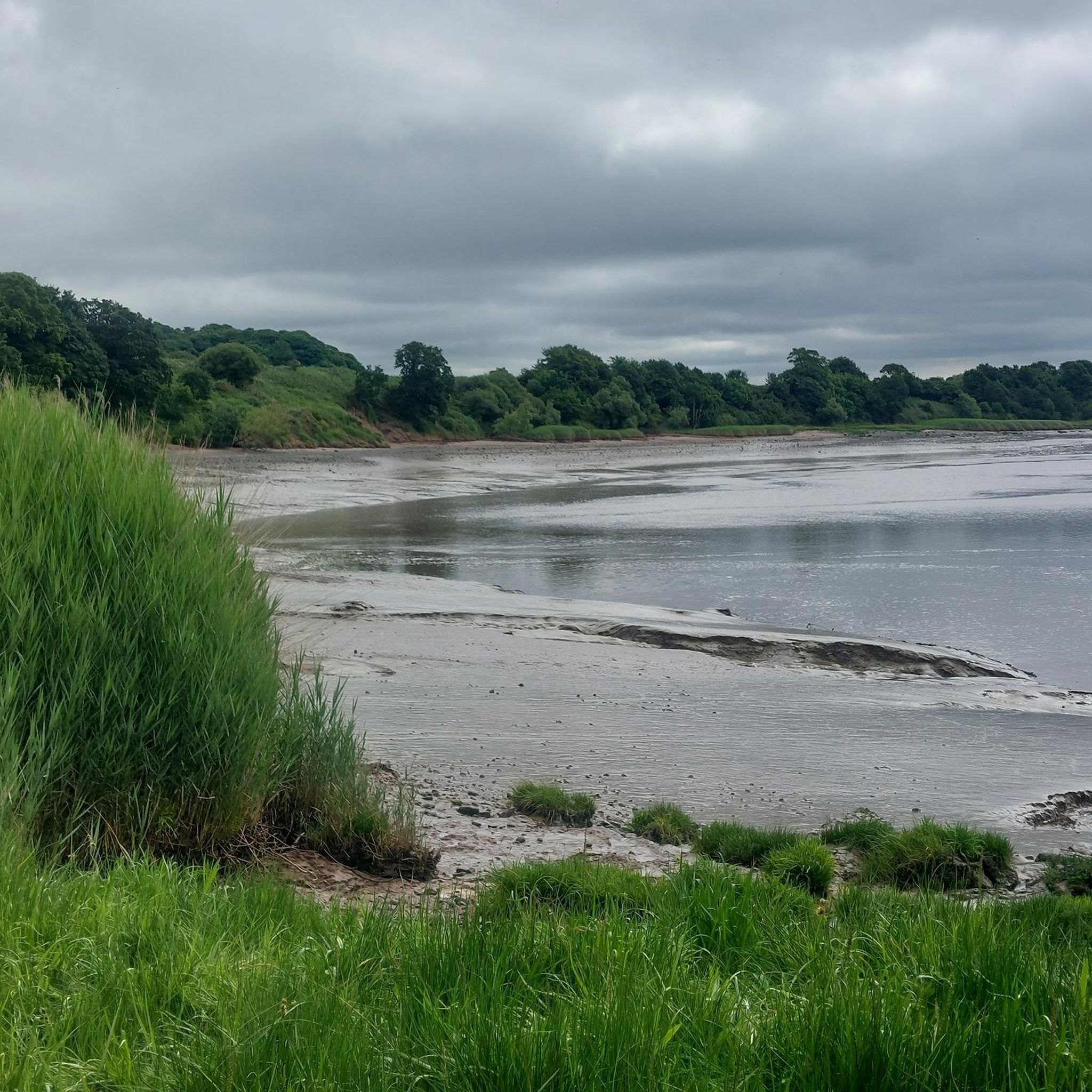
Green Flag Award winning Local Nature Reserve with acres of wild flower meadows and a fabulous view across the upper Mersey estuary. It is a peaceful place to enjoy picnics and watch the abundant wildlife. Surfaced paths lead along the waterfront making it suitable for pushchairs and wheelchairs. The Friends of Pickerings Pasture meet every other month at the visitor centre, to plan voluntary work on Pickerings and Hale Duck Decoy. Every month there is a project morning. If you are interested in volunteering, you can find out more details on their website.
7
0

This was a commercial plantation – effectively a tree factory – planted over 30 years ago. There had been a woodland at Daresbury in the 19th century, but this had mostly been cut down by 1910. The conifer plantation that we see now was planted in 1978. The trees on Keckwick Hill behind Daresbury Firs are not part of the plantation. In this more natural woodland, if trees are cut down it is to let in light for wildflowers and young trees to grow, or to make the woodland safer and easier for the public to use.
1
0

Great views of the estuary here, and the wild flower meadow is teeming with bird and insect life. Lots of oystercatchers, terns, lapwings, song thrushes, and chaffinches too.
1
0
Frequently Asked Questions
What are the most popular natural monuments to visit in Halton?
Among the most popular natural monuments in Halton, visitors frequently enjoy the Hale Duck Decoy Nature Reserve, known for its historical significance and diverse wildlife. Another favorite is View from Runcorn Hill, offering panoramic views over the Mersey Estuary and woodland walks.
Are there family-friendly natural monuments in Halton?
Yes, several natural monuments in Halton are great for families. The Hale Duck Decoy Nature Reserve is a family-friendly site with historical interest. Daresbury Firs Local Nature Reserve and View from Runcorn Hill also offer pleasant walks suitable for families.
What kind of natural features can I expect to see at Halton's natural monuments?
Halton's natural monuments showcase diverse features. You can explore wetlands and a historic duck decoy at Hale Duck Decoy Nature Reserve. Daresbury Firs Local Nature Reserve features natural woodland and former commercial plantations. For stunning vistas, View from Runcorn Hill provides panoramic views of the Mersey Estuary and heathland.
Are there any natural monuments in Halton that are wheelchair accessible?
Yes, View of the Mersey Estuary from Pickerings Pasture is noted for its surfaced paths along the waterfront, making it suitable for pushchairs and wheelchairs. It offers beautiful views and abundant wildlife.
What historical or cultural sites are integrated with Halton's natural monuments?
The Hale Duck Decoy Nature Reserve is a Scheduled Ancient Monument with a duck decoy dating back to the 1600s. Additionally, while not strictly a natural monument, Victoria Park War Memorial and Monuments, Widnes, is a significant historical site within a park setting, featuring a Grade II listed war memorial and other monuments.
What outdoor activities can I do near Halton's natural monuments?
You can enjoy a variety of outdoor activities. For running, explore routes like the 'Childe of Hale Pub – Hale Duck Decoy Nature Reserve loop' or the 'Holy Family RC Church, Cronton – Victoria Park loop'. Find more options in the Running Trails around Halton guide. For mountain biking, routes like 'Silver Jubilee Bridge – Bridgewater Canal at Moore loop' are available in the MTB Trails around Halton guide.
Are there hiking trails near these natural monuments?
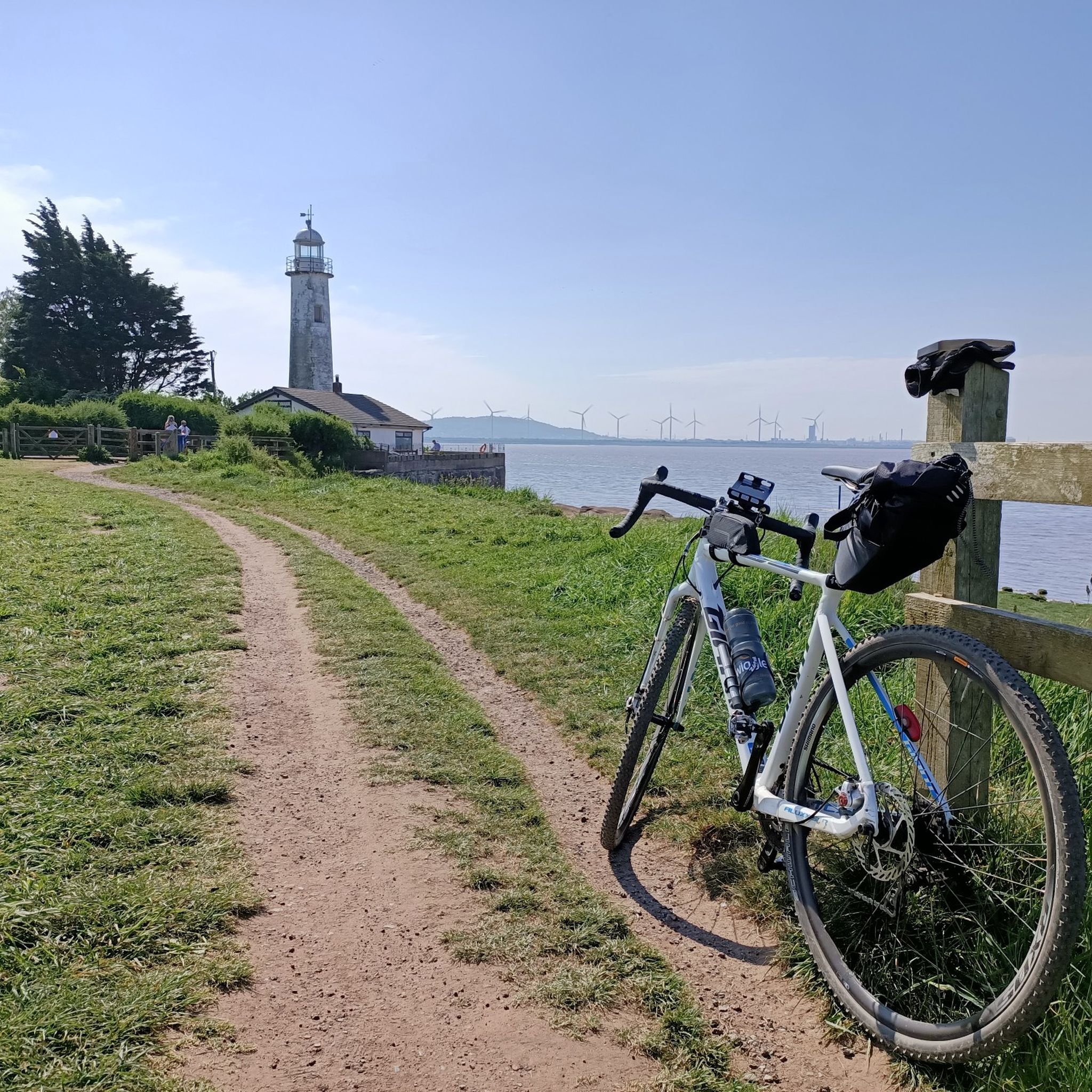
Yes, there are several hiking opportunities. You can find easy hikes such as the 'Hale Lighthouse loop' or the 'Bird Watching Area – Wigg Island loop'. For more details and routes, check out the Easy hikes around Halton guide.
What do visitors enjoy most about the natural monuments in Halton?
Visitors particularly enjoy the scenic views, such as the 'great views of the estuary' and 'wild flower meadow teeming with bird and insect life' at View of the Mersey Estuary from Pickerings Pasture. The 'nice climbs with great views over the Mersey, the Wirral and Wales' from View from Runcorn Hill are also highly appreciated.
Where can I see wildlife in Halton's natural monuments?
Wildlife viewing is excellent at several locations. The Hale Duck Decoy Nature Reserve is home to various species like otters and kingfishers. At View of the Mersey Estuary from Pickerings Pasture, you can spot oystercatchers, terns, lapwings, song thrushes, and chaffinches. View from Runcorn Hill also supports a wealth of wildlife, especially birds.
Are there any natural monuments that offer panoramic views?
Yes, View from Runcorn Hill is a local nature reserve known for its commanding panoramic views over the Mersey Estuary, looking towards Liverpool, the Welsh hills, and Frodsham. View of the Mersey Estuary from Pickerings Pasture also offers fabulous views across the upper Mersey estuary.
What is the Daresbury Firs Local Nature Reserve known for?
Daresbury Firs Local Nature Reserve is known for its natural woodland and former commercial conifer plantation. It's managed to support wildflowers and young trees, offering a peaceful forest experience.
Most popular routes around Halton
Most popular attractions around Halton

Get inspired with the komoot mobile app


Explore more
Extend your search for the best caves by checking out these guides of the top ones around Halton:
