Top 20 Natural Monuments in Oxfordshire
Best natural monuments in Oxfordshire encompass a diverse range of sites, from ancient hill figures to extensive woodlands and river systems. The region's landscape features prominent hills, chalk grasslands, and areas of outstanding natural beauty. These natural features provide opportunities for outdoor activities and appreciation of Oxfordshire's unique geological and ecological characteristics. The county is characterized by its varied terrain, including parts of the Chiltern Hills and the Cotswolds.
Best natural monuments in Oxfordshire
- The most popular natural monuments is…
Last updated: October 13, 2026
Uffington White Horse
Highlight • Monument
Tip by

Uffington Castle Hillfort
Highlight • Summit
Tip by

Sign up now to discover places like this
Get recommendations on the best single tracks, peaks, & plenty of other exciting outdoor places.
Wittenham Clumps
Highlight • Natural Monument
Tip by
Wayland's Smithy Long Barrow
Highlight • Historical Site
Tip by
The King Stone
Highlight • Monument
Tip by

Watlington Hill
Highlight • Forest
Tip by

The Rollright Stones Stone Circle
Highlight • Historical Site
Tip by

Watlington White Mark
Highlight • Natural Monument
Tip by
Scutchamer Knob
Highlight • Viewpoint
Tip by

Old Kiln Lakes Wetland Habitat
Highlight • Natural
Tip by
Sign up for free to discover even more natural monuments in Oxfordshire.
Already have an account?
Start today with a free account
Your next adventure awaits.
Popular around Oxfordshire
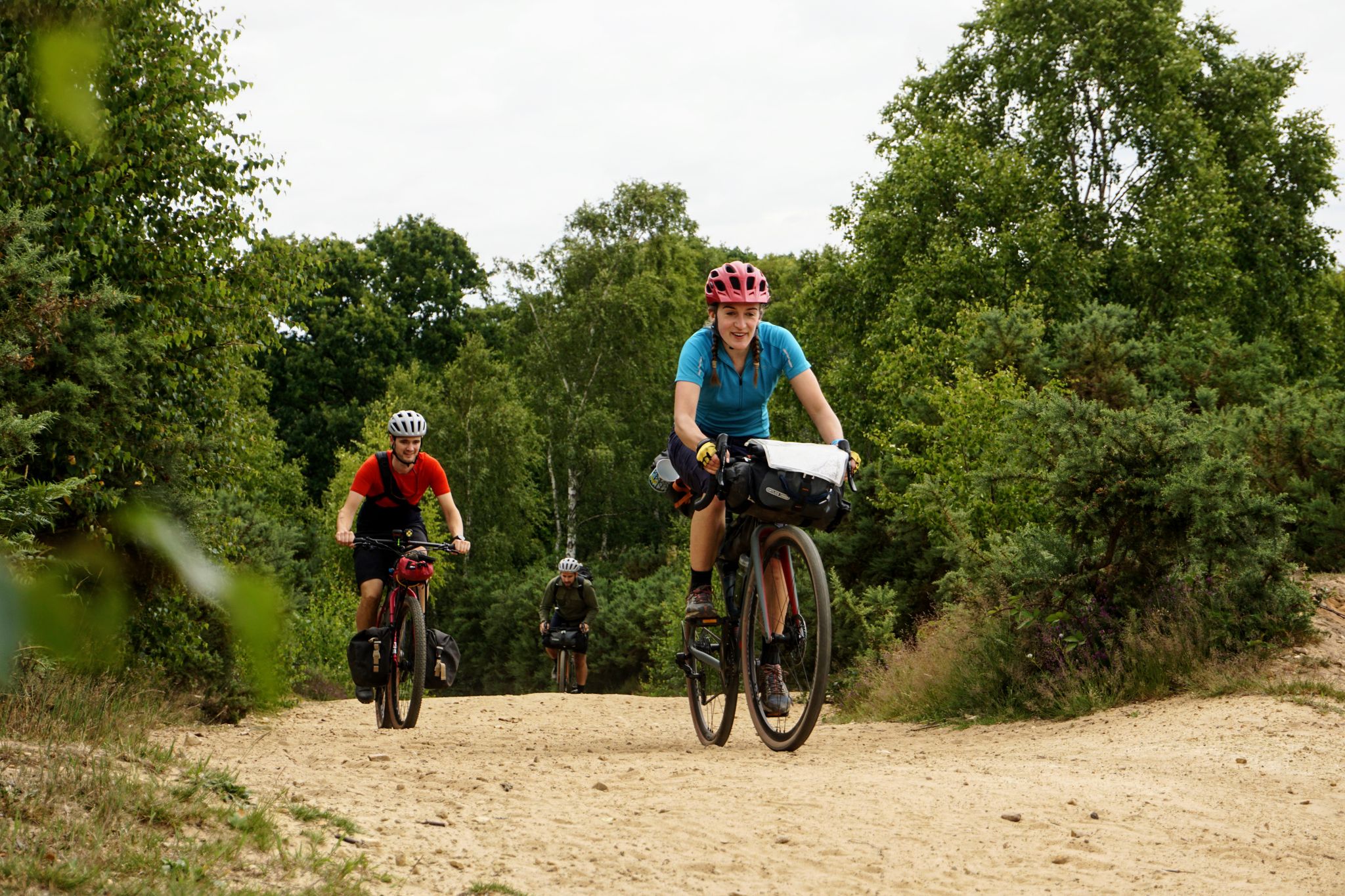
King Alfred's Way — History, chalk, grassland and forest
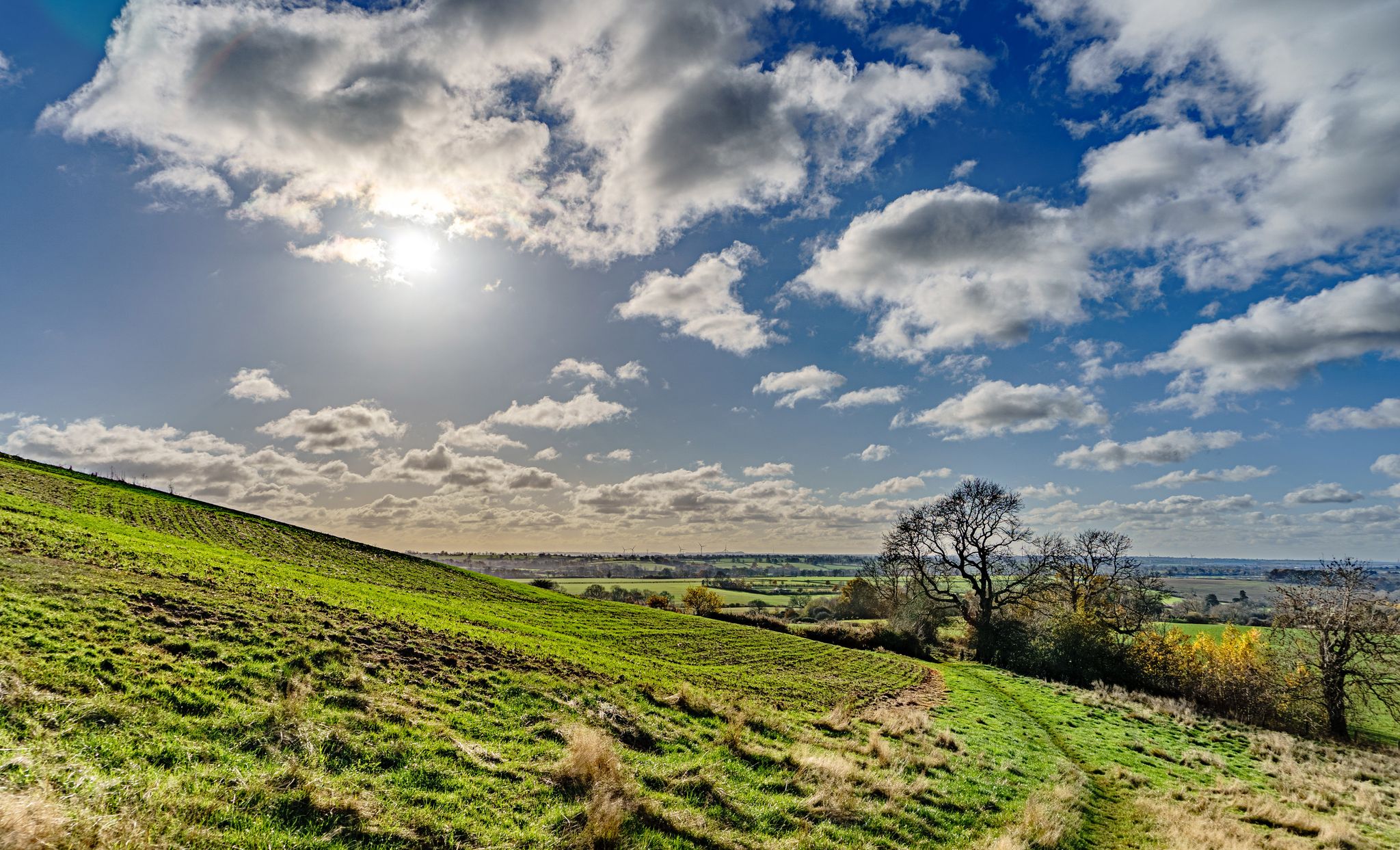
Jurassic Way — A hiking trail 150 million years in the making
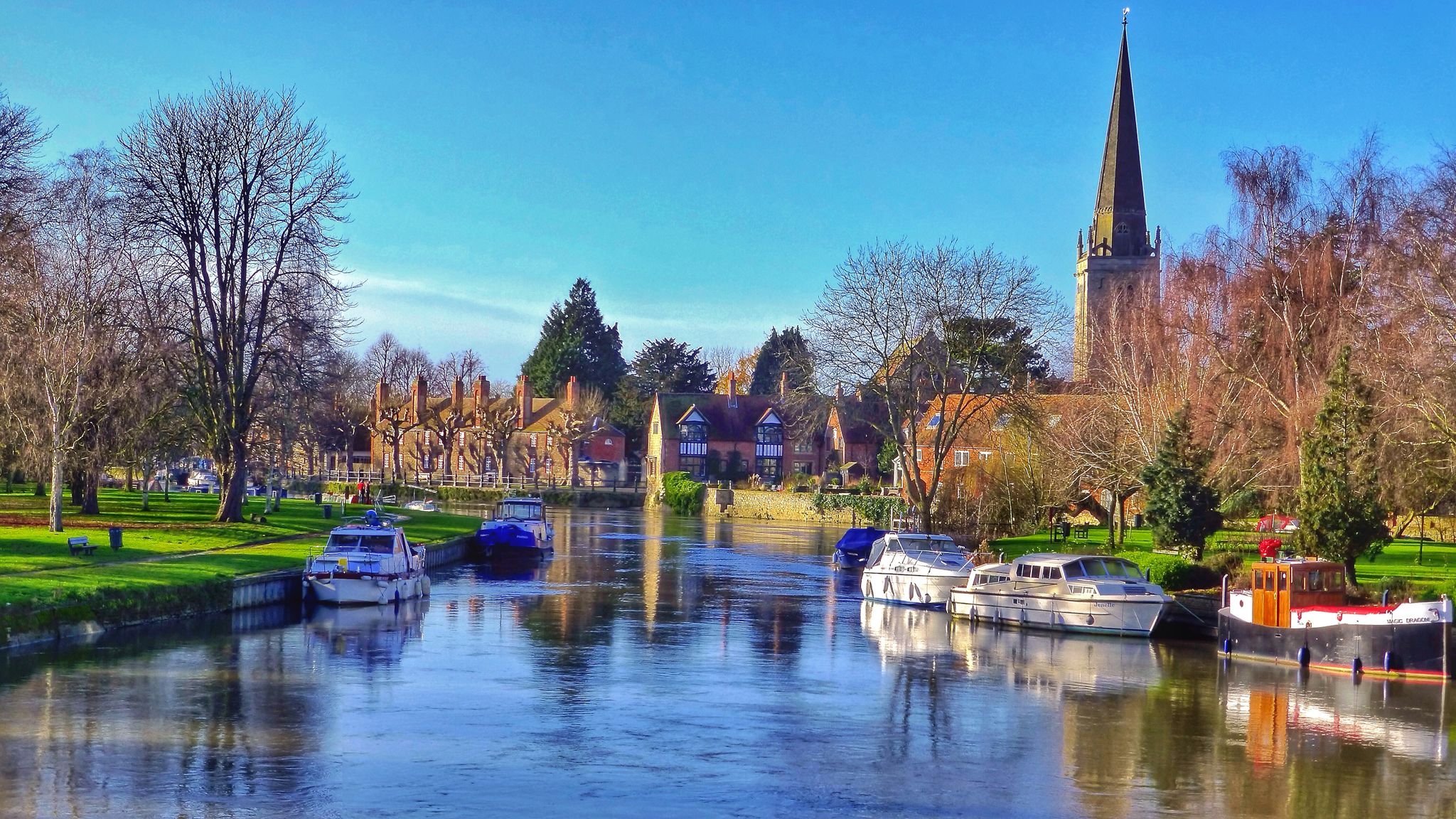
Hiking the Oxford Green Belt Way — Rivers, abbeys, manors and woods
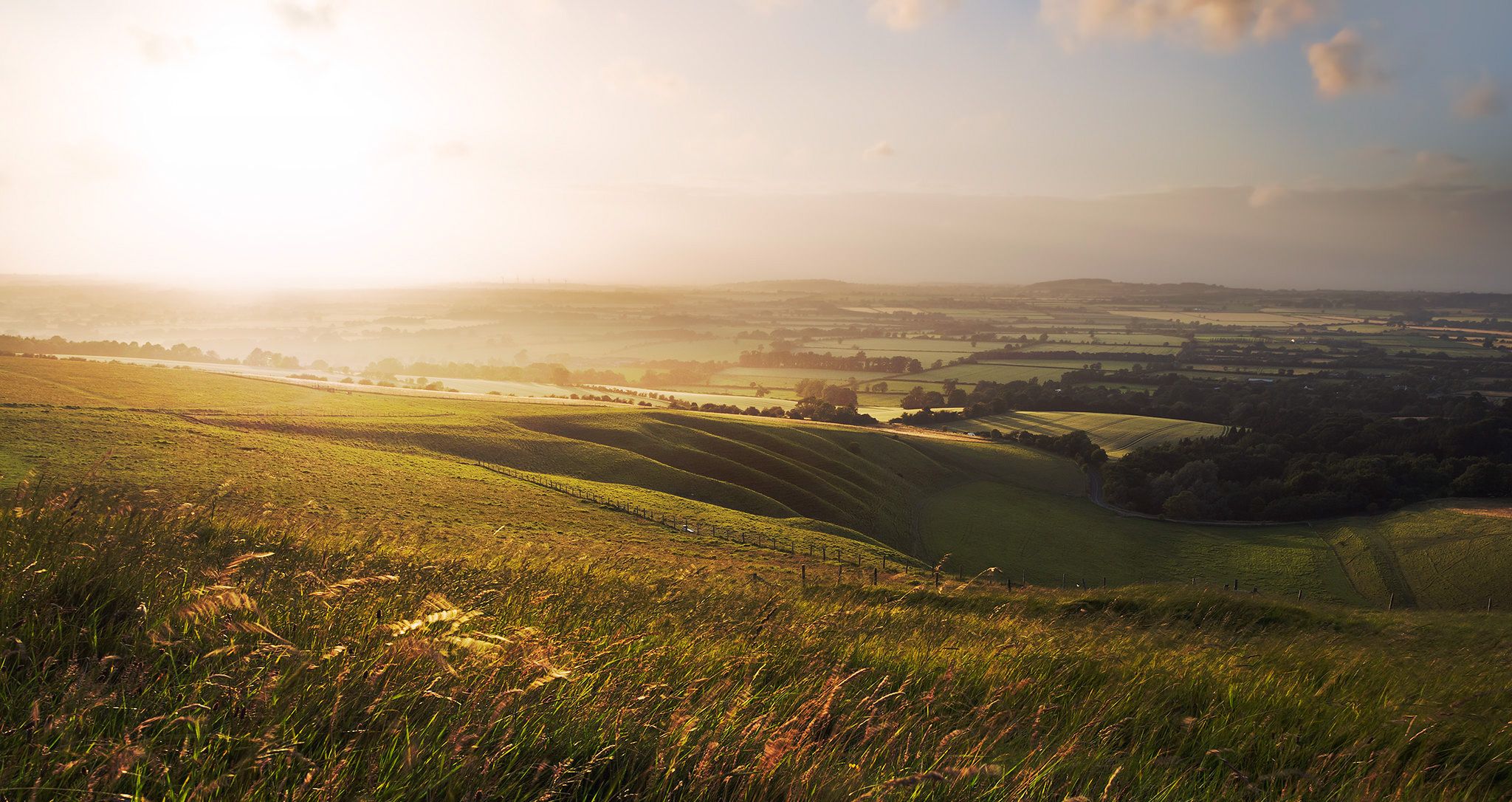
Hiking the Greater Ridgeway — Following Roman roads across England
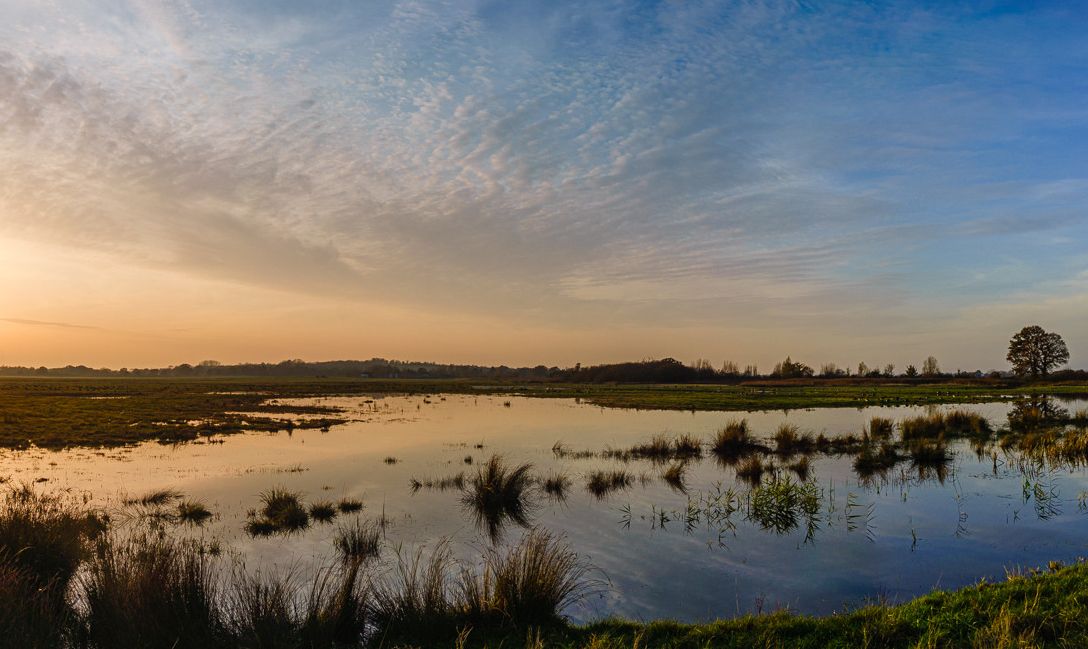
Oxfordshire Way — An idyllic walk in the heart of rural England
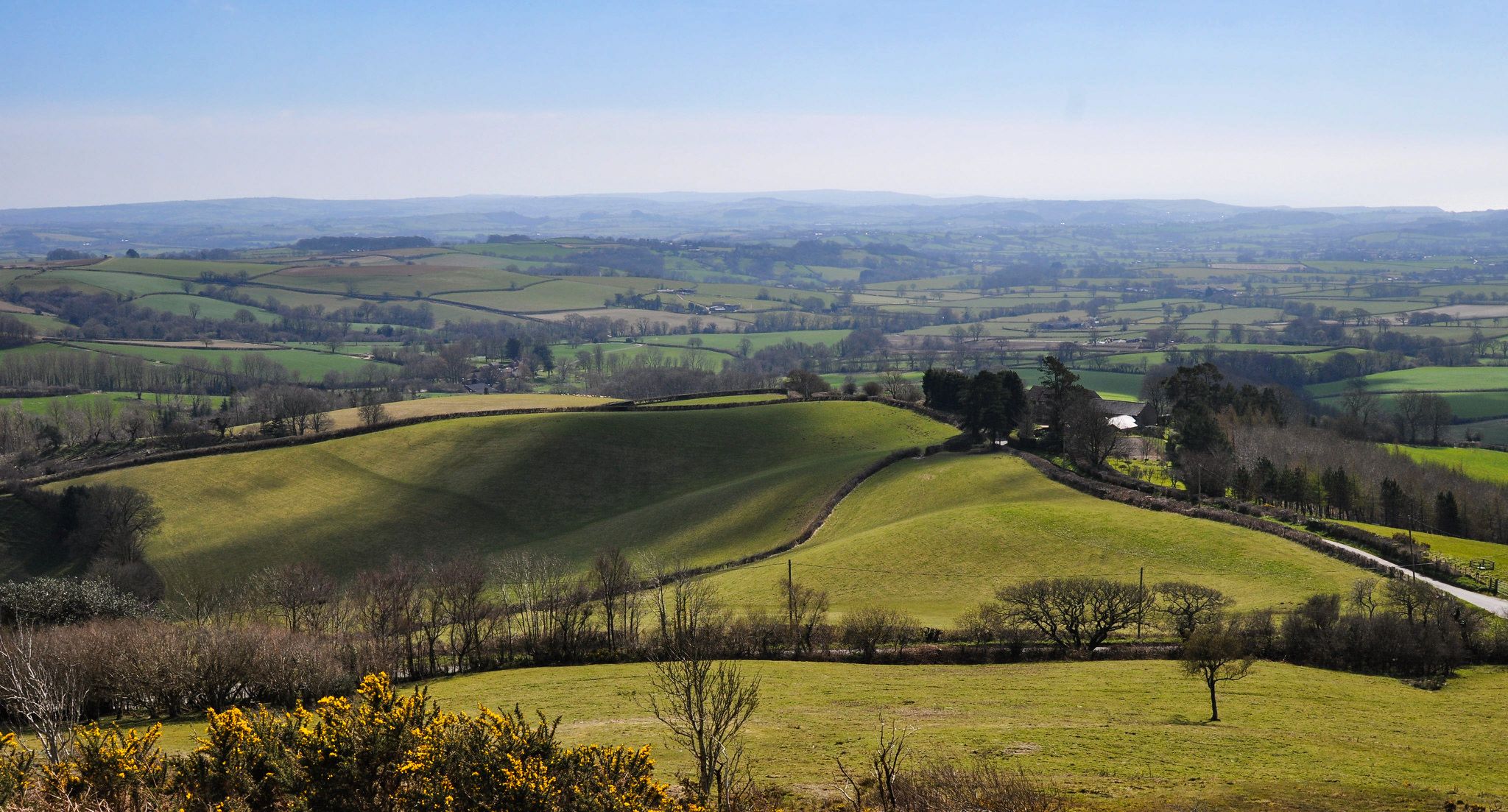
Hiking the Orange Way — Southern England in the footsteps of a king
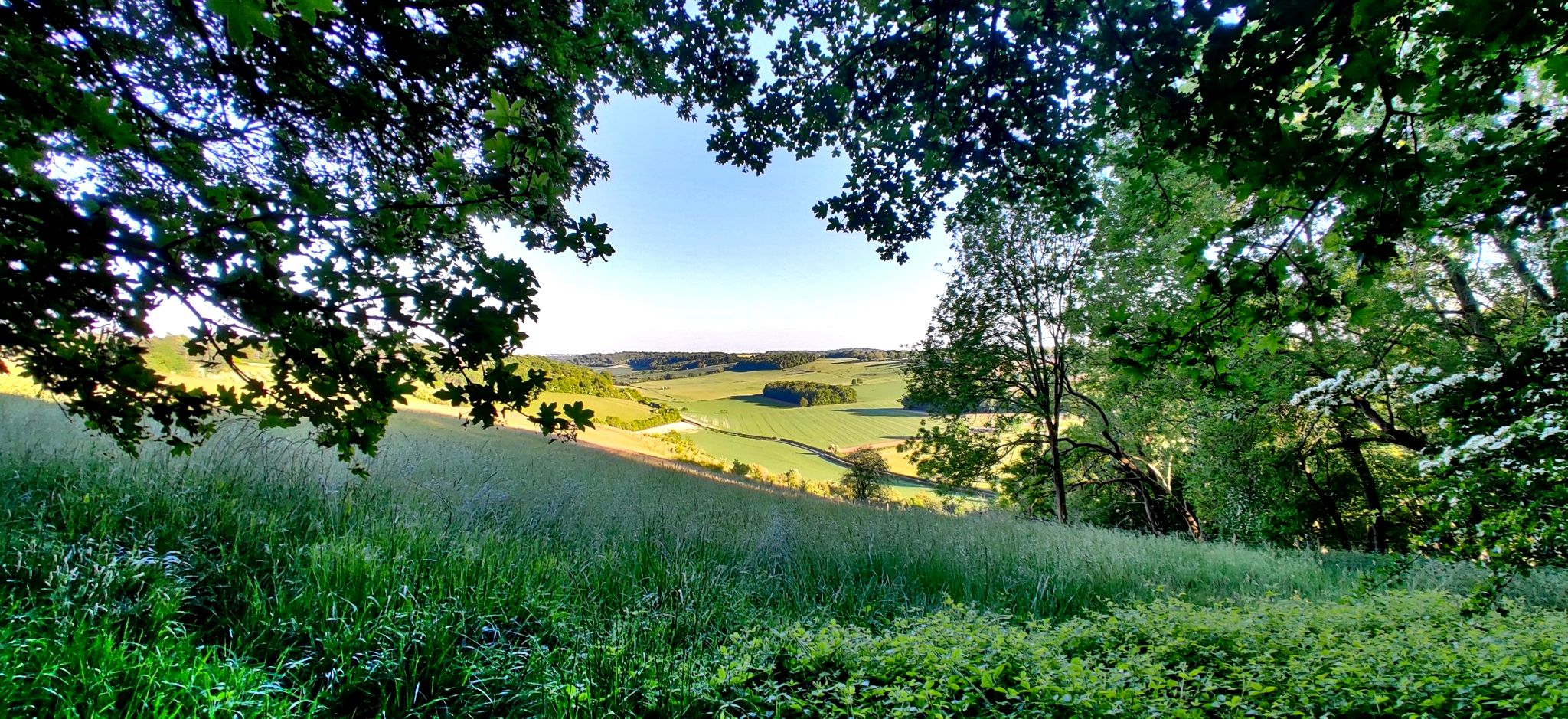
Chiltern Way — Hike some of the prettiest scenery in England
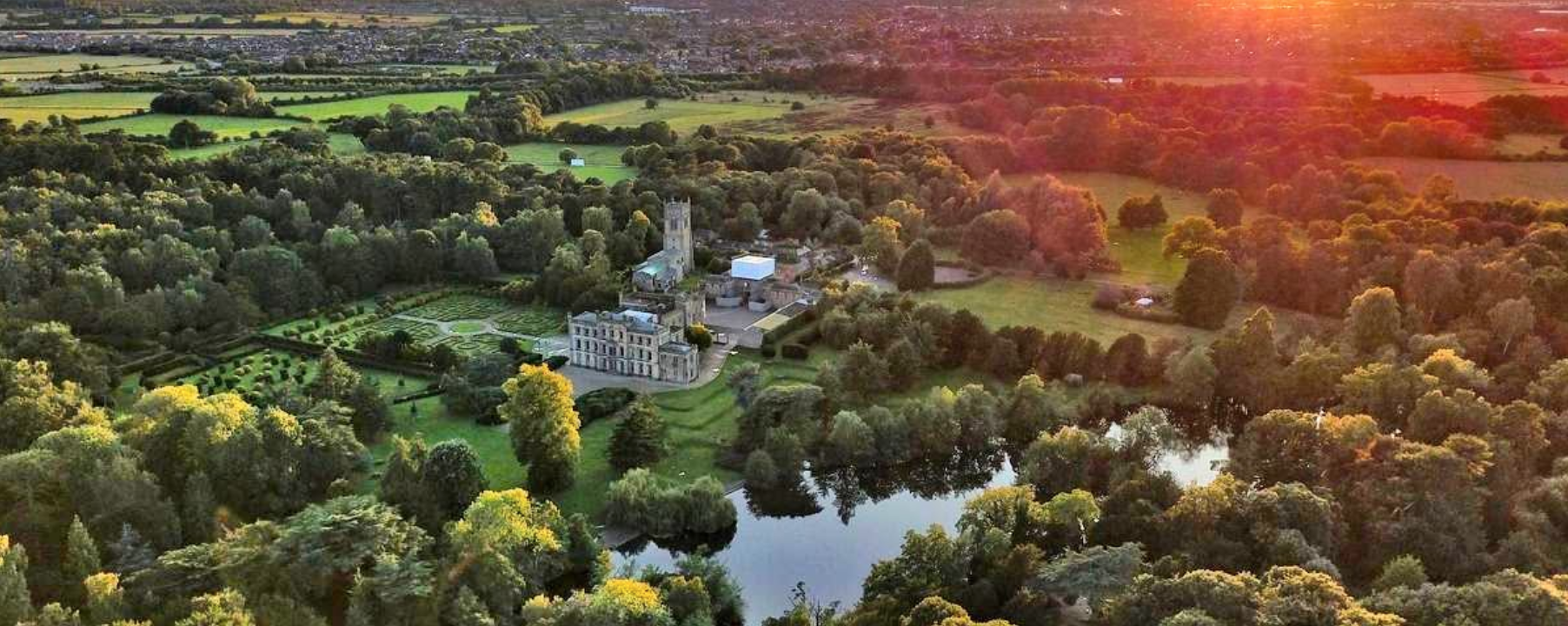
South Midlands Cycleway – Explore the heart of England by bike
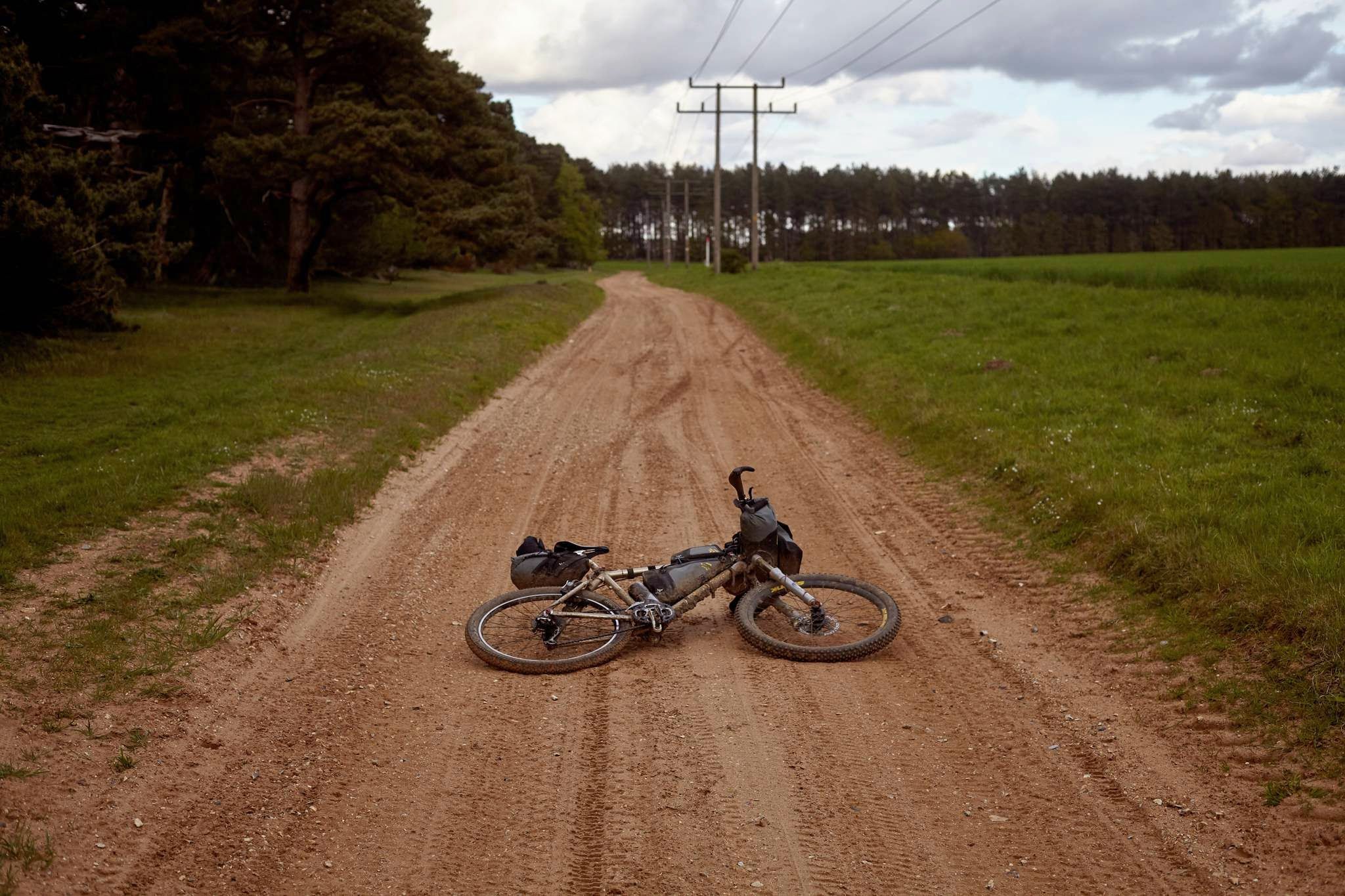
Cycle the Greater Ridgeway Trail — English Channel to North Sea
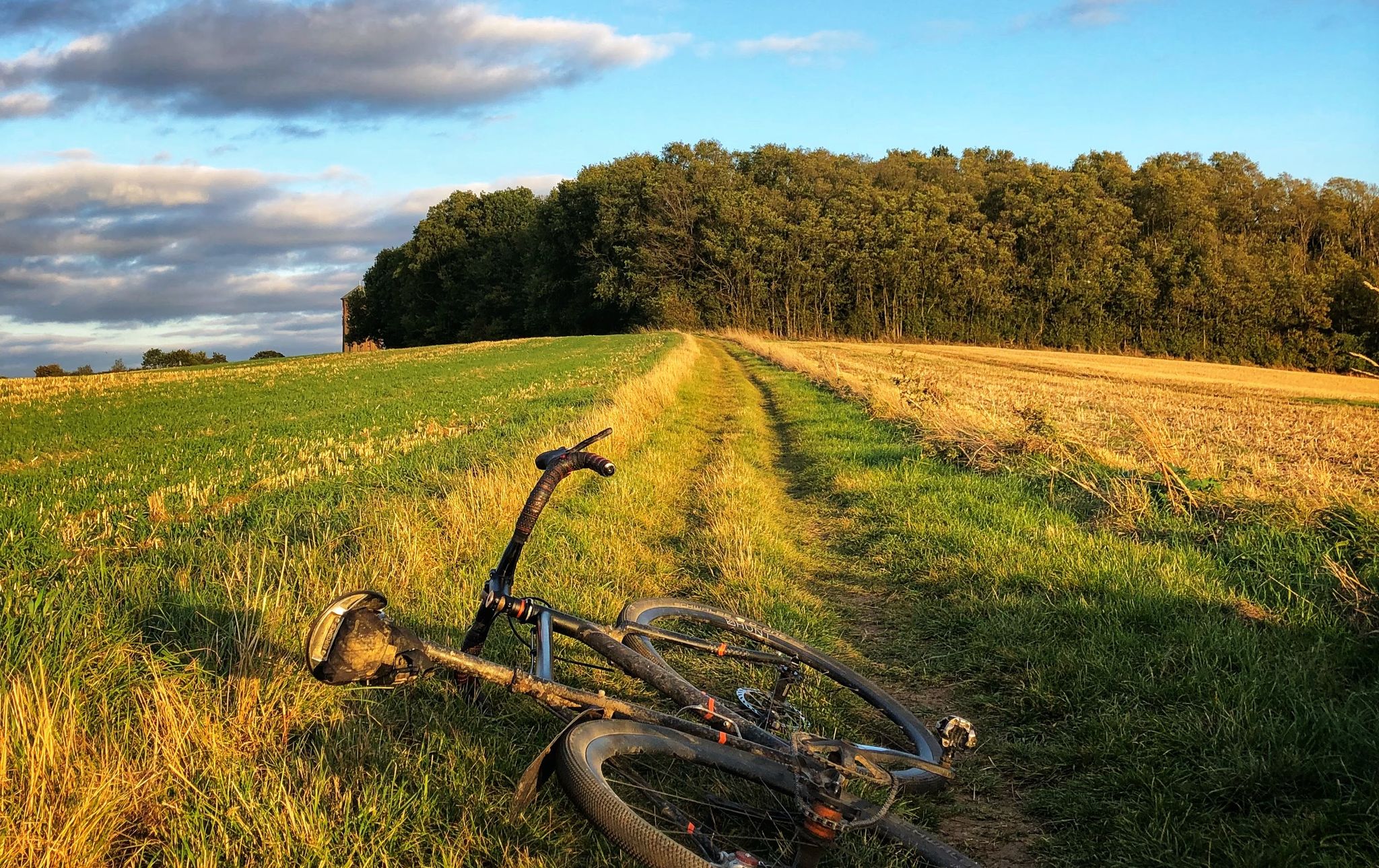
Icknield Way Trail — Ancient bridleways of Central England
Other adventures in Oxfordshire


Tips from the Community

Really inspiring location on the Ridgeway National trail
0
0

Added to the collection: komoot.com/de-de/collection/3600632/-naturdenkmaeler-besondere-baeume-und-weitere-schaetze-der-natur
0
0

Scutchamer Knob is an ancient Iron Age burial mound and historic landmark on the Ridgeway. Along my King Alfred’s Way bikepacking route, it was a memorable spot to pause before the final stretch to Reading. 📜 Once a Saxon meeting place, this hilltop offers panoramic views of the surrounding Berkshire downs—a perfect blend of history and landscape. 🚴♂️ A short climb rewards you with quiet reflection and wide-open skies.
0
0

Nice little lung opener first thing in morning. Entry to wooded area was permitted, has a few dens inside and plenty of benches externally, views to take in are beautiful. on a clear day can see for miles
0
0

Tip: If you're hiking at White Horse Hill in Uffington, take your time to soak in the ancient history and breathtaking views. The hill is home to the famous Uffington White Horse, a prehistoric chalk figure carved into the hillside over 3,000 years ago. Hike: The trail around the hill offers stunning panoramas of the Vale of White Horse and beyond. You can extend your walk to Dragon Hill, a small flat-topped hill linked to legends of St. George, and even further to Wayland’s Smithy, a Neolithic burial chamber. The open landscape and rolling hills make for a refreshing and scenic hike!
0
0
If you're hiking at White Horse Hill in Uffington, take your time to soak in the ancient history and breathtaking views. The hill is home to the famous Uffington White Horse, a prehistoric chalk figure carved into the hillside over 3,000 years ago. The trail around the hill offers stunning panoramas of the Vale of White Horse and beyond. You can extend your walk to Dragon Hill, a small flat-topped hill linked to legends of St. George, and even further to Wayland’s Smithy, a Neolithic burial chamber. The open landscape and rolling hills make for a refreshing and scenic hike!
0
0
If you're hiking at White Horse Hill in Uffington, take your time to soak in the ancient history and breathtaking views. The hill is home to the famous Uffington White Horse, a prehistoric chalk figure carved into the hillside over 3,000 years ago. The trail around the hill offers stunning panoramas of the Vale of White Horse and beyond. You can extend your walk to Dragon Hill, a small flat-topped hill linked to legends of St. George, and even further to Wayland’s Smithy, a Neolithic burial chamber. The open landscape and rolling hills make for a refreshing and scenic hike! Attention - no drones allowed
0
0
If you're hiking near Uffington Castle Hillfort, take a moment to explore the surrounding landscape. The views from the top are incredible, and you're right next to the famous Uffington White Horse. It's a great spot for a break and some amazing photos! Atention - no drones allowed.
0
0
Frequently Asked Questions
What are some of the most popular natural monuments in Oxfordshire?
Among the most popular natural monuments in Oxfordshire are the iconic Wittenham Clumps, offering breathtaking views over the River Thames. Visitors also frequently explore Uffington Castle Hillfort, an Iron Age site adjacent to the famous Uffington White Horse, and the ancient Wayland's Smithy Long Barrow.
Are there family-friendly natural monuments in Oxfordshire?
Yes, many natural monuments in Oxfordshire are suitable for families. The Wittenham Clumps offer easy walking paths and picnic spots. Wayland's Smithy Long Barrow and The Rollright Stones Stone Circle provide engaging historical sites for all ages. Badbury Hill, managed by the National Trust, is also an ideal spot for family adventures with its woodland paths and views.
What kind of historical and geological features can I expect to see?
Oxfordshire's natural monuments are rich in history and geology. You can explore ancient hill figures like the Uffington White Horse, a prehistoric chalk figure over 3,000 years old. Iron Age hillforts such as Uffington Castle Hillfort and the remains at Badbury Hill showcase ancient human settlements. Geological features include the chalk grasslands of Uffington White Horse Hill, the Jurassic Limestone belt of the Cotswolds, and the diverse river systems like the Thames and its wetlands.
Where can I find impressive viewpoints among Oxfordshire's natural monuments?
For stunning panoramic views, visit the Wittenham Clumps, which overlook the River Thames. Uffington White Horse Hill offers expansive views across the Vale of White Horse. Watlington Hill provides fine views across the Oxfordshire plain, and Shotover Country Park also boasts stunning views across south Oxfordshire from its hilltop.
Are there opportunities for wildlife spotting at these natural monuments?
Yes, Oxfordshire's natural monuments are excellent for wildlife spotting. Wytham Woods, a renowned research woodland, is home to over 500 plant species and 800 species of butterflies and moths. The River Thames and its wetlands support crucial environments for rare and threatened plants and animals. Harcourt Arboretum also features wildflower meadows and bluebell woods, attracting diverse wildlife.
What outdoor activities can I do near natural monuments in Oxfordshire?
You can enjoy a variety of outdoor activities. For mountain biking, explore trails like the 'Henley-on-Thames to Icknield Way loop' or 'Shotover hill loop from Oxford' found in the MTB Trails in Oxfordshire guide. Running enthusiasts can find routes like 'Port Meadow & Wolvercote loop from Oxford' or 'Watlington Hill and the Wormsley Estate Walk' in the Running Trails in Oxfordshire guide. Road cyclists can tackle routes such as 'Oxford to Henley on Thames loop, through the Chilterns' from the Road Cycling Routes in Oxfordshire guide.
What is the best time of year to visit natural monuments in Oxfordshire?
The best time to visit often depends on your interests. Spring (April-May) is ideal for seeing bluebells at Badbury Hill or Harcourt Arboretum and vibrant wildflowers at Shotover Country Park. Summer offers pleasant weather for walks and enjoying panoramic views. Autumn brings beautiful foliage to woodlands like Wytham Woods and the Chiltern Hills. Many sites, especially historical ones like Uffington White Horse, are accessible year-round, though clear days are best for views.
Are there any easy walks or trails suitable for beginners?
Yes, there are several easy walks. The Wittenham Clumps offer grassland paths that are mainly dry and clean in most seasons, suitable for most people. Harcourt Arboretum provides leisurely walks among its diverse tree collections and meadows. Many sections along the River Thames also offer flat, accessible paths.
Can I find ancient standing stones or stone circles in Oxfordshire?
Yes, Oxfordshire is home to significant ancient stone monuments. You can visit The Rollright Stones Stone Circle, a prehistoric complex with a rich history. Additionally, The King Stone, a Bronze Age standing stone, is another notable site in the Cotswolds part of Oxfordshire.
What are the Chiltern Hills and Cotswolds like in Oxfordshire?
A significant portion of the Chiltern Hills, an Area of Outstanding Natural Beauty, lies within Oxfordshire. This area is characterized by dappled beech woodlands and chalk grasslands, offering various trails and wildlife spotting opportunities. The Cotswolds, part of the Jurassic Limestone belt, features a landscape of steep scarps, open wolds, and wooded valleys, with limestone grasslands and oak-ash woodlands supporting diverse wildlife.
Are there any natural monuments related to rivers or wetlands?
Absolutely. The iconic River Thames originates in Oxfordshire, and the county is rich with river systems and their surrounding wetlands. These areas, including floodplain wetlands, fens, wet grassland, and oxbow lakes, provide crucial habitats. You can also visit Day's Lock on the Thames, which offers scenic views, or explore the Old Kiln Lakes Wetland Habitat.
Most popular routes in Oxfordshire
Most popular attractions in Oxfordshire

Get inspired with the komoot mobile app


Didn’t find what you were looking for?
Find even more amazing natural monuments in Oxfordshire by checking out the top Highlights region by region:
Explore more
Extend your search for the best caves by checking out these guides of the top ones in Oxfordshire:
