Top 20 Natural Monuments in Worcestershire
Best natural monuments in Worcestershire encompass diverse landscapes, from the panoramic views of the Malvern Hills to ancient woodlands and serene nature reserves. This region offers a variety of protected areas, providing opportunities to explore significant natural beauty and historical sites. Worcestershire's terrain features prominent hills, extensive forests, and unique geological formations. The area is characterized by its varied habitats, supporting a rich array of wildlife.
Best natural monuments in Worcestershire
- The most popular natural monuments is Worcestershire Beacon Summit…
Last updated: October 13, 2026
Worcestershire Beacon Summit and Toposcope
Highlight • Natural Monument
Tip by

Broadway Tower
Highlight • Castle
Tip by

Sign up now to discover places like this
Get recommendations on the best single tracks, peaks, & plenty of other exciting outdoor places.
Summer Hill
Highlight • Lake
Tip by

The Four Stones, Clent Hills
Highlight • Viewpoint
Tip by
North Hill Summit
Highlight • Natural Monument
Tip by

Jubilee Hill
Highlight • Viewpoint
Tip by
Clutter's Cave
Highlight • Viewpoint
Tip by

Pinnacle Hill
Highlight • Natural Monument
Tip by

Table Hill (375 m)
Highlight • Natural Monument
Tip by

Jubilee Plantation, Waseley Hills Country Park
Highlight • Forest
Tip by
Sign up for free to discover even more natural monuments in Worcestershire.
Already have an account?
Start today with a free account
Your next adventure awaits.
Popular around Worcestershire
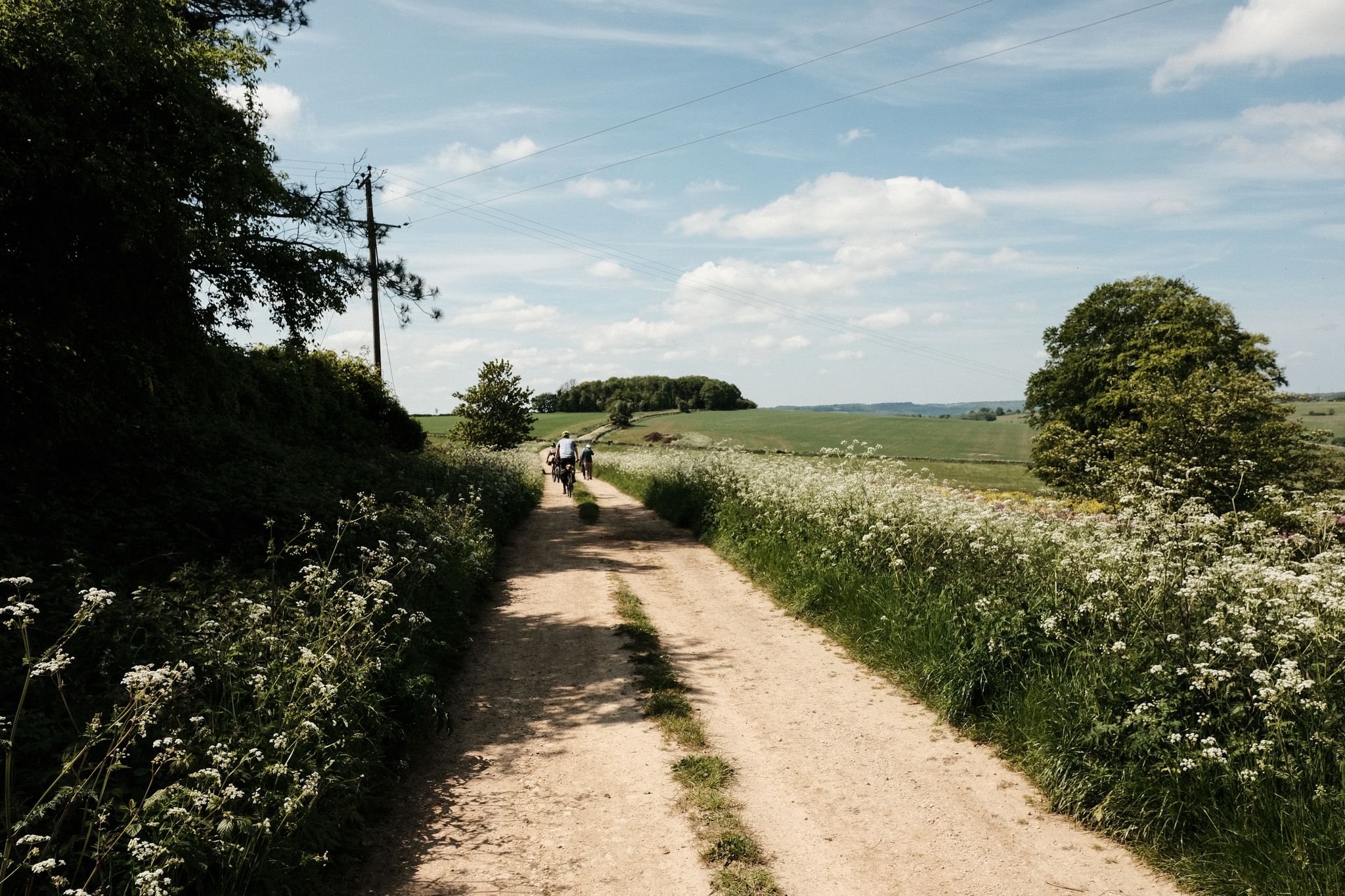
Middle Earth Loop — bikepacking the Wye, Malverns and Cotswolds
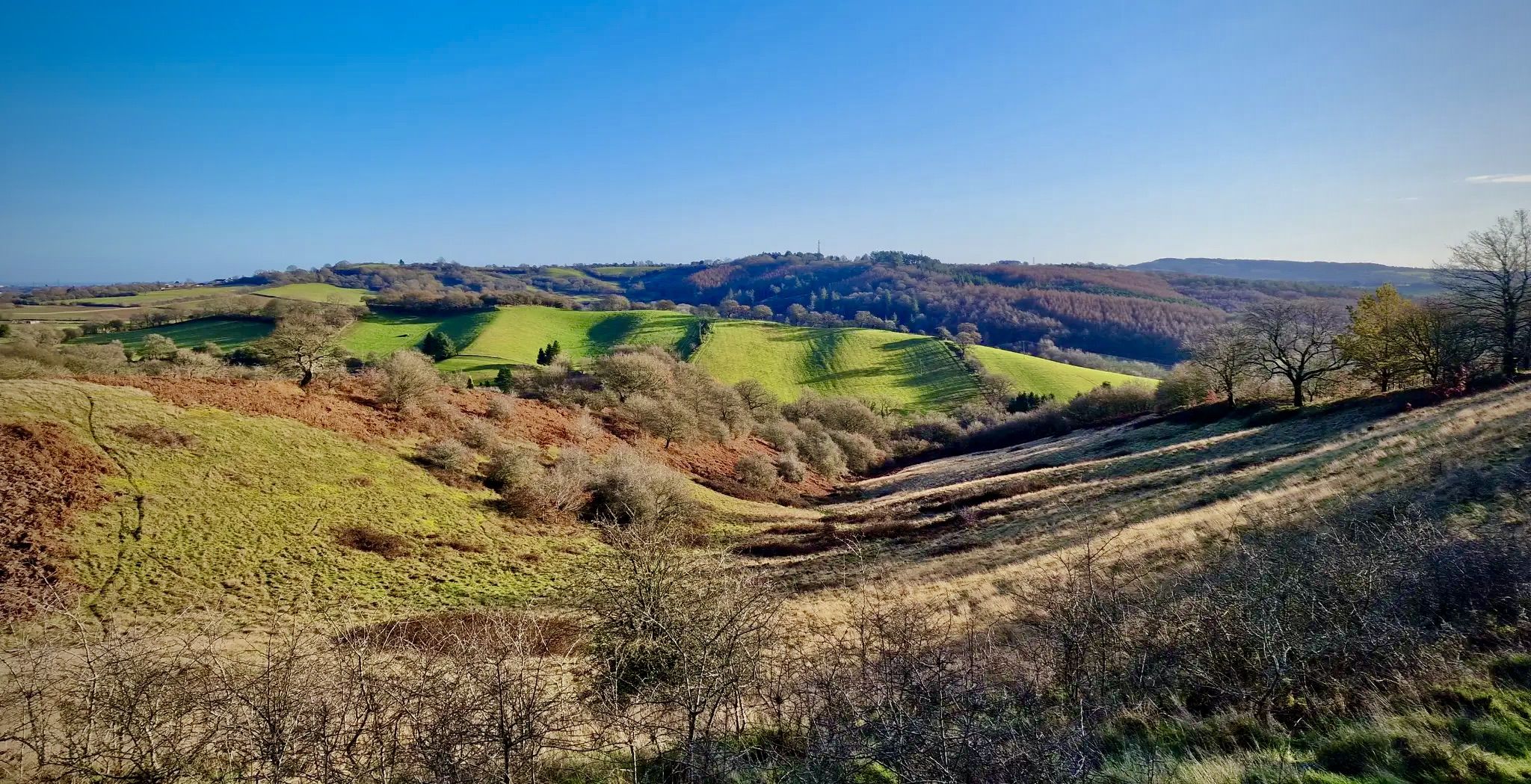
North Worcestershire Path – Explore rolling hills and country parks
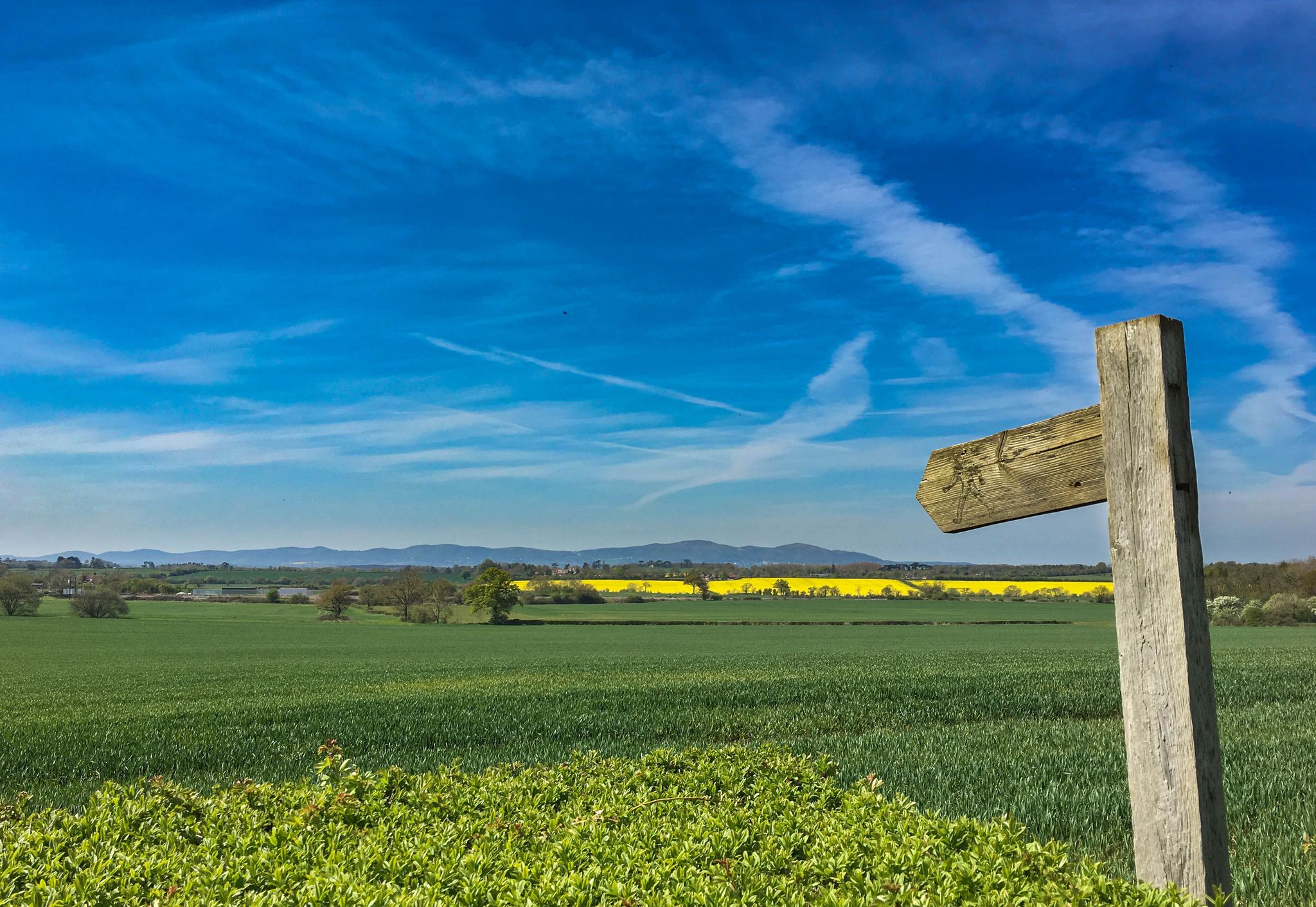
Wychavon Way — Hike rolling Cotswold hills and Worcestershire vales
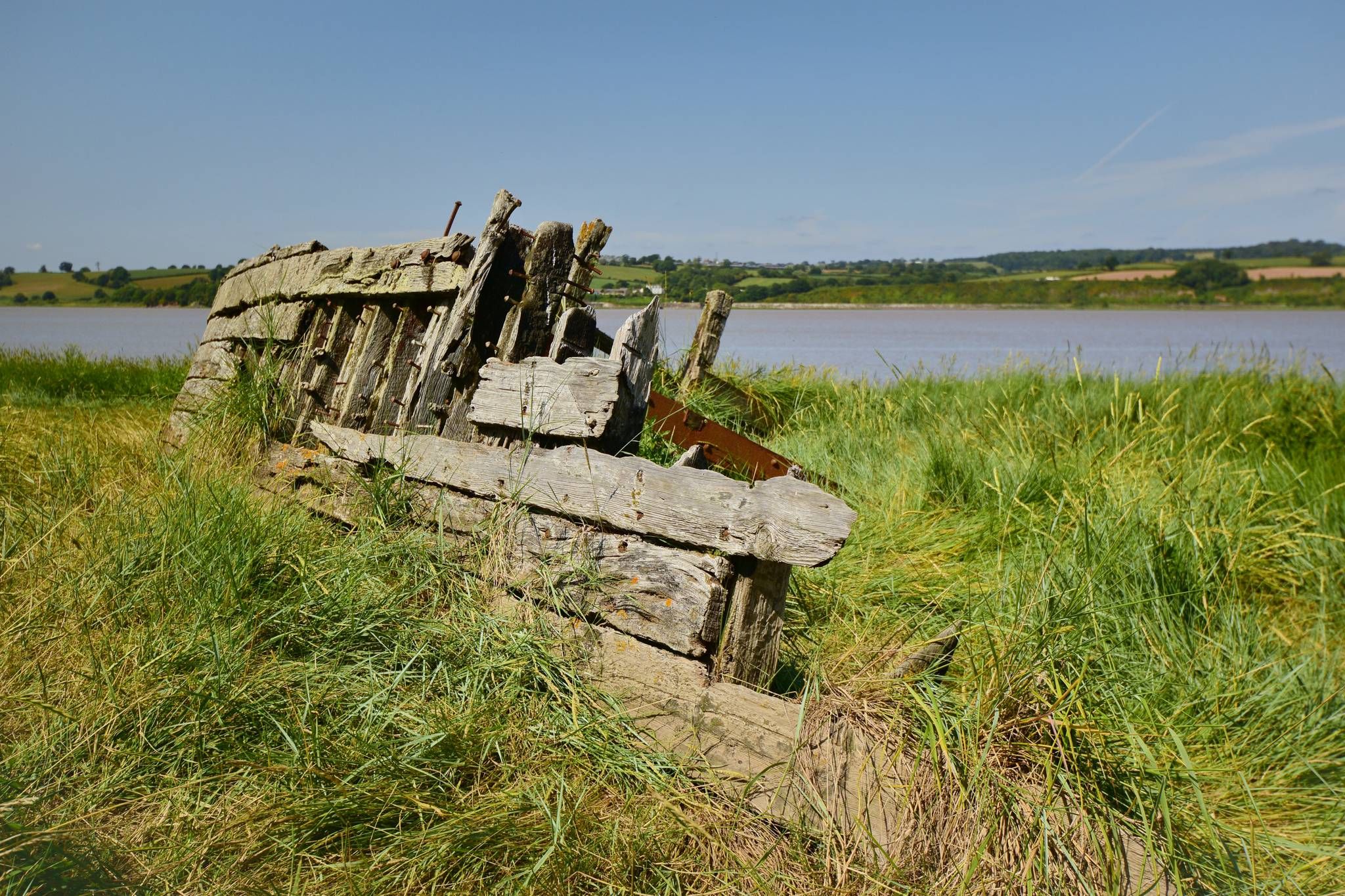
Severn Way — Hike Britain's longest river from source to sea
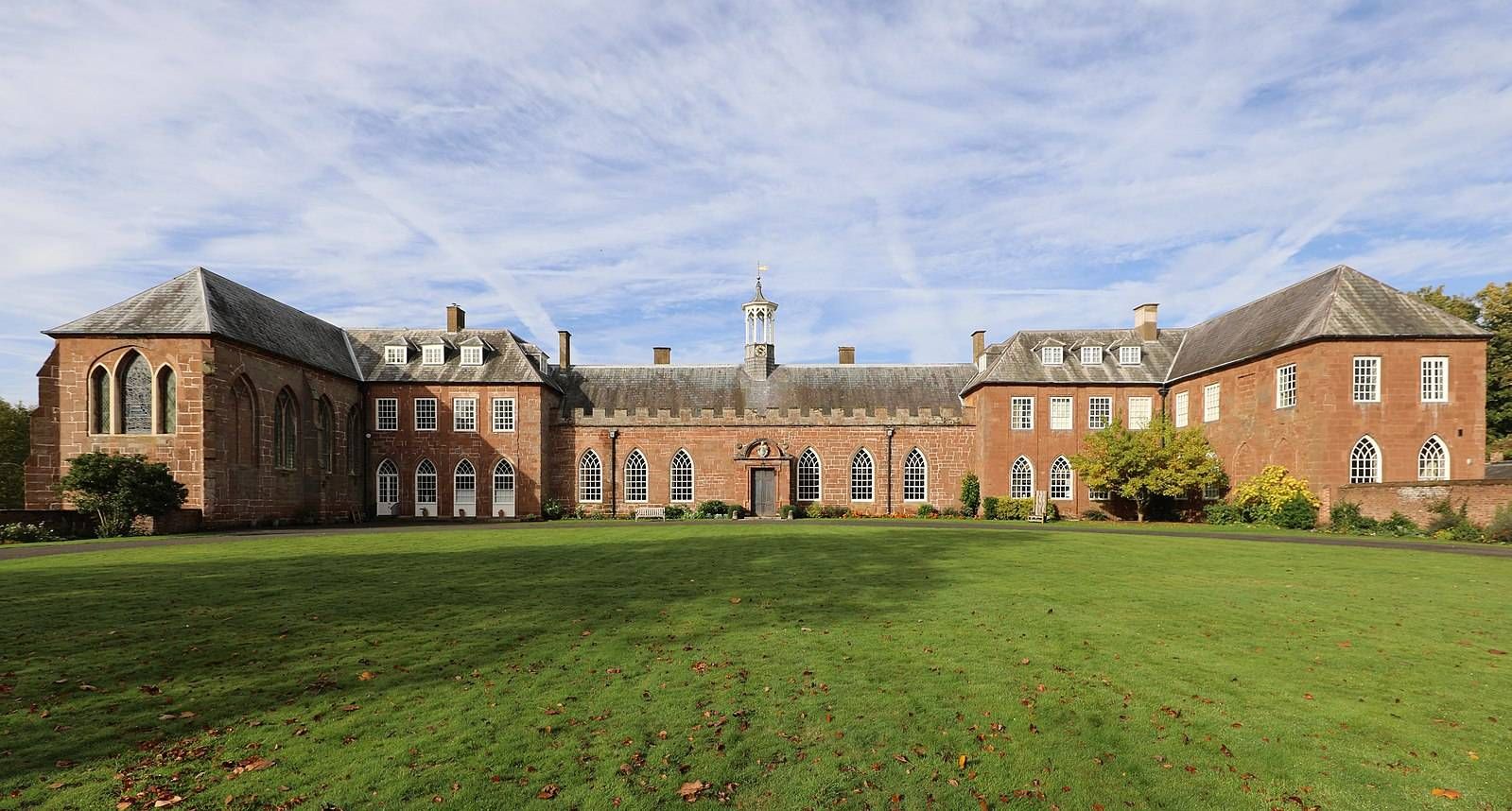
Cycling the Mercian Way – Explore England's historic heart
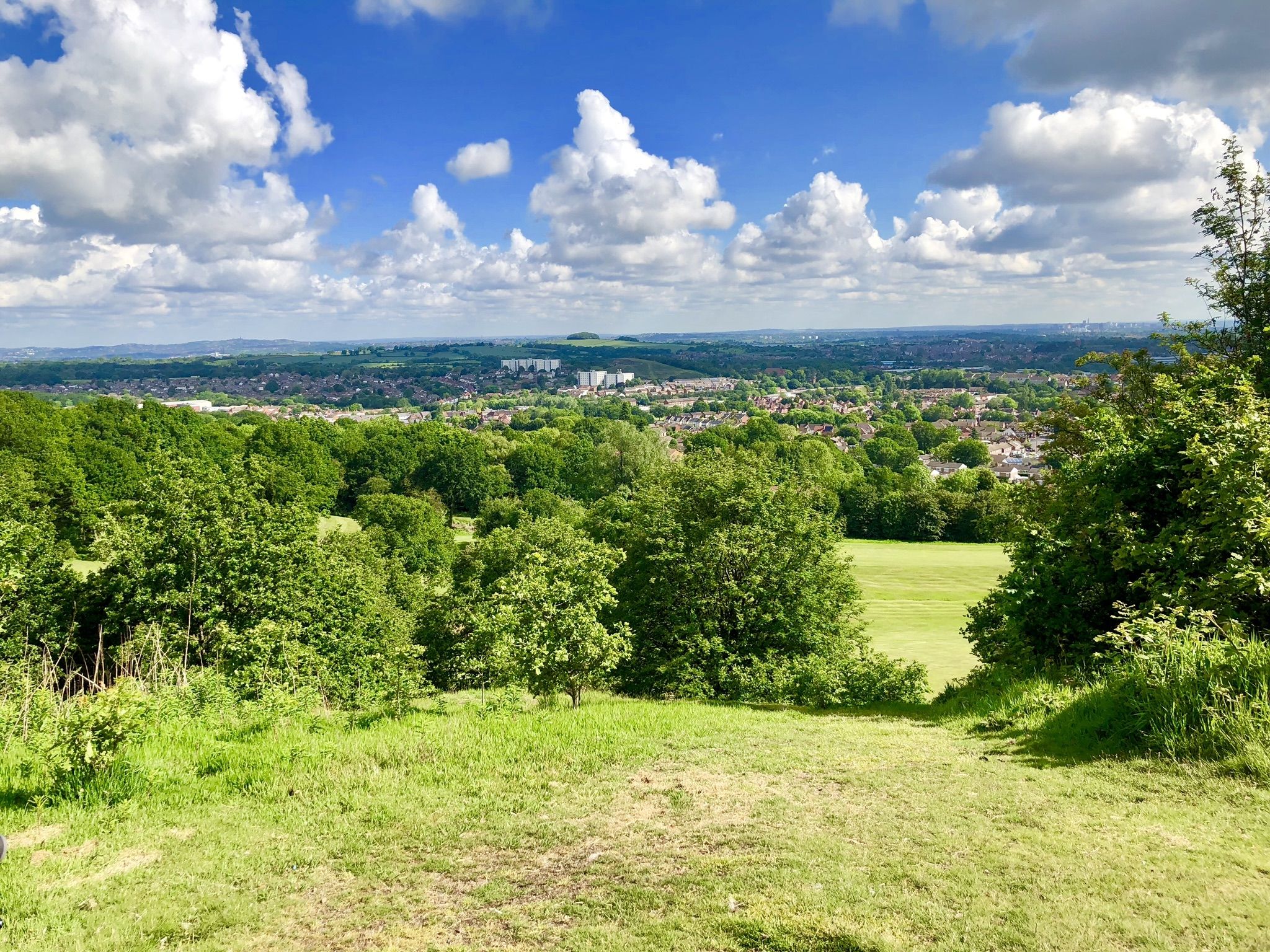
Monarch's Way: Part 1 — Conquer the longest inland trail in England

West Midlands Cycle Route – Where history comes alive
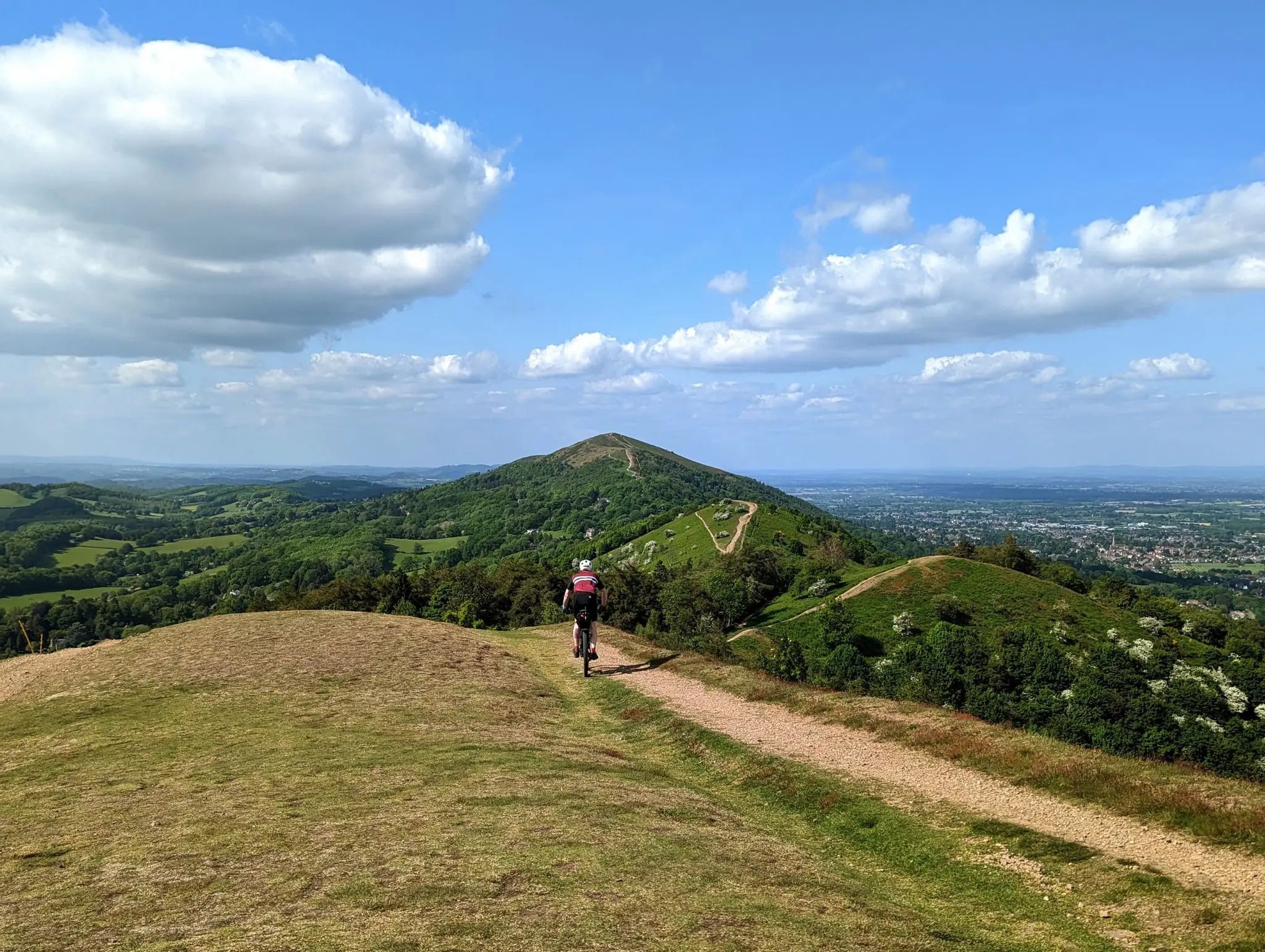
Top gravel rides in Birmingham and Worcestershire
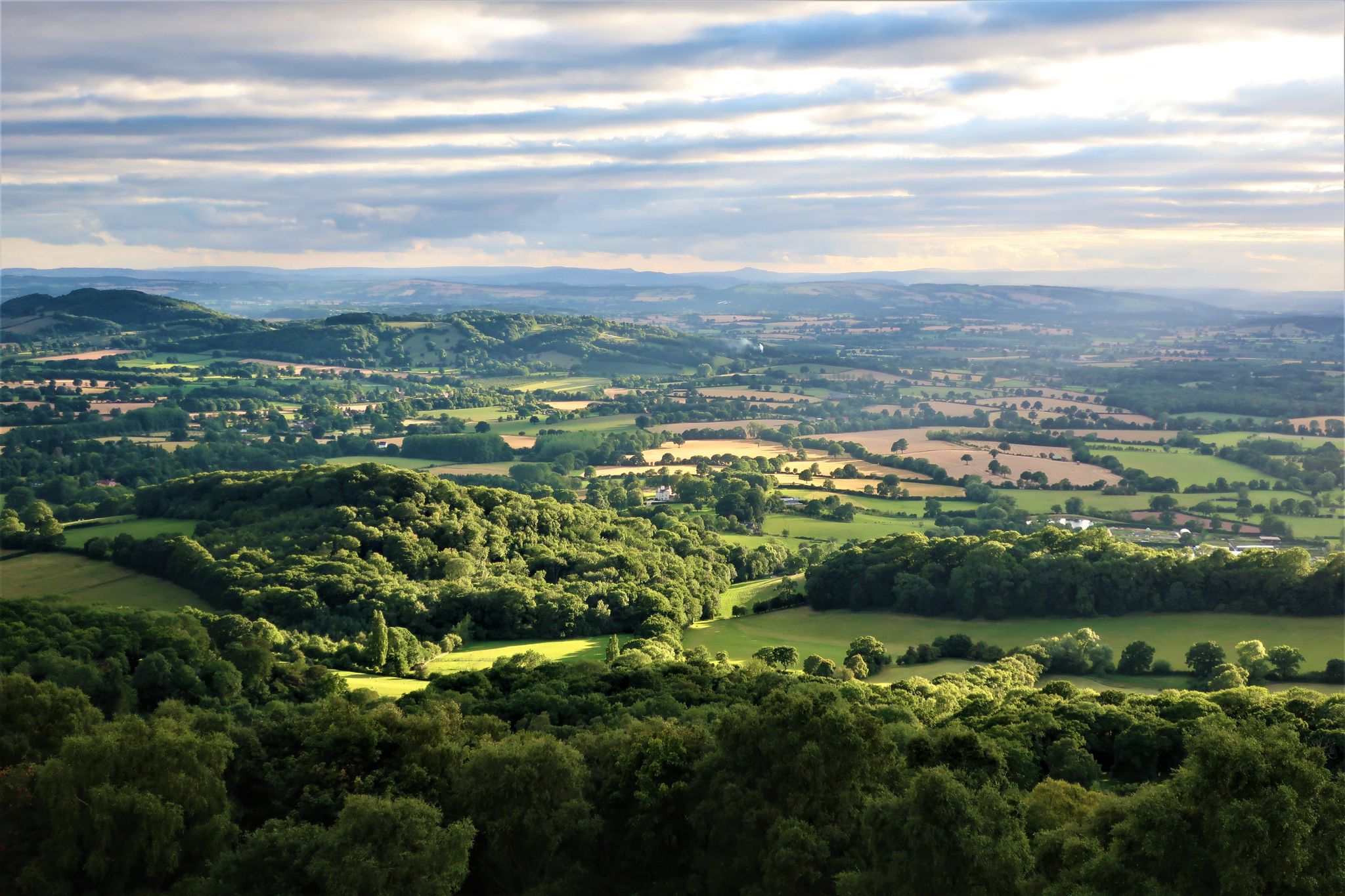
Hike vibrant, rolling hills and lush valleys — Worcestershire Way
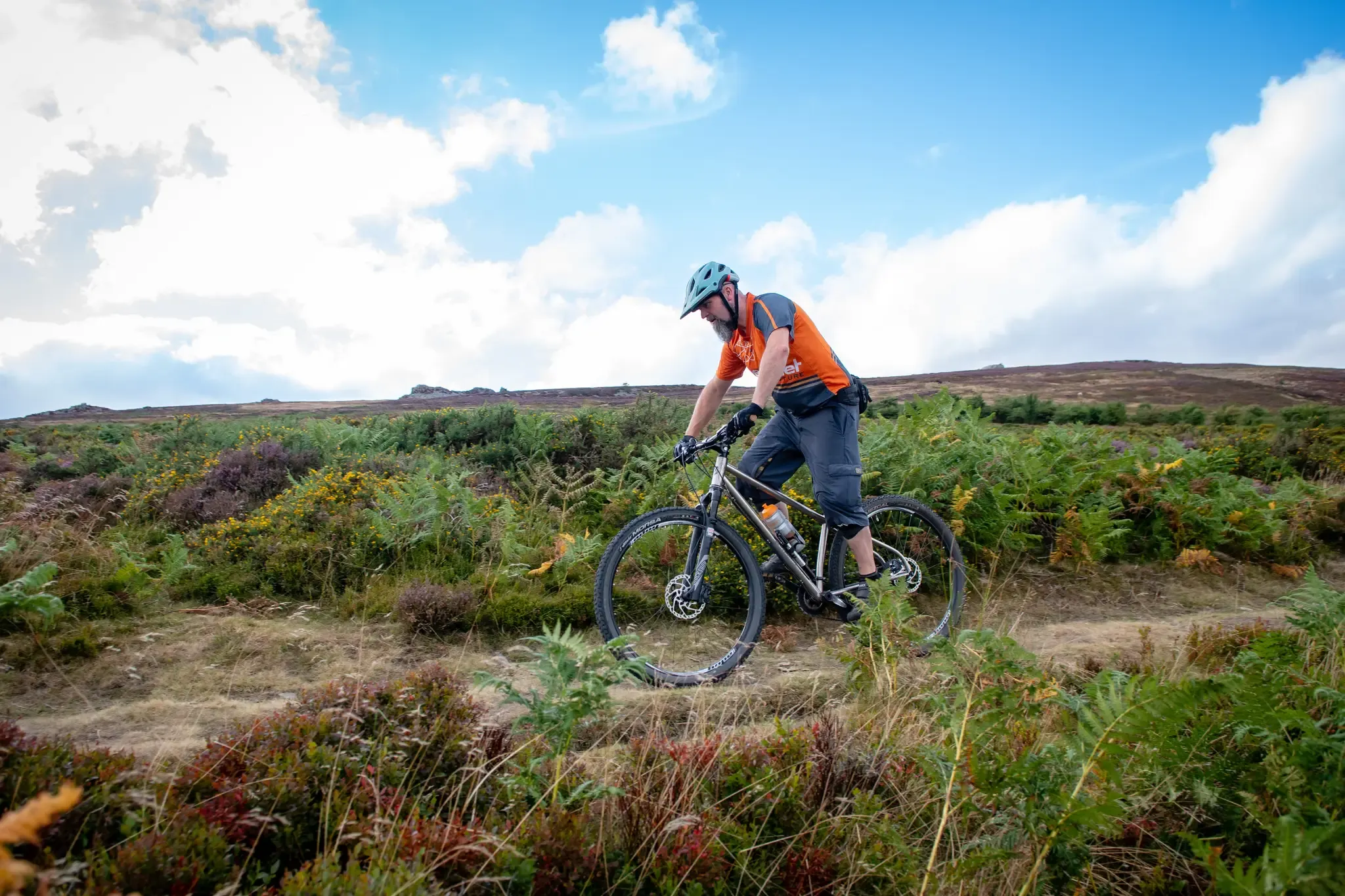
Shropshire's singletrack secrets — mountain biking on the Welsh border
Other adventures in Worcestershire


Tips from the Community

A fine stand of trees at the top of Waseley Hill
0
0

Small little cave but great to get out of the rain/sun for a quick drink and snack.
0
0
Pinnacle Hill isn't really much of a pinnacle, but it is the highest point between the Wyche and Wynds Point, and as such is a fine viewpoint in both directions.
0
0
This little top is a fine viewpoint both north to Perseverance Hill and beyond to the Worcester Beacon, and south to Pinnacle Hill.
0
0
North Hill is a very good viewpoint - but this image was taken on the way up to Table Hill, which is next to North HIll.
0
0
Summer Hill is a bit of a bump in between the Beacon and the Wyche Cutting, however it's steep southern aspect does afford some of the best views along the Malvern Hills ridge, particularly when there is an Inversion happening.
0
0
Between North Hill and The Beacon (and Sugar Loaf Hill) this flat topped hill can get overlooked, but it does afford great views of the Beacon, and is photogenic in it's own right when covered in snow.
0
0

From Myseries of Mercia - a book and facebook page.... A mysterious cave on the Malvern hills and an enormous lump of stone in a nearby village...what connects them? This is Clutters Cave, an apparently man-made grotto within a volcanic basalt outcrop. Very little is known about it, not least who on earth "Clutter" was, but it's been mentioned in connection with various points in history going back to the medieval age. Folklore claims that Owain Glyndwr, the legendary Welsh hero, hid in Clutters Cave after his abortive attempt to invade England and retreat from North Worcestershire. He was never seen again so it's as good a story as any. I've also been told that a hermit once lived in the cave, dispensing blessings and wisdom to those who climbed up the hills to see him. Alfred Watkins, author of The Old Straight Track and father of the ley line concept, reckoned he had found a "door" to the cave a few yards away in a nearby gulley which was used as a "sacrificial stone" by "druids". He even got his assistant McKaig to lie on it as a "victim" to prove his point. Unfortunately for Watkins, we know that at least part of his theory was wide of the mark as his cave door is of a completely different type of rock. So what about the big rock? This lies at the centre of the village of Colwall and folklore gives us a reason for its presence. Another name for Clutters Cave is "Giant's Cave" and the story goes that this giant lived on the Malvern Hills with his human wife. One day he saw a man flirting with his good lady down in the valley where Colwall now lies. Erupting with rage as he watched the two of them giggling, he dug his hands into the rock and scooped out an enormous lump which he hurled at the pair down below, crushing them both. It was said that they lay under the rock for centuries until someone dragged it away to clear the obstruction, whereupon the giant put it back into place the next night! Strangely, there is a record of a payment made to a local man to drag the current stone into position to replace "the stone that once stood there". Some say that Clutters Cave is actually a Victorian folly, but nobody has any idea when it appeared. I find this unlikely as although Alfred Watkins did misidentify a few sites he surely would have been aware of something being just a few decades old. I've also seen a reference to it in a novel from 1883 and in the journal of the Royal Anthropological Institute from 1881, neither of which dismiss it as a folly.
0
0
Frequently Asked Questions
What are the most popular natural monuments in Worcestershire?
Among the most popular natural monuments in Worcestershire are the Worcestershire Beacon Summit and Toposcope, the highest point in the county offering panoramic views. Visitors also frequently enjoy The Four Stones, Clent Hills, known for its unique stone circle and magnificent views, and Broadway Tower, which provides spectacular vistas stretching into 16 counties from the Cotswold escarpment.
Are there family-friendly natural monuments in Worcestershire?
Yes, several natural monuments in Worcestershire are suitable for families. The Four Stones, Clent Hills, offers a gentle climb and unique features that children often enjoy. Additionally, Jubilee Plantation, Waseley Hills Country Park, is categorized as family-friendly, providing open spaces and woodlands for exploration.
What kind of walking and hiking trails can I find near Worcestershire's natural monuments?
Worcestershire offers a wide range of walking and hiking trails near its natural monuments. You can find routes from easy to difficult, including circular walks. For example, there are trails around the Malvern Hills, such as the 'Worcestershire Beacon Circular' or the 'Worcestershire Beacon Loop from Great Malvern'. Other options include 'The Four Stones & Hollis Copse loop from Nimmings Wood — Clent Hills' for an easier walk. You can explore more options for hiking in Worcestershire or easy hikes in the region.
Where can I go for wildlife spotting in Worcestershire's natural monuments?
Worcestershire is rich in wildlife habitats. Monkwood is renowned for its butterfly population, with three dozen species recorded. Lower Smite Farm, the operational base for the Worcestershire Wildlife Trust, offers nature trails to observe local animals and insects. The Knapp and Papermill is an apple orchard known as a birdwatching hotspot, featuring rare flowers. Grafton Wood and Chaddesley Woods National Nature Reserve are also excellent for exploring diverse woodland wildlife.
Are there any natural monuments with historical significance in Worcestershire?
Many natural monuments in Worcestershire hold historical significance. The Worcestershire Beacon on the Malvern Hills historically served as a site for beacon fires, notably to warn of the Spanish Armada. Broadway Tower, though a folly, was designed in the form of a castle in the late 18th century. The Four Stones, Clent Hills, while appearing ancient, were erected around 1763 by an eccentric landowner.
What are some notable woodlands or forests to visit in Worcestershire?
Worcestershire is home to significant woodlands. Wyre Forest is the UK's largest native woodland, ideal for immersive walks. Tiddesley Wood, an ancient semi-natural reserve, is rich in trees, wildflowers, and historic orchards. Monkwood, believed to be over 1000 years old, is known for its butterfly population. Chaddesley Woods National Nature Reserve is the second-largest woodland in the county, and Blackhouse Wood is a 'fantastically rich ancient semi-natural woodland' within the Malvern Hills Area of Outstanding Natural Beauty.
Can I find viewpoints with extensive vistas among Worcestershire's natural monuments?
Absolutely. The Worcestershire Beacon Summit offers panoramic views that can stretch to the Black Mountains in South Wales on a clear day. Broadway Tower provides views into 16 counties. Other notable viewpoints include The Four Stones, Clent Hills, Jubilee Hill, and Table Hill, all offering impressive vistas across the region.
Are there any natural monuments in Worcestershire that are dog-friendly?
Many natural monuments and outdoor areas in Worcestershire are dog-friendly, especially those managed for public access like the Malvern Hills and Wyre Forest, which are popular for dog walking. It's always advisable to keep dogs under control, especially in areas with livestock or sensitive wildlife, and to check specific site rules before visiting.
What unique geological features can be observed in Worcestershire's natural monuments?
Worcestershire's natural monuments showcase diverse geological features, primarily within the Malvern Hills range. These ancient hills are composed of some of the oldest rocks in England, providing a dramatic landscape of steep slopes and prominent summits. While not strictly geological, the abandoned Earnslaw Quarry, now home to Summer Hill and its lake, offers a glimpse into the region's industrial past interacting with its natural recovery.
What is the best time of year to visit Worcestershire's natural monuments?
The best time to visit Worcestershire's natural monuments largely depends on your interests. Spring (April-May) is ideal for wildflowers in woodlands like Tiddesley Wood and for spotting early butterflies. Summer (June-August) offers the warmest weather for hiking and enjoying panoramic views, though popular spots can be busy. Autumn (September-October) brings spectacular foliage, especially in the forests. Winter can offer crisp, clear views from the hilltops, though some trails may be muddy. Many sites are accessible year-round from dawn to dusk.
Are there opportunities for running near the natural monuments?
Yes, Worcestershire provides various running trails that often pass through or near natural monuments. For instance, you can find routes like the 'Worcestershire Beacon and North Hill Loop' for a challenging run, or the 'Worcester & Birmingham Canal & River Severn loop from Worcester' for a more urban-natural blend. Explore more options for running trails in Worcestershire.
What are some lesser-known or 'hidden gem' natural monuments in Worcestershire?
While popular sites draw crowds, Worcestershire also has its hidden gems. Monkwood, despite its age, is a tranquil haven for butterfly enthusiasts. The Knapp and Papermill, though smaller, is a significant birdwatching spot with rare flora. Lower Smite Farm offers a unique insight into wildlife-friendly farming practices away from the main tourist routes. These sites provide a quieter experience of the region's natural beauty.
Most popular routes in Worcestershire
Most popular attractions in Worcestershire

Get inspired with the komoot mobile app


Didn’t find what you were looking for?
Find even more amazing natural monuments in Worcestershire by checking out the top Highlights region by region:
Explore more
Extend your search for the best caves by checking out these guides of the top ones in Worcestershire:
