Top 14 Natural Monuments in Plovdiv Region
Best natural monuments in Plovdiv Region include diverse geological formations and scenic landscapes. The region is characterized by its syenite hills, ancient mountain ranges, and unique rock formations. These natural features offer opportunities for outdoor activities and exploration. Plovdiv Region provides a blend of geological interest and natural beauty.
Best natural monuments in Plovdiv Region
- The most popular natural monuments is Botev Peak, a summit that offers extensive views to North and South Bulgaria. This peak features various buildings,…
Last updated: October 13, 2026
Botev Peak
Highlight • Summit
There are various buildings on the summit. There is a huge radio and …
Tip by

Sahat Tepe (Danov Hill)
Highlight • Natural Monument
Translated by Google •
Tip by

Sign up now to discover places like this
Get recommendations on the best single tracks, peaks, & plenty of other exciting outdoor places.
Mladezhki Halm (Hill of Youth)
Highlight • Viewpoint
Tip by

Nebet Tepe Archaeological Site and View of Plovdiv
Highlight • Historical Site
Nebet Tepe is one …
Tip by

Momini Skali Cliffs
Highlight • Climb
Translated by Google •
Tip by

Ridge Trail in Central Balkan National Park
Highlight (Segment) • Trail
Translated by Google •
Tip by

Dakeritsa Rocks
Highlight • Natural Monument
Translated by Google •
Tip by
Waterfall
Highlight • Waterfall
Translated by Google •
Tip by

Slivodolsko Padalo Waterfall
Highlight • Waterfall
Translated by Google •
Tip by
Dobrostanski Biser Cave
Highlight • Cave
Translated by Google •
Tip by
Sign up for free to discover even more natural monuments in Plovdiv Region.
Already have an account?
Start today with a free account
Your next adventure awaits.
Tips from the Community

The Nebet Tepe Archaeological Complex is located on the northern hill of the Three Hills. Traces of human activity here can be traced from the Chalcolithic period (fourth millennium BC) to the present day. Dates for the earliest periods of occupation are sparse (4th–2nd millennium BC), but it is assumed that a Thracian cult center existed there at some point (12th–6th century BC). Analysis of historical sources suggests the existence of a Thracian settlement in the period 5th–4th century BC, but the expansion and flourishing of the settlement and its transformation into an urban center are linked to the campaigns of Philip II in Thrace in 351 BC. He abandoned his garrison and likely strengthened the ridge of Nebet Tepe. The fortifications of the hill and the town on the plain often changed rulers. In the 11th century BC, Philip V briefly conquered the site. In the years before the establishment of Roman rule in Thrace (mid-1st century AD), the last Thracian kings, Rhoe metalces I and Rhoe metalces II, ruled here. After the arrival of Roman troops in the city, construction began on a fortress wall that defended the entire area of the Three Hills. Over the years, these fortifications were expanded, demolished, repaired, doubled, and improved. Several important construction periods can be distinguished in the remains that have survived to this day: Thracian, Roman, Early Byzantine, Medieval, and Ottoman. The remaining Turkish name, Nebet Tepe (Watchtower), has conveyed over the centuries the importance of the hill as an observatory for traffic along the Maritsa River since ancient times, a sacred place for the Thracians, a residence, and a strategic location for military garrisons. The constant human presence contributed significantly to the destruction of most of the buildings and structures from earlier eras. Today, in addition to the fortress walls and two water reservoirs, parts of two buildings with chain-stays and fragments of street pavement have been preserved and restored. The numerous everyday and cultural objects discovered here during archaeological excavations are on display in the exhibition and archives of the Archaeological Museum.
0
0
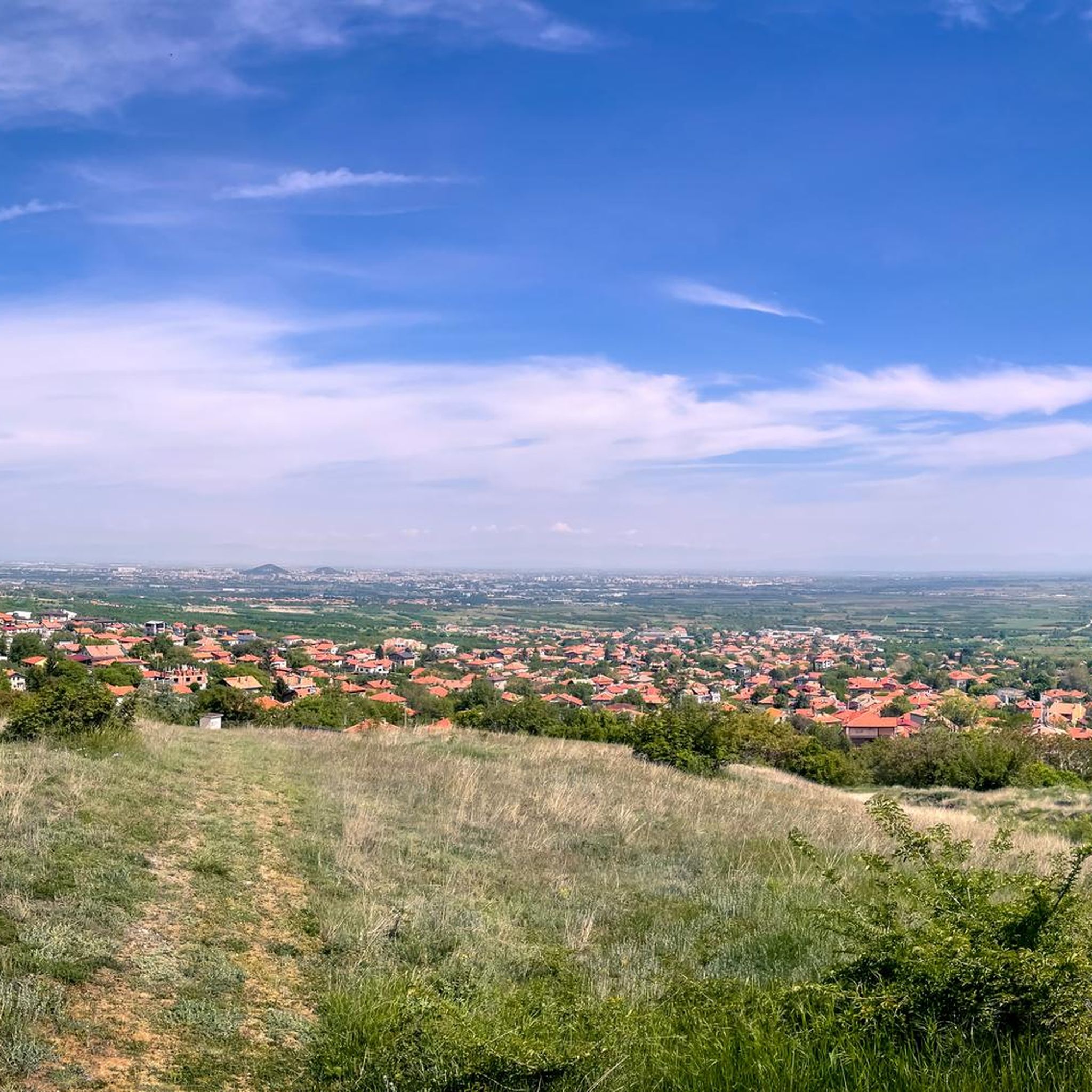
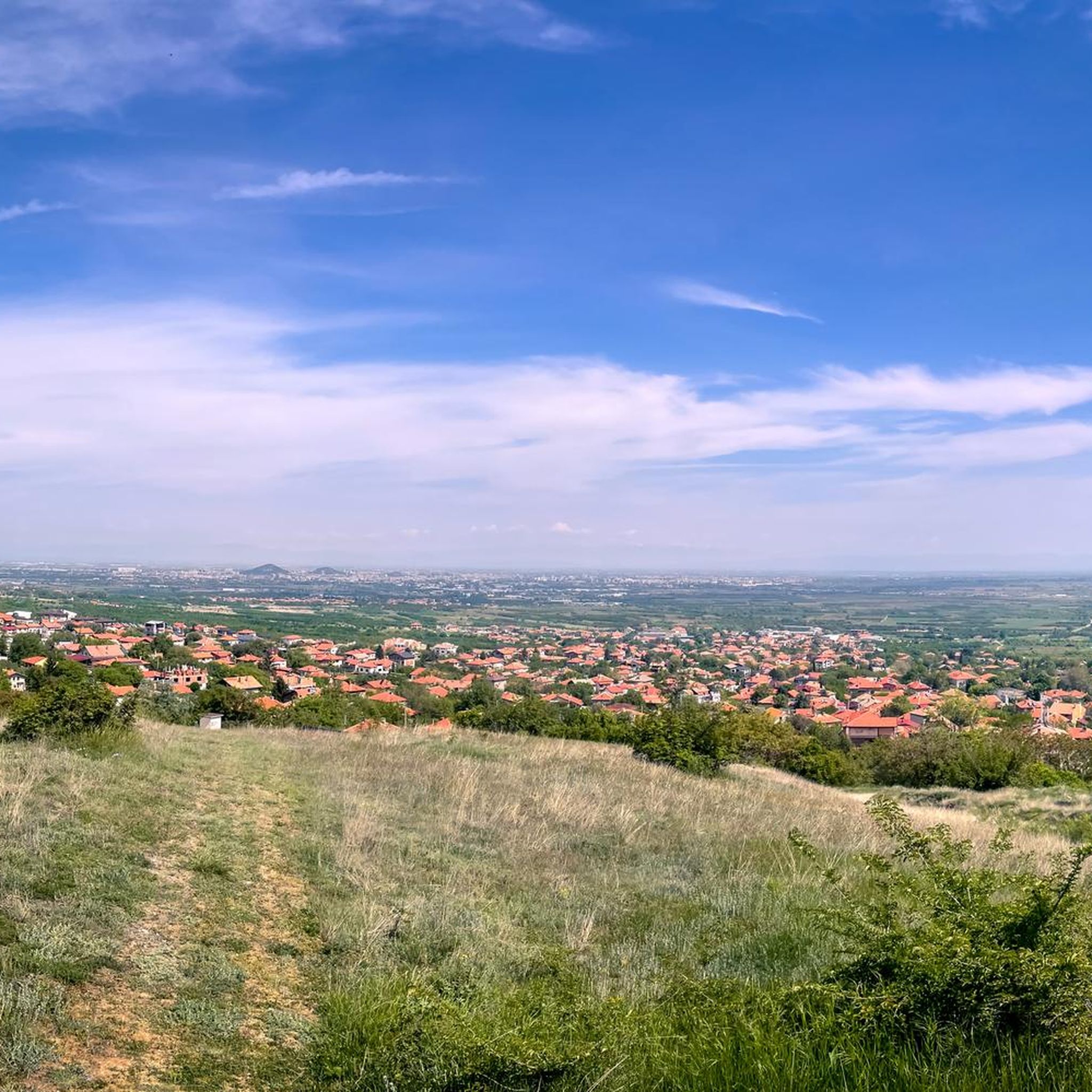
Plovdiv is the only city in Europe comprising three protected areas, with the biggest one being "Youth Hill" covering 36.2 ha. "Youth Hill" Natural Landmark was designated by the Ministry of Environment and Water by virtue of Ordinance No RD-466/22.12.1995. The natural landmark status preserves "Youth Hill" against any new construction, except for the maintenance of existing buildings, alleys, and park facilities. The protection regime of the hill provides for the preservation of the rocks and the natural park vegetation, non-disturbance of birds, non-encroachment on birds eggs, offspring, and nests. Lighting fire on the hill is also prohibited. Observing these rules, we can protect and preserve "Youth Hill" as an area of great significance for the relaxation and recreational needs of the big city. Fantastic View over Plovdiv
0
0

A wonderful place to seek salvation on hot summer days.
0
0

Unfortunately, the waterfall dried up at the end of September.
0
0
The cave is located in the Red Wall Reserve and is closed year-round because it is a bat habitat. Check if it is open if you decide to visit it. The name "Dobrostanski biser" comes from the beautiful rock pearls that have formed in it.
0
0

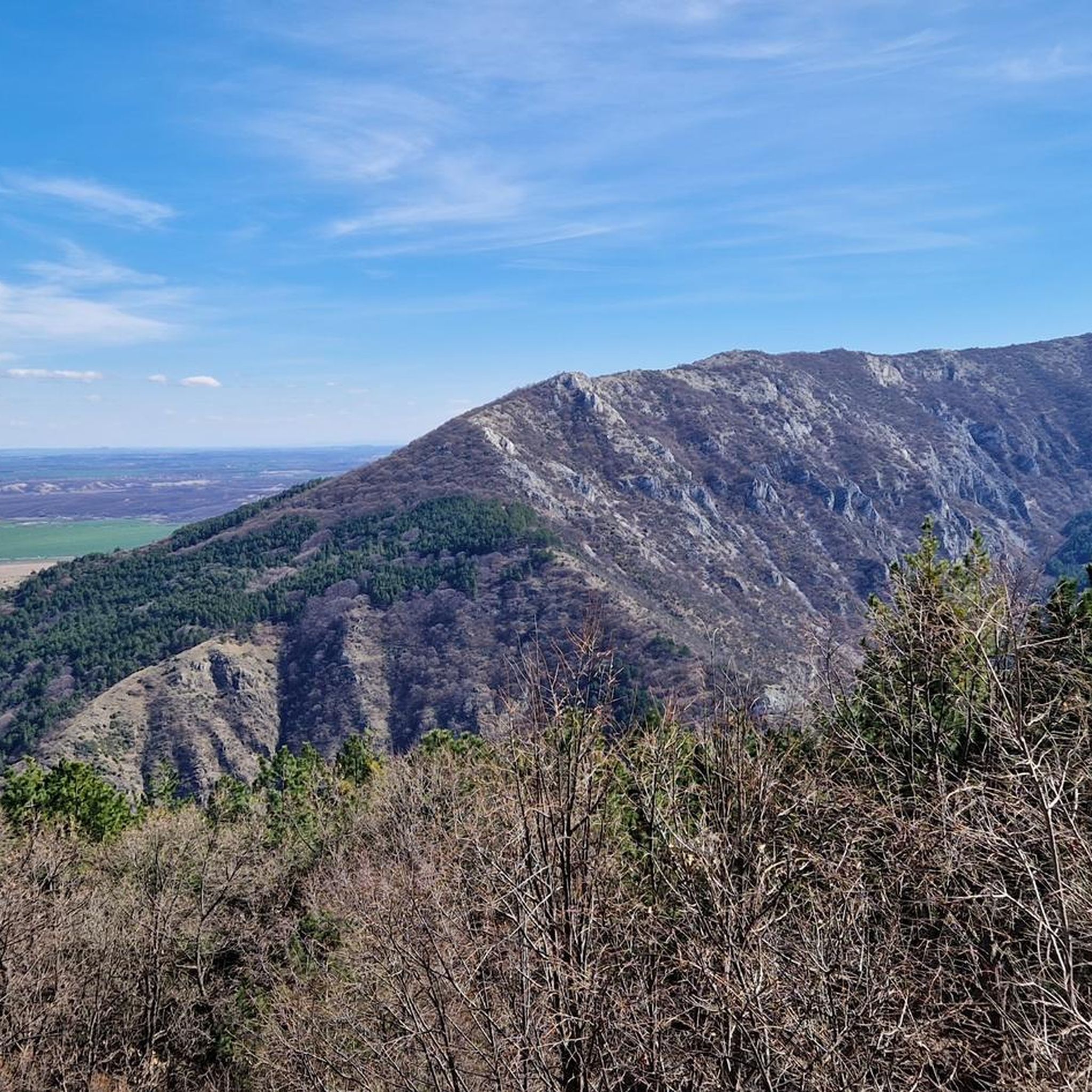
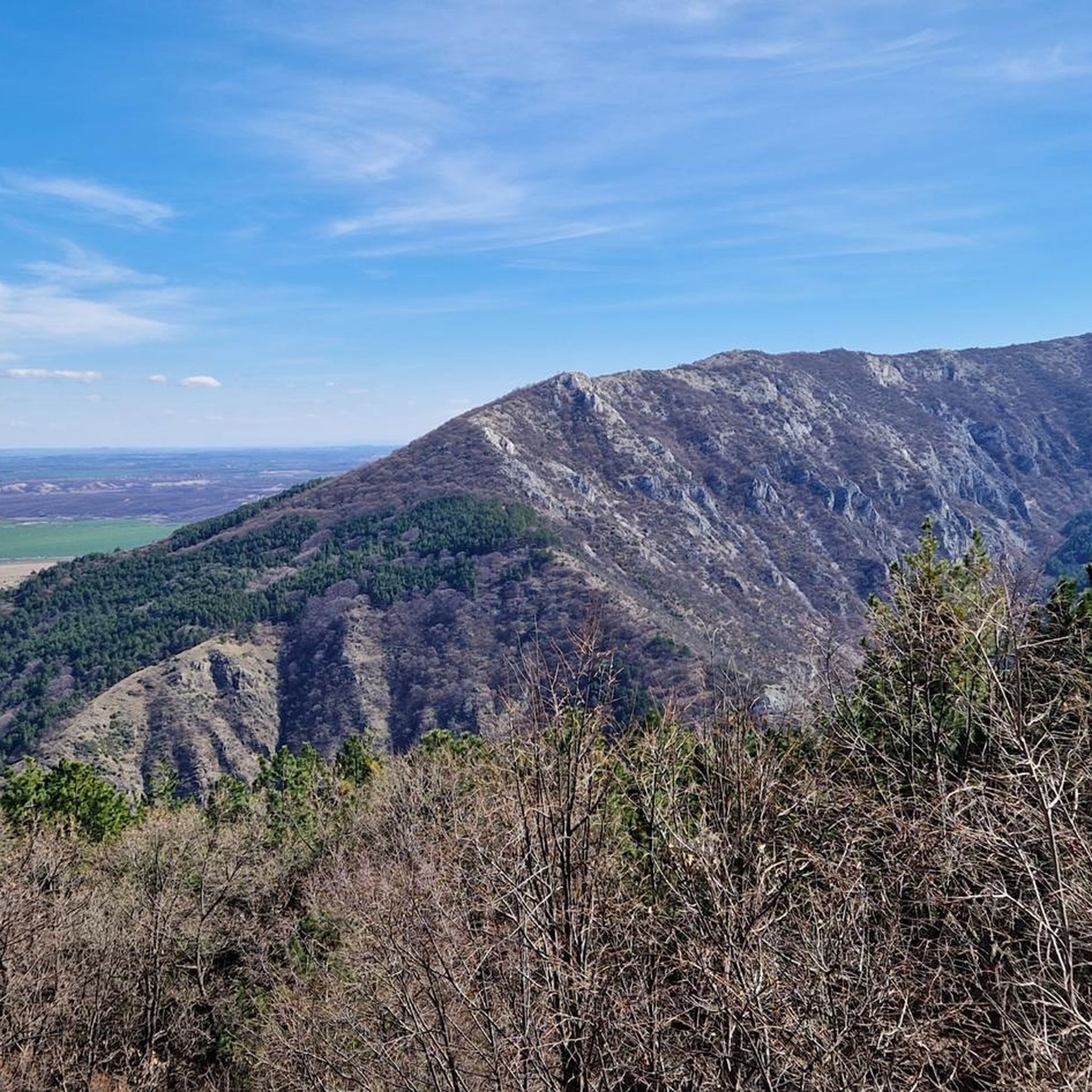
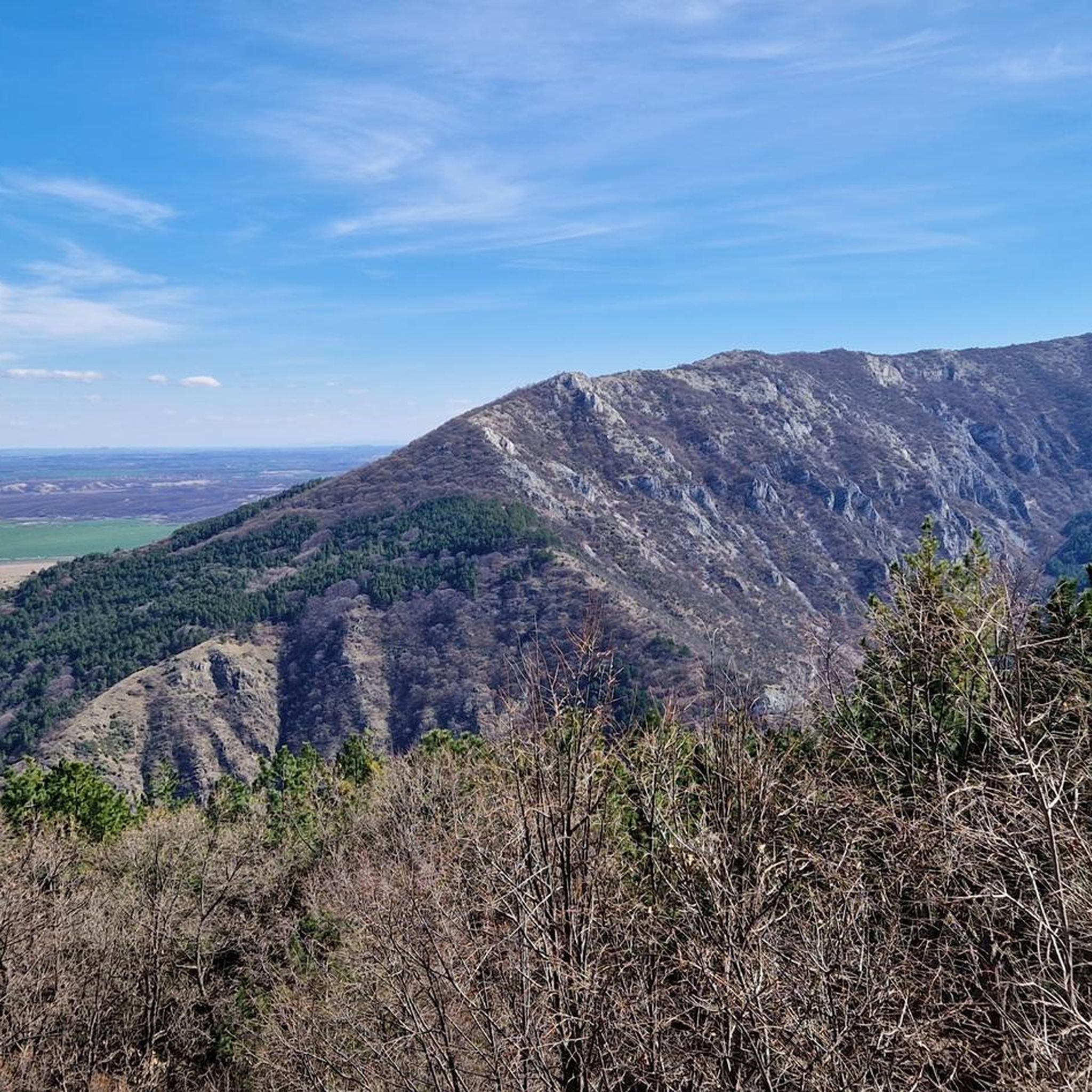
Beautiful. On one side southern Bulgaria, on the other side northern Bulgaria and you sometimes walk right along the ridge. Also perfect for day trips from the Troyan Pass (Beklemeto) to the Kozya Stena hut and back.
1
0

One of my favorite peaks. You can see a big part of the country to the north and south. Amazing views and panoramas. Also paths to the peak a nice there are no rocks or stones like Pirin and the highest parts of Rila. But the weather is probably the most dynamic in the country. Be prepared for a lovely day to a bad thunderstorm or heavy rain. Anyway, I totally recommend climbing the peak from all starting points. From everywhere is different and beautiful.
1
0

None, but an impressive waterfall straight out of the rock, which plunges into a small gorge.
1
0
Frequently Asked Questions
What unique geological features can I explore in the Plovdiv Region?
The Plovdiv Region is rich in unique geological formations. You can marvel at the Marvelous Bridges, a stunning natural phenomenon of two large marble bridges formed by river erosion. Additionally, Plovdiv itself is famously built on seven syenite hills, three of which are protected natural monuments: Mladezhki Halm, Danov Halm (Sahat Tepe), and Halm Na Osvoboditelite, offering distinct geological landscapes within the city.
Are there any natural monuments in Plovdiv Region that offer historical insights?
Yes, several natural monuments in the Plovdiv Region are intertwined with history. Nebet Tepe Archaeological Site and View of Plovdiv is a prime example, being one of Plovdiv's ancient settlements with archaeological remains dating back to 4000 BC. The city's hills, such as Sahat Tepe (Danov Hill), also hold significant cultural and historical value, often featuring historical landmarks like clock towers.
What are some popular hiking trails near the natural monuments in Plovdiv Region?
The Plovdiv Region offers diverse hiking opportunities. You can explore the Ridge Trail in Central Balkan National Park, which provides extensive views of both southern and northern Bulgaria. For more options, check out the dedicated guide for Hiking in Plovdiv Region, which includes routes like the challenging 'View of Djendema Reserve – Waterfall in Djendema Reserve loop'.
Which natural monuments in Plovdiv Region are suitable for families?
For families, Mladezhki Halm (Hill of Youth) in Plovdiv is an excellent choice. It's the largest and tallest of the city's hills, integrated into a public park, offering a natural retreat and recreational space. The Chinarite Protected Area is also noted as family-friendly, providing a pleasant forest environment.
Where can I find impressive viewpoints among the natural monuments?
Many natural monuments in the Plovdiv Region offer spectacular viewpoints. Botev Peak provides extensive views across North and South Bulgaria. The city hills like Nebet Tepe and Sahat Tepe offer panoramic vistas of Plovdiv. For dramatic natural scenery, the Momini Skali Cliffs and Dakeritsa Rocks also boast wonderful panoramic views.
Are there any waterfalls to visit in the Plovdiv Region?
Yes, the Plovdiv Region features beautiful waterfalls. You can visit the Waterfall highlight, which is nestled within a forest and gorge, offering an intermediate difficulty experience. Another notable waterfall is the Slivodolsko Padalo Waterfall, also set in a forest environment.
What kind of outdoor activities can I do near the natural monuments in Plovdiv Region?
Beyond hiking, the Plovdiv Region offers various outdoor activities. You can find numerous routes for MTB Trails, including challenging loops like 'Water Fountain loop from Асеновград'. For a more relaxed pace, explore the options for Cycling in Plovdiv Region, with easy routes such as 'Roman Aqueduct of Plovdiv – Maritsa Riverbank loop'.
What is the best time of year to visit the natural monuments in Plovdiv Region?
The Plovdiv Region's natural monuments can be enjoyed throughout the year, but the best time often depends on your preferred activity. Spring and autumn offer pleasant temperatures for hiking and exploring the outdoor sites like the Marvelous Bridges and the Rhodope Mountains. Summer is ideal for enjoying the green spaces of Plovdiv's hills, while winter can offer a unique, serene experience, especially in the higher mountain areas, though weather conditions should be carefully monitored.
Are there any natural monuments that are less crowded in the Plovdiv Region?
While popular sites like the Marvelous Bridges and Plovdiv's central hills can attract visitors, exploring some of the lesser-known spots or visiting during off-peak hours can offer a more tranquil experience. The vastness of the Rhodope Mountains, which the Plovdiv Region serves as a gateway to, provides countless opportunities for finding secluded trails and peaceful natural settings away from the main tourist hubs.
What makes the Rhodope Mountains a significant natural monument in this region?
The Rhodope Mountains, accessible from the Plovdiv Region, are a significant natural monument due to their rugged and ancient massif, characterized by deep forests, traditional villages, and diverse geological structures. They offer extensive opportunities for nature tourism, including hiking and mountain biking, and are valued for their rich biodiversity and tranquil atmosphere, providing an ideal escape into nature.
Can I find any challenging natural monuments for experienced adventurers?
Yes, for experienced adventurers, Botev Peak is a challenging summit that requires careful attention to rapidly changing weather conditions. The Momini Skali Cliffs also present an intermediate climbing challenge with high sheer cliffs and great views. Additionally, some of the longer hiking routes in the Rhodope Mountains, such as those leading to Djendema Reserve, are rated as difficult.
What kind of natural monuments are the 'Marvelous Bridges'?
The Marvelous Bridges (Chudnite Mostove) are a spectacular natural phenomenon consisting of two large marble bridges. These unique rock formations were carved out by the erosive action of the Erkyupriya River over millions of years. They are located in the Western Rhodopes and are a popular spot for hiking and exploring the surrounding ancient forests, known for their geological rarity and picturesque setting.
Most popular routes in Plovdiv Region
Most popular attractions in Plovdiv Region

Get inspired with the komoot mobile app


Explore more
Extend your search for the best caves by checking out these guides of the top ones in Plovdiv Region:
