Top 8 Natural Monuments in Þingeyjarsveit
Natural monuments in Þingeyjarsveit, a municipality in northeastern Iceland, are characterized by dramatic waterfalls and unique geological formations. This region offers insights into Iceland's volcanic landscape and rich cultural history. Visitors can explore a diverse range of natural attractions, from powerful waterfalls to ancient volcanic remnants. The landscape provides a backdrop for outdoor activities and appreciation of geological processes.
Best natural monuments in Þingeyjarsveit
- The most popular natural monuments is Goðafoss, a waterfall fed by the Skjálfandafljót river. It…
Last updated: June 26, 2026
Goðafoss
Highlight • Waterfall
Translated by Google •
Tip by

Goðafoss Waterfall
Highlight • Waterfall
Translated by Google •
Tip by

Sign up now to discover places like this
Get recommendations on the best single tracks, peaks, & plenty of other exciting outdoor places.
Sign up for free
Aldeyjarfoss Waterfall
Highlight • Waterfall
Translated by Google •
Tip by

Goðafoss Waterfall Photo Point
Highlight • Waterfall
Translated by Google •
Tip by
Skjálfandafljót
Highlight • River
Translated by Google •
Tip by
Vindbelgjarfjall Summit
Highlight • Summit
Translated by Google •
Tip by
the first crossing of the lava field
Highlight • Natural Monument
Translated by Google •
Tip by
Start today with a free account
Your next adventure awaits.
Login or Signup
Popular around Þingeyjarsveit
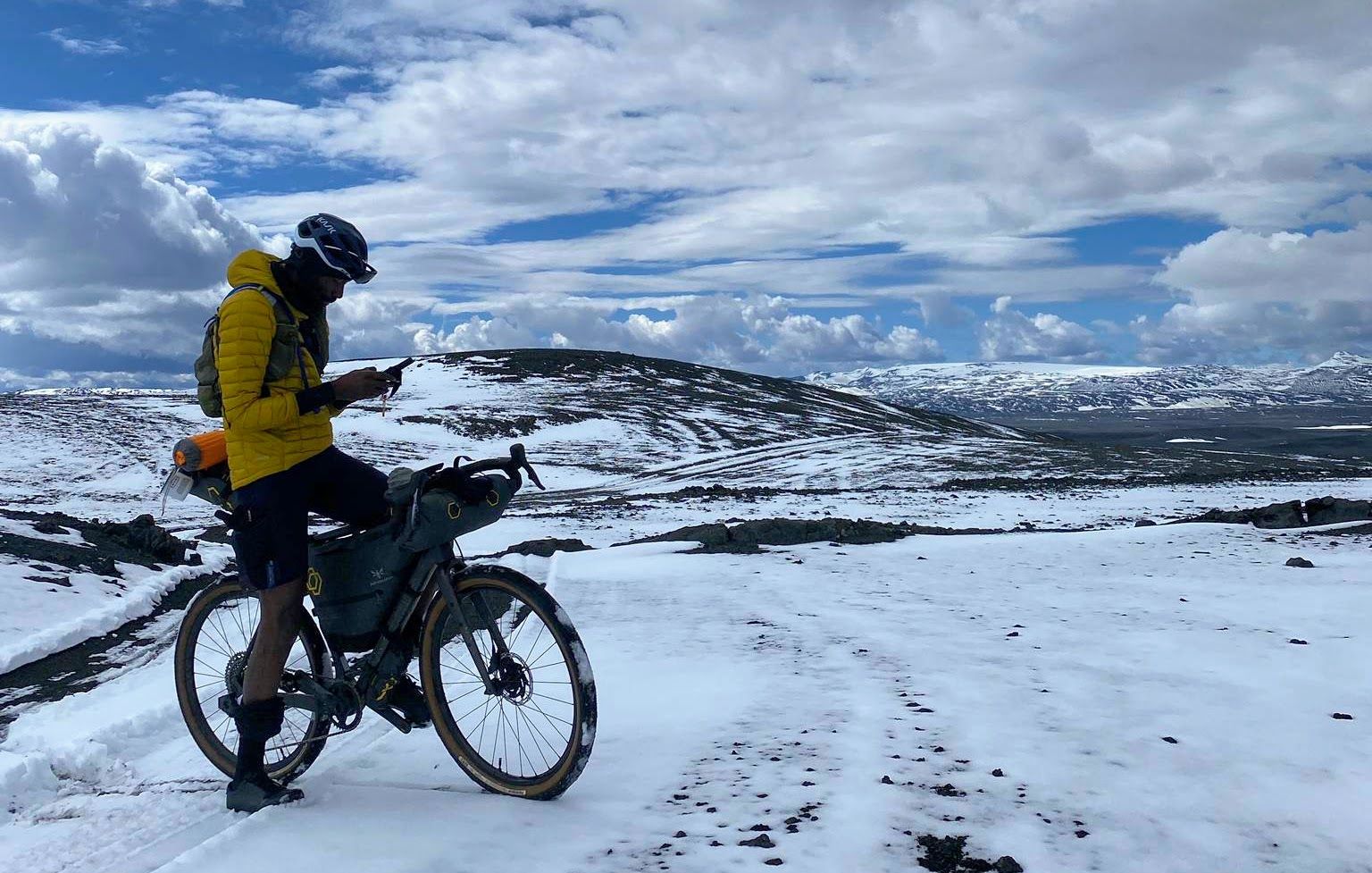
Iceland Divide – Lava fields, icy glaciers and river crossings
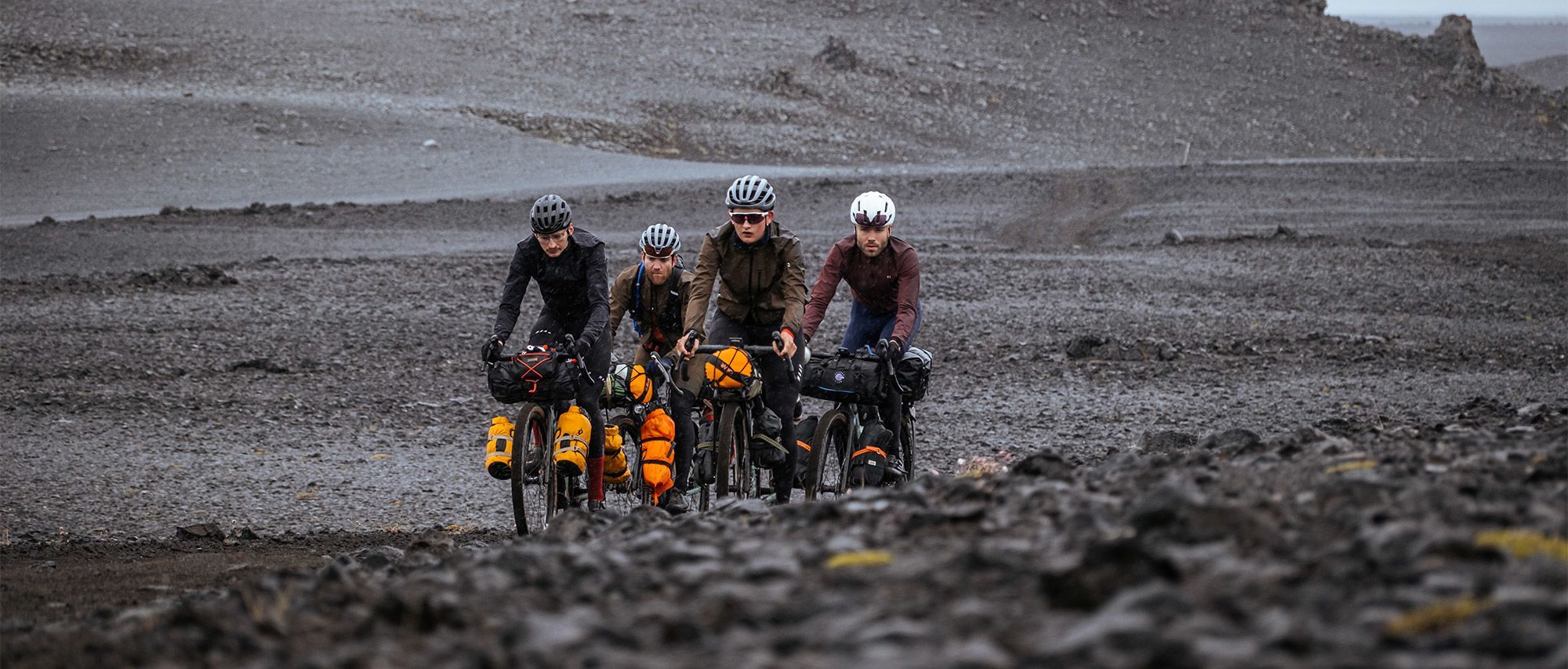
Iceland Divide — Ride Beyond Crew: between fire and ice
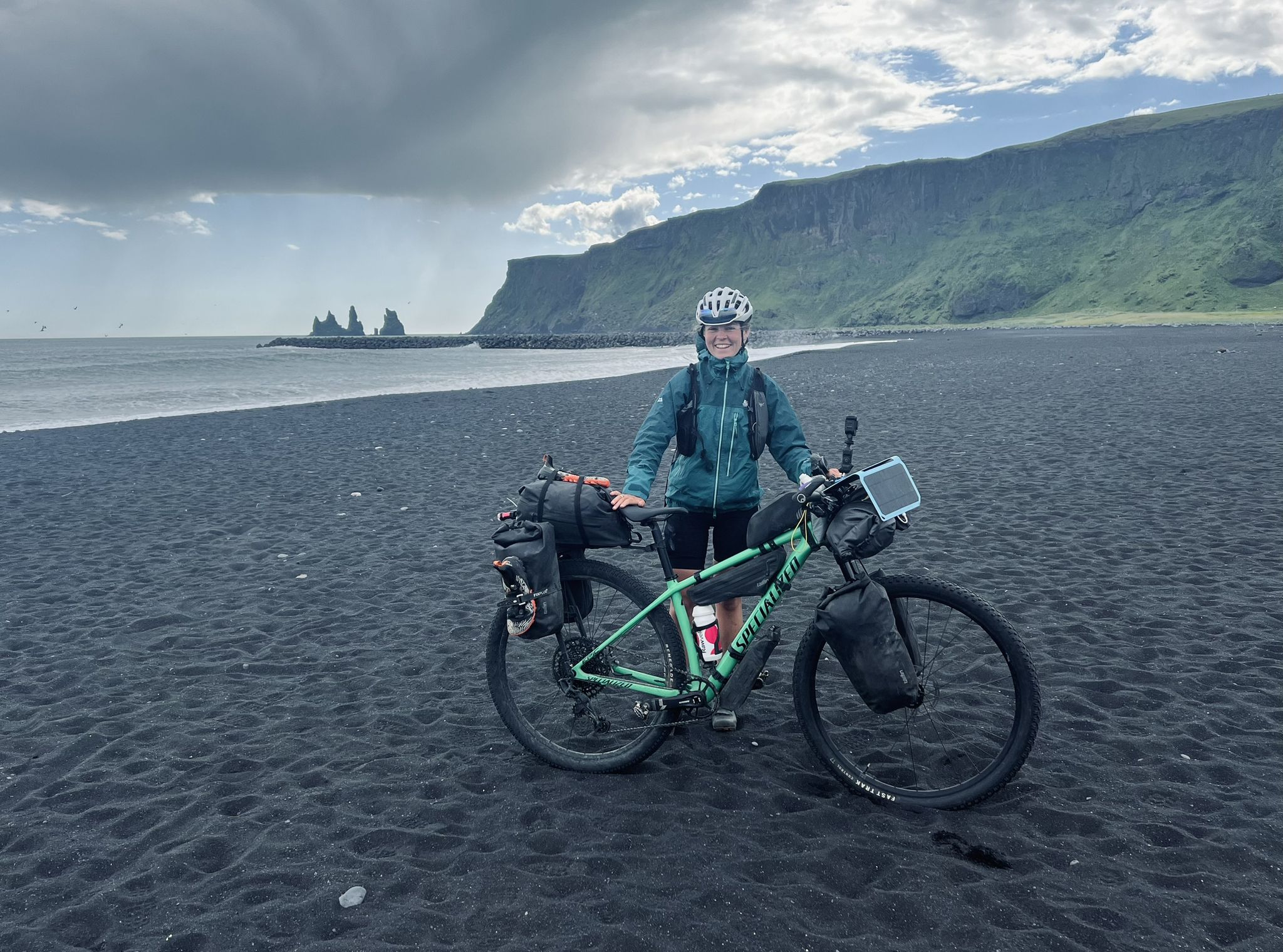
Solitude in the saddle – Iceland Divide
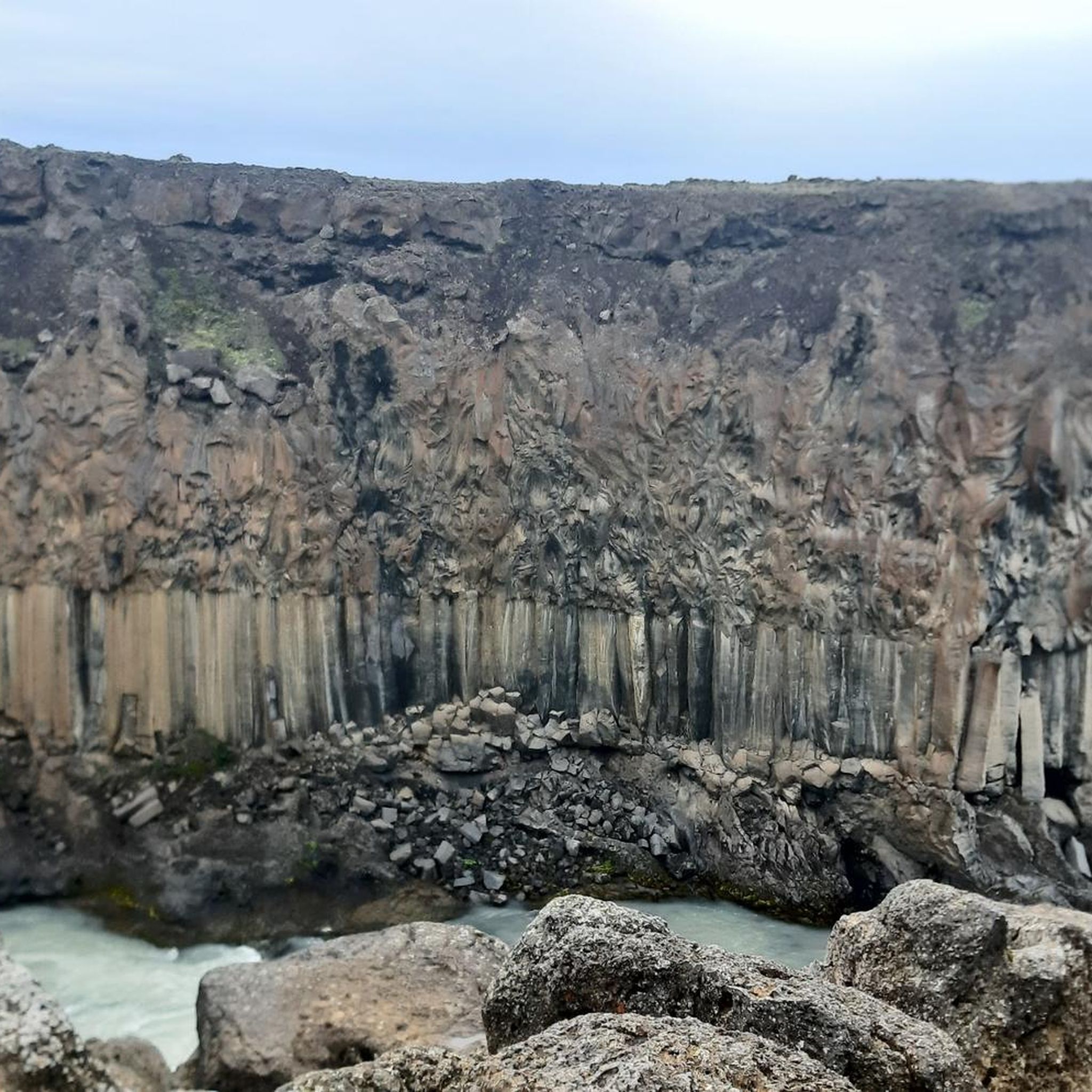
Hiking in Þingeyjarsveit
Running Trails in Þingeyjarsveit
Cycling in Þingeyjarsveit
MTB Trails in Þingeyjarsveit
Road Cycling Routes in Þingeyjarsveit
Other adventures in Þingeyjarsveit


Tips from the Community

About halfway between Akureyri and Lake Mývatn lies the Goðafoss waterfall. Although only a modest 12 meters high, the thunderous cascade is impressive with its masses of water plunging across a wide gorge. The waterfall's edge was formed at the edge of the Frambruni lava flow, which erupted from the shield volcano Trölladyngja around 8,000 years ago and reached a length of 105 km. The waterfall's name is likely related to the Ljósvetninga saga. In the year 1000, the gode Þorgeir, as law speaker at the Þing meeting, ensured the adoption of Christianity as the official religion. He likely acted primarily for political reasons, fearing the timber embargo threatened by the Norwegian King Olaf if the Icelanders remained pagans. This, however, would have meant the end of vital shipbuilding. Relieved after the successful Þing session, Þorgeir sank his idols in the nearest waterfall, which has since been called Goðafoss, or Gods Waterfall.
0
0

A very impressive waterfall. There are no hiking trails there. You have to find your own way.
0
0

You go down a few steps and have a nice view of the falls from a different perspective.
2
0
It is not one of the largest waterfalls, but it is one of the most beautiful.
2
0


This beautiful mountain on the banks of the Myvatn can be climbed in a good three quarters of an hour. If the weather is good, you have a great view from here over the Myvatn, the swamp area where numerous birds breed, and all the way to the Námaskarð thermal area. However, in summer you can expect thousands of flies. Tip: a cloth over your mouth, nose and ears helps. After a third of the way, the overgrown part is done and the wind blows the flies away :)
8
0

The photo point is at the height of the river. You have to cross loose stones/rocks. But this is perhaps the place to be for the real connoisseurs.
10
0
Main viewing platform on the north side of the waterfall. The paths here are beautifully laid out. And the tourists on the other side are also nice.
9
0
Frequently Asked Questions
What are the most popular natural monuments in Þingeyjarsveit?
Among the most popular natural monuments in Þingeyjarsveit is Goðafoss, known as 'the waterfall of the gods' for its historical significance and impressive horseshoe shape. Another highly regarded site is Aldeyjarfoss Waterfall, famous for its dramatic basalt columns. Visitors also enjoy the panoramic views from Vindbelgjarfjall Summit.
What geological features can I expect to see in Þingeyjarsveit?
Þingeyjarsveit is rich in diverse geological formations. You'll encounter powerful waterfalls like Goðafoss, fed by the Skjálfandafljót river, and the unique basalt columns framing Aldeyjarfoss Waterfall. The region also features remnants of Ice Age volcanoes, such as Vindbelgjarfjall Summit, and vast lava fields, offering a glimpse into Iceland's volcanic landscape.
What is the best time of year to visit the natural monuments in Þingeyjarsveit?
The summer months (June to August) are generally the best time to visit, as the weather is milder, and the landscapes are lush and green. Waterfalls like Godafoss 'the beauty' Waterfall are particularly vibrant. However, some remote locations like Askja Caldera are only accessible during summer due to road conditions. Winter offers a different, often snow-covered and ethereal experience, but accessibility can be limited.
Are there any historical or cultural aspects associated with these natural monuments?
Yes, Goðafoss Waterfall holds significant historical importance. Legend states that around the year 1000, a pagan chieftain threw his idols into the waterfall after Christianity became the official religion of Iceland, giving it the name 'waterfall of the gods'.
Are there family-friendly natural monuments in Þingeyjarsveit?
Absolutely. Goðafoss and Godafoss 'the beauty' Waterfall are both considered family-friendly, offering accessible viewpoints and trails suitable for all ages. Their proximity to Highway 1 also makes them easy to reach.
How accessible are the natural monuments in Þingeyjarsveit?
Many natural monuments in Þingeyjarsveit are quite accessible. Goðafoss, for instance, is conveniently located right next to Highway 1, making it very easy to reach. Other sites, like Aldeyjarfoss Waterfall, are more remote and may require a suitable vehicle and a short hike.
What outdoor activities can I do near the natural monuments in Þingeyjarsveit?
Þingeyjarsveit offers a variety of outdoor activities. You can find numerous hiking trails, such as the 'Goðafoss Waterfall – Goðafoss loop' or the 'Aldeyjarfoss Waterfall loop'. For cycling enthusiasts, there are routes like the 'Skútustaðagígar Pseudocraters – Grjótagjá Cave loop'. You can explore more options for hiking, running, and cycling in the region.
Are there hiking trails available near the natural monuments?
Yes, there are several hiking trails. For example, near Goðafoss, you can find a moderate 2.5 km loop. The area around Aldeyjarfoss Waterfall also offers a moderate 8 km loop. You can discover more hiking routes and their difficulty levels in the Hiking in Þingeyjarsveit guide.
What views can I expect from Vindbelgjarfjall Summit?
From Vindbelgjarfjall Summit, you can expect panoramic views of the surrounding landscape, including Lake Mývatn and its unique pseudocraters. It provides a stunning vantage point for appreciating the region's volcanic topography and the vastness of the Icelandic wilderness.
Is there a place for wild swimming or bathing near the natural monuments?
While not directly at the waterfalls, the Askja Caldera, located within Þingeyjarsveit, is known for its Víti crater lake. This geothermal lake is popular for bathing and offers a unique experience in a dramatic volcanic landscape. You can learn more about Askja on Wikipedia.
What makes Aldeyjarfoss Waterfall unique?
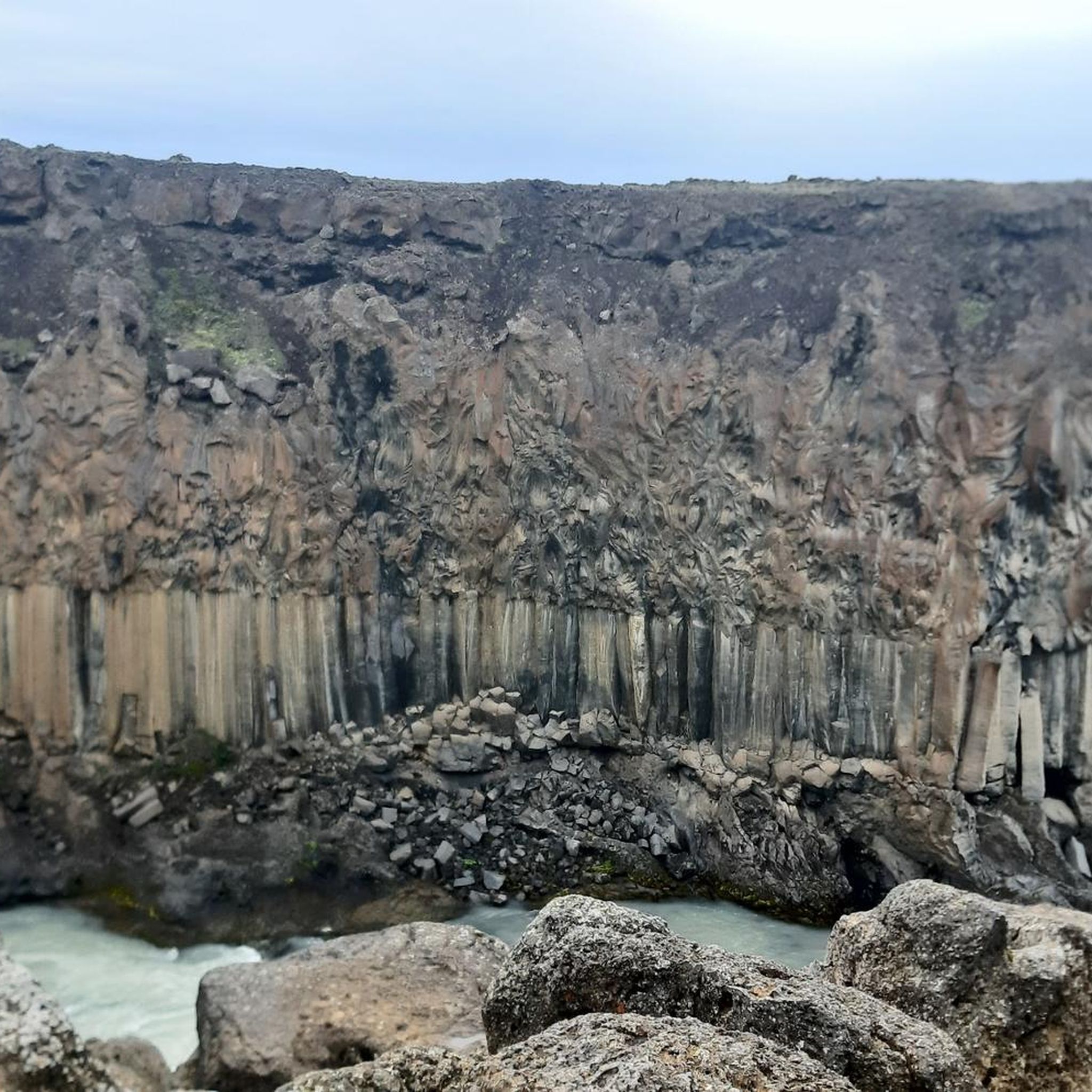
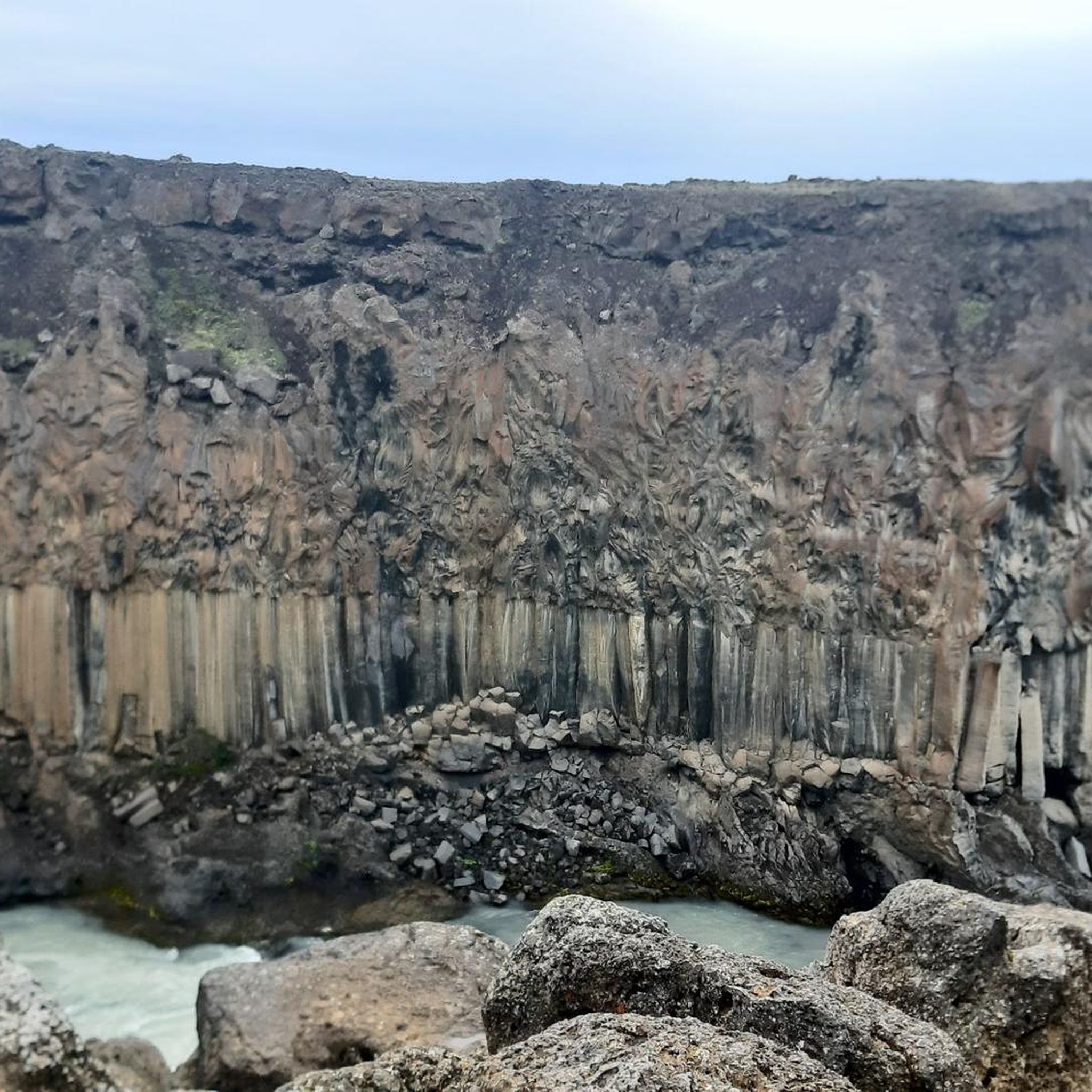
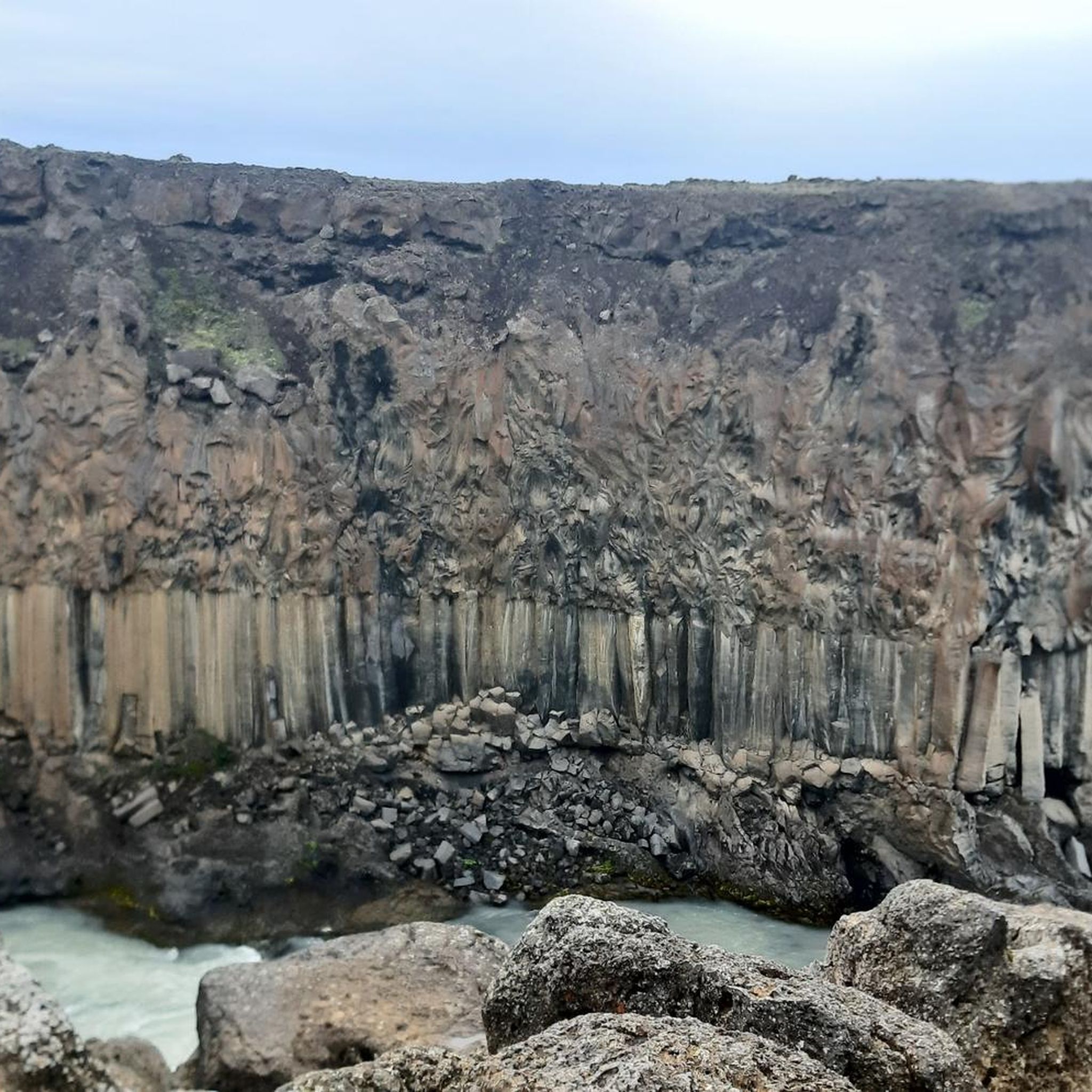
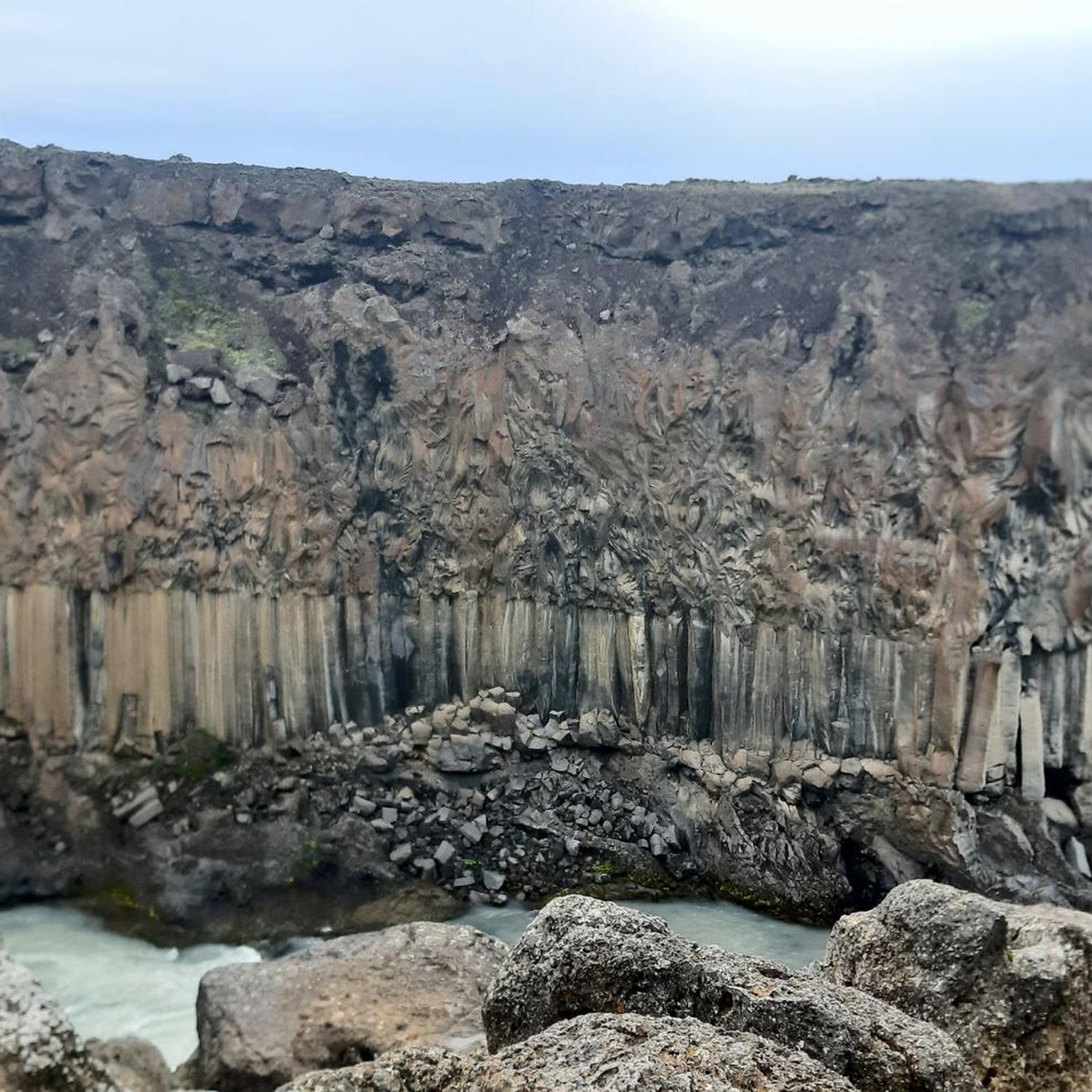
Aldeyjarfoss Waterfall is unique due to the striking contrast between its white cascading water and the dark, geometric basalt columns that frame it. It's situated in an environment of basalt columns and potholes, making it a remarkable example of volcanic activity shaping the landscape and a favorite for photographers.
What should I wear when visiting natural monuments in Þingeyjarsveit?
Icelandic weather can be unpredictable, so it's best to dress in layers. Waterproof and windproof outer layers are highly recommended, especially near waterfalls where spray can be significant. Sturdy hiking boots are essential for navigating varied terrain, which can be wet or uneven. Even in summer, a warm hat and gloves can be useful.
Are there parking facilities at the natural monuments?
Most major natural monuments, such as Goðafoss, have designated parking areas. For more remote sites like Aldeyjarfoss Waterfall, parking might be less formal but generally available near the trailheads. It's always advisable to check specific access information for each location, especially if traveling in a larger vehicle.
Most popular routes in Þingeyjarsveit
Most popular attractions in Þingeyjarsveit

Get inspired with the komoot mobile app


Explore more
Extend your search for the best caves by checking out these guides of the top ones in Þingeyjarsveit:
