Top 10 Natural Monuments in Fljótsdalshérað
Best natural monuments in Fljótsdalshérað showcase diverse landscapes in East Iceland. The region features basalt canyons, powerful waterfalls, and serene forests. These sites offer unique experiences for nature enthusiasts and hikers. Fljótsdalshérað provides a variety of natural attractions to explore.
Best natural monuments in Fljótsdalshérað
- The most popular natural monuments is Stuðlagil Basalt Canyon, a canyon that features impressive basalt columns revealed after a dam project lowered river levels. The bluish color of the Jökla river contrasts with the…
Last updated: October 13, 2026
Stuðlagil Basalt Canyon
Highlight • Canyon
Tip by

Stuðlagil Canyon
Highlight • Canyon
Translated by Google •
Tip by

Sign up now to discover places like this
Get recommendations on the best single tracks, peaks, & plenty of other exciting outdoor places.
Stórurð Glacier Lake
Highlight • Lake
Translated by Google •
Tip by

Rjúkandifoss
Highlight • Waterfall
Translated by Google •
Tip by
Studlafoss Waterfall
Highlight • Waterfall
Translated by Google •
Tip by
Hallormsstaður Arboretum
Highlight • Forest
Translated by Google •
Tip by
Fardagafoss Waterfall
Highlight • Waterfall
Translated by Google •
Tip by

View of Studlagil Canyon
Highlight • Canyon
Translated by Google •
Tip by

Mountain Lake
Highlight • Lake
Translated by Google •
Tip by

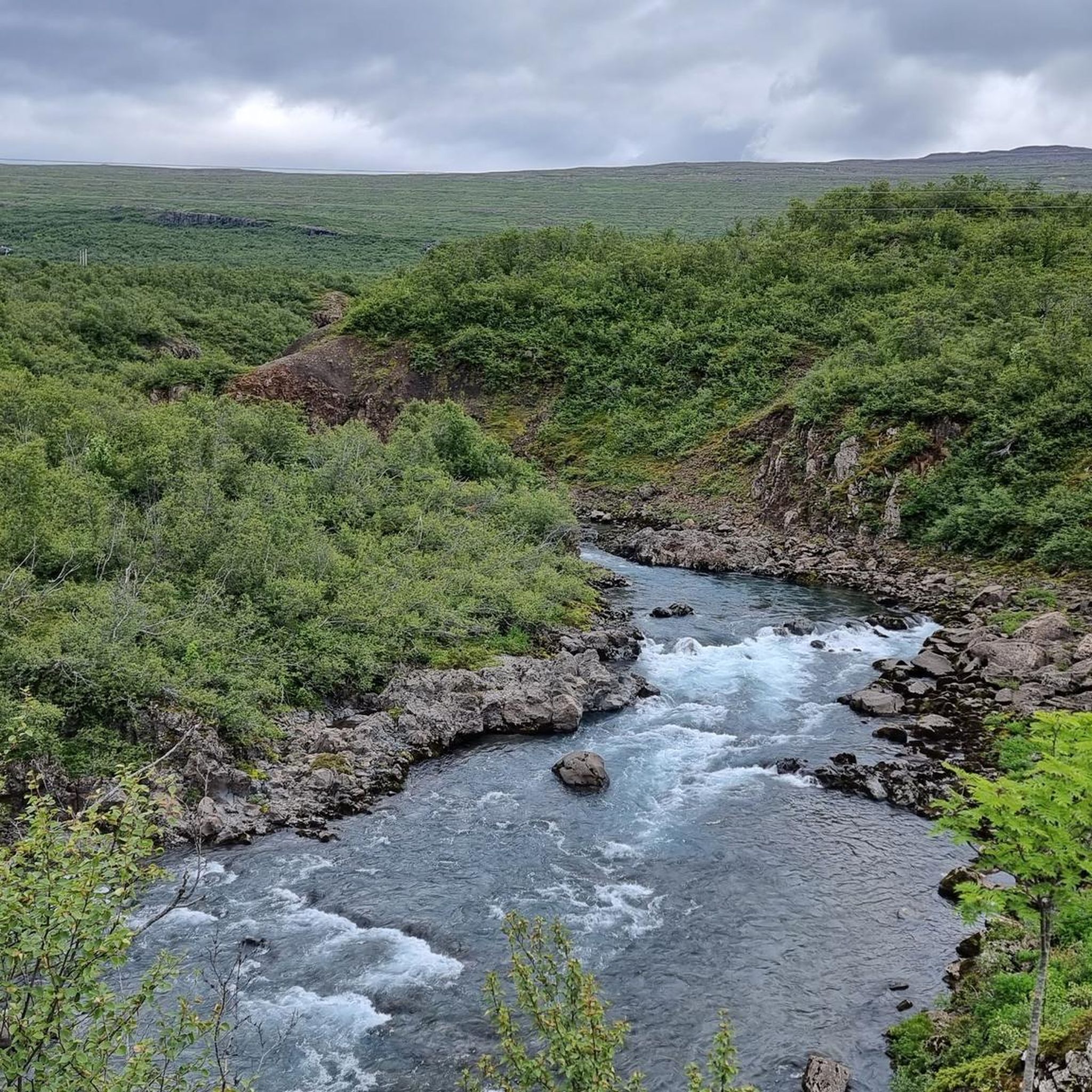
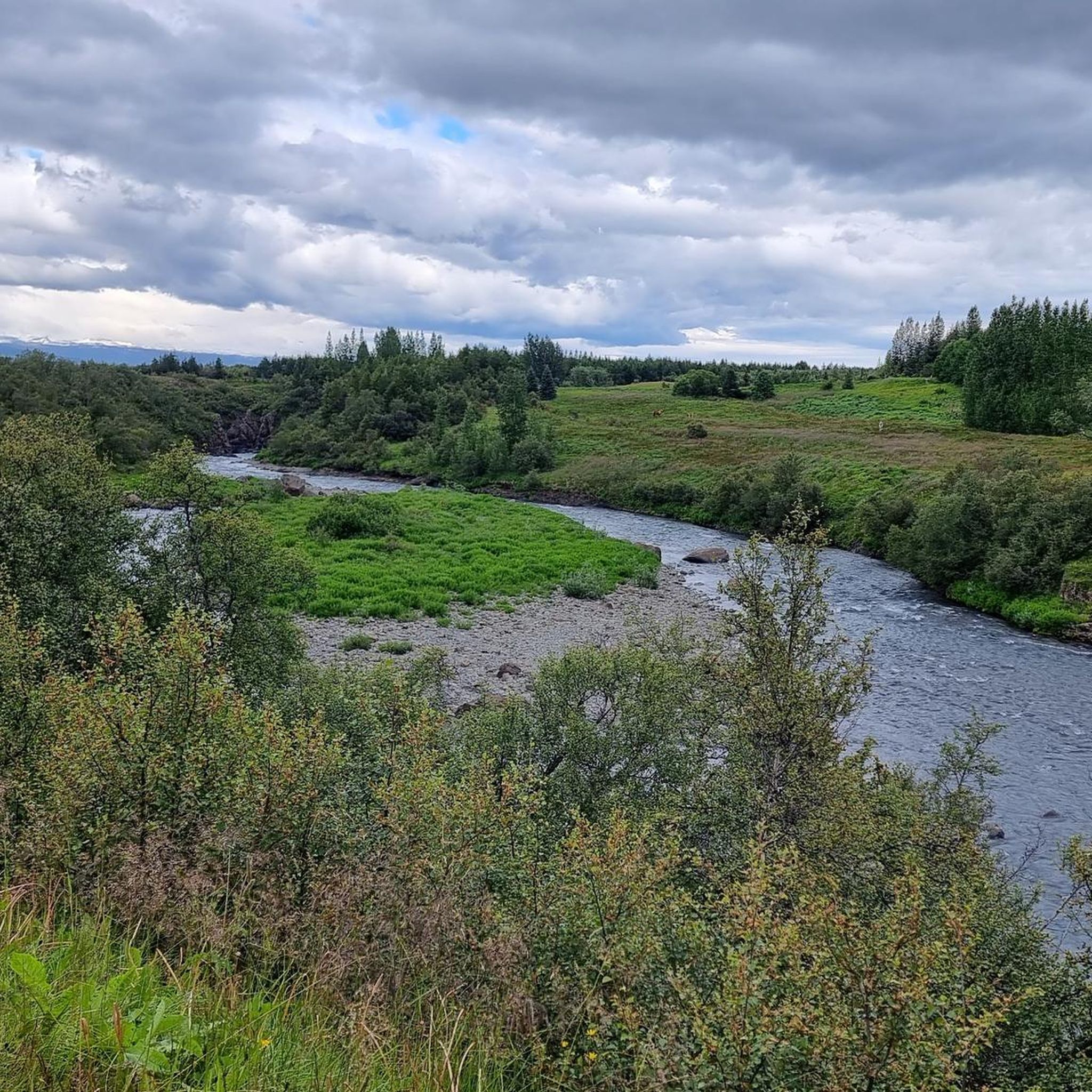
River Bend
Highlight • River
Unfortunately, the bridge was washed away.
Translated by Google •
Tip by

Sign up for free to discover even more natural monuments in Fljótsdalshérað.
Already have an account?
Start today with a free account
Your next adventure awaits.
Popular around Fljótsdalshérað
Tips from the Community


Be sure to park in the hikers' parking lot (left bank of the river), not the viewing parking lot (right bank). During our visit at the end of April, it was very muddy, and the footpath to the most famous viewpoint was noticeably icy. I recommend walking poles and very sturdy shoes.
1
0

Descent into the canyon only with suitable footwear
0
0

Unfortunately, it is completely overcrowded with tourists and anyone arriving by car also has to pay a hefty parking fee for a shabby gravel parking lot.
0
0

Very beautiful canyon. You should be there early in the morning. Then you can enjoy the beauty of nature for a while.
0
0
You should be there early in the morning!
0
0
Very beautiful gorge😃🇮🇸 You should get there early to enjoy a little peace and quiet.
1
0

Be careful of the stairs
0
0
Frequently Asked Questions
What are some of the most popular natural monuments in Fljótsdalshérað?
Among the most popular natural monuments in Fljótsdalshérað is the stunning Stuðlagil Basalt Canyon, known for its impressive basalt columns and the vibrant blue Jökla river. Another highly regarded spot is Stórurð Glacier Lake, characterized by massive boulders and picturesque meadows. Visitors also frequently enjoy Fardagafoss Waterfall, where you can even walk behind the cascade with surefootedness.
Are there family-friendly natural monuments in Fljótsdalshérað?
Yes, Fljótsdalshérað offers several natural monuments suitable for families. The Hallormsstaður Arboretum, Iceland's largest birchwood, provides easy trails and a tree museum. Rjúkandifoss is another great option, being just a short walk from a car park by the main road. Additionally, the Mountain Lake is also considered family-friendly.
What kind of unique geological formations can I expect to see?
Fljótsdalshérað is rich in unique geological formations. The Stuðlagil Basalt Canyon showcases magnificent hexagonal basalt columns. You can also witness the distinctive red clay and basalt layers at Hengifoss, one of Iceland's tallest waterfalls, and the impressive basalt columns flanking Litlanesfoss. Another geological marvel is Skessugarður, an arch-shaped moraine formed by a glacier, composed of massive porphyritic basalt boulders.
What are the hiking difficulties for trails near Fljótsdalshérað's natural monuments?
Hiking difficulties vary. Many trails, such as those leading to Stuðlagil Basalt Canyon and Stórurð Glacier Lake, are generally considered intermediate. The hike to Hengifoss is moderately steep but manageable. For specific routes and their difficulty grades, you can explore the Hiking in Fljótsdalshérað guide, which includes trails like the 5 km loop from Stuðlafoss to Stuðlagil Canyon, often rated as difficult.
Are there any natural monuments that are easily accessible by car?
Yes, some natural monuments offer excellent accessibility. Rjúkandifoss is just a short walk from a car park conveniently located by Highway 1. While Stuðlagil Basalt Canyon requires a walk, there's a designated parking lot at Klaustursel farm, from which a well-maintained trail leads to the canyon.
What outdoor activities can I do near these natural monuments?
Beyond sightseeing, the area around Fljótsdalshérað's natural monuments is excellent for various outdoor activities. Hiking is very popular, with numerous trails ranging from easy to difficult. You can find specific routes in guides like Hiking in Fljótsdalshérað and Waterfall hikes in Fljótsdalshérað. There are also running trails available, detailed in the Running Trails in Fljótsdalshérað guide.
What is the best time to visit the natural monuments in Fljótsdalshérað?
The best time to visit is generally during the summer months (June to August) when the weather is milder, and trails are most accessible. However, some highlights like Stuðlagil Basalt Canyon can be visited in April/May, but caution is advised due to potential flooding after heavy rains. Winter offers a different, often dramatic, landscape, but some trails may be challenging due to snow and ice.
Are there any natural monuments associated with local legends or folklore?
Yes, the deep glacial lake Lögurinn, part of the Lagarfljót river, is famously associated with the 'Lagarfljótsormur,' Iceland's equivalent of the Loch Ness Monster. Sightings of this mythical creature reportedly date back to 1345, adding a mysterious allure to the beautiful natural scenery of the lake.
What do visitors enjoy most about the natural monuments in Fljótsdalshérað?
Visitors frequently praise the unique geological features and the stunning natural beauty. For instance, the hike to Stórurð Glacier Lake is often described as an 'absolute highlight' with its incredible color scheme and ever-changing perspectives. The contrast of the blue river against the basalt columns at Stuðlagil Basalt Canyon is also a major draw for photography enthusiasts.
Can I find waterfalls with unique features in the region?
Absolutely. Fljótsdalshérað is home to several distinctive waterfalls. Hengifoss is notable for its vibrant red clay and basalt layers. Studlafoss Waterfall, located on the way to Stuðlagil Canyon, is a beautiful basalt waterfall. Litlanesfoss, on the trail to Hengifoss, is framed by impressive basalt columns. You can also walk behind Fardagafoss Waterfall with a little surefootedness.
Are there any forested natural areas in Fljótsdalshérað?
Yes, Hallormsstaður Arboretum, also known as Hallormsstaðaskógur, is Iceland's largest birchwood. It offers a unique forested landscape in a country largely treeless, providing a serene environment for walks and featuring a tree museum. Other notable forests in the region include Eyjolfsstadaskogur and Selskogur.
What should I wear when visiting natural monuments in Fljótsdalshérað?
Given the variable Icelandic weather, it's advisable to dress in layers. Waterproof and windproof outer layers are highly recommended, even in summer. Sturdy hiking boots are essential for navigating trails, especially around waterfalls and canyons where paths can be uneven or wet. Be prepared for sudden changes in weather conditions.
Most popular attractions in Fljótsdalshérað

Get inspired with the komoot mobile app


Explore more
Extend your search for the best caves by checking out these guides of the top ones in Fljótsdalshérað:
