Top 8 Natural Monuments in Polog Region
Best natural monuments in Polog Region are primarily found within Mavrovo National Park and the Šar Mountains, located in northwestern North Macedonia. This area is characterized by diverse landscapes, including high peaks, deep gorges, and glacial lakes. The region's natural features contribute to its biodiversity, supporting various wildlife and unique geological formations. It offers a range of natural attractions for exploration.
Best natural monuments in Polog Region
- The most popular natural monuments is Mount Korab Summit, a summit that…
Last updated: July 10, 2026
Mount Korab Summit
Highlight • Summit
Translated by Google •
Tip by

Lower Radika Gorge
Highlight • Gorge
Translated by Google •
Tip by

Sign up now to discover places like this
Get recommendations on the best single tracks, peaks, & plenty of other exciting outdoor places.
Sign up for free
Dlaboka Reka Gorge and Waterfall, Mavrovo National Park
Highlight (Segment) • Gorge
Translated by Google •
Tip by
Cairn at 2700 m, Šar Mountain National Park
Highlight • Summit
Translated by Google •
Tip by

Creek in Mavrovo National Park
Highlight • River
Tip by

Water Spring on Šar Mountain
Highlight • Natural Monument
Tip by

Church of Saint Petka and Sacred Spring
Highlight • Religious Site
There is 2km from the main road with very steep incline. Take your time and enjoy scenery.
Enjoy and respect
Tip by
Albania Border Marker at 1950 m
Highlight (Segment) • Monument
Translated by Google •
Tip by
Start today with a free account
Your next adventure awaits.
Login or Signup
Tips from the Community

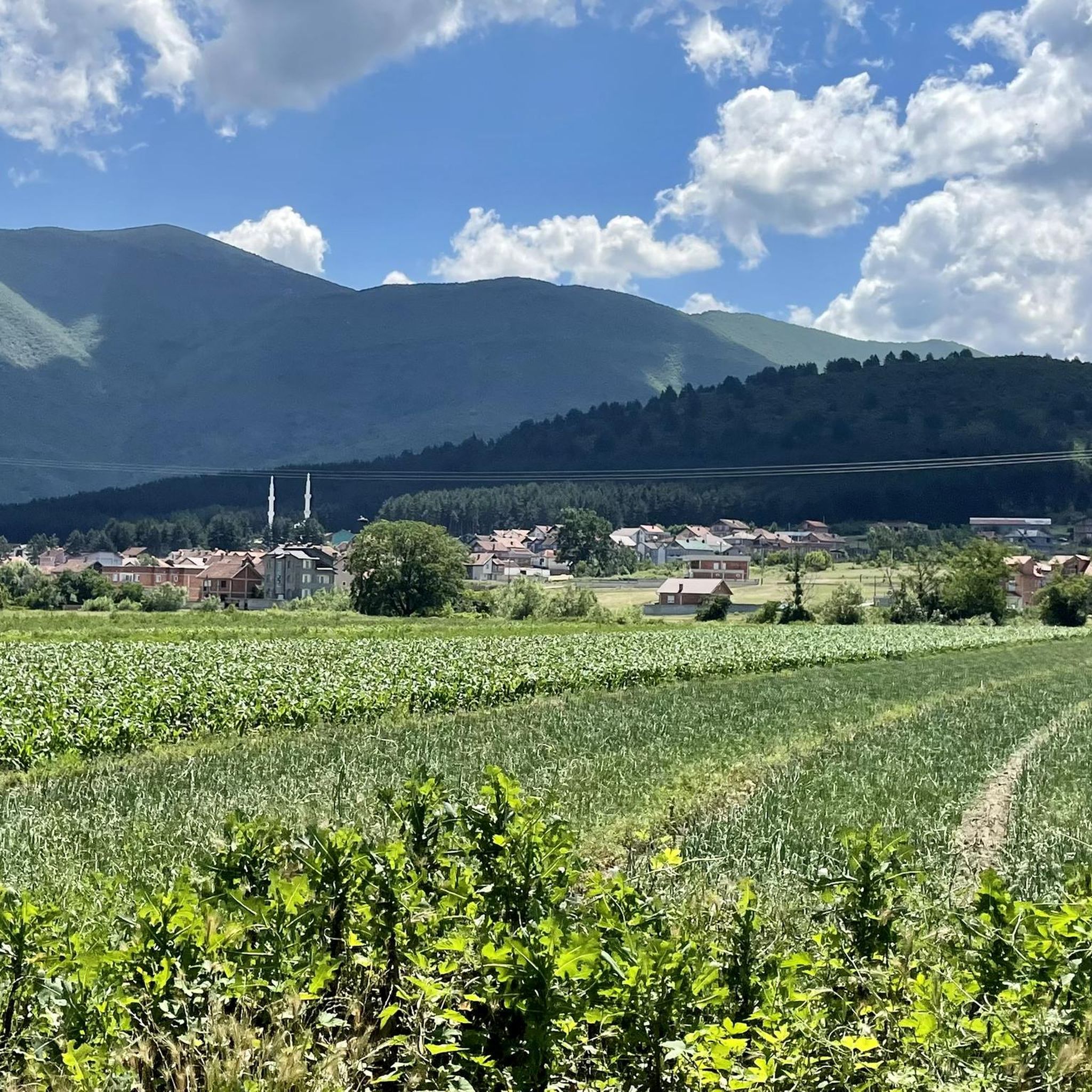
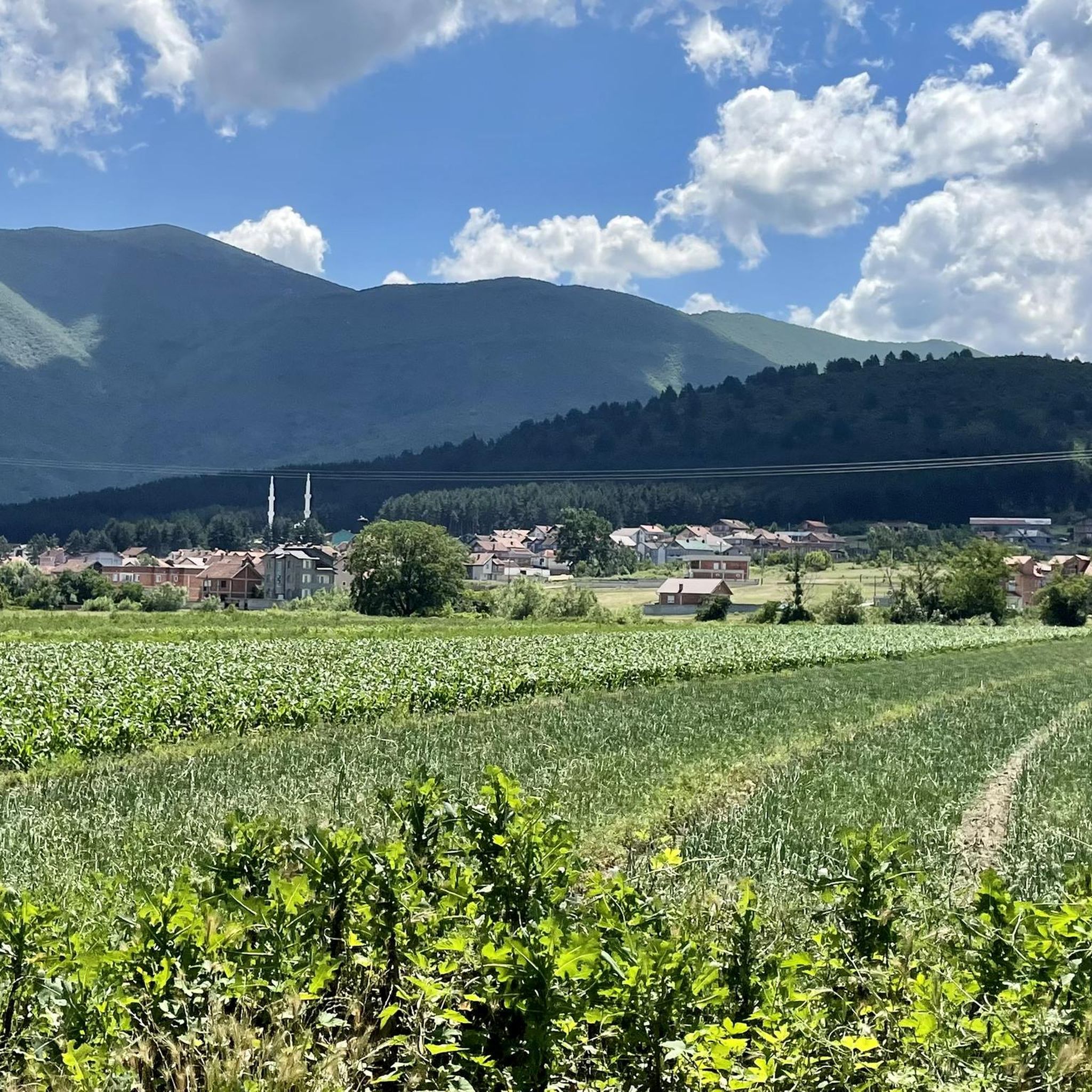
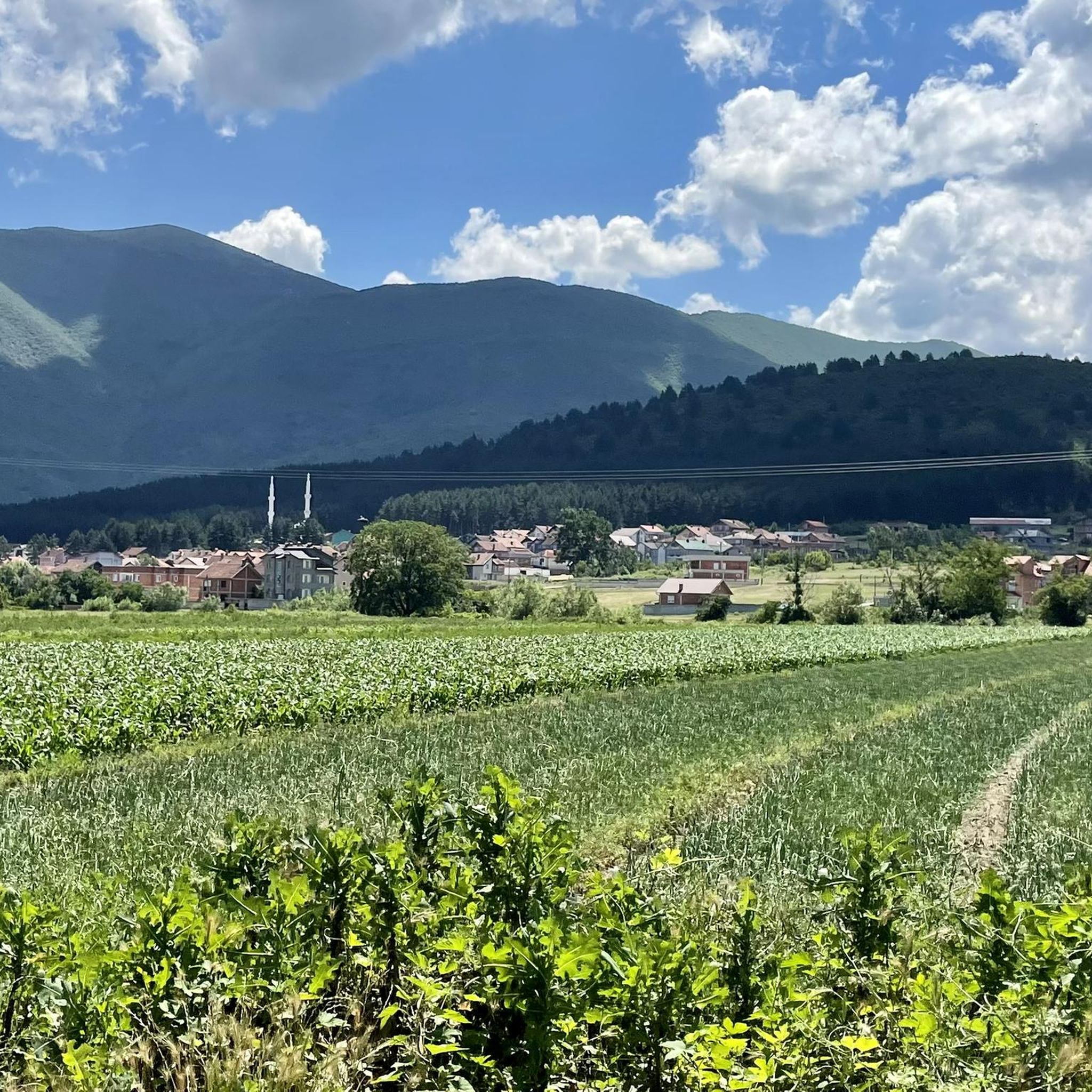
Beautiful small stone church dedicated to Saint Petka, known for her healing powers with blessed water from sacred spring. There is 2km from the main road with very steep incline. Take your time and enjoy scenery. Enjoy and respect
0
0
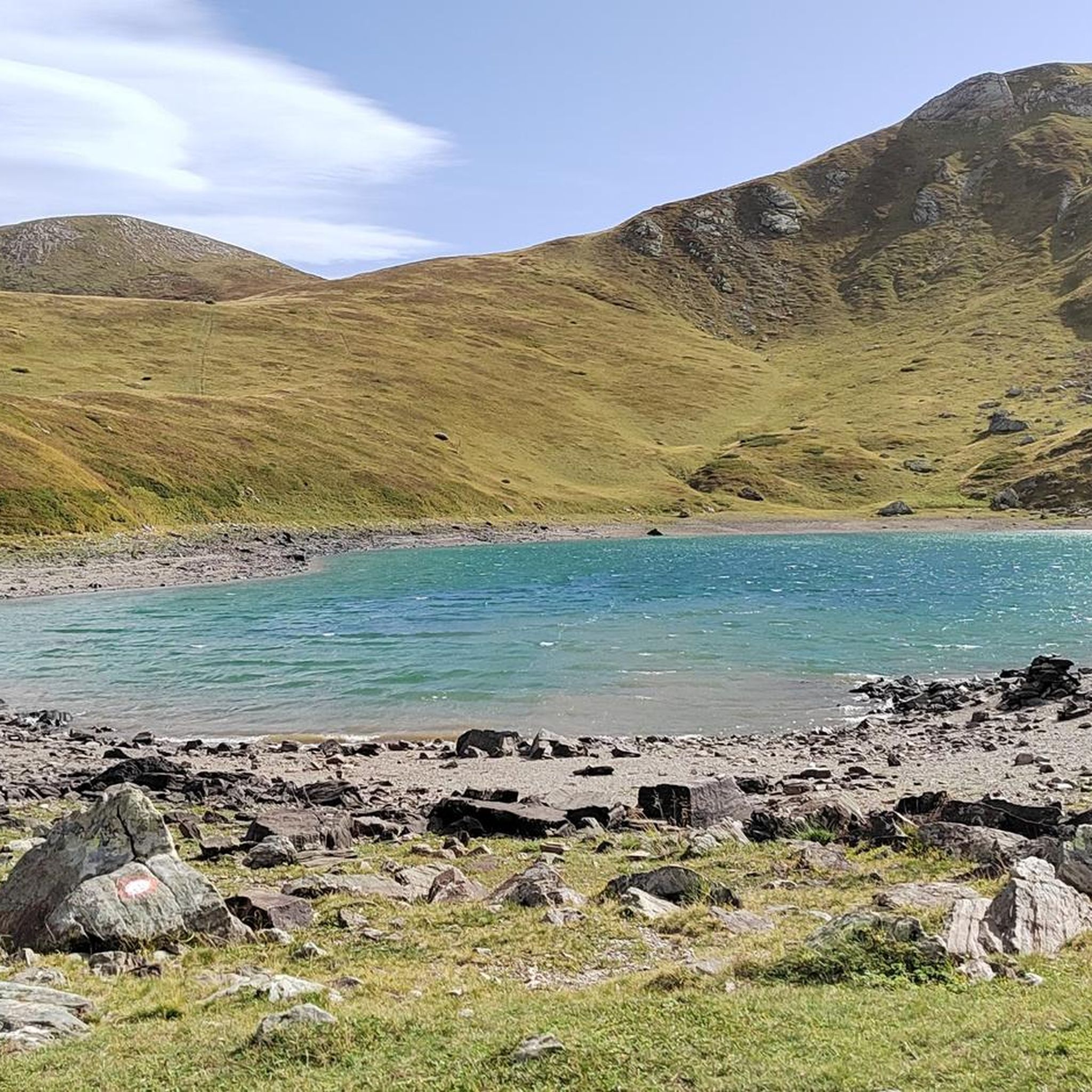
This is only one of many live water springs on Šar mountain. You wont need to carry so much as you will find plenty along the way. Interesting facts is that sheep learned how to drink from the pipe so you will be sharing it with them. Enjoy and respect
0
0

The two countries share this peak. That's why you can climb it from both sides. In my case, I chose the route in Albania. I think the surroundings are very beautiful and you have a great view from the top when the weather is good.
3
0

The border from Kosovo to Macedonia is only open for locals (people from Kosovo and Macedonia). If you're foreign, even as an EU citizen there is no way border police will let you pass. So consider this route CLOSED if you come from Kosovo.
1
0

In the lower, 44 km long section of its course, the Radika continues to flow south, having carved a long and 1 km deep gorge between the Korab and Dešat mountains to the west and Bistra (to the east). There are many interesting places along the Radika valley, including the villages of Velebrdo, Rostuša, Janče, Prisojnica and Skudrinje, the Monastery of St. Jovan Bigorski, the Kosovratska Banja spa (with sulphurous water up to 49 °C) and the unique Alčija cave, formed from alabaster. Alabaster is abundant in the area and is mined and processed in the town of Debar for industrial and commercial purposes. After the gorge, the Radika receives its largest tributary, the Valovica river from the right, and flows along the northern slopes of the Stogovo mountain. After the villages of Dolno Kosovrasti, Dolno Melničani, Gorenci and Rajčica, the Radika flows into the Black Drin, just south of Debar. The Black Drin is one of the tributaries of the Drin river, while the next is the White Drin, which originates from Kosova. In fact, the lowest section of the river is flooded by the artificial lake Debar on the Black Drin, forming one of the lake's bays. From the pictures you can see how powerfully the Radika digs through the rocks, it's a must-see 👍
1
0
It's not necessarily a gravel track, but it's worth reaching the summit because the three-country corner awaits there 🚴🐯
3
0
Mavrovo National Park (Macedonian: Национален Парк Маврово Nacionalen Park Mavrovo, Albanian: Parku Kombëtar i Mavrovës) is the largest of the four national parks in North Macedonia. It was founded in 1949 and has an area of 731 km². It is located in the northwestern part of North Macedonia, southwest of the city of Gostivar. Originally the national park had an area of 118 km². In 1952 it was expanded, at the same time Lake Mavrovo was created - a 13.7 km² reservoir located at 1233 m above sea level - which supplies the surrounding area with electricity.[1] The village of Mavrovi Anovi, which was flooded by the lake, was rebuilt north of the lake. The highest point in the national park is Korab Peak. The national park is used by tourists for hiking, cycling and skiing; there are hotels, holiday homes and ski lifts. Hiking trails are only sporadically marked. Worth seeing are the Duf waterfall near Bituše, the village of Galičnik and the Sveti Jovan Bigorski monastery. Large parts of the national park consist of grassland, as large areas of forest were cleared up until the early 1950s to facilitate the intensive sheep farming of the time. Norway spruce and beech grow in particular at higher altitudes, while various types of oak can be found at lower altitudes. Animal species found in the national park include the western rock vole, the Martino snow vole, the western blind vole, the Balkan mole, several species of shrews and bats, as well as otters, wild cats, lynxes, wolves and brown bears, as well as numerous rare amphibians, reptiles and insects. There were plans for two hydroelectric power plants in the national park that would have threatened the survival of the Balkan lynx. The park is home to the most significant population of the critically endangered lynx species. A campaign by the environmental organization Eko-svest led by Ana Čolović Lešoska resulted in the project's building permit being revoked in 2016.[2][3] A part of the national park, namely the valley of the river Dlaboka Reka ("Deep River") flowing through the national park, was included in the transnational World Heritage Site "Ancient Beech Forests and Primeval Beech Forests of the Carpathians and Other Regions of Europe" in 2021.[4]
1
0

The creek runs through the whole valley. There are many great spots. I found this one particular good. There is a small pool where you can swim in the cold water. The whole scenery is marvelous.
0
0
Frequently Asked Questions
What natural features can I expect to see in the Polog Region?
The Polog Region is an outdoor paradise, primarily featuring the diverse landscapes of Mavrovo National Park and parts of the Šar Mountains. You'll find majestic peaks, deep river gorges, picturesque valleys, alpine meadows, and glacial lakes. Notable features include the Mount Korab Summit, the Radika River's gorges, and numerous waterfalls.
Are there any high peaks to explore in the Polog Region?
Yes, the region is home to several impressive peaks. The most prominent is Mount Korab Summit, which is the highest peak in both North Macedonia and Albania, reaching 2,764 meters. Within the Šar Mountains, you can also find challenging summits like the Cairn at 2700 m, suitable for advanced hikers.
What are some notable gorges or river features in the Polog Region?
The Radika River carves impressive features through the region. The Lower Radika Gorge is particularly striking, with vertical cliffs and interesting villages along its valley. Another significant feature is the Dlaboka Reka Gorge and Waterfall within Mavrovo National Park, known for its scenic beauty and rich biodiversity.
Are there any unique geological formations or caves in the Polog Region?
Yes, the region offers unique geological sites. Within the Radika valley, near the Lower Radika Gorge, you can find the unique Alčija cave, which is formed from alabaster. This area is known for its alabaster deposits, which are mined and processed locally.
What outdoor activities are popular near the natural monuments in Polog Region?
The Polog Region is excellent for various outdoor activities. Hiking is very popular, especially in Mavrovo National Park and the Šar Mountains. You can also find opportunities for mountain biking and road cycling. For detailed routes, explore the MTB Trails in Polog Region, Road Cycling Routes in Polog Region, and general Cycling in Polog Region guides.
Are there family-friendly natural monuments in Polog Region?
While many natural monuments involve hiking, some areas offer more accessible experiences. Mavrovo Lake, though artificial, provides a beautiful setting for picnicking and gentle walks. Exploring parts of the Radika valley or visiting the Creek in Mavrovo National Park, where you can find spots for swimming in cold water, can also be enjoyable for families.
What kind of wildlife can be spotted in the Polog Region's natural areas?
The Polog Region, particularly Mavrovo National Park and the Šar Mountains, is rich in biodiversity. It's a crucial habitat for various wildlife, including brown bears, wolves, wild boars, and chamois. Notably, Mavrovo National Park is one of the last remaining habitats for the critically endangered Balkan lynx. Birdwatchers can also find a wide array of species.
What do visitors enjoy most about the natural monuments in Polog Region?
Visitors frequently highlight the breathtaking views from the high peaks, such as Mount Korab Summit, and the dramatic scenery of the deep gorges like the Lower Radika Gorge. The opportunity to immerse oneself in pristine nature, discover hidden waterfalls like the one in Dlaboka Reka Gorge, and experience the tranquility of the mountain landscapes are often mentioned as key attractions.
Are there any natural springs or water features to discover?
Yes, the mountainous terrain of the Polog Region is dotted with natural water sources. You can find a refreshing Water Spring on Šar Mountain, providing fresh water during your hikes. Additionally, the Church of Saint Petka and Sacred Spring offers a unique combination of a historical site with a natural spring.
What is the best time to visit the natural monuments in Polog Region?
The best time to visit largely depends on your planned activities. For hiking and exploring the high peaks and gorges, late spring to early autumn (May to October) offers the most favorable weather conditions. During winter, the region transforms into a snowy landscape, ideal for skiing and winter sports, though access to some higher natural monuments may be limited.
Are there any historical or cultural sites integrated with the natural monuments?
Yes, the region beautifully blends natural beauty with cultural heritage. For instance, the Church of Saint Petka and Sacred Spring is a site where a religious building is intertwined with a natural spring, offering both historical and natural significance. The Radika valley also features traditional villages like Velebrdo and Rostuša, providing a glimpse into local culture amidst stunning natural surroundings.
What should I wear when visiting the Polog Region's natural monuments?
Given the diverse terrain and varying altitudes, it's advisable to dress in layers. Sturdy hiking boots are essential for trails, especially when tackling challenging peaks or uneven terrain. Depending on the season, bring waterproof and windproof outerwear, as mountain weather can change rapidly. Sun protection, including a hat and sunscreen, is also recommended.
Most popular attractions in Polog Region

Get inspired with the komoot mobile app


Explore more
Extend your search for the best caves by checking out these guides of the top ones in Polog Region:
