Top 20 Natural Monuments in Central Serbia
Best natural monuments in Central Serbia feature diverse geological formations and significant natural landmarks. The region is characterized by its river gorges, mountain peaks, and unique rock formations. These natural features offer varied terrain and opportunities for outdoor exploration. Central Serbia provides a range of natural attractions for visitors to discover.
Best natural monuments in Central Serbia
- The most popular natural monuments is Šiljak Peak (Rtanj), a summit that offers expansive views. This peak is known for its challenging…
Last updated: October 13, 2026
Belgrade Fortress (Kalemegdan)
Highlight • Castle
With its universities, colleges and scientific institutions, Belgrade is the educational centre and, with …
Translated by Google •
Tip by

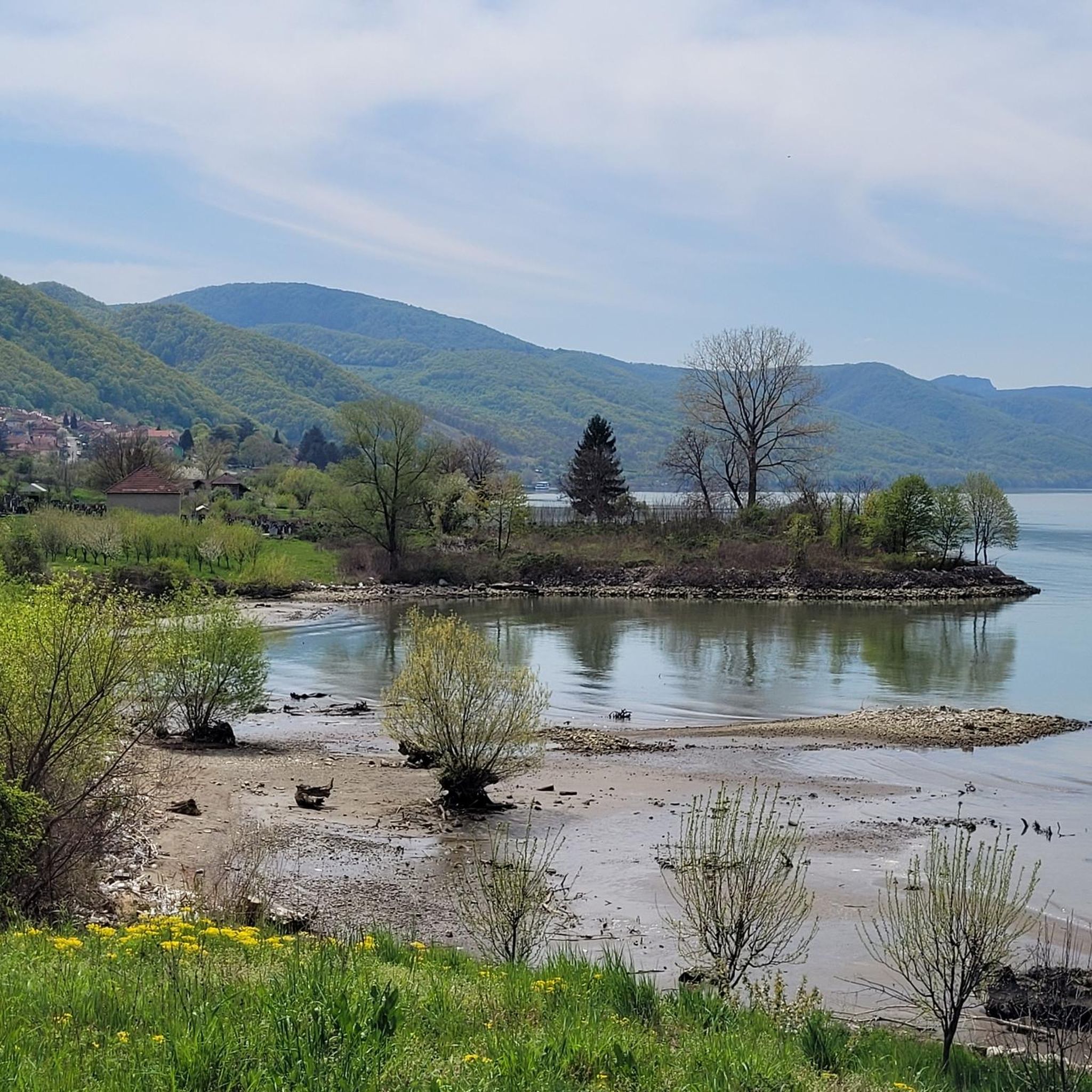
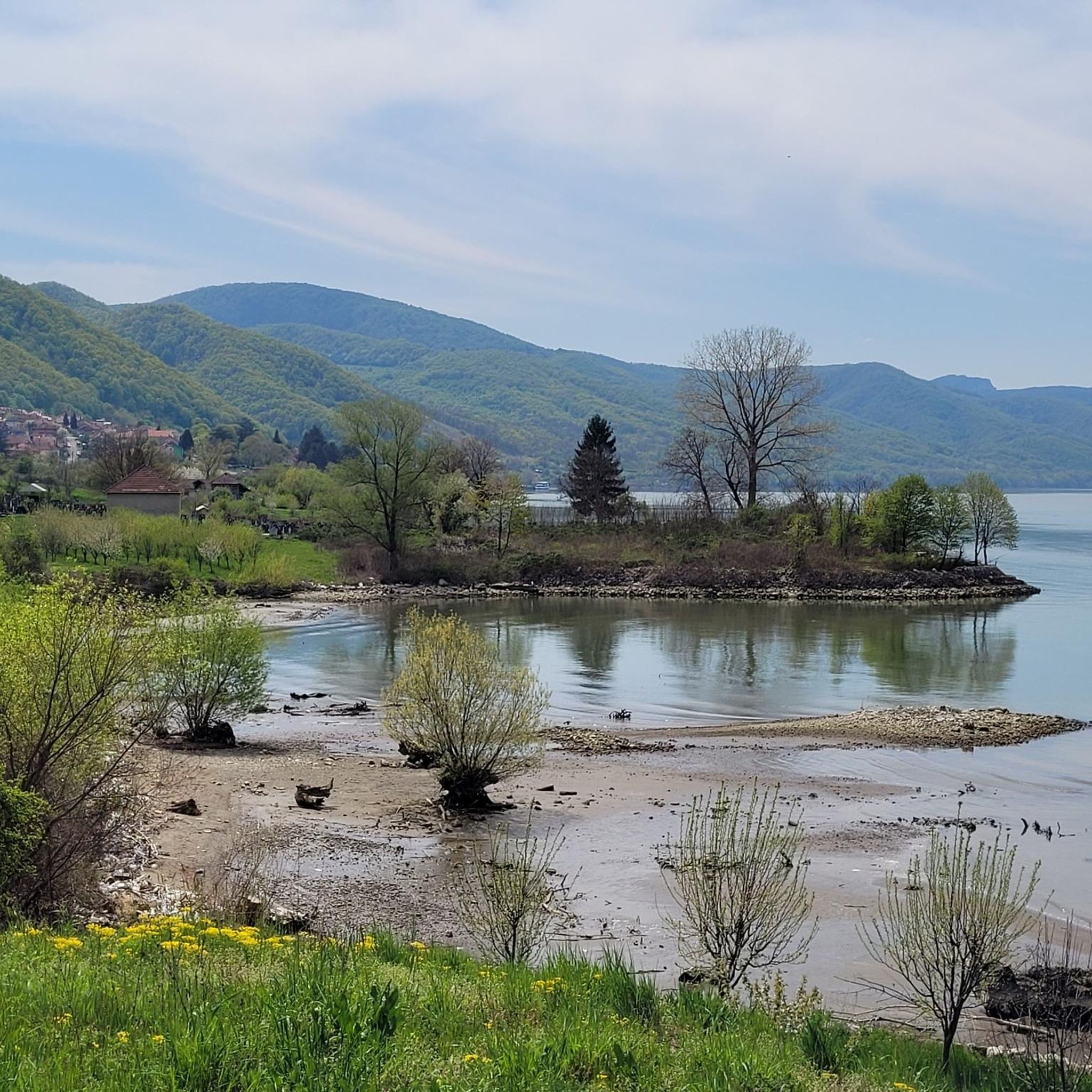
Danube Gorge Between Donji Milanovac and Tekija
Highlight • Gorge
While on the Romanian side the mass tourism prevails and high traffic, it is quiet on the Serbian side, …
Translated by Google •
Tip by

Sign up now to discover places like this
Get recommendations on the best single tracks, peaks, & plenty of other exciting outdoor places.
Kajmakčalan Observation Post Memorial
Highlight • Monument
Tip by

Midžor – Highest Peak of Serbia
Highlight • Summit
Tip by

Avala Tower
Highlight • Monument
Tip by

Šiljak Peak (Rtanj)
Highlight • Summit
Tip by

Boletinska Reka Gorge
Highlight • Gorge
In the Cretaceous sediments, fossils of new ammonite species and fossils …
Translated by Google •
Tip by
View of the Rock Sculpture of Decebalus and the Danube
Highlight • Viewpoint
Translated by Google •
Tip by

View of the Iron Gates Gorge on the Danube
Highlight • Viewpoint
Translated by Google •
Tip by
View of the Danube Gorge from Donji Milanovac, Đerdap National Park
Highlight • Viewpoint
Translated by Google •
Tip by
Sign up for free to discover even more natural monuments in Central Serbia.
Already have an account?
Start today with a free account
Your next adventure awaits.
Popular around Central Serbia
Transcontinental Race No10: crossing Europe from France to Turkey
TCR No. 8 — racing across Europe
5 days of gravel adventure in Serbia — Serbia Upside Down
Running Trails in Central Serbia
Hiking in Central Serbia
Road Cycling Routes in Central Serbia
Cycling in Central Serbia
MTB Trails in Central Serbia

Mountain Hikes in Central Serbia

Gravel biking in Central Serbia


Tips from the Community

From the south side, high sun exposure. Take plenty of water or go out early in the morning.
0
0

You can spend a lot of time here. There are wonderful views of the Danube and the city, and it's free.
0
0

The 55 m high statue of the Dacian king Decebalus has unfortunately not been completed to this day.
0
0

Here lie smaller gorges separated by the Dubova Gulf. Their names date back to the Ottoman Empire, when the Danube waters were swift and full of whirlpools resembling a "pot." In Mali Kazan, the Danube is at its narrowest (150-180 m) and deepest. The steep flanks of Mt. Miro, formed from Jurassic limestone, rise above the Danube. The highest peaks, Veliki Strbac (768 m) and Mali Strbac (626 m), are already integrated into the hiking trail as viewpoints towards Mali Kazan and Veliki Kazan, respectively. The Hajducka Vodenica archaeological site and the submerged karst spring of the same name are located at the foot of the hill. Before the construction of the dam in the Djerdap area, traces of prehistoric necropolises and settlements from the Roman and medieval periods were discovered at this site.
0
0
The statue of the Dacian king Decebalus is a 55-meter-tall statue and the tallest rock sculpture in Europe. It is located on a rock formation in the Almăj Mountains on the banks of the Danube near the village of Dubova, southwest of the city of Orșova (Romania), in the Iron Gates Nature Park. Source: https://de.wikipedia.org/wiki/Statue_des_Decebalus
0
0

If you want to enjoy the mountains, consider this scenic route for your Saturday or Sunday walk. Remember sunglasses because more than half the road will be without trees.
0
0

Once you get into the park, the ride is quite nice up and down. The road has been recently paved and it lightly travelled.
0
0

Amazing view of the iron gates and nice road without too much traffic
0
0
Frequently Asked Questions
What unique geological formations can I explore in Central Serbia?
Central Serbia offers a variety of striking geological formations. You can visit Danube Gorge Between Donji Milanovac and Tekija, known for its dramatic river landscapes. Further south, Đavolja Varoš (Devil's Town) features over 200 earthy pillars topped with stone caps, a rare natural phenomenon. The Uvac Canyon is famous for its spectacular winding river meanders and limestone gorges, while the Vratna Gates showcase impressive natural stone arches, including one of Europe's tallest.
Are there any family-friendly natural monuments in Central Serbia?
Yes, several natural monuments in Central Serbia are suitable for families. Avala Tower, a man-made monument on a summit, offers 360-degree views and has playgrounds and sports courts nearby. The Belgrade Fortress (Kalemegdan) is another family-friendly option, combining historical significance with scenic views. Additionally, the View of the Rock Sculpture of Decebalus and the Danube provides a scenic resting spot with benches and shade, perfect for a family stop.
What are the best viewpoints for panoramic scenery in Central Serbia?
For breathtaking panoramic views, consider visiting Šiljak Peak (Rtanj), which offers expansive vistas, especially at sunrise. Avala Tower provides 360-degree views stretching for many kilometers. The View of the Iron Gates Gorge on the Danube is considered one of the most impressive passages, offering a high vantage point over the Danube bottleneck. Uvac Canyon also boasts panoramic viewpoints like Molitva, showcasing its dramatic meanders.
What kind of historical or cultural sites are integrated with natural monuments in the region?
Central Serbia features several sites where natural beauty intertwines with history. The Belgrade Fortress (Kalemegdan) is a significant historical site offering views over rivers. Avala Tower, while a modern structure, stands on a summit with historical significance, including the Unknown Soldier Memorial. The View of the Rock Sculpture of Decebalus and the Danube overlooks a man-made monument with historical ties to the Danube region.
Are there opportunities for hiking or other outdoor activities near these natural monuments?
Yes, Central Serbia offers numerous opportunities for outdoor activities. You can find various hiking trails, including challenging ascents like Midžor – Highest Peak of Serbia. For cycling enthusiasts, there are MTB Trails and Road Cycling Routes. Running is also popular, with Running Trails available. Many natural monuments, like Uvac Canyon, offer boat tours and birdwatching in addition to hiking.
What is the best time of year to visit the natural monuments in Central Serbia?
The best time to visit largely depends on the activity. Spring and autumn generally offer pleasant temperatures for hiking and exploring geological sites like Đavolja Varoš and the Vratna Gates. Summer is ideal for boat tours in Uvac Canyon and enjoying the lush greenery around Krupajsko Vrelo. For cave exploration at Resavska Cave, the constant 7°C temperature makes it a year-round destination, though access might be easier in warmer months.
What are some of the most challenging natural monuments to visit for experienced hikers?
Experienced hikers seeking a challenge can tackle Midžor – Highest Peak of Serbia, known for its demanding climb and rewarding views. Šiljak Peak (Rtanj) also presents challenging terrain with rocky paths, requiring good preparation, especially for a sunrise ascent.
Are there any natural monuments that are particularly good for wildlife viewing?
Uvac Canyon is renowned as a sanctuary for the Griffon Vulture, a majestic bird that has become a symbol of the canyon. Visitors can enjoy birdwatching here, especially during boat tours through the meanders. The dense forests and meadows surrounding the canyon also host diverse flora and fauna.
What are the characteristics of the underground natural monuments in Central Serbia?
Central Serbia is home to fascinating underground natural monuments. Resavska Cave, one of Serbia's oldest and most beautiful cave systems, features an 800-meter tourist path through chambers filled with intricate stalactites, stalagmites, and columns. Krupajsko Vrelo is a karst spring emerging from an unexplored underground cave system, which divers have explored to a depth of 123 meters, making it the deepest water cave in Serbia.
What do visitors appreciate most about the natural monuments in Central Serbia?
Visitors frequently praise the stunning natural beauty and unique geological features. For instance, the Avala Tower is loved for its amazing 360° views. The Šiljak Peak (Rtanj) is highly regarded for its scenic routes and rewarding sunrise views. The Iron Gates Gorge is often described as one of the most impressive passages in Europe, offering spectacular river views.
Are there any natural monuments that are considered 'hidden gems' or less-known but worth visiting?
While many natural monuments are well-known, Krupajsko Vrelo is often described as an 'underrated paradise.' This picturesque karst spring, nestled at the foot of Mount Beljanica, offers stunning natural beauty and a tranquil atmosphere that feels untouched by time, making it a peaceful escape.
What should I wear when visiting natural monuments in Central Serbia?
When visiting natural monuments, it's advisable to wear comfortable hiking shoes, especially for sites like Šiljak Peak (Rtanj) where the terrain is rocky. Layers of clothing are recommended, as temperatures can vary, especially at higher elevations or inside caves like Resavska Cave (which maintains a constant 7°C). Don't forget sun protection, and for early morning hikes, warm clothes and a windbreaker are essential.
Most popular routes in Central Serbia
Most popular attractions in Central Serbia

Get inspired with the komoot mobile app


Didn’t find what you were looking for?
Find even more amazing natural monuments in Central Serbia by checking out the top Highlights region by region:
Explore more
Extend your search for the best caves by checking out these guides of the top ones in Central Serbia:
