Top 20 Natural Monuments in Alaska
Best natural monuments in Alaska showcase a vast and diverse landscape, characterized by towering mountains, expansive glaciers, and active volcanoes. This region offers a unique blend of arctic and subarctic environments, supporting abundant wildlife and varied ecosystems. Alaska's natural features provide numerous opportunities for outdoor exploration and experiencing its raw, untamed beauty.
Best natural monuments in Alaska
- The most popular natural monuments is Mendenhall Glacier Visitor Center, a visitor center and viewpoint that offers clear views of Mendenhall Glacier.…
Last updated: September 29, 2026
Beaver Dams
Highlight • Natural
Tip by

Mendenhall Glacier Visitor Center
Highlight • Rest Area
Tip by

Sign up now to discover places like this
Get recommendations on the best single tracks, peaks, & plenty of other exciting outdoor places.
Nugget Falls
Highlight • Waterfall
Translated by Google •
Tip by

Shoreline of Portage Lake
Highlight • Lake
Tip by
Mount Healy Overlook (end of official trail)
Highlight • Viewpoint
Tip by
Creamer's Field Migratory Waterfowl Refuge
Highlight • Forest
Tip by
Exit Glacier
Highlight • Natural Monument
Translated by Google •
Tip by
Flattop Mountain
Highlight • Summit
Tip by
Rocky Ridge on Savage Alpine Trail
Highlight (Segment) • Viewpoint
Tip by
Thunderbird Falls
Highlight • Waterfall
Tip by

Sign up for free to discover even more natural monuments in Alaska.
Already have an account?
Start today with a free account
Your next adventure awaits.
Popular around Alaska
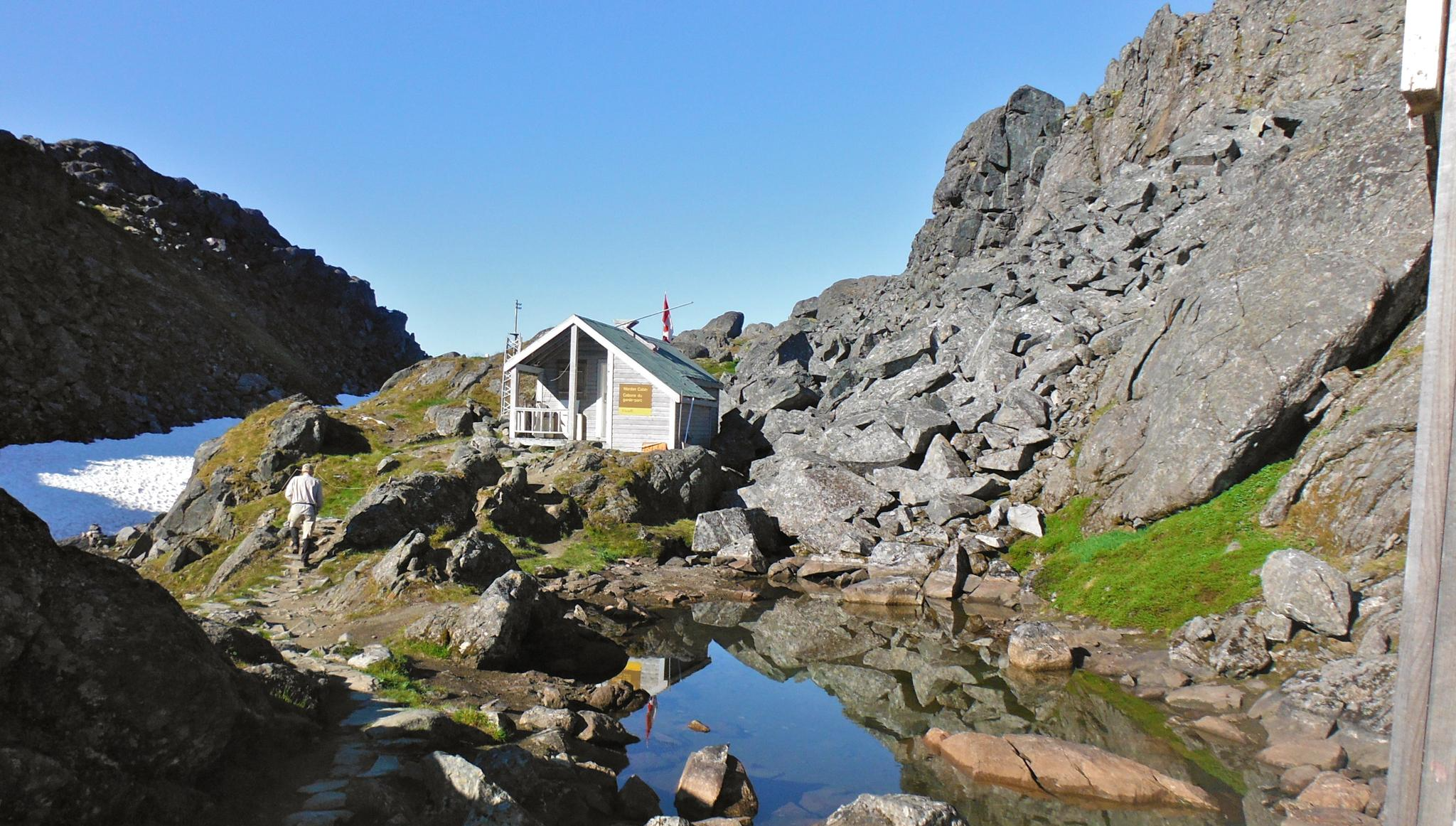
The Chilkoot Trail — Gold Rush history among soaring mountains

Around the World in 80 Days
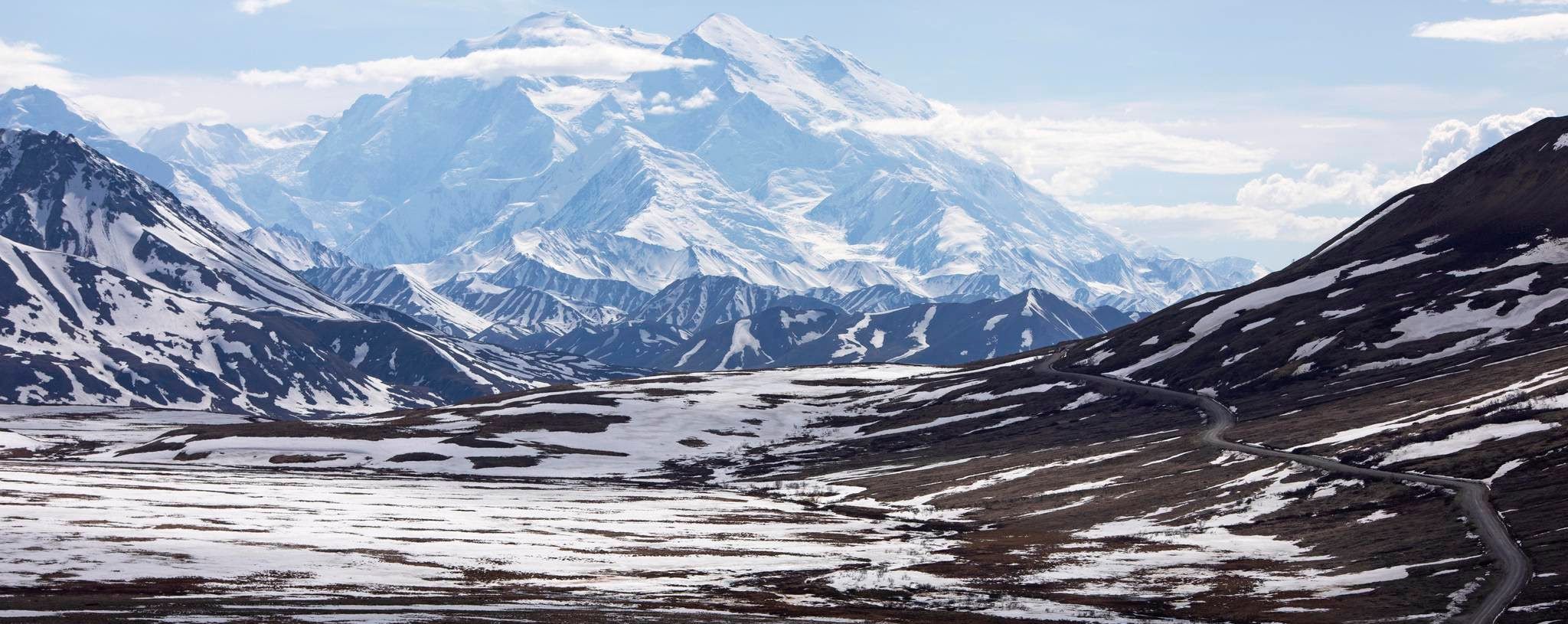
Lael Rides Alaska: main road system
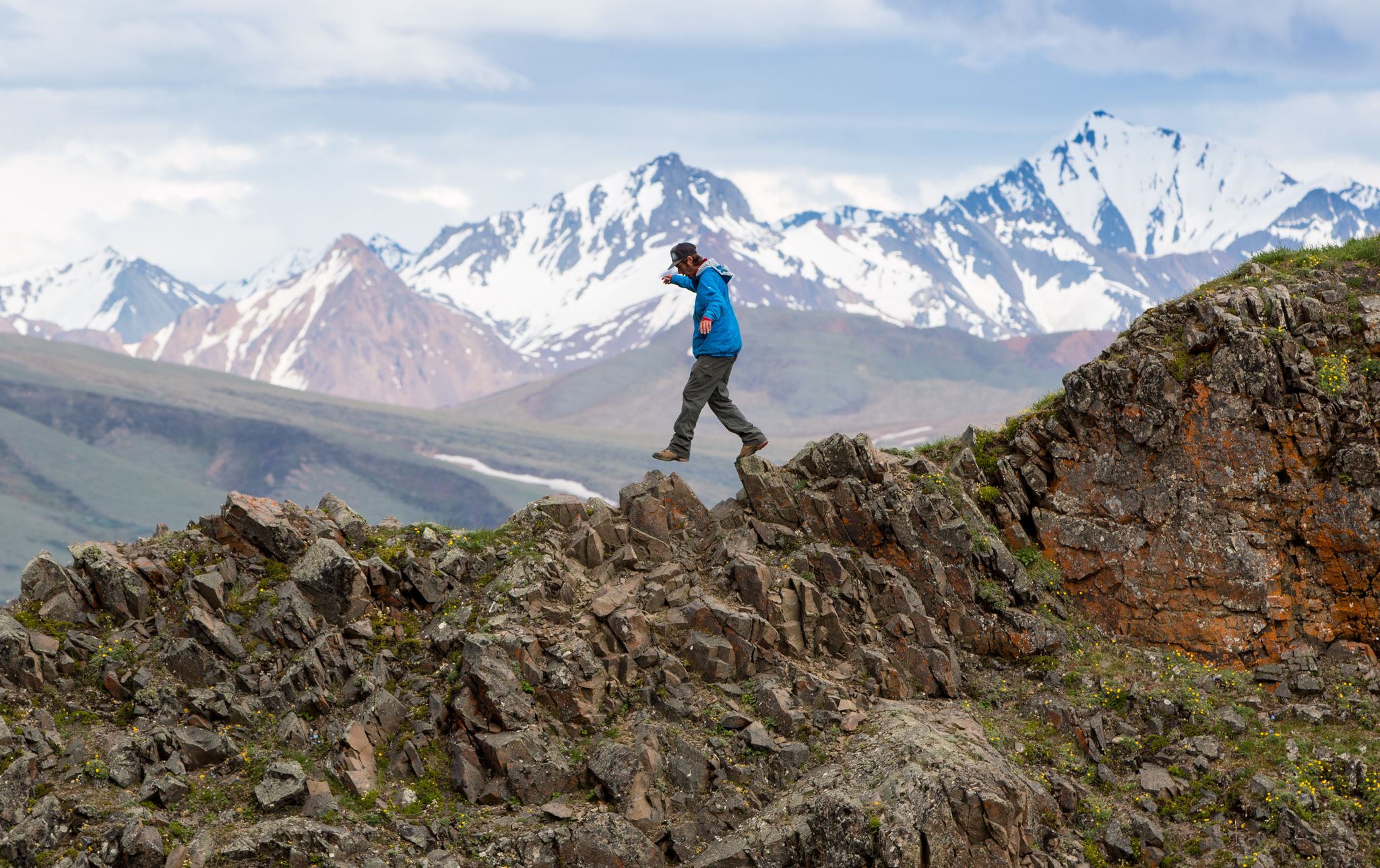
Alaska - mountains, glaciers and national parks
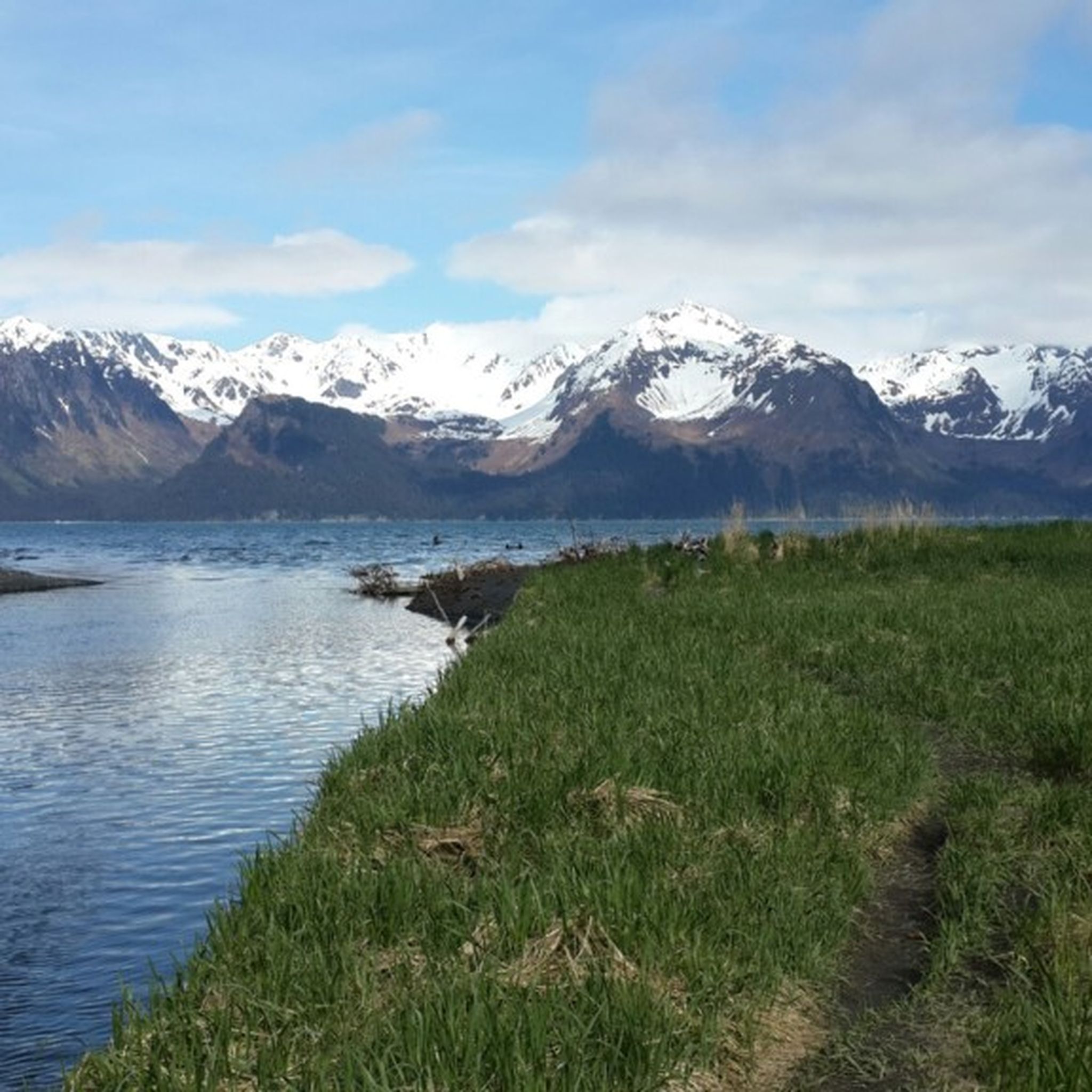
Hiking in Alaska
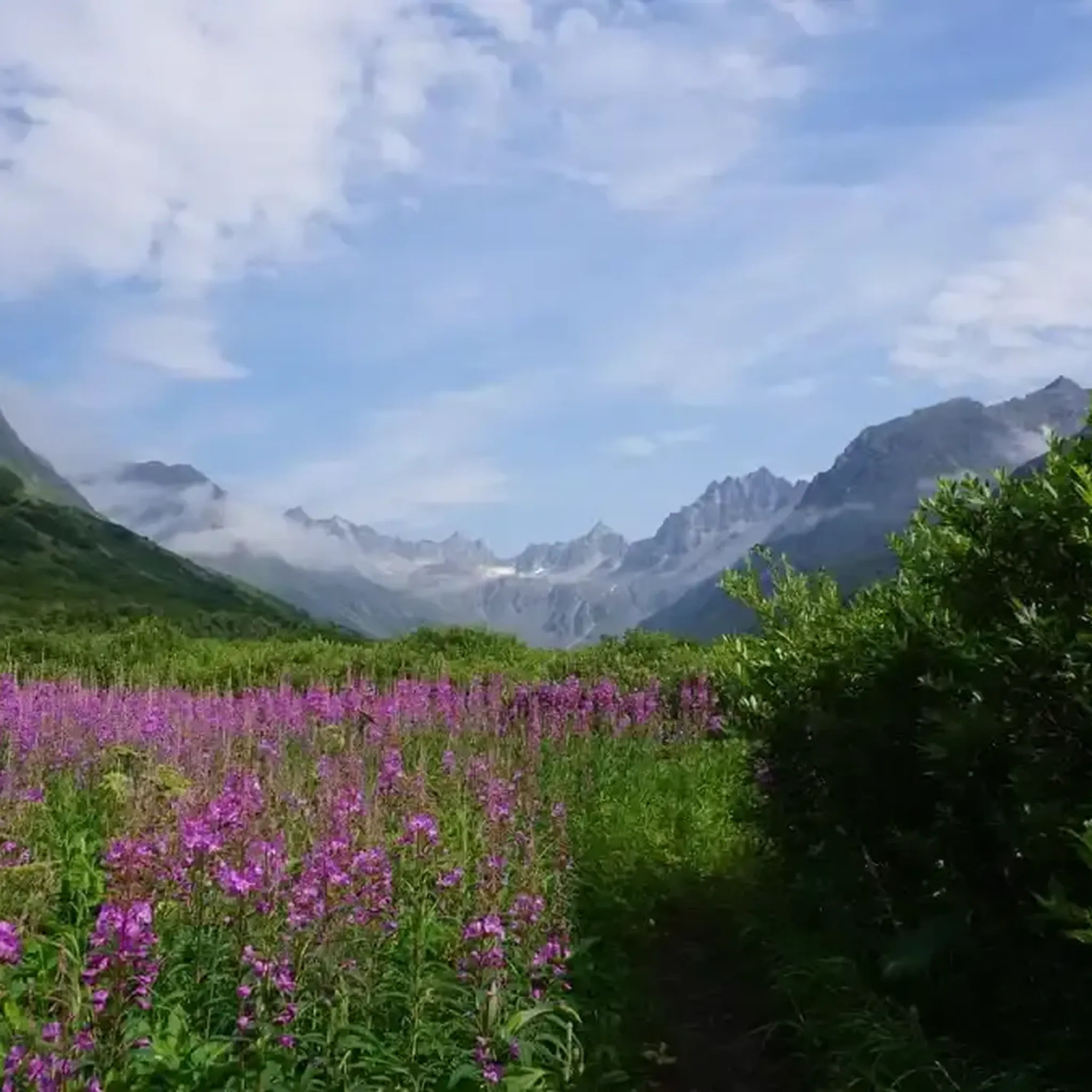
MTB Trails in Alaska
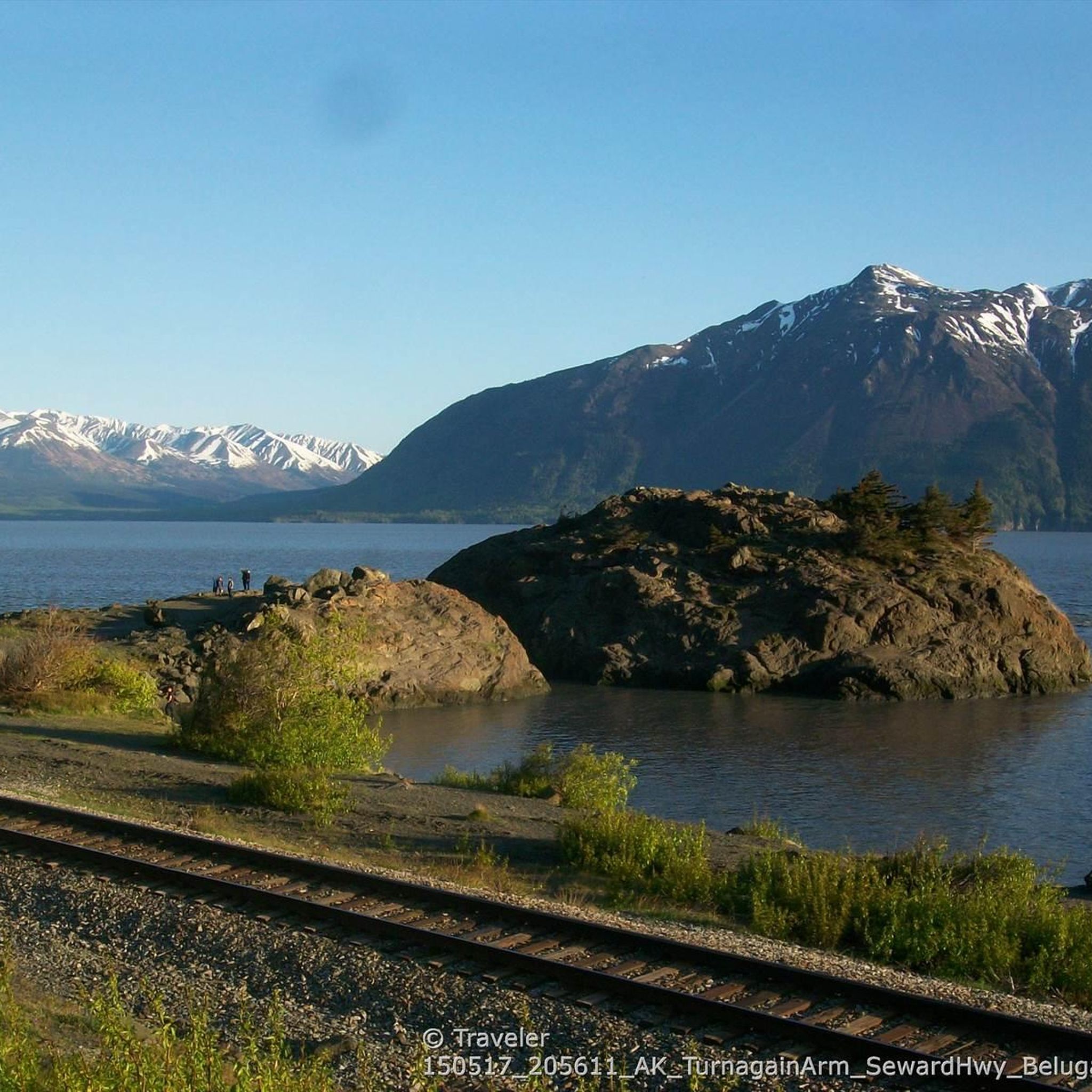
Cycling in Alaska
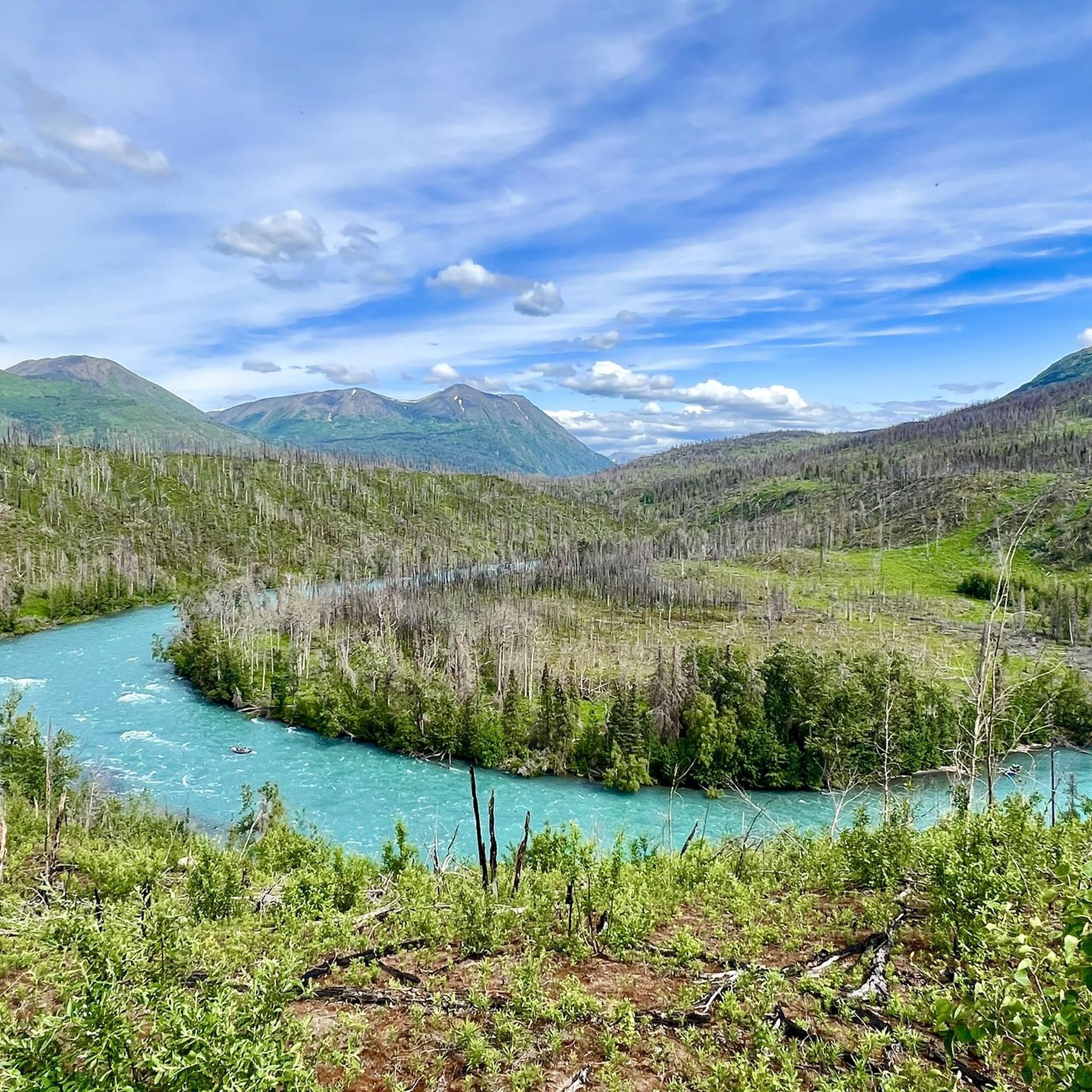
Running Trails in Alaska
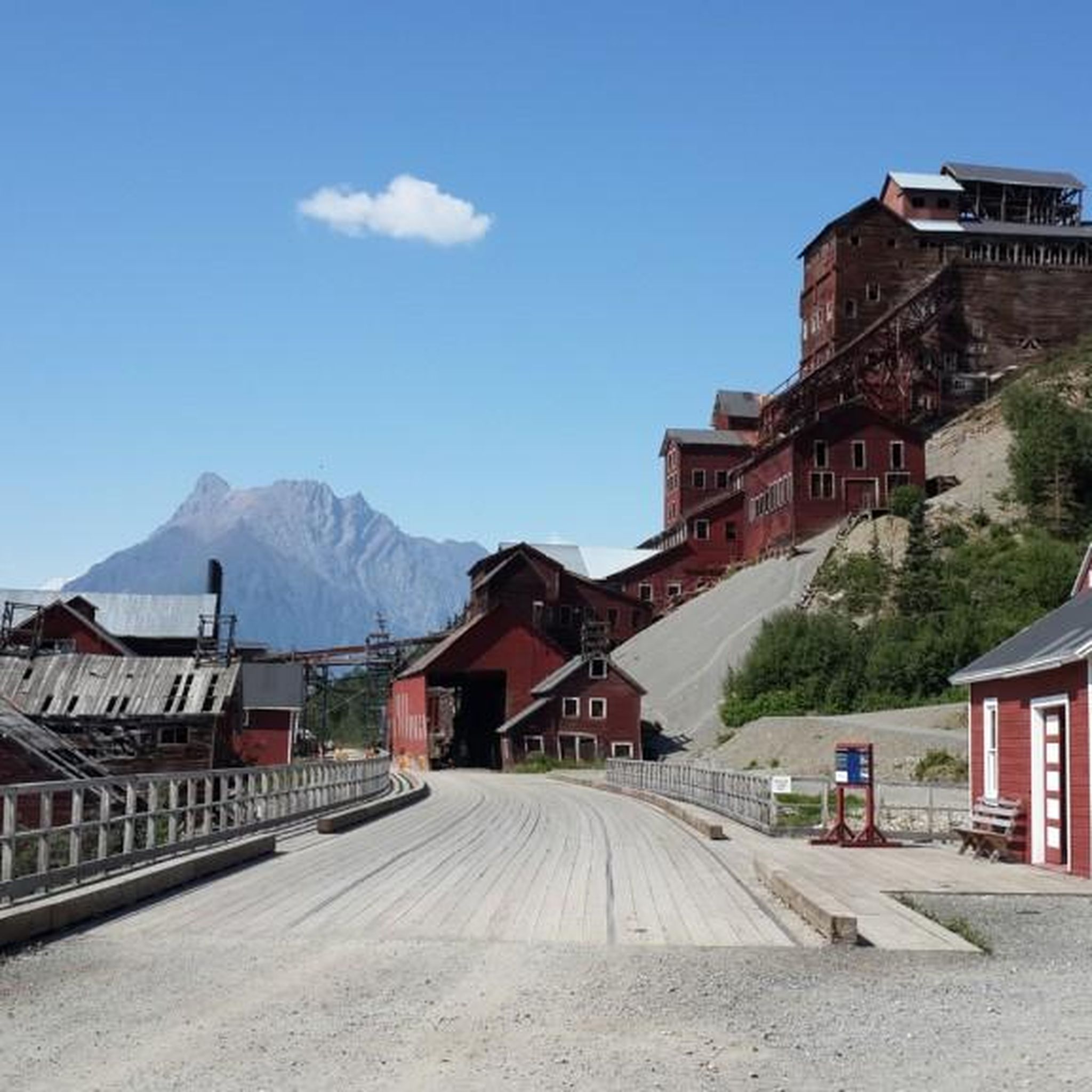
Road Cycling Routes in Alaska

Gravel biking in Alaska
Other adventures in Alaska


Tips from the Community

No Merlot here — the shelf stands empty, quiet, waiting for a bottle that never comes. Kein Merlot hier — das Regal bleibt leer, still, wartend auf eine Flasche, die nie kommt. Pas de Merlot ici — l'étagère reste vide, silencieuse, attendant une bouteille qui n'arrive jamais. No hay Merlot aquí — el estante queda vacío, silencioso, esperando una botella que nunca llega.
0
0

Mendenhall Waterfall, also known as "Nugget Falls," is located on beautiful Mendenhall Lake. From there, you also have a good view of the Mendenhall Glacier. You can easily get to the starting point from Juneau by bus or car. However, Juneau itself can only be reached by plane or boat.
0
0

From the parking lot, a good path leads to the viewpoint
0
0

The Mendenhall Glacier Visitor Center near Juneau brings you up close to the rugged beauty of Alaska. Here you can not only admire the impressive glacier and the turquoise glacial water, but also gain exciting insights into the geology and ecosystem of this region. The center itself offers exhibitions that illustrate the history and development of the glacier and a fascinating view of the retreating ice. The area around the center is criss-crossed by easily accessible trails such as the Photo Point Trail and the popular Nugget Falls Trail, which takes you to the roaring Nugget Falls. For nature lovers, the Steep Creek Trail is a highlight - especially during salmon season, when bears gather at the stream. From elevated walkways you can observe the animals without disturbing their peace. In winter, a completely different scene awaits you, when nature freezes in silent beauty. Take the time to explore the short Trail of Time, which tells the history of the glacier on information boards and lets you delve deep into the formation of this unique landscape. The Mendenhall Glacier Visitor Center is more than just a visitor center - it is an experience that shows you the power and fragility of nature first hand.
0
0

What a unique place. Hikes of varying difficulty levels allow everyone to enjoy a breathtaking view of the glacier. In a few years, however, you will have to climb a few more meters in altitude to still be able to see the glacier tongue.
0
1

Large beaver dam, with a bit of luck you can also see the beaver.
0
0

When the weather is clear, you have a great view of the mountains and the coast off Anchorage from up here.
0
0

Wonderful viewpoint. In good, clear weather you can see Mt. Denali from there. Sturdy shoes are recommended, a good level of fitness is required
0
0
Frequently Asked Questions
What are some of the most popular natural monuments to visit in Alaska?
Alaska offers a wealth of stunning natural monuments. Among the most popular are the Mendenhall Glacier Visitor Center, which provides clear views of the glacier, and Thunderbird Falls, known for its accessible trail and spectacular 60-meter waterfall. Beyond these, iconic sites like Denali National Park and Preserve, Glacier Bay National Park, and Kenai Fjords National Park draw visitors with their immense scale and diverse ecosystems.
What kind of natural features can I expect to see at Alaska's natural monuments?
Alaska's natural monuments showcase an incredible variety of features. You can encounter towering mountains, expansive glaciers like the Mendenhall Glacier, deep fjords, active volcanoes such as Mount Veniaminof, and vast icefields like the Harding Icefield. There are also unique geological formations like the Valley of Ten Thousand Smokes, numerous lakes, rivers, and dense forests.
Are there family-friendly natural monuments in Alaska?
Yes, many natural monuments in Alaska are suitable for families. For instance, the Mendenhall Glacier Visitor Center and Thunderbird Falls offer easy access and short trails. Creamer's Field Migratory Waterfowl Refuge is excellent for wildlife viewing, and the Salmon Ladder / Salmon Stairs provides a fascinating opportunity to observe salmon during their migration season.
What are the best times to visit Alaska's natural monuments?
The best time to visit Alaska's natural monuments largely depends on the activities you plan. Summer (June to August) offers the warmest weather, longest daylight hours, and full accessibility to most areas, making it ideal for hiking, wildlife viewing, and boat tours. For specific events like observing bears catching salmon at Katmai National Park, July through September is prime. Some visitor centers, like Mendenhall Glacier's, have extended hours during the summer season.
What wildlife viewing opportunities are available at these natural monuments?
Alaska's natural monuments are renowned for their abundant wildlife. At Denali National Park, you might spot grizzly bears, wolves, caribou, and Dall sheep. Glacier Bay and Kenai Fjords are excellent for marine wildlife, including humpback whales, orcas, and seals. Katmai National Park is famous for its brown bears, especially at Brooks Camp where they fish for salmon. You can also observe beavers at work at Beaver Dams and migratory waterfowl at Creamer's Field Migratory Waterfowl Refuge.
Are there hiking trails near Alaska's natural monuments?
Yes, numerous hiking trails are available. For example, near the natural monuments, you can find trails like the Taiga Loop and Horseshoe Lake Trail, or the Tonsina Creek Trail, which are generally considered easy. More challenging options include the Triple Lakes Trail or the Mount Baldy Loop. You can explore more options for hiking in Alaska, waterfall hikes, or easy hikes on komoot.
What are the typical terrain and difficulty levels for trails around Alaska's natural monuments?
The terrain and difficulty levels vary significantly. You'll find easy, accessible trails like the one leading to Thunderbird Falls or the Photo Point Trail near Mendenhall Glacier. Intermediate trails are common, such as those around Portage Lake or leading to Mount Healy Overlook. For more challenging experiences, consider sections like the Rocky Ridge on Savage Alpine Trail, which offers fantastic 360-degree views but involves exposed, rocky terrain.
Are there any accessible natural monuments for visitors with mobility challenges?
Yes, some natural monuments offer accessible options. The Photo Point Trail near Mendenhall Glacier is wheelchair accessible, providing unobstructed views of the glacier. Many visitor centers, such as the Mendenhall Glacier Visitor Center, are designed to be accessible, allowing a comfortable experience for all visitors.
What do visitors enjoy most about Alaska's natural monuments?
Visitors consistently praise the breathtaking views and the opportunity to connect with raw nature. Many appreciate the chance to observe wildlife up close, whether it's beavers at work or salmon jumping. The educational aspects, often provided by visitor centers and park staff, are also highly valued, helping visitors understand the unique landscapes and ecosystems. The sheer scale and untamed beauty of places like Denali and Glacier Bay leave a lasting impression.
What permits or fees are typically required to visit national monuments and parks in Alaska?
Many national parks and monuments in Alaska, such as Denali, Glacier Bay, and Kenai Fjords, may require entrance fees or permits, especially for certain activities like mountaineering or backcountry camping. For specific sites like the Mendenhall Glacier Visitor Center, there is a daily fee during the busy season (May 1 – September 30) for entry to the visitor center pavilion and certain trails. It's always advisable to check the official National Park Service website for the most current information on fees and permits for specific locations: nps.gov/state/ak.
Are there opportunities for winter activities at Alaska's natural monuments?
While many areas are more accessible in summer, winter offers unique experiences. Some trails, like those around Thunderbird Falls, can be explored to see ice sculptures formed by frozen waterfalls. Cross-country skiing, snowshoeing, and even ice climbing are popular in certain regions, though accessibility to some remote areas may be limited. Always check local conditions and trail status before venturing out in winter.
Can I find any historic sites within or near Alaska's natural monuments?
Yes, some natural monuments also encompass significant historic sites. Wrangell-St. Elias National Park and Preserve, for example, features the Kennecott Mines National Historic Landmark, offering a fascinating glimpse into Alaska's gold rush era with its well-preserved mining structures. These sites provide a blend of natural beauty and cultural heritage.
Most popular routes in Alaska
Most popular attractions in Alaska

Get inspired with the komoot mobile app


Didn’t find what you were looking for?
Find even more amazing natural monuments in Alaska by checking out the top Highlights region by region:
Explore more
Extend your search for the best caves by checking out these guides of the top ones in Alaska:
