Top 20 Natural Monuments in Kreis Segeberg
Best natural monuments in Kreis Segeberg offer diverse landscapes, from geological formations to unique ecosystems. This region in Schleswig-Holstein, Germany, features dense woods, expansive open areas, clear lakes, and lush meadows. It is valued for its ecological significance and as a habitat for various species, providing insights into the area's natural heritage. The district's 16 nature reserves underscore its commitment to preserving valuable natural areas.
Best natural monuments in Kreis Segeberg
- The most popular natural monuments is Kalkberg, Bad Segeberg…
Last updated: July 9, 2026
Wittmoor Lake
Highlight • Lake
Translated by Google •
Tip by

Great Segeberg Lake
Highlight • Lake
After a salt dome with gypsum or anhydrite rock rose to the surface due …
Translated by Google •
Tip by

Sign up now to discover places like this
Get recommendations on the best single tracks, peaks, & plenty of other exciting outdoor places.
Sign up for free
Alster Spring
Highlight • River
Translated by Google •
Tip by

Lily Pond in the Henstedter Moor
Highlight • Lake
Translated by Google •
Tip by
Oberalster Lowlands Nature Reserve
Highlight (Segment) • Natural Monument
Translated by Google •
Tip by

Kalkberg, Bad Segeberg
Highlight • Natural Monument
The view in good weather is fantastic.
And it is the only rock mountain in the big circle! The next one should be in the Harz …
Translated by Google •
Tip by

North Shore swimming spot, Großer Segeberger See
Highlight • Beach
Translated by Google •
Tip by

Lake Ihl
Highlight • Lake
Translated by Google •
Tip by

Kaltenkirchener Heide East Entrance
Highlight • Natural Monument
Translated by Google •
Tip by

Source of the Pinnau
Highlight • River
Translated by Google •
Tip by

Sign up for free to discover even more natural monuments in Kreis Segeberg.
Sign up for free
Already have an account?
Start today with a free account
Your next adventure awaits.
Login or Signup
Popular around Kreis Segeberg
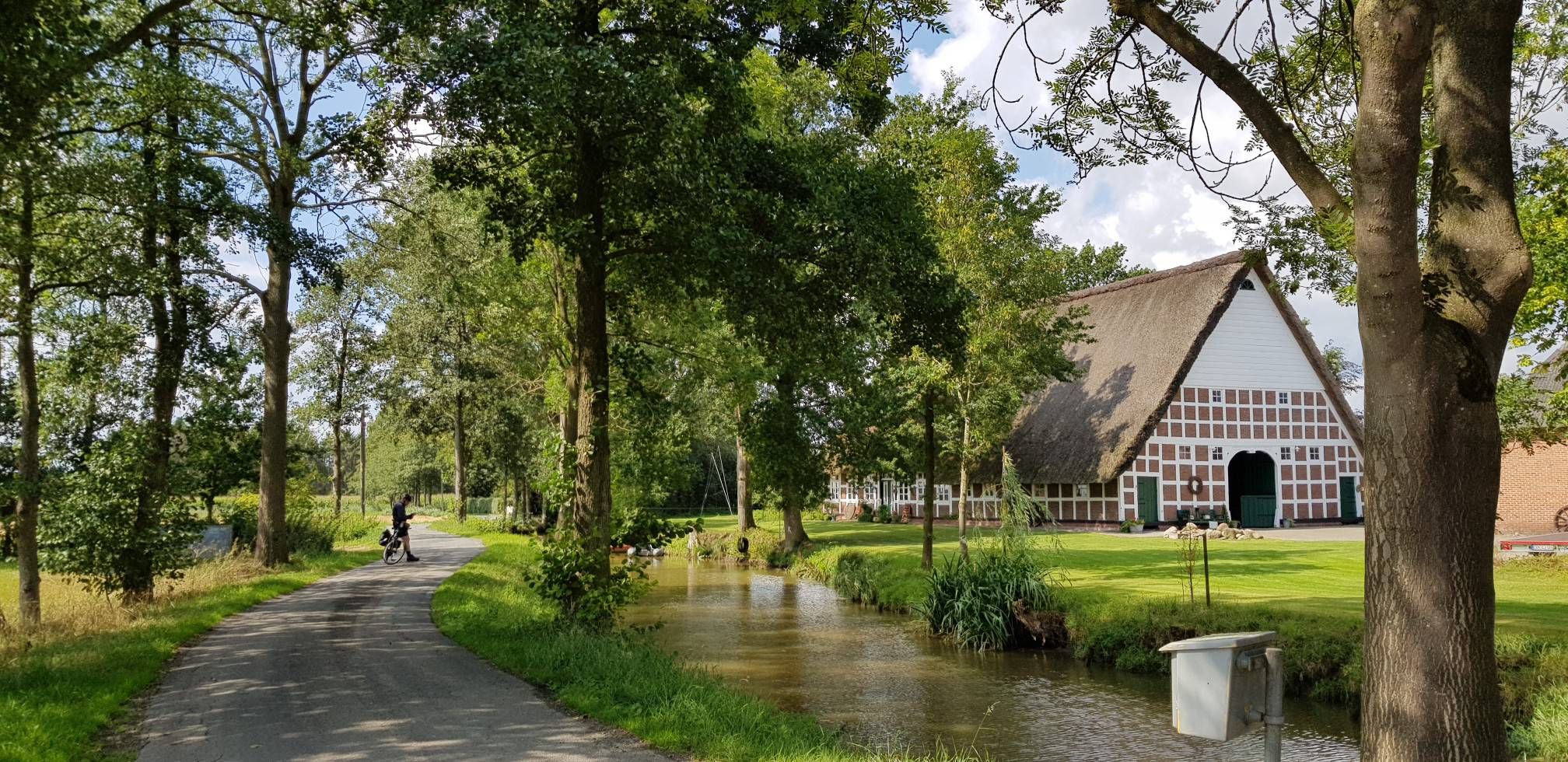
The Monks' Trail – From Bremen to the Baltic Sea
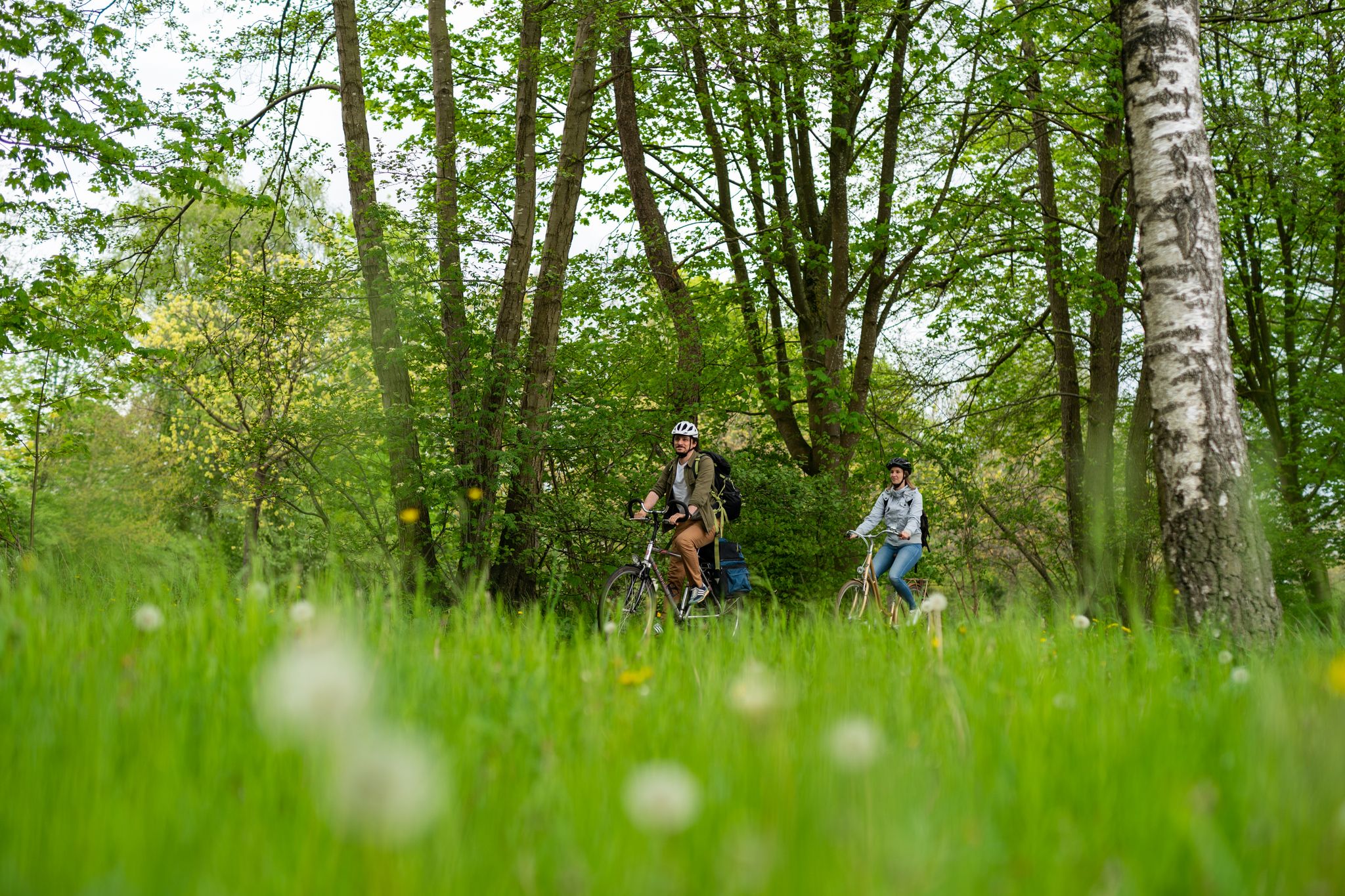
Between nature and history – Ochsenweg cycle path
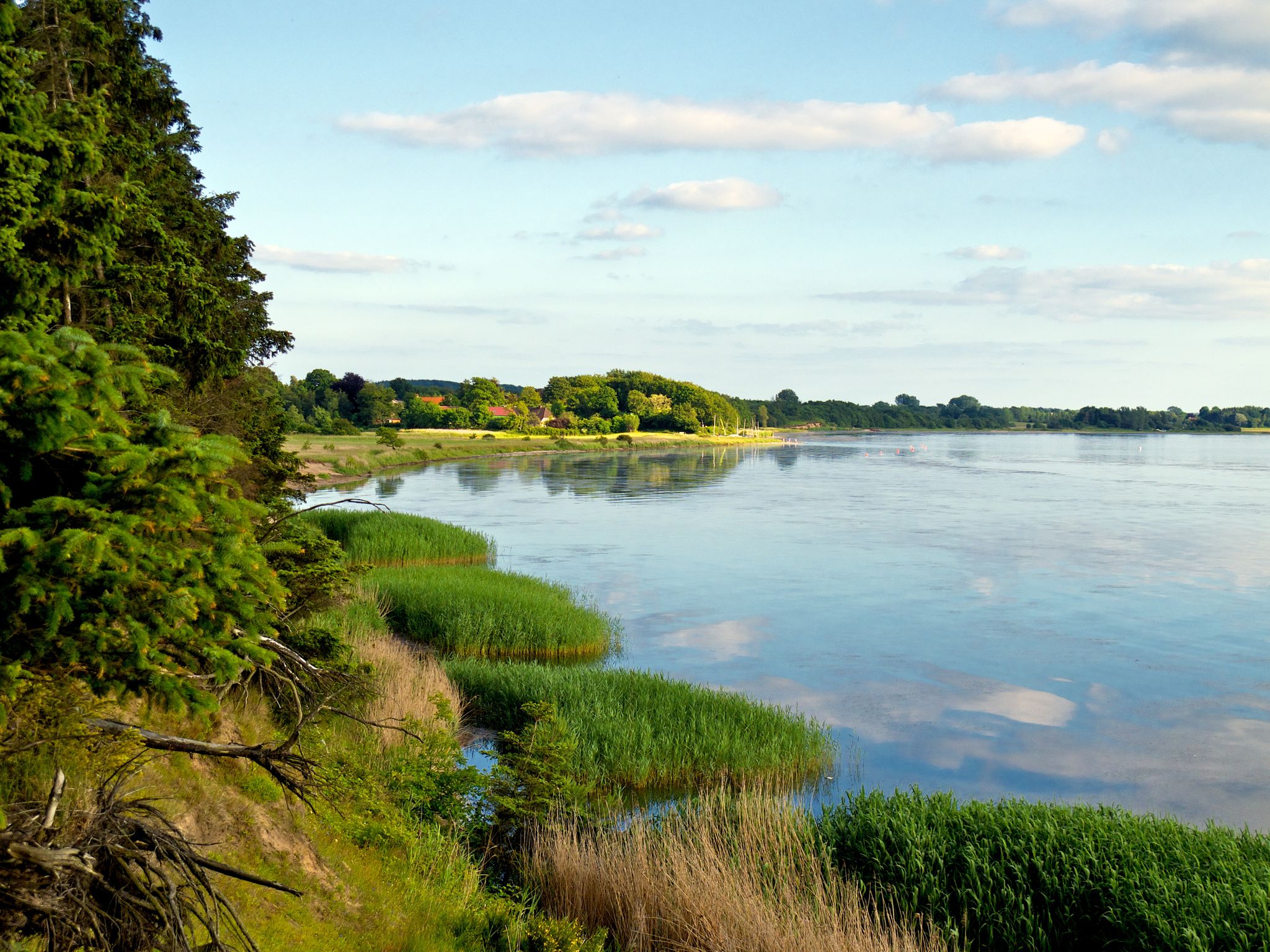
Germany’s blossoming inland — marsh, lakes and fjords in spring
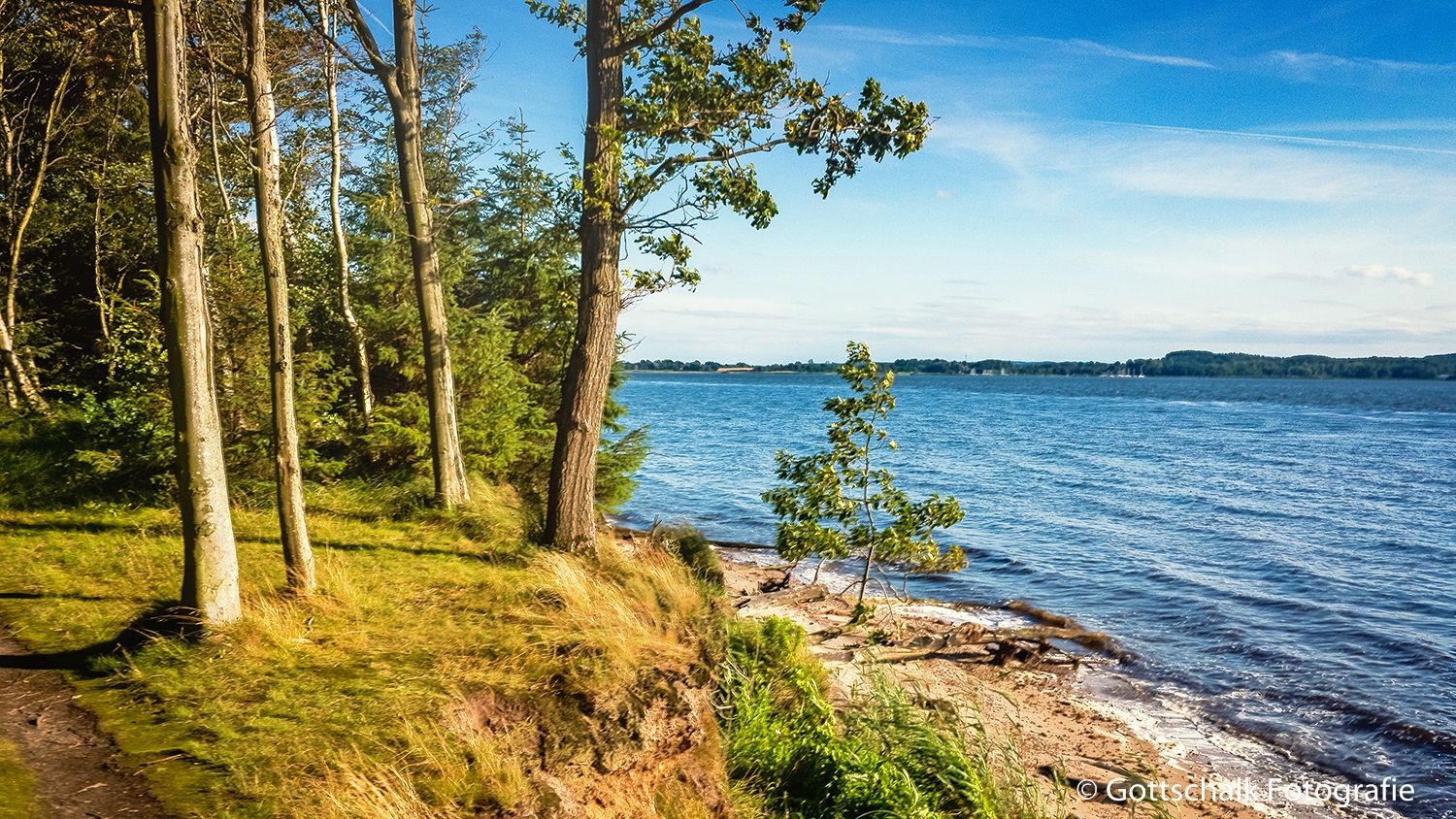
Germany’s golden inland – hike marsh, lakes and fjords in autumn
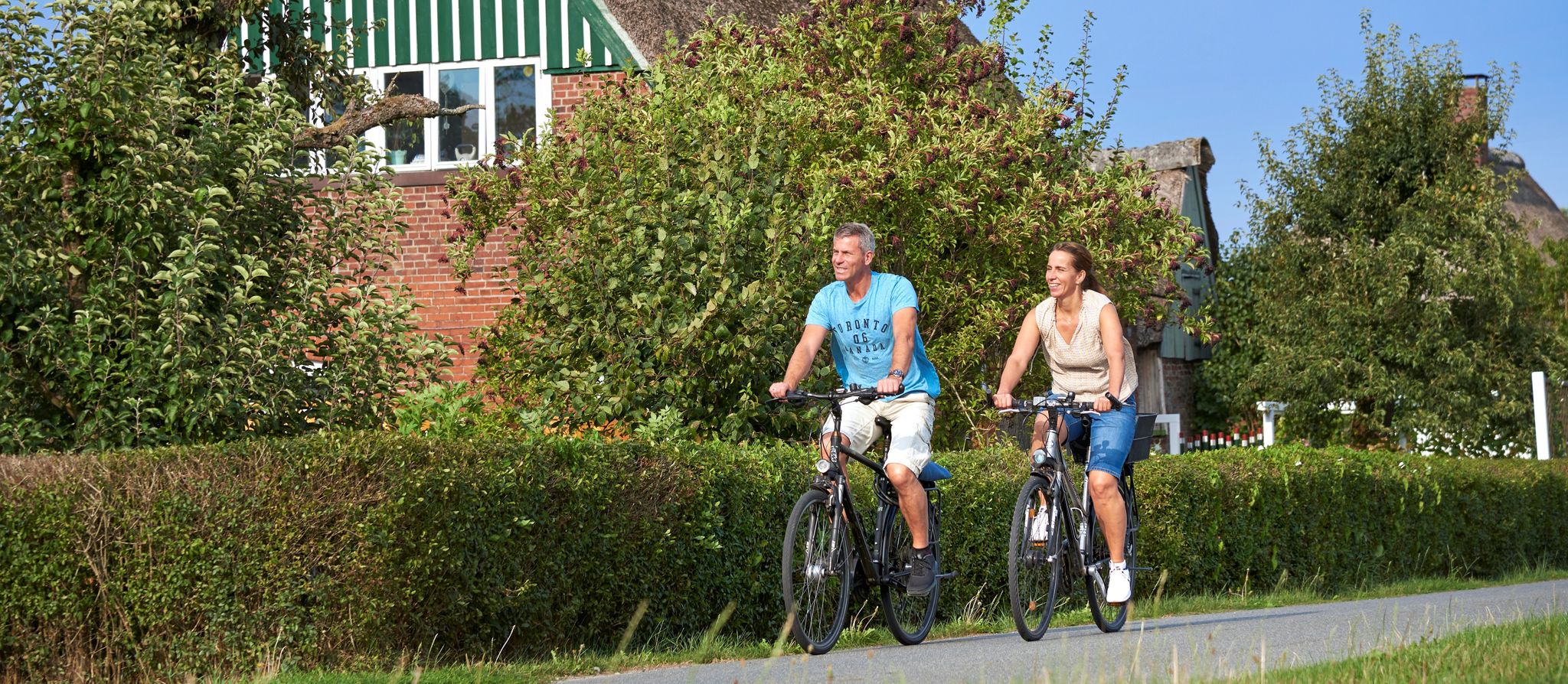
Exploring Germany’s Elb and Auenland Holstein — day trips by bike
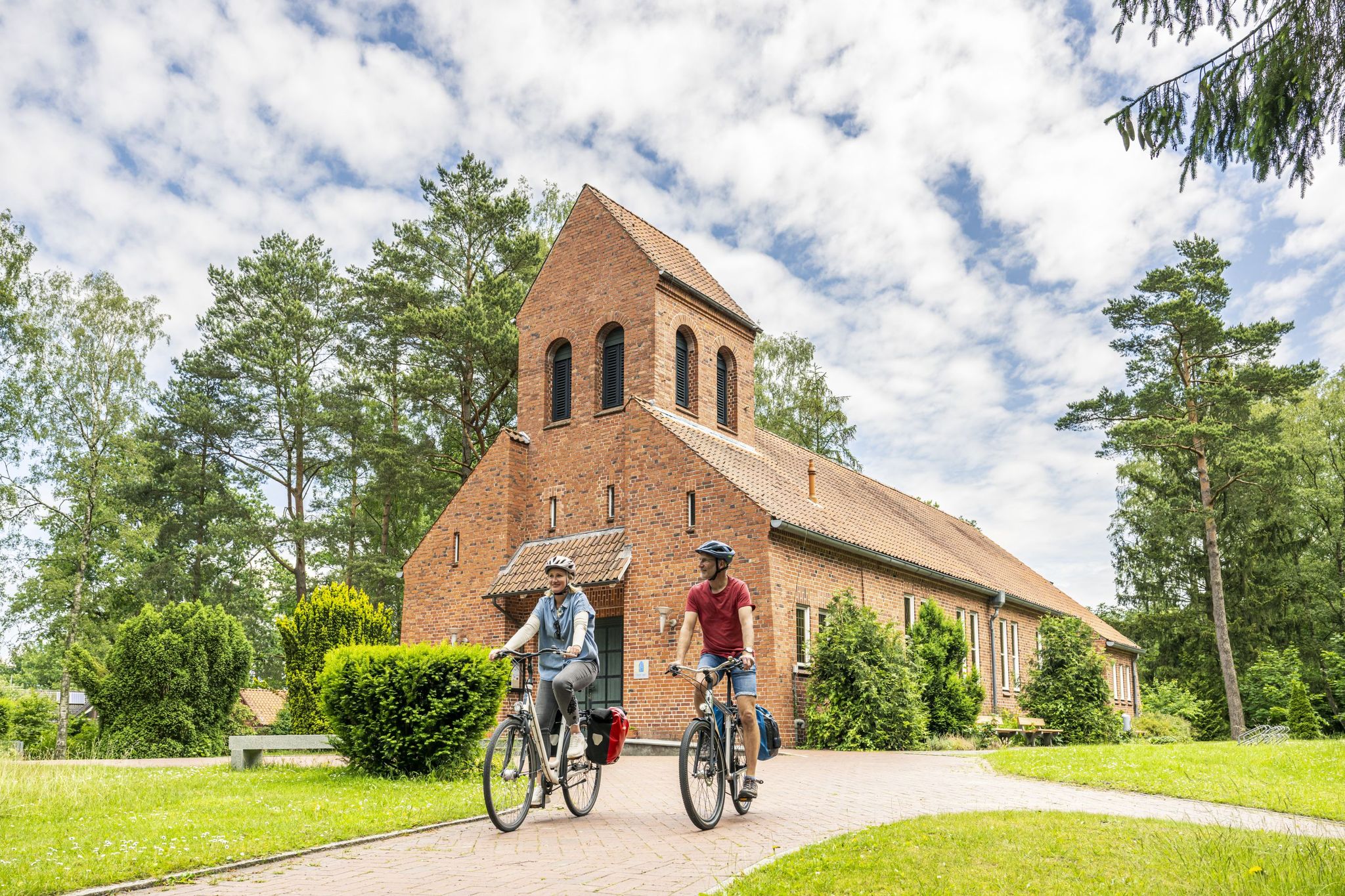
Mönchsweg – Radeln auf den Spuren der Mönche in Schleswig-Holstein
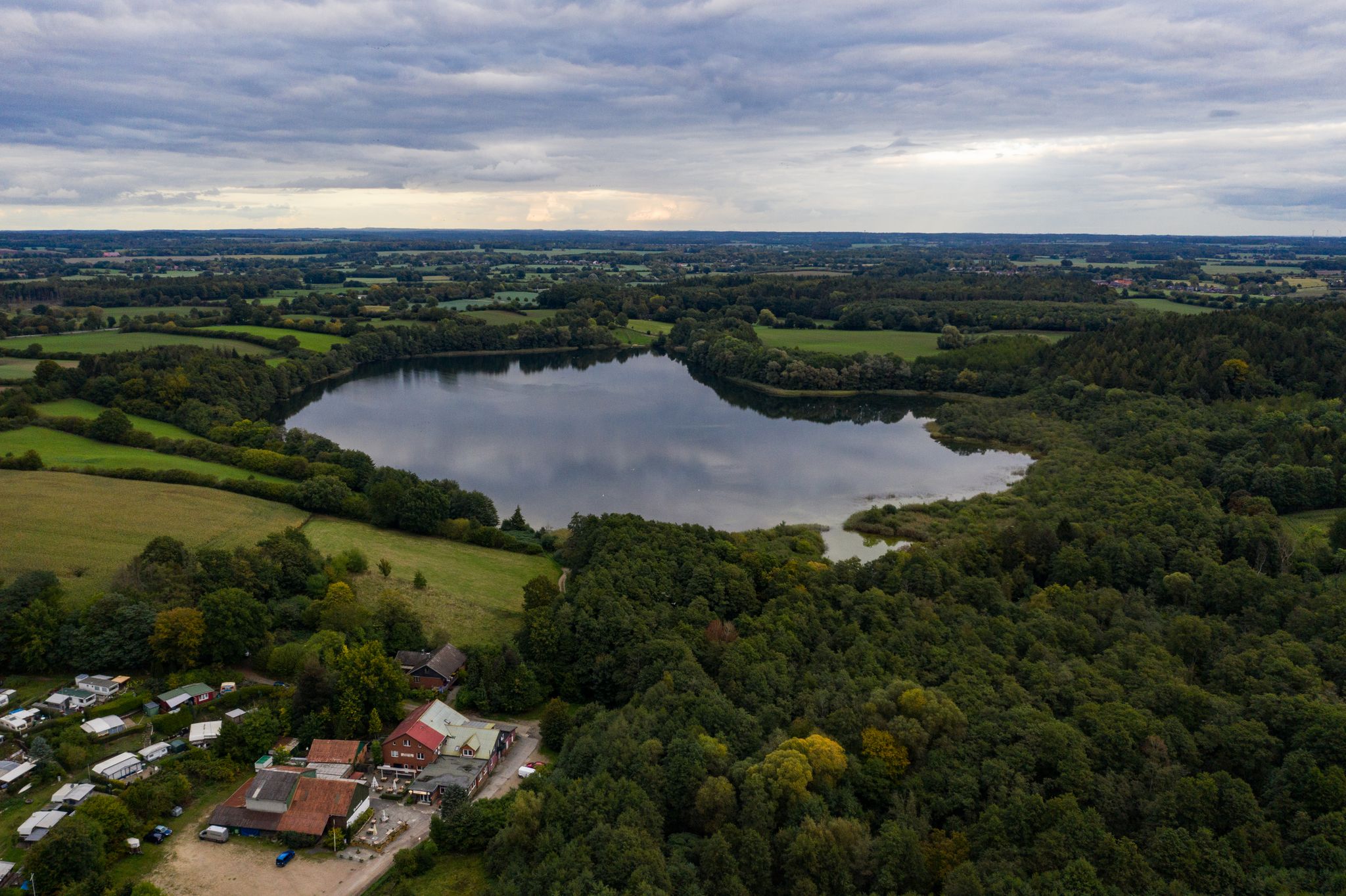
Wandern im Kreis Segeberg und Mittelholstein
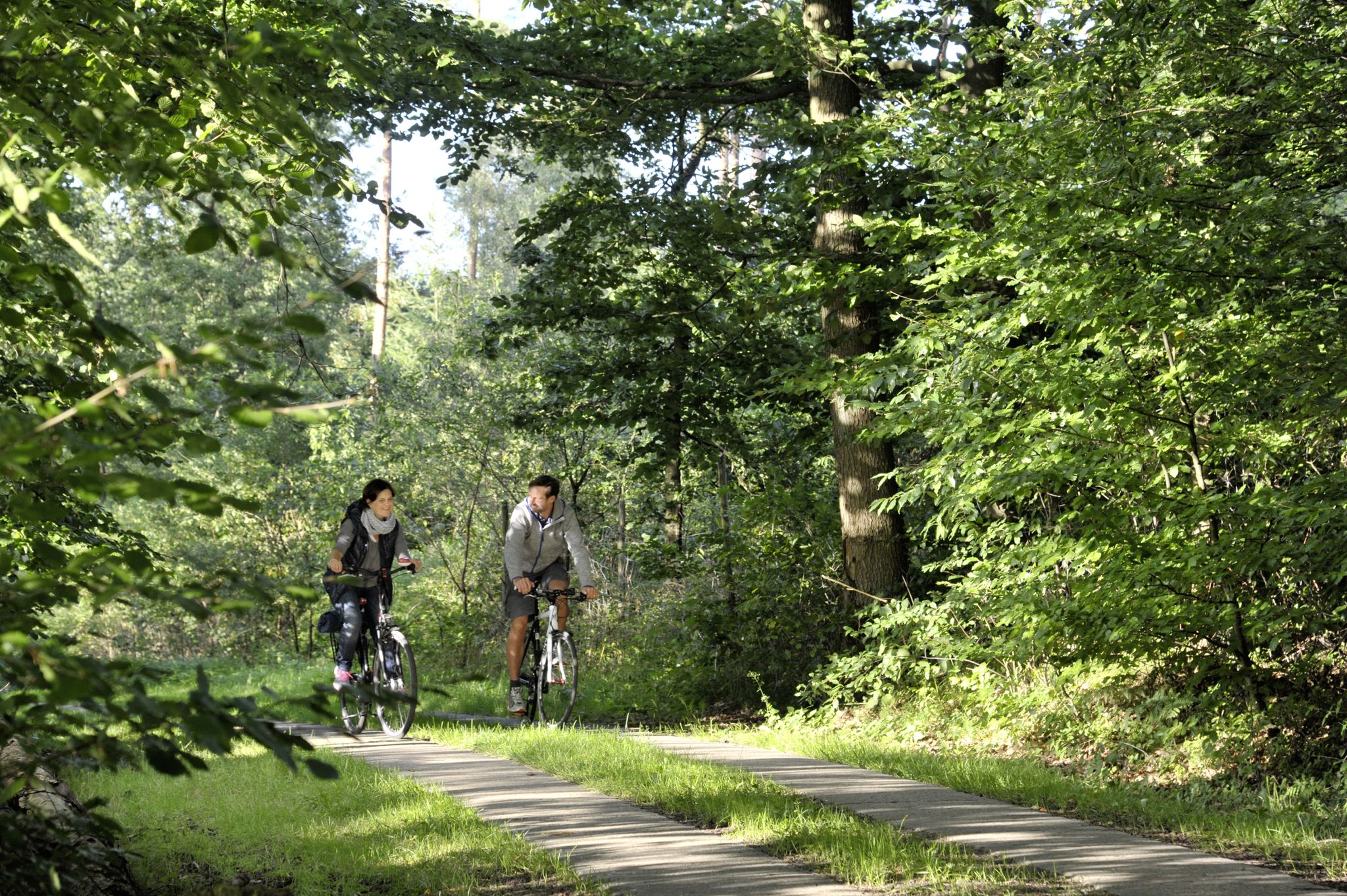
Radfahren rund um Kellinghusen & Hohenlockstedt
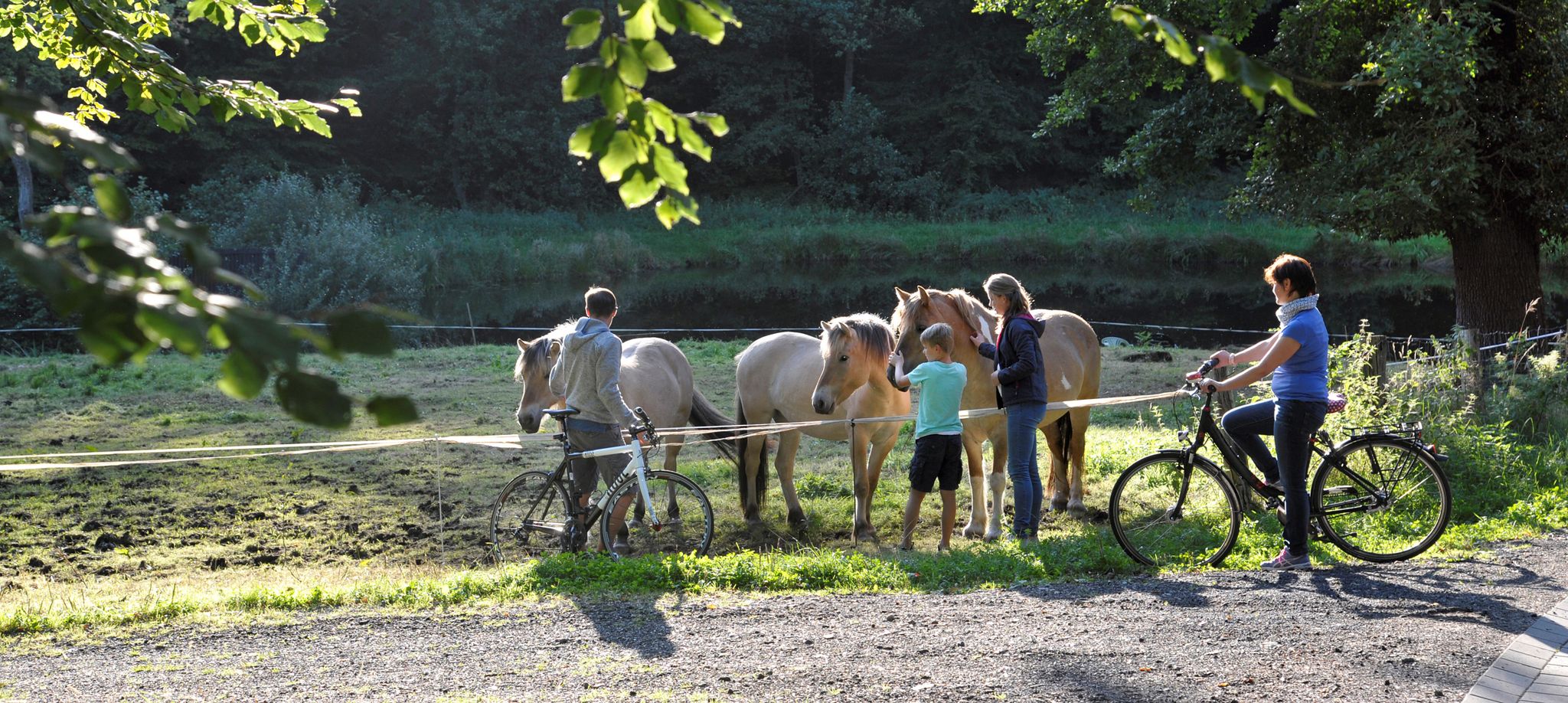
Bad Bramstedt im Herzen des Holsteiner Auenlandes
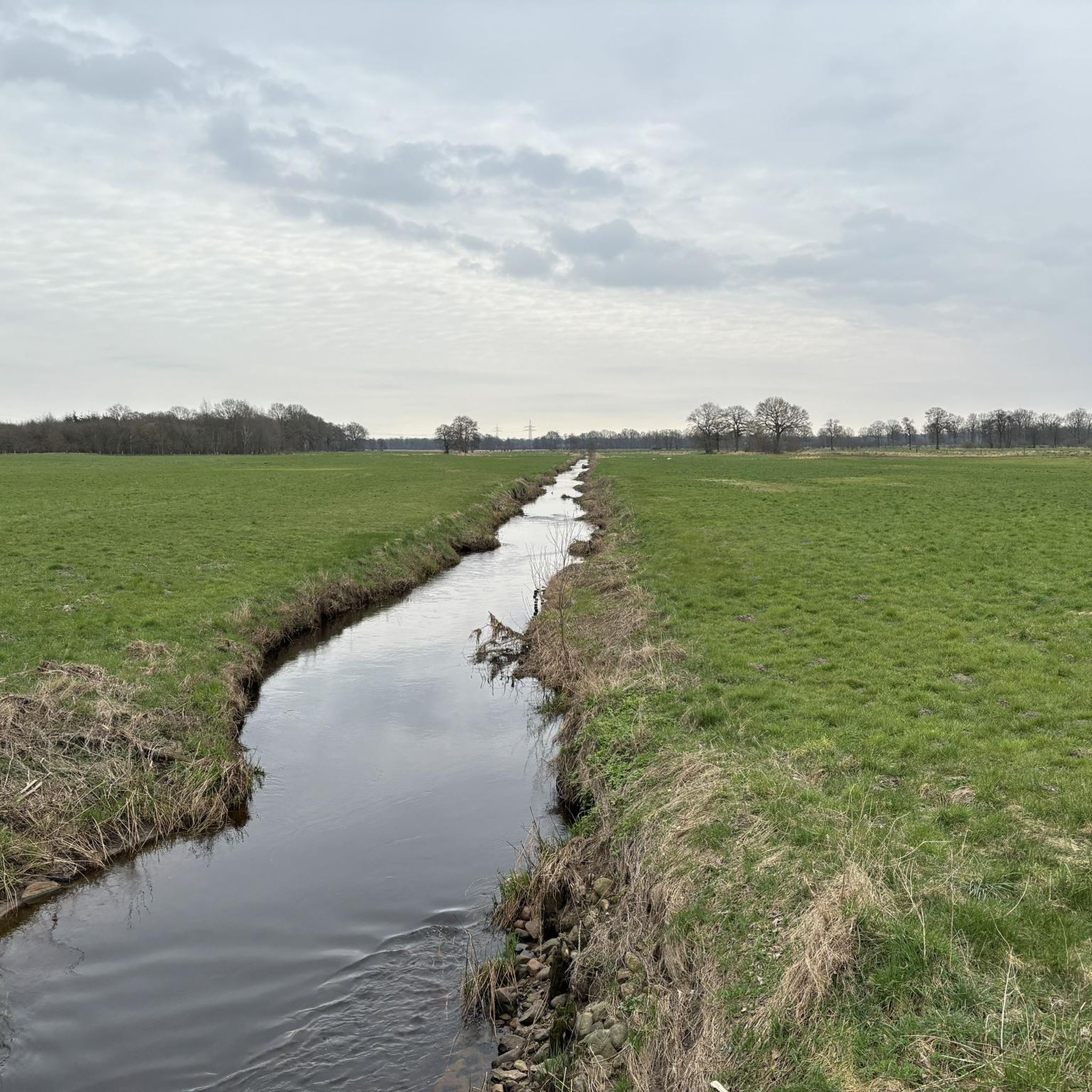
Hiking in Kreis Segeberg
Other adventures in Kreis Segeberg


Tips from the Community

The Ihlsee is located in the northwestern part of the district town of Bad Segeberg on the northern edge of the Kleinniendorf district and is part of the designated Ihlsee and Ihlwald nature reserve. The origin of the lake has not been fully investigated. Either the depression was formed after the Ice Age due to dead ice or it was created as a sinkhole by the collapse of a cave in the Segeberg salt dome. Today the lake has an area of around 29 hectares and stretches 450 m from north to south and around 850 m from west to east; the shore is 2.25 km long. Along with the Bültsee and the Garrensee, the lake is one of the few nutrient-poor lakes in Schleswig-Holstein. The lake is located in a depression and has no inflow. It is fed only by groundwater and inflowing surface water (precipitation). To the north of the bathing area is the outflow that connects the lake to the Great Segeberg Lake. The lake can be walked around, but there is no path along the lake. There is a bathing area on the eastern shore that has existed for decades. The bathing water quality is regularly monitored and in recent years has been rated as very good to good. There is a residential area on the northern shore. On the western and southern sides, the Ihlwald, a swamp forest, dominates the shoreline. From 1911 to 1961, there was a Kiel-Segeberg narrow-gauge railway station at Ihlsee, the tracks of which were removed in 1962. The Ihlsee was declared a nature reserve in 1950 because of its special features. The lake is a particularly nutrient-poor body of water, which gives rise to rare flora. Today, the lake is part of the Ihlsee and Ihlwald nature reserve and has been part of the Natura 2000 protected area network since 2006. https://de.wikipedia.org/wiki/Ihlsee
2
0

The Segeberger See is so beautiful and the possibilities to spend directly on the shore are particularly inviting.
10
0

You have an absolutely fantastic view of Lake Segeberg from the highest point in the city - namely from the Kalkberg 😊... In addition there is the 360°C all-round view of Bad Segeberg for free 😃...
4
1

An airfield was to be built here in the 1960s. How glad am I that it didn't come to that because of the many protests. Today we can enjoy the beautiful landscape
2
0

Tip: The evening Karl May events end with fireworks.
7
0
Tip: The 91 m high limestone mountain is not made of lime (calcium carbonate) but of gypsum (calcium sulphate).
7
0

Always a beautiful sight
7
0
Deer, rabbits and birds can be seen in the evening.
7
0
Frequently Asked Questions
What types of natural monuments can I explore in Kreis Segeberg?
Kreis Segeberg offers a diverse range of natural monuments, including unique geological formations like the Kalkberg, Bad Segeberg, serene lakes such as Wittmoor Lake and Lake Ihl, and extensive nature reserves like the Wittenborn Heath Nature Reserve. You can also find the sources of rivers like the Alster Spring and protected individual trees throughout the region.
Are there family-friendly natural monuments to visit in Kreis Segeberg?
Yes, many natural monuments in Kreis Segeberg are suitable for families. The Kalkberg, Bad Segeberg, offers a climb to a viewpoint and seasonal bat cave tours. Wittmoor Lake and the Lily Pond in the Henstedter Moor provide easy walks and opportunities for nature observation. The Kaltenkirchener Heide East Entrance also leads to a natural heritage area with accessible paths.
What is the best time of year to visit the natural monuments in Kreis Segeberg?
The natural monuments in Kreis Segeberg are beautiful year-round. Spring and summer are ideal for enjoying lush greenery, blooming flora, and outdoor activities like hiking and cycling. Autumn offers vibrant fall colors, while winter can provide a peaceful, snow-covered landscape. For specific attractions like the bat caves at Kalkberg, Bad Segeberg, summer is the primary season for guided tours.
What kind of wildlife can I expect to see at these natural sites?
Kreis Segeberg's natural monuments are rich in wildlife. The Kalkberg, Bad Segeberg, is Northern Europe's largest natural wintering ground for up to 30,000 bats. The Wittenborn Heath Nature Reserve is home to smooth snakes, common European vipers, dormice, eagle owls, and honey buzzards. Moor landscapes like the Lily Pond in the Henstedter Moor support amphibians, reptiles, and various bird species.
Are there hiking opportunities near the natural monuments?
Absolutely! Many natural monuments are integrated into or surrounded by excellent hiking trails. For example, the Wittenborn Heath Nature Reserve offers numerous trails through varied terrain. You can find a variety of running and walking routes throughout the region, including those near Wittmoor Lake. Explore more options on the Running Trails in Kreis Segeberg guide.
Can I go cycling near the natural monuments in Kreis Segeberg?
Yes, Kreis Segeberg is well-suited for cycling, with many routes passing by or through natural monuments and reserves. You can find diverse cycling experiences, from easy tours to more challenging rides. For detailed routes, refer to the Cycling in Kreis Segeberg guide, which includes options like the Henstedter Moor Trail near the Alster Spring.
What makes the Kalkberg in Bad Segeberg a significant natural monument?
The Kalkberg, Bad Segeberg, is a striking geological formation, primarily made of gypsum, rising 91 meters high. It's significant for its extensive cave system, which serves as Northern Europe's largest natural wintering ground for bats. Visitors can enjoy panoramic views from its summit and learn about bats at the nearby NOCTALIS World of Bats museum.
Are there any natural monuments that are particularly good for birdwatching?
Yes, several areas are excellent for birdwatching. The Wittenborn Heath Nature Reserve is part of the 'Barker und Wittenborner Heide' bird sanctuary, home to species like eagle owls and honey buzzards. The Lily Pond in the Henstedter Moor also supports various bird species, including meadow birds like the lapwing and curlew.
What is the Wittmoor Lake and why is it worth visiting?
Wittmoor Lake is an artificial bog lake located within the Wittmoor nature reserve. It's a key part of a renatured bog landscape, offering a unique and photogenic view of ecological restoration. It's an excellent spot to observe a regenerating ecosystem and appreciate conservation efforts.
Are there any historical aspects associated with the natural monuments?
While primarily natural, some sites have historical connections. The Kalkberg, Bad Segeberg, has a long history of gypsum mining that shaped its current form. The Kaltenkirchener Heide East Entrance leads to a former military training ground that has been rewilded into a natural heritage area, offering a glimpse into its past use.
Where can I find information about individual protected trees in Kreis Segeberg?
Beyond the larger reserves, Kreis Segeberg also designates individual trees as natural monuments. Examples include the Eibe am Amtsgericht (Yew at the District Court) in Bad Segeberg, and several ancient oaks and a beech in Kaltenkirchen. These trees are protected for their age, size, beauty, or rarity, contributing to the local natural heritage.
Are there any natural monuments that are particularly good for photography?
Many natural monuments offer fantastic photographic opportunities. The panoramic views from the top of Kalkberg, Bad Segeberg, are highly recommended. Wittmoor Lake is noted for its photogenic views of the renatured bog. The diverse landscapes of the Wittenborn Heath Nature Reserve also provide varied scenery for nature photography.
Most popular routes in Kreis Segeberg
Most popular attractions in Kreis Segeberg

Get inspired with the komoot mobile app


Didn’t find what you were looking for?
Find even more amazing natural monuments in Kreis Segeberg by checking out the top Highlights region by region:
Explore more
Extend your search for the best caves by checking out these guides of the top ones in Kreis Segeberg:
