Top 20 Natural Monuments in Nienburg/Weser
Best natural monuments in Nienburg/Weser showcase the region's diverse natural landscape, from ancient glacial formations to vital wetland ecosystems. The area features a variety of protected sites, offering insights into local geology, ecology, and history. These natural monuments provide opportunities for observing wildlife and exploring unique geological features.
Best natural monuments in Nienburg/Weser
- The most popular natural monuments is Meerbruchwiesen Bird Sanctuary, a natural monument known as a species-rich wetland landscape. It provides a vital habitat for numerous animal…
Last updated: October 13, 2026
Meerbruchwiesen Bird Sanctuary
Highlight • Natural Monument
Translated by Google •
Tip by

Meerbruchswiesen Nature Reserve
Highlight (Segment) • Natural
Translated by Google •
Tip by

Sign up now to discover places like this
Get recommendations on the best single tracks, peaks, & plenty of other exciting outdoor places.
Meerbruchswiesen Birdwatching Area
Highlight • Natural Monument
Translated by Google •
Tip by

Geographical Center of Lower Saxony
Highlight • Monument
Translated by Google •
Tip by

Sundern Monastery Forest
Highlight • Forest
Translated by Google •
Tip by

Drakenburg Marsh Nature Reserve
Highlight • Natural Monument
Translated by Google •
Tip by

Meerbruchswiesen Nature Reserve — Birdwatching at Lake Steinhude
Highlight • Natural
Showing Translation
Tip by

Sea Eagle Viewing Point, Meerbruchswiesen
Highlight • Viewpoint
Translated by Google •
Tip by

Birdwatching hide at Meerbruchswiesen
Highlight • Viewpoint
Translated by Google •
Tip by
Große Aue in Liebenau
Highlight • River
Translated by Google •
Tip by

Sign up for free to discover even more natural monuments in Nienburg/Weser.
Already have an account?
Start today with a free account
Your next adventure awaits.
Popular around Nienburg/Weser
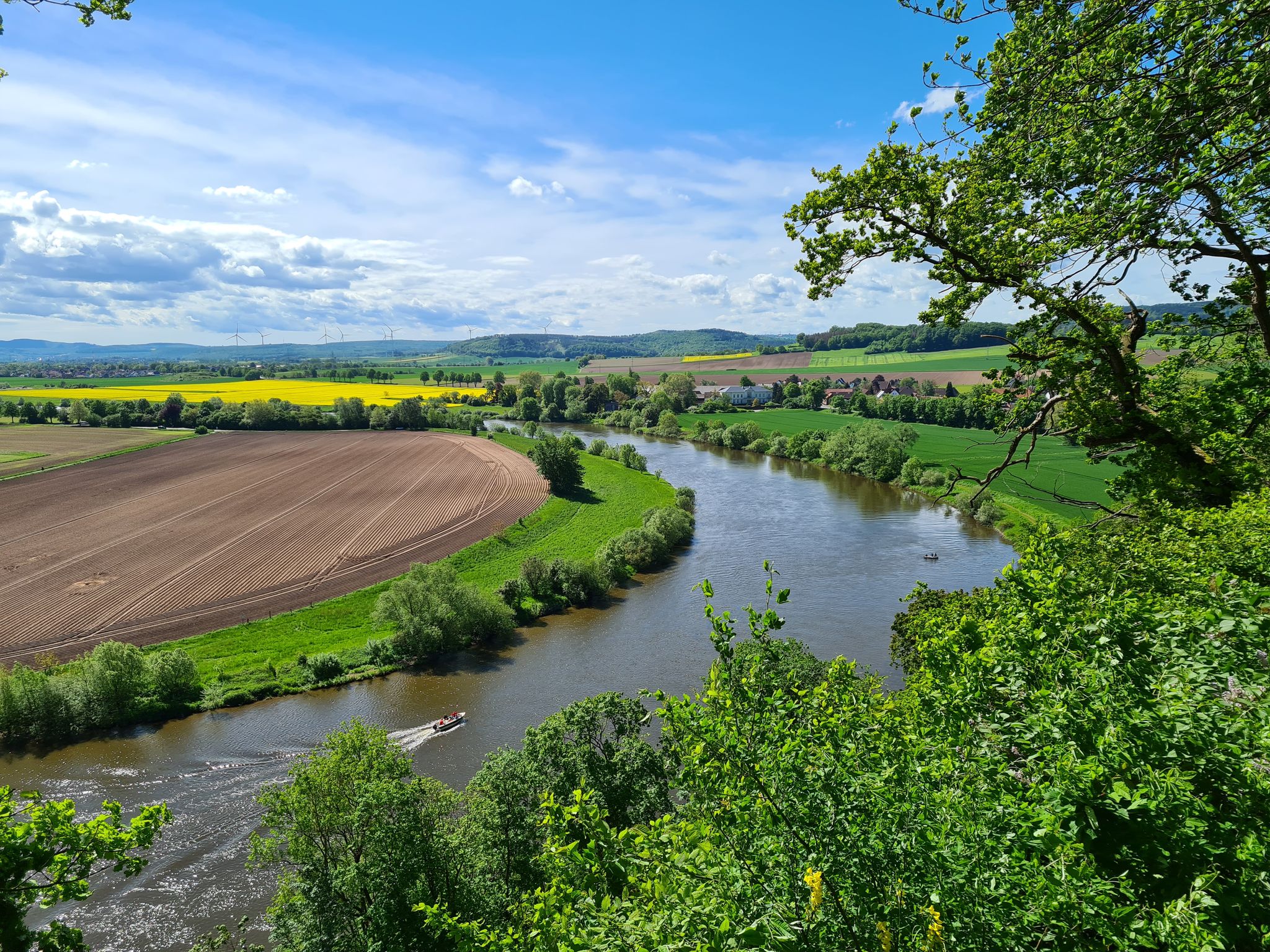
Loccum-Volkenroda pilgrim's way – From monastery to monastery
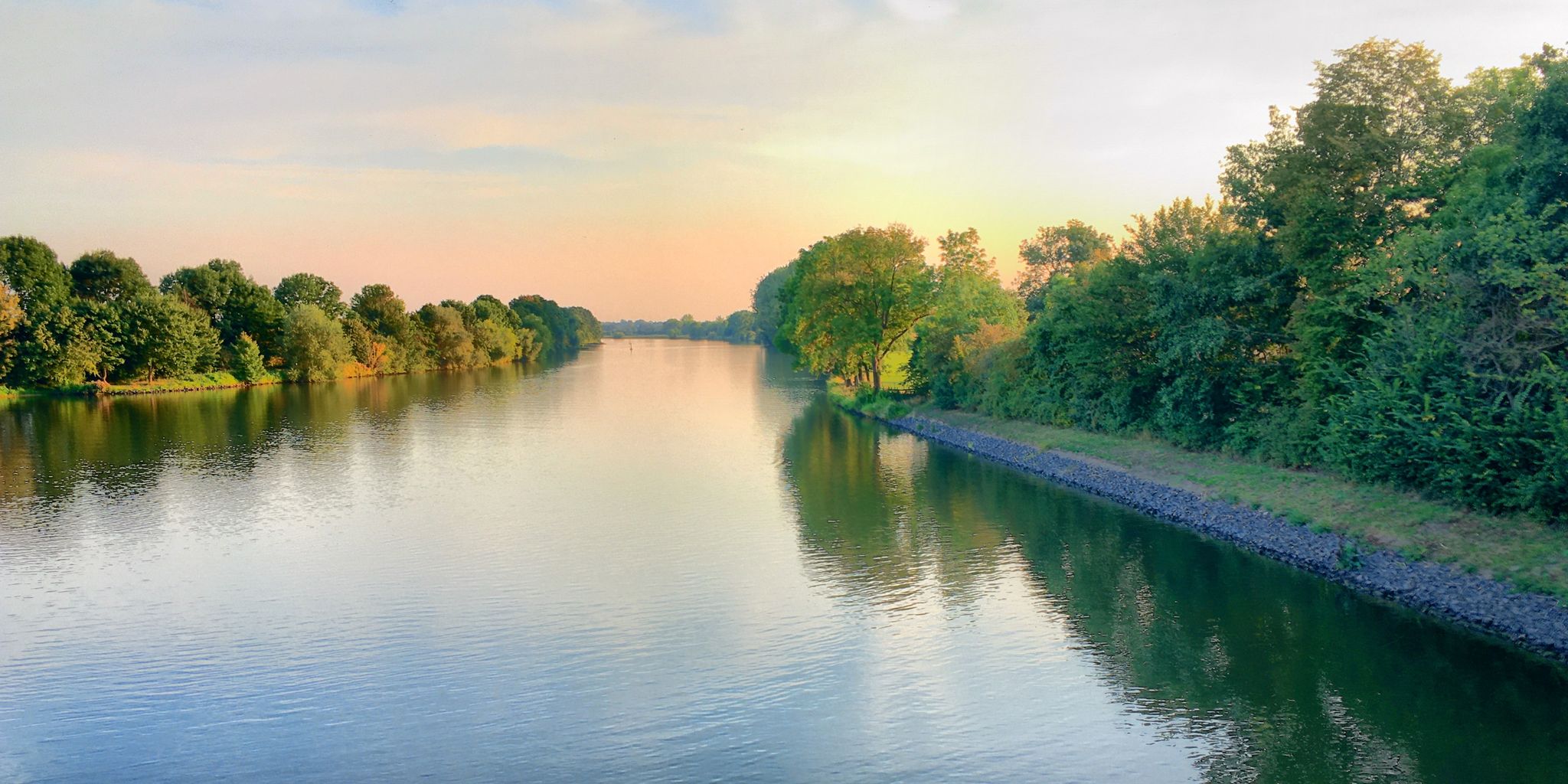
Germany's Weser Trail — Floodplains, dykes and old towns in 8 days
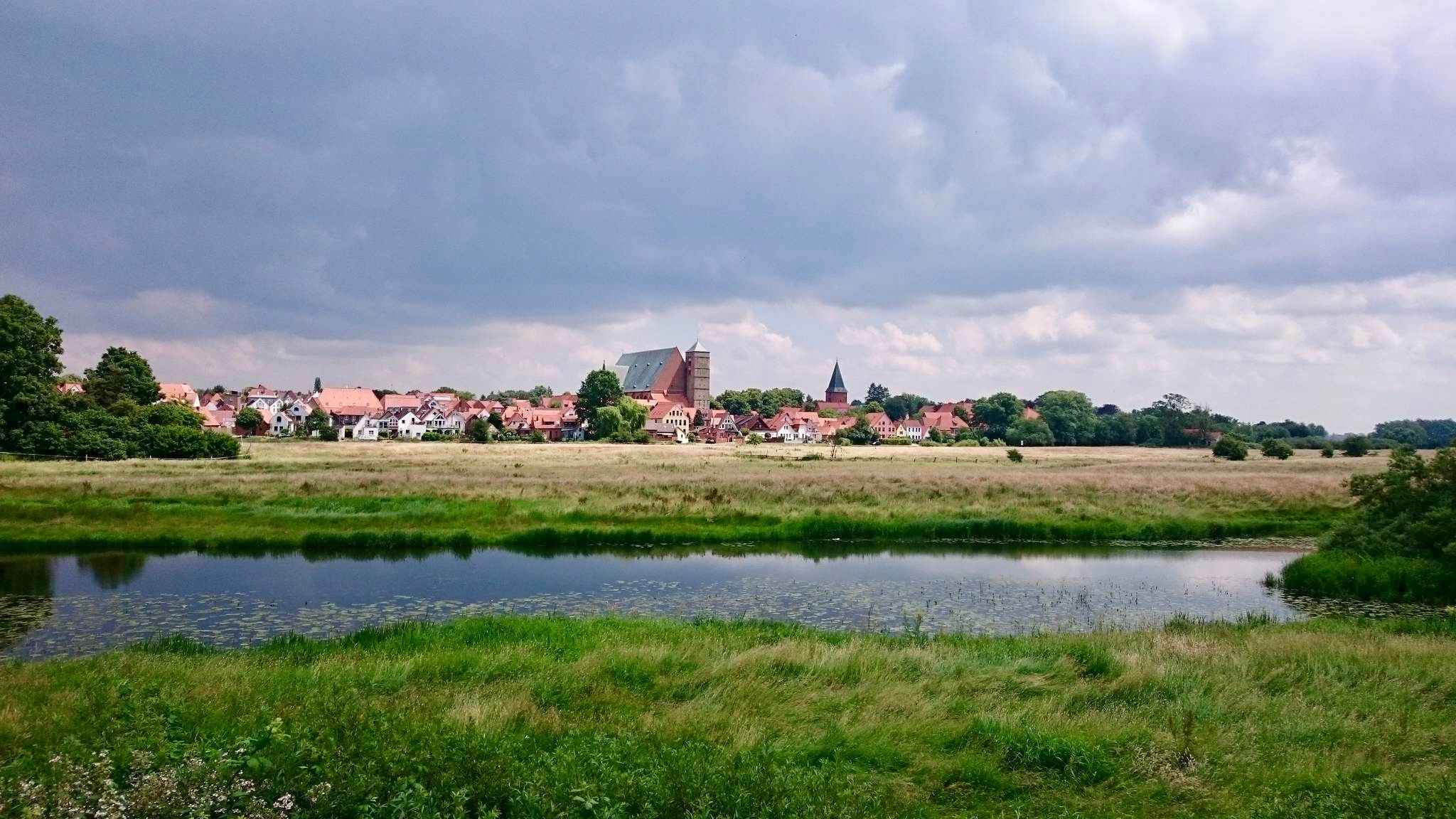
The Weser Cycle Path
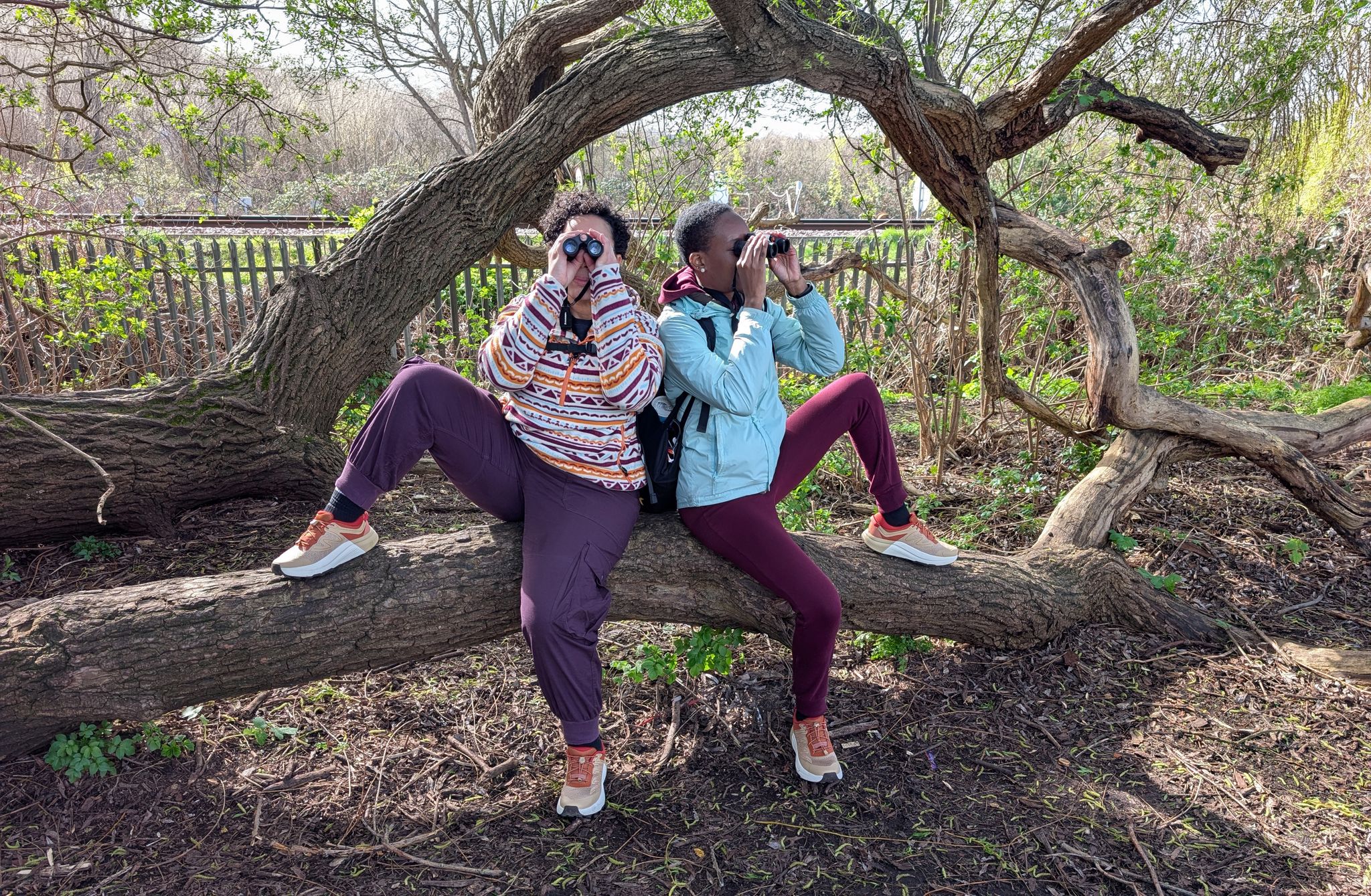
Europe’s Seasonal Birding Hotspots
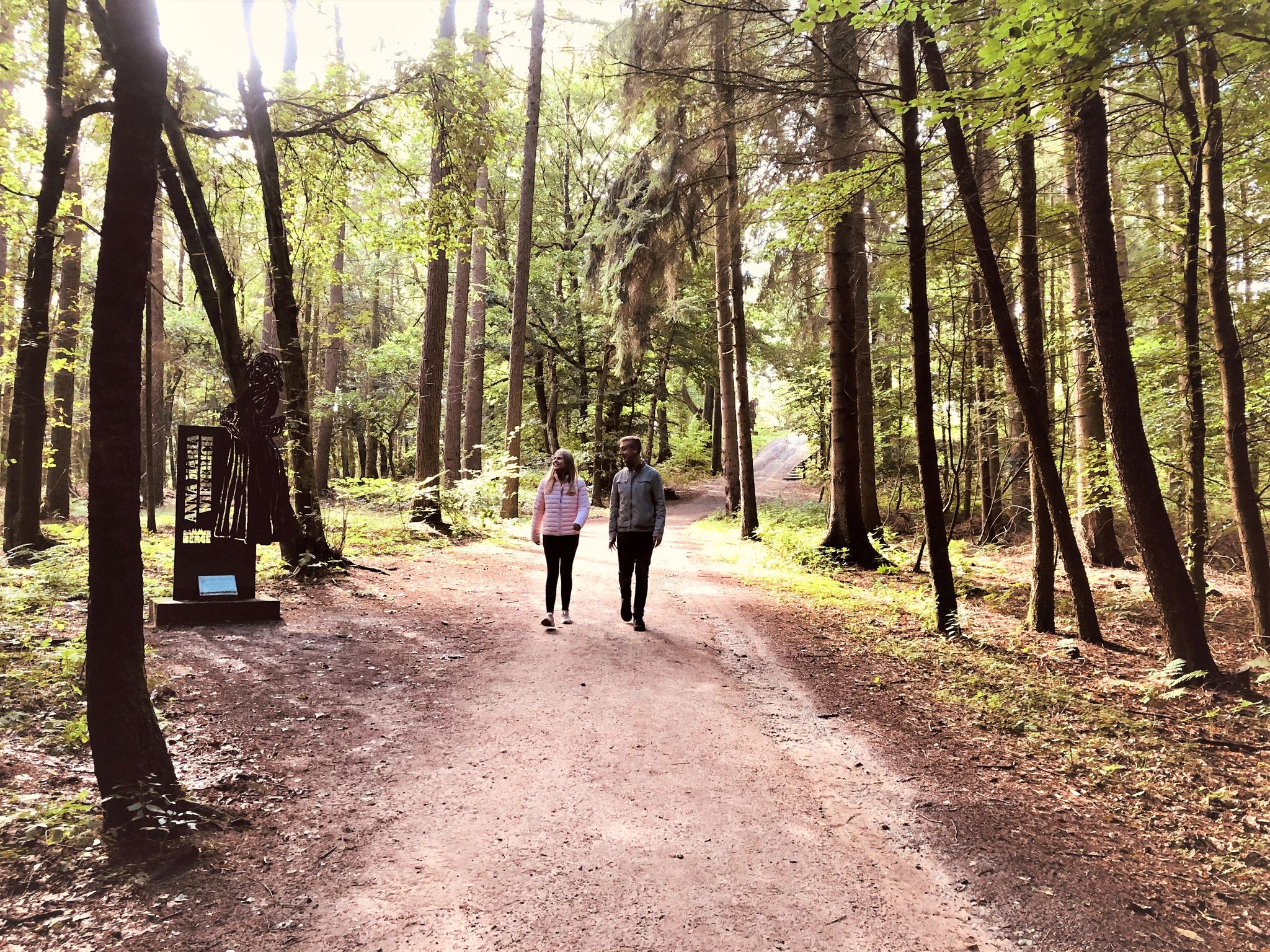
The most beautiful hiking routes in DümmerWeserLand
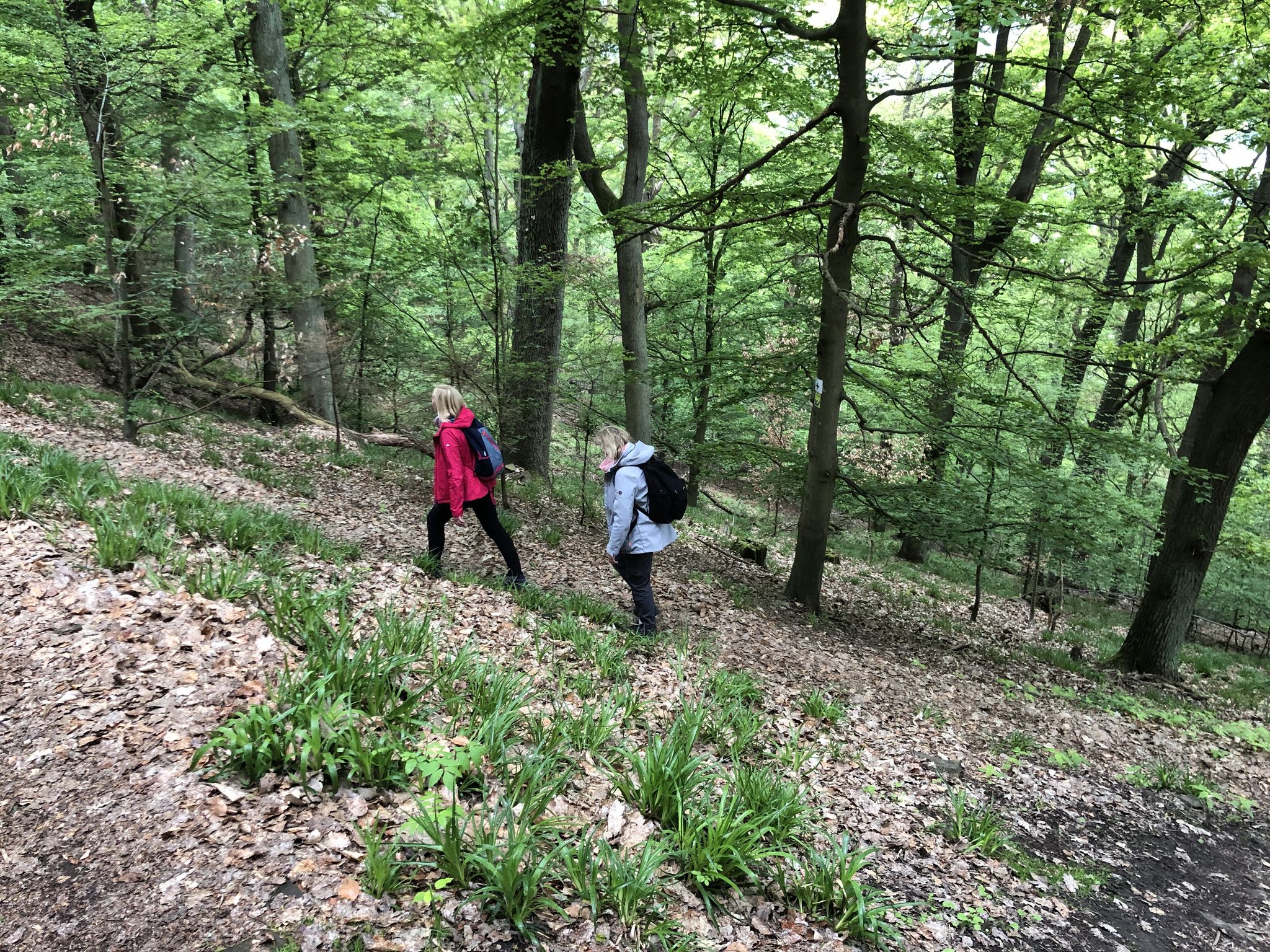
On the Discoverer's trail Explore Rehburg-Loccum
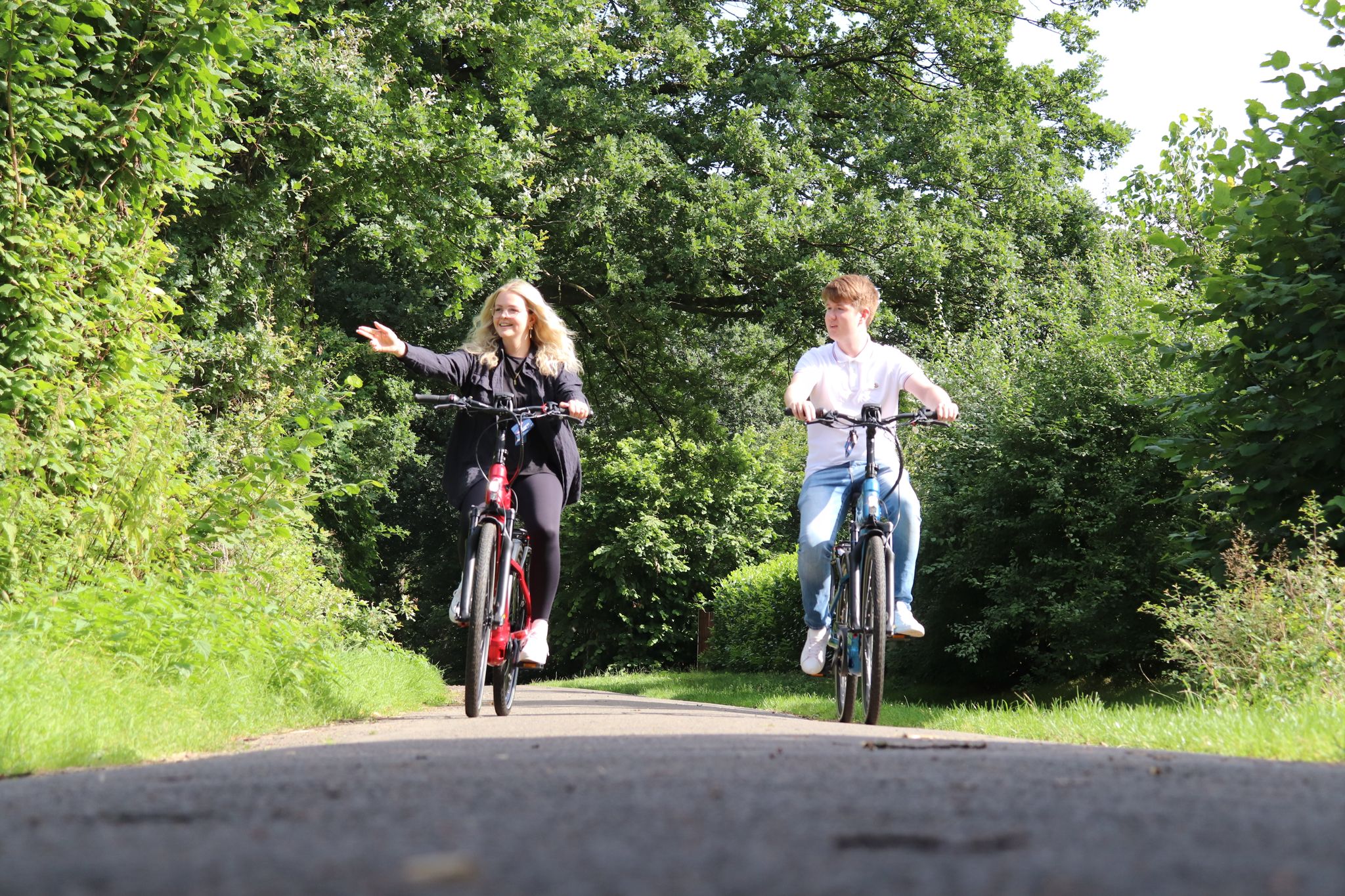
Best Loops in the DümmerWeserLand Cycling Region
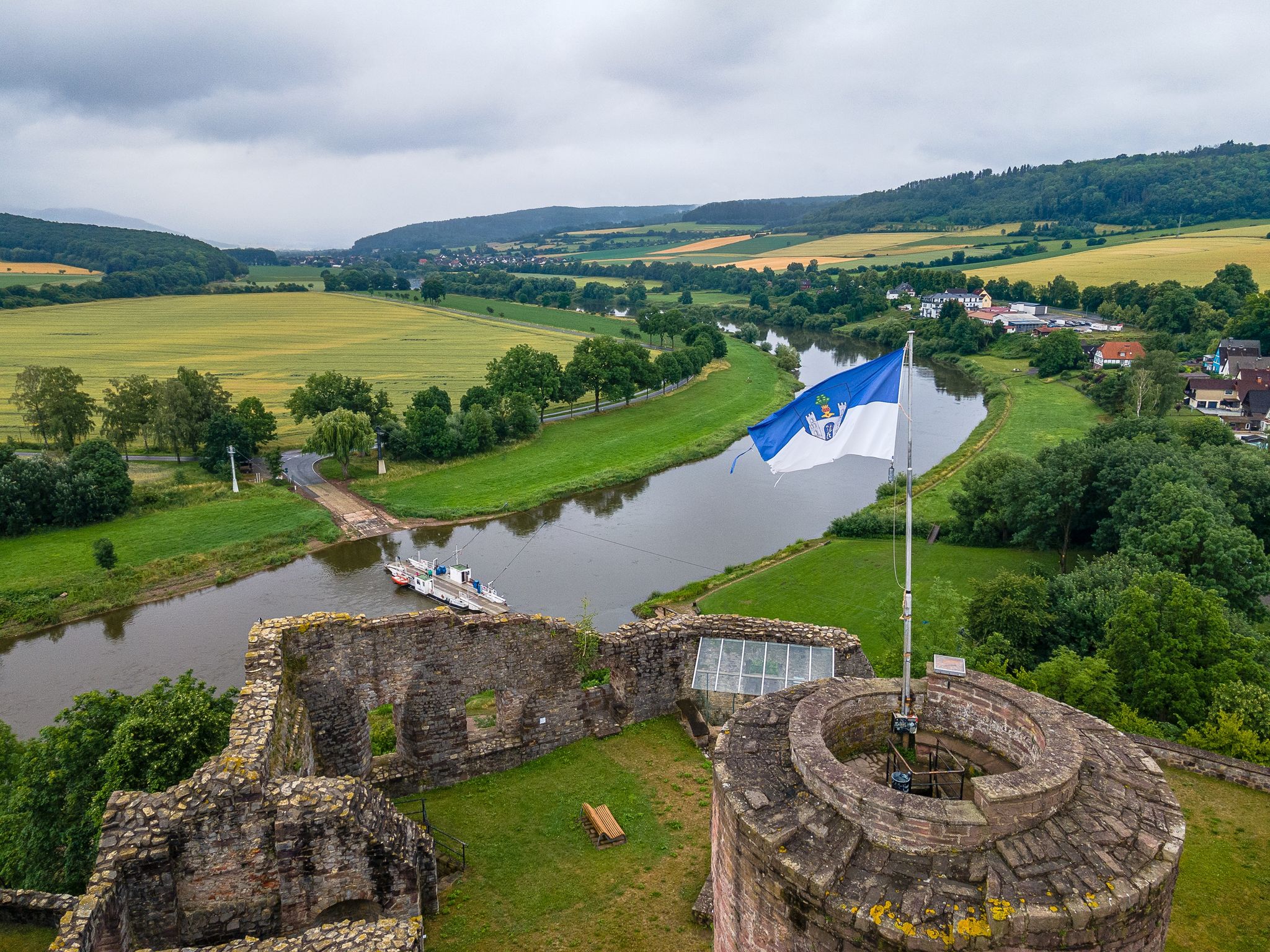
Along the Weser to the sea – Weser Cycle Route alternative route
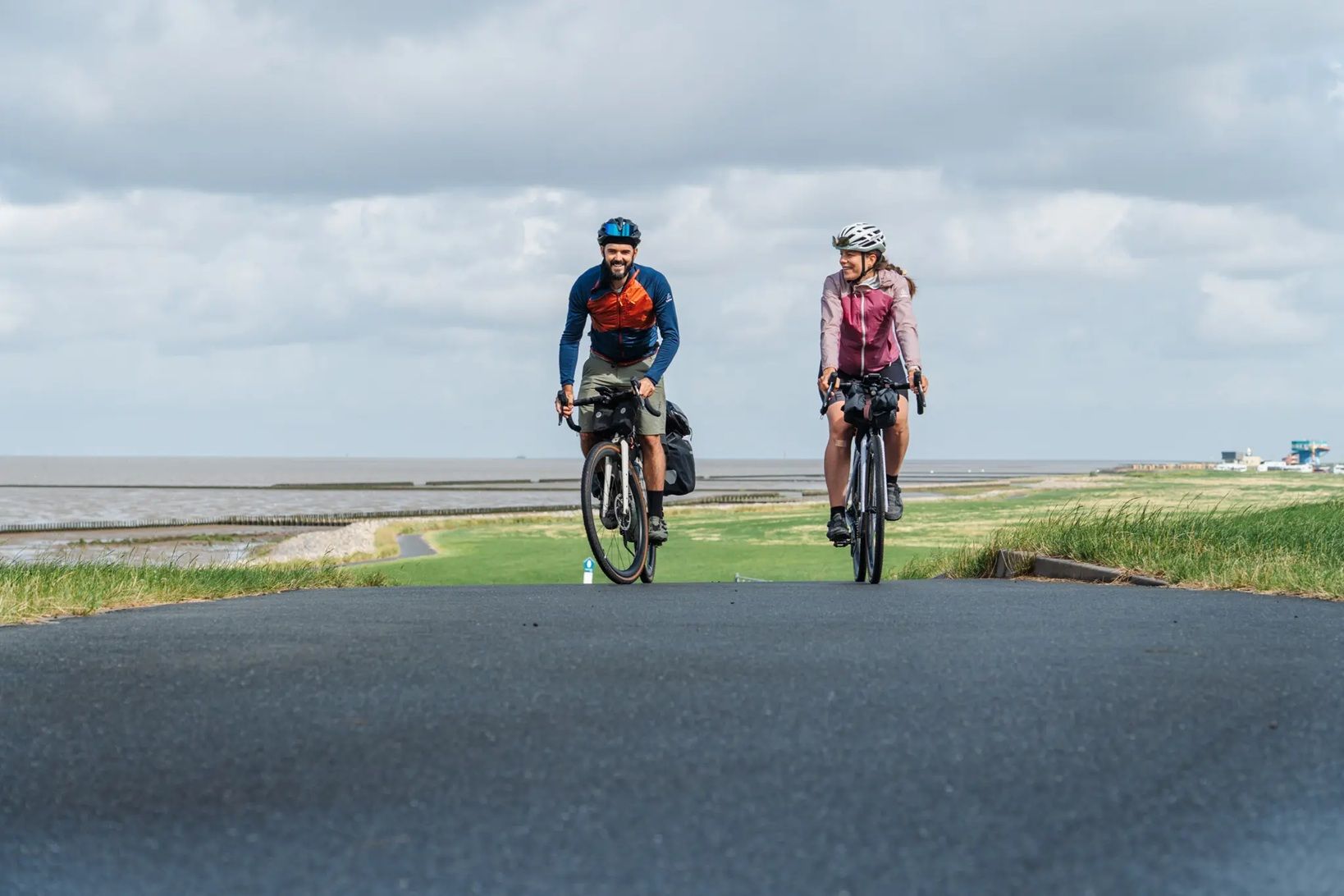
On the Weser Cycle Route – from the Weser Uplands to the North Sea
TOP 10 themed bike Tours in the Mittelweser region
Other adventures in Nienburg/Weser


Tips from the Community

Very idyllic place, also wonderful with the dog, worth a visit
0
0

The Meerbruchswiesen on Lake Steinhude are an important resting and breeding area for more than 280 bird species, including white-tailed eagles, ospreys, cranes, garganeys, lapwings, great egrets and various species of geese and ducks. With a little patience, you can also observe smew and goosanders, ruffs, common terns, red and black kites and numerous other waders and waterfowl on the rewetted wetlands, shallow water zones and at the pools.
2
0

Very diverse birdlife to the right and left of the path, the viewing platforms are worth climbing.
1
1

The eagle hasn't been there for a long time?
2
0

Beautiful observation point for birds at Lake Steinhude.
2
0

Species-rich nature reserve on the western shore of Lake Steinhude. This is a wet meadow landscape with shallow water areas, ponds and ditches. It provides a habitat for numerous animal and plant species, including frogs, pond turtles, various waders, ospreys and sea eagles. The Meerbruchswiesen are also popular with migratory birds. Source: https://www.mittelweser-tourismus.de/poi/meerbruchswiesen/
2
1

In addition to the opportunity to observe sea eagles, other bird species can also be observed here.
2
0

Many water birds can be observed. There are special viewing points.
1
0
Frequently Asked Questions
What unique natural monuments can I explore in Nienburg/Weser?
Nienburg/Weser offers a diverse range of natural monuments. You can discover the mysterious glacial erratics known as the Drei Findlinge along the Weser riverbank, or visit the impressive Geographical Center of Lower Saxony. The region also features the Meerbruchwiesen Bird Sanctuary, a vital wetland habitat, and the ancient Sundern Monastery Forest.
Where can I find ancient geological formations in Nienburg/Weser?
For ancient geological formations, visit the Drei Findlinge (Three Boulders) along the Weser riverbank in Nienburg. These large glacial erratics have a mysterious origin, with new boulders appearing in the riverbed. Another impressive site is the Giebichenstein near Stöckse, the largest boulder in Lower Saxony, which is also climbable for visitors over four years old and surrounded by prehistoric burial sites.
Are there natural monuments suitable for families with children in Nienburg/Weser?
Yes, several natural monuments are family-friendly. The Giebichenstein near Stöckse is a 'mini-mountain' that children over four can climb. The Dinosaur Park Münchehagen offers a unique experience related to ancient natural history. Additionally, the Meerbruchwiesen Bird Sanctuary provides observation towers, making it an engaging spot for all ages to observe wildlife.
Where are the best spots for birdwatching and wildlife spotting in Nienburg/Weser?
The Meerbruchwiesen Bird Sanctuary, located on the western shore of Lake Steinhude, is an excellent destination for birdwatching. This species-rich wetland is home to numerous wading birds, frogs, terrapins, ospreys, and sea eagles. It's particularly popular during spring and autumn migrations, with several bird hides and observation towers like the Meerbruch Observation Tower and Kranichplatz Observation Platform.
What kind of forest and nature reserves can I explore in the Nienburg/Weser region?
The Nienburg/Weser region features significant forest and nature reserves. The Nienburger Bruch Nature Reserve, south of Nienburg, is a dense forest complex with old growth oak and beech trees, and is a crucial habitat for endangered bat species. Within it, you can find the over 400-year-old 'Hindenburgeiche'. The Sundern Monastery Forest is another beautiful area with meadows, ponds, and ancient trees.
Are there hiking opportunities near the natural monuments in Nienburg/Weser?
Yes, there are various hiking opportunities. The Nienburger Bruch Nature Reserve is ideal for tranquil forest walks. You can also find easy hiking trails like the 'Fairy Tale Path Bad Rehburg' and 'Historische Promenaden' in the wider Nienburg/Weser area. For more options, explore the Hiking in Nienburg/Weser guide or the Easy hikes in Nienburg/Weser guide.
Can I combine a visit to natural monuments with cycling routes?
Absolutely. The Drei Findlinge are easily accessible along the popular Weser-Radweg (Weser Cycle Path). A scenic cycle route around Lake Steinhude also provides convenient access to the Meerbruchswiesen Bird Sanctuary. For more cycling options, check out the Road Cycling Routes in Nienburg/Weser guide, which includes routes near the Weser.
What is the best time to visit the natural monuments for wildlife observation?
The Meerbruchwiesen Bird Sanctuary is excellent for birdwatching year-round, but it is particularly rewarding during the spring and autumn migrations when a wider variety of species can be observed.
Are there any natural monuments with historical or cultural significance in Nienburg/Weser?
Yes, the Giebichenstein near Stöckse is steeped in local legend and is located near prehistoric burial sites, including a megalithic tomb and a Bronze Age burial field. The Dinosaur Park Münchehagen also offers a unique experience related to ancient natural history. Additionally, the Sundern Monastery Forest is recognized as a historical site.
What do visitors enjoy most about the natural monuments in Nienburg/Weser?
Visitors appreciate the diverse natural landscape, from the geological wonders like the Drei Findlinge to the rich biodiversity of the Meerbruchwiesen Bird Sanctuary. Many enjoy the tranquil forest walks in areas like the Nienburger Bruch and the opportunities for cycling along the Weser. The region's natural monuments are valued for their unique features and the chance to connect with nature, as evidenced by over 1600 upvotes and 150 photos shared by the komoot community.
Can I find natural monuments that are easily accessible or wheelchair-friendly?
The Drei Findlinge along the Weser riverbank are easily accessible along the popular Weser Cycle Path, making them suitable for pedestrians. The Geographical Center of Lower Saxony is also noted as wheelchair-accessible. While specific details for all sites vary, many areas offer paths suitable for a range of mobility levels.
Are there any specific natural monuments that are particularly important for conservation?
The Nienburger Bruch Nature Reserve is particularly important for conservation due to its diverse deciduous forest ecosystems, including old growth oak and beech stands, and its role as a crucial habitat for endangered bat species. The Meerbruchwiesen Bird Sanctuary is also a vital wetland landscape, providing a haven for numerous animal and plant species, especially migratory birds.
Most popular routes in Nienburg/Weser
Most popular attractions in Nienburg/Weser

Get inspired with the komoot mobile app


Didn’t find what you were looking for?
Find even more amazing natural monuments in Nienburg/Weser by checking out the top Highlights region by region:
