Top 20 Natural Monuments in Heidekreis
Natural monuments in Heidekreis highlight the region's diverse landscapes, particularly within the expansive Lüneburg Heath. This area in Lower Saxony, Germany, is characterized by vast heathlands, unique raised bogs, and elevated viewpoints. These Heidekreis Naturdenkmäler Besonderheiten offer distinct ecological features and opportunities for outdoor exploration.
Best natural monuments in Heidekreis
- The most popular natural monuments is View of the Totengrund, a viewpoint offering expansive views over the heath. This valley is known for its unique charm, especially in August…
Last updated: June 26, 2026
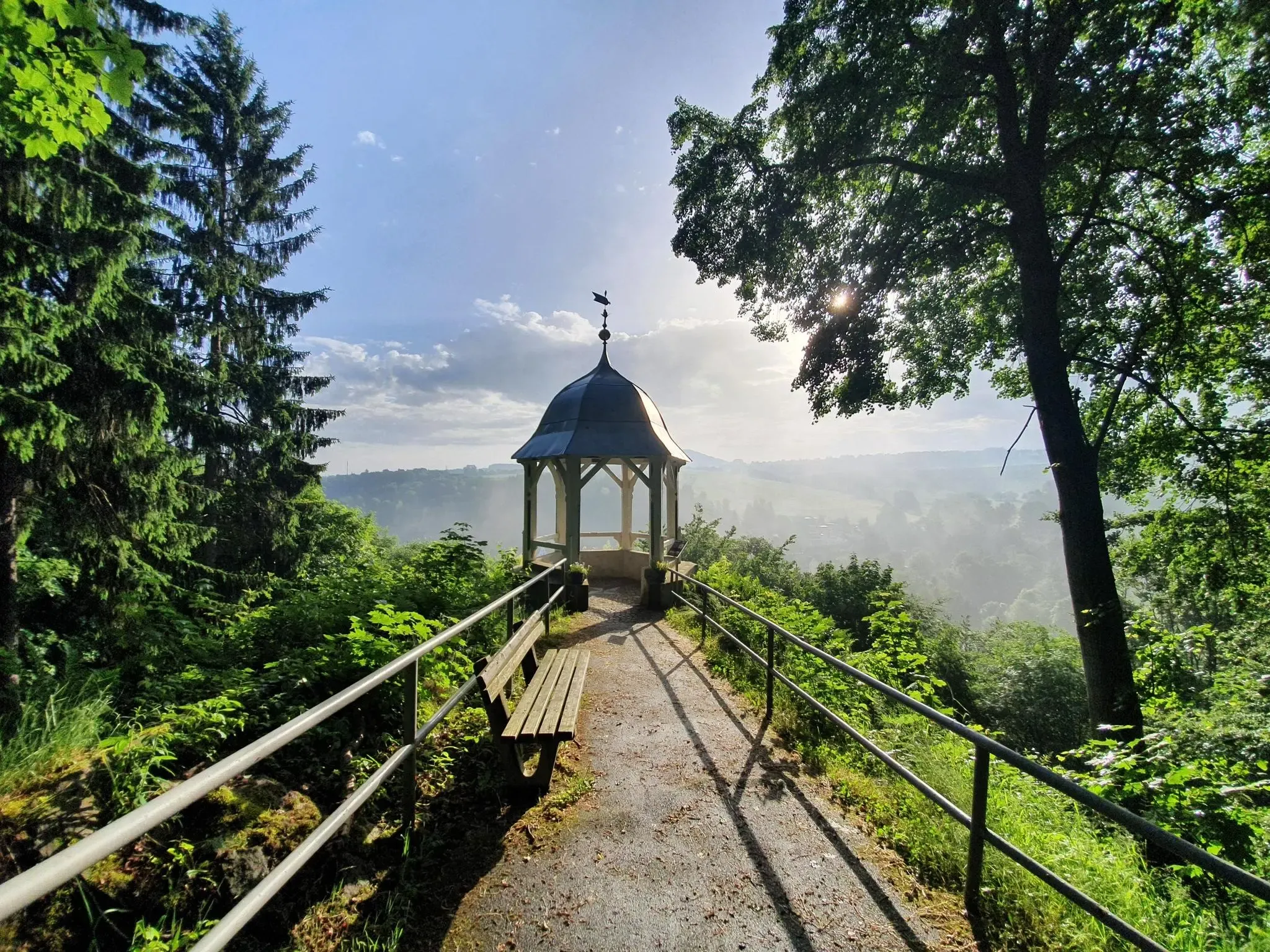
Wilseder Berg
Highlight • Viewpoint
Translated by Google •
Tip by

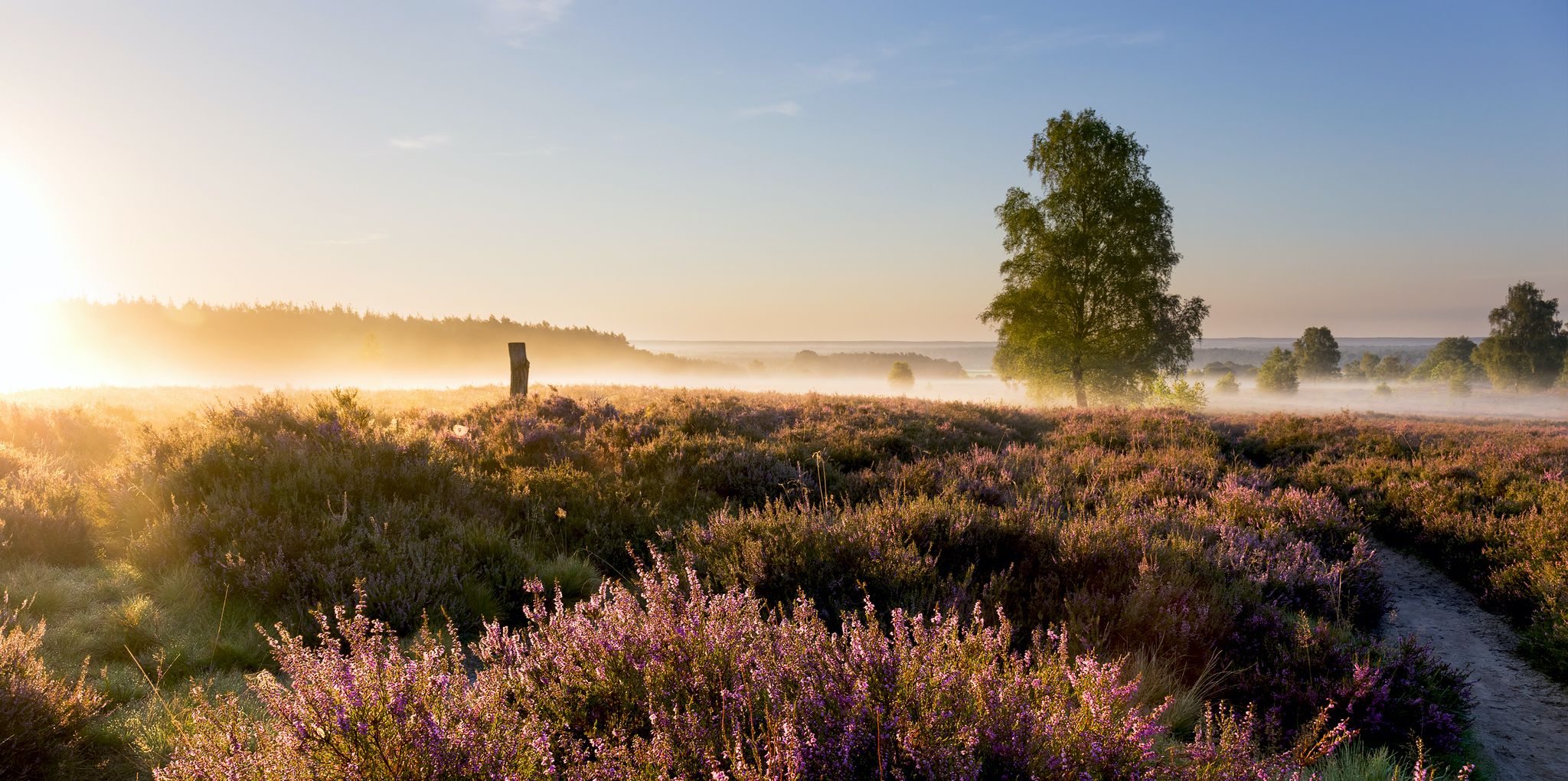
Totengrund in the Lüneburger Heide
Highlight • Viewpoint
Translated by Google •
Tip by

Sign up now to discover places like this
Get recommendations on the best single tracks, peaks, & plenty of other exciting outdoor places.
Sign up for free
Pietzmoor
Highlight (Segment) • Natural
Translated by Google •
Tip by

Pietzmoor Raised Bog
Highlight • Natural
Translated by Google •
Tip by

View of Totengrund
Highlight • Viewpoint
Translated by Google •
Tip by

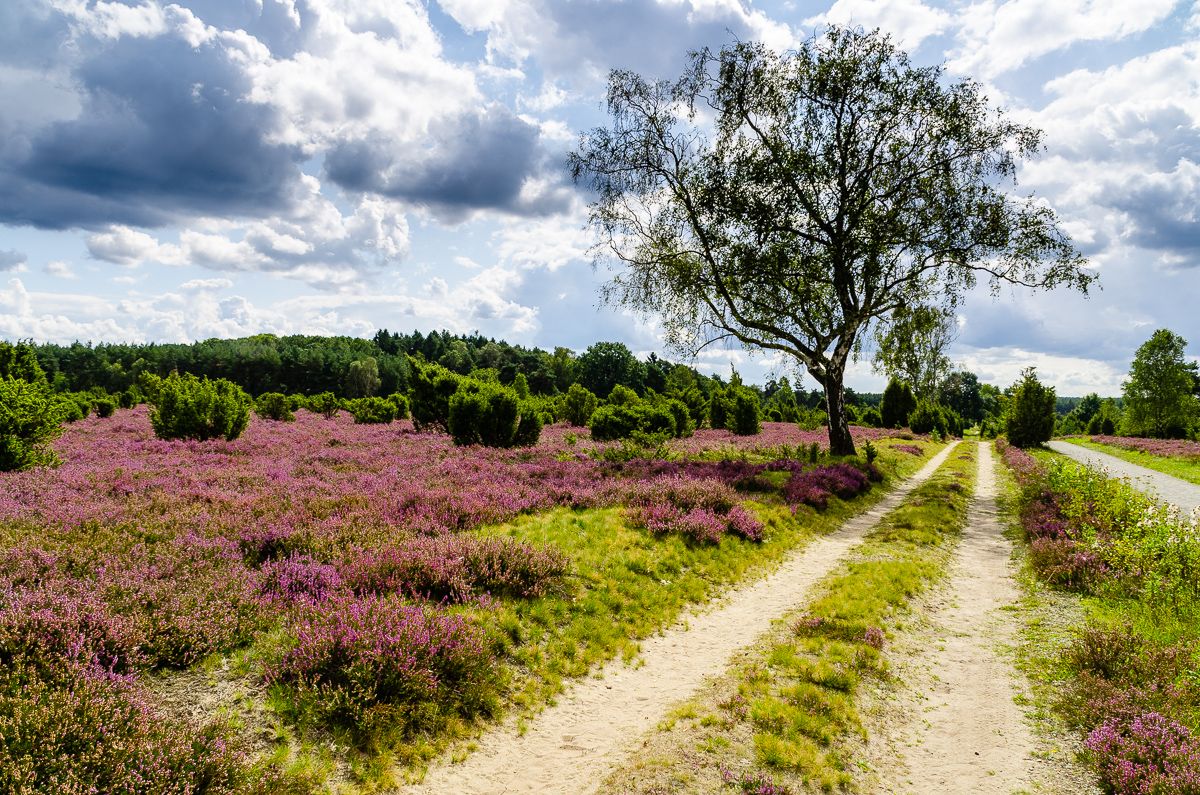
Heather Fields Near Niederhaverbeck
Highlight • Natural
Translated by Google •
Tip by

View from Wilseder Berg
Highlight • Viewpoint
But it used to be different here! There was a huge stock of trees, mostly oak trees - and you can …
Translated by Google •
Tip by

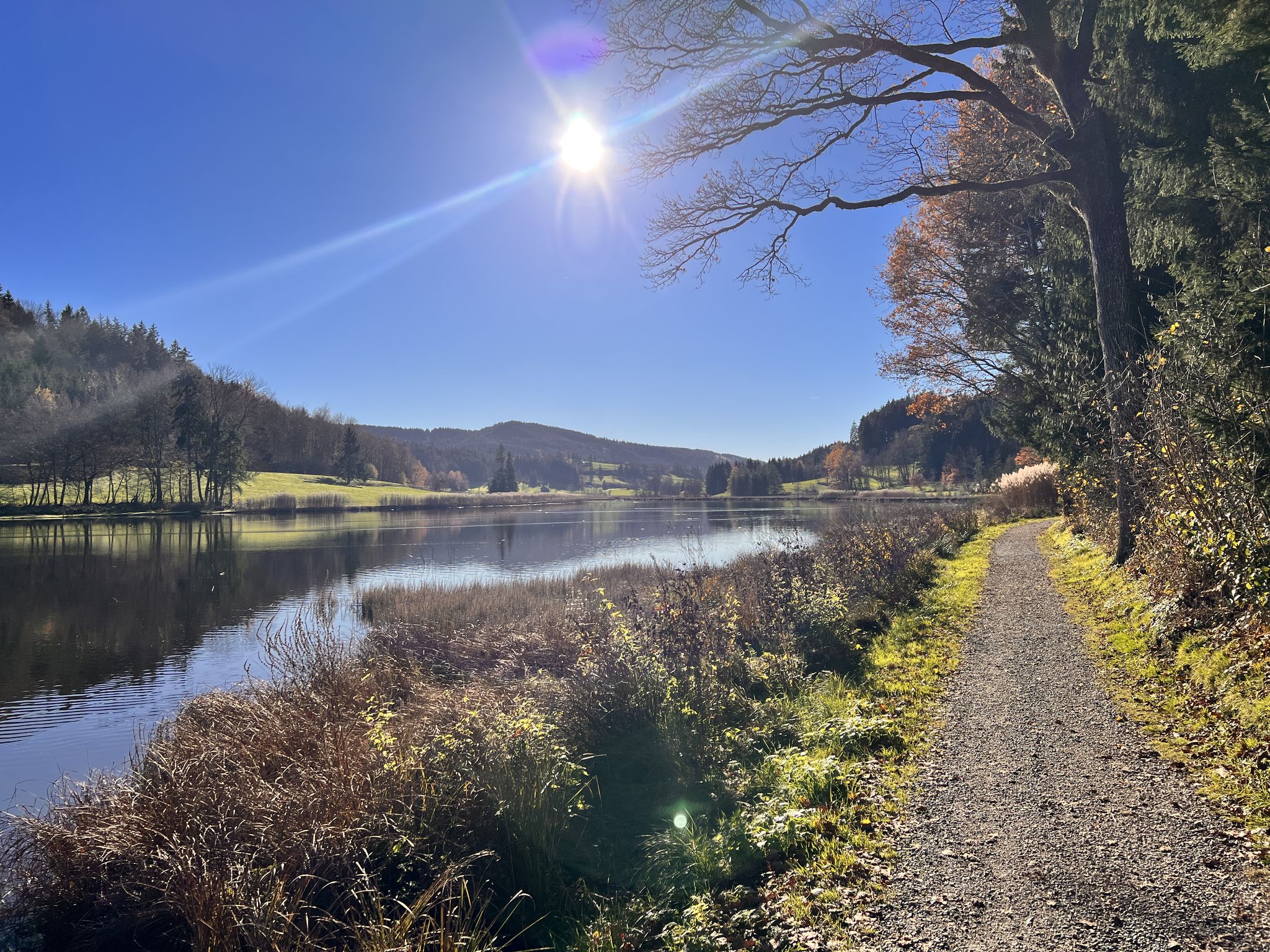
Sylvester Lake
Highlight • Lake
Translated by Google •
Tip by
Schneverdingen Heath Garden
Highlight • Natural
Translated by Google •
Tip by

Pietzmoor
Highlight • Natural
8000 year old Pietzmoor
The Pietzmoor is located on the southern edge of the Lüneburg …
Translated by Google •
Tip by

Sign up for free to discover even more natural monuments in Heidekreis.
Sign up for free
Already have an account?
Start today with a free account
Your next adventure awaits.
Login or Signup
Popular around Heidekreis
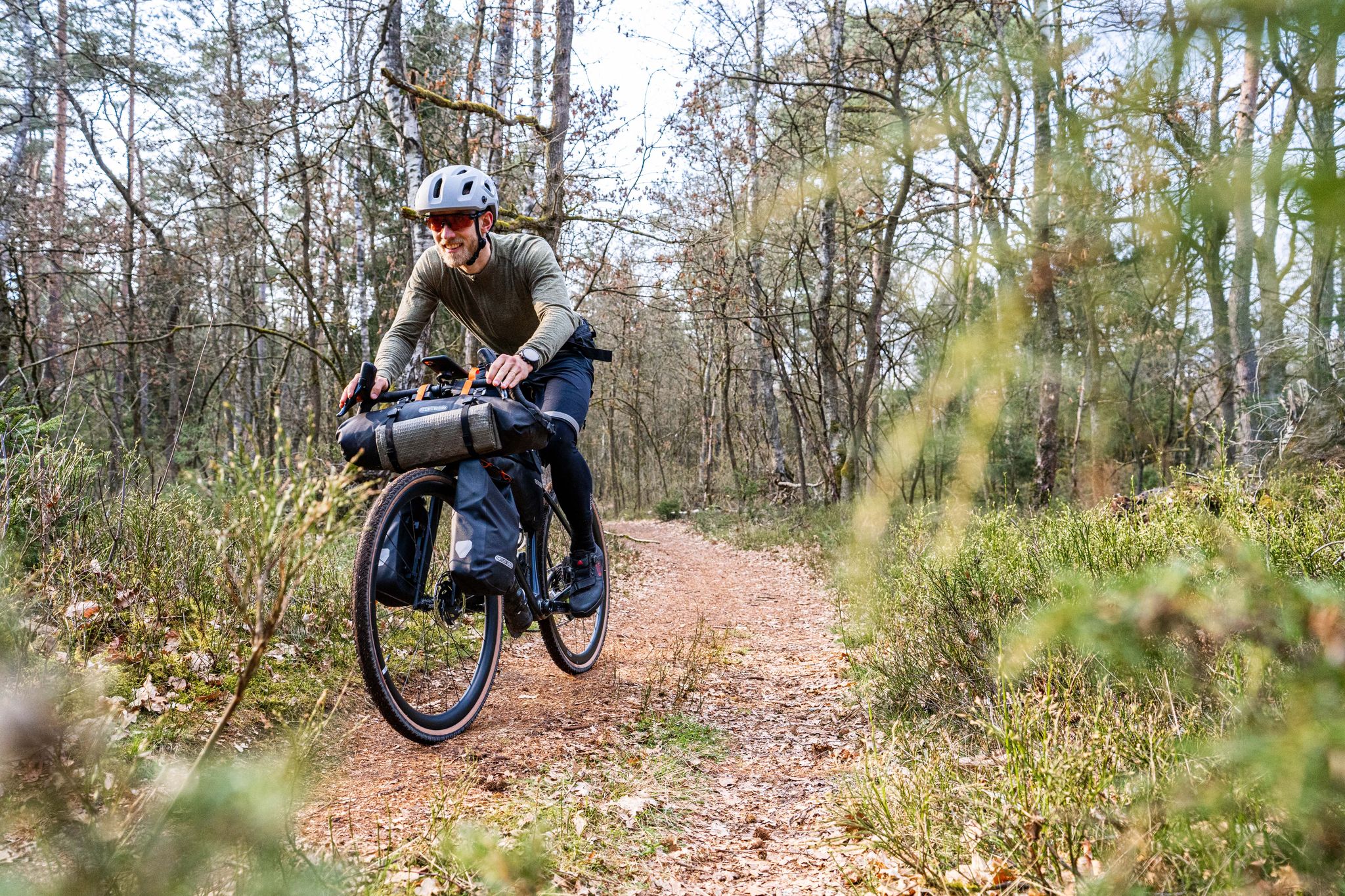
Gravel bikepacking from Hamburg to Munich
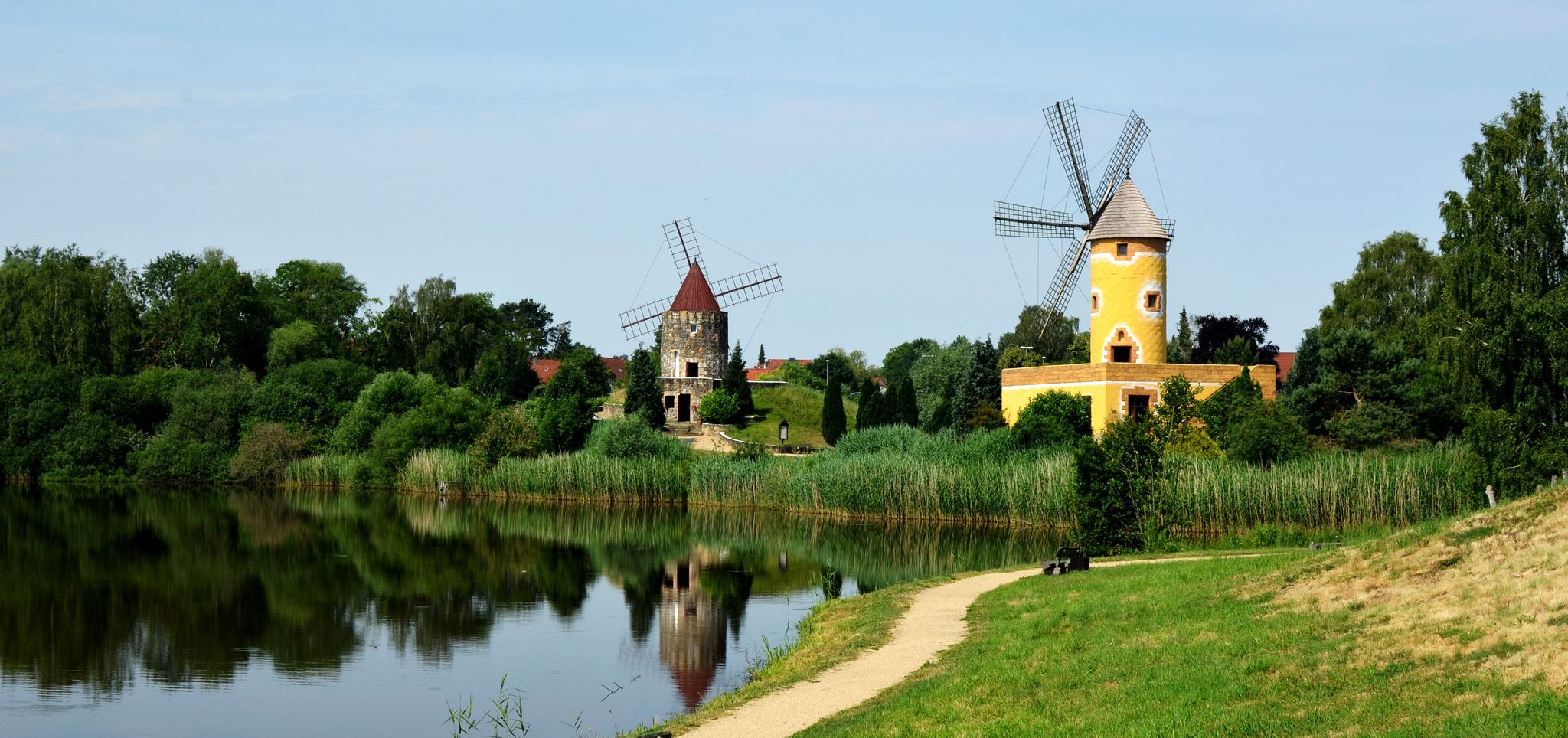
Aller Cycle Path – In 6 stages

The National Natural Landscapes in Niedersachsen
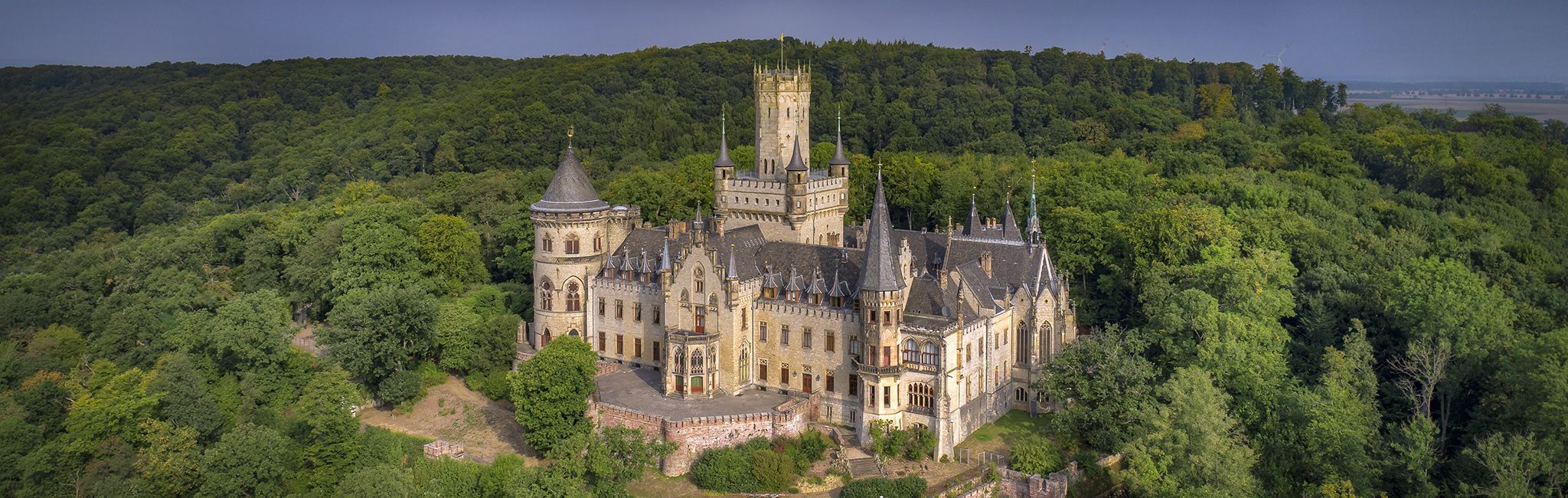
Cultural route in Niedersachsen – By Bike through Hannover and the surrounding countryside
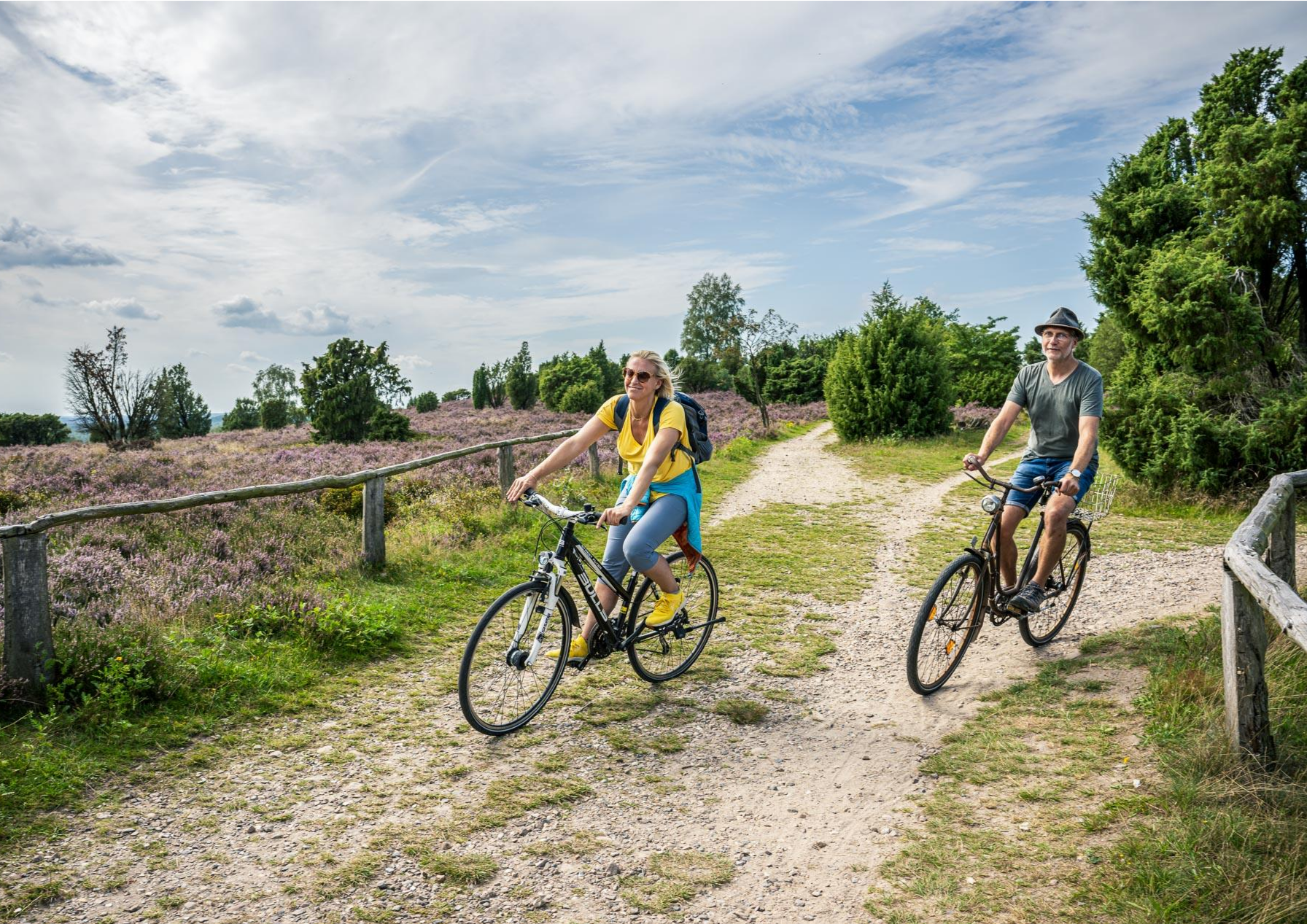
Cycling in the Lüneburg Heath – Heidekreis Tour
#GoFurther – discover the views of Germany!
Run Wild – trail running routes throughout Germany
The most beautiful path high up in the north — the Heidschnuckenweg
Purple heather and pale grey gravel — Lüneburg Heath by bike
Autumn hikes around Hamburg
Other adventures in Heidekreis


Tips from the Community

Finally, I was here during flowering season. These large purple expanses are amazing. You really have to see them.
5
1

Beautifully landscaped garden with various types of typical heath plants. Driving through the lower area is also worthwhile.
9
0


The heath garden is worth a visit even in winter. Further down in the heath garden, there's a large sundial and a few other things. It's easy to cycle through.
7
1

The vastness of the heathland here is impressive, and the juniper bushes, birches and pines stand as bizarrely shaped solitary figures like sculptures in the landscape.
5
0

Sylvestersee The picturesque Sylvestersee, named after a British officer, was created by the compaction of the subsoil by heavy military machines. Today it blends harmoniously into the Osterheide and, although it is only fed by rainwater, has never dried out. You can go hiking, cycling or riding in one of the numerous carriages through the Osterheide. https://www.lueneburger-heide.de/natur/sehenswuerdigkeit/574/osterheide-schneverdingen.html
6
1
Pietzmoor by bike Can you cycle through the Pietzmoor? In principle, it is possible, although you have to get off in many places because the boardwalks are too narrow or too slippery. If you do it...it's your own risk...but it's not forbidden Taken from https://www.lueneburger-heide.de/natur/sehenswuerdigkeit/332/pietzmoor-schneverdingen.html
4
1
Frequently Asked Questions
What are some of the most popular natural monuments in Heidekreis?
Heidekreis is home to several highly-rated natural monuments. Among the most popular are the View of the Totengrund, known for its unique charm and a sea of purple flowers in August. The Pietzmoor Raised Bog offers a distinct natural experience with a 5 km circular walk on boardwalks. Additionally, Wilseder Berg provides expansive panoramic views over the Lüneburg Heath as the highest elevation in the North German Geest.
When is the best time to visit the natural monuments in Heidekreis?
The best time to visit depends on what you wish to experience. The Lüneburg Heath, including areas like the Totengrund, is particularly stunning from summer to autumn (especially August) when the heather blooms in a vibrant purple. The Pietzmoor Raised Bog is a year-round attraction, showcasing cotton grass blossoms in spring (April/May), diverse wildlife in summer, mystical fog in autumn, and an enchanting frosty ice landscape in winter.
Are the natural monuments in Heidekreis suitable for families and dogs?
Yes, many natural monuments in Heidekreis are family-friendly. For example, the Pietzmoor Raised Bog is suitable for children, with its boardwalks making for an accessible and engaging walk. Areas like the Heather Fields Near Niederhaverbeck and Sylvester Lake are also categorized as family-friendly. Dogs are generally welcome on trails, but it's always advisable to keep them on a leash, especially in nature reserves, to protect wildlife and the delicate ecosystem.
What unique natural features can I experience at the Heidekreis natural monuments?
Heidekreis offers a diverse range of natural features. You can explore the unique ecosystem of a raised bog at the Pietzmoor, characterized by its distinct flora and fauna. The expansive Lüneburg Heath, visible from viewpoints like Wilseder Berg and the Totengrund, is famous for its vast heather landscapes, gnarled juniper plants, and the presence of Heidschnucke sheep. These areas provide breathtaking scenic beauty and opportunities for wildlife spotting.
Are there hiking trails or circular walks available at the natural monuments?
Absolutely. Many natural monuments in Heidekreis are perfect for hiking. The Pietzmoor Raised Bog features a popular 5 km circular walk on boardwalks. You can also find numerous trails around the Totengrund and Wilseder Berg, including sections of the Heidschnuckenweg. For more options, explore hiking routes in Heidekreis, which include easy loops like the "Pietzmoor Heather Loop" and moderate trails such as "Totengrund: through the land of unearthly beauty."
How can I reach the natural monuments, and is parking available?
Access to the natural monuments is generally good. For instance, the Pietzmoor Raised Bog has sufficient parking available nearby. Some locations, like Pietzmoor, are also accessible via public transport, with tips mentioning reaching the moor hiking trail from Schneverdingen train station. Many natural areas in the Lüneburg Heath region are well-equipped with parking facilities for visitors.
What outdoor activities can I do near these natural monuments?
Beyond hiking, the Heidekreis region offers excellent opportunities for cycling. You can find various routes that pass through or near the natural monuments. For example, there are cycling tours like the "Wilsede Village – Sylvester Lake loop from Schneverdingen." To discover more, check out the cycling guides for Heidekreis, which provide options for different difficulty levels.
Are there any natural monuments that are wheelchair accessible?
While many natural areas can be challenging for wheelchairs, the Schneverdingen Heath Garden is noted for being wheelchair accessible. This location offers facilities and pathways designed to accommodate visitors with mobility needs, allowing them to enjoy the beauty of the heathland.
What do visitors enjoy most about the natural monuments in Heidekreis?
Visitors consistently praise the breathtaking panoramic views, especially from spots like Wilseder Berg and the Totengrund. The unique charm of the heathland, particularly during the heather bloom, is a major draw. The tranquility and the opportunity to immerse oneself in pure nature, as well as the well-maintained circular walks like those at the Pietzmoor, are also highly appreciated.
Can I find food and accommodation near the natural monuments?
Yes, the Heidekreis region, particularly around popular natural monuments, offers options for gastronomy and accommodation. For example, near the Pietzmoor Raised Bog, you can find gastronomy options. The picturesque village of Wilsede, near Wilseder Berg, also retains a timeless charm with its traditional houses, suggesting local amenities.
What is the Lüneburg Heath Nature Park, and how does it relate to the natural monuments?
The Lüneburg Heath Nature Park is a large protected area that encompasses many of the natural monuments in Heidekreis, including the expansive heathlands, raised bogs, and viewpoints. It's a broader region characterized by its unique cultural landscape, shaped by nature and traditional practices. The natural monuments within Heidekreis are key features and highlights of this larger nature park, offering specific points of interest for visitors to explore.
Are there any natural monuments that are particularly good for spotting wildlife?
The natural monuments in Heidekreis, being part of the Lüneburg Heath ecosystem, offer opportunities for wildlife spotting. The Pietzmoor Raised Bog, with its distinct flora and fauna, is a good place to observe diverse wildlife, including otters and lizards, especially in summer. The heathlands are also home to various bird species and the iconic Heidschnucke sheep, which are crucial for maintaining the heath landscape.
Most popular routes in Heidekreis
Most popular attractions in Heidekreis

Get inspired with the komoot mobile app


Didn’t find what you were looking for?
Find even more amazing natural monuments in Heidekreis by checking out the top Highlights region by region:
Explore more
Extend your search for the best caves by checking out these guides of the top ones in Heidekreis:
