Top 4 Castles around Czempiń
Castles around Czempiń include historical residences and palace structures, primarily centered around the town of Czempiń in the Wielkopolska region. The area features notable Baroque architecture, exemplified by the Czempiń Palace, which stands as a significant historical residence. These sites offer insight into centuries of Polish aristocratic life and architectural development. The region provides a setting for exploring historical sites.
Best castles around Czempiń
- The most popular castles is View of the Ruins of Klaudyna Działyńska Castle, a viewpoint…
Last updated: July 1, 2026
Racot Palace and Racot State Stud
Highlight • Historical Site
Translated by Google •
Tip by

Błociszewo Palace
Highlight • Monument
Translated by Google •
Tip by

Sign up now to discover places like this
Get recommendations on the best single tracks, peaks, & plenty of other exciting outdoor places.
Sign up for free
Szołdrski Palace in Czempiń
Highlight • Historical Site
Tip by

View of the Ruins of Klaudyna Działyńska Castle
Highlight • Viewpoint
Translated by Google •
Tip by

Katarzynin Palace
Highlight • Castle
Translated by Google •
Tip by

Sign up for free to discover even more castles around Czempiń.
Sign up for free
Already have an account?
Start today with a free account
Your next adventure awaits.
Login or Signup
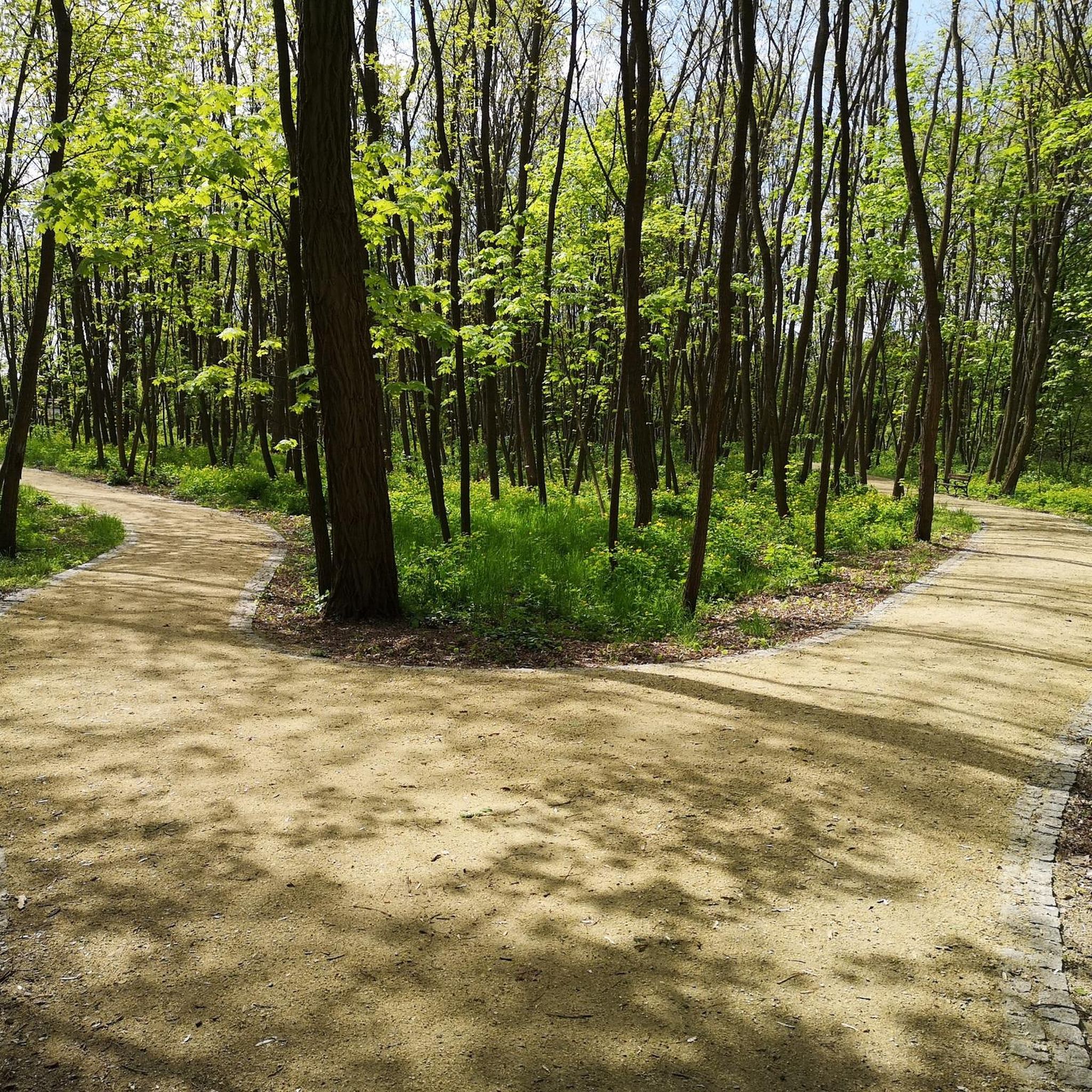
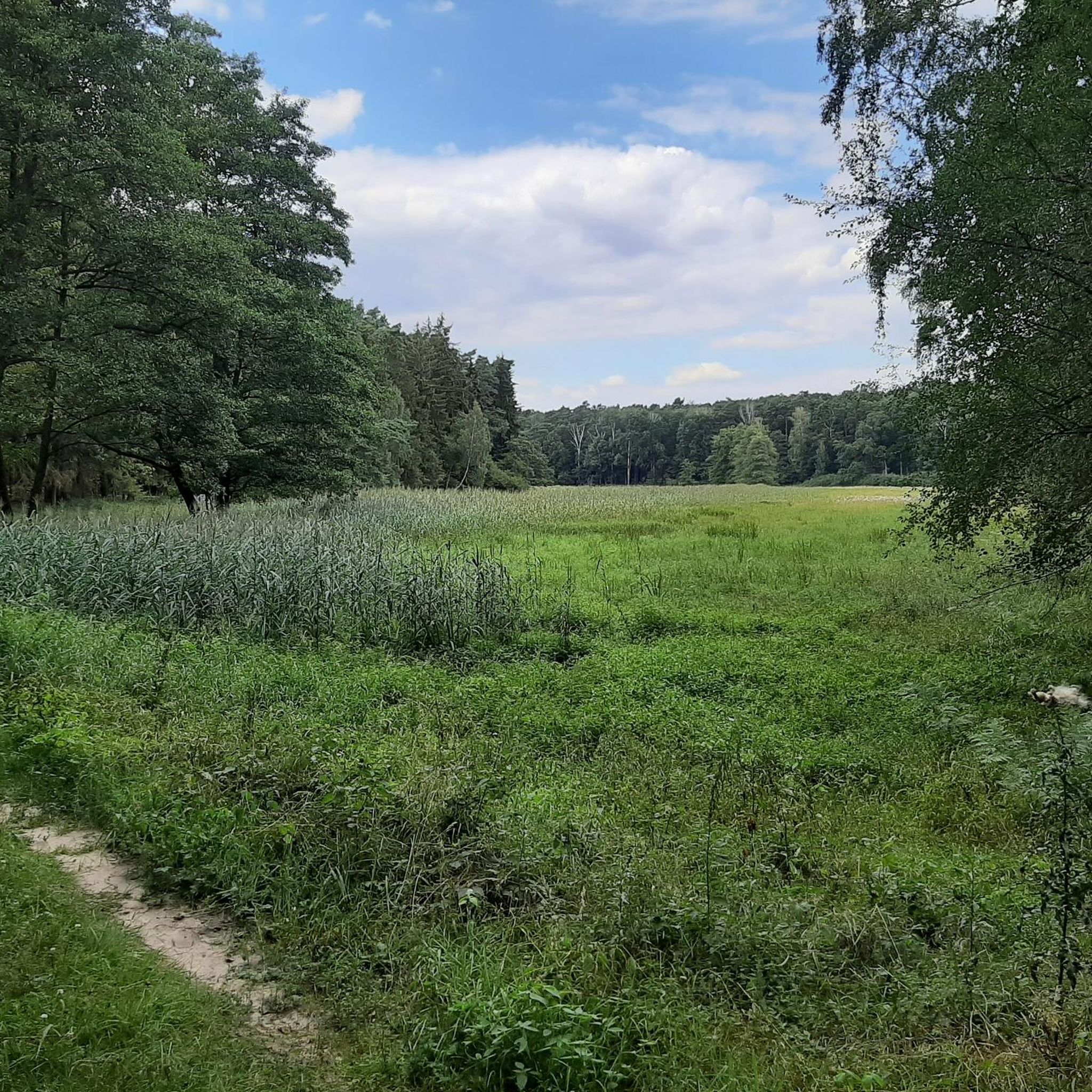
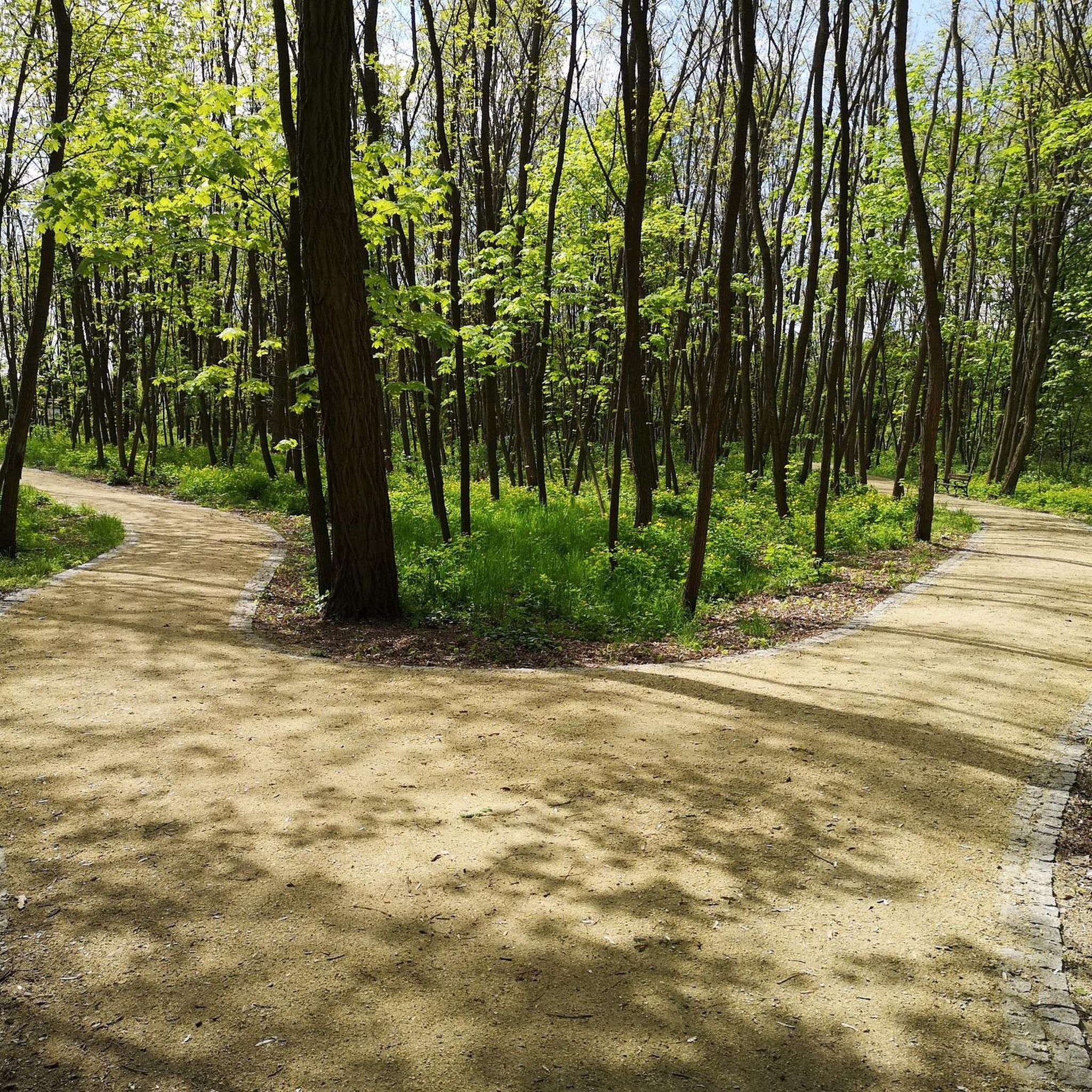
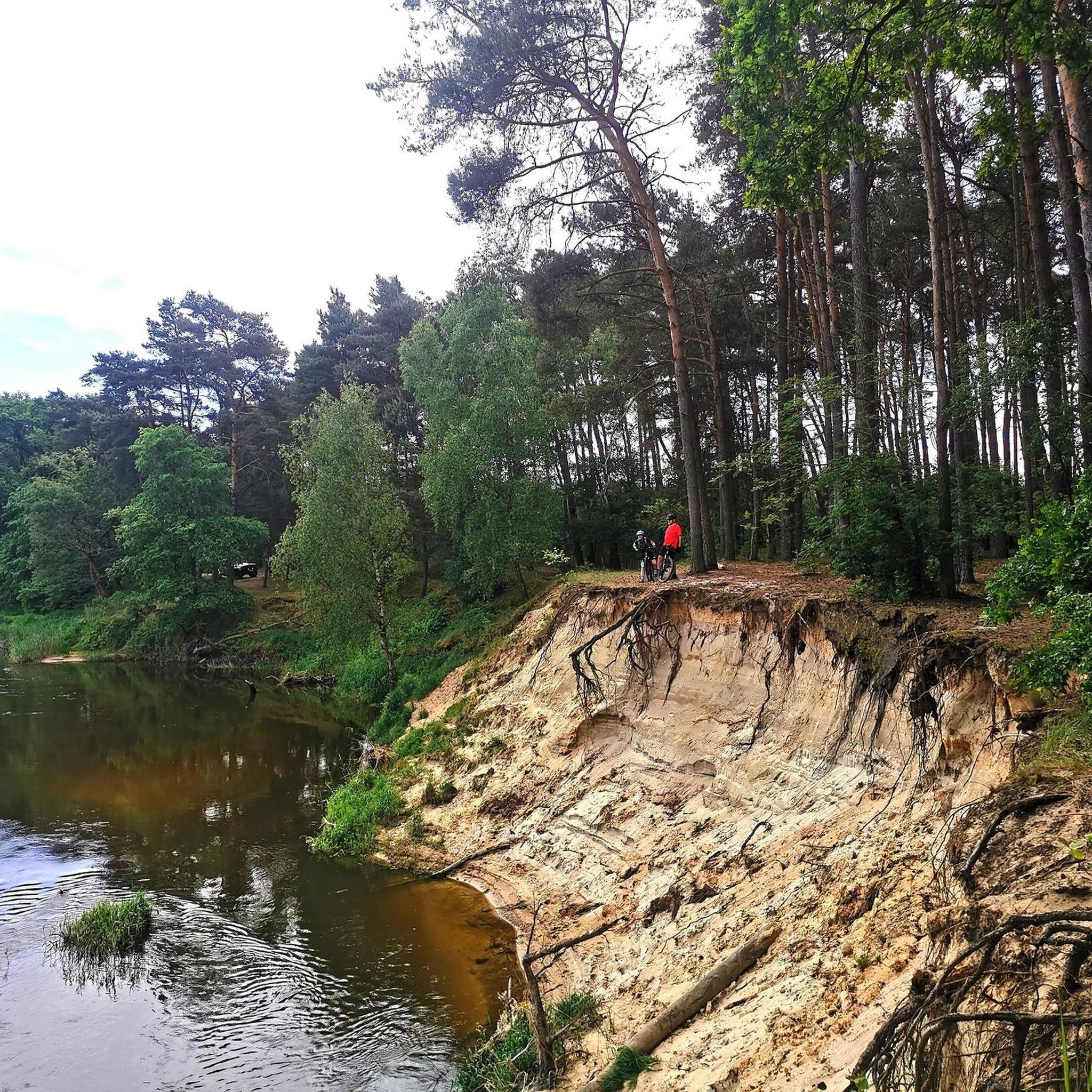

Tips from the Community

It looks like interesting architecture, but unfortunately there is no entry - it's locked behind a gate.
0
0


A very good viewpoint over Lake Górecki on the ruins of Klaudyna Działyńska Castle on Castle Island. It was built in 1824-25 by Tytus Działecki for his sister Klaudyna as a wedding present. Klaudyna and her husband lived here until 1830, when the November Uprising broke out.
2
0

Viewpoint... There are dozens of stairs to climb 😉
0
0

Cycling is prohibited in this place
1
0
They used to organize weddings here, today they are clearly neglected.
2
0
Currently put up for sale, for 2.5 million. Offers on the net... Recovered by the former owners Kęszycki. It used to be a rheumatology sanatorium, so it is said to be in quite good condition.
2
0

The palace, designed by the famous architect Dominik Merlini, has been a meeting place for the intelligentsia from the very beginning, as well as an object of promoting Polish culture. One of the first court scenes in Poland was located in the palace interiors. Józef Wybicki and Wojciech Bogusławski, called the father of the Polish Theatre, staged their plays here. The guests of Prince Jabłonowski were also Prince Józef Poniatowski and Tadeusz Kościuszko. In later years, the palace was successively owned by the Dutch kings from the Orange dynasty, and then by the grand dukes of Saxony and Weimar. In 1919, pursuant to the provisions of the Treaty of Versailles, the property of Racock became the property of the Polish State Treasury. By the decision of the Council of Ministers in 1921, the palace in Racota gained the status of the Residence of the Presidents of the Republic of Poland. Presidents Stanisław Wojciechowski and Ignacy Mościcki used to come here. In 1928, the State Stud "Racot" was established here (one of three in pre-war Poland), which is continued by the current company. Today, after a thorough renovation, there is a high-standard hotel in the palace, where you will find excellent conditions for intellectual work and relaxation.
1
0
Frequently Asked Questions
What are the most notable historical residences and castles around Czempiń?
The Czempiń area features several significant historical sites. The Racot Palace and Racot State Stud is a prominent historical site known for its architectural design by Dominik Merlini and its role as a cultural hub. Another key location is the Szołdrski Palace in Czempiń, a Baroque palace built in the early 17th century. Additionally, the View of the Ruins of Klaudyna Działyńska Castle offers a picturesque view of castle ruins on Castle Island.
What makes the Czempiń Palace unique?
The Czempiń Palace, often considered the primary 'castle-like' structure in the area, is a magnificent two-story Baroque building. It is distinguished by its richly decorated facade, a distinctive copper hipped roof, and a strongly emphasized central projection with two shorter side wings. Artistic details include four sculpted allegoric figures representing the four continents on the front façade. It has a rich history, dating back to 1698, and has served as a venue for cultural events.
Are there any family-friendly castles to visit near Czempiń?
Yes, the Racot Palace and Racot State Stud is categorized as family-friendly. It offers a blend of history and culture, with its past as a meeting place for intelligentsia and a former residence of Polish presidents. The State Stud also adds an interesting element for visitors of all ages.
Can I explore the interiors of these historical sites?
Access varies by site. The Szołdrski Palace in Czempiń is currently privately owned, which may limit public access to its interiors. The Racot Palace, after a thorough renovation, now houses a high-standard hotel, suggesting that parts of it may be accessible to guests or for events. The Błociszewo Palace is currently locked behind a gate, preventing entry.
What kind of architectural styles can I expect to see among the castles and palaces?
The region primarily showcases Baroque architecture, exemplified by the Czempiń Palace with its elaborate facade and design. The Racot Palace, designed by architect Dominik Merlini, also reflects significant historical architectural styles. The area offers a variety of architectural contexts, from grand palaces to castle ruins.
Are there any hidden gems or less-known historical sites worth visiting?
The Błociszewo Palace, though currently inaccessible, is noted for its interesting architecture and history as a former rheumatology sanatorium. Another site is the Katarzynin Palace, which now hosts the newly built 'Cztery Wieże' hotel, offering a unique blend of historical setting and modern amenities in the middle of a field near a landscape park.
What outdoor activities can I do near these castles?
The Czempiń area offers various outdoor activities. You can find numerous road cycling routes, such as the 'Palace in Błociszewo – Wooden church loop from gmina Czempiń' or the 'Racot–Słonin Asphalt Bike Path – Racot Palace loop'. For gravel biking, options include the 'Neo-Gothic Cemetery Chapel – Szołdrski Palace in Czempiń loop'. Hiking trails are also available, like the 'Marian Kuik and Ludwik Bajer Trail'. You can explore more routes on the respective guide pages: Road Cycling Routes around Czempiń, Gravel biking around Czempiń, and Hiking around Czempiń.
Are there any viewpoints offering scenic views of the castles or surrounding nature?
Yes, the View of the Ruins of Klaudyna Działyńska Castle provides an excellent viewpoint over Lake Górecki, showcasing the ruins of Klaudyna Działyńska Castle on Castle Island. This spot is particularly appreciated for its beautiful views of both the lake and the historical site.
What is the historical significance of the Racot Palace?
The Racot Palace has a rich history as a significant cultural and political center. It served as a meeting place for the intelligentsia and promoted Polish culture, even hosting some of the first court scenes in Poland. Notable guests included Józef Wybicki and Tadeusz Kościuszko. After 1919, it became the Residence of the Presidents of the Republic of Poland, with Presidents Stanisław Wojciechowski and Ignacy Mościcki using it. It also established the State Stud 'Racot' in 1928.
What do visitors generally appreciate about the castles and historical sites in Czempiń?
Visitors to the Czempiń area appreciate the blend of architectural splendor and rich history offered by its palaces and castle ruins. The sites provide a fascinating glimpse into centuries of Polish aristocratic life and architectural development. The komoot community has shown appreciation for these highlights, sharing numerous photos and upvotes, highlighting the picturesque settings and historical insights they offer.
Is there a park or natural area associated with any of the palaces?
Yes, the Czempiń Palace is complemented by an 18th-century landscape park. This expansive park covers approximately 4 hectares, features numerous natural monuments, and is fully fenced, providing a beautiful and serene environment around the historical residence.
Most popular routes around Czempiń
Most popular attractions around Czempiń

Get inspired with the komoot mobile app


Explore more
Looking for the best castles somewhere else? Discover other guides around Czempiń:
