Top 4 Castles around Lécousse
Best castles around Lécousse are located in a historically significant region of Brittany, near the border with Normandy. The area is characterized by its strategic landscape, which includes natural defenses like rocky outcrops and marshland. This setting facilitated the construction of numerous medieval fortresses and defensive structures. The region provides a historical context for understanding centuries of power struggles and military architectural evolution.
Best castles around Lécousse
- The most popular castles is Fougères Castle, a castle that is considered…
Last updated: June 21, 2026
Fougères Castle
Highlight • Castle
Translated by Google •
Tip by

Surienne Tower
Highlight • Castle
Translated by Google •
Tip by

Sign up now to discover places like this
Get recommendations on the best single tracks, peaks, & plenty of other exciting outdoor places.
Sign up for free
Panoramic view from the public garden
Highlight • Viewpoint
Refreshment bar in the park that opens at the end of the day.
Public toilets present in the park.
Translated by Google •
Tip by

Tour Desnos
Highlight • Castle
Translated by Google •
Tip by

Start today with a free account
Your next adventure awaits.
Login or Signup

Tips from the Community

The Desnos Tower is a medieval defensive tower dating back to the early 15th century. It is one of the few remaining towers of the northern city wall and was originally part of the fortifications of the "Bourg-Neuf," the newer district above the castle. It probably owes its name to Colin Desnos, a citizen of the city on whose land the tower was built. Over the centuries, the Desnos Tower served various purposes: initially for defense, later as a prison, and in the 19th century as part of a shoe factory.
1
0
The cadastral records of the Château Fort de Fougères mention two towers—the Tour Raoul and the Tour Surienne (also called "tour de Surienne")—dated between 1480 and 1485. The tower was part of the fortifications that were reinforced or rebuilt in the 15th century.
1
0

The Tour Surienne was named after Françoise de Surienne. In March 1449, in the midst of a truce between France and England, François de Surienne, a Spanish mercenary in the pay of the English, attacked in the dead of night with his 600 men. The inhabitants were slaughtered and the city plundered. In 1450, Surienne settled there and entrenched himself. Only after a two-month siege by Francis I, Duke of Brittany, who was aided by a plague epidemic, did Surienne surrender.
0
0
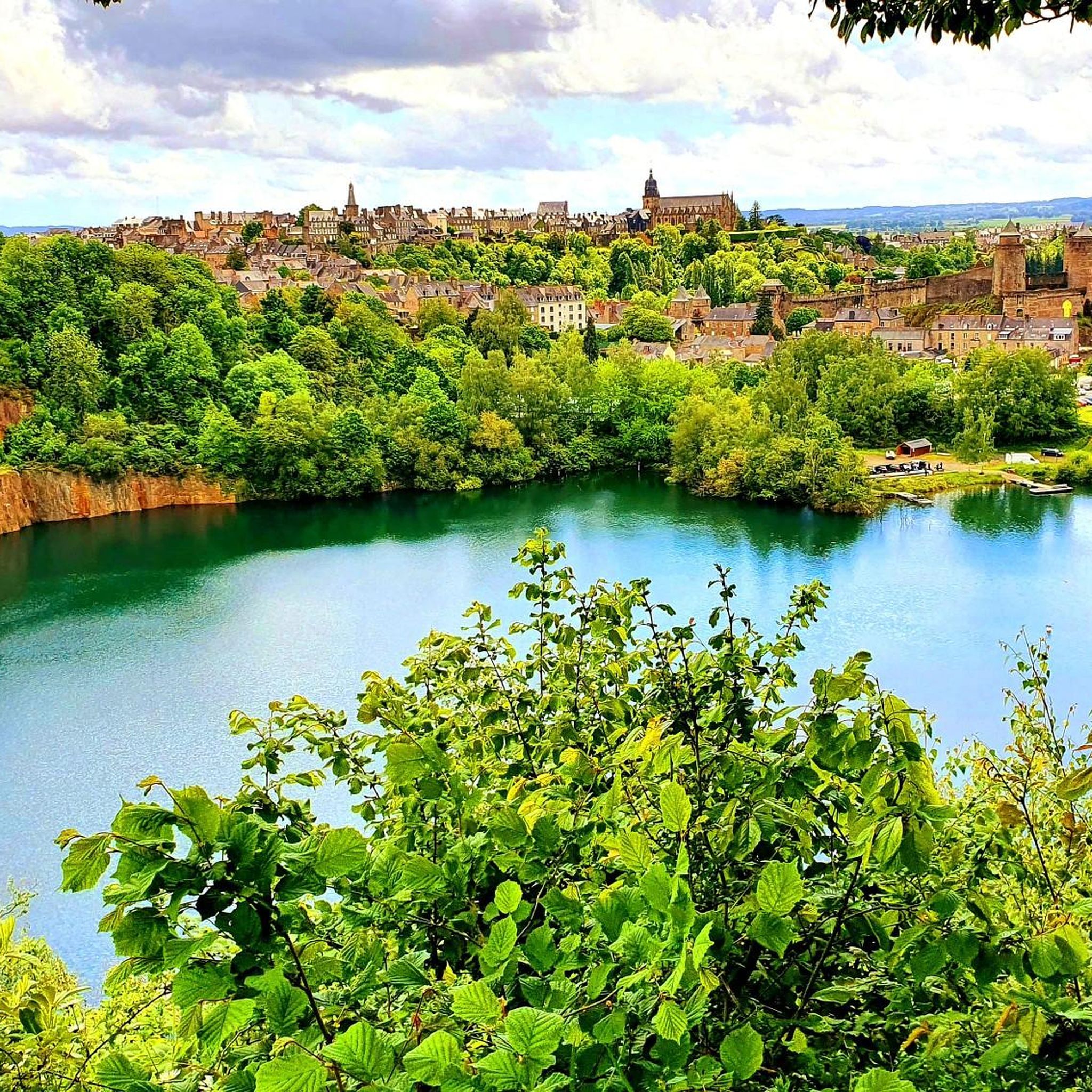
The largest fortress in Europe, the castle of Fougères stands on a rocky outcrop surrounded by marshland. The first castle of Fougères was built around the turn of the millennium to defend the north-eastern part of the border area of the Duchy of Brittany. Built at the crossroads of important trade routes, this primitive fortress had the main objective of monitoring the powerful neighbors and preventing their raids on Breton lands. To the north, Normandy belonged to the kings of England at the time.
4
1

Park closed to bicycles, but there is a rack just in front of the entrance. Refreshment bar in the park that opens at the end of the day. Public toilets present in the park.
0
0

The tower of the Château de Fougères.
2
0

Magnificent castle in a good state of preservation. A visit is essential. The guide is a plus at no extra cost.👍
3
0

Perhaps the best medieval castle in the whole region! It is not very big, but nestled in the valley which offers superb views. Do not hesitate to climb the streets of the city!
5
0
Frequently Asked Questions
What is the most prominent castle to visit near Lécousse?
The most significant and well-preserved castle in the vicinity of Lécousse is the Château de Fougères. It is one of Europe's largest medieval fortresses, showcasing centuries of military architectural evolution. You can explore its extensive walls, towers, and defensive structures. Find more details about this impressive site here: Fougères Castle.
What makes Château de Fougères historically significant?
The Château de Fougères played a crucial role in defending the northeastern border of the Duchy of Brittany against English and French forces. Built between the 12th and 15th centuries, it demonstrates 400 years of military architectural advancements, from early square towers to advanced circular designs. Its history includes being destroyed by King Henry II in 1166 and subsequently rebuilt.
Are there family-friendly activities at or near the castles?
Yes, the area around Fougères Castle offers family-friendly options. The Panoramic view from the public garden provides a pleasant spot with facilities and parking, suitable for families. Exploring the castle itself is an immersive historical experience for all ages.
Can I find good viewpoints near the castles?
Absolutely. The castle battlements offer panoramic views of the medieval town of Fougères. For another stunning perspective, visit the View of Fougères from the Rocher Coupé, which provides impressive vistas of the castle and surrounding area.
What outdoor activities can I do near Fougères Castle?
The region around Fougères Castle is excellent for outdoor activities. You can find numerous routes for mountain biking, gravel biking, and road cycling. For example, there are several road cycling loops that pass by the castle, such as the 'Fougères Castle loop from Lécousse'. Explore more options in the Road Cycling Routes around Lécousse guide, or check out the MTB Trails around Lécousse and Gravel biking around Lécousse guides.
Is there parking available at Fougères Castle?
Yes, parking is available. The Panoramic view from the public garden, which is close to the castle, offers parking facilities. There are also public toilets and a refreshment bar in the park.
What is the best time to visit the castles around Lécousse?
The region experiences seasonal weather typical of Brittany. Visiting during spring or early autumn often provides pleasant temperatures for exploring the outdoor castle grounds and the surrounding town of Fougères. These seasons generally offer good weather for outdoor activities without the peak summer crowds.
What are some notable architectural features of Fougères Castle?
Fougères Castle is remarkable for its scale, spanning two hectares with three ramparts and 13 towers. It showcases the evolution of military architecture over 400 years, from early square towers to more advanced circular and horseshoe-shaped designs. Key towers include the Tour Mélusine, Tour Surienne, and Tour Raoul, each reflecting different periods of defensive innovation.
What do visitors enjoy most about Fougères Castle?
Visitors frequently praise Fougères Castle as one of the best medieval castles in the region, appreciating its impressive scale and well-preserved state. Many enjoy climbing the streets of the city for superb views and exploring the extensive defensive structures. The castle's strategic location in the valley also offers beautiful scenery.
Are there other historical sites or towers to see near Fougères Castle?
Yes, within the castle complex, you can explore specific towers like the Surienne Tower and the Tour Raoul, which were significant defensive structures built in the 15th century. Additionally, the Tour Desnos, a medieval defensive tower from the early 15th century, was part of the northern city wall of Fougères and has served various purposes over time.
Most popular routes around Lécousse
Most popular attractions around Lécousse

Get inspired with the komoot mobile app


Explore more
Looking for the best castles somewhere else? Discover other guides around Lécousse:
