Top 3 Caves around Settime
Caves around Settime offer a unique exploration of historical and geological features in the Asti area. The region is characterized by hills with sand-earth deposits, primarily tuff, which have been utilized for various cave structures. These include both natural formations and man-made dwellings. Visitors can discover a blend of historical sites and natural monuments, providing insight into the local geology and past human habitation.
Best caves around Settime
- The most popular caves is Cave Dwellings of Mombarone, a cave…
Last updated: May 3, 2026
Cave Dwellings of Mombarone
Highlight • Cave
Translated by Google •
Tip by

Madonna del Portone Pond (Asti)
Highlight • Religious Site
Translated by Google •
Tip by

Sign up now to discover places like this
Get recommendations on the best single tracks, peaks, & plenty of other exciting outdoor places.
Sign up for free
Casegrotta Cave Houses
Highlight • Structure
Translated by Google •
Tip by

I Crutin (Natural Tuff Caves)
Highlight • Cave
Translated by Google •
Tip by

Cave Dwellings of Mombarone, Asti
Highlight • Historical Site
Showing Translation
Tip by

Start today with a free account
Your next adventure awaits.
Login or Signup
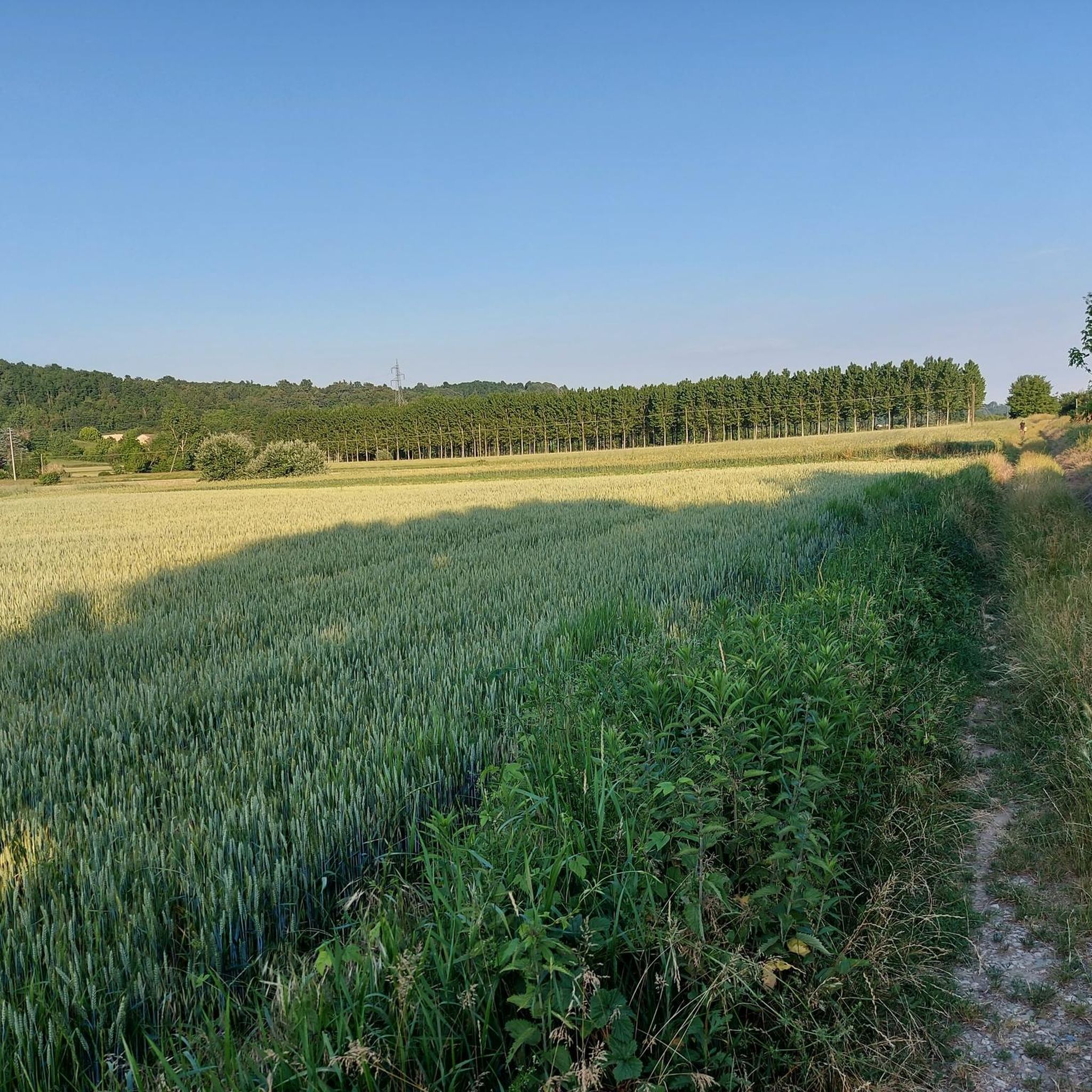
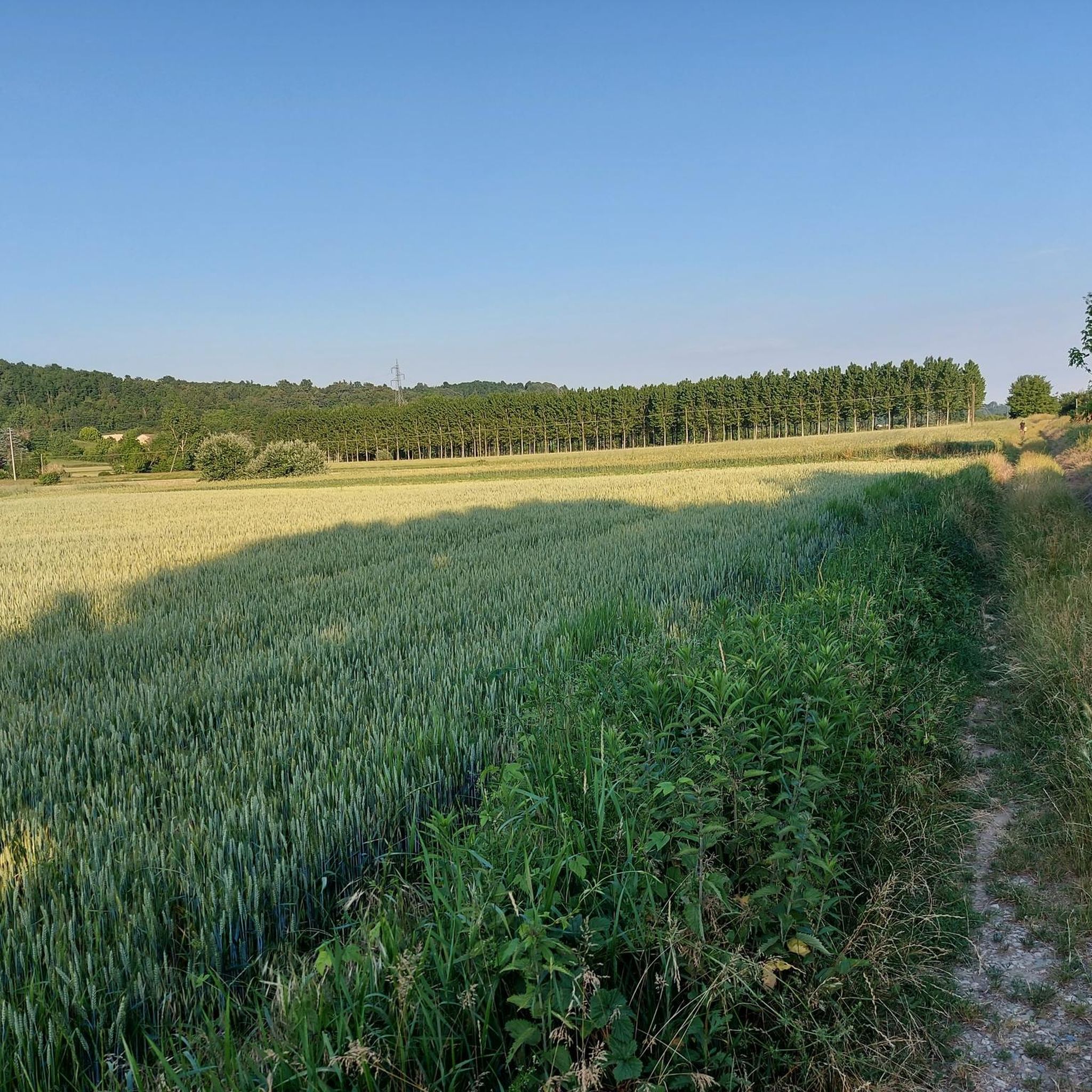
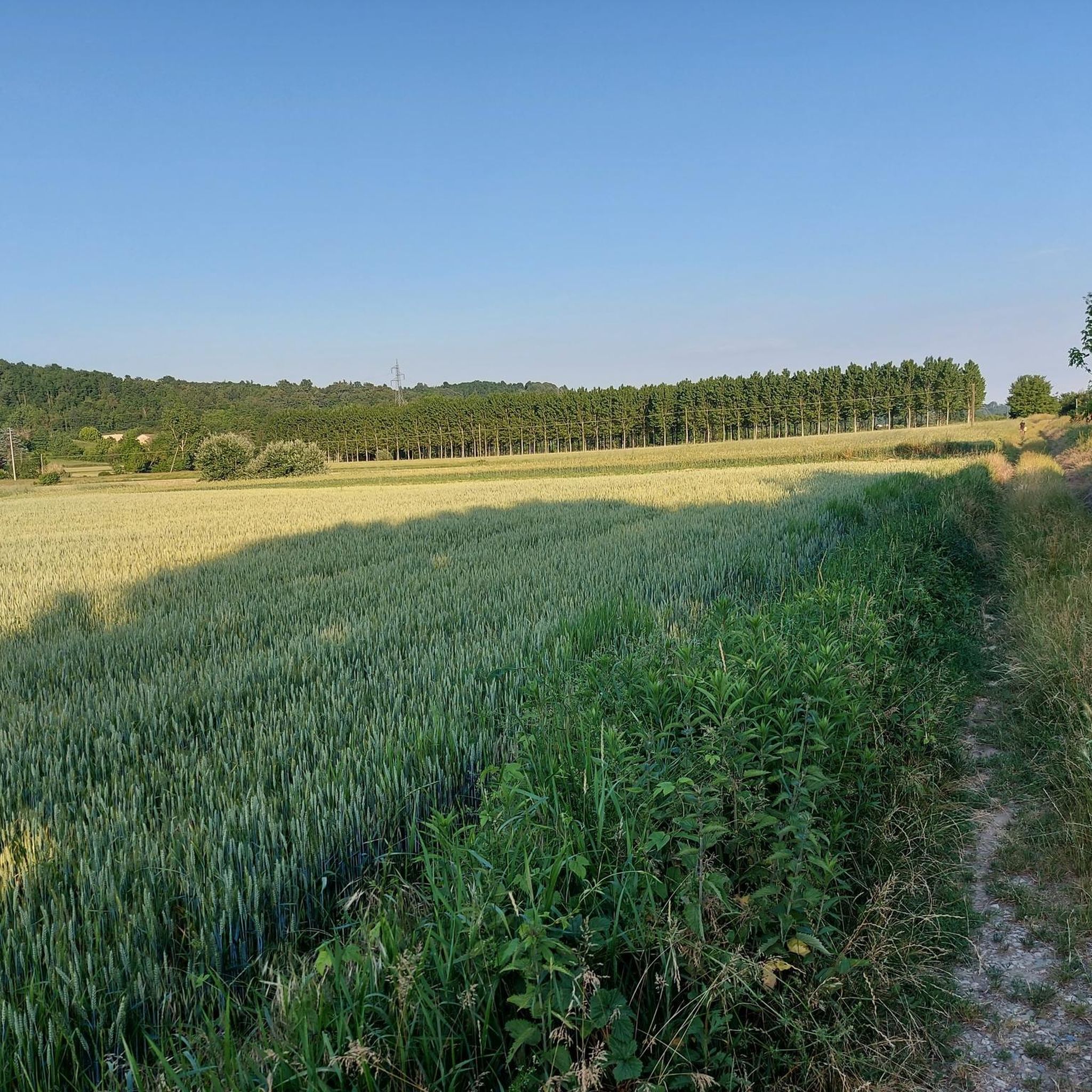
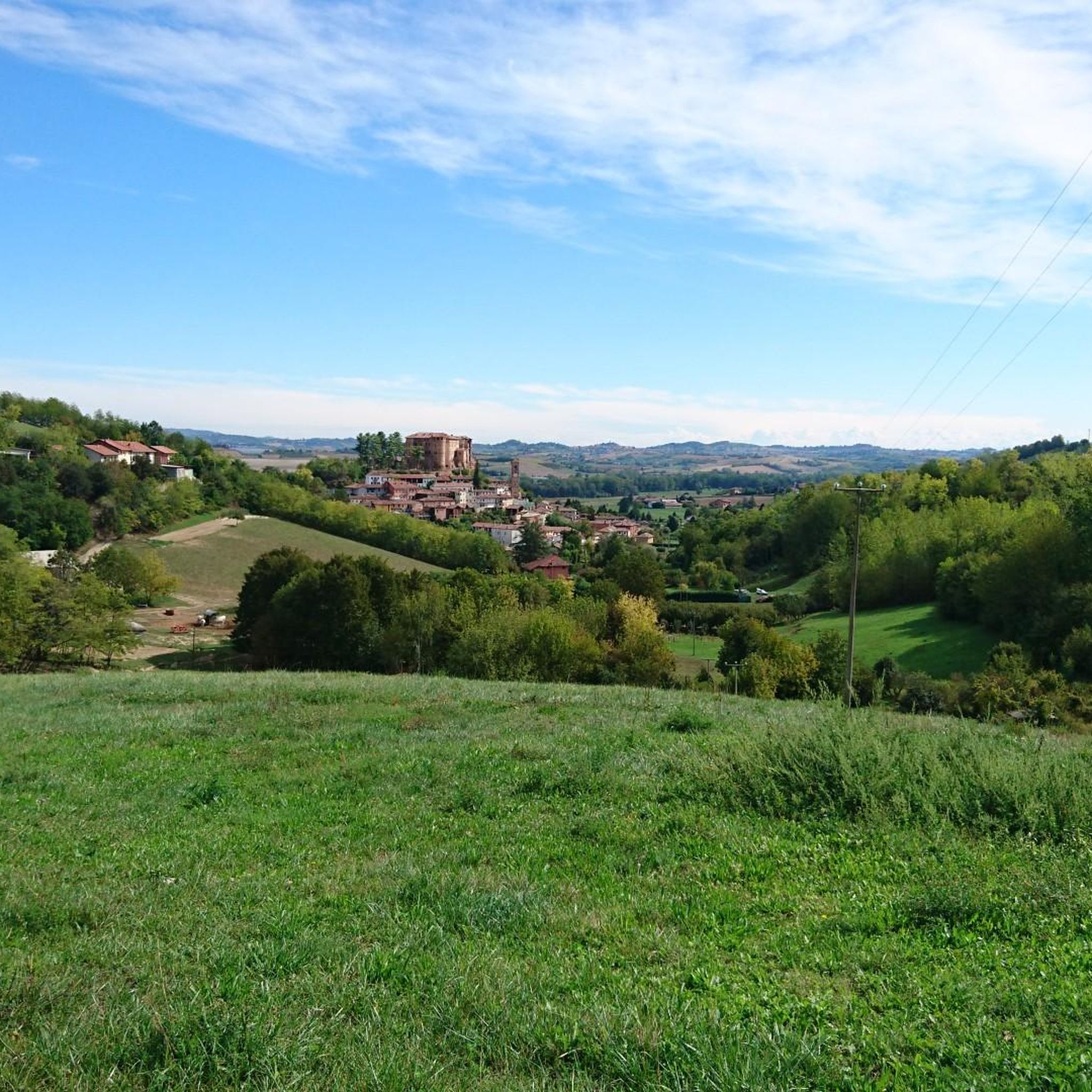

Tips from the Community

A little further beyond the small hamlet of Mombarone d’Asti, following the signs, another, older and unexpected version of the inhabited center arises: the cave houses, structures dug into the tuff, inhabited from the Middle Ages to the first decades of the twentieth century. A dive into the past in a movie-like setting 🎥
0
0

Unfortunately, the complete loop cannot be done because you have to go through a private road and the owner is not really available to let you pass, so just after the houses you have to take a road that goes back, shortening the route by quite a bit.
0
0

Unusual houses once inhabited and dug into the rock. They can be reached by mountain bike, gravel and above all with good legs.
0
0

A cavity in the stone houses an altar and just above the statue of the Madonna. A silent, peaceful place, a few meters from the city center and traffic.
0
0
Outside the beautiful and large church dedicated to the Madonna "del Portone", on the left side, there is a delightful pond with fish and turtles overlooked by a stone cavity that houses the statue of the Madonna.
0
0

The crutin understood in their natural form (not dug by man in the tuff for the purpose of preserving food and wine) are caves dug into the tuff when the sea reached the level of the mouth of the current caves.
0
0

Pleasant excursion to reach the Mombarone cave houses.
0
0

On the hills of the Asti area, in the locality of Carie di Mombarone, a small hamlet northwest of Asti, dug into the embankment of the hills formed by sand-earth deposits (tuff) are the cave houses . These are real houses, all equipped with the famous "crotin" (small cellar), dating from the beginning of the 18th century and inhabited until the beginning of the 20th century. The last inhabitants, from which the houses take their name, were “Gisep d'Carie” and “barba mini”. The houses, albeit shabby, but equipped with all the "comforts" of the time, decorated with utensils, are divided into rooms by brick walls. The rooms are large, the mild and dry climate of the area has favored their habitability, and the abundance of water resources in the area has enabled survival. The stable is distinguished from human habitation, built with a sloping floor for the drainage of waste water and a manger dug into the tuff. The objects of daily work are still present and well preserved. A well was made next to the stable, consisting of a round cistern that was used to collect rainwater and was kept during periods of drought. Between the house and the stable is an inn, which usually served to provide refreshment to travelers and beggars who crossed the valley. The cave houses have been partially restored and furnished by the owners Franco Mario and Adriano and by the association "Quattro passi a nord-Ovest". They can be visited freely, according to the instructions on site. Source: https://www-quattropassianordovest-com.translate.goog/1/case_grotta_di_mombarone_4463556.html?_x_tr_sch=http&_x_tr_sl=it&_x_tr_tl=nl&_x_tr_hl=nl&_x_tr_pto=sc
3
0
Frequently Asked Questions
What types of caves can I explore around Settime?
Around Settime, you can discover unique cave dwellings and natural formations. Highlights include the historical Cave Dwellings of Mombarone, which are real houses dug into the hills, and the Casegrotta Cave Houses, also unusual rock-hewn homes. You can also find natural tuff caves known as I Crutin, which were formed when the sea covered the area.
Are there any family-friendly cave attractions near Settime?
Yes, the Madonna del Portone Pond (Asti) features a stone cavity housing a statue of the Madonna, set in a peaceful spot with fish and turtles, making it a family-friendly place to visit. While the cave dwellings themselves are historical sites, their unique nature can also be engaging for families.
What is the historical significance of the cave dwellings in the Settime area?
The cave dwellings, such as the Cave Dwellings of Mombarone and Casegrotta Cave Houses, are structures dug into the tuff hills that were inhabited from the Middle Ages up to the early 20th century. They offer a glimpse into the past, showcasing how people lived in harmony with the natural landscape, utilizing the mild and dry climate of the area.
Can I visit the cave dwellings freely?
The Cave Dwellings of Mombarone have been partially restored and furnished, and can be visited freely according to instructions on site. It's advisable to check local signage for specific access details.
What are 'I Crutin' and how were they formed?
I Crutin are natural tuff caves found in the Settime area. Unlike man-made cellars, these caves were naturally carved into the tuff rock during a period when the sea level was much higher, reaching the current elevation of the cave mouths.
Are there hiking trails near the cave attractions around Settime?
Yes, there are several hiking opportunities. For instance, you can find an easy loop trail that connects the Cave Dwellings of Mombarone and Casegrotta Cave Houses. You can explore more hiking routes in the area by visiting the Hiking around Settime guide.
What other outdoor activities are available near Settime's caves?
Beyond hiking, the Settime area offers various outdoor activities. You can find numerous routes for cycling and gravel biking, with trails ranging from moderate to difficult, allowing you to explore the scenic landscapes surrounding the cave sites.
What should I know about accessing the cave dwellings?
Some cave dwellings, like the Casegrotta Cave Houses, can be reached by mountain bike or gravel bike, often requiring good physical condition. For the Cave Dwellings of Mombarone, while generally accessible, be aware that some parts of the complete loop might involve private roads, potentially requiring alternative routes.
Are there any unique geological features to observe in the Settime area?
The Settime area is characterized by hills formed by sand-earth deposits, specifically tuff. This geological composition is responsible for the formation of the natural I Crutin caves and allowed for the excavation of the historical cave dwellings.
What makes the Madonna del Portone Pond a notable spot?
The Madonna del Portone Pond (Asti) is a serene location featuring a delightful pond with fish and turtles. It's notable for a stone cavity that houses a statue of the Madonna, offering a quiet, peaceful retreat just a short distance from Asti's city center.
Most popular routes around Settime
Most popular attractions around Settime

Get inspired with the komoot mobile app


Explore more
Extend your search for the best caves by checking out these guides of the top ones around Settime:
