Top 6 Castles around Mêda
Castles around Mêda Portugal offer a glimpse into the region's rich medieval history and strategic importance. The area is characterized by its diverse landscape, featuring granite hills and expansive vineyards. Mêda itself sits atop a granite hill, historically serving as a crucial defensive point. Nearby historic villages like Marialva and Longroiva showcase well-preserved architectural heritage and significant historical sites.
Best castles around Mêda
- The most popular castles is Historic Village of Marialva, a historical site that preserves the charm…
Last updated: October 12, 2026
Historic Village of Marialva
Highlight • Historical Site
Translated by Google •
Tip by

Moreira de Rei
Highlight • Historical Site
Translated by Google •
Tip by
Sign up now to discover places like this
Get recommendations on the best single tracks, peaks, & plenty of other exciting outdoor places.
Castelo de Penedono
Highlight • Castle
Translated by Google •
Tip by

View of Marialva with its castle
Highlight • Castle
Translated by Google •
Tip by
Castelo Melhor Castle
Highlight • Castle
Translated by Google •
Tip by
Sign up for free to discover even more castles around Mêda.
Already have an account?
Start today with a free account
Your next adventure awaits.
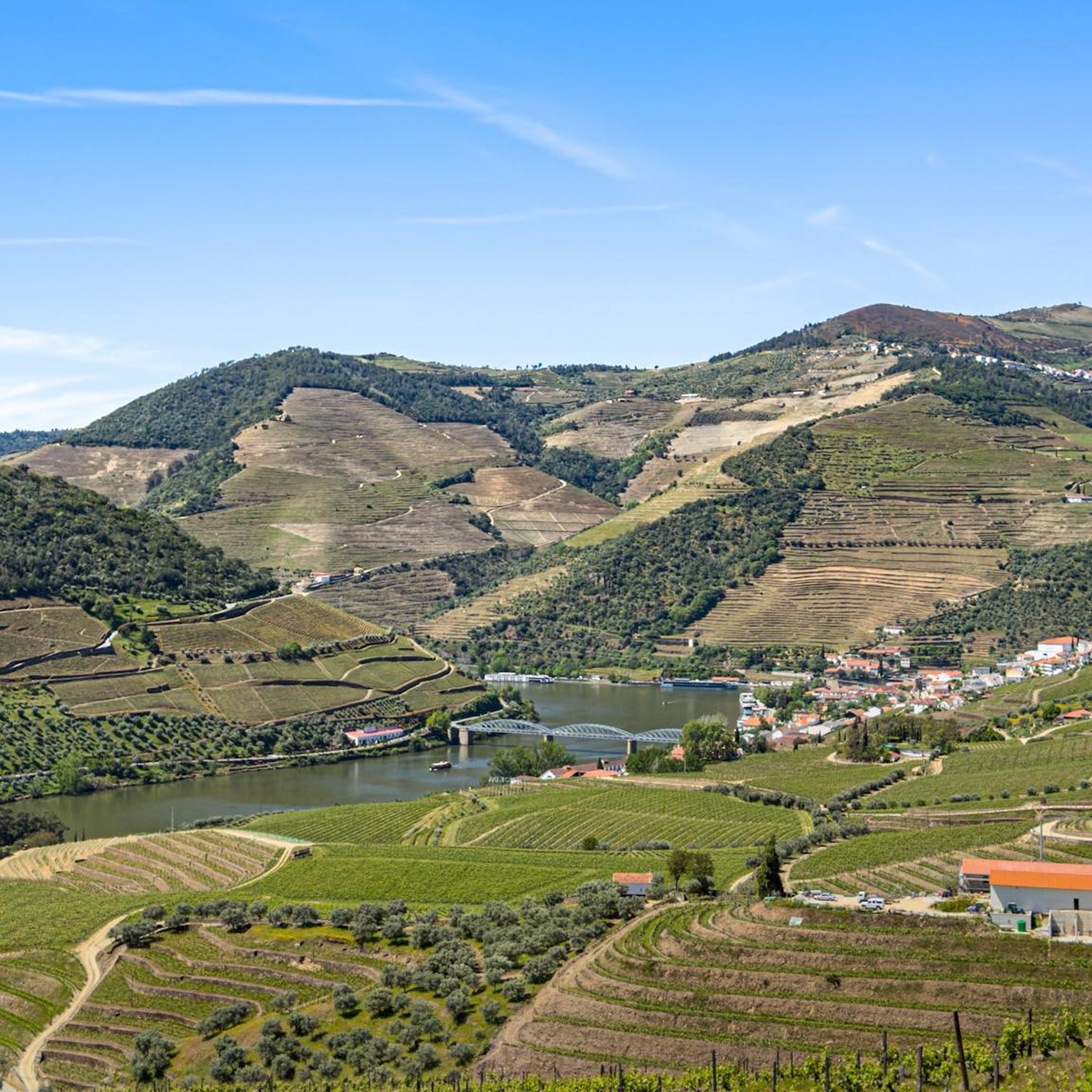
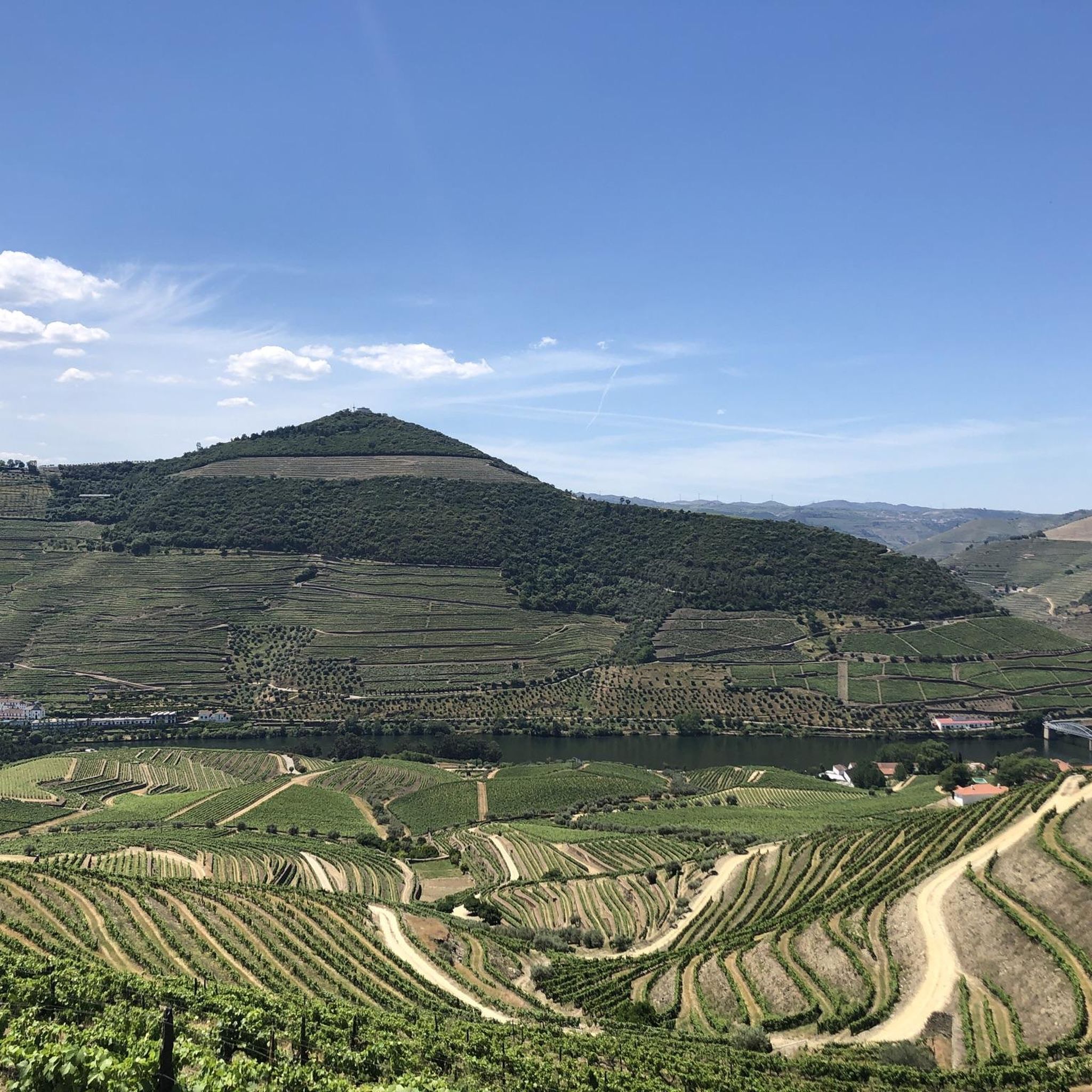

Tips from the Community

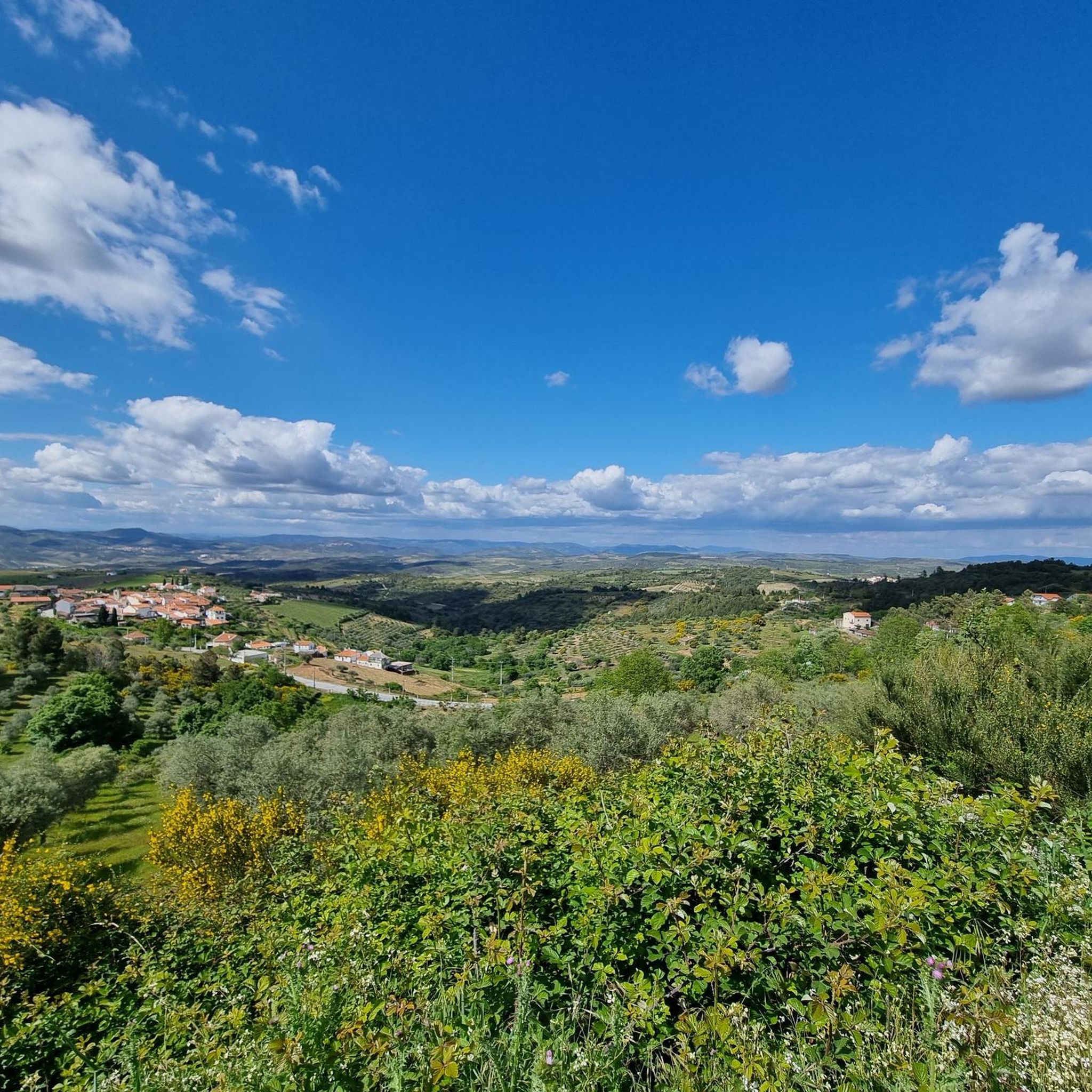
Castelo Melhor Castle is an impressive medieval fortress located in the parish of Castelo Melhor, within the municipality of Vila Nova de Foz Côa, in northern Portugal. It is one of the finest examples of secondary castles built in peripheral areas of the former peninsular kingdoms.
3
0

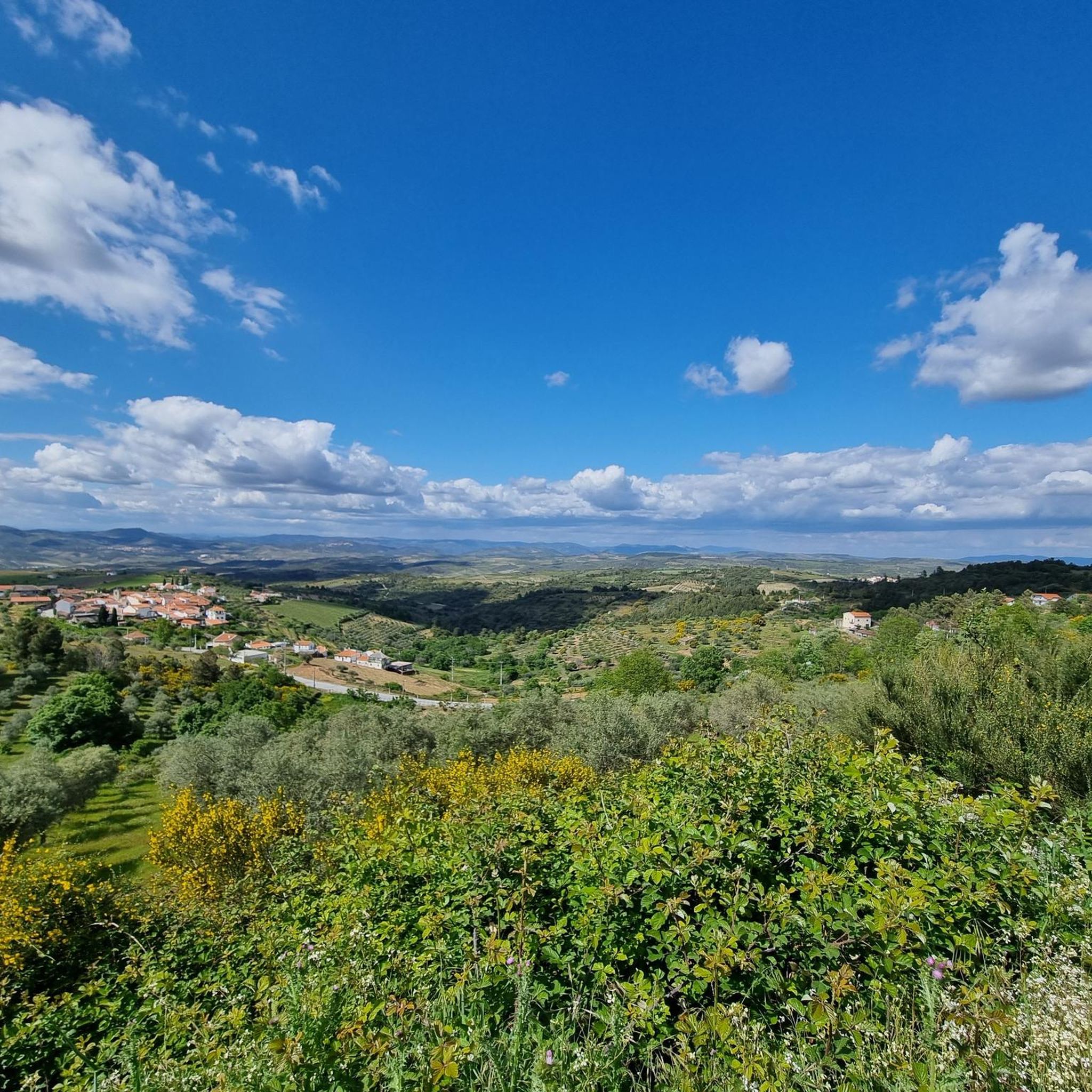
Amid granite boulders and echoes of ancient battles, Moreira de Rei rises, an eagle's nest crowned by ruins that still whisper stories of fleeing kings, noblemen, and armies that passed through here. A good example is its name, which dates back to the time when Moreira welcomed King Sancho II on his way to exile from Toledo. Beneath the old Romanesque church lies a proto-Christian necropolis, witness to centuries of faith. Between worn walls, Roman pavements, and Visigothic memories, the town preserves, in stone and silence, the grandeur of a past that has never ceased to pulse.
2
0
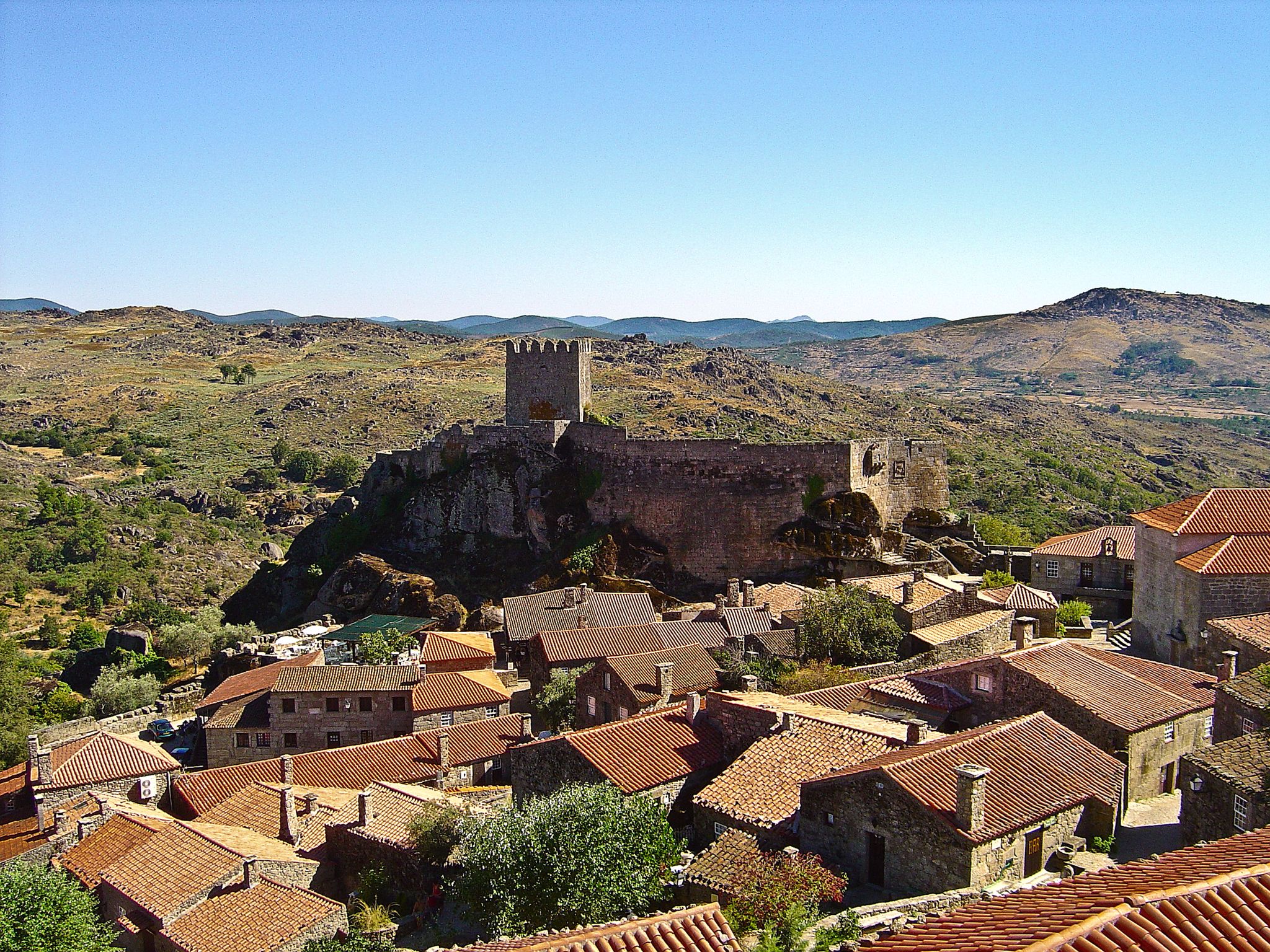
Marialva is a jewel among Portugal's Historic Villages. High above, the castle watches over centuries of conquests and legends, while within the walls still echo the memory of kings, fairs, and battles. Strolling its cobblestone streets is like traveling back in time: from the keep to the Church of Santiago, every detail tells a story. Outside the walls, vineyards and flavors of Beira Alta complete the landscape: roast kid, sheep's cheese, and sweets that preserve the taste of tradition. Here, the village is experienced as much on foot as at the table.
3
0
In the heart of the rolling plain, your gaze reaches Marialva. As you follow the national road, in the distance, high above, the castle stands imposingly, guarding the valley beneath.
2
0
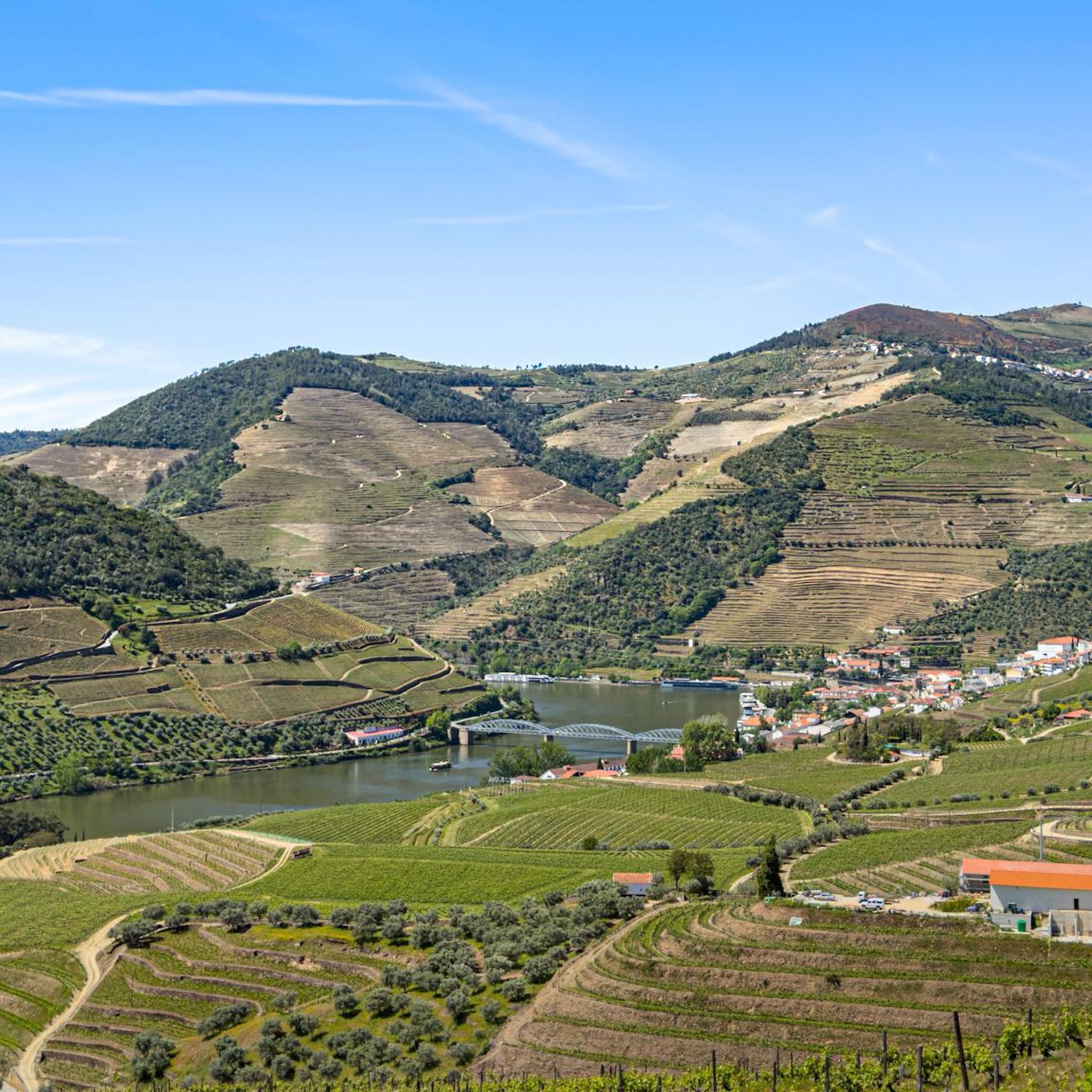
Penedono Castle (Portuguese: Castelo de Penedono) is a medieval castle located in the parish of Granja, in the municipality of Penedono, Viseu District, Portugal. This castle, also known as Magriço Castle, dominates the town and combines elements of a defensive fortification and a stately home.
7
0
Frequently Asked Questions
What makes the castles around Mêda unique?
The castles in the Mêda region offer a deep dive into medieval history, showcasing strategic military architecture and the evolution of settlements. For example, the Historic Village of Marialva is a well-preserved medieval village with a castle classified as a National Monument, while Longroiva Castle is a significant example of Templar military architecture, uniquely featuring an active cemetery within its walls.
What is the historical significance of the castles around Mêda?
The castles in the Mêda region, such as those in Marialva and Longroiva, were crucial strategic points due to their border locations. They witnessed centuries of conquests, served as municipal seats, and housed various orders like the Knights Templar. Sites like Moreira de Rei even reveal layers of history from Roman pavements to proto-Christian necropolises, reflecting a rich past of kings, battles, and cultural diversity.
Are there any lesser-known historical sites or 'hidden gems' near Mêda?
Beyond the prominent castles, the Mêda region offers intriguing historical sites. The Old Castle of Freixo de Numão is one of the most important archaeological sites in the Iberian Peninsula, a prehistoric fortified settlement occupied from the Chalcolithic to the Bronze Age. Additionally, the Mêda Clock Tower, situated on the 'Morro do Castelo da Mêda,' stands on the site of an old medieval watchtower, offering panoramic views and a glimpse into the city's defensive past.
When is the best time to visit the castles around Mêda?
The Mêda region generally experiences pleasant weather for exploring castles during spring and autumn. These seasons offer comfortable temperatures for walking and enjoying the historical sites without the intense heat of summer or the chill of winter. However, the castles are accessible year-round, with each season offering a different perspective on the landscape.
How much time should I allocate to visit the castles in the Mêda region?
To fully appreciate the history and features of the main castles like Marialva and Longroiva, you should plan at least half a day for each. This allows time to explore the castle structures, wander through the historic villages, and soak in the atmosphere. If you wish to include nearby archaeological sites or enjoy some of the local routes, a full day or even a weekend would be more suitable.
Are the castles around Mêda family-friendly?
Yes, many of the castles and historic villages around Mêda are family-friendly. Exploring the ancient walls and cobblestone streets of places like the Historic Village of Marialva can feel like 'diving into a medieval fairy tale' for children and adults alike. The open spaces and historical context provide an engaging educational experience. Always supervise children, especially near walls or uneven terrain.
Can I bring my dog to the castles or nearby trails?
While specific rules for dogs inside castle structures may vary, the surrounding areas and many trails are generally dog-friendly. For instance, the historic villages of Marialva and Longroiva offer charming streets and paths suitable for walks with leashed dogs. Always ensure your dog is on a leash, and be prepared to clean up after them. Check local signage for any specific restrictions at individual sites.
Is parking available at the castles?
Yes, parking is generally available near the main castle sites. For example, both the Historic Village of Marialva and Longroiva Castle have designated areas where visitors can park. It's advisable to arrive earlier during peak seasons to secure a spot, especially in the smaller historic villages where space might be limited.
How can I get to the castles around Mêda using public transport?
While Mêda itself has some public transport connections, reaching the more remote historic villages and castles like Marialva and Longroiva directly by public transport can be challenging. It often requires a combination of local buses or taxis from Mêda. For greater flexibility, driving is often recommended to explore the region's castles at your own pace.
Are there good viewpoints near the castles?
Absolutely. The castles are often strategically located on elevated positions, offering stunning panoramic views. For example, the Mêda Clock Tower, built on the 'Morro do Castelo da Mêda,' provides breathtaking views of Mêda and its surroundings. Similarly, the View of Marialva with its castle from a distance is a popular spot, and the castles themselves offer elevated perspectives of the Beira Alta landscape.
What outdoor activities can I do near these castles?
The Mêda region offers various outdoor activities, especially cycling and running. You can find several routes that pass by or connect these historic sites. For instance, there are road cycling routes like the 'Historic Village of Marialva loop' and running trails such as the 'Longroiva Castle – Historic Village of Marialva loop.' You can explore more options in the Road Cycling Routes around Mêda or Running Trails around Mêda guides.
Are there hiking trails near these castles?
Yes, there are hiking opportunities around the castles. While the immediate castle grounds are for exploration, the surrounding areas offer trails that allow you to experience the natural beauty and historical context. For example, you can find routes like the 'Prazo Archaeological Site loop' near Freixo de Numão. More hiking options are available in the Hiking around Mêda guide.
What kind of terrain can I expect when visiting the castles?
The castles in the Mêda region are often situated on granite hills, meaning you can expect uneven, rocky terrain, especially within the castle ruins and historic villages. Cobblestone streets are common in places like Marialva. Comfortable, sturdy shoes are highly recommended for exploring these sites, as some areas may involve climbing stairs or walking on ancient, worn surfaces.
Most popular routes around Mêda
Most popular attractions around Mêda

Get inspired with the komoot mobile app


Explore more
Looking for the best castles somewhere else? Discover other guides around Mêda:
