Top 5 Castles around Ponferrada
Best castles around Ponferrada are situated in a region rich in history and strategic importance. Ponferrada itself is located at the confluence of the Boeza and Sil rivers, offering a naturally defensible position. The area is a significant stop on the Camino de Santiago, influencing the development of its historical structures. These fortresses often occupy elevated spots, providing expansive views of the surrounding landscape.
Best castles around Ponferrada
- The most popular castles is Ponferrada Castle, a castle that features…
Last updated: October 5, 2026
Ponferrada Castle
Highlight • Castle
Translated by Google •
Tip by

Statue of Nazareno Lambrion Chupacandiles
Highlight • Monument
Translated by Google •
Tip by

Sign up now to discover places like this
Get recommendations on the best single tracks, peaks, & plenty of other exciting outdoor places.
Corullón Castle and Church of St. Stephen
Highlight • Castle
Translated by Google •
Tip by

Cornatel Castle
Highlight • Castle
Translated by Google •
Tip by
View of Cornatel Castle
Highlight • Viewpoint
Translated by Google •
Tip by
Start today with a free account
Your next adventure awaits.
Popular around Ponferrada
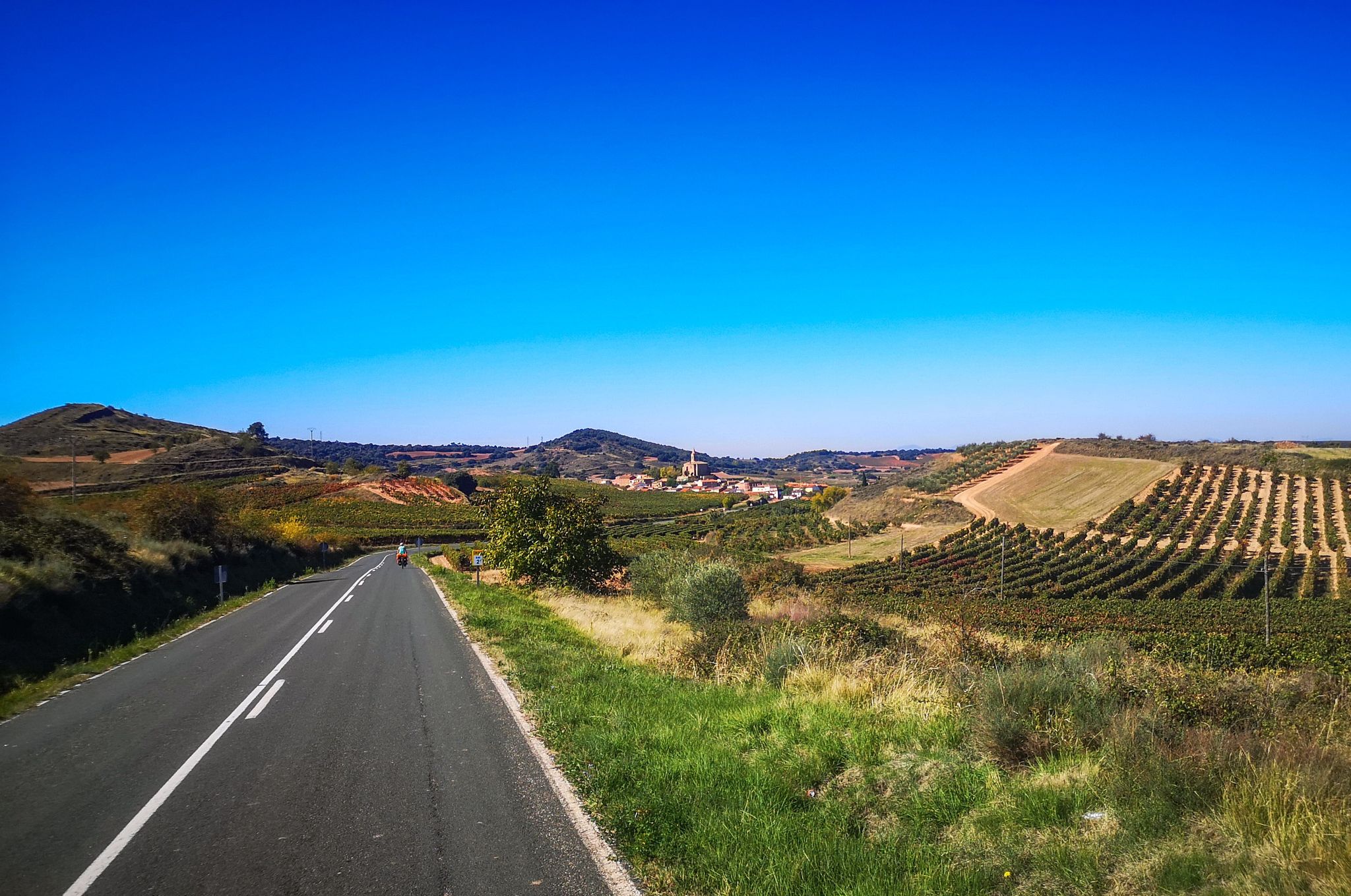
Santiago de Compostela – A journey through northern Spain (10 days)
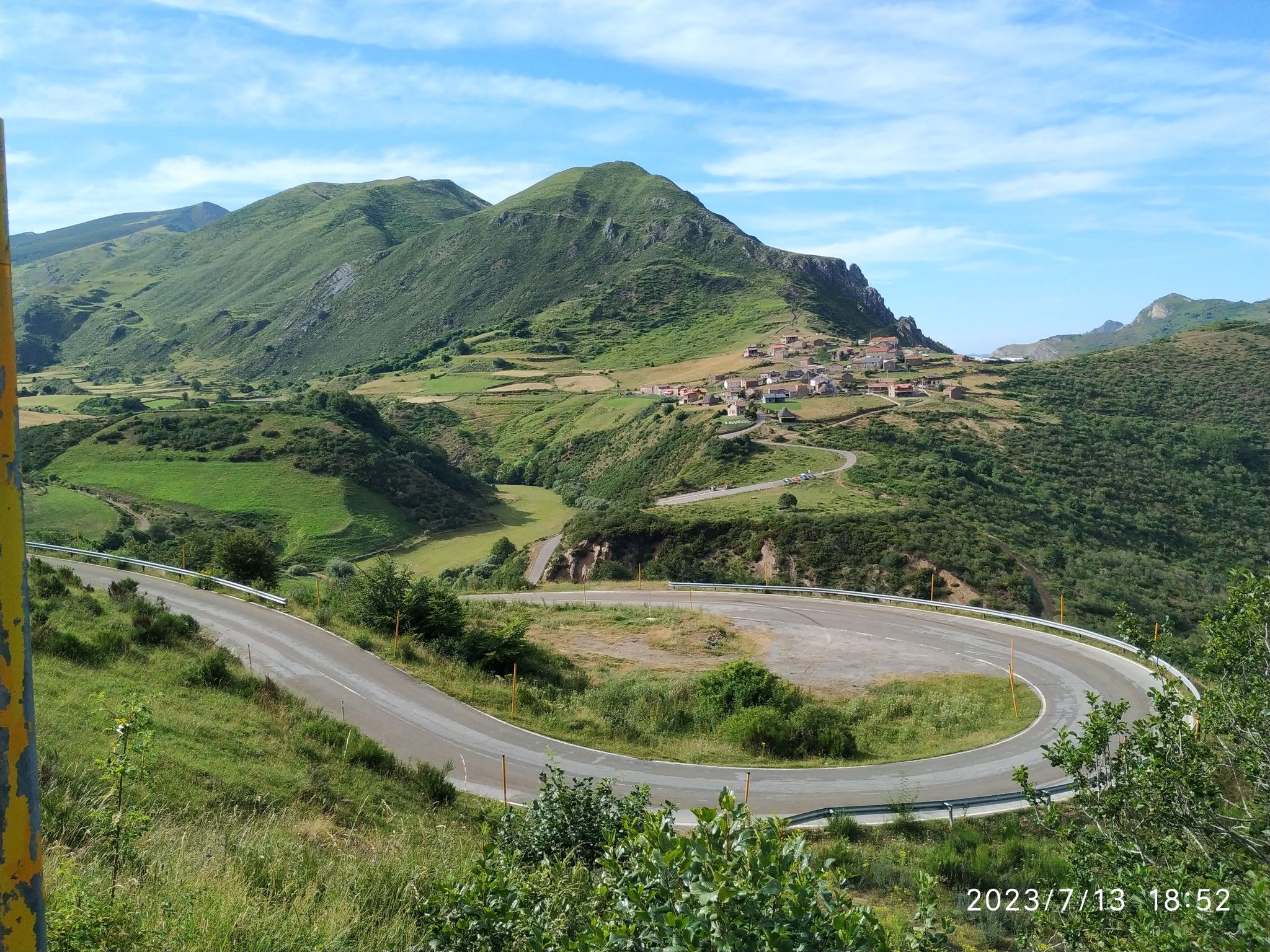
Height Challenges — Ports in Castilla y León
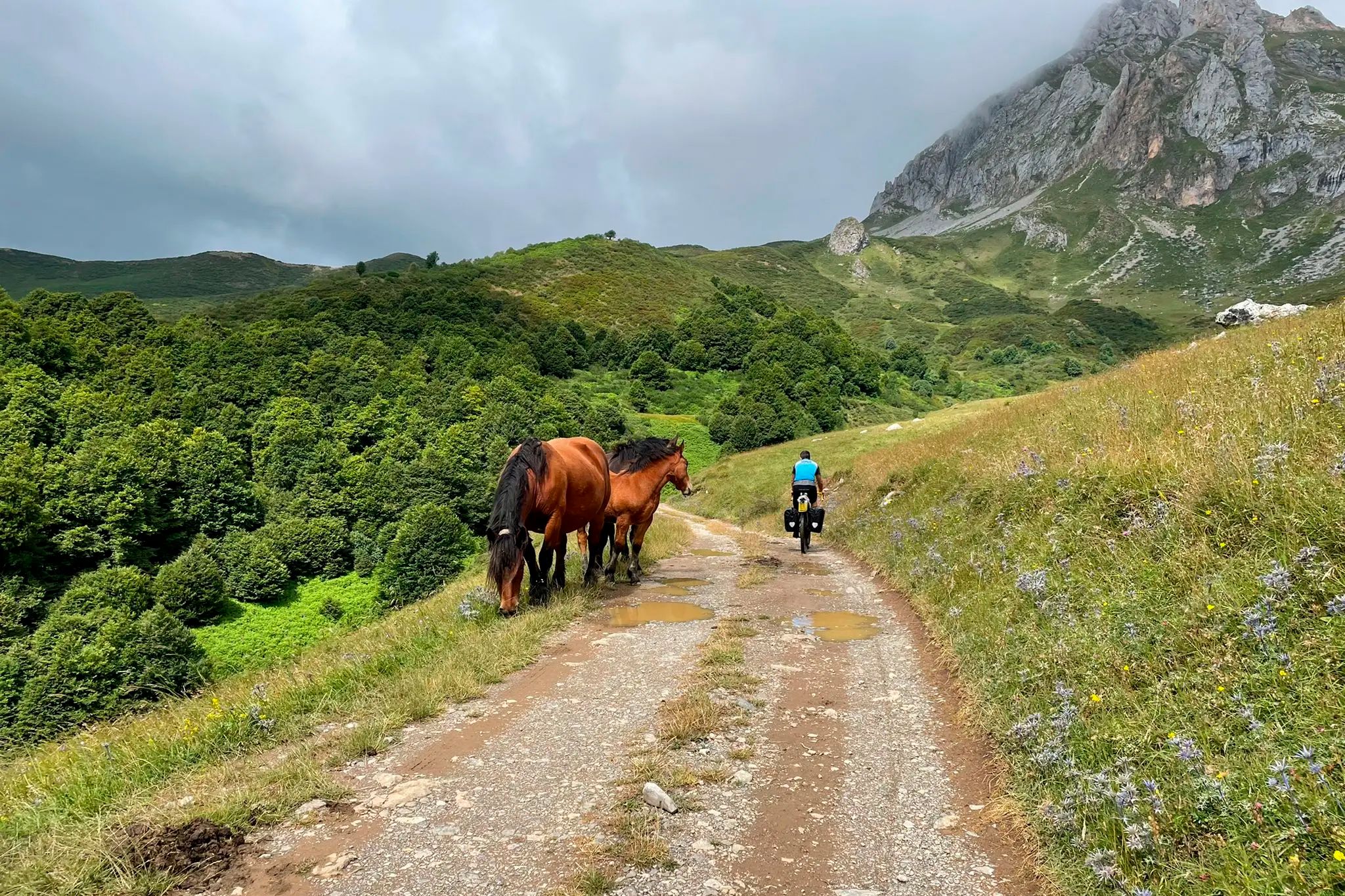
TransCantabrica – Extreme mountain biking in northern Spain
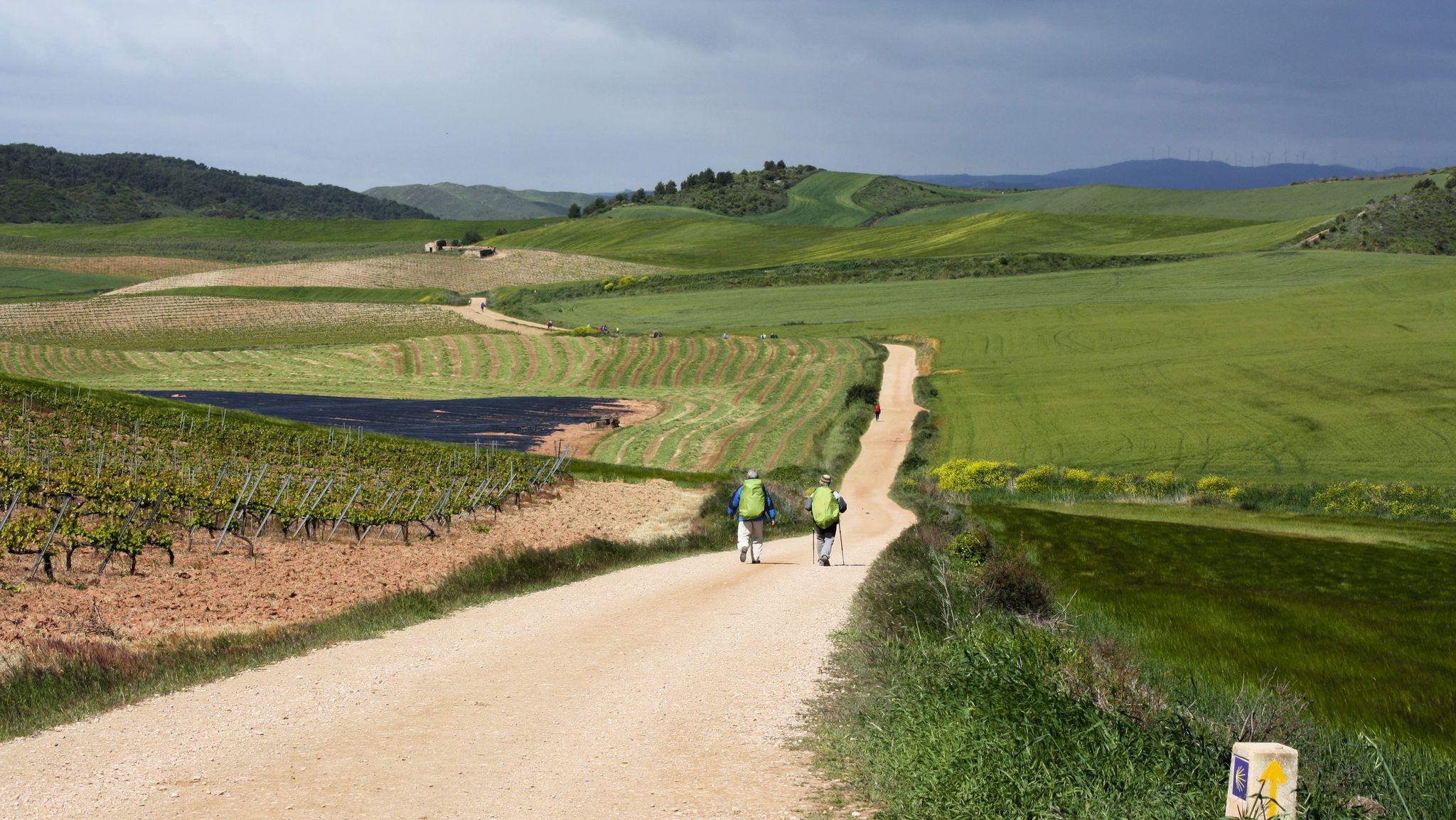
An Iberian pilgrimage – French Way of Saint James
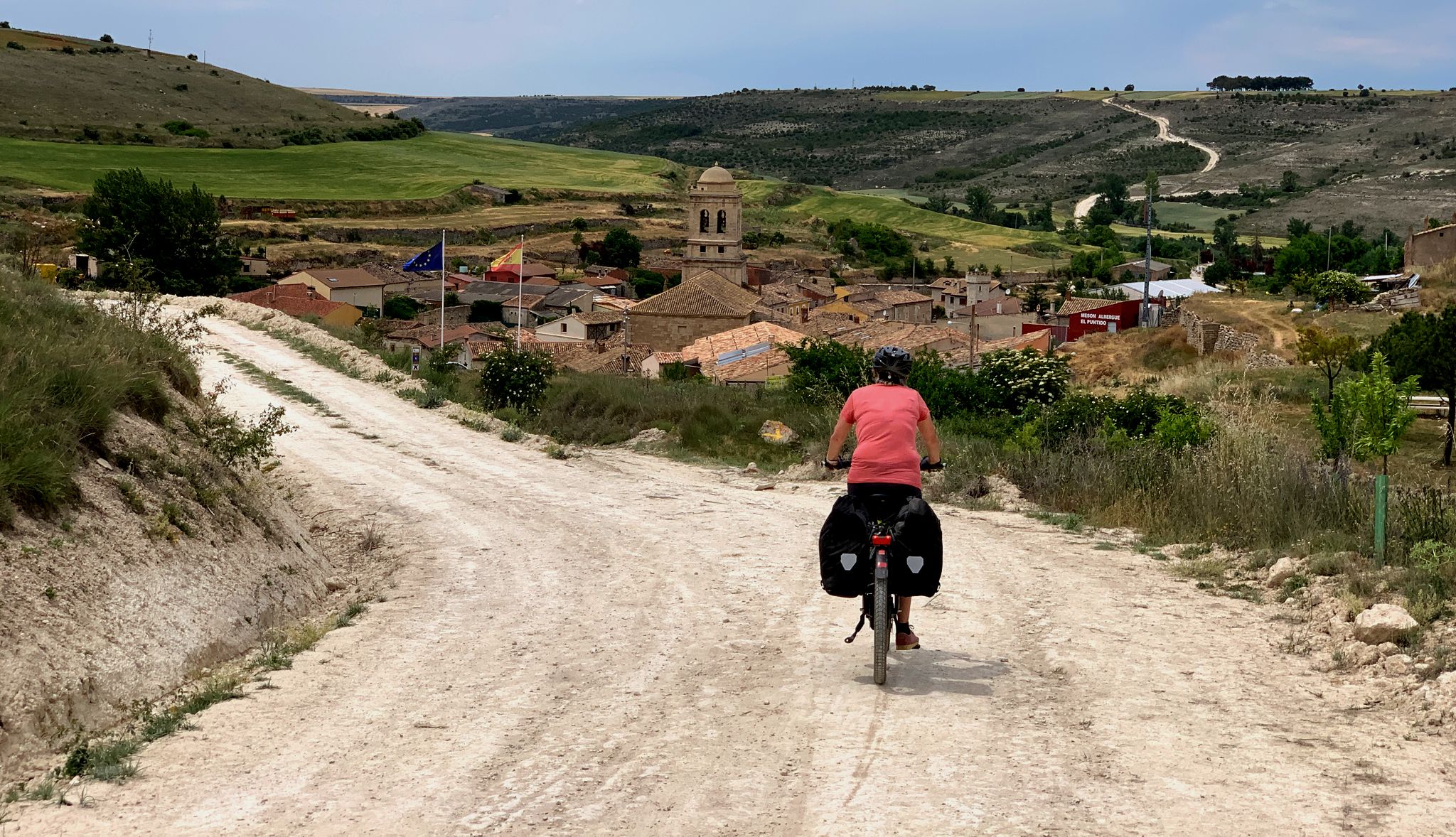
The Pilgrim Route — EuroVelo 3 through Spain
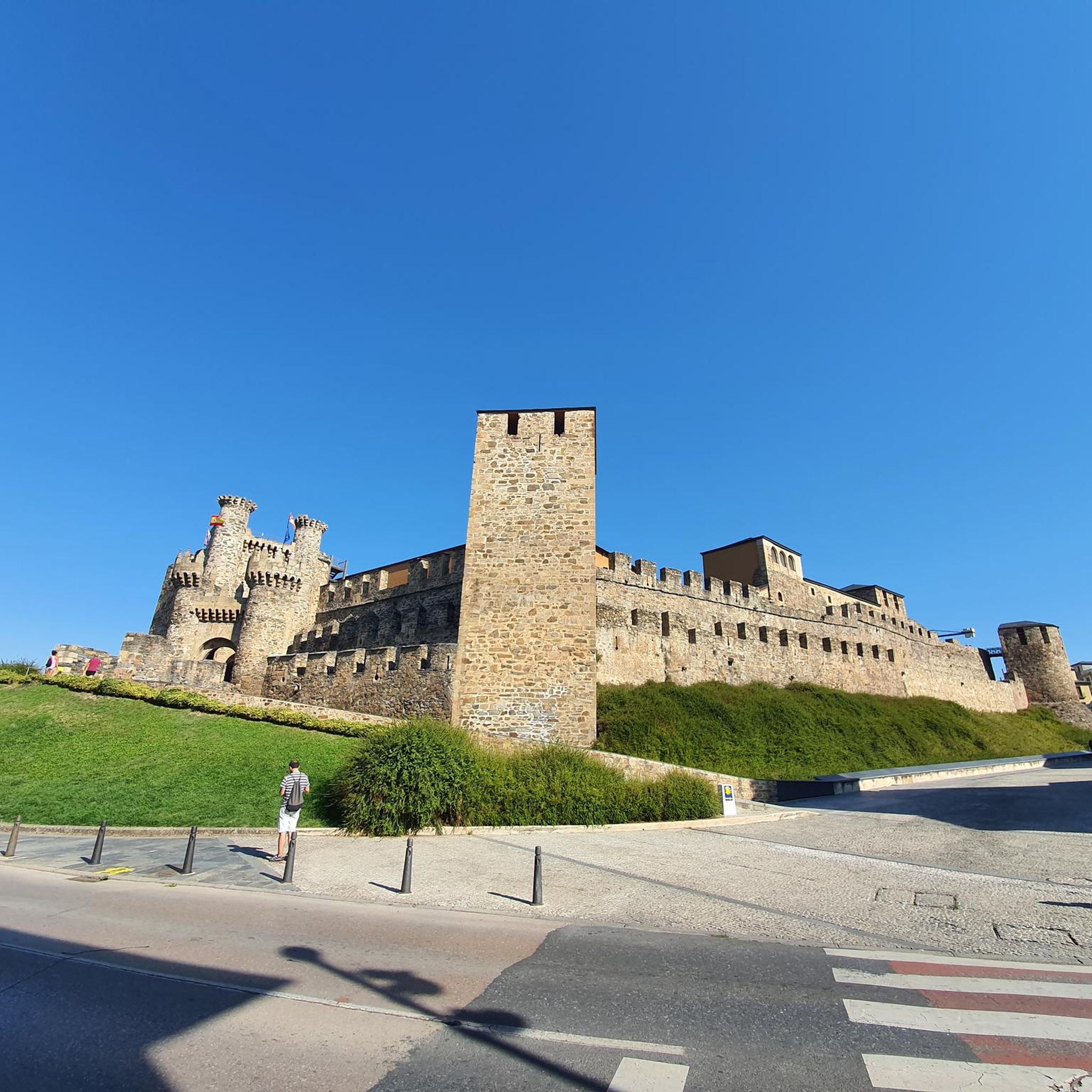
Hiking around Ponferrada
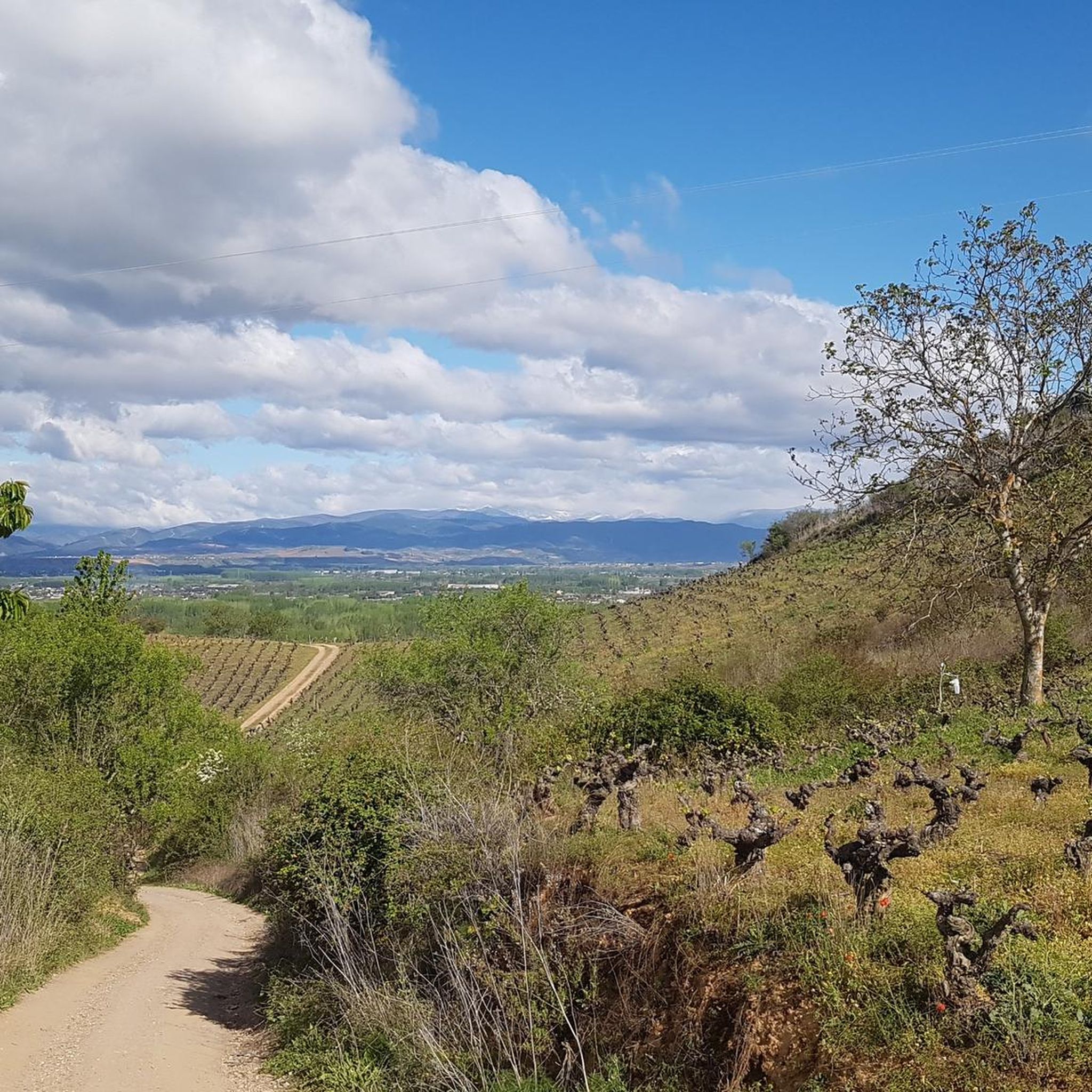
MTB Trails around Ponferrada
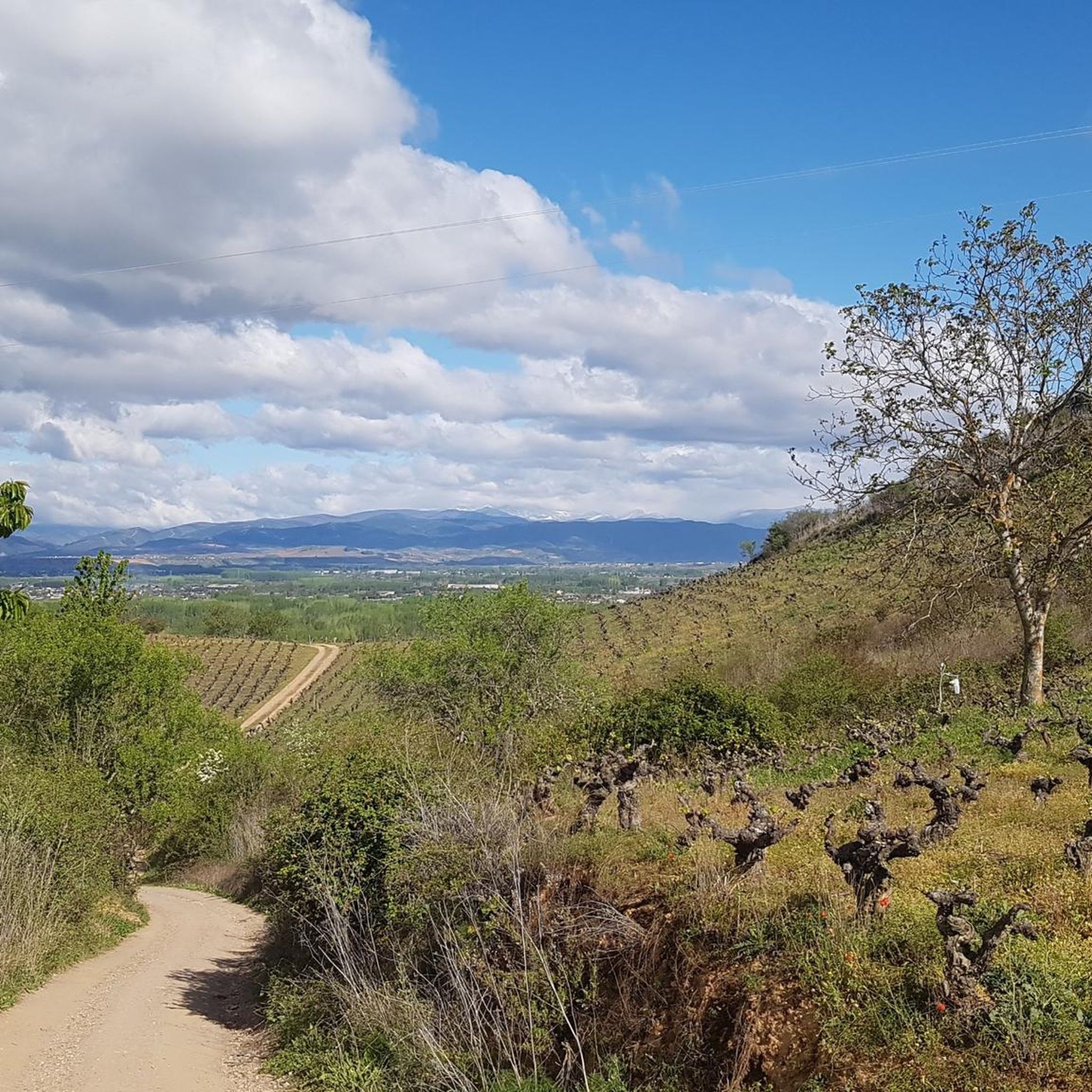
Cycling around Ponferrada
Road Cycling Routes around Ponferrada
Running Trails around Ponferrada
Other adventures around Ponferrada


Tips from the Community

The Lambrión Chupacandiles statue in Ponferrada is a bronze tribute to one of the most iconic figures of the local Semana Santa tradition. Installed in 2024 at the Church of San Andrés, the statue depicts a Nazareno in a black hooded robe, holding a bell—just as he parades through the city each year to announce the arrival of Holy Week. The figure, which originated in the 17th century, is linked to the Hermandad de Jesús Nazareno and takes its name from a legend that says he tasted wine and even oil from candlesticks along the way. Designed by Tomás Bañuelos and Soraya Triana, the sculpture has become a recognizable symbol of Ponferrada's religious heritage.
3
1

At the end of the 11th century, Osmundo, Bishop of Astorga, ordered the construction of a bridge (partly made of iron = pons ferrata) over the Sil for the pilgrims on the Way of St. James, near which a settlement was built. At the "pons ferrata", the iron bridge, the Knights Templar built a huge castle on a surface area of 160 x 90 m to protect the pilgrims on the Way of St. James. The medieval castle complex was inhabited by the Knights Templar from 1178 to 1312. Source: Wikipedia
5
0

The Templars' heyday from the 12th to 14th centuries led to the construction of this mighty fortress, among other things to protect the pilgrims on the Way of St. James. The rampart on the city hill stands out impressively against the mountain backdrop and absolutely conforms to the stereotypical image of a knight's castle. It is sensationally well maintained and a feast for the eyes.
6
0

The order, often referred to simply as the "Order of the Knights Templar," whose full name is "Poor Knights of Christ and of Solomon's Temple in Jerusalem," takes us mentally back to the 13th century. Founded in the Holy Land, it spread surprisingly quickly to many countries in Central Europe, and this castle complex in Ponferrada, northern Spain, was one of its numerous branches. The order gained notoriety through its dissolution in 1312 by the French king and the pope, and many of its members were burned at the stake as alleged heretics. The main reason for the dissolution, however, was not the members' human and religious misconduct (heresy), which was merely a pretext, but the legendary wealth of this order. King Philip IV of France primarily wanted to secure the treasures to bolster his coffers.
6
0

The Templar Castle of Ponferrada is a superb building. It houses the Templar Library and the Ponferrada Center for Research and Historical Studies, with over 1,400 books, including facsimiles of works by Leonardo da Vinci. It was originally a Roman camp and later a citadel. In the early 12th century, the Templars took possession of the fortress, strengthening and expanding it to serve as a residential palace and as a protection for pilgrims on their way to Santiago de Compostela. The building has an irregular square plan, and its most notable entrance is reached by crossing the moat over a drawbridge and, further on, two large crenellated towers joined by an arch. Its twelve original towers depicted the constellations.
5
0

Corullón is a small town on top of a hill near the Burbia River. The most outstanding monuments are the castle of Corullón from the 15th century and the Church of San Esteban.
1
0
Medieval defensive castle located on the hills above an old commercial route, today the N-536 national road. Of Roman origin, protecting the gold mines, the castle of Cornatel commands incredible views over the surrounding landscape.
1
1
Cycling along the N-536 national road, you can glimpse the defensive wall of the medieval castle of Cornatel and its towers on top of the hills.
1
1
Frequently Asked Questions
What are the most historically significant castles in the Ponferrada area?
The most historically significant castle is undoubtedly the Ponferrada Castle, also known as the Templars Castle. It has deep connections to the Knights Templar, who expanded and fortified it in the 12th century to protect pilgrims on the Camino de Santiago. Its origins trace back to a Celtic castro, later a Roman and Visigoth site, making it a cornerstone of the region's history. Cornatel Castle also boasts Roman origins, initially protecting gold mines.
Are there family-friendly castles to visit around Ponferrada?
Yes, the Ponferrada Castle is considered family-friendly, offering an immersive historical experience for all ages. Its large scale and various features can captivate younger visitors. Additionally, the nearby Statue of Nazareno Lambrion Chupacandiles, located near the castle, is also noted as family-friendly and wheelchair accessible.
What kind of views can I expect from the castles in Ponferrada?
Many castles in the region are strategically located on elevated positions, offering expansive views. From the Ponferrada Castle, you can enjoy breathtaking panoramic views of Ponferrada and the confluence of the Boeza and Sil rivers. Similarly, Cornatel Castle commands incredible views over the surrounding landscape from its position above an old commercial route. Corullón Castle, perched on a hill, also provides excellent viewpoints.
What outdoor activities can I do near the castles in Ponferrada?
The region around Ponferrada offers a variety of outdoor activities. You can find numerous hiking trails, such as the 'French Way: Ponferrada to Molinaseca Loop' or 'Cueva de San Genado from Peñalba de Santiago'. For running, options like the 'Sendero Circular de la Tebaida Berciana' are available. Mountain biking enthusiasts can explore routes like the 'Monte Pajariel Loop from Ponferrada'. You can find more details on these activities in the Hiking around Ponferrada, Running Trails around Ponferrada, and MTB Trails around Ponferrada guides.
Are there hiking trails that lead to or near these castles?
Yes, several hiking trails are accessible near the castles. For instance, the 'French Way: Ponferrada to Molinaseca Loop' is a moderate 14.8 km route that passes through the area, connecting to the Camino de Santiago. While not directly leading into every castle, these trails offer opportunities to explore the surrounding landscapes and approach the historical sites. You can explore more options in the Hiking around Ponferrada guide.
What is the best time of year to visit the castles in Ponferrada?
While specific weather details are not provided, generally, spring (April-June) and autumn (September-October) offer pleasant temperatures for exploring historical sites and outdoor activities in Spain. These seasons typically avoid the peak heat of summer and the colder, potentially wetter conditions of winter, making for a more comfortable visit to the castles and their surrounding areas.
What makes Ponferrada Castle unique among other castles in the region?
Ponferrada Castle stands out due to its immense size, covering over 8,000 square meters, and its complex design featuring double and triple layers of defenses. Its deep connection to the Knights Templar, who used it as a stronghold and residence, is also a defining feature. The castle is intriguingly known as the 'castle of the twelve constellations,' attributed to its twelve original towers that reportedly mirrored celestial forms, adding a mystical element to its Templar legacy.
Can I find any cultural or educational resources within the castles?
Yes, within the walls of Ponferrada Castle, you can find the Templars' Library and the Ponferrada Investigation and Study Centre. This center houses a collection of nearly 1,400 books, including valuable facsimile editions of works by Leonardo da Vinci, offering an enriching educational dimension into the Knights Templar and the region's history.
What is the significance of Ponferrada for Camino de Santiago pilgrims?
Ponferrada is a crucial cultural landmark for those undertaking the Camino de Santiago. It marks the final 200 kilometers of the Camino Francés, making the Templars Castle a significant starting or stopping point for pilgrims. Historically, the castle was commissioned to safeguard these pilgrims, and today, pilgrims often receive a discount on entry, reinforcing its connection to the Camino.
Are there any other notable historical sites near the castles besides the fortresses themselves?
Yes, in addition to the castles, the region offers other historical points of interest. For example, near Corullón Castle, you can explore the accompanying Church of St. Stephen. In Ponferrada itself, the Statue of Nazareno Lambrion Chupacandiles at the Church of San Andrés is a bronze tribute to an iconic figure of the local Semana Santa tradition, offering insight into the city's religious heritage.
How long does it typically take to visit the main castles?
Visiting the main castles, particularly the extensive Ponferrada Castle, can take a significant amount of time to fully appreciate its scale and historical details. Plan for at least 2-3 hours for Ponferrada Castle alone, especially if you wish to explore the library and enjoy the views. Smaller castles like Cornatel Castle or Corullón Castle might require 1-2 hours each, depending on your interest in exploring the ruins and surrounding areas.
What is the terrain like around the castles for walking or hiking?
The castles are often situated on elevated spots, meaning the terrain around them can involve inclines and uneven surfaces. For instance, Corullón Castle is on top of a hill, and Cornatel Castle is on hills above an old commercial route. While the immediate castle grounds may be managed, exploring the surrounding areas or connecting trails will likely involve moderate to intermediate difficulty terrain, as indicated by nearby hiking routes.
Most popular routes around Ponferrada
Most popular attractions around Ponferrada

Get inspired with the komoot mobile app


Explore more
Looking for the best castles somewhere else? Discover other guides around Ponferrada:
