The best gravel rides around Quero
19
riders
2
rides
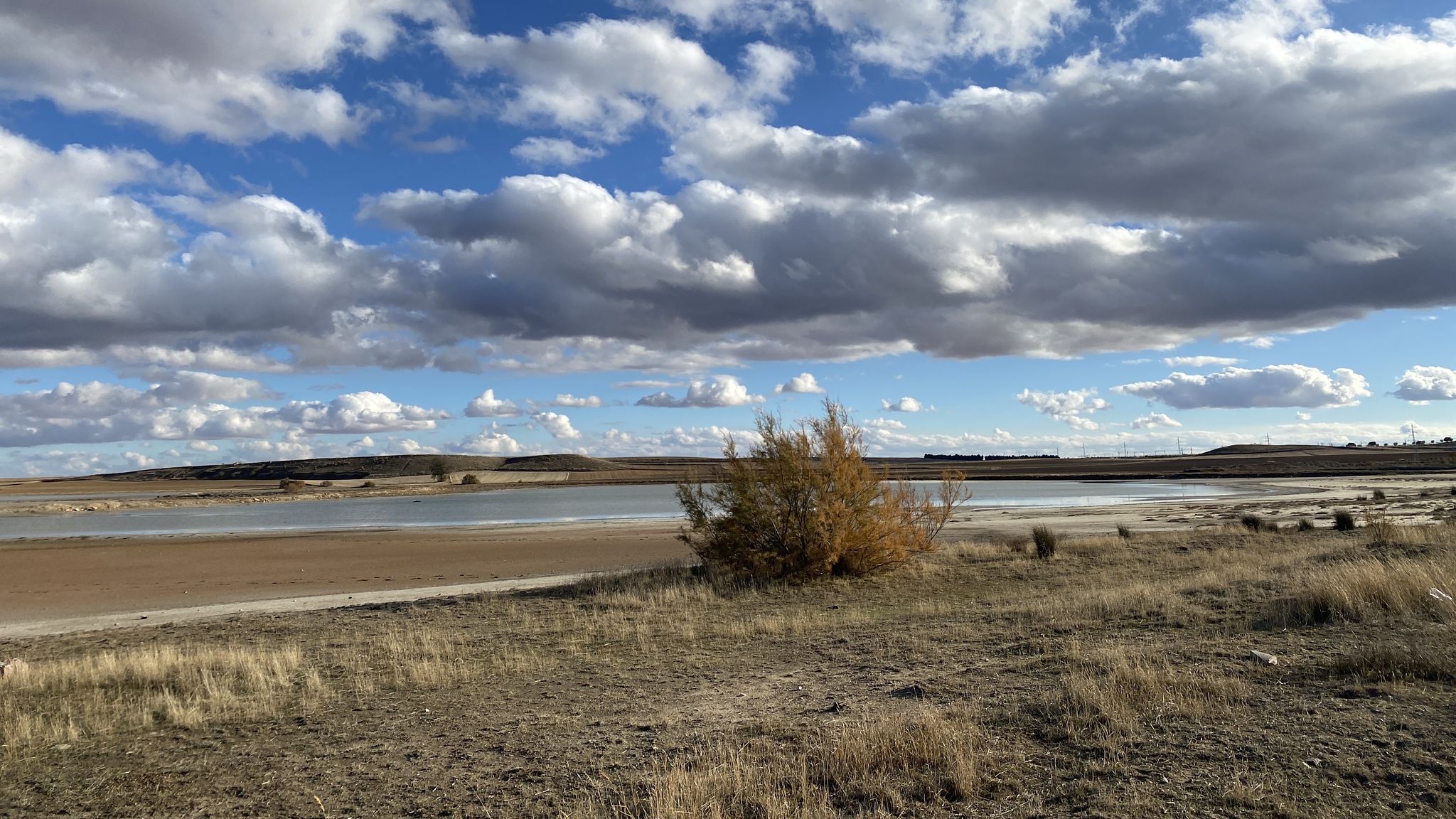
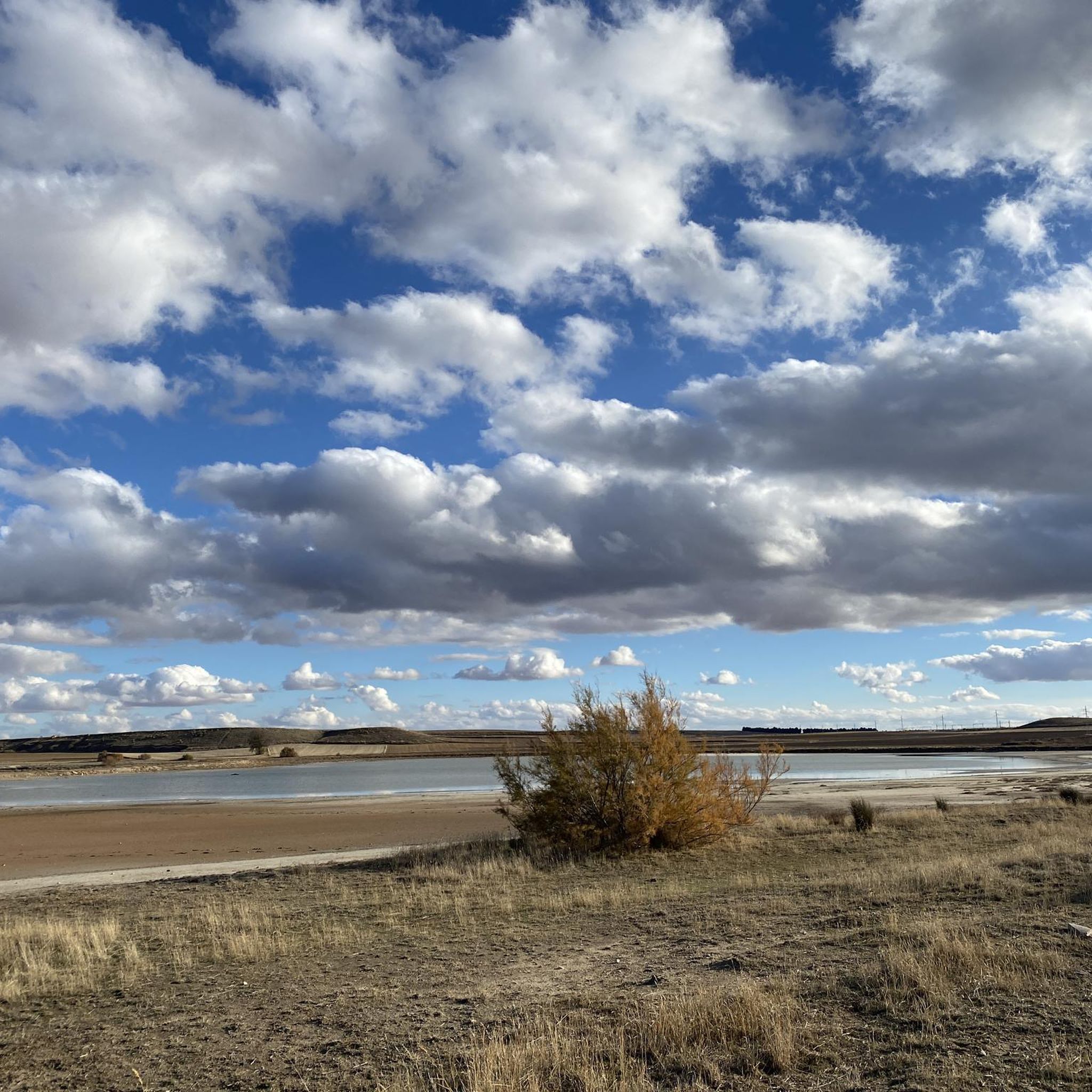
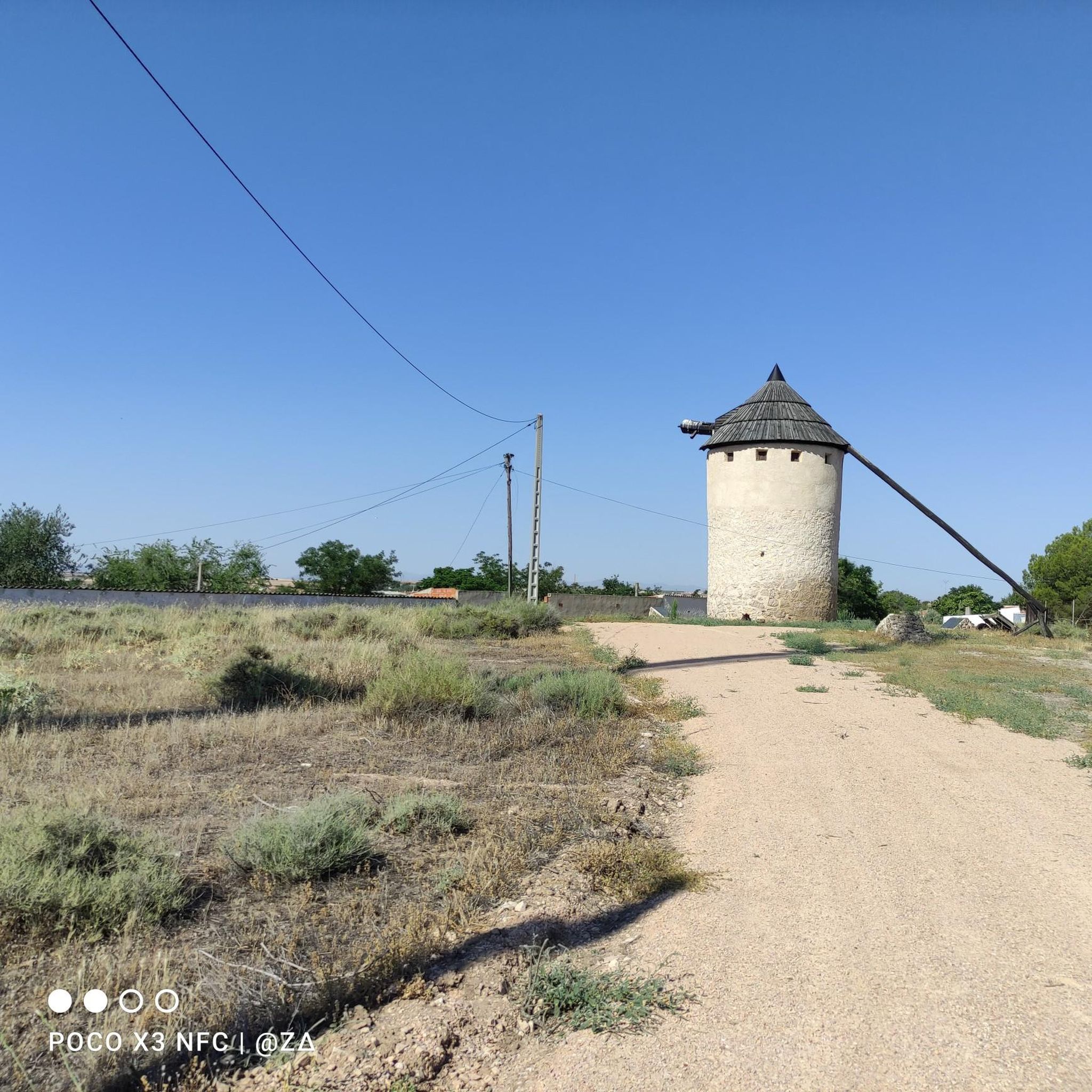
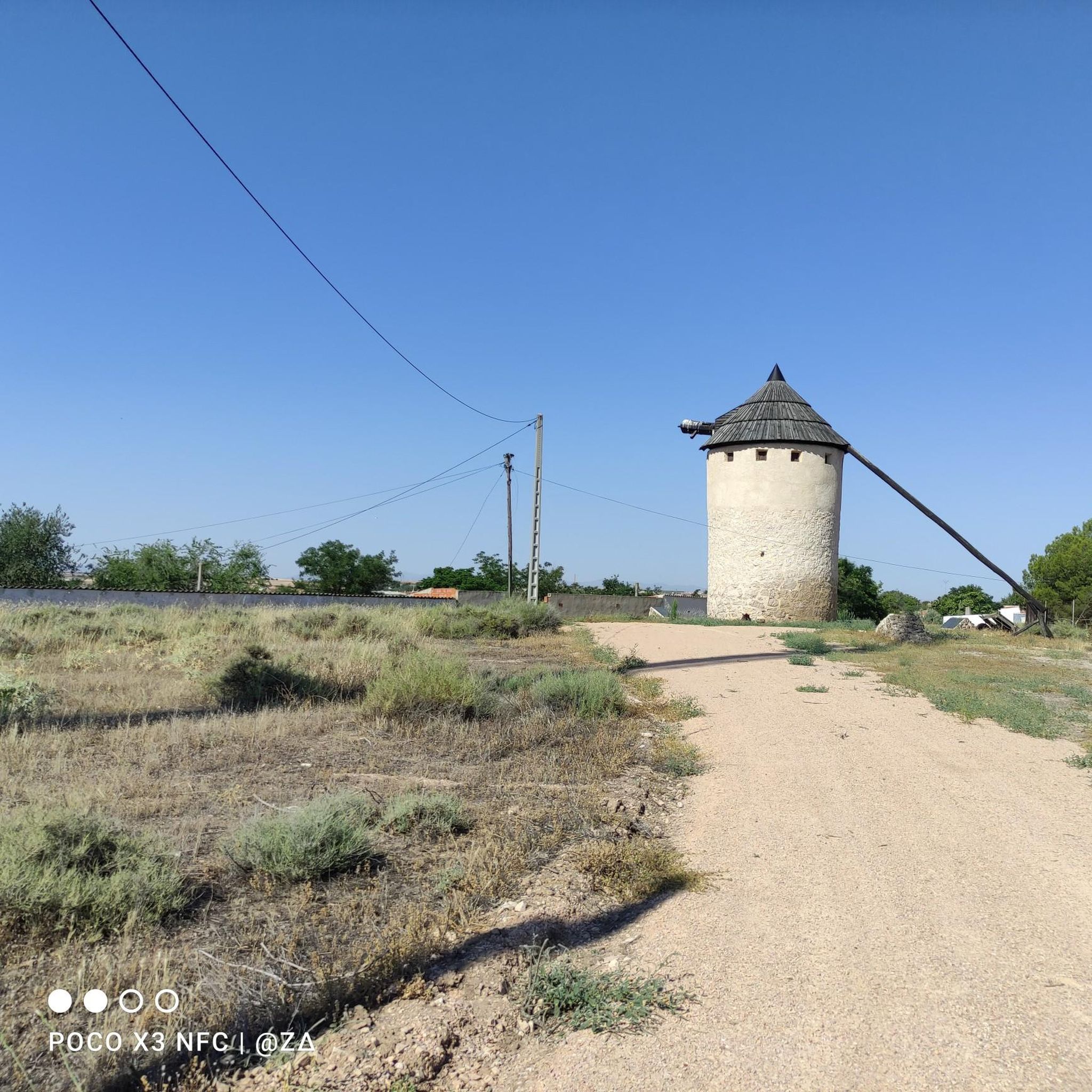
Gravel biking around Quero offers routes through a landscape characterized by open plains, agricultural fields, and historical landmarks. The terrain is generally flat to gently rolling, with modest elevation gains spread over long distances, making it suitable for extended rides. Riders can expect to encounter features such as windmills, lagoons, and river sections, providing varied scenery. The region's network of gravel paths connects rural areas and small towns.
Best gravel bike trails around Quero
- The most popular gravel bike trail…
Last updated: July 4, 2026
3
riders
Hard gravel ride. Very good fitness required. You may need to push your bike for some segments of this route.
3
riders
Moderate gravel ride. Good fitness required. Mostly paved surfaces. Suitable for all skill levels.

Sign up for free
2
riders
46.1km
03:43
100m
100m
Moderate gravel ride. Good fitness required. Mostly paved surfaces. Suitable for all skill levels.
2
riders
Moderate gravel ride. Good fitness required. Mostly paved surfaces. Suitable for all skill levels.
4
riders
57.2km
03:55
340m
340m
Moderate gravel ride. Good fitness required. Mostly paved surfaces. Suitable for all skill levels.
Our route recommendations are based on thousands of hikes, rides, and runs completed by other people on komoot.
Start today with a free account
Your next adventure awaits.
Login or Signup

Other adventures around Quero

Tips from the Community

Alcázar de San Juan is one of the most interesting destinations in the heart of La Mancha, with a blend of history, heritage, nature, and Cervantine traditions. Its name comes from the Military Order of Saint John, which dominated the area after the Reconquista. It claims to be the birthplace of Miguel de Cervantes, as the baptismal font where, according to some studies, the writer was baptized is preserved in the Collegiate Church of Santa María la Mayor. It was an important railway junction and economic center in the 19th and 20th centuries, which shaped its urban development.
2
0
Alcázar de San Juan is one of the most interesting destinations in the heart of La Mancha, with a blend of history, heritage, nature, and Cervantine traditions. Its name comes from the Military Order of Saint John, which dominated the area after the Reconquista. It claims to be the birthplace of Miguel de Cervantes, as the baptismal font where, according to some studies, the writer was baptized is preserved in the Collegiate Church of Santa María la Mayor. It was an important railway junction and economic center in the 19th and 20th centuries, which shaped its urban development.
10
0
The Church of Santa Quiteria in Alcázar de San Juan (Ciudad Real) is one of the town's most important churches, boasting a rich history and significant architectural value. Origin: Construction began in the second half of the 16th century based on plans by Juan de Herrera, the architect of El Escorial. Execution: The work was directed by Agustín Argüello and completed by Bartolomé Elorriaga in 1604. Style: Renaissance with classical elements.
7
0

Return to the town of Campo de Criptana
0
0
The statue of Don Quixote and Dulcinea in El Toboso is one of the town's most emblematic monuments, deeply linked to the Cervantes universe. It stands in the main square of El Toboso, dedicated to Juan Carlos I, in the heart of the town. The sculptures are made of sheet iron, not cast iron, giving them a handcrafted and robust appearance.
4
0

The Museum of the Word occupies an 18th-century mansion. It is a non-profit organization belonging to the César Egido Serrano Foundation. It develops activities centered on the word (spoken, written, or in its various forms), supporting and fostering dialogue between different cultures, ideas, religions, and sensibilities. The result and existence of this dialogue are in themselves a museum piece, and configure it as a meeting place, the only virtual museum in the world in which nothing is exhibited, and which survives online, carrying out and transferring its cultural activities from that platform to the entire world. Since its inauguration, the Museum of the Word has been the setting for various meetings and activities: national and international radio and television programs, uninterrupted readings of Don Quixote, meetings between representatives of different cultures, regional and national politicians, and figures linked to the academic and institutional world.
1
0
It is an 18th-century mansion. The Museum of the Word is a non-profit organization belonging to the César Egido Serrano Foundation, whose goals are to promote art and use dialogue for peace between different cultures and religions. [Wikipedia]. The Museum of the Word supports and encourages dialogue between different cultures, ideas, religions, and sensibilities. The result and existence of this dialogue are in themselves a museum piece, and they constitute it as a meeting place, the only virtual museum in the world in which nothing is exhibited, and which survives online, carrying out and transferring its cultural activities from that platform to the entire world. Since its inauguration, the Museum of the Word has been the scene of various meetings and activities: national and international radio and television programs, uninterrupted readings of Don Quixote, meetings between representatives of different cultures, regional and national politicians, and figures linked to the academic and institutional world. (https://www.fundacioncesaregidoserrano.com/es/museo/historia)
1
0

A good place to stop, enjoy the traditional mural and its representation and recharge your batteries in the restaurant, where there is good service and good treatment.
1
0
Frequently Asked Questions
What is the general difficulty level of gravel bike trails in Quero?
Gravel biking around Quero offers a mix of moderate and difficult routes. The terrain is generally flat to gently rolling, with modest elevation gains spread over long distances. You'll find routes like the Laguna de la Veguilla – Puerto Lápice Windmills loop from Alcázar de San Juan, which is rated moderate, alongside more challenging options.
Are there beginner-friendly gravel cycling routes in Quero?
While there are no routes explicitly rated 'easy' in the immediate vicinity, several moderate routes are suitable for riders with some experience looking for longer distances without extreme climbs. These routes often feature well-maintained gravel paths through open countryside. The Church of the Assumption – Laguna de Peñahueca loop from Quero is a moderate option that takes about 3 hours 42 minutes to complete.
What kind of scenery can I expect on gravel bike trails around Quero?
The gravel bike trails around Quero are characterized by open plains, agricultural fields, and historical landmarks. You'll encounter iconic windmills, serene lagoons, and sections along rivers, providing varied and picturesque scenery. The region's network of gravel paths connects rural areas and small towns, offering a glimpse into the local landscape.
Are there any circular gravel bike trails available?
Yes, many of the gravel bike routes around Quero are designed as loops, allowing you to start and finish at the same point. For example, the challenging Campo de Criptana Windmills – Windmills of Campo de Criptana loop from Quero is a popular circular route exploring the iconic windmills.
What are some challenging gravel bike routes around Quero?
For a more challenging experience, consider the Campo de Criptana Windmills – Windmills of Campo de Criptana loop from Quero. This difficult 46.4-mile (74.7 km) route takes approximately 6 hours 24 minutes and features significant distance and elevation gain as it explores the famous windmills.
What can I see along the gravel bike trails around Quero?
Many routes pass by significant natural and historical landmarks. You can explore various lagoons such as Laguna Grande de Villafranca, Laguna de la Veguilla, and Laguna de Peñahueca. Some trails also lead past historical sites like the Molinera Quarry of Piédrola.
How long do gravel bike rides typically take around Quero?
The duration of gravel bike rides varies depending on the route and your pace. Moderate routes like the Church of the Assumption – Laguna de Peñahueca loop from Quero can take around 3 hours 42 minutes. Longer, more challenging routes, such as the Campo de Criptana Windmills loop, can take over 6 hours.
When is the best time of year to go gravel biking in Quero?
The best seasons for gravel biking in Quero are typically spring and autumn. During these months, the weather is milder and more pleasant for longer rides. Summers can be very hot, and while winter riding is possible, it can be cooler and potentially wetter, though the region generally experiences dry conditions.
Can I access gravel bike routes in Quero using public transport?
While Quero itself is a smaller town, some routes start from nearby larger towns like Alcázar de San Juan, which may offer better public transport connections. For example, the Laguna de la Veguilla – Puerto Lápice Windmills loop begins near Alcázar de San Juan, making it potentially more accessible by train or bus.
Are there places to stop for refreshments or cafes along the gravel bike trails?
Many gravel routes connect small towns and villages in the region. While specific cafes are not always directly on the trail, you can often find opportunities for refreshments in these settlements. Planning your route to pass through a town like Quero or Alcázar de San Juan will provide options for food and drink.
What do other gravel bikers enjoy the most about gravel biking in Quero?
Gravel bikers frequently praise the expansive, open landscapes and the unique experience of cycling past historical windmills and serene lagoons. The generally flat to gently rolling terrain allows for long, uninterrupted rides, making it ideal for those who enjoy covering significant distances through varied rural scenery.
Are there any hidden gem gravel bike routes around Quero?
For a less-trafficked experience that still offers beautiful scenery, consider routes that explore the lesser-known lagoons or river sections away from the main windmill attractions. The Río Záncara – Ermita de San Antón loop from Alcázar de San Juan offers a moderate ride along the Záncara river, providing a different perspective of the region's natural beauty.
Most popular attractions around Quero

Get inspired with the komoot mobile app


Explore more
Browse the best Gravel rides in other regions.
