The best gravel rides in Embalse Del Ebro
9
riders
5
rides
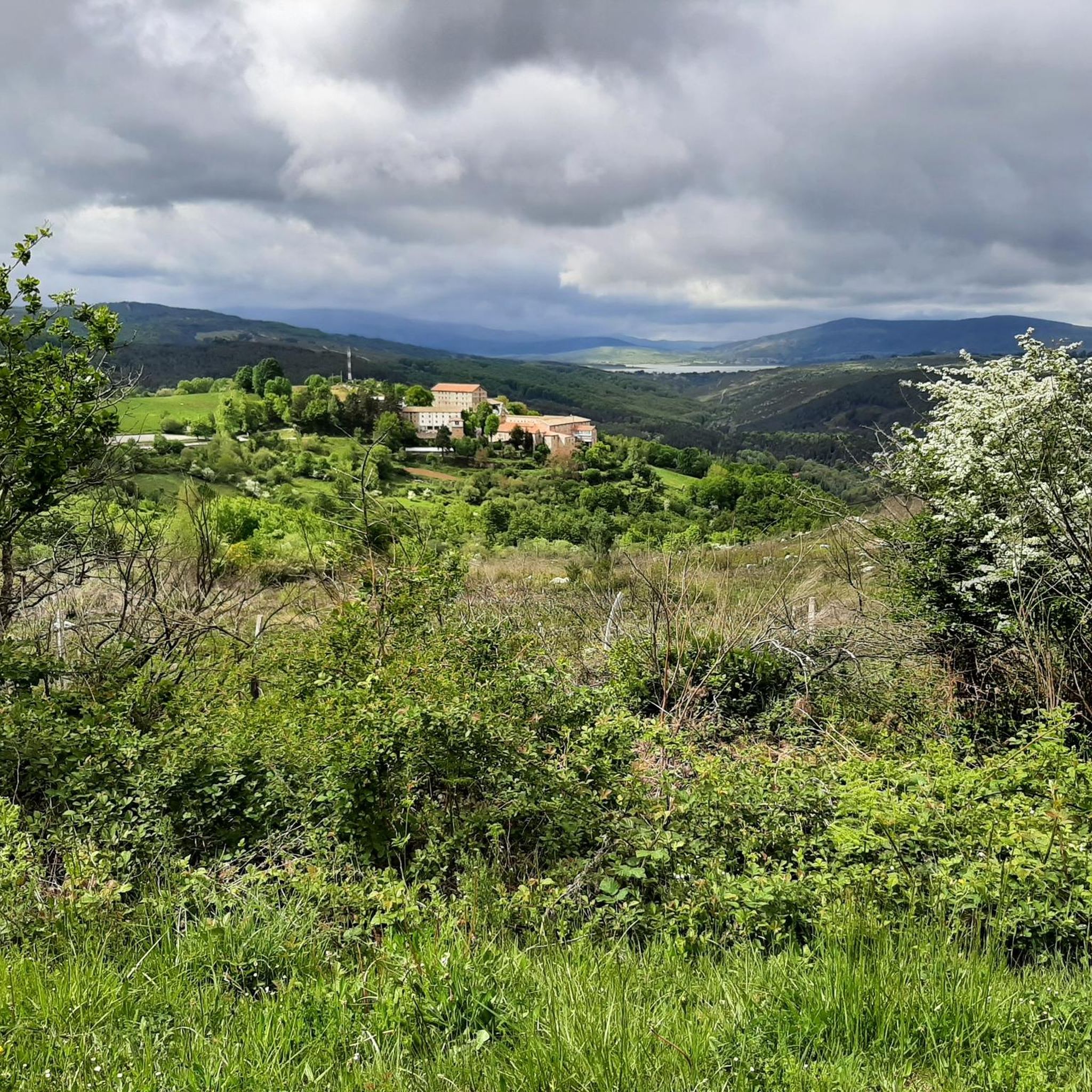
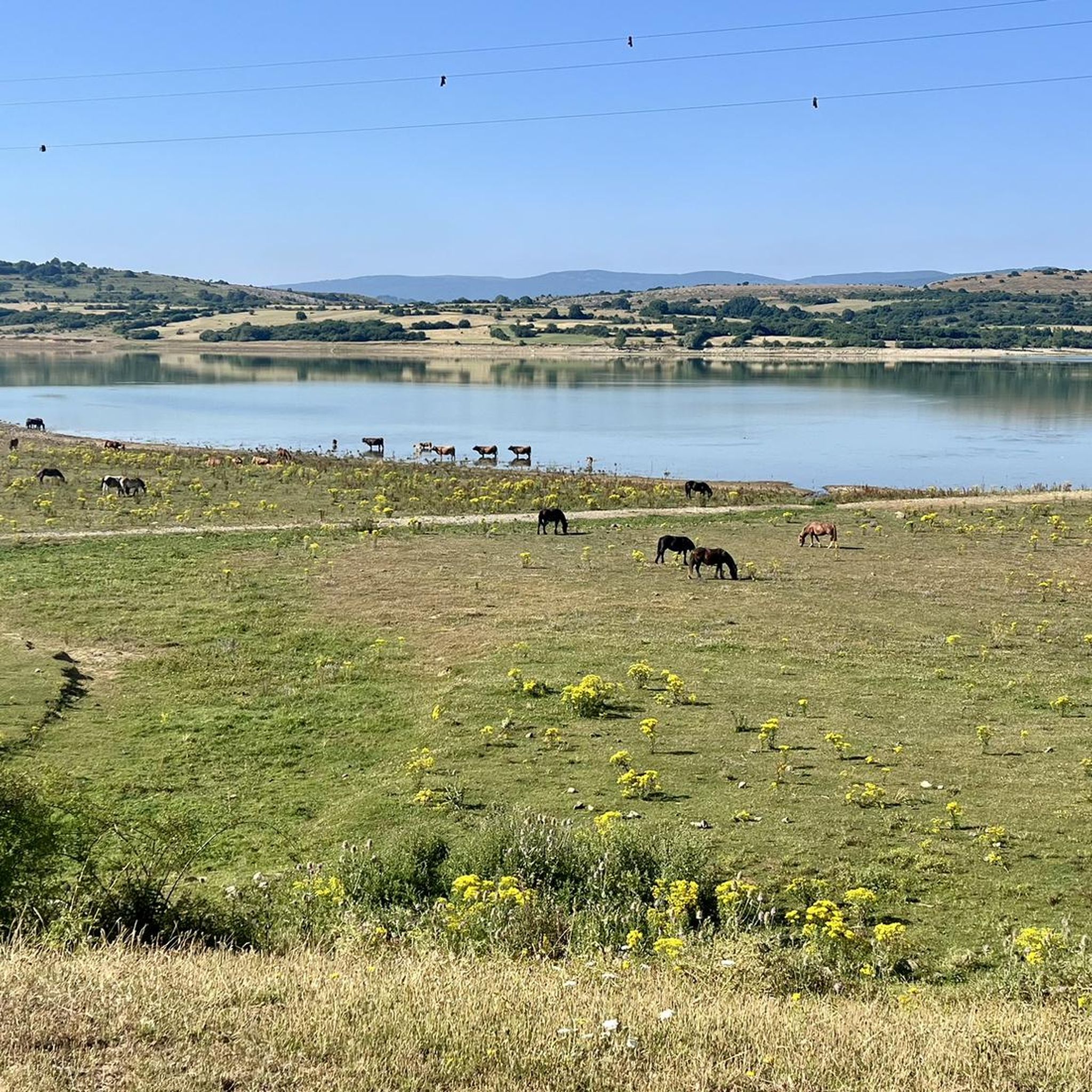
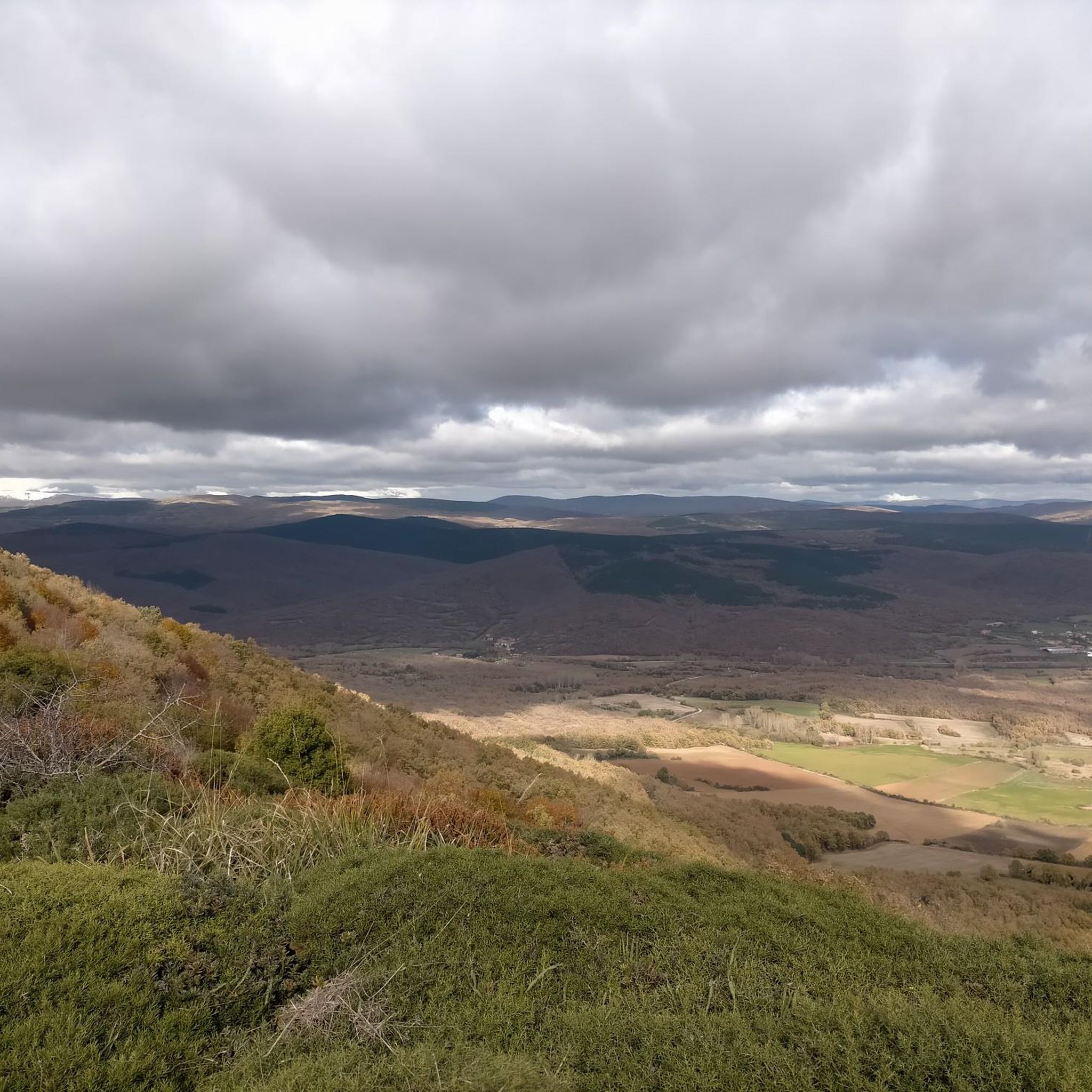
Gravel biking in Embalse Del Ebro offers diverse landscapes around the vast reservoir, which is the largest freshwater expanse in Cantabria. The region features a mix of gravel tracks, country roads, and forest trails, navigating through mountains, deep valleys, and charming villages. Cyclists encounter varied surfaces from compacted earth to loose gravel, often alongside the Ebro River. This terrain provides options for both leisurely rides and challenging excursions.
Best gravel bike trails in Embalse Del Ebro
- The most popular gravel bike trail is Quintanilla de Santa Gadea – View of the Robla Train Bridge loop from Arija, a 14.0 miles (22.5 km) moderate trail that takes 1 hour 35 minutes to complete. This route offers views of the reservoir and surrounding natural features.
- Another top favourite among local gravel bikers is Aurora Fountain – Historic Center of Reinosa loop from Río Ebro, a difficult 26.4 miles (42.5 km) path. This route connects natural landscapes with historic town centers, featuring varied terrain.
- Local gravel bikers also love the Historic Center of Reinosa – Cruz de Fuentes loop from Reinosa, a 28.4 miles (45.6 km) trail leading through mountainous terrain, often completed in about 3 hours 26 minutes.
- Gravel biking in Embalse Del Ebro is defined by its vast reservoir, the surrounding Cantabrian Mountains, and ancient oak forests. The network offers options for different ability levels, from moderate paths to more difficult climbs.
- The guide includes highly-rated routes that showcase the best of the region's landscape. More than 9 gravel bikers have used komoot to explore Embalse Del Ebro's varied terrain.
Last updated: July 14, 2026
2
riders
Moderate gravel ride. Good fitness required. Mostly paved surfaces. Suitable for all skill levels.
2
riders
42.5km
03:12
690m
690m
Hard gravel ride. Very good fitness required. You may need to push your bike for some segments of this route.

Sign up for free
2
riders
45.6km
03:27
840m
840m
Hard gravel ride. Very good fitness required. Mostly paved surfaces. Suitable for all skill levels.
1
riders
37.1km
02:41
660m
660m
Hard gravel ride. Very good fitness required. Mostly paved surfaces. Suitable for all skill levels.
2
riders
31.2km
02:05
340m
340m
Hard gravel ride. Good fitness required. You may need to push your bike for some segments of this route.
Our route recommendations are based on thousands of hikes, rides, and runs completed by other people on komoot.
Start today with a free account
Your next adventure awaits.
Login or Signup
Tips from the Community

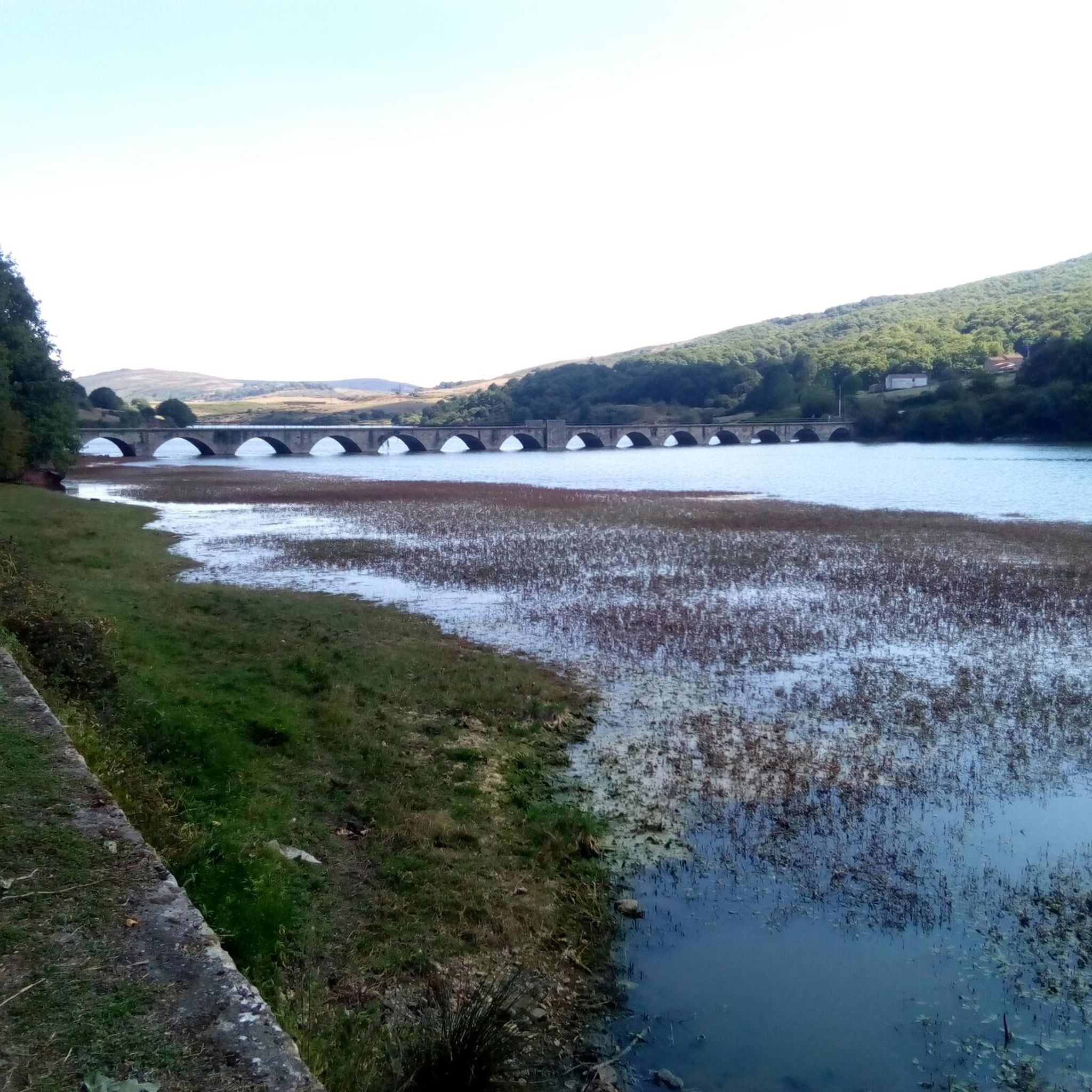
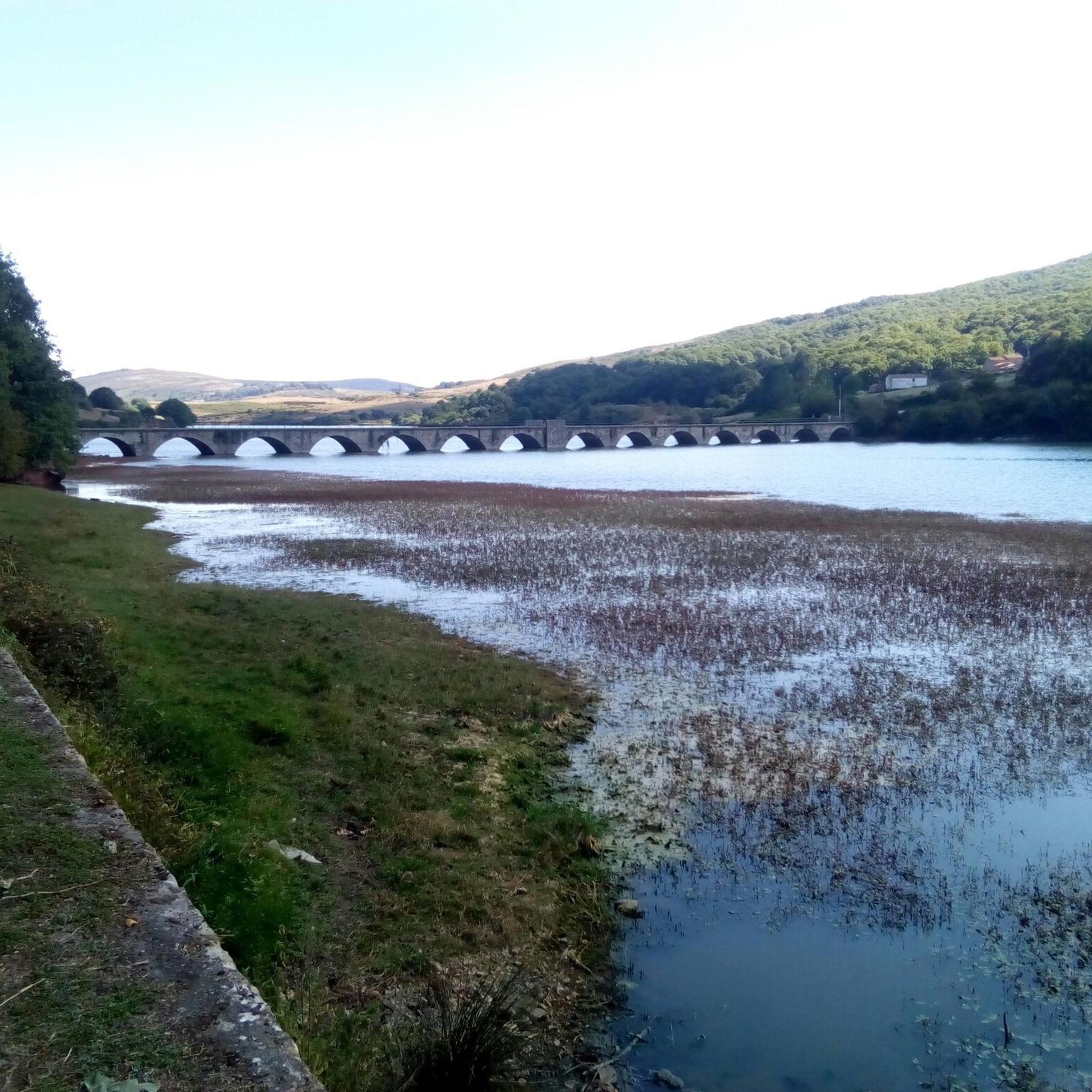
Extraordinary views of the Robla train bridge with its spectacular arches and the beautiful panorama of the Ebro reservoir in the background.
1
0

Small town located at the foot of the Ebro Reservoir and notable for its church located in the middle of the town.
1
0

On a hill, and guarding the road that linked the coast with Castilla through the Saja Valley, is the Castillo de San Vicente, in Argüeso, within the municipality of the Brotherhood of Campoo de Suso, in the South from Cantabria (Spain). Built during the 13th, 14th and 15th centuries, it was the emblem and fortress of the dominion of the House of Mendoza in the highlands of Campoo.
8
0

Beautiful 12th century church and an example of Romanesque-style religious architecture in southern Cantabria. The church is listed as an Asset of Cultural Interest. Inside it has a small interactive museum.
1
0
Located between high mountains far from the sea, the fascinating thing about this city is that it dates back to the Middle Ages, with an old town with interesting monuments to visit. The structure that stands out the most is the church of San Sebastián in the old center of the city. Furthermore, in the Town Hall Square you can see a set of ashlar buildings, built in the 16th and 17th centuries. Don't forget to try the city's most typical sweet, calf, which is a puff pastry with caramelized sugar.
1
0
Precious sculpture located next to the Ebro river and in front of the old House of Culture. Made in 2017, it stands out for its striking colouring, unmistakable in the Okuda style. Very original, very showy.
1
0
The Palombera pass is a 1st category mountain pass located at the eastern end of the Sierra del Cordel. One of the most beautiful ports in Cantabria with a spectacular landscape.
2
0
Calle Mayor, at the end of its route, widens, forming a square where there is a public fountain in charge of supplying water to the population. It fulfilled this function until 1910, when the deposit was built. It simply consists of a column with a square base from which four water pipes supply. It is believed that it may date from the beginning of the 18th century. Next to the fountain are the Hermitage of San Roque and the Teatro Principal.
1
0
Frequently Asked Questions
How many gravel bike trails are available in Embalse Del Ebro?
There are 5 gravel bike routes available in Embalse Del Ebro. These routes offer a diverse range of experiences, from moderate to difficult, allowing you to explore the varied landscapes of the region.
What is the typical difficulty of gravel biking routes around Embalse Del Ebro?
The gravel biking routes in Embalse Del Ebro are generally on the more challenging side. Out of the 5 available routes, 1 is rated as moderate, while the remaining 4 are considered difficult. This means you can expect varied terrain, including gravel tracks, country roads, and forest trails, with some routes featuring significant elevation changes.
Are there any circular gravel bike routes in the Embalse Del Ebro area?
Yes, many of the gravel bike routes in Embalse Del Ebro are designed as loops, allowing you to start and finish at the same point. For example, you can explore the Quintanilla de Santa Gadea – View of the Robla Train Bridge loop from Arija or the Aurora Fountain – Historic Center of Reinosa loop from Río Ebro, both offering scenic circular journeys.
What kind of landscapes can I expect to see while gravel biking here?
Gravel biking in Embalse Del Ebro offers incredibly diverse landscapes. You'll ride alongside the vast reservoir, through mountains and deep valleys, past charming villages, and often with the Ebro River as a companion. Expect to see lush meadows, ancient oak forests like Monte Hijedo, and dramatic geological formations, especially towards the UNESCO Global Geopark of Las Loras. The region's natural beauty is a constant highlight.
Are there any family-friendly gravel biking options?
While many routes in Embalse Del Ebro are rated difficult, the region does offer varied terrain. For families or those seeking a less strenuous ride, look for routes with lower elevation gain and shorter distances. The area around the reservoir itself often has flatter sections and country roads that can be adapted for a more relaxed pace, though specific family-friendly gravel routes are not explicitly listed in this guide.
What are some interesting sights or landmarks to look out for on a gravel bike ride?
The Embalse Del Ebro region is rich in natural and historical attractions. You might encounter the iconic Tower of the Church of San Roque (The Cathedral of the Fish), which periodically emerges from the reservoir. Other notable sights include the Fountain and Old Bridge at Embalse del Ebro, and the impressive Ebro Dam. For birdwatching enthusiasts, the La Población de Yuso Ornithological Center is also nearby.
When is the best time of year to go gravel biking in Embalse Del Ebro?
The best time for gravel biking in Embalse Del Ebro is generally during spring and autumn when the weather is mild and the landscapes are at their most vibrant. Summers can be warm, especially in the valleys, while winters can bring colder temperatures and potentially snow in higher elevations, making some routes more challenging or inaccessible.
Are there options for more challenging gravel bike rides?
Absolutely. The majority of gravel routes in Embalse Del Ebro are rated as difficult, offering significant challenges for experienced riders. Routes like the Historic Center of Reinosa – Cruz de Fuentes loop from Reinosa, with over 800 meters of elevation gain, provide demanding climbs and technical descents. Some harder routes may even require pushing your bike at times.
What are the typical distances of the gravel bike routes in Embalse Del Ebro?
The gravel bike routes in Embalse Del Ebro vary in length, catering to different endurance levels. You can find routes ranging from approximately 22 km, such as the Quintanilla de Santa Gadea – View of the Robla Train Bridge loop from Arija, up to around 45 km, like the Historic Center of Reinosa – Cruz de Fuentes loop from Reinosa. Most routes fall within the 30-45 km range.
Can I bring my dog on the gravel trails?
While the guide doesn't specify dog-friendliness for individual routes, many natural areas in Spain are generally welcoming to dogs on trails, especially if kept on a leash. However, it's always best to check local regulations for specific trails or protected areas within Embalse Del Ebro to ensure your furry companion is allowed.
Are there any cafes or places to stop for refreshments along the routes?
The Embalse Del Ebro region is dotted with charming villages and towns, such as Reinosa, which often have local cafes, restaurants, and shops where you can stop for refreshments. While specific cafes aren't listed for each route, planning your ride to pass through these settlements will provide opportunities for breaks and to experience local hospitality.
What about winter gravel biking in Embalse Del Ebro?
Winter gravel biking in Embalse Del Ebro is possible but requires careful planning. The region, particularly in higher elevations and closer to the Cantabrian Mountains, can experience cold temperatures and snow. Lower-lying routes around the reservoir might remain rideable, but always check weather forecasts and trail conditions before heading out. Be prepared for potentially muddy or icy sections.
Most popular routes in Embalse Del Ebro
Most popular attractions in Embalse Del Ebro

Get inspired with the komoot mobile app


Explore more
Browse the best Gravel rides in other regions.
