The best gravel rides around Embalse del Ebro
9
riders
5
rides
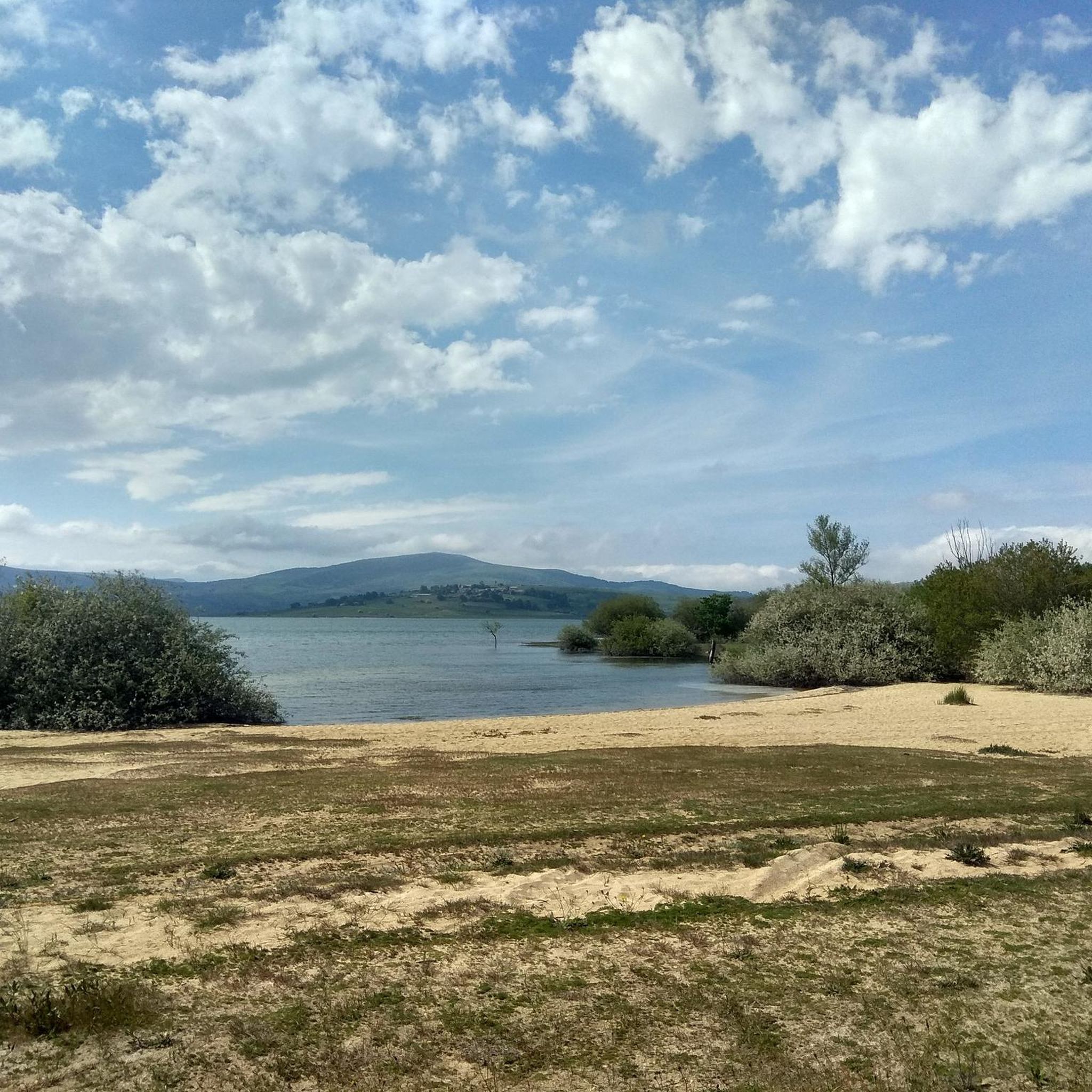
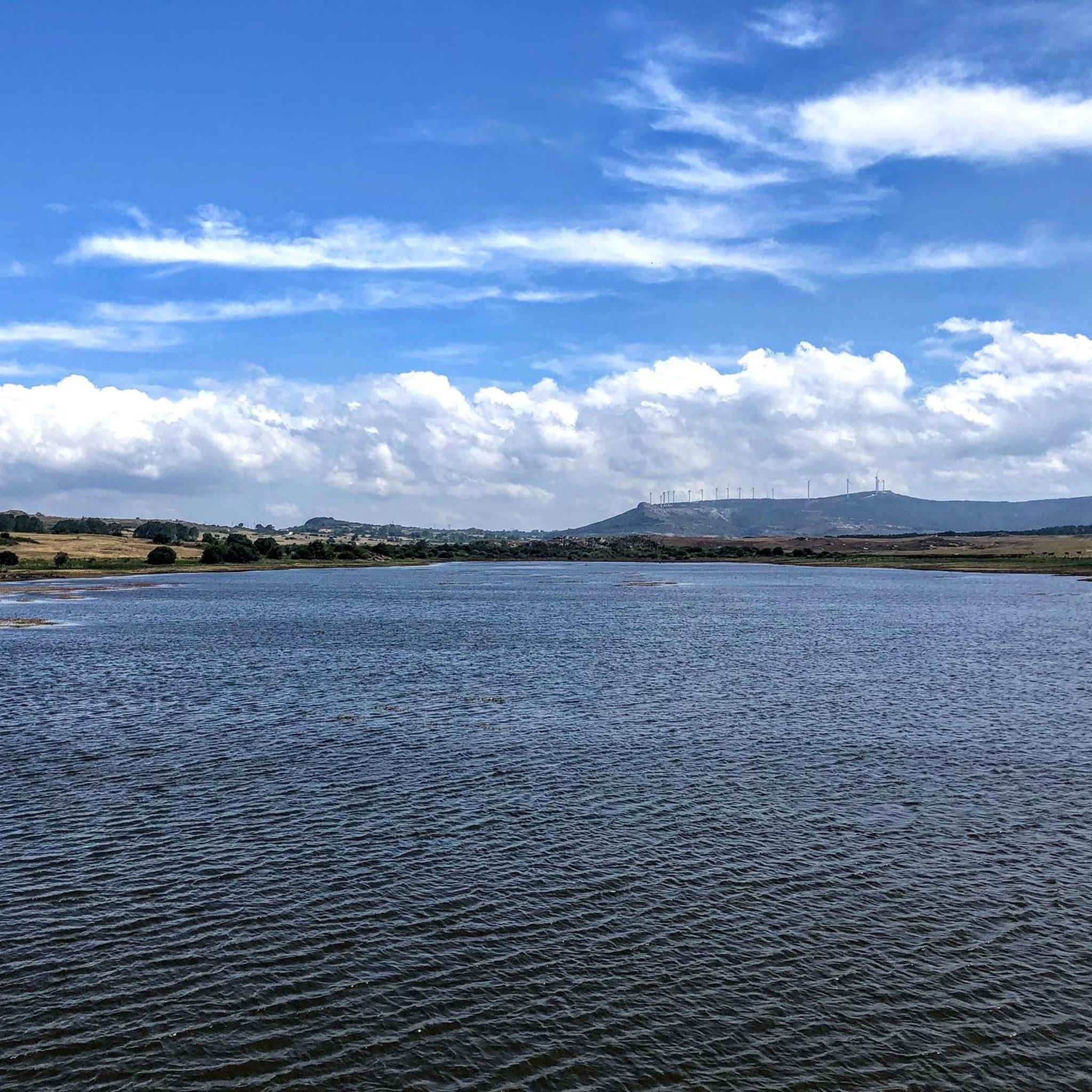
Gravel biking around Embalse del Ebro offers diverse terrain surrounding northern Spain's largest inland body of water. The region features an irregular shoreline with coves and peninsulas, set amidst meadows, ancient oak forests, and surrounding mountains. Riders encounter a mix of unpaved rural roads, natural tracks, and trails, with routes ranging from relatively flat sections along the Ebro river to more mountainous ascents. The landscape provides varied gradients and technical levels for gravel cyclists.
Best gravel bike trails around Embalse…
Last updated: July 13, 2026
2
riders
Moderate gravel ride. Good fitness required. Mostly paved surfaces. Suitable for all skill levels.
2
riders
45.6km
03:27
840m
840m
Hard gravel ride. Very good fitness required. Mostly paved surfaces. Suitable for all skill levels.

Sign up for free
1
riders
37.1km
02:41
660m
660m
Hard gravel ride. Very good fitness required. Mostly paved surfaces. Suitable for all skill levels.
2
riders
42.5km
03:12
690m
690m
Hard gravel ride. Very good fitness required. You may need to push your bike for some segments of this route.
2
riders
31.2km
02:05
340m
340m
Hard gravel ride. Good fitness required. You may need to push your bike for some segments of this route.
Our route recommendations are based on thousands of hikes, rides, and runs completed by other people on komoot.
Start today with a free account
Your next adventure awaits.
Login or Signup
Tips from the Community

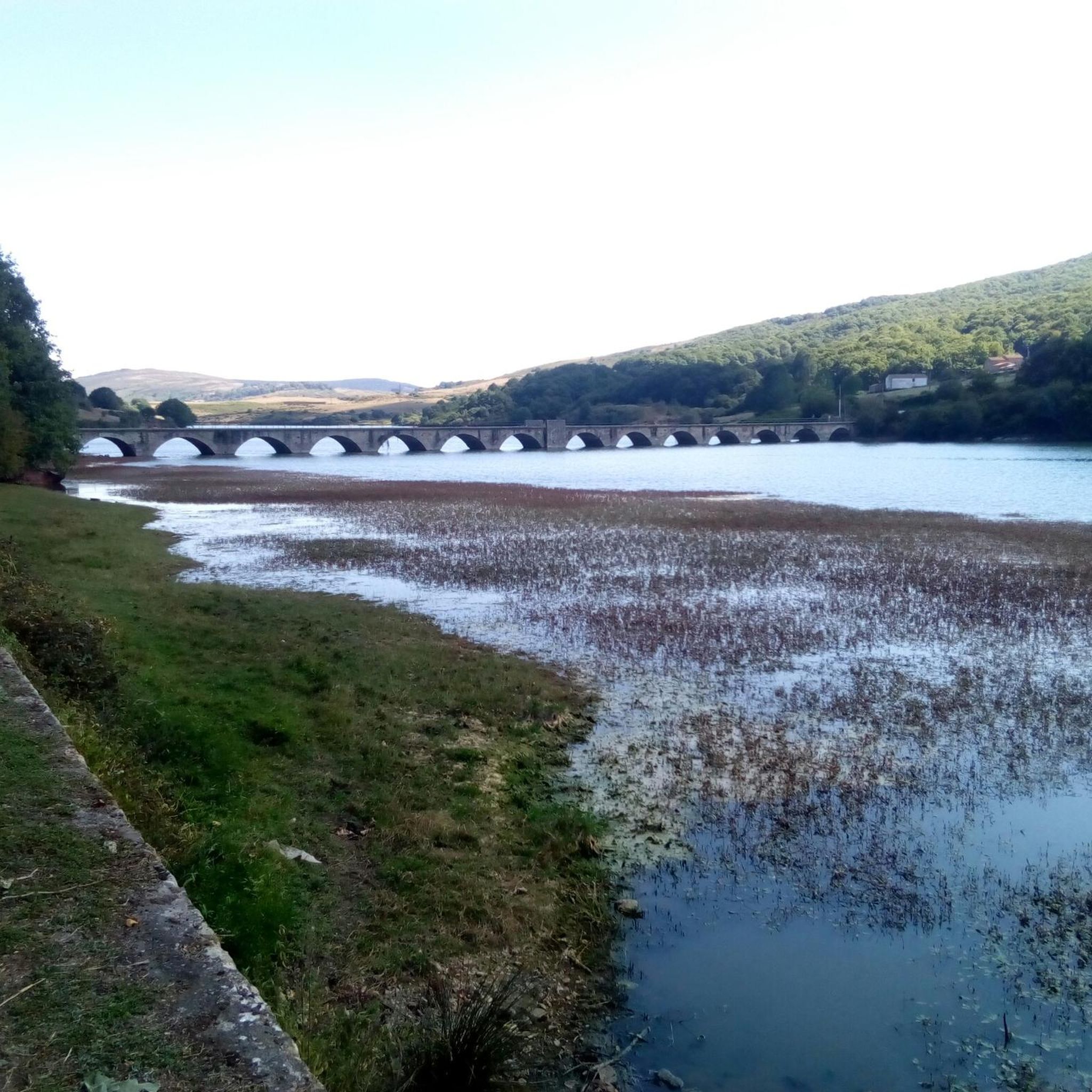
Extraordinary views of the Robla train bridge with its spectacular arches and the beautiful panorama of the Ebro reservoir in the background.
1
0

Small town located at the foot of the Ebro Reservoir and notable for its church located in the middle of the town.
1
0

On a hill, and guarding the road that linked the coast with Castilla through the Saja Valley, is the Castillo de San Vicente, in Argüeso, within the municipality of the Brotherhood of Campoo de Suso, in the South from Cantabria (Spain). Built during the 13th, 14th and 15th centuries, it was the emblem and fortress of the dominion of the House of Mendoza in the highlands of Campoo.
8
0

Beautiful 12th century church and an example of Romanesque-style religious architecture in southern Cantabria. The church is listed as an Asset of Cultural Interest. Inside it has a small interactive museum.
1
0
Located between high mountains far from the sea, the fascinating thing about this city is that it dates back to the Middle Ages, with an old town with interesting monuments to visit. The structure that stands out the most is the church of San Sebastián in the old center of the city. Furthermore, in the Town Hall Square you can see a set of ashlar buildings, built in the 16th and 17th centuries. Don't forget to try the city's most typical sweet, calf, which is a puff pastry with caramelized sugar.
1
0
Precious sculpture located next to the Ebro river and in front of the old House of Culture. Made in 2017, it stands out for its striking colouring, unmistakable in the Okuda style. Very original, very showy.
1
0
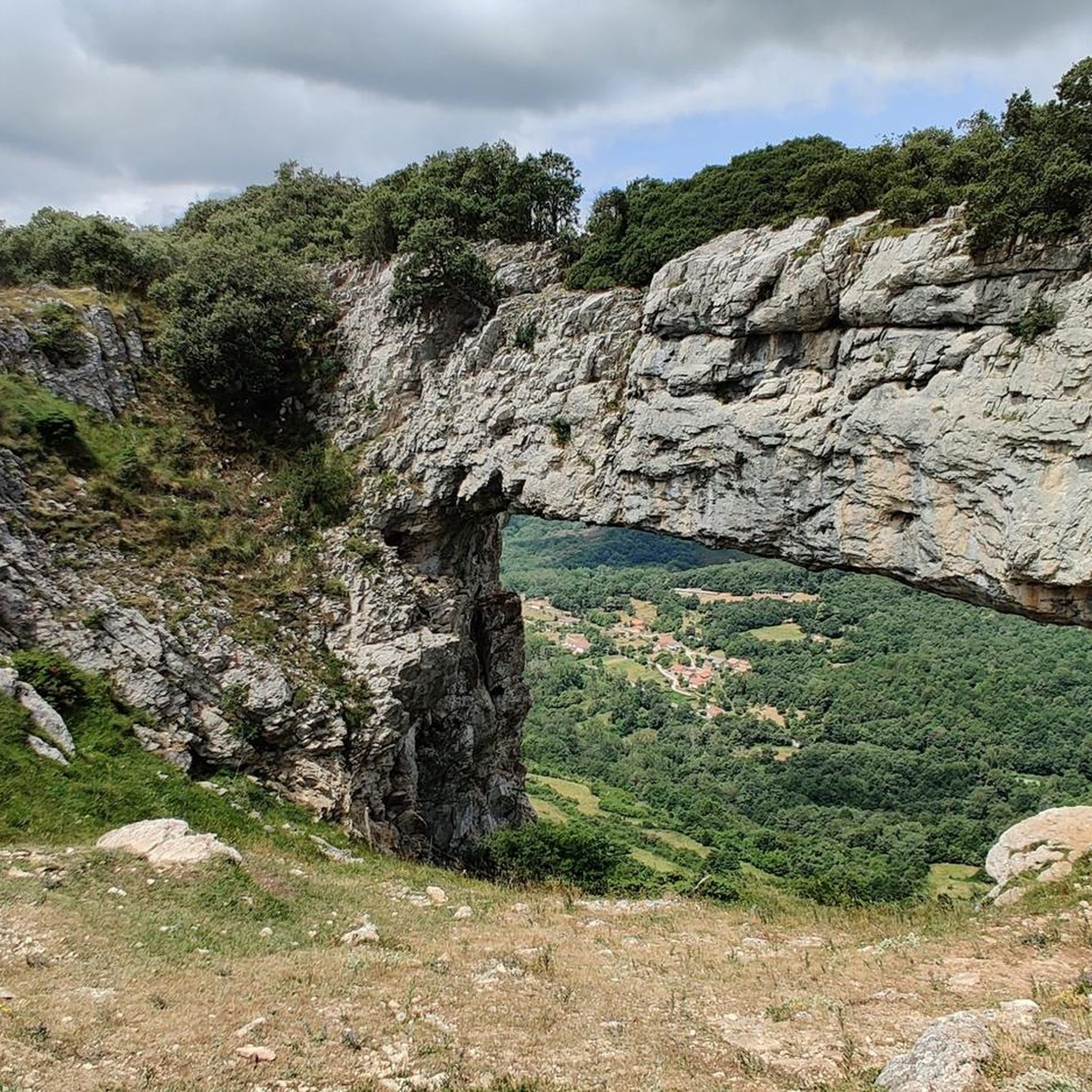
The Palombera pass is a 1st category mountain pass located at the eastern end of the Sierra del Cordel. One of the most beautiful ports in Cantabria with a spectacular landscape.
2
0
Calle Mayor, at the end of its route, widens, forming a square where there is a public fountain in charge of supplying water to the population. It fulfilled this function until 1910, when the deposit was built. It simply consists of a column with a square base from which four water pipes supply. It is believed that it may date from the beginning of the 18th century. Next to the fountain are the Hermitage of San Roque and the Teatro Principal.
1
0
Frequently Asked Questions
What kind of gravel biking terrain can I expect around Embalse del Ebro?
The Embalse del Ebro region offers a varied gravel biking experience. You'll find a mix of rural roads, tracks, and trails. While some routes are relatively easy and follow river courses, others delve into more mountainous terrain with significant climbs. The area is well-suited for gravel bikes due to its unpaved surfaces and natural tracks.
Are there any easy or beginner-friendly gravel bike routes in the area?
While many routes around Embalse del Ebro are rated as difficult, there is at least one moderate option available. The Quintanilla de Santa Gadea – View of the Robla Train Bridge loop from Arija is a moderate 22.4 km route, offering a good starting point for those looking for a less challenging ride.
What are some of the longer gravel biking routes available?
For longer rides, consider the Historic Center of Reinosa – Cruz de Fuentes loop from Reinosa, which spans approximately 45.6 km. Another substantial option is the Aurora Fountain – Historic Center of Reinosa loop from Río Ebro, covering about 42.5 km.
What natural features or landmarks can I see while gravel biking around Embalse del Ebro?
The region is rich in natural beauty and historical points of interest. You can cycle past the vast Embalse del Ebro itself, with its irregular shoreline, coves, and reedbeds. Notable landmarks include the striking Tower of the Church of San Roque, often called "The Cathedral of the Fish," which emerges from the reservoir. You might also encounter ancient oak forests like Monte Hijedo. Specific highlights to look out for include the Ebro Dam, Rutón Bridge, and the La Robla Train Bridge.
Are there any circular gravel bike routes in the area?
Yes, all the routes featured in this guide are circular, allowing you to start and end at the same point. Examples include the Historic Center of Reinosa – Palombera Pass loop from Reinosa and the Aurora Fountain – Historic Center of Reinosa loop from Reinosa.
What is the best time of year for gravel biking around Embalse del Ebro?
The region is generally appealing for outdoor activities. While watersports are popular in warmer months due to reliable thermal winds, gravel biking can be enjoyed across seasons. Be aware that due to the altitude, the water in the reservoir remains cool. Always check local weather forecasts, especially for mountainous sections, as conditions can change.
Are there any facilities for birdwatching near the gravel trails?
Yes, the Embalse del Ebro is recognized for its ornithological importance. There is an observatory at Arija for birdwatching. You can also visit the La Población de Yuso Ornithological Center, which provides insights into the area's diverse birdlife, with over 160 recorded species.
Can I find places to eat or stay near the gravel biking routes?
Reinosa, a nearby service center, features a historic quarter with 17th and 18th-century Cantabrian manor houses and offers various amenities. It's a good place to find cafes, restaurants, and accommodation options after your ride. The region also has information centers that can provide further details on local services.
What are the elevation gains like on the gravel bike trails?
The elevation gains vary significantly depending on the route. For instance, the Quintanilla de Santa Gadea – View of the Robla Train Bridge loop from Arija has an elevation gain of around 262 meters. More challenging routes, like the Historic Center of Reinosa – Cruz de Fuentes loop from Reinosa, can involve climbs of over 830 meters, with some gravel roads reaching altitudes of over 2,000 meters in the surrounding mountains.
Is there public transport access to the gravel biking trailheads?
While the region is well-suited for cycling, specific public transport links directly to all trailheads might be limited. Reinosa serves as a key service center in the area, and it's advisable to check local bus or train schedules to Reinosa or other towns near the reservoir. Parking is generally available in towns and at popular access points around the reservoir.
What makes the Embalse del Ebro region unique for gravel biking?
The Embalse del Ebro stands out due to its combination of the largest inland body of water in northern Spain, diverse terrain ranging from flat reservoir shores to mountainous gravel roads, and rich cultural history. The presence of submerged villages, ancient forests, and significant birdlife creates a unique and picturesque backdrop for gravel biking adventures.
Most popular routes around Embalse del Ebro
Most popular attractions around Embalse del Ebro

Get inspired with the komoot mobile app


Explore more
Browse the best Gravel rides in other regions.
