The best gravel rides around Iłów
5.0
(1)
10
riders
4
rides
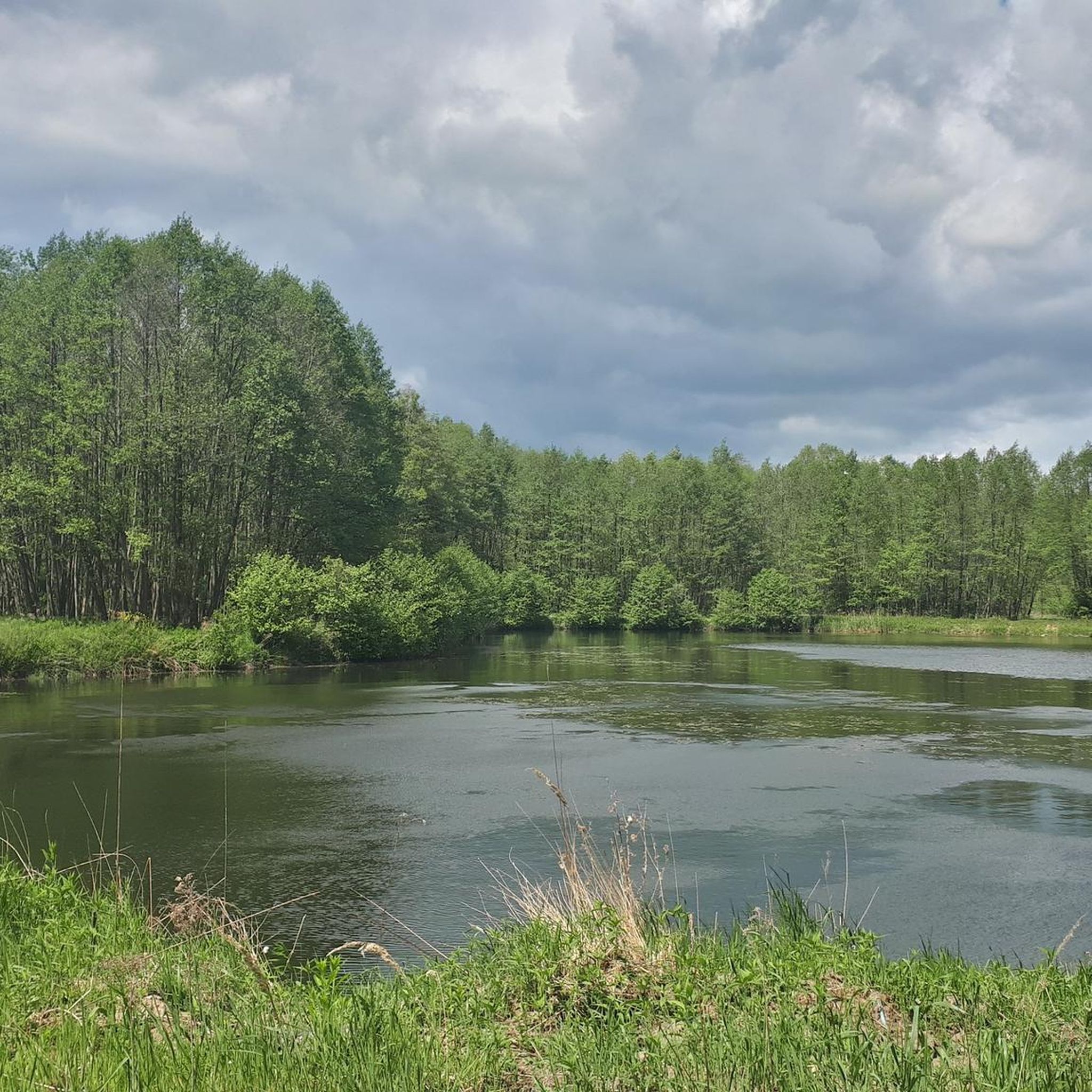
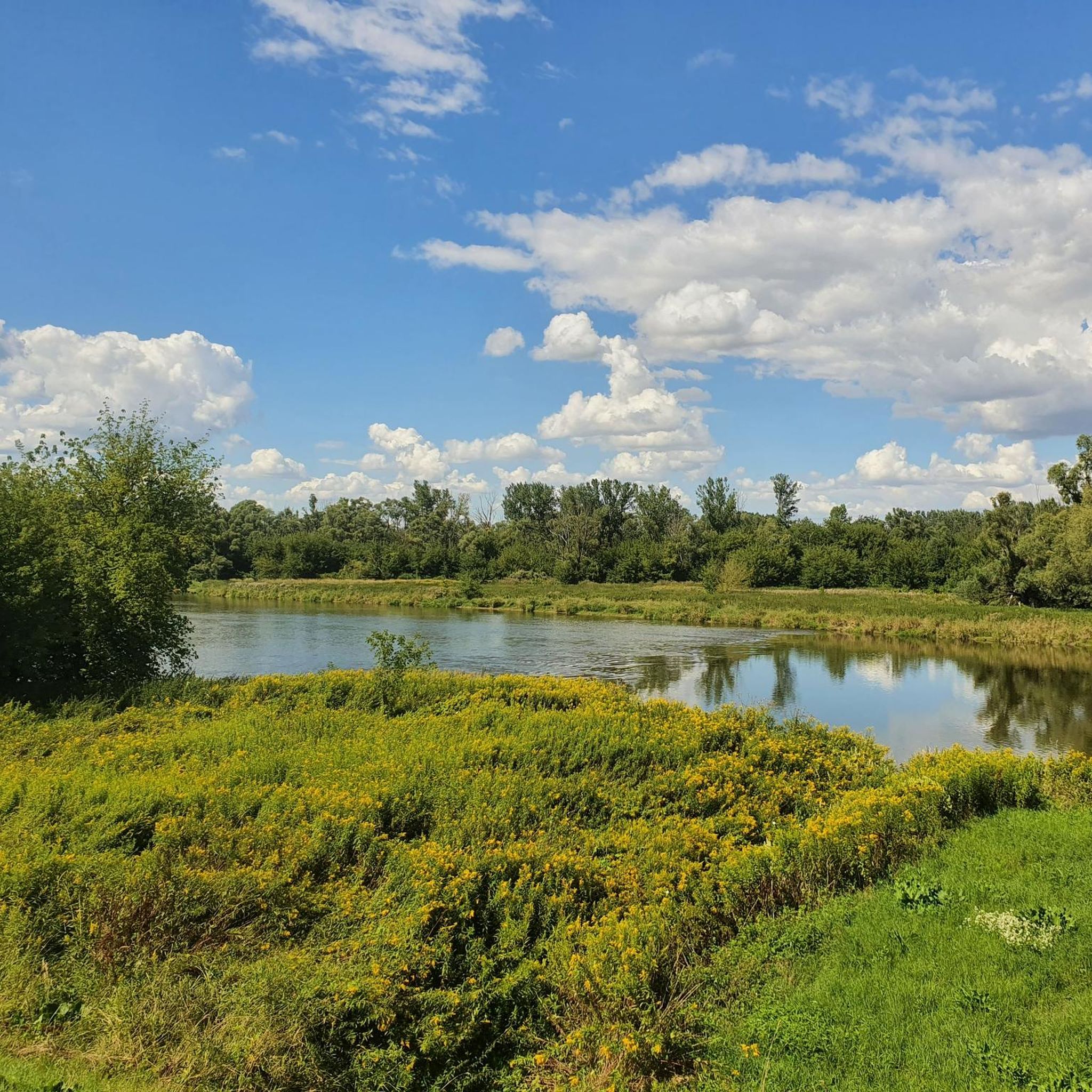
Gravel biking around Iłów features routes primarily through flat, agricultural landscapes and along river embankments. The region is characterized by open fields, the Bzura River, and occasional historical landmarks. These gravel bike trails Iłów offer a mix of terrain suitable for various skill levels, with minimal elevation changes across all routes. Many routes are circular gravel bike routes Iłów, providing varied scenery.
Best gravel bike trails around Iłów
- The most popular gravel bike trail is Kobendza Oak – Kampinoska Cottage…
Last updated: July 2, 2026
5.0
(1)
3
riders
Hard gravel ride. Good fitness required. You may need to push your bike for some segments of this route.
2
riders
67.7km
03:54
150m
150m
Moderate gravel ride. Good fitness required. Mostly paved surfaces. Suitable for all skill levels.

Sign up for free
3
riders
37.1km
02:17
100m
100m
Moderate gravel ride. Good fitness required. Mostly paved surfaces. Suitable for all skill levels.
2
riders
40.4km
02:17
110m
110m
Moderate gravel ride. Good fitness required. Mostly paved surfaces. Suitable for all skill levels.
Our route recommendations are based on thousands of hikes, rides, and runs completed by other people on komoot.
Start today with a free account
Your next adventure awaits.
Login or Signup
Popular around Iłów

Tips from the Community

Place of baptism of F. Chopin :-)
1
0

It's worth seeing, a show of the power of nature!!
0
0

Fryderyk Chopin Society here Summer Chopin Concerts. This is a series of concerts that take place during the summer. The event attracts many music lovers every year.
0
0

Terribly noisy from cars. Passing on a narrow sidewalk, with difficulty two bicycles can pass each other. The view is great, though. The bridge is surprisingly long!
0
0

Until the mid-17th century, there was a wooden church here. Around 1670, another wooden church was built in the immediate vicinity of the Bzura River. Due to frequent floods, it was moved to its current location in 1841. The temple built at the initiative of Father Józef Krawczykowski existed until 1916. It burned down during World War I. A wooden temple was built on the foundations of the old church in 1917. After World War II, it turned out to be too small for the growing community. In 1978, the then parish priest, Father Paweł Flaszczyński, unable to obtain the appropriate permits to build a new temple, undertook to build it with the help of the parishioners without consent or designs. On April 8, 1978, in one day, about one hundred and fifty parishioners built the walls of the new temple, enclosing the wooden church with them, which was then demolished. The construction works that had begun were continued despite the penalty imposed, and as a result, the church in its present form was built. It was consecrated on July 26, 1980 by the auxiliary bishop of Warsaw, Jerzy Modzelewski.
0
0
The first bridge over the Bzura in Kamion was built in 1915. It was a wooden structure of a temporary nature. After 9 years, the bridge was destroyed during the flood in 1924. It was rebuilt in the same year, but the ice embankments (elements protecting the bridge from flowing ice floes) were not made until the following year. The war that began in 1939 caused the destruction of five spans, which were later repaired by the Germans. Military operations in 1945 and the flowing ice floes in 1947 destroyed the bridge again, but in 1947 it was rebuilt by the State Road Bridge Reconstruction Directorate over the Vistula and Bzura near Wyszogród. In this form (during the last reconstruction it received steel girders) the bridge survived until 2010, when the flowing ice floes damaged it so much that vehicle traffic had to be significantly limited (to 3.5 tons and max. 2 m wide. The reconstruction, or rather construction from scratch, was carried out in the "Design and Build" system. It turned out to be necessary to rebuild the drainage, technical infrastructure devices and build traffic safety devices. The structure has four spans, is 160.5 m long and 9 m wide and has a load capacity that allows for the movement of vehicles weighing up to 80 tons. The contractor completed the work on October 30, 2012, while the ceremonial handover of the new bridge to the residents of Kamion and the Sochaczew district took place on January 2, 2013. The total cost of the works in Kamion amounted to PLN 14.7 million. The subsidy in the amount of PLN 6.8 million came from government funds for the removal of the effects of flooding, which was allocated by the Mazovian Voivode Jacek Kozłowski. The remaining funds in the amount of PLN 7.9 million were provided by the local government of the Mazovian Voivodeship.
0
0
It is a Gothic-Renaissance three-nave basilica created as a result of the reconstruction of the original Gothic church, flanked by three large, cylindrical towers - two in the western corners, encompassing a wide narthex, and one above the presbytery apse with a gallery in the tower above the presbytery. The barrel vault is decorated with a coffered network with repeated rectangular motifs and covered with rich polychrome. A two-storey tunnel porch with embrasures runs around the church. The church was founded by Jan Brochowski of the Prawdzic coat of arms - a Warsaw soldier, owner of the village - and his family; it was built in the years 1551-1561 by the excellent mason Jan Baptista the Venetian, who worked in Mazovia (he built or rebuilt churches in Brok, Płock and Pułtusk, among others). The temple has a defensive character – this is emphasized by three towers that dominate the area like the castle towers. It was also rebuilt later, among others after 1655, thanks to the efforts of Olbracht Adrian Lasocki. It was at that time that the brick bastion frames surrounding the area by the church were erected. Remains of the moat have still been preserved on the Bzura side. Inside, above the side naves, there is a long porch, which allowed for the connection between the towers-towers. Typical of the style of Giovanni Battista Venetian is the barrel vault with a grid of decorative coffered ribs in the form of circles and rectangles.
0
0
The current late Baroque parish church in Wyszogród is the fourth in a row. The first church existed before 1320, closer to the Vistula. The next church was destroyed in 1726, when the riverside slope collapsed. The existing church was built from 1774 (or from 1779) on the foundations of the older one, which was destroyed by fire. These foundations were reinforced and slightly changed according to the design of the Gdańsk architect Samuel Fischer. The walls were completed in 1786 and this date was placed on the front elevation of the church. Probably in 1800 the new church was consecrated, and its name was changed from St. James to the Holy Trinity, as it is to this day. The church towers were completed and the interior furnishings were completed only after 1819. The towers themselves were added in 1837. In the second half In the 19th century the altar was rebuilt, using older elements. In 1942 the German occupiers closed the church and turned it into a grain granary.
0
0
Frequently Asked Questions
Are there easy gravel bike trails suitable for beginners in Iłów?
Yes, Iłów offers routes perfect for beginners. The Nice gravel among the fields – Bridge over the stream loop from Wyszogród is an easy 16.3 km trail, ideal for those new to gravel biking. It features minimal elevation changes and takes you through pleasant agricultural fields.
What kind of terrain can I expect on gravel bike trails around Iłów?
The gravel bike trails around Iłów are primarily characterized by flat, agricultural landscapes and paths along river embankments, particularly the Bzura River. You'll encounter open fields, rural roads, and occasional historical landmarks, with very few elevation changes across all routes.
Are there any longer gravel bike routes around Iłów, for example, over 50km?
Yes, for those looking for a longer ride, the Kobendza Oak – Kampinoska Cottage loop from Młodzieszyn is a substantial 67.5 km trail. This route allows you to explore a wider range of the area's natural features and rural paths.
Are there circular gravel bike routes available in Iłów?
Many of the gravel bike routes in Iłów are designed as circular loops, offering varied scenery without retracing your steps. For example, the Path along the embankment – View of the Bzura River loop from Wyszogród is a popular circular option.
What are some interesting landmarks or attractions I can see along the gravel bike trails near Iłów?
While gravel biking around Iłów, you can encounter several interesting sites. The View From the Embankment – Franciscan Monastery Complex loop from Wyszogród takes you past historical sites. Other notable attractions in the wider region include the Sanniki Palace and the St. John the Baptist Basilica in Brochów.
What do other gravel bikers enjoy most about gravel biking in Iłów?
The komoot community highly rates the gravel biking experience in Iłów, with an average score of 5.0 stars. Reviewers often praise the quiet country roads, the scenic river embankments, and the peaceful agricultural fields that define the region's routes.
Are there any advanced gravel trails near Iłów for experienced riders?
While the region is generally flat, some routes offer a more challenging distance or varied surfaces suitable for advanced riders. The Kobendza Oak – Kampinoska Cottage loop from Młodzieszyn, at 67.5 km, provides a longer endurance challenge for experienced gravel bikers.
What is the best time of year for gravel biking in Iłów?
The best time for gravel biking in Iłów is typically from spring through autumn. During these seasons, the weather is generally mild, and the agricultural landscapes are vibrant. Winter conditions can make some paths muddy or icy, so it's advisable to check local weather before heading out.
Is Iłów a good destination for family-friendly gravel biking?
Yes, Iłów can be suitable for family-friendly gravel biking, especially on the easier, flatter routes. The minimal elevation changes and quiet country roads make it a pleasant environment for families. Consider routes like the Nice gravel among the fields – Bridge over the stream loop from Wyszogród for a relaxed family outing.
Are there cafes or pubs along the gravel routes in Iłów?
Iłów and its surrounding villages are rural, so while there might not be cafes directly on every trail, you can typically find small shops or local eateries in the main towns like Iłów or Wyszogród. It's always a good idea to pack sufficient water and snacks, especially for longer rides.
How many gravel bike trails are available in the Iłów region?
There are over 4 gravel bike trails documented in the Iłów region on komoot, offering a variety of distances and experiences for different skill levels.
Most popular routes around Iłów
Most popular attractions around Iłów

Get inspired with the komoot mobile app


Explore more
Browse the best Gravel rides in other regions.
